
Reptile Socialization Problems? Expert Online Tips for MultiPet Households

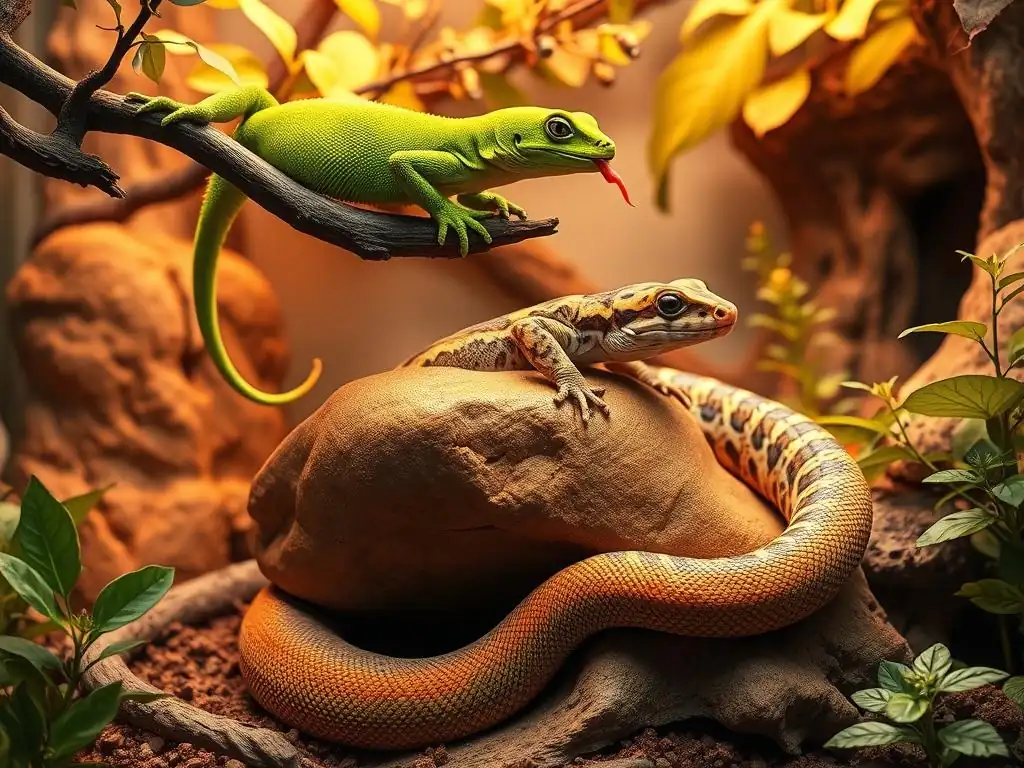
Welcome to PetCareWorld, your ultimate guide to a happier, healthier life for your beloved companions! Are you facing challenges with reptile socialization in your multi-pet household? Discover expert advice and practical solutions to create a harmonious environment for all your animals. We delve into the intricacies of successful multi-species living, providing the knowledge you need to build thriving relationships within your unique family. Unlock the secrets to peaceful co-existence – explore our in-depth guide on Reptile Socialization Problems? Expert Online Tips for MultiPet Households now!
- Understanding Reptile Socialization Challenges in Multi-Pet Homes
- Creating a Safe and Enriching Environment for Multiple Pets
- Reptile-Specific Socialization Techniques
- Addressing Specific Reptile Socialization Scenarios
- When to Seek Professional Help: Reptile Behaviorists and Veterinarians
- Products to Support Reptile Socialization in Multi-Pet Households
- Maintaining Harmony: Long-Term Strategies for Multi-Pet Households with Reptiles
-
Frequently Asked Questions
- How can I safely introduce a new reptile to my existing multi-pet household?
- What are the common signs of reptile stress in a multi-pet household?
- Are all reptiles suitable for multi-pet households?
- My reptile seems aggressive towards my other pets; what should I do?
- What are the best ways to prevent territorial disputes between reptiles in a multi-pet household?
- Final Reflection: Harmonious Habitats: Building Bridges Between Scaly Companions
- Unlock Happier Reptiles: Take Action for Peaceful Coexistence!
Successfully integrating reptiles into multi-pet households requires careful planning and understanding of reptilian behavior. Unlike many mammals, reptiles don't typically exhibit the same social structures or communication styles. This can lead to significant challenges in socialization, particularly when introducing them to other animals, even those of the same species.
This article will delve into the common problems encountered when housing multiple pets, including reptiles, and offer expert advice on how to mitigate potential conflicts and foster a harmonious environment for all your animals. We'll explore practical strategies for assessing your reptile's personality, identifying potential conflicts, and addressing common socialization issues to create a safe and enriching home for your scaly companions and their housemates.
Remember, responsible pet ownership includes understanding the unique needs of each animal and ensuring their well-being within the household ecosystem. This guide is designed to equip you with the knowledge and tools needed to navigate the complexities of reptile socialization in multi-pet homes, ultimately promoting a happy and healthy environment for everyone.
Identifying Potential Conflicts: Reptiles and Other Pets
Introducing a reptile to an existing multi-pet household presents unique challenges. Potential conflicts can arise from a variety of factors, including territoriality, prey drive, and differing environmental needs. For example, a dog or cat might view a smaller reptile as prey, leading to accidental injury or even death. Conversely, some reptiles, particularly larger species, might perceive smaller mammals or birds as a threat to their territory. Even seemingly docile pets can react unpredictably when stressed or frightened.
Understanding these potential dynamics is crucial for preventing conflicts. The size and temperament of both the reptile and the other pets must be carefully considered. For instance, a large iguana might pose a threat to a small hamster, while a small gecko might be at risk from a playful cat. Careful observation and planning are key to minimizing these risks. Consider the following potential conflicts:
- Predation: Cats and dogs, even smaller breeds, may see reptiles as prey.
- Territoriality: Reptiles can be territorial, especially during feeding or shedding.
- Stress: Introducing a new pet can stress existing pets, potentially leading to aggression.
- Incompatible Housing: Different species have different environmental needs (temperature, humidity, lighting), making cohabitation difficult.
- Accidental Injury: A reptile's claws or teeth can cause injury to other pets, even unintentionally.
Once a reptile is introduced to a multi-pet environment, several behavioral issues might arise. Aggression, stress, and excessive hiding are common signs of socialization problems. Aggression can manifest as biting, lunging, or tail whipping. Stress indicators may include changes in appetite, lethargy, or unusual shedding patterns.
Excessive hiding, on the other hand, suggests the reptile feels unsafe or threatened. These behaviors are crucial indicators that the integration process needs adjustment. It's important to recognize that not all reptiles are suited to multi-pet households. Some species are inherently more solitary and may never fully adapt to sharing their space.
Monitoring your reptile for these signs is critical to ensuring their well-being. Furthermore, understanding the root cause is paramount to developing effective solutions. Is the aggression a response to perceived threat, or is it a symptom of underlying health issues? Careful observation and consultation with a veterinarian or reptile specialist can help determine the best course of action.
Assessing Your Reptile's Personality and Temperament: Key to Successful Integration
Before introducing a reptile to a multi-pet home, it's crucial to assess its individual personality and temperament. Some reptiles are naturally more docile and tolerant than others. Observing your reptile's behavior in isolation will provide valuable insights into its character. Does it readily approach or retreat from human interaction? How does it react to changes in its environment? Understanding these nuances can significantly influence your integration strategy. Consider creating a detailed behavioral profile before introducing it to other animals. This profile should include observations on:
- Activity Levels: Is your reptile active or mostly sedentary?
- Response to Stimuli: How does it react to noise, movement, and other pets?
- Feeding Habits: Is it a voracious eater or a picky one?
- Shedding Patterns: Does it shed regularly and without complications?
- Defensive Mechanisms: Does it bite, hiss, or display other defensive behaviors?
This thorough assessment will help you make informed decisions about whether your reptile is suitable for a multi-pet environment and, if so, how best to integrate it. Remember, patience and careful observation are key to successful reptile socialization in multi-pet households. A gradual introduction, with ample opportunities for acclimation, is often more effective than a sudden introduction.
Creating a Safe and Enriching Environment for Multiple Pets
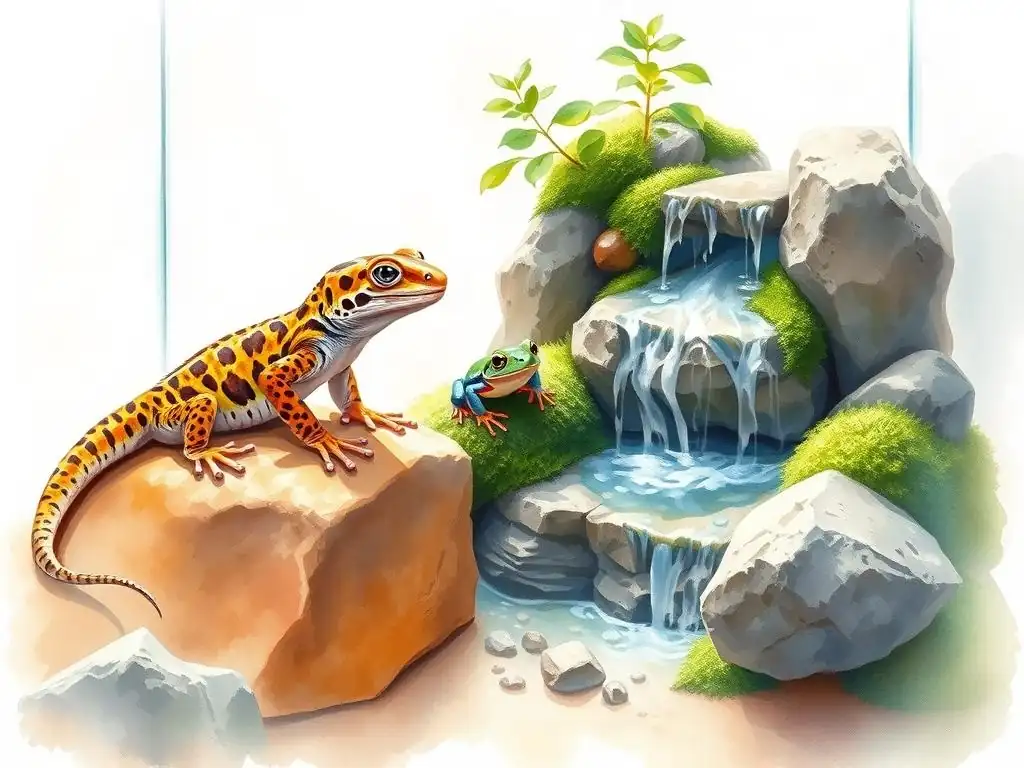
Successfully integrating reptiles into a multi-pet household hinges on creating a secure and stimulating environment that minimizes stress and promotes positive interactions. This requires careful consideration of each pet's individual needs and the potential for conflict. Remember, even seemingly docile reptiles can exhibit defensive behaviors when feeling threatened or insecure.
The goal is to prevent any negative experiences that could lead to long-term behavioral problems or injuries. Proper habitat design, gradual introductions, and the provision of safe havens are crucial components of this process. This section will delve into the specifics of creating a harmonious multi-pet reptile environment, focusing on practical strategies for reptile socialization in multipet households.
Habitat Design for Successful Reptile Integration: Spatial Separation and Visual Barriers
Designing appropriate habitats is paramount for successful reptile integration. Complete spatial separation is often the most effective initial step, especially with species known for aggressive territoriality or those with a significant size difference. For instance, a large monitor lizard should never share an enclosure with a small gecko. Even if housed separately, visual barriers are vital to reduce stress. Consider using opaque dividers, strategically placed plants, or even different levels within a shared room to manage visual interactions. This allows reptiles to acclimate to each other's presence without the immediate pressure of direct contact.
Remember, even seemingly docile reptiles can exhibit defensive behaviors when feeling threatened or insecure. The goal is to prevent any negative experiences that could lead to long-term behavioral problems or injuries. Proper habitat design, gradual introductions, and the provision of safe havens are crucial components of this process.
Here's a table summarizing effective spatial separation techniques:
| Technique | Effectiveness | Suitability | Considerations |
|---|---|---|---|
| Separate Rooms | High | All reptile species | Requires significant space; may limit interaction |
| Separate Enclosures in a Room | Medium | Most reptile species; size-dependent | Requires careful monitoring for scent transference |
| Partitioned Enclosures | Low | Some species; limited interaction possible | Only suitable for compatible species with visual barriers |
Consider the specific needs of your reptiles when choosing a method. A large snake might require a much larger enclosure than a small lizard, influencing the feasibility of certain techniques. Always prioritize the safety and well-being of your animals above all else.
Introducing Reptiles Gradually: A Step-by-Step Guide to Minimizing Stress
A gradual introduction is key to preventing conflict and promoting acceptance. Avoid sudden, direct contact. The process should be slow and carefully monitored, allowing your reptiles to adjust to each other's presence gradually. This minimizes stress and increases the chances of a peaceful coexistence. Here’s a suggested step-by-step approach:
- Initial Separation: Maintain complete spatial separation for at least two weeks. This allows your reptiles to acclimate to the other's scent without visual or physical interaction.
- Controlled Visual Exposure: Introduce controlled visual exposure. Keep enclosures close together but maintain visual barriers. Monitor their reactions closely. Signs of stress might include increased hiding, changes in appetite, or unusual defensive postures.
- Scent Swapping: Carefully swap substrate or other materials between enclosures to familiarize them with each other's scent. This helps them gradually acclimate.
- Short, Supervised Interactions: Once they show no signs of distress during visual exposure, you can attempt short, supervised interactions. This could involve placing their enclosures side-by-side without barriers for brief periods.
- Extended Interactions (If Compatible): If all goes well, you can slowly increase the duration of interaction, always remaining vigilant for any signs of aggression or stress. Never leave them unsupervised during these interactions.
This gradual process allows reptiles to become accustomed to each other's presence without the immediate pressure of direct contact, thus minimizing the risk of conflict.
Creating Safe Havens for Reptiles
Providing safe havens is crucial, regardless of whether your reptiles are housed together or separately. These are areas where each reptile can retreat when feeling overwhelmed or stressed. These safe spaces should be easily accessible and offer ample hiding opportunities. For instance, you could include:
- Hiding boxes: These provide a secure, dark space where reptiles can feel safe and protected. Offer a variety of sizes and styles.
- Plants and branches: These provide visual barriers and climbing opportunities. They can help reptiles feel more secure and create a sense of environmental enrichment.
- Substrates: The type of substrate can significantly impact a reptile’s sense of security. Some reptiles prefer loose substrates for burrowing, while others prefer a smoother surface.
Remember, the goal is to create an environment where each reptile feels secure and comfortable, regardless of the presence of other pets. Providing ample safe havens is a crucial step in achieving this goal and promoting successful reptile socialization in a multi-pet household. The key is careful observation and responsiveness to your reptiles’ individual needs. Always prioritize their well-being and safety.
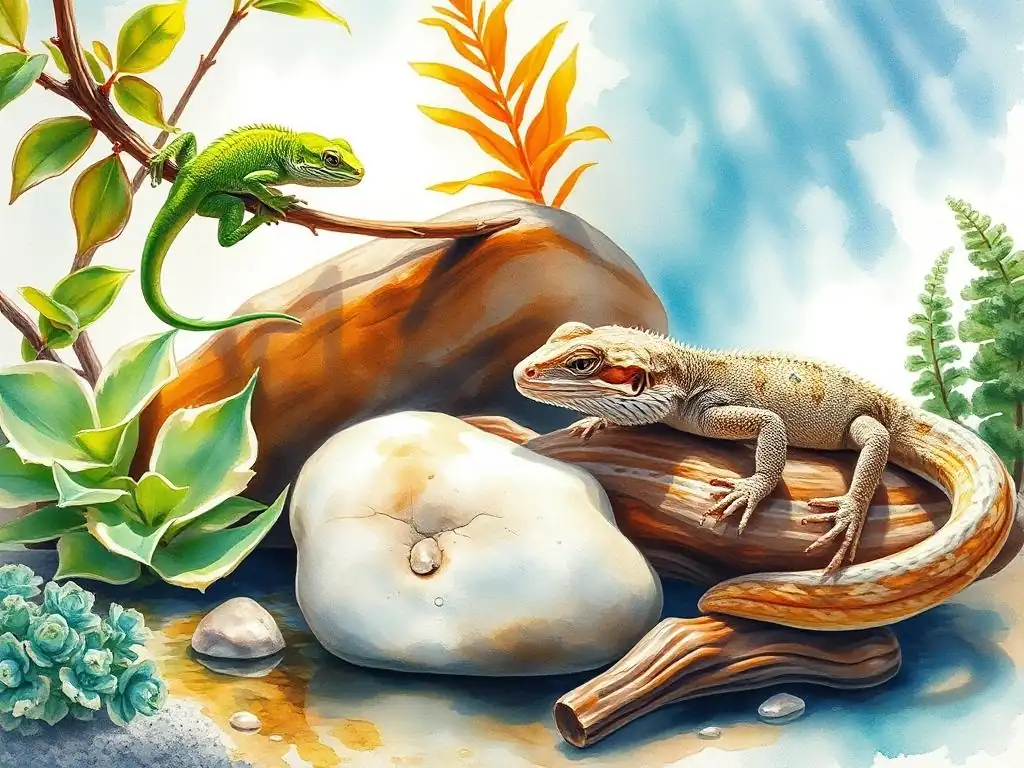
Successfully integrating reptiles into multi-pet households requires a nuanced understanding of their unique needs and behaviors. Unlike mammals, reptiles don't typically exhibit the same social structures or communication styles. Therefore, traditional socialization methods often prove ineffective. This section delves into reptile-specific techniques crucial for fostering peaceful cohabitation and minimizing conflict in a multi-pet environment. Remember, patience and careful observation are key to success in reptile socialization within multipet households. Understanding the nuances of reptile body language and employing positive reinforcement are vital components of this process.
Positive Reinforcement Training for Reptiles: Building Trust and Reducing Fear
Positive reinforcement training, a cornerstone of successful animal training, adapts well to reptiles, although it requires patience and understanding of their learning processes. Instead of punishment-based methods, which can increase fear and aggression, focus on rewarding desired behaviors. This builds trust and reduces anxiety, vital for successful reptile socialization in multi-pet homes.
For instance, with a fearful gecko, start by simply offering a favorite food item near your hand. Once the gecko approaches, reward it immediately. Gradually, increase the proximity of your hand, always rewarding the approach. This slow, consistent approach builds positive associations with your presence, making future interactions less stressful. The key is to avoid forcing interactions; let the reptile approach at its own pace.
Another example is using target training with a stick or a small object. Reward the reptile for touching the target with its nose. This can be used to guide the reptile's movement and control interactions with other pets, initially at a safe distance, gradually decreasing the distance as the reptile becomes more comfortable. Remember to use high-value rewards, like live food items or specially prepared nutritious meals, to maximize the impact of the training. Consistency is crucial; short, frequent training sessions are far more effective than long, infrequent ones.
Using Enrichment to Reduce Aggression: Providing Mental Stimulation for Reptiles
Aggression in reptiles often stems from boredom, stress, or lack of proper environmental enrichment. Providing a stimulating and species-appropriate environment can significantly reduce aggressive tendencies and improve overall well-being, making socialization with other pets smoother. This crucial step is often overlooked in reptile socialization within multipet households.
Consider these enrichment strategies:
- Thermal gradients: Reptiles require specific temperature gradients within their enclosures. Providing basking spots and cooler areas allows them to thermoregulate effectively, reducing stress.
- Hiding places: Secure hiding spots reduce anxiety and provide a sense of security, especially crucial during introductions to other pets.
- Climbing structures: Providing branches, rocks, or other climbing structures mimics their natural environment, stimulating natural behaviors and reducing boredom.
- Substrate variety: Using different substrates (like sand, bark, or coconut fiber) provides tactile stimulation and opportunities for foraging.
- Live plants: Adding safe, non-toxic plants adds visual appeal and provides hiding places.
By providing a stimulating environment, you reduce the likelihood of territorial behavior and aggression, creating a more relaxed reptile more receptive to interactions with other animals in the household. Remember to research the specific environmental needs of your reptile species to ensure optimal enrichment.
Understanding Reptile Body Language: Recognizing Signs of Stress and Aggression
Accurate interpretation of reptile body language is paramount in successful socialization. Misinterpreting subtle cues can lead to escalated conflicts and injuries. Recognizing signs of stress and aggression allows you to intervene promptly and prevent negative interactions. This is especially important when introducing reptiles to other pets in a multi-pet household.
Here's a table summarizing common reptile stress and aggression signals:
| Behavior | Possible Interpretation |
|---|---|
| Flattened body | Fear, stress, submission |
| Puffed-up body | Aggression, territorial defense |
| Darkening of color | Stress, aggression |
| Rapid tongue flicking | Increased alertness, potential threat detection |
| Hiding | Fear, stress, need for security |
| Tail whipping | Warning sign, potential aggression |
| Open mouth | Threat display, possible aggression |
| Lunging | Aggressive behavior, territorial defense |
Observing these subtle cues allows for proactive intervention. If you notice signs of stress or aggression, separate the reptiles immediately and reassess the situation. Gradual and controlled introductions, with careful monitoring of body language, are essential for successful integration. Remember, consistent observation and a deep understanding of your reptile's unique communication are key to preventing conflicts and ensuring the well-being of all your pets.
This section delves into practical scenarios frequently encountered by owners of multiple pets, including reptiles. We'll explore strategies for successful integration and conflict resolution, focusing on proactive measures and reactive solutions. Understanding the nuances of reptile behavior is crucial for fostering a harmonious multi-pet environment. Remember, patience and careful observation are key to successful reptile socialization in multi-pet households.
Introducing a New Reptile to an Existing Multi-Pet Household
Introducing a new reptile to an established multi-pet household requires careful planning and gradual integration. Rushing the process can lead to stress, aggression, and ultimately, failure. The key is to minimize stress for both the new and existing reptiles, as well as other pets.
First, quarantine the new reptile for at least four weeks. This crucial step helps prevent the introduction of diseases or parasites into your existing pet population. During quarantine, monitor the new reptile closely for signs of illness or unusual behavior. Regular visual inspections, fecal tests, and even parasite checks are recommended, depending on the species.
Next, gradually introduce scents. Before any visual interaction, swap substrates or other inanimate objects between enclosures for a few days. This allows the reptiles to slowly acclimate to each other's scents, reducing the shock of a sudden introduction. This scent-swapping technique is a crucial part of reptile socialization in multi-pet households.
Visual introduction should follow scent introduction. Place the enclosures side-by-side, but ensure they maintain a safe distance and prevent physical contact. Observe their reactions carefully. Signs of stress include hiding, rapid breathing, or changes in appetite. If either reptile shows significant stress, separate them immediately and extend the duration of scent-swapping.
Finally, controlled interactions might be possible. This should only be done under strict supervision and with the ability to separate the reptiles instantly if necessary. Consider using a neutral territory, such as a large, clean enclosure, for these interactions. Always prioritize the safety and well-being of all animals involved. Remember, successful integration might take weeks or even months, depending on the species and individual temperaments. Patience and a gradual approach are essential.
Resolving Conflicts Between Reptiles and Other Pets: Mediation Strategies
Conflicts between reptiles and other pets, such as dogs or cats, often stem from territorial behavior or misinterpretations of signals. Effective mediation requires understanding the root cause of the conflict and implementing strategies to mitigate potential risks.
One common issue is accidental injury. A playful dog might unintentionally injure a reptile during a clumsy interaction. In such cases, strict supervision is paramount. Dogs and cats should never be left unsupervised with reptiles. Creating physical barriers, such as secure enclosures, is crucial to prevent accidental harm.
Another common conflict arises from scent marking. Cats and dogs may perceive a reptile's scent as a threat, leading to aggressive behavior. Regular cleaning of enclosures and surrounding areas can help minimize scent-related conflicts. The use of enzymatic cleaners specifically designed for pet odors is highly recommended for effectively removing lingering scents.
Positive reinforcement techniques can also be employed. Rewarding calm behavior in both the reptile and other pets can help establish positive associations. For example, rewarding a dog for remaining calm near the reptile's enclosure can gradually reduce its anxiety and aggression.
In some cases, professional help may be necessary. A certified reptile behaviorist or veterinarian can provide tailored advice and strategies based on the specific species and individual animal behaviors. Don't hesitate to seek professional help if you're struggling to resolve conflicts. Remember, the safety and well-being of all your pets should always be the top priority.
Managing Territorial Behavior in Reptiles: Creating Defined Spaces
Territorial behavior is a natural instinct for many reptile species. However, in a multi-pet household, managing territoriality is crucial for maintaining a peaceful coexistence. Understanding species-specific territorial needs is essential for implementing effective management strategies.
Creating clearly defined spaces is the cornerstone of managing territorial behavior. Each reptile should have its own dedicated enclosure, adequately sized to meet its species-specific requirements. This provides a safe and secure space where the reptile can retreat and feel less vulnerable. The size and features of the enclosure should reflect the natural habitat of the species and its specific needs.
Visual barriers can further reduce territorial conflicts. Using opaque dividers or strategically placing furniture can help create a sense of privacy and reduce visual contact between reptiles. This is especially helpful for species that exhibit strong territorial responses to visual cues. Consider the use of plants or other visual barriers to create a sense of visual separation.
Maintaining optimal environmental conditions within each enclosure is vital. This includes appropriate temperature gradients, humidity levels, and substrate types. Inconsistent environmental conditions can exacerbate stress and increase the likelihood of territorial disputes. Monitoring these parameters regularly is essential for maintaining a stable and comfortable environment for each reptile.
Finally, enrichment is key. Providing stimulating environments, such as climbing structures, hiding places, and appropriate foraging opportunities, can help reduce boredom and aggression. A well-enriched environment can channel a reptile's natural instincts in a positive and less aggressive manner. Enrichment strategies should be tailored to the specific needs and preferences of each species. Remember, proactive management of territorial behavior is essential for maintaining a peaceful and harmonious multi-pet household.
When to Seek Professional Help: Reptile Behaviorists and Veterinarians
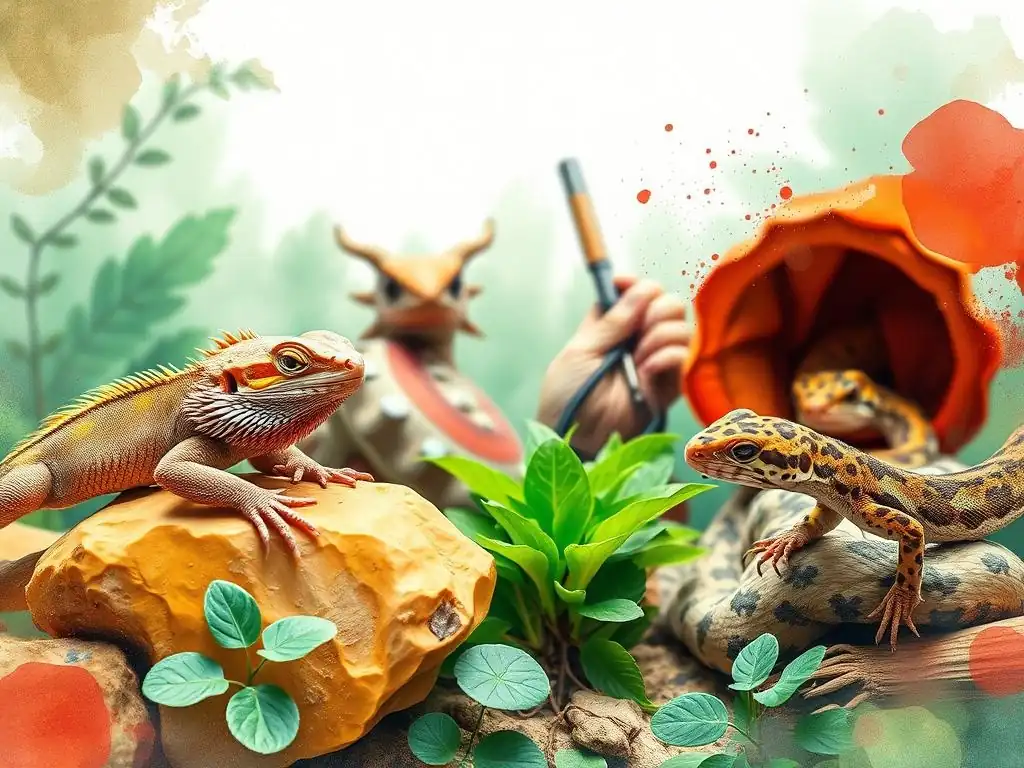
Successfully integrating reptiles into multi-pet households requires patience and understanding. While many socialization challenges can be addressed with diligent observation and careful management, some situations necessitate professional intervention. Knowing when to seek help from a qualified reptile veterinarian or behaviorist is crucial for the well-being of your reptiles and the harmony of your household. Ignoring escalating problems can lead to injuries, stress, and even the death of your pets. This section provides guidance on identifying situations that warrant professional assistance and finding reputable experts in your area.
Identifying When Professional Intervention is Necessary
Several warning signs indicate that professional help is needed for your reptile socialization efforts. These signs aren't always obvious, and require careful observation and a realistic assessment of your reptile's behavior. Don't hesitate to seek professional help if you notice any of the following:
- Persistent aggression: If your reptiles consistently display aggressive behaviors towards each other, such as biting, chasing, or lunging, despite your best efforts to manage their interactions, professional intervention is crucial. This is especially true if injuries are sustained.
- Unexplained weight loss or health deterioration: Stress from poor socialization can manifest as a decline in your reptile's health. Significant weight loss, lethargy, or changes in appetite, particularly when coupled with other behavioral problems, warrant a veterinary checkup.
- Inability to establish a safe and appropriate living space: Creating a suitable environment that minimizes conflict is a key aspect of reptile socialization. If you're struggling to create a safe space despite your efforts, a professional can provide tailored recommendations based on your specific reptile species and household setup.
- Failed attempts at gradual introduction: Following a structured introduction plan is essential. If gradual introduction techniques consistently fail to yield positive results, professional guidance can help identify underlying issues and adjust your approach.
- Significant changes in behavior: Sudden and dramatic behavioral shifts in one or more reptiles might indicate underlying health problems or unresolved conflicts. A vet or behaviorist can help diagnose the cause and create a management plan.
Finding Qualified Reptile Veterinarians and Behaviorists Near You
Locating a qualified reptile veterinarian and behaviorist requires careful research. Not all veterinarians or animal behaviorists have expertise in reptiles. Here's how to find the right professionals:
- Online Directories: Several online directories specialize in listing reptile-focused veterinarians and behaviorists. These directories often allow you to search by location.
- Reptile Specialty Organizations: Reptile-specific organizations frequently maintain lists of recommended professionals within their networks.
- Local Reptile Breeders and Enthusiast Groups: Connecting with local reptile communities can provide valuable recommendations based on personal experience.
- Veterinary Schools and Universities: Contacting veterinary schools and universities can lead you to practitioners specializing in exotic animals, including reptiles.
Remember to verify the credentials and experience of any professional you consider. Ask about their experience with specific reptile species and socialization issues. A thorough consultation should involve discussing your reptile's history, behavior, and living environment to create a personalized management plan.
Successful Reptile Integration Case Study
A successful case involved two leopard geckos, Leo and Luna, housed in separate enclosures. The owner, concerned about the possibility of integrating them, sought guidance from a reptile behaviorist. The behaviorist recommended a gradual introduction process, starting with visual and olfactory exposure. The geckos were initially placed near each other, separated by a barrier. Regular monitoring revealed no signs of aggression.
After several weeks of this, the barrier was removed under close supervision. Initially, they maintained distance but gradually began sharing basking spots and exploring each other's territories. The behaviorist emphasized maintaining a rich environment with multiple hiding places and food sources to minimize competition. This careful approach ensured a successful and stress-free integration, highlighting the importance of professional guidance in complex socialization scenarios. The successful integration underscores the importance of patience, observation, and professional support in tackling reptile socialization challenges within multi-pet households.
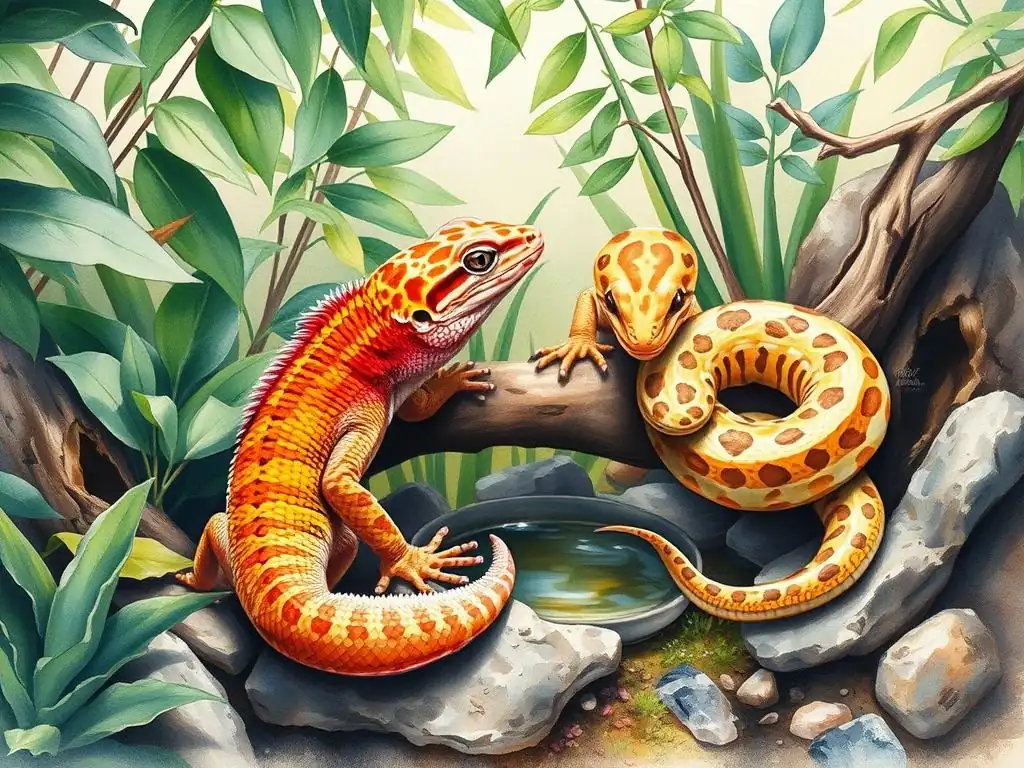
Successfully integrating reptiles into multi-pet households requires careful planning and the right resources. While proper introduction techniques are crucial (covered elsewhere in this article), providing the right environment and supplemental support significantly increases the chances of peaceful cohabitation. This section focuses on key products that can facilitate reptile socialization in multi-pet homes, addressing both the physical and nutritional needs of your scaled companions. Remember, always prioritize the safety and well-being of all your pets.
Reptile Habitat Cleaners: Maintaining Hygiene and Reducing Stress
Maintaining impeccable hygiene in a reptile's enclosure is paramount, especially when introducing them to other animals. A clean habitat reduces the risk of disease transmission, a major stressor that can hinder socialization. Choosing the right cleaning products is key. Avoid harsh chemicals that could harm your reptile or contaminate their environment. Opt for reptile-safe cleaners specifically formulated to remove waste and bacteria without leaving harmful residues. Regular cleaning, ideally daily spot cleaning and weekly deep cleaning, minimizes stress and creates a positive environment conducive to socialization.
Furthermore, consider the ease of cleaning when selecting your reptile enclosure. Some enclosures are designed with smooth, non-porous surfaces that are easier to clean and disinfect than others. This ease of cleaning is a significant factor in stress reduction for both the reptile and the owner, ultimately contributing to a more positive socialization process. For example, using a reptile-safe disinfectant spray followed by a thorough rinsing with clean water is a highly effective method.
Always allow the enclosure to fully dry before returning your reptile. This meticulous approach to cleaning directly impacts the success of reptile socialization efforts in multi-pet households. The reduction in stress factors related to hygiene directly contributes to a more harmonious environment.
Reptile Enrichment Toys: Promoting Natural Behaviors
Enrichment is vital for reptile well-being and successful socialization. Bored or stressed reptiles are more likely to exhibit undesirable behaviors, potentially jeopardizing the integration process. Providing a stimulating environment reduces stress and encourages natural behaviors, making them less likely to react defensively to other pets.
Consider various types of enrichment:
- Climbing structures: Branches, rocks, and artificial climbing surfaces provide opportunities for exploration and exercise. This can be particularly important for arboreal species.
- Hiding places: Caves, logs, and plants offer security and reduce stress in a multi-pet environment. Multiple hiding spots are ideal, especially during the initial socialization period.
- Puzzle feeders: These toys challenge your reptile mentally and physically, providing a stimulating outlet for their natural foraging instincts. This reduces boredom and aggression.
- Thermal gradients: Providing a range of temperatures within the enclosure allows your reptile to thermoregulate effectively, promoting overall health and reducing stress. This is crucial for many reptile species.
The selection of enrichment toys should be tailored to the specific species and temperament of your reptile. Researching the natural behaviors of your reptile will help you choose appropriate enrichment items. The goal is to create an environment that mimics their natural habitat as closely as possible, leading to reduced stress and improved socialization outcomes. Proper enrichment is a cornerstone of successful reptile socialization in multi-pet households.
Reptile Supplements: Ensuring Nutritional Well-being for Stress Management
Nutritional deficiencies can exacerbate stress and negatively impact a reptile's behavior. Providing a balanced diet supplemented with essential vitamins and minerals is vital for maintaining their overall health and resilience during the socialization process. A healthy reptile is better equipped to handle the challenges of a multi-pet environment.
Consider supplementing your reptile's diet with:
- Calcium: Essential for bone health and proper muscle function. Calcium deficiency can lead to metabolic bone disease, a debilitating condition that increases stress vulnerability.
- Vitamin D3: Crucial for calcium absorption. Many reptiles rely on UVB light for Vitamin D3 synthesis, but supplementation might be necessary, particularly during socialization periods when their behavior might be affected by stress.
- Multivitamin supplements: These provide a broader range of essential nutrients, supporting overall health and boosting the immune system. A strong immune system is critical for handling stress and preventing illness.
Always consult with a veterinarian or reptile specialist to determine the appropriate supplementation for your specific reptile species and individual needs. Over-supplementation can be harmful, so precise dosing is crucial. Prioritizing nutritional well-being is an often-overlooked but crucial aspect of successfully integrating reptiles into multi-pet households. A healthy and well-nourished reptile is better equipped to cope with the pressures of a new social environment, and proper supplementation is a key component of that process.
Maintaining Harmony: Long-Term Strategies for Multi-Pet Households with Reptiles
Successfully integrating reptiles into a multi-pet household requires ongoing commitment. Initial success isn't a guarantee of lasting harmony; consistent observation and proactive adjustments are crucial for maintaining a peaceful environment for all your pets. Reptile socialization in multi-pet households is a journey, not a destination. Let's explore strategies for long-term success.
Ongoing Monitoring and Adjustment: Adapting to Changing Dynamics
Even after a successful initial introduction, monitoring your reptiles' interactions is vital. Their behaviors can shift with age, health, or environmental changes. Regular observation allows you to identify subtle signs of stress or aggression before they escalate into conflicts. Keep a detailed journal noting feeding times, basking habits, and any interactions—positive or negative—between your reptiles and other pets.
For example, a previously docile gecko might become more territorial during shedding, while a snake's feeding schedule could impact its interaction with other pets. Adjusting feeding times or providing additional hiding places can help mitigate these changes. Remember, seemingly minor adjustments can make a significant difference in maintaining harmony.
Consider these key aspects of ongoing monitoring:
- Body Language: Learn to recognize subtle signs of stress in your reptiles, such as changes in posture, appetite, or activity levels. A reptile hiding excessively or exhibiting rapid breathing could indicate discomfort.
- Environmental Enrichment: Regularly assess your enclosure setups. Ensure adequate space, hiding places, and temperature gradients for each reptile to reduce competition and territoriality. Consider rotating enrichment items to keep your reptiles stimulated and engaged, preventing boredom-induced aggression.
- Health Checks: Regular veterinary check-ups are essential. Underlying health issues can impact a reptile's behavior, leading to increased aggression or withdrawal. Addressing any health problems promptly is crucial for maintaining a harmonious multi-pet environment. A healthy reptile is a happier reptile.
Preventing Future Conflicts: Proactive Measures for Peaceful Coexistence
Proactive measures are key to preventing future conflicts. This involves anticipating potential problems and implementing strategies to mitigate them. Think about your pets' individual needs and personalities. Are there any potential triggers for conflict? For instance, a curious dog might be tempted to investigate a reptile's enclosure, potentially causing stress or injury.
Here are some proactive steps you can take:
- Secure Enclosures: Ensure that reptile enclosures are secure and escape-proof. This protects both your reptiles and your other pets from accidental encounters. Robust locks and sturdy materials are essential.
- Supervised Interactions: Always supervise interactions between your reptiles and other pets, especially during introductions. Never leave them unsupervised, even if they seem to get along well.
- Scent Management: Reptiles rely heavily on scent. Regular cleaning of enclosures and the surrounding area can help reduce territorial disputes. However, avoid using strong-smelling cleaning products that might irritate your reptiles.
- Training Other Pets: Training your dogs or cats to leave the reptile enclosures alone is essential. Positive reinforcement techniques can be highly effective. Reward calm behavior around the enclosures to establish positive associations.
Celebrating Success: Enjoying the Rewards of a Harmonious Multi-Pet Household
Successfully integrating reptiles into a multi-pet home is a significant achievement. It requires patience, observation, and a deep understanding of your pets' needs. But the rewards are immense. Witnessing your different pets coexist peacefully is incredibly fulfilling. It underscores the power of responsible pet ownership and creates a rich, diverse household environment.
Remember to celebrate the small victories along the way. Every successful interaction, every peaceful day, reinforces the positive progress you've made. Enjoy the unique dynamics and rewarding relationships that develop within your multi-pet household. The peaceful coexistence of your reptiles and other pets is a testament to your dedication and expertise in reptile socialization within a multi-pet household. 🎉
Frequently Asked Questions
How can I safely introduce a new reptile to my existing multi-pet household?
Introducing a new reptile requires a gradual process. Start with visual acclimation, then scent swapping, before finally allowing controlled, supervised interactions. Patience and careful observation are crucial.
What are the common signs of reptile stress in a multi-pet household?
Stress signs include reduced appetite, lethargy, hiding excessively, and changes in skin coloration or shedding. Aggression towards other pets or unusual defensive postures are also indicators. Immediate veterinary attention may be needed.
Are all reptiles suitable for multi-pet households?
No, certain reptile species are inherently solitary and should not be housed with other reptiles or animals. Research your specific reptile's temperament and social needs before introducing it to a multi-pet environment. Thorough research is vital.
My reptile seems aggressive towards my other pets; what should I do?
Separate the animals immediately and provide ample space and hiding places for each. Consult a veterinarian or reptile specialist to assess the situation and develop a behavior modification plan. Never force interaction.
What are the best ways to prevent territorial disputes between reptiles in a multi-pet household?
Ensure each reptile has its own adequate enclosure with sufficient space, resources (food, water, basking spots), and hiding places to minimize competition. Maintaining a clean environment and providing enrichment can also reduce stress and aggression.
Final Reflection: Harmonious Habitats: Building Bridges Between Scaly Companions
Successfully integrating multiple reptiles into a shared environment requires careful planning, consistent observation, and a deep understanding of each species' unique needs. The challenges are real, but the rewards of witnessing these fascinating creatures coexist peacefully are immeasurable. This isn't just about avoiding conflict; it's about enriching their lives and fostering a thriving, multi-species ecosystem within your home.
The journey of reptile socialization in multi-pet households is a testament to our evolving understanding of these often-misunderstood creatures. Their complex social behaviors, once largely overlooked, are now increasingly recognized as crucial to their well-being. The more we learn about reptiles, the more we realize how much they have to teach us about the interconnectedness of life.
This quote highlights the profound impact that responsible reptile keeping can have, not only on the animals themselves but also on our own perspectives on animal intelligence and social dynamics.
Consider the lessons learned within these pages. Think about the careful introductions, the importance of environmental enrichment, and the ongoing vigilance required to maintain a harmonious habitat. You now possess the knowledge to create a safe and stimulating environment for your scaly companions. Take this knowledge, apply it with patience and dedication, and watch as your multi-reptile household flourishes, a testament to your commitment to their well-being and a celebration of the fascinating world of reptile social interaction.
Unlock Happier Reptiles: Take Action for Peaceful Coexistence!
Thank you for learning about creating a harmonious multi-reptile household! We hope you've gained valuable insights into the unique challenges and rewards of keeping multiple reptiles together. Now it's time to put that knowledge into practice.
Here's how you can build a better environment for your scaled companions:
- Prioritize Enrichment: Carefully evaluate your current setup. Does it provide sufficient hiding places, a proper thermal gradient, and ample opportunities for each reptile to explore independently? Even small adjustments can significantly improve their well-being!
- Introduce Novel Stimuli: Add a new, engaging toy or climbing structure to distract them and reduce territorial disputes. Something unexpected might pleasantly surprise your reptiles!
- Share Your Progress (and Questions!): Join our online community to discuss your progress and learn from others' experiences. Share photos of your thriving reptiles!
What small change will you make today to enhance your reptiles' quality of life?