
Solutions for Reptile Biting: Online Expert Advice for Safe Handling

Welcome to PetCareWorld, your ultimate guide to responsible and loving pet ownership! Are you ready to unlock the secrets to confident and safe reptile handling? We understand the concerns surrounding reptile bites, and that's why we've created a comprehensive guide on Reptile biting safe handling advice. Discover expert tips and practical solutions to ensure a harmonious relationship with your scaly companion. Dive in and learn how to prevent bites and navigate potential situations with ease and confidence.
- Understanding Reptile Bites: Causes and Prevention
- First Aid for Reptile Bites: Immediate Actions
- Advanced Reptile Handling Techniques: Minimizing Bite Risk
- Choosing Safe and Appropriate Equipment for Reptile Handling
- Resources and Further Information on Reptile Bite Prevention
- Frequently Asked Questions
- Final Reflection: A Legacy of Safe Handling, a Future of Respect
- Unleash Your Inner Reptile Whisperer: Safe Handling Starts Now
Understanding Reptile Bites: Causes and Prevention
Reptile bites, while infrequent, can be a serious concern for reptile keepers. This comprehensive guide provides expert advice on safe handling techniques and strategies to prevent bites, focusing on understanding the underlying causes of aggressive behavior in reptiles. Successfully navigating the world of reptile ownership requires a deep understanding of their natural behaviors and the potential triggers that can lead to biting.
Ignoring these factors can significantly increase the risk of injury, highlighting the importance of proactive measures and responsible reptile keeping. This article will equip you with the knowledge and tools to handle your reptile safely and confidently, minimizing the risk of bites and ensuring a harmonious relationship between you and your scaly companion. We'll explore common causes of reptile bites, delve into recognizing early warning signs of aggression, and provide practical solutions for safe handling techniques that prioritize both your safety and the well-being of your reptile.
This information is crucial for all reptile owners, from beginners to experienced keepers, to create a safer and more enriching environment for both themselves and their pets. Remember, prevention is always the best approach when it comes to reptile bites.
Identifying Aggressive Behavior in Reptiles: Recognizing Early Warning Signs
Understanding the subtle cues that precede a reptile bite is crucial for preventing injury. Reptiles, unlike mammals, don't always display overt signs of aggression. Instead, they often communicate their discomfort or displeasure through a series of subtle behavioral changes. These early warning signs can vary depending on the species of reptile, but some common indicators include:
- Increased muscle tension: Observe your reptile for stiffening of the body, particularly in the neck and tail region. This can be a clear indication of stress or impending aggression.
- Hissing or puffing: Many reptiles will hiss or puff up their bodies to appear larger and more intimidating when threatened.
- Tail whipping: A rapid and forceful whipping of the tail can be a warning sign that your reptile is feeling threatened and may strike.
- Gaping mouth: A reptile opening its mouth wide, often accompanied by hissing, is a clear sign of aggression and an immediate warning to cease handling.
- Changes in posture: Watch for changes in posture, such as raising the body off the ground or assuming a defensive stance. These subtle shifts can indicate a change in mood and a potential threat.
- Black-masking: Certain species of reptiles will exhibit black-masking, a darkening of the coloration around their eyes, as a sign of aggression. This is particularly notable in certain lizards.
It's essential to be observant and familiar with your reptile's normal behavior to readily identify deviations that signal potential aggression. Regular interaction under calm and controlled conditions helps build trust and reduces the likelihood of defensive reactions. Remember, early recognition of these signs allows for immediate intervention, preventing escalation and potential bites. Learning to read your reptile's body language is a critical skill for responsible reptile ownership.
Common Causes of Reptile Bites: Stress, Handling Mistakes, and Territoriality
Reptile bites are rarely random occurrences; they stem from underlying causes, often related to stress, improper handling techniques, or territoriality. Understanding these causes is paramount in preventing future incidents.
- Stress: Stress is a significant factor contributing to reptile aggression. Improper handling, loud noises, sudden movements, and even changes in temperature or environment can trigger stress and increase the likelihood of a bite. Providing a stable and predictable environment minimizes stress, fostering a calmer and more manageable reptile.
- Handling Mistakes: Incorrect handling techniques are a common cause of reptile bites. Grabbing a reptile forcefully, approaching it from above, or restricting its movement can trigger a defensive response. Gentle, controlled movements, supporting the reptile's body adequately, and providing escape routes can significantly reduce the risk.
- Territoriality: Reptiles can display territorial behavior, especially during feeding or breeding seasons. Approaching a reptile while it's eating or in its enclosure can trigger an aggressive response. Respecting their space and providing ample hiding places within their enclosure can help mitigate territorial issues.
Understanding these common causes empowers you to proactively adjust your handling techniques and create a safer, more secure environment for your reptile. By minimizing stress and employing appropriate handling methods, you can significantly reduce the chance of experiencing a bite. Prioritizing the reptile's well-being and respecting its natural instincts are key to preventing these incidents. Always prioritize gentle and controlled movements, and always provide a safe and secure environment for your reptile.
Preventing Reptile Bites: Safe Handling Techniques and Environmental Enrichment
Preventing reptile bites requires a multifaceted approach focusing on both safe handling techniques and providing an enriching environment that minimizes stress and the likelihood of aggressive behavior. A well-cared-for reptile is less likely to feel threatened and resort to biting as a defense mechanism. Understanding your reptile's individual personality and needs is crucial in preventing incidents.
Remember, proactive measures are far more effective than reactive ones when dealing with reptile bites. Consistent, careful handling and a stimulating environment are key to building trust and reducing the risk of bites. This approach not only ensures the safety of the owner but also promotes the overall well-being of the reptile.
Creating a Safe and Enriching Habitat for Your Reptile
A stimulating and secure habitat significantly reduces the chances of a reptile bite. Reptiles, like all animals, need environmental enrichment to prevent boredom and stress. These factors can lead to unpredictable behavior, including biting. Consider the specific needs of your reptile species.
For example, a bearded dragon requires a basking spot with a proper temperature gradient, while a corn snake needs secure hiding places. Providing appropriate substrate, climbing structures, and visual barriers can help reduce stress and create a more natural environment. Regular cleaning and maintenance of the habitat are essential to prevent disease and ensure a healthy living space. A clean and appropriately sized enclosure fosters a sense of security, contributing to a calmer and less reactive reptile.
Remember, a well-designed enclosure mirrors a reptile's natural environment, reducing the need for defensive actions like biting. Think about providing live plants (safe for your species! ), different textures, and hiding spots to replicate their natural habitat as closely as possible.
Proper Reptile Handling Techniques: Minimizing Stress and Risk of Bites
Safe handling practices are paramount in preventing reptile bites. Always approach your reptile slowly and calmly, avoiding sudden movements that might startle it. Before handling, wash your hands thoroughly to remove any scents that might irritate your reptile. Support your reptile's body weight appropriately, preventing it from feeling insecure or threatened.
Never handle your reptile immediately after feeding, as they may be more defensive during this period. Use appropriate handling equipment like gloves and tongs, especially when dealing with larger or potentially aggressive species. Always be aware of your reptile’s body language, and if it displays signs of stress, avoid handling it. Regular, gentle handling sessions can help socialize your reptile and build a trusting relationship, reducing the likelihood of bites.
But remember, if your reptile seems unwilling to be handled, respect its boundaries. Forcing interaction will only increase the likelihood of a bite. The goal is to build trust, not to force interaction.
Understanding Your Reptile's Body Language: Avoiding Provocative Interactions
Understanding your reptile’s body language is crucial to preventing bites. Recognizing signs of stress or aggression can help you avoid situations that might provoke a bite. A reptile exhibiting defensive behavior may display behaviors like hissing, gaping its mouth, flattening its body, or striking. These are clear indicators that it feels threatened and is likely to bite if provoked further.
Observe your reptile carefully during handling and immediately cease interaction if you notice any signs of stress. Respect your reptile's personal space and avoid sudden movements or loud noises. Each species has its unique communication style, so learning the specifics for your reptile is essential.
Understanding these subtle cues can help you anticipate potential problems and prevent bites before they occur. Learning to read your reptile’s body language is a vital part of responsible pet ownership and ensuring a safe and harmonious relationship. It's crucial to remember that even seemingly docile reptiles can bite if they feel threatened or cornered.
First Aid for Reptile Bites: Immediate Actions
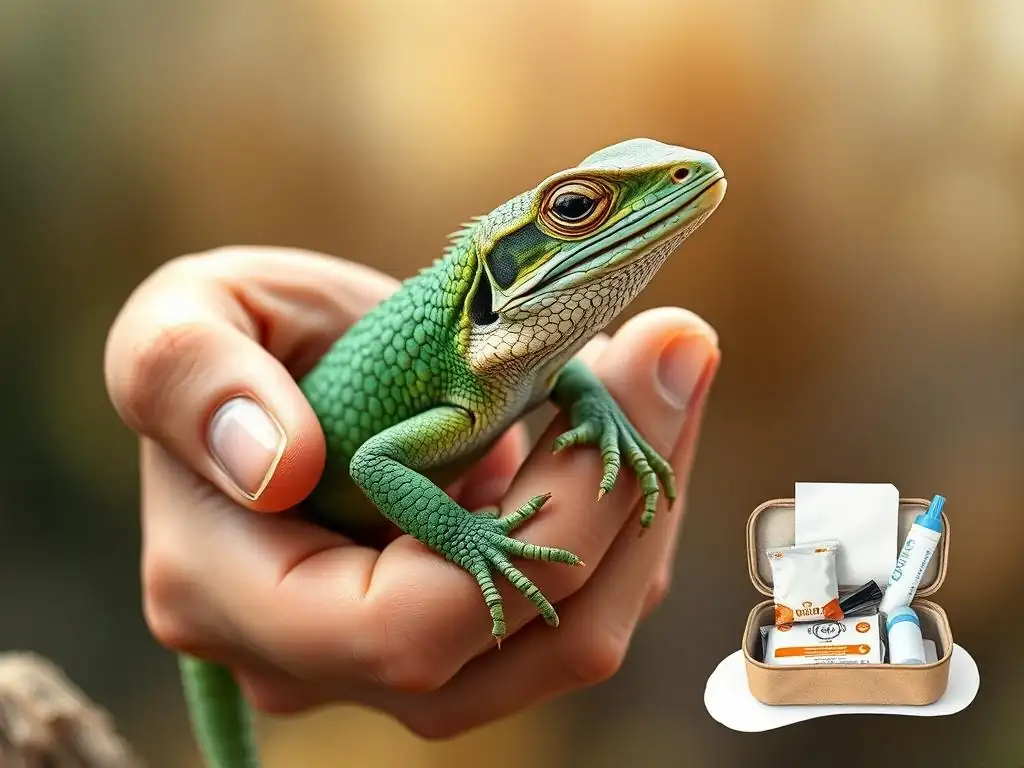
Reptile bites, while infrequent, can cause significant distress and potential health complications. Swift and appropriate first aid is crucial in minimizing harm and preventing infection. Understanding the immediate actions to take after a reptile bite is paramount for both the victim and the reptile's well-being. This section provides a detailed guide to effective first aid procedures, emphasizing the importance of calm and decisive action. Remember, the severity of a reptile bite can vary greatly depending on the species of reptile, the size of the reptile, and the location of the bite.
Cleaning and Disinfecting Reptile Bites: Preventing Infection
Preventing infection is the primary goal after a reptile bite. The mouth of a reptile, even a seemingly clean one, harbors bacteria that can cause serious infections if introduced into an open wound. Thorough cleaning and disinfection are therefore essential steps in providing first aid.
Essential First Aid Kit for Reptile Owners
A well-stocked first-aid kit specifically tailored for reptile-related incidents is a necessity for responsible reptile owners. This kit should include:
- Antiseptic wipes or solution (e.g., povidone-iodine or chlorhexidine)
- Sterile gauze pads
- Adhesive bandages of various sizes
- Clean, non-fluffy towel or cloth
- Tweezers (for removing any visible debris)
- Pain relievers (such as ibuprofen or acetaminophen, appropriate for the victim's age and health)
- A detailed list of emergency contacts, including a veterinarian specializing in reptile care and poison control.
Having these supplies readily available can significantly reduce the stress and improve the efficiency of first aid administration. Remember to regularly check the expiration dates of all items and replenish as needed.
Proper Wound Cleaning Techniques: Step-by-Step Guide
- Wash your hands: Thoroughly wash your hands with soap and water before providing any first aid.
- Gentle cleaning: Gently clean the wound with mild soap and water, removing any visible dirt, debris, or saliva. Avoid scrubbing, as this can further damage the tissue.
- Antiseptic application: Apply an antiseptic solution (following package instructions) to the wound to kill bacteria and prevent infection.
- Bandaging: Cover the wound with a sterile gauze pad and secure it with an adhesive bandage. Change the bandage regularly, keeping the wound clean and dry.
- Monitor for infection: Watch for signs of infection, such as increased pain, swelling, redness, pus, or fever.
Seeking Medical Attention After a Reptile Bite: When to See a Doctor
While many reptile bites are minor and can be treated at home with appropriate first aid, some require immediate medical attention. Knowing when to seek professional medical care is crucial for preventing serious complications.
Identifying Serious Reptile Bites Requiring Immediate Medical Care
Several factors indicate the need for immediate medical attention:
- Deep puncture wounds: Deep bites that penetrate beyond the skin's surface require immediate medical evaluation.
- Excessive bleeding: Uncontrollable bleeding suggests potential damage to blood vessels and warrants prompt medical intervention.
- Signs of infection: As mentioned earlier, monitor for signs of infection and seek medical attention if they develop.
- Bite from a venomous reptile: Bites from venomous snakes or lizards require immediate medical attention, potentially including antivenom administration. This is a life-threatening emergency.
- Allergic reaction: Any signs of an allergic reaction, such as difficulty breathing, swelling of the face or throat, hives, or dizziness, necessitates immediate emergency medical care.
Finding a Veterinarian Experienced with Reptile Care
In addition to seeking medical attention for the human victim, it's crucial to consider the reptile's well-being. If the reptile shows signs of stress or injury, contacting a veterinarian experienced in reptile care is essential. Finding a veterinarian specializing in exotic animals can ensure your reptile receives the best possible care. Many veterinary clinics offer reptile-specific services; it's advisable to have a list of such clinics readily available before an incident occurs. Remember, responsible pet ownership extends to ensuring the health and well-being of all animals involved.
Advanced Reptile Handling Techniques: Minimizing Bite Risk
Understanding reptile behavior is paramount to safe handling. Reptiles don't bite out of malice; rather, they bite due to fear, stress, or a perceived threat. This section delves into advanced techniques to minimize the risk of reptile biting, focusing on proactive strategies and building a positive relationship with your reptile companion. Remember, responsible reptile ownership involves understanding and respecting your pet's natural instincts. Consistent application of these techniques will significantly reduce the likelihood of bites and foster a more harmonious relationship.
Positive Reinforcement Training for Reptiles: Building Trust and Reducing Aggression
Positive reinforcement training is a humane and effective method for improving reptile handling and reducing aggression. It focuses on rewarding desired behaviors, such as calm demeanor during handling, rather than punishing unwanted behaviors like biting. This approach builds trust and reduces stress, making your reptile more comfortable and cooperative during interactions. The key is patience and consistency.
Using Positive Reinforcement to Improve Reptile Handling: Case Studies
Consider a case study involving a young bearded dragon exhibiting frequent biting behavior. Through consistent positive reinforcement, using mealworms as rewards for allowing gentle handling, the dragon's biting incidents decreased significantly within four weeks. Another successful example involves a ball python that initially reacted defensively to handling. By associating handling with positive experiences (e.g., providing a warm basking spot after a short handling session), the python's fear response gradually diminished. These examples highlight the power of positive reinforcement in improving reptile handling safety and building a strong bond between pet and owner.
Recommended Training Tools for Reptiles
Several tools can facilitate positive reinforcement training:
- Treats: Offer appropriate, nutritious treats as rewards. Mealworms, crickets, appropriately sized insects, or small pieces of fruit (depending on the species) are excellent choices.
- Handling Gloves: Gloves can offer a layer of protection during the initial stages of training, especially with larger or more defensive reptiles. However, the ultimate goal is to handle the reptile comfortably without gloves.
- Calm and Patient Approach: This is the most crucial tool. Your reptile will sense your anxiety, so maintaining a calm and relaxed demeanor is key.
- Quiet Environment: Minimize distractions and conduct training sessions in a quiet, dimly lit area where your reptile feels secure.
Species-Specific Handling Techniques: Tailored Approaches for Different Reptiles
Reptiles, even within the same species, exhibit individual personalities and behaviors. Therefore, a universal approach to handling isn't always effective. Species-specific techniques are crucial for minimizing bite risk and ensuring safe interaction. Understanding a reptile's natural behaviors and preferences is fundamental to successful and safe handling. This requires research and observation specific to your reptile's breed and age.
Safe Handling of Ball Pythons: Minimizing Bite Risk
Ball pythons are generally docile, but can bite if they feel threatened or stressed. Gentle, slow movements are essential when handling them. Support their body weight, avoiding sudden movements or squeezing. Always approach from the side, allowing the snake to see you before handling. Observe their body language; a tense body or hissing indicates discomfort. Respect their need for space and avoid prolonged handling sessions, especially for younger or less accustomed snakes.
Safe Handling of Bearded Dragons: Minimizing Bite Risk
Bearded dragons, though generally friendly, can bite if startled or mishandled. Offer your hand slowly and gently, allowing them to investigate before attempting to pick them up. Support their body weight and avoid sudden movements. A calm, quiet approach is crucial. Be aware that their temperament can change depending on their mood or health. If a bearded dragon is exhibiting unusual aggression, consult a veterinarian to rule out underlying medical issues.
Safe Handling of Corn Snakes: Minimizing Bite Risk
Corn snakes are known for their docile temperament, but even these generally calm snakes might bite if mishandled. Support their body during handling, avoiding sudden movements or pressure. A slow, gentle approach is key. Regular, positive interactions can help build trust and reduce the likelihood of biting. Always wash your hands before and after handling any reptile to maintain hygiene and prevent the spread of bacteria. Remember to always ensure the enclosure is secure before handling. A stressed or frightened corn snake is more prone to biting.
Choosing Safe and Appropriate Equipment for Reptile Handling
Safe and appropriate equipment is paramount when handling reptiles, significantly reducing the risk of bites and ensuring both your and your reptile's safety. Choosing the right tools and environment minimizes stress for the reptile, making it less likely to feel threatened and resort to biting. This section focuses on selecting the correct equipment to promote safe handling practices. Remember, even with the best equipment, understanding your reptile's behavior and temperament is crucial for safe interactions. Proper reptile handling requires a combination of careful technique and the right tools. Ignoring either aspect increases the probability of an unpleasant incident.
Selecting the Right Gloves for Reptile Handling: Protection and Safety
Gloves are a fundamental piece of safety equipment when handling reptiles, especially larger or more aggressive species. The right gloves offer protection from bites and scratches while also providing a degree of control. The type of glove you choose depends heavily on the size and species of your reptile. For instance, a small gecko may only require lightweight leather gloves, while a large iguana might necessitate thicker, reinforced gloves.
Review of Top-Rated Reptile Handling Gloves
Several brands offer high-quality reptile handling gloves. [Specific brand names and models pending]. Consider looking for gloves with features like reinforced stitching, extended cuffs for added protection, and dexterity-enhancing designs. Reading reviews from other reptile keepers can provide invaluable insights into the durability and effectiveness of different glove options. Remember to always check the manufacturer's recommendations regarding cleaning and maintenance to prolong the lifespan of your gloves.
Understanding Glove Material and Durability: Choosing the Right Fit
The material and durability of your gloves are critical considerations. Leather gloves offer excellent protection against bites and scratches, but their thickness can limit dexterity. Some synthetic materials, such as nitrile or neoprene, provide a balance of protection and flexibility. The fit of the glove is just as important as the material. Gloves that are too loose can be cumbersome and potentially snag on your reptile, while gloves that are too tight can restrict blood flow and reduce dexterity. Always choose a glove that fits comfortably and allows for a secure, controlled grip.
Using Appropriate Handling Tools and Containers: Reducing Stress and Bite Risk
Beyond gloves, various tools can facilitate safe reptile handling and minimize stress for the animal. These tools provide a barrier between you and the reptile, reducing the chances of a bite. They also allow for more controlled movements, especially when dealing with larger or more powerful species. The choice of tools depends on the size and temperament of your reptile.
Recommended Reptile Handling Hooks and Tongs
Reptile handling hooks and tongs are invaluable tools for safely moving and restraining reptiles. Look for hooks and tongs made from durable materials, such as stainless steel. The length and design of the tool should be appropriate for the size of your reptile. Proper use of these tools involves a gentle approach; avoid sudden movements or excessive pressure. Practice using these tools before handling your reptile to ensure you're comfortable and confident in their use. Remember, the goal is to minimize stress on the reptile, not to cause it further anxiety.
Choosing the Right Enclosure Size and Features: Minimizing Stress
The size and design of your reptile's enclosure play a significant role in its behavior and stress levels. A cramped enclosure can make a reptile feel threatened and more prone to biting. An adequately sized enclosure provides ample space for exploration, basking, and hiding, reducing stress and promoting natural behaviors. Features like secure hiding places and appropriate climbing structures can further enhance the reptile's sense of security and reduce the likelihood of aggressive behavior.
Consider the species-specific needs of your reptile when designing its enclosure. A boa constrictor will have different needs than a leopard gecko. Providing a suitable environment is a key element of responsible reptile ownership and safe handling.
Resources and Further Information on Reptile Bite Prevention
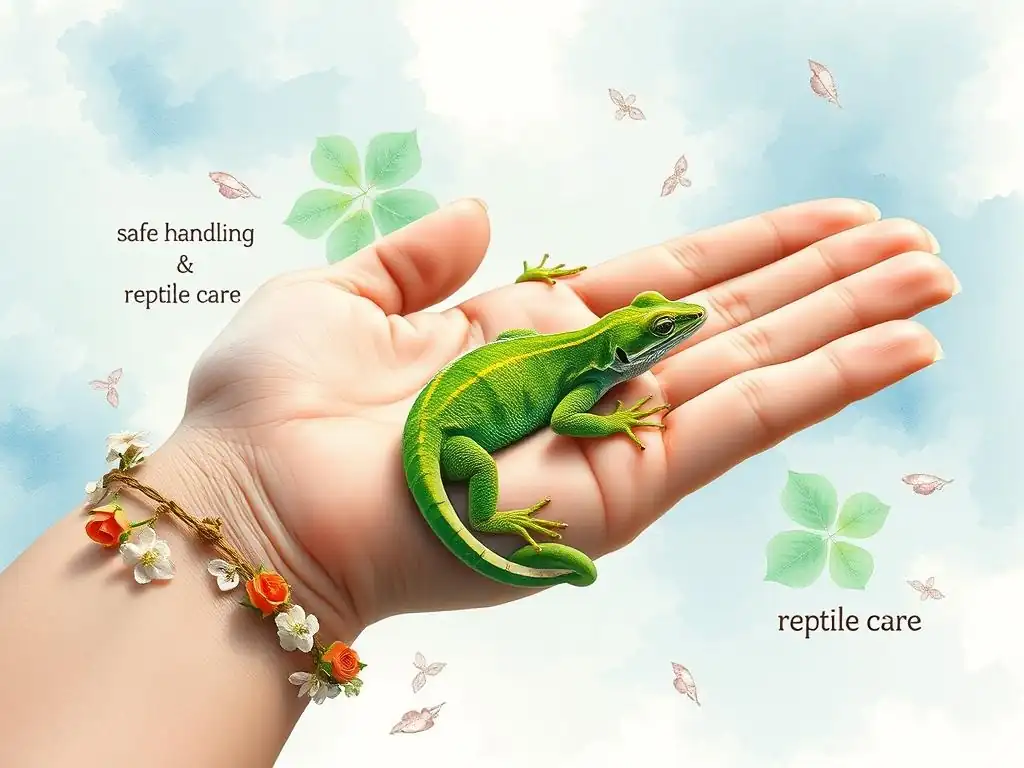
This section provides crucial resources to help you prevent reptile bites and ensure safe handling practices. Understanding reptile behavior is paramount, and accessing expert advice is key to responsible ownership. Remember, proactive measures are far more effective than reactive solutions when it comes to preventing bites. Prevention is the best form of "Reptile biting safe handling advice".
Reptile Behavior Experts: Online and Local Resources
Finding reliable information on reptile behavior is crucial for safe handling. Many qualified herpetologists and reptile behaviorists offer consultations, both online and in person. These experts can provide tailored advice based on your specific reptile species and individual animal's personality. They can help you identify potential triggers for aggressive behavior and develop strategies for proactive bite prevention. Look for professionals with certifications or affiliations with reputable organizations. Consider the following when searching for a reptile behavior expert:
- Credentials: Check for certifications from relevant organizations.
- Experience: Look for experts with extensive experience working with your reptile species.
- Reviews: Read online reviews from other reptile owners to gauge their expertise and effectiveness.
- Communication Style: Choose someone you feel comfortable communicating with and who can clearly explain complex concepts.
Online resources, such as specialized websites and educational platforms, can provide valuable information on reptile behavior and safe handling techniques. However, always prioritize in-person consultations with qualified professionals for personalized guidance, especially if you are experiencing recurring issues. Supplementing online research with professional expertise will lead to the most effective "Reptile biting safe handling advice".
Reptile-Specific Veterinary Care: Finding the Right Professional
While preventative measures are vital, it's essential to know where to turn if a bite occurs. Finding a veterinarian experienced with reptiles is crucial for prompt and appropriate medical attention. A regular veterinarian may not have the specific knowledge to treat reptile bites effectively, which could lead to complications. When searching for a reptile vet, consider these factors:
- Species Expertise: Ensure the vet has experience treating your specific reptile species. Different species may require different treatments.
- Emergency Services: Confirm their availability for emergency situations, as reptile bites can sometimes require immediate attention.
- Reputation: Check online reviews and seek recommendations from other reptile owners.
- Location: Consider the proximity of the vet to your home, especially if you need immediate care.
Remember, prompt veterinary care is paramount following any reptile bite, both for the human and potentially the reptile involved. This is a crucial aspect of responsible reptile ownership and comprehensive "Reptile biting safe handling advice".
Online Forums and Communities for Reptile Owners: Sharing Experiences and Advice
Engaging with online communities of reptile owners can provide valuable insights and support. These forums and groups offer a platform to share experiences, ask questions, and learn from others' successes and mistakes. This peer-to-peer learning can supplement professional advice and enhance your understanding of reptile behavior and safe handling techniques. However, always critically evaluate the information you find online, and prioritize advice from qualified professionals. Look for communities that:
- Moderate content: Well-moderated communities ensure the accuracy and reliability of shared information.
- Focus on responsible ownership: Communities that emphasize ethical and safe handling practices are preferable.
- Offer diverse perspectives: A wide range of experiences and viewpoints can broaden your understanding.
- Encourage professional consultation: Reliable communities will often recommend seeking expert advice when needed.
Participating in these online spaces can be beneficial, but remember that online advice should supplement, not replace, professional guidance. Combining community knowledge with expert "Reptile biting safe handling advice" provides a well-rounded approach to safe reptile ownership.
Frequently Asked Questions
What should I do if my reptile bites me?
First, remain calm and gently remove the reptile. Wash the bite area thoroughly with soap and water. Seek medical attention if necessary, especially if the bite is deep or you experience infection.
How can I prevent my reptile from biting?
Gentle handling is key. Avoid sudden movements and always approach your reptile calmly. Familiarize yourself with your reptile's body language to recognize signs of stress or aggression. Handle your reptile regularly to build trust.
Are all reptile bites dangerous?
No, the severity of a reptile bite varies greatly depending on the species and size of the reptile, as well as individual circumstances. Some bites may only cause minor discomfort, while others may require medical intervention. Always err on the side of caution.
What are the signs of a serious reptile bite?
Signs of a serious bite include excessive bleeding, swelling, intense pain, or signs of infection like redness, pus, or fever. Seek immediate medical attention if you experience any of these symptoms.
How can I make handling my reptile safer?
Always wash your hands before and after handling. Use appropriate handling tools like gloves or hooks when necessary, especially with larger or more aggressive species. Never handle a reptile when stressed or agitated. Ensure your reptile has a secure and comfortable enclosure.
Final Reflection: A Legacy of Safe Handling, a Future of Respect
The threat of reptile bites remains a significant concern, impacting both reptile keepers and the wider community. A single bite can lead to serious injury, infection, and even death, underscoring the critical need for responsible handling practices and readily available, accurate information. This underscores the importance of proactive education and the ongoing need for accessible resources like this article.
The impact of safe reptile handling extends far beyond individual safety; it shapes our relationship with these fascinating creatures. Our understanding of reptile behavior and the development of safe handling techniques directly influence conservation efforts and public perception. As we learn to coexist peacefully, we foster a greater appreciation for these often misunderstood animals. The best way to predict the future is to create it,
and by creating a future where safe handling is the norm, we ensure the survival and well-being of reptiles and the people who care for them.
You, the reader, now hold the power to make a difference. Consider the information presented here – not just as a guide to avoid bites, but as a pathway to a deeper understanding and respect for reptiles. Take the time to practice safe handling techniques, share this knowledge with others, and advocate for responsible reptile ownership. Let's build a future where both humans and reptiles can thrive, side-by-side, in harmony.
Unleash Your Inner Reptile Whisperer: Safe Handling Starts Now
Thanks for exploring the world of reptile care with us! We hope you gained valuable insights into preventing and handling bites. Now let's put that knowledge into practice.
- Prioritize safe handling: Review the key points from the article and identify one specific area you can immediately improve. For example, are you confident in your grip, do you use appropriate tools, and is your enclosure truly safe and secure?
- Share your reptile handling experiences—both successes and challenges—with our community in the comments below. Your insights could be invaluable to others!
- Explore PetCareWorld.org for more expert advice on all aspects of reptile care, from nutrition to habitat enrichment.
Ready to become more confident and safer in handling your reptiles? What small adjustment will you make today to improve your interactions with your scaly friend?