
Vision Loss in Older Pets: Recognizing the Signs and Adapting Your Home

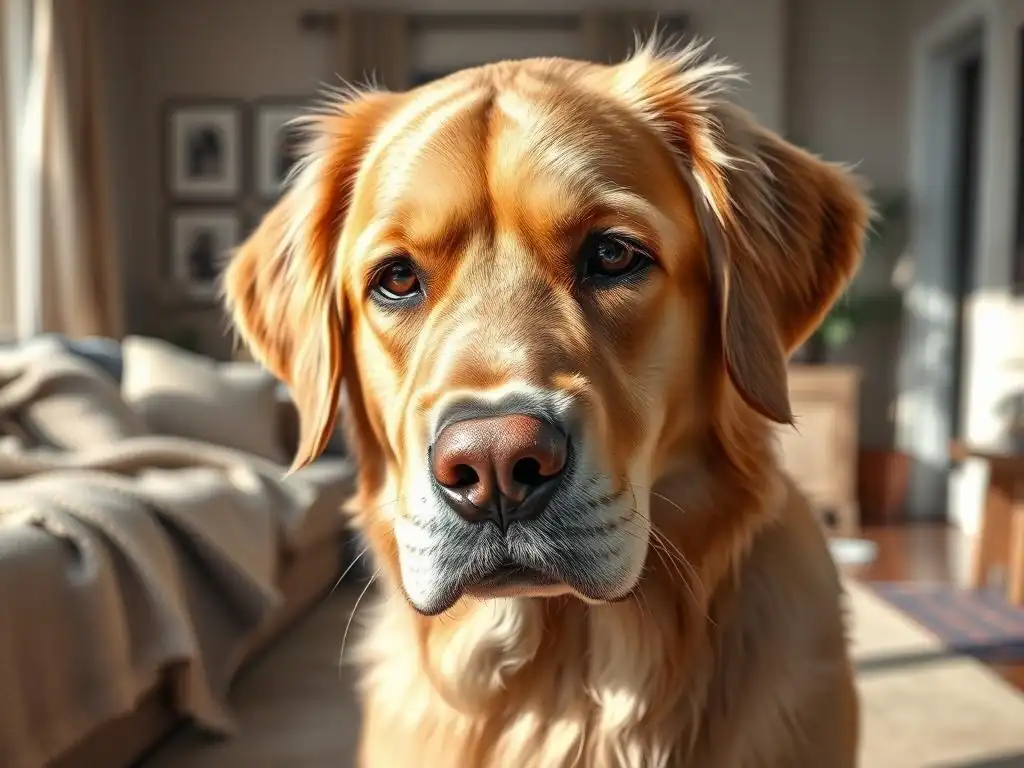
Welcome to PetCareWorld, your ultimate guide to a happier, healthier life for your beloved companion! Are you noticing changes in your senior pet's behavior? Discover practical solutions and expert advice on Senior pet vision loss solutions – learn how to recognize the subtle signs and adapt your home to create a safe and comfortable environment for your aging friend. Dive in and unlock the secrets to providing exceptional care for your furry, feathered, or scaled family member.
- Understanding Vision Impairment in Senior Pets
- Diagnosing Vision Problems in Your Senior Pet
- Adapting Your Home for a Visually Impaired Senior Pet
- Senior Pet Vision Loss Solutions: Practical Tips and Strategies
- When to Seek Professional Help for Senior Pet Vision Loss
- Maintaining Your Senior Pet's Quality of Life Despite Vision Loss
-
Frequently Asked Questions
- What are the common signs of vision loss in senior pets?
- How can I adapt my home to help a visually impaired pet?
- What types of veterinary care are available for pets with vision loss?
- Are there any assistive devices for pets with vision loss?
- How can I best communicate with my visually impaired pet?
- Final Reflection: Illuminating the Path for Aging Eyes
- Unveil a Brighter Future for Your Aging Companion
Understanding Vision Impairment in Senior Pets
As our beloved pets age, they become more susceptible to various health issues, and vision impairment is a common concern among senior dogs, cats, rabbits, birds, and other animals. Vision loss in senior pets can significantly impact their quality of life, affecting their ability to navigate their environment, interact with their human companions, and even find food and water. This comprehensive guide will explore the common causes of vision loss in aging pets, help you recognize the early warning signs, and provide practical solutions for adapting your home to support your visually impaired senior companion.
Understanding the challenges your pet faces and proactively implementing supportive measures can make a world of difference in ensuring their comfort and well-being during their golden years. We'll focus specifically on practical solutions for senior pet vision loss, providing actionable advice to improve their quality of life.
This is crucial for maintaining a strong bond with your aging animal companion and ensuring they live a fulfilling life despite their diminished eyesight. The information provided is designed to help you identify and address the specific needs of your senior pet, empowering you to provide the best possible care.
Common Causes of Vision Loss in Aging Pets
Several factors contribute to vision loss in senior pets. These range from age-related degenerative changes to specific diseases. The most frequent causes include:
- Cataracts: These are cloudy areas that develop in the eye's lens, gradually obstructing vision. Cataracts are a common age-related condition affecting many breeds and species. The progression of cataracts can vary significantly between pets.
- Nuclear sclerosis: This is a hardening and yellowing of the lens of the eye, a natural part of aging. While it doesn't always cause complete blindness, it can lead to blurry vision and reduced ability to see in low light.
- Glaucoma: This condition involves increased pressure within the eye, damaging the optic nerve and leading to vision loss. Early detection and treatment are crucial to manage glaucoma effectively. Untreated glaucoma can result in permanent blindness.
- Progressive retinal atrophy (PRA): This inherited degenerative disease affects the retina, causing gradual vision loss that may eventually lead to blindness. PRA is more common in certain breeds of dogs, and early diagnosis can help manage the condition.
- Other eye diseases: Several other eye diseases, such as retinal detachment, corneal ulcers, and uveitis, can also contribute to vision loss in senior pets. These conditions often require veterinary intervention and treatment.
The severity and progression of vision loss vary greatly depending on the underlying cause and the individual pet. Regular veterinary check-ups are crucial for early detection and management of any eye-related issues. Remember to report any changes in your pet’s behavior or appearance to your veterinarian immediately. Early intervention can significantly improve your pet's prognosis and quality of life.
Recognizing the Early Signs of Vision Problems in Dogs and Cats
Identifying vision problems in dogs and cats early on is crucial for implementing timely interventions. While complete blindness can be sudden in some cases, more often, vision loss is gradual. Watch for these subtle signs:
- Increased bumping into objects: This is a classic sign of impaired vision. Your pet may start bumping into furniture, walls, or other obstacles more frequently.
- Difficulty navigating familiar areas: Even in familiar surroundings, your pet might seem hesitant or disoriented. They may struggle to find their food or water bowls.
- Dilated pupils: While not always indicative of vision problems, persistently dilated pupils can be a sign of underlying eye issues.
- Changes in eye appearance: Look for cloudiness in the lens (cataracts), unusual discoloration, or discharge from the eyes.
- Behavioral changes: Your pet might become less playful, more anxious, or withdrawn as their vision deteriorates. They may also display increased vocalization or restlessness.
If you observe any of these signs, it is crucial to schedule a veterinary examination promptly. Early diagnosis and treatment can significantly improve your pet's quality of life and slow the progression of vision loss. Detailed records of your pet's behavior and any changes in their eyesight will be valuable to your veterinarian.
Identifying Vision Loss in Senior Rabbits and Birds
Vision loss in senior rabbits and birds can present unique challenges, as their communication and behavior differ from dogs and cats. Here are some key signs to look for:
- Rabbits: Observe changes in their eating habits, grooming habits, or their ability to navigate their hutch or enclosure. They may become hesitant to jump or explore their environment. A reluctance to approach familiar objects or people can also be an indicator.
- Birds: Changes in flight patterns are a significant indicator of vision impairment. Birds may struggle to land accurately, bump into objects, or avoid obstacles. Changes in their ability to locate food or water are also important signs to watch for. They might also show increased anxiety or become less interactive.
As with dogs and cats, prompt veterinary attention is essential for any suspected vision problems in rabbits and birds. Specialized veterinary care is often required for exotic pets, so finding an experienced avian or exotic animal veterinarian is vital. Detailed observation and careful record-keeping are crucial for assisting your veterinarian in making an accurate diagnosis and developing a suitable treatment plan. Early intervention can often improve the outcomes for these animals.
Diagnosing Vision Problems in Your Senior Pet
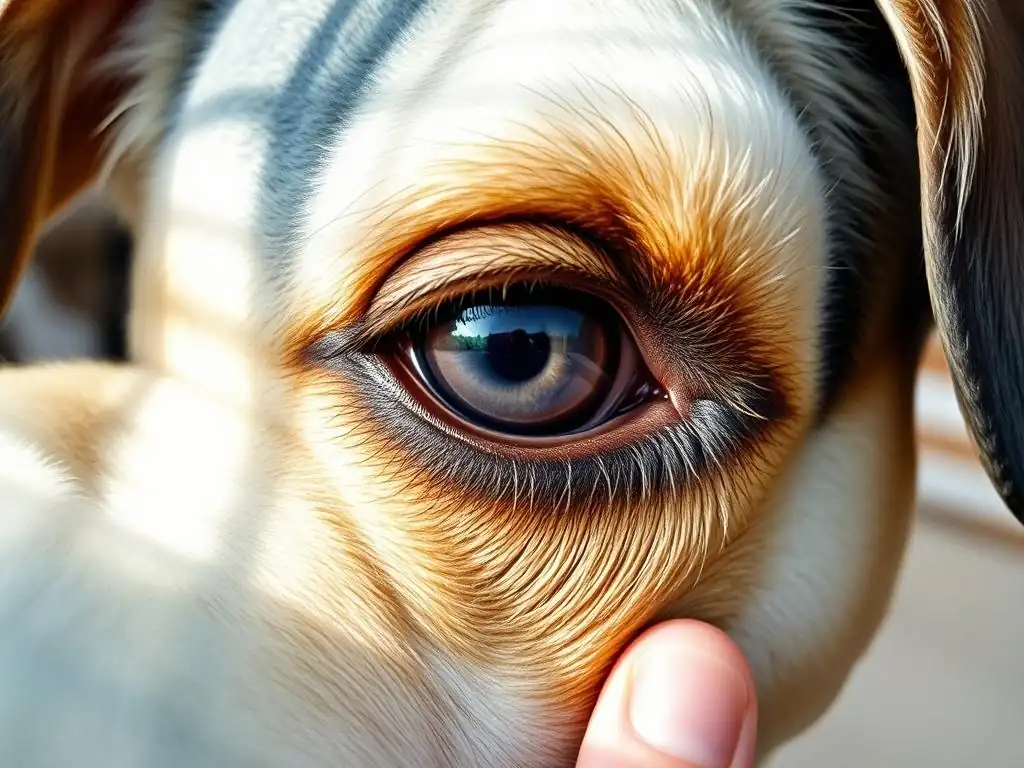
Diagnosing vision problems in senior pets requires a keen eye and a collaborative approach with your veterinarian. Many subtle changes can indicate declining eyesight, often overlooked until the condition significantly impacts your pet's quality of life. Early detection is crucial for implementing effective Senior pet vision loss solutions and maximizing your pet's comfort and independence. This section will explore how to identify potential vision issues and the importance of professional veterinary assessment. Remember, this information is for educational purposes and shouldn't replace professional veterinary advice. Always consult your veterinarian for any concerns about your pet's health.
Veterinary Examination and Diagnostic Tests
A thorough veterinary examination is the cornerstone of diagnosing vision impairment in senior pets. Your veterinarian will perform a comprehensive assessment, including a detailed history of your pet's behavior and any observed changes. This history is invaluable, as subtle shifts in behavior might precede more obvious signs of vision loss. For example, changes in your pet's interaction with objects, increased bumping into furniture, difficulty navigating familiar spaces, or reluctance to go outside could be early indicators.
Beyond behavioral observations, your vet will conduct a physical examination focusing on the eyes. This includes:
- Pupil Response: Checking pupil dilation and constriction in response to light. Sluggish or absent responses can signal neurological or retinal issues.
- Optic Nerve Examination: Assessing the health and function of the optic nerve, which transmits visual information to the brain.
- Fundus Examination: Using an ophthalmoscope to examine the retina, blood vessels, and optic disc at the back of the eye. This allows for the detection of abnormalities like cataracts, glaucoma, retinal degeneration, and other eye diseases.
- Visual Acuity Tests: While challenging in some pets, your veterinarian might perform tests to evaluate your pet's ability to see objects at different distances. These tests can help determine the severity of vision loss.
In some cases, additional diagnostic tests may be necessary to pinpoint the underlying cause of vision problems. These could include:
| Test | Purpose |
|---|---|
| Blood tests | To rule out underlying systemic diseases that can affect vision. |
| Ultrasound | To assess the structures within the eye, especially in cases of suspected glaucoma. |
| Electroretinography (ERG) | To measure the electrical activity of the retina, helping diagnose retinal diseases. |
The results of these examinations and tests will help your veterinarian diagnose the specific condition affecting your pet's vision and recommend appropriate treatment options and Senior pet vision loss solutions.
Importance of Early Intervention for Senior Pet Vision Loss
Early intervention is paramount when dealing with vision loss in senior pets. The earlier the condition is diagnosed and managed, the better the chances of mitigating its impact on your pet's quality of life. Delaying treatment can lead to:
- Increased Risk of Injury: Pets with impaired vision are more prone to accidents, such as bumping into objects, falling down stairs, or getting lost.
- Behavioral Changes: Frustration, anxiety, and even aggression can develop as a pet struggles to adapt to their visual impairment.
- Decreased Mobility and Independence: Vision loss can significantly limit a pet's ability to navigate their environment, leading to reduced activity and social interaction.
- Prolonged Suffering: Untreated vision problems can cause discomfort and pain, leading to a diminished quality of life for your beloved companion.
By addressing vision problems early, you can implement strategies to help your pet adapt to their changing visual abilities. These strategies might include:
- Environmental Modifications: Creating a safe and predictable environment by removing obstacles, using tactile cues, and establishing consistent routines.
- Behavioral Training: Teaching your pet alternative ways to navigate their surroundings using sound or touch.
- Medication or Surgery: Depending on the underlying cause, your veterinarian may recommend medication to manage certain conditions or surgical interventions in some cases.
Early detection and proactive management offer your senior pet the best chance to maintain a comfortable and fulfilling life, even with vision impairment. Remember, a proactive approach is crucial in providing the best Senior pet vision loss solutions. 🐾
Adapting Your Home for a Visually Impaired Senior Pet
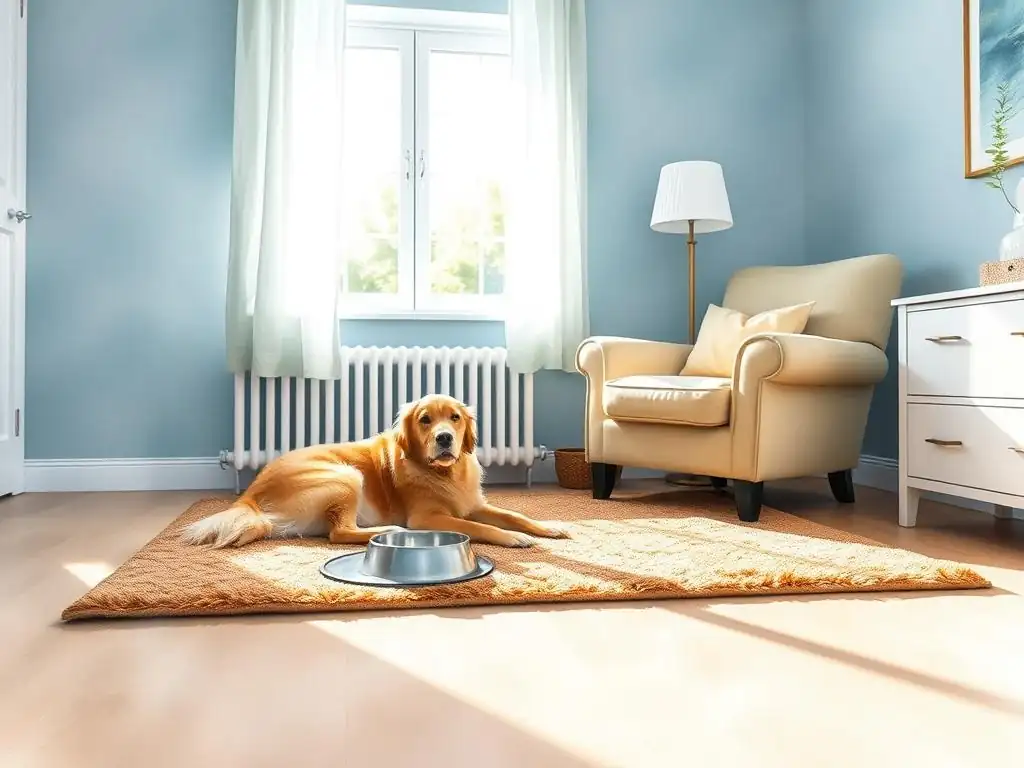
This section focuses on practical solutions to help your visually impaired senior pet navigate their home safely and comfortably. Addressing the challenges presented by vision loss in senior pets requires a multifaceted approach, combining environmental modifications with training techniques that utilize alternative senses. Understanding your pet's limitations and adapting your home accordingly is crucial for maintaining their quality of life and preventing accidents. This is key to providing optimal senior pet vision loss solutions.
Creating a safe space for your visually impaired senior pet involves minimizing hazards and maximizing their ability to move around independently. This might seem like a daunting task, but with careful planning and simple adjustments, you can transform your home into a haven for your beloved companion. Think of it as decluttering with a senior pet vision loss solution focus.
First, eliminate tripping hazards. Remove loose rugs, trailing wires, and small objects that could easily be knocked over or stepped on. Secure any loose floorboards or uneven paving stones in your yard. Consider using non-slip mats in areas prone to spills or where your pet spends a significant amount of time.
Next, consider the flooring. Hardwood floors, while aesthetically pleasing, can be slippery for older pets, increasing the risk of falls. Consider using carpets or rugs in high-traffic areas to provide better traction. Regularly check for any potential hazards, such as splinters or sharp objects.
Finally, define safe zones. Create designated areas for eating, sleeping, and eliminating. Use easily identifiable boundaries, such as baby gates or strategically placed furniture, to prevent your pet from venturing into hazardous areas. This consistent structure provides a sense of security and predictability, which is especially important for a visually impaired pet. Remember, consistency is a key component of effective senior pet vision loss solutions.
Modifying Furniture Placement and Removing Obstacles
Furniture rearrangement is often a crucial aspect of adapting your home for a visually impaired pet. Avoid frequently shifting furniture, as this can disorient your pet. Instead, establish a consistent layout and avoid placing furniture in unexpected locations. The key here is predictability.
Create clear pathways. Keep walkways free of obstructions. Consider using furniture to define these paths, creating natural boundaries that your pet can easily follow. For example, placing a sofa or armchair along a hallway can help guide your pet along the desired route.
Remember to avoid creating sudden changes in elevation. This includes steps, rugs, or even changes in flooring type. These transitions can be difficult for a visually impaired pet to navigate, leading to falls and injuries. If you have steps, consider installing ramps or using gates to prevent access to areas with stairs. This is a significant factor in implementing successful senior pet vision loss solutions.
Using Scent and Sound Cues to Guide Your Pet
While sight is lost, other senses can be enhanced to compensate. Scent and sound cues can be incredibly effective in guiding your visually impaired pet around the house and yard.
Introduce familiar scents. Place familiar scented toys or bedding in key locations to help your pet identify different areas of the house. This can be particularly helpful in guiding them to their food and water bowls, bedding, and litter box. The familiarity of the scent provides a reassuring landmark.
Use sound cues consistently. Use a consistent sound, such as a bell or a specific verbal cue, to signal the location of their food, water, or other important areas. The consistent association between sound and location helps them learn the spatial layout of their environment. This consistent use of sound is a crucial aspect of senior pet vision loss solutions.
Consider auditory aids. While not always necessary, some pets may benefit from auditory aids such as bells attached to doors or other important locations. This can alert them to the presence of potential obstacles or guide them to specific areas of the house. However, ensure the sound isn't overwhelming or irritating. Introduce these aids gradually and observe your pet's reaction carefully. This is another piece of the senior pet vision loss solutions puzzle.
Remember, patience and understanding are key when adapting your home for your visually impaired senior pet. By creating a safe, predictable, and stimulating environment, you can help your furry friend maintain their independence and quality of life, even with impaired vision. These adjustments, while seemingly small, can make a world of difference in the life of your senior pet.
Providing Safe and Accessible Food and Water Bowls
Finding the food and water bowls can be a significant challenge for a visually impaired senior pet. The simple act of eating and drinking should not become a source of stress or frustration. Therefore, strategically placing these essentials is crucial for their well-being.
Instead of relying on their eyesight, we need to leverage their other senses. Consider using bowls with a distinct texture or a contrasting color against the floor to make them easily identifiable through touch. For example, a brightly colored rubber bowl placed on a dark-colored mat will be easier to locate than a stainless steel bowl on a light-colored floor.
Furthermore, the placement of the bowls is key. Avoid placing them in areas with a lot of foot traffic or where they might be easily knocked over. A dedicated, quiet eating area is ideal. For pets with mobility issues, consider using raised food and water bowls to reduce strain on their necks and joints. This simple adjustment can significantly improve their comfort and ease of eating and drinking.
Remember to regularly check the water level and food supply to ensure your pet always has access to fresh resources. You can also explore non-spill bowls designed to minimize mess and frustration. These small changes can dramatically improve your senior pet's quality of life, ensuring they can easily access essential hydration and nutrition. Regularly cleaning the bowls is also vital to maintain hygiene and prevent bacterial growth.
Adapting Playtime and Enrichment Activities for Visually Impaired Pets
While vision loss might seem limiting, it doesn't mean your senior pet can't enjoy playtime and enrichment. The key is to adapt activities to suit their changed sensory experience. Instead of relying on visual cues, focus on stimulating their sense of touch, smell, and hearing. For example, interactive puzzle feeders can provide mental stimulation and encourage them to use their sense of smell and touch to find their treats. These puzzles come in various designs and difficulty levels, ensuring there's an option for every pet. The rewarding feeling of successfully completing the puzzle significantly enhances their emotional well-being.
Furthermore, consider using toys with distinct textures and sounds. A squeaky toy or a toy with a crinkly texture will be more appealing to a visually impaired pet than a visually stimulating but silent toy. Regularly introducing new toys with different textures and sounds will prevent boredom and keep them engaged. You can also incorporate scent-based games, such as hiding treats around the house for your pet to find using their sense of smell.
This activity provides both mental and physical stimulation. Remember to supervise your pet during playtime to ensure their safety and prevent accidents. Adapting playtime doesn't mean less fun; it simply means creating engaging activities that cater to their remaining senses, maintaining a stimulating and joyful environment for your beloved companion. The goal is to maintain a rich and stimulating environment, even with the challenges of vision impairment.
Senior Pet Vision Loss Solutions: Practical Tips and Strategies
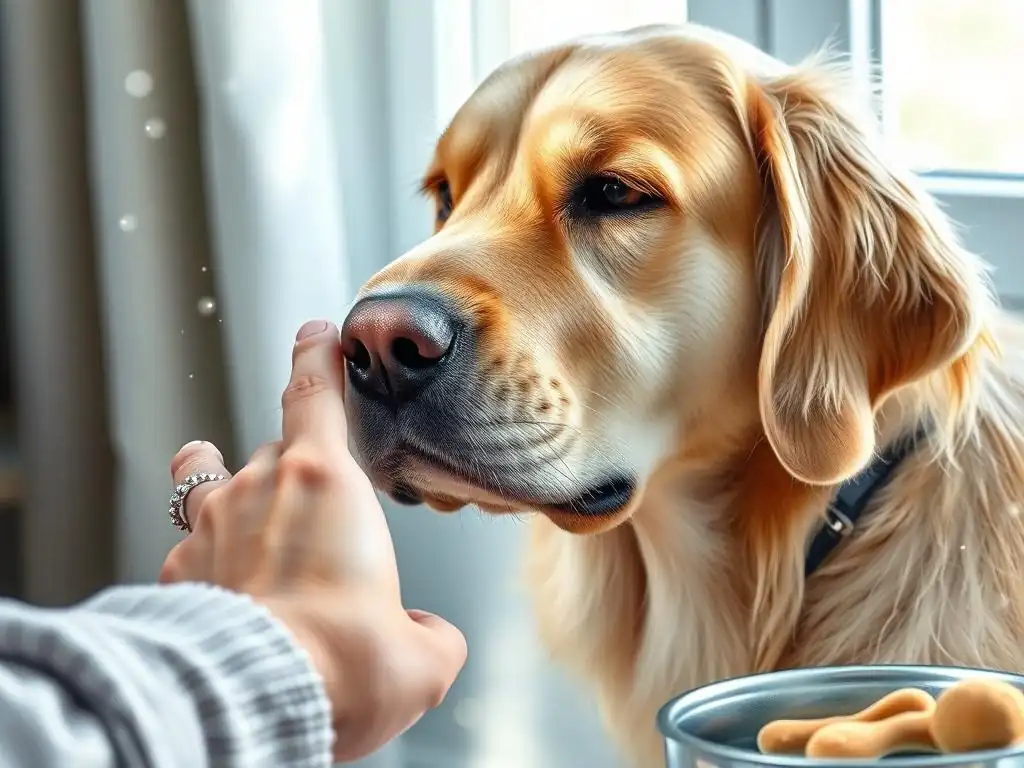
Addressing vision loss in senior pets requires a multifaceted approach, combining environmental modifications with supportive care practices. Successfully navigating this challenge hinges on understanding your pet's specific needs and adapting your home and routines accordingly. This section outlines practical strategies to enhance your senior pet's quality of life and ensure their safety and comfort despite declining vision. Remember, early intervention and consistent care are crucial for managing vision impairment in older pets. The ultimate goal is to make their twilight years as happy and fulfilling as possible. This focuses on providing Senior pet vision loss solutions.
Maintaining a Consistent Routine for Your Visually Impaired Pet
Maintaining a consistent daily routine is paramount for a visually impaired senior pet. Predictability provides comfort and reduces anxiety. Sudden changes in furniture placement or daily schedules can be disorienting and stressful. Consider these strategies:
- Feeding: Always place food and water bowls in the same location. Use a non-slip mat underneath to prevent accidental spills and to make locating the bowls easier for your pet. Consider bowls with raised edges or contrasting colors to increase visibility.
- Sleeping Area: Keep your pet's bedding in a consistent spot. A comfortable, familiar bed in a quiet area will provide a secure and relaxing space.
- Elimination: Establish a regular potty schedule and stick to it closely. If using a designated potty area, keep it consistently in the same place. Consider using scent markers to help your pet locate the area if necessary.
- Playtime: Maintain interactive playtime, but adapt the games to accommodate your pet's vision impairment. Use toys with textures or sounds that are easily detectable. Keep play areas clutter-free to minimize the risk of accidents.
- Communication: Use verbal cues consistently to guide your pet. A consistent tone of voice and familiar commands can help them navigate their environment. Avoid sudden movements or loud noises that might startle them.
Remember that patience and understanding are key. Your pet may initially struggle to adjust, but with consistent routines and gentle guidance, they will learn to navigate their environment more effectively. Providing a predictable environment minimizes stress and promotes a sense of security for your visually impaired companion. This is a crucial aspect of providing effective Senior pet vision loss solutions.
Using Specialized Products to Aid Your Visually Impaired Pet
Several specialized products can significantly improve the quality of life for a senior pet experiencing vision loss. These tools can make everyday tasks easier and safer, enhancing both your pet's independence and your peace of mind.
- Raised Food and Water Bowls: These bowls eliminate the need for your pet to bend down, making eating and drinking more comfortable.
- Textured Mats: These provide tactile cues and help your pet identify different areas of your home, such as their sleeping area or potty spot.
- Bedding with Raised Sides: This type of bedding provides support and prevents your pet from rolling off the bed or feeling insecure.
- Harnesses and Leashes: Use a brightly colored harness and leash to ensure better visibility during walks. Consider a leash with a handle close to the ground for better control.
- Tactile Toys: Toys with different textures and sounds stimulate your pet and provide engagement opportunities.
- Indoor/Outdoor Pet Ramps: Ramps can help your pet safely navigate stairs or furniture, reducing the risk of falls.
The use of these products forms a vital part of comprehensive Senior pet vision loss solutions. While the initial investment might seem significant, the benefits in terms of improved comfort, safety, and quality of life for your pet far outweigh the cost.
Providing Extra Comfort and Security for Your Senior Pet
Beyond practical aids and routine adjustments, providing extra comfort and security is crucial for a senior pet with vision loss. A safe and predictable environment minimizes stress and anxiety, allowing them to thrive despite their visual impairment.
- Soft Lighting: Bright lights can be disorienting for visually impaired pets. Opt for softer, warmer lighting to create a more calming atmosphere. Avoid harsh shadows or glare.
- Clear Pathways: Keep walkways clear of obstacles to prevent accidents. Use furniture strategically to create defined pathways.
- Familiar Scents: Familiar scents can offer comfort and security. Use calming pheromone diffusers or place familiar items, such as old blankets or toys, in their sleeping area.
- Gentle Handling: Always approach your pet gently and calmly. Announce your presence before touching them to avoid startling them.
- Regular Veterinary Checkups: Regular veterinary checkups are essential to monitor your pet's overall health and address any underlying issues that may contribute to their vision loss or discomfort. Early detection of further health problems is crucial for effective management.
Addressing vision loss in senior pets is a journey that requires patience, understanding, and a commitment to providing the best possible care. By implementing these practical strategies and creating a safe, supportive environment, you can significantly improve your pet's quality of life and ensure they enjoy their golden years to the fullest. These elements contribute significantly to effective Senior pet vision loss solutions.
The Role of Patience and Understanding in Caring for a Blind Pet
Caring for a visually impaired senior pet requires a significant shift in perspective and approach. Patience and understanding are not just desirable traits; they are fundamental to successfully navigating this challenging period in your pet's life. Remember that your pet isn't deliberately misbehaving; their actions stem from their inability to see their surroundings. Accidents, such as bumping into furniture or missing their food bowl, are not signs of disobedience but rather a natural consequence of their vision loss. Instead of frustration, respond with empathy and gentle guidance.
A common mistake is to rush the adjustment process. Allow your pet ample time to acclimate to their new reality. Avoid sudden changes to their environment, and introduce new objects gradually. This allows them to explore and learn the spatial layout of their home through touch and scent, minimizing anxiety and potential accidents. Positive reinforcement, through verbal praise and gentle petting, is crucial in building confidence and reducing stress during this transition. Consistency in your approach is key – a predictable routine helps your pet feel secure and less overwhelmed.
The emotional impact of vision loss on your pet should not be underestimated. Many pets experience increased anxiety and stress, leading to changes in behavior such as increased vocalization, restlessness, or withdrawal. Recognizing these signs and providing a calm, reassuring environment is essential. Consider creating a safe space for your pet—a quiet, comfortable area where they can retreat when feeling overwhelmed.
Soft bedding, familiar toys, and consistent access to water and food within this space can greatly improve their comfort and security. Remember, your patience and understanding are invaluable in helping your pet adjust to their new reality and maintain a good quality of life. The bond you share will be tested, but your unwavering support can make all the difference.
When to Seek Professional Help for Senior Pet Vision Loss

Recognizing the signs of vision loss in your senior pet is crucial, but knowing when to seek professional veterinary help is equally important. While some vision changes are a natural part of aging, others could indicate underlying health problems requiring immediate attention. Early intervention can significantly improve your pet's quality of life and potentially prevent further complications.
This section will guide you in identifying situations demanding immediate veterinary care and in locating specialized veterinary expertise for blind or visually impaired pets. The earlier you address vision issues, the better the chances of mitigating the effects and providing your aging companion with the best possible care. Effective management of senior pet vision loss solutions requires proactive monitoring and swift action when necessary.
Sudden and dramatic changes in your pet's vision warrant immediate veterinary attention. These emergency situations could signify serious underlying health issues, such as:
- Sudden blindness: If your pet, previously sighted, suddenly becomes blind, this is a critical emergency. It could be caused by glaucoma, a detached retina, or other serious conditions requiring urgent treatment.
- Trauma to the eyes: Any injury to the eye, including scratches, punctures, or swelling, needs immediate veterinary assessment. Delaying treatment can lead to permanent vision loss or even loss of the eye.
- Unusual eye discharge: While some discharge is normal, excessive, purulent (pus-like), or bloody discharge is a red flag. This could indicate an infection, ulceration, or other serious problem.
- Severe pain or discomfort: If your pet exhibits signs of significant eye pain (squinting, pawing at the eyes, vocalizing), seek immediate veterinary care. Pain is often a symptom of a more serious condition.
- Pupil dilation or constriction abnormalities: Unusual changes in pupil size or reactivity to light can be indicative of neurological problems or other serious conditions. Observe any inconsistencies from the pet's normal baseline.
It's crucial to remember that even seemingly minor changes can escalate quickly. Don't hesitate to contact your veterinarian if you have any concerns about your pet's vision. Early detection and treatment are key to successful management of vision loss in senior pets. Proactive monitoring, combined with swift action in emergency situations, will help ensure your senior pet receives the best possible care. Remember, your pet cannot tell you they are in pain or discomfort, so careful observation is paramount.
Finding Specialized Veterinary Care for Blind Pets
While your regular veterinarian can provide excellent primary care, some situations may benefit from the expertise of specialists. Finding a veterinary ophthalmologist – a veterinarian specializing in eye diseases – is essential for complex cases or when advanced diagnostics and treatment are needed. These specialists have in-depth knowledge and advanced equipment to diagnose and treat a wide range of eye conditions.
Locating a veterinary ophthalmologist might involve contacting your regular veterinarian for a referral, searching online veterinary directories, or contacting your local veterinary school. Not all veterinary practices offer ophthalmology services, so proactive research is crucial. When dealing with senior pet vision loss solutions, access to specialized care can make a significant difference in the outcome.
Consider the following factors when choosing a specialist:
| Factor | Importance |
|---|---|
| Experience | Look for ophthalmologists with extensive experience in treating senior pets. |
| Equipment | Ensure the practice has access to advanced diagnostic equipment (e.g., ultrasound, specialized microscopes). |
| Reputation | Check online reviews and ask for referrals from other pet owners or veterinarians. |
| Location | Consider the distance and convenience of the practice. |
| Communication | Choose a specialist who communicates clearly and answers your questions thoroughly. |
Finding the right specialist is a vital component of providing comprehensive senior pet vision loss solutions. Remember, proactive planning and access to specialized care can significantly improve the quality of life for your visually impaired companion. Don't underestimate the importance of seeking professional help when needed – it's a crucial step in providing the best possible care for your beloved senior pet.
Maintaining Your Senior Pet's Quality of Life Despite Vision Loss
Vision loss in senior pets is a heartbreaking but unfortunately common occurrence. However, with understanding and proactive adaptation, you can significantly improve your aging companion's quality of life and ensure they remain happy and comfortable. This section focuses on practical strategies to help your visually impaired pet navigate their environment and maintain a fulfilling life. Remember, even with significant vision impairment, many pets can thrive with the right support.
The key is to anticipate their needs and create a safe and stimulating environment tailored to their reduced vision. This involves a multifaceted approach encompassing environmental modifications, enrichment activities, and consistent monitoring of their overall health. We'll explore specific ways to address the challenges of senior pet vision loss, offering solutions to help your beloved animal companion live their golden years to the fullest.
Enrichment Activities for Visually Impaired Pets
Providing enriching activities is crucial for maintaining your senior pet's mental and physical well-being, even with vision loss. Sensory stimulation becomes even more important as their sight diminishes. Consider these strategies:
- Tactile Toys: Offer toys with varied textures – plush, rubber, corduroy – to engage their sense of touch. A simple knotted rope toy can provide hours of entertainment. Experiment with different materials to see what your pet enjoys most.
- Scent Games: Dogs and cats rely heavily on their sense of smell. Hide treats around the house for them to find, using their nose to navigate. This is a fantastic way to keep them mentally engaged and provide a sense of accomplishment.
- Sound Stimulation: Familiar sounds can be comforting and provide a sense of security. Playing soft music or using calming soundscapes can help alleviate anxiety associated with vision loss.
- Gentle Grooming: Regular grooming sessions are not only beneficial for their coat but also provide tactile stimulation and bonding time.
- Food Puzzles: These interactive feeders challenge your pet mentally and physically, slowing down their eating and providing mental stimulation. Choose puzzles appropriate for their physical abilities.
Remember to always supervise your pet during enrichment activities to ensure their safety. Adjust the difficulty level as needed to keep them challenged but not frustrated. The goal is to provide positive reinforcement and a sense of accomplishment. Regularly rotating toys and activities will help prevent boredom and maintain engagement. Observing your pet's responses will help you tailor the activities to their individual preferences and abilities. For example, if your dog seems less interested in a particular scent game, try a different scent or a different hiding location.
Maintaining social interaction is vital for your senior pet's emotional well-being, regardless of vision loss. Even though they might not see as well, they can still benefit from social interaction through other senses:
- Consistent Routine: Maintaining a predictable routine helps reduce anxiety and provides a sense of security. This is especially important for pets with vision loss.
- Verbal Cues and Physical Affection: Use clear verbal cues and gentle touch to communicate and reassure your pet. Your voice and touch can convey comfort and security.
- Controlled Socialization: If your pet enjoys interacting with other animals, arrange supervised playdates in a safe and familiar environment. Ensure the interactions are positive and stress-free.
- Familiar Companions: If possible, ensure your pet has access to familiar companions, whether it's another pet or a trusted human. The presence of a familiar companion can provide comfort and reduce anxiety.
- Patience and Understanding: Be patient and understanding. It may take some time for your pet to adjust to their vision loss, and they may exhibit some behavioral changes.
Regular interaction, even in modified ways, can help prevent depression and maintain a sense of connection. Remember to be patient and understanding throughout this adjustment period. A consistent routine and predictable environment will help your pet feel secure and reduce stress. Your pet's behavior will guide you on how best to interact.
Monitoring Your Pet's Overall Health and Well-being
Regular veterinary check-ups are crucial for managing the health of senior pets, especially those experiencing vision loss. This allows for early detection of any potential complications or secondary health issues:
| Health Aspect | Monitoring Frequency | Signs to Watch For |
|---|---|---|
| Vision | At each vet visit | Cloudy eyes, bumping into objects, disorientation |
| Mobility | Daily | Difficulty walking, stumbling, lethargy |
| Weight | Weekly | Significant weight loss or gain |
| Appetite | Daily | Decreased appetite, difficulty eating |
| Coat Condition | Weekly | Dull coat, excessive shedding, skin irritations |
| Urination/Defecation | Daily | Changes in frequency, accidents in the house |
| Mental Alertness | Daily | Lethargy, disorientation, changes in behavior |
Regular monitoring allows for early detection of potential problems, enabling timely intervention. Vision loss can sometimes be associated with other underlying health conditions, so it's important to address any health concerns promptly. A proactive approach will help your senior pet maintain the best possible quality of life. Don't hesitate to seek veterinary advice if you notice any significant changes in your pet's behavior or health. Early intervention can often make a significant difference. Remember, your vigilant observation is crucial in ensuring your senior pet's continued well-being. 😻
Providing Nutritional Support for Senior Pets with Vision Problems
Maintaining a healthy diet is crucial for all senior pets, but it takes on added importance when vision loss is a factor. Nutritional deficiencies can exacerbate existing health problems and impact their overall well-being, especially when a pet struggles to find food independently. A well-balanced diet can help maintain a healthy weight, support a robust immune system, and potentially slow the progression of age-related conditions.
For senior pets experiencing vision loss, choosing the right food is paramount. Consider foods specifically formulated for senior pets, which often contain higher levels of antioxidants, joint support supplements like glucosamine and chondroitin, and easily digestible ingredients. These formulas are designed to address the specific nutritional needs of aging animals, supporting their overall health and combating age-related decline. The increased digestibility is especially important, as it reduces the strain on the digestive system and ensures efficient nutrient absorption.
The texture of the food is also a key consideration. If your pet is having trouble seeing, they may struggle with smaller kibble or irregularly shaped pieces. Switching to a larger kibble size, wet food, or even pureed food can greatly improve their ability to eat independently. Observe your pet during mealtimes; if they seem frustrated or are having difficulty locating their food, consider adjusting the food presentation. A contrasting bowl color against the floor can also help.
Remember to consult your veterinarian before making significant dietary changes. They can assess your pet's individual needs and recommend the most appropriate food based on their age, breed, overall health, and specific vision problems. They may also suggest supplements to further support your pet's health and well-being during this period. Don't hesitate to ask your vet for specific recommendations and strategies for feeding your visually impaired senior companion. Regular veterinary checkups remain crucial for monitoring their overall health and addressing any emerging concerns. Early detection and intervention can often significantly improve their quality of life.
Frequently Asked Questions
What are the common signs of vision loss in senior pets?
Many signs are subtle. Look for bumping into objects, reluctance to jump or navigate familiar areas, and changes in behavior, such as increased anxiety or confusion. Professional veterinary examination is crucial for diagnosis.
How can I adapt my home to help a visually impaired pet?
Make your home safer by removing tripping hazards, using clearly defined pathways, and adding textured surfaces to help your pet navigate. Consider using pheromone diffusers to reduce anxiety.
What types of veterinary care are available for pets with vision loss?
While vision loss itself can't be cured, your vet can rule out other conditions, manage secondary complications, and provide supportive care to improve your pet's quality of life.
Are there any assistive devices for pets with vision loss?
While not as common as for humans, some options exist. You can explore specialized harnesses, gentle guiding techniques, and auditory cues to help your pet navigate.
How can I best communicate with my visually impaired pet?
Maintain a consistent routine, use gentle verbal cues, and avoid sudden movements. Positive reinforcement remains vital for training and comfort. Your pet will rely more on sound and touch, so be mindful of your approach.
Final Reflection: Illuminating the Path for Aging Eyes
The heartbreaking reality of vision loss in senior pets is a growing concern for millions of pet owners, impacting not only their beloved companions but also the fabric of their family life. Understanding the subtle signs and proactively adapting our homes can significantly improve the quality of life for these aging animals, transforming a potentially distressing situation into one of continued love and companionship.
Witnessing the gradual decline in my own senior dog's eyesight underscored the profound impact this condition has, not just on the pet's ability to navigate their world, but on the emotional bond we share. The best mirror is an old friend.
This quote resonates deeply, as our pets, in their aging, reflect our own capacity for empathy and care. The subtle changes – bumping into furniture, hesitant movements, increased anxiety – become poignant reminders of their vulnerability and our responsibility to provide unwavering support. The journey of adapting our home, from adding tactile cues to adjusting routines, became a testament to the enduring power of love and adaptation.
Now, consider your own senior pet. Are there subtle signs you've overlooked? Take a moment to observe their behavior, to truly see them. This isn't just about solving a problem; it's about deepening your connection and ensuring their comfort in their twilight years. By implementing even small changes, you can illuminate their world, making their remaining time filled with love, security, and the unwavering comfort of a home tailored to their needs. Let's work together to ensure that every senior pet experiences the dignity and care they deserve.
Unveil a Brighter Future for Your Aging Companion
Thank you for learning about vision loss in senior pets. We hope this guide has provided you with the tools to better support your furry friend. Now, let's put that knowledge into practice!
- Prioritize a safe and comfortable environment: Start assessing your home for potential hazards, such as low-hanging objects or changes in floor levels. Even small adjustments can significantly improve your pet's quality of life.
- Create a visual map: Use distinct textures or subtly scented items to help your pet navigate familiar areas. For example, placing a scented toy near their food and water bowls can provide helpful cues.
- Share your experience: Let's build a supportive community! Share your insights and challenges in the comments below. Help other pet owners support their aging companions.
What simple changes can you make today to brighten your pet's world?