
The Impact of Age on Your Pet's Joints: A Guide to Preventative Care


Welcome to PetCareWorld, your ultimate guide to a happier, healthier life for your beloved companion! Are you noticing changes in your senior pet's mobility? We delve into the crucial topic of senior pet joint health issues in our latest in-depth guide, exploring preventative care strategies that can make a world of difference. Discover how to navigate the challenges of aging gracefully alongside your furry, feathered, or scaled friend – read on to learn more!
- Understanding Senior Pet Joint Health Issues
- Preventative Care for Senior Pet Joint Health
- Specific Joint Problems in Senior Pets
- When to Seek Veterinary Care for Joint Issues
- Improving Your Senior Pet's Quality of Life
-
Frequently Asked Questions
- What are the common joint health issues in senior pets?
- How can I tell if my senior pet is experiencing joint pain?
- What preventative measures can I take to protect my pet's joints?
- What treatments are available for senior pet joint issues?
- Are there specific dietary recommendations for senior pets with joint problems?
- Final Reflection: Nurturing the Golden Years: A Legacy of Love and Care
- Unleash Your Pet's Joyful Movement!
Understanding Senior Pet Joint Health Issues
As our beloved pets age, they become susceptible to a range of health concerns, and one of the most prevalent and debilitating is joint deterioration. This comprehensive guide explores the impact of aging on your pet's joints, focusing specifically on the common issues faced by senior dogs and cats. We'll delve into the degenerative processes that occur with age, explore the telltale signs of joint problems, and discuss the crucial role of veterinary diagnostics in ensuring timely and appropriate intervention.
Understanding these aspects is vital for proactive pet owners committed to providing the best possible care for their aging companions. This knowledge empowers you to identify potential problems early, implement preventative measures, and ultimately enhance the quality of life for your senior pet.
This article will equip you with the knowledge to navigate the complexities of senior pet joint health issues, helping you make informed decisions to maintain your furry friend's mobility and comfort. We will focus on practical advice and solutions, ultimately aiming to help you manage and potentially mitigate the effects of aging on your pet’s joints, ensuring a happier and healthier life for them during their golden years.
The Aging Process and Joint Degeneration in Dogs and Cats
The aging process inevitably affects the musculoskeletal system in dogs and cats, leading to a gradual decline in joint health. This degeneration, often referred to as osteoarthritis, is characterized by the breakdown of cartilage, the cushioning tissue between bones. As cartilage wears away, bones rub against each other, causing pain, inflammation, and stiffness.
Several factors contribute to this process, including genetics, breed predisposition (certain breeds are more prone to joint issues than others), previous injuries, and obesity. The gradual loss of cartilage is accompanied by changes in the joint lining (synovium) and the bones themselves, leading to a complex interplay of factors that contribute to joint pain and reduced mobility. For instance, larger breeds, like German Shepherds and Golden Retrievers, often experience hip dysplasia, a condition where the hip joint doesn't develop properly, leading to early osteoarthritis.
Smaller breeds, while generally less susceptible to hip dysplasia, can still develop other forms of joint disease as they age. The subtle changes start early, often before noticeable symptoms appear, emphasizing the importance of preventative care from middle age onwards. Understanding these underlying mechanisms is key to identifying and managing the symptoms effectively.
Common Signs of Joint Problems in Senior Dogs and Cats
Recognizing the subtle signs of joint problems in senior pets is crucial for early intervention. While some signs are obvious, others are more subtle and easily overlooked. Common symptoms include:
- Limping or lameness: This can range from a slight stiffness to a pronounced limp, often more noticeable after rest or exercise.
- Stiffness: Difficulty getting up, slow to rise from lying or sitting positions, and reluctance to jump or climb stairs are common indicators.
- Decreased activity levels: A once energetic pet may become lethargic and less playful.
- Muscle atrophy: A loss of muscle mass around the affected joint can be observed.
- Difficulty with grooming: Reaching certain areas of their body might become challenging, leading to less thorough grooming.
- Changes in behavior: Increased irritability, vocalization (whining or yelping), or changes in appetite can indicate discomfort.
- Swelling or tenderness around the joints: Palpating the joints might reveal swelling or tenderness.
Observing these changes and noting their progression is vital. Don't dismiss subtle shifts in your pet's behavior; they might be early warning signs of underlying joint issues. Early diagnosis and intervention can significantly improve your pet's quality of life. Keeping a detailed record of observed symptoms can be invaluable when discussing your concerns with your veterinarian. 🐕🦺 🐈⬛
Diagnosing Joint Issues in Older Pets: Veterinary Examinations and Diagnostic Imaging
A thorough veterinary examination is the first step in diagnosing joint problems in older pets. Your veterinarian will assess your pet's gait, range of motion, and palpate the joints to detect any abnormalities. The physical examination often provides valuable clues, but further diagnostic tests are frequently needed for a definitive diagnosis. These may include:
- X-rays: X-rays are a common imaging technique used to visualize the bones and joints, revealing signs of osteoarthritis, such as joint space narrowing, bone spurs, and changes in bone density.
- Ultrasound: Ultrasound can provide detailed images of soft tissues, including cartilage, ligaments, and tendons, allowing for a more comprehensive assessment of joint health.
- Blood tests: Blood tests can help rule out other underlying medical conditions that might mimic joint problems.
The results of these diagnostic tests, combined with your observations, will enable your veterinarian to formulate an accurate diagnosis and develop a personalized treatment plan for your senior pet. Remember, early diagnosis and appropriate management are key to maintaining your pet's mobility, comfort, and overall well-being. Don't hesitate to consult your veterinarian if you suspect your senior pet is experiencing joint issues. Early intervention often leads to better outcomes and a higher quality of life for your aging companion.
Preventative Care for Senior Pet Joint Health

As your beloved pet enters their senior years, maintaining their joint health becomes increasingly crucial. Senior pet joint health issues are a common concern, impacting mobility and overall quality of life. Proactive preventative care can significantly mitigate these problems and allow your furry friend to enjoy their golden years to the fullest. This section focuses on strategies to address the challenges of aging joints in pets, emphasizing a holistic approach encompassing nutrition, exercise, and supplementation.
Understanding the specific needs of senior pets regarding their joints is paramount to ensuring their comfort and well-being. Early intervention and consistent care are key to preventing more serious conditions down the line. Remember, even small changes can make a big difference in their comfort and mobility.
Nutritional Strategies for Joint Support in Senior Pets
A balanced diet plays a vital role in supporting senior pet joint health. As pets age, their nutritional needs shift, requiring adjustments to maintain optimal joint function. Focus on diets rich in high-quality protein to support muscle mass and overall body structure. This helps to reduce strain on joints. Incorporate omega-3 fatty acids, found in fish oil or flaxseed oil, which possess anti-inflammatory properties beneficial for reducing joint pain and stiffness.
These fatty acids can significantly improve mobility and reduce discomfort. Furthermore, consider foods with added antioxidants, like Vitamin C and E, to combat oxidative stress, a factor contributing to joint degeneration. Always consult your veterinarian to determine the most appropriate dietary adjustments for your pet's specific needs and existing health conditions. They can help you choose a senior-specific diet that meets their unique requirements. Remember, a well-nourished pet is a healthier pet, especially as they age.
The following table summarizes key nutritional elements beneficial for senior pet joint health:
| Nutrient | Benefits | Food Sources |
|---|---|---|
| High-Quality Protein | Supports muscle mass, reduces joint strain | Meat, poultry, fish, eggs |
| Omega-3 Fatty Acids | Anti-inflammatory, reduces pain and stiffness | Fish oil, flaxseed oil |
| Antioxidants (Vit C & E) | Combats oxidative stress, protects joint tissue | Many fruits and vegetables (in pet food) |
The Role of Glucosamine and Chondroitin Supplements for Senior Dogs and Cats
Glucosamine and chondroitin are naturally occurring compounds found in cartilage, the cushioning tissue between bones. As pets age, cartilage can degrade, leading to joint pain and inflammation. Supplementation with glucosamine and chondroitin aims to replenish these crucial compounds, potentially slowing down cartilage breakdown and reducing pain. Many senior dogs and cats benefit from these supplements, experiencing improved mobility and reduced discomfort. However, it's crucial to remember that these supplements are not a cure-all and their effectiveness varies between pets.
Always consult your veterinarian before starting any supplement regimen, especially if your pet is on other medications, as interactions may occur. They can help determine the appropriate dosage and monitor your pet's response to the supplement. The veterinarian can also advise on the best type of glucosamine and chondroitin supplement for your specific pet. Don't start supplementing without professional guidance.
Exercise and Activity Modification for Pets with Joint Problems
Maintaining a moderate level of physical activity is essential for senior pets, but the type and intensity of exercise need careful consideration. Overexertion can exacerbate joint problems, while complete inactivity can lead to muscle atrophy and further joint deterioration. The key is to find a balance. Short, frequent walks on even terrain are generally preferred over long, strenuous hikes.
Swimming is an excellent low-impact exercise option, minimizing stress on joints while providing cardiovascular benefits. Avoid activities that involve jumping, running on uneven surfaces, or carrying heavy objects. Consider using a harness instead of a collar to reduce strain on the neck and spine. Observe your pet for signs of discomfort during exercise, such as limping or reluctance to move.
If you notice any such signs, immediately reduce the intensity or duration of the activity. Regular gentle exercise is vital for maintaining muscle strength and joint health in senior pets but always prioritize their comfort and well-being. Remember, a happy, active senior pet is a healthy senior pet. Adjust activities as needed based on your pet’s individual needs and limitations.
Maintaining a Healthy Weight to Reduce Joint Strain
Maintaining a healthy weight is paramount for senior pets, especially concerning joint health. Excess weight puts significant extra strain on joints, exacerbating existing conditions like arthritis and increasing the risk of developing new ones. Even a small amount of weight loss can make a noticeable difference in a senior pet's mobility and comfort. Consider this: every extra pound your pet carries translates to several extra pounds of pressure on their joints with each step they take. This cumulative stress can lead to accelerated joint deterioration and increased pain.
The ideal weight for your pet will vary depending on breed, size, and overall body composition. Consult your veterinarian to determine your pet's ideal weight range and create a weight management plan if necessary. This plan might involve adjusting their food intake, increasing physical activity (adapted to their age and condition), and potentially switching to a lower-calorie, senior-specific diet. Remember, sudden or drastic weight loss can be harmful, so gradual and steady progress is key. Regular weigh-ins, ideally monthly, are important to monitor progress and make necessary adjustments to the weight management plan.
Furthermore, maintaining a healthy weight isn't just about reducing joint strain; it also contributes to overall health and longevity. Obesity in pets is linked to a range of health problems, including diabetes, heart disease, and respiratory issues, all of which can further compromise joint health and overall well-being. Therefore, focusing on weight management is a crucial preventative measure for senior pet joint health issues, contributing to a happier, healthier, and more mobile life for your furry friend.
The investment in a healthy weight translates directly into improved quality of life and a reduction in potential veterinary expenses associated with joint problems later in life. Remember, a healthy weight is an investment in your pet's long-term comfort and well-being.
Specific Joint Problems in Senior Pets
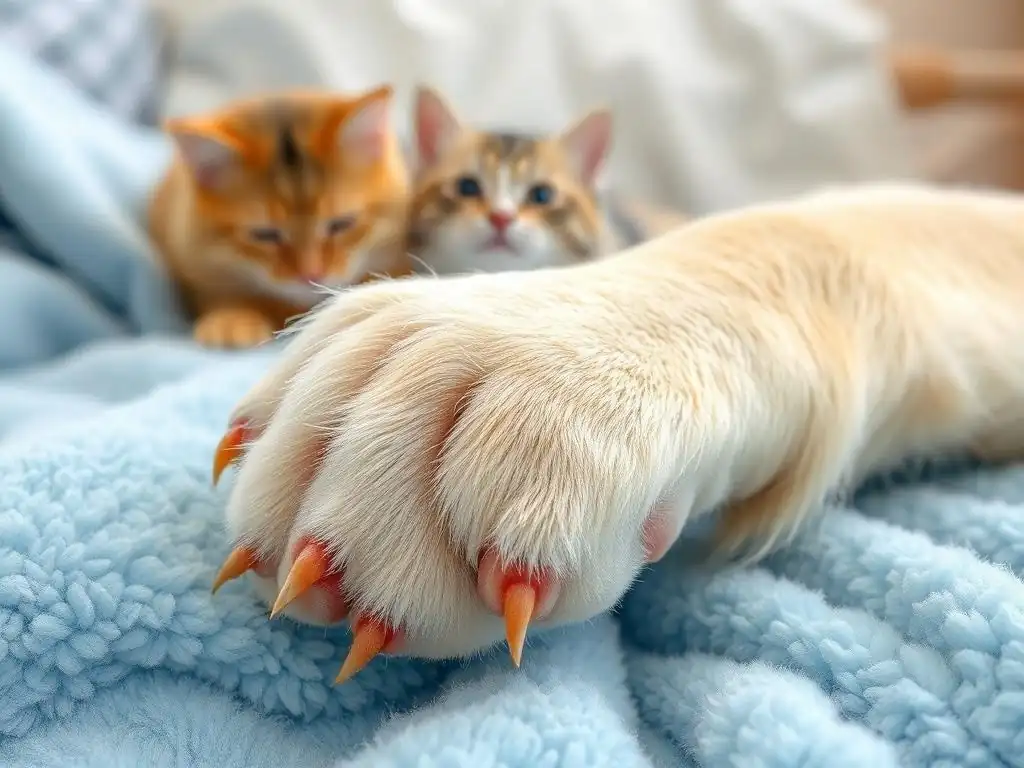
Senior pet joint health issues are a significant concern for many pet owners. As our beloved companions age, the wear and tear on their joints becomes increasingly apparent, leading to discomfort, reduced mobility, and a diminished quality of life. Understanding the specific joint problems common in senior pets is crucial for effective preventative care and management.
This section delves into some of the most prevalent conditions, offering insights into their symptoms, diagnosis, and treatment options. Effective management of these issues contributes significantly to improving the overall well-being and longevity of your senior pet. Early detection and proactive intervention are key to mitigating the impact of these age-related problems on your furry friend.
Osteoarthritis in Senior Dogs and Cats: Symptoms and Management
Osteoarthritis (OA), also known as degenerative joint disease, is the most common joint disorder in senior dogs and cats. It's characterized by the breakdown of cartilage within the joints, leading to inflammation, pain, and stiffness. The prevalence of OA increases significantly with age, affecting an estimated 1 / 3 of dogs over the age of 6 and a substantial portion of older cats.
Symptoms can vary depending on the severity and location of the OA. Common signs in dogs include:
- Limping or lameness, often worse after rest or exercise.
- Stiffness, particularly in the morning or after periods of inactivity.
- Decreased activity levels and reluctance to play or exercise.
- Swelling or tenderness around the affected joint.
- Muscle atrophy (loss of muscle mass) in the affected limb.
- Difficulty jumping or climbing stairs.
- Vocalization (whimpering or yelping) during movement.
Cats often exhibit more subtle signs of OA, making early diagnosis challenging. These can include:
- Changes in grooming habits, such as difficulty grooming their hindquarters.
- Reduced jumping ability or avoidance of vertical surfaces.
- Licking or excessive grooming of the affected joint.
- Reluctance to be handled or petted in certain areas.
- Changes in litter box habits, possibly due to discomfort.
Management of OA typically involves a multimodal approach combining:
- Pain management: Non-steroidal anti-inflammatory drugs (NSAIDs), such as carprofen or meloxicam, are often prescribed to reduce pain and inflammation. Other options include analgesics and nutraceuticals.
- Weight management: Maintaining a healthy weight significantly reduces stress on the joints. Obesity exacerbates OA symptoms.
- Physical therapy: Exercises tailored to improve joint mobility and muscle strength can help alleviate pain and improve function. Hydrotherapy can be particularly beneficial.
- Supplementation: Joint supplements containing glucosamine, chondroitin, and omega-3 fatty acids may help support cartilage health and reduce inflammation. Always consult your veterinarian before starting any supplements.
- Lifestyle modifications: Providing comfortable bedding, ramps for easy access to elevated surfaces, and avoiding strenuous activities can significantly improve your pet's comfort.
Hip Dysplasia in Senior Pets: Prevention and Treatment Options
Hip dysplasia is a hereditary condition affecting the hip joint, characterized by abnormal development and laxity of the joint. While it can manifest at a younger age, its effects often become more pronounced in senior pets, leading to significant pain and mobility issues. The condition is more common in certain breeds, such as German Shepherds, Golden Retrievers, and Labradors.
Prevention is crucial, especially if you are planning to breed your dog. Selecting breeding stock with good hip conformation and utilizing hip screening programs can significantly reduce the incidence of hip dysplasia. In addition, maintaining a healthy weight throughout your pet's life helps minimize stress on the hip joints.
Treatment options for hip dysplasia in senior pets vary depending on the severity of the condition:
- Pain management: Similar to OA, NSAIDs and other analgesics are used to alleviate pain and inflammation.
- Weight management: Maintaining a healthy weight is essential to reduce the burden on the affected hip joint.
- Physical therapy: Gentle exercises can help maintain joint mobility and muscle strength.
- Surgery: In severe cases, surgical intervention, such as total hip replacement, may be necessary to restore joint function.
- Supportive care: Providing comfortable bedding, ramps, and other environmental modifications can improve mobility and comfort.
Beyond osteoarthritis and hip dysplasia, several other age-related joint conditions can affect senior pets. These include:
- Degenerative Joint Disease (DJD): This is essentially another term for osteoarthritis, highlighting the progressive degeneration of the joint cartilage. The management strategies are similar to those discussed above.
- Ligament Injuries: As pets age, ligaments become weaker and more prone to injury. Cruciate ligament tears are a common problem in dogs, often leading to lameness and instability in the knee joint. Treatment may involve surgery or conservative management, depending on the severity of the injury.
- Luxating Patella: This condition involves the dislocation of the kneecap, often due to shallow or improperly formed grooves in the femur. It is more common in small breeds and can lead to intermittent lameness and pain. Treatment can range from conservative management to surgical correction.
The information provided here is for general knowledge and does not constitute veterinary advice. Always consult with your veterinarian for a proper diagnosis and personalized treatment plan for your senior pet's joint health concerns. Early detection and proactive management are key to ensuring your senior pet enjoys a comfortable and fulfilling life, even with age-related joint issues. 🐾
When to Seek Veterinary Care for Joint Issues

Addressing senior pet joint health issues promptly is crucial for your pet's comfort and overall well-being. While some joint stiffness is a natural part of aging, certain signs warrant immediate veterinary attention. Ignoring these warning signals can lead to more severe complications and potentially irreversible damage. Understanding when to seek professional help is paramount in managing your senior pet's joint health effectively. This section will help you differentiate between normal age-related changes and conditions needing urgent veterinary care. Early intervention often leads to better outcomes and improved quality of life for your aging companion.
Several situations involving joint pain require immediate veterinary care. These are often characterized by sudden onset or significant worsening of symptoms. Consider these scenarios as emergencies:
- Sudden lameness or inability to bear weight: If your pet suddenly refuses to put weight on a leg or shows significant limping, this is a serious sign requiring urgent veterinary attention. This could indicate a fracture, ligament tear, or other acute injury. Delaying treatment can worsen the condition and complicate recovery.
- Severe swelling and inflammation: Excessive swelling around a joint, accompanied by heat and redness, suggests a potentially serious inflammatory process. This could be indicative of an infection, severe arthritis flare-up, or other inflammatory condition requiring immediate veterinary intervention. Don't hesitate to contact your vet immediately if you observe such drastic changes.
- Extreme pain and distress: If your pet exhibits signs of intense pain, such as vocalizing, whimpering, or exhibiting aggressive behavior when touched near the affected joint, immediate veterinary care is essential. This indicates a significant problem that needs prompt attention.
- Loss of appetite and lethargy: A sudden decline in appetite and energy levels, coupled with joint problems, can signal a more systemic issue. This warrants immediate evaluation by a veterinarian to rule out underlying diseases affecting your pet's overall health.
Remember, your pet cannot communicate their pain effectively. Trust your instincts; if something seems seriously wrong, don't hesitate to seek veterinary care immediately. Early detection and treatment are vital in managing senior pet joint health issues effectively.
The Importance of Regular Veterinary Checkups for Senior Pets
Regular veterinary checkups are not just routine appointments; they are a cornerstone of proactive senior pet care, particularly concerning joint health. These checkups allow for early detection of subtle changes that might otherwise go unnoticed. Your veterinarian can monitor your pet's mobility, assess their gait, and palpate their joints for any abnormalities.
Early diagnosis of conditions such as osteoarthritis, hip dysplasia, or other degenerative joint diseases is crucial. Through regular examinations, your veterinarian can:
- Identify subtle changes: Early signs of joint problems, such as mild stiffness or decreased range of motion, might be easily missed by pet owners. Veterinarians are trained to detect these subtle indicators during routine examinations.
- Monitor disease progression: For pets already diagnosed with joint disease, regular checkups allow veterinarians to track the progression of the condition and adjust treatment plans as needed. This ensures the most effective management of your pet's condition over time.
- Assess the effectiveness of treatment: If your pet is receiving treatment for joint issues (medication, supplements, physical therapy), regular checkups allow your veterinarian to assess the effectiveness of the treatment and make adjustments as needed. This ensures your pet receives optimal care.
- Discuss preventative strategies: Your veterinarian can discuss preventative measures, such as weight management, nutritional support, and appropriate exercise, to help slow down the progression of joint disease and maintain your pet's mobility. This proactive approach is vital for senior pet joint health.
Regular veterinary visits are an investment in your senior pet's long-term health and happiness. Don't underestimate the value of these proactive measures in managing senior pet joint health issues and ensuring a comfortable life for your beloved companion. The peace of mind gained from knowing your pet is receiving the best possible care is invaluable.
Improving Your Senior Pet's Quality of Life

As your pet enters their senior years, maintaining their quality of life becomes paramount. Addressing senior pet joint health issues is crucial for their overall well-being. This involves a multifaceted approach focusing on comfort, mobility, and pain management. Ignoring these issues can lead to decreased activity, increased anxiety, and a significant decline in their happiness. Proactive measures significantly improve their comfort and extend the enjoyable years you have together. The transition to senior pet care often requires adjustments in your routine and a deeper understanding of their changing needs.
Creating a Comfortable Environment for Pets with Joint Problems
Creating a comfortable and supportive environment is the cornerstone of caring for a senior pet with joint problems. This means minimizing physical strain and maximizing their comfort. Think about their daily routines and identify areas needing modification. For example, consider:
- Elevated food and water bowls: Eliminating the need to bend down low reduces strain on their joints. This simple change can make mealtimes significantly easier and more comfortable.
- Soft, supportive bedding: Replace hard floors or thin bedding with plush, orthopedic beds that provide ample cushioning and support. Consider memory foam or other materials designed to alleviate pressure points. Observe your pet to determine the ideal level of support; some may prefer a firmer bed while others benefit from a softer one.
- Ramp access: Stairs can become insurmountable obstacles for pets with arthritis or other joint issues. Providing ramps for accessing furniture, beds, or even the car dramatically improves their mobility and independence. Measure the height carefully to ensure the ramp is appropriately sized.
- Non-slip flooring: Slippery floors increase the risk of falls and injuries. Consider using rugs with a non-slip backing or placing mats in high-traffic areas. This simple precaution can prevent painful slips and falls.
- Reduced physical exertion: Limit strenuous activities and excessive playtime. While regular, gentle exercise is important, avoid activities that put undue stress on their joints. Short, frequent walks are often preferable to one long walk.
Assistive Devices and Aids for Senior Pets with Mobility Issues
Many assistive devices can help senior pets maintain their mobility and independence despite joint problems. These aids range from simple solutions to more advanced technologies, depending on the severity of the condition and your pet's specific needs. Consider these options:
- Harnesses and slings: These can help support your pet's weight and reduce strain on their joints during walks or when moving around. Proper fitting is crucial to avoid causing discomfort or further injury.
- Wheelchairs: For pets with significant mobility limitations, a wheelchair can provide essential support and allow them to continue enjoying walks and exploring their environment. Professional fitting is recommended to ensure a proper fit and prevent skin irritation.
- Joint braces: These can provide additional support and stability to affected joints, reducing pain and improving mobility. Consult your veterinarian to determine the appropriate type and fit for your pet.
- Ramps and steps: As mentioned previously, ramps and steps are invaluable for helping pets navigate different levels in your home, avoiding strenuous jumping.
Enhancing Senior Pet Comfort and Reducing Pain
Managing pain and discomfort is critical in improving the quality of life for senior pets with joint problems. This often involves a combination of approaches, including:
- Veterinary care: Regular check-ups with your veterinarian are essential for monitoring your pet's condition, diagnosing any underlying issues, and developing a comprehensive treatment plan. This may include medication, physical therapy, or other interventions.
- Pain medication: Your veterinarian can prescribe appropriate pain relievers to manage your pet's discomfort. Always follow your veterinarian's instructions carefully.
- Supplements: Joint supplements, such as glucosamine and chondroitin, can help support joint health and reduce inflammation. These supplements should be used in conjunction with veterinary guidance, and are not a replacement for professional veterinary care. Always carefully consider the potential interactions with other medications your pet may be taking.
- Heat and cold therapy: Applying heat or cold packs to affected areas can help reduce pain and inflammation. Consult your veterinarian on the appropriate method and duration for your pet. Different pets may respond differently to heat versus cold. Observe your pet's reaction carefully.
- Massage: Gentle massage can help improve circulation and reduce muscle tension, providing some pain relief. Consider professional pet massage therapy if appropriate.
Remember, proactive care and attention to detail are crucial in improving the quality of life for your senior pet. By addressing their specific needs and providing a supportive environment, you can help them enjoy their golden years to the fullest. Addressing senior pet joint health issues early and effectively is key to ensuring their continued comfort and happiness.
Frequently Asked Questions
What are the common joint health issues in senior pets?
Senior pets frequently suffer from osteoarthritis, hip dysplasia, and ligament injuries. These conditions cause pain, stiffness, and reduced mobility. Early detection is key.
How can I tell if my senior pet is experiencing joint pain?
Watch for signs like limping, stiffness, reluctance to jump or climb stairs, difficulty rising, and changes in behavior. Consult your vet if you notice any of these.
What preventative measures can I take to protect my pet's joints?
Maintaining a healthy weight is crucial. Provide a balanced diet, ensure regular, low-impact exercise, and consider supplements like glucosamine and chondroitin after consulting your vet.
What treatments are available for senior pet joint issues?
Treatment options range from medication (pain relievers, anti-inflammatories) to physical therapy, weight management, and in some cases, surgery. Your vet will determine the best approach.
Are there specific dietary recommendations for senior pets with joint problems?
Yes, a diet rich in omega-3 fatty acids and low in calories can help reduce inflammation and maintain a healthy weight. Consult your vet for specific dietary recommendations tailored to your pet's needs.
Final Reflection: Nurturing the Golden Years: A Legacy of Love and Care
The aging process in our beloved pets is an undeniable reality, yet understanding its impact on their joint health allows us to proactively ensure their comfort and quality of life. Failing to address these issues can lead to unnecessary pain and suffering for our furry companions, a heartbreaking prospect for any pet owner. This understanding is crucial, not just for current pet owners, but for future generations of animal lovers.
The journey of caring for a senior pet is a profound testament to the bond we share. It's a privilege to witness their resilience and unwavering love, even as their bodies begin to show the signs of time. The best thing about having a pet is that they always love you unconditionally, even when you don't deserve it.
This quote perfectly encapsulates the unwavering devotion our pets offer, making it our responsibility to reciprocate with the best possible care, especially as they age. We must acknowledge the subtle shifts in their behavior, the slight stiffness in their gait, and proactively address these changes to ensure their happiness.
Now, consider your own pet. Think about their daily routines, their playful moments, and the quiet companionship they offer. Are you providing them with the support they need to navigate the challenges of aging? Take a moment to assess their current joint health, consult your veterinarian, and implement preventative measures. Remember, every small act of care – from adjusting their diet to providing comfortable bedding – contributes to a richer, more fulfilling life for your cherished companion. Let's make their golden years truly golden, filled with love, comfort, and the joy of shared moments.
Unleash Your Pet's Joyful Movement!
Thank you for learning about supporting your pet's joint health! We hope this guide has been helpful. Now, let's put that knowledge into action:
- Prioritize a joint-supportive diet: Choose high-quality pet foods specifically formulated to promote cartilage health and mobility. This simple change can significantly improve your pet's comfort and activity level.
- Schedule a check-up with your veterinarian: Discuss your pet's individual needs and explore options like supplements or other preventative measures to maintain joint health. Your vet can offer personalized advice based on your pet's breed, age, and activity level.
- Share this article with other pet lovers: Help spread awareness about preventative joint care and empower fellow pet owners to keep their furry friends active and happy for years to come.
What small step will you take today to support your pet's joint health and ensure they enjoy many more years of playful adventures?