
Hyperthyroidism in Senior Cats: What You Need to Know for Your Aging Feline

Welcome to PetCareWorld, your ultimate guide to the wonderful world of pet care! Are you concerned about your senior cat's health? We understand that aging gracefully isn't always easy, especially for our beloved feline companions. Discover crucial information about Senior Cat Hyperthyroidism Treatment and learn how to navigate this common condition, ensuring your furry friend enjoys a happy and healthy golden age. Dive in and explore the expert advice waiting for you within!
- Understanding Hyperthyroidism in Older Cats
- Senior Cat Hyperthyroidism Treatment Options
- Managing Hyperthyroidism in Senior Cats at Home
- Long-Term Care and Prognosis for Senior Cats with Hyperthyroidism
-
Frequently Asked Questions about Senior Cat Hyperthyroidism (FAQ)
- What are the early warning signs of hyperthyroidism in older cats?
- How is hyperthyroidism diagnosed in senior cats?
- What is the most effective treatment for hyperthyroidism in older cats?
- What are the side effects of hyperthyroidism treatment in senior cats?
- How long does it take to treat hyperthyroidism in senior cats?
- What is the cost of treating hyperthyroidism in senior cats?
- Frequently Asked Questions
- Final Reflection: Navigating the Silent Struggle of Hyperthyroidism in Senior Cats
- Unleash Your Senior Cat's Vitality: Next Steps for a Healthier Life
Understanding Hyperthyroidism in Older Cats
Hyperthyroidism, an overactive thyroid gland, is a prevalent health concern affecting senior cats. While it can occur at any age, its incidence dramatically increases with age, making it a critical issue for owners of senior felines. This comprehensive guide will delve into the nuances of hyperthyroidism in senior cats, focusing on symptom recognition, diagnostic procedures, and the impact this condition has on their overall well-being.
Understanding these aspects is crucial for timely intervention and improving the quality of life for your aging companion. We will explore effective treatment options for senior cat hyperthyroidism, empowering you to make informed decisions about your cat's care and ensuring their comfort during their golden years.
This guide aims to provide you with the knowledge necessary to navigate the complexities of senior cat hyperthyroidism treatment and ultimately support your beloved pet. Remember, early detection and appropriate management are key to mitigating the negative effects of this condition and extending your cat's lifespan.
Recognizing the Symptoms of Hyperthyroidism in Senior Cats
Hyperthyroidism in senior cats often presents with subtle symptoms that may be easily overlooked. Early detection is crucial for effective management, so it's vital to be aware of the common signs. These can include, but are not limited to:
- Increased thirst and urination (polydipsia and polyuria): Your senior cat might be drinking significantly more water and urinating more frequently than usual. This is often one of the first noticeable signs.
- Weight loss: Despite maintaining or even increasing appetite, your cat may experience unexplained weight loss due to the increased metabolic rate caused by the overactive thyroid.
- Increased appetite: Many hyperthyroid cats exhibit a voracious appetite, yet still lose weight. This is a paradoxical symptom that can be confusing for pet owners.
- Hyperactivity or restlessness: Some cats become more energetic and restless, exhibiting increased activity levels even in their senior years.
- Vomiting and diarrhea: Gastrointestinal issues such as vomiting and diarrhea are common in hyperthyroid cats. These symptoms can be intermittent or chronic.
- A rapid or irregular heartbeat (tachycardia): You might notice your cat's heart beating faster than normal. This can be detected by feeling their chest or through veterinary examination.
- Thickened coat: The coat may appear unkempt, dull, and even slightly greasy.
- Muscle weakness: This can lead to a noticeable decrease in energy levels and difficulty jumping or climbing.
- Changes in behavior: Some cats become more irritable or anxious, showing personality shifts.
It's important to note that not all cats will exhibit all of these symptoms, and some symptoms might be subtle. Any noticeable changes in your senior cat's behavior or health should prompt a veterinary visit.
Diagnosing Hyperthyroidism: Tests and Procedures for Senior Felines
Diagnosing hyperthyroidism in senior cats requires a thorough veterinary examination. Your veterinarian will likely conduct several tests to confirm the diagnosis and rule out other potential conditions. These commonly include:
- Physical examination: A comprehensive physical examination will assess your cat's overall health and identify any visible signs of hyperthyroidism.
- Blood tests: Blood tests are crucial for measuring thyroid hormone levels (T4 and T3). Elevated levels of these hormones indicate hyperthyroidism. Other blood tests may be conducted to assess kidney function and other organ systems, as hyperthyroidism can impact various bodily functions.
- Urinalysis: This helps to assess kidney function and hydration status, which are often affected by hyperthyroidism.
- Thyroid ultrasound: This imaging technique allows the veterinarian to visualize the thyroid gland and assess its size and structure. An enlarged thyroid gland is a common finding in hyperthyroidism.
The combination of these tests provides a comprehensive picture of your cat's thyroid function and overall health, allowing for an accurate diagnosis. Early and accurate diagnosis is crucial for effective management of the condition.
The Impact of Hyperthyroidism on Senior Cat Health
Untreated hyperthyroidism can significantly impact the health and well-being of senior cats. The increased metabolic rate associated with the condition puts a strain on various organ systems, leading to potential complications such as:
- Heart disease: Hyperthyroidism can lead to an increased workload on the heart, potentially causing heart failure. This is a serious complication that requires careful management.
- Kidney disease: The kidneys may be affected, leading to chronic kidney disease (CKD). This is a common comorbidity in hyperthyroid cats and requires careful monitoring.
- High blood pressure (hypertension): Hyperthyroidism can contribute to high blood pressure, which can further damage various organ systems.
- Weakened immune system: The cat's immune system may be compromised, making them more susceptible to infections.
- Reduced quality of life: The symptoms of hyperthyroidism, if left untreated, can significantly reduce the cat's quality of life, affecting their appetite, energy levels, and overall comfort.
Therefore, prompt diagnosis and appropriate treatment are essential for managing hyperthyroidism in senior cats and improving their overall health and longevity. The next section will discuss treatment options available.
Senior Cat Hyperthyroidism Treatment Options
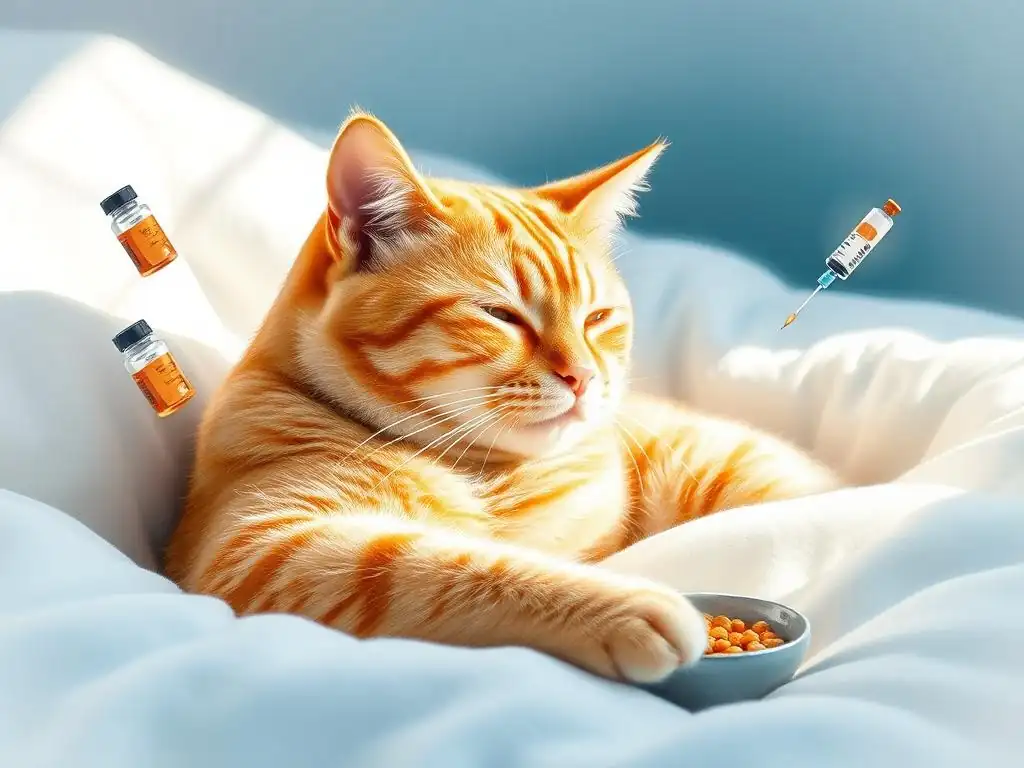
Hyperthyroidism in senior cats requires a careful and considered approach to treatment, prioritizing the cat's overall health and well-being. Several options exist, each with its own advantages and disadvantages, and the best choice will depend on the individual cat's health status, age, and the severity of their hyperthyroidism. Choosing the optimal senior cat hyperthyroidism treatment requires close collaboration between the pet owner and their veterinarian. This section will explore the most common treatment modalities.
Medication Management for Hyperthyroidism in Senior Cats
Medication, specifically methimazole, is often the first-line treatment for hyperthyroidism in senior cats. Methimazole works by blocking the production of thyroid hormones, thereby reducing the symptoms of the disease. This medication is typically administered orally, once or twice daily, depending on the veterinarian's prescription.
The dosage is carefully adjusted based on the cat's response to treatment and regular blood tests are crucial to monitor thyroid hormone levels and ensure the medication is effectively controlling the hyperthyroidism. It's important to note that methimazole requires consistent administration; missing doses can lead to a flare-up of symptoms.
Some senior cats may experience side effects from methimazole, including vomiting, lethargy, and loss of appetite. These side effects are usually mild and temporary, but it's crucial to report any concerns to your veterinarian immediately. They may adjust the dosage or consider alternative treatment options if necessary. Regular veterinary check-ups are essential to monitor the effectiveness of the medication and to detect any potential side effects promptly. Early detection and intervention are key to successful senior cat hyperthyroidism treatment using this method.
Radioactive Iodine Therapy for Senior Cats with Hyperthyroidism
Radioactive iodine (RAI) therapy offers a potentially curative treatment for hyperthyroidism in cats. Unlike medication, which requires lifelong administration, RAI aims to destroy the overactive thyroid tissue, leading to a permanent remission of the disease. The procedure involves a single injection of radioactive iodine, which selectively targets the thyroid gland.
While RAI therapy is highly effective, it's essential to understand the potential risks and considerations. The procedure requires specialized facilities and careful monitoring. Furthermore, the cat needs to be hospitalized for a period following the injection to minimize radiation exposure to other animals and humans. [Specific hospitalization duration pending].
The cost of RAI therapy is generally higher than medication management. However, the potential for a long-term cure can make it a worthwhile investment for many owners, especially when considering the long-term cost of medication. The decision of whether RAI is the right senior cat hyperthyroidism treatment should be made in consultation with your veterinarian, weighing the benefits against the risks and considering the cat's overall health.
Dietary Changes and Nutritional Considerations for Hyperthyroid Senior Cats
Dietary changes alone are rarely sufficient to treat hyperthyroidism, but they can play a supportive role in managing the condition, particularly in conjunction with medication. A balanced diet, rich in antioxidants and nutrients, can help support the cat's overall health and mitigate some of the effects of hyperthyroidism.
Specifically, diets that are low in iodine can be beneficial. Iodine is essential for thyroid hormone production, so reducing iodine intake can help to lessen the burden on the overactive thyroid gland. However, it's crucial to consult with your veterinarian before making any significant dietary changes, as an inadequate iodine intake can also have negative consequences. They can help you select a commercially available diet formulated for cats with hyperthyroidism or guide you in creating a balanced homemade diet that meets your cat's specific nutritional needs.
This tailored approach is vital for successful senior cat hyperthyroidism treatment. Careful monitoring of your cat's weight and body condition is also important to ensure the diet is providing adequate nutrition without contributing to weight gain or other issues. A holistic approach, combining medication or RAI therapy with appropriate dietary adjustments, often provides the best outcome for senior cats with hyperthyroidism.
Surgical Options for Hyperthyroidism in Older Cats (If Applicable)
Surgical removal of the thyroid gland, also known as thyroidectomy, was once a common treatment for feline hyperthyroidism. However, due to advancements in less invasive and equally effective treatments, thyroidectomy is now rarely recommended, especially for senior cats. The procedure carries inherent risks associated with anesthesia and surgery in older animals, including increased bleeding, slower healing times, and a higher risk of complications. These risks often outweigh the benefits, particularly considering the availability of safer and more effective alternatives like medication and radioactive iodine therapy.
The decision to consider surgery would typically only be made if other treatment options have proven ineffective or are contraindicated due to underlying health conditions. Even then, a thorough assessment of the cat's overall health, including a comprehensive geriatric profile, is crucial. Factors such as the cat's age, overall health status (including kidney function and heart health), and the extent of the thyroid enlargement would be carefully considered. A detailed discussion with a veterinary surgeon specializing in feline endocrine disorders is absolutely necessary before proceeding with a thyroidectomy.
The surgical procedure itself is complex and requires a skilled surgeon to meticulously remove the affected thyroid tissue while minimizing damage to surrounding structures, such as the parathyroid glands. Damage to these glands can lead to hypocalcemia, a serious condition that requires immediate veterinary attention. Post-operative care is also intensive and involves careful monitoring of the cat's vital signs, pain management, and close observation for any signs of infection or complications.
The recovery period can be lengthy, and regular veterinary checkups are essential to ensure proper healing and monitor for potential recurrence of hyperthyroidism. Given these considerations, and the availability of superior treatment options, thyroidectomy is generally avoided for senior cats with hyperthyroidism. The potential benefits rarely justify the increased risks associated with this invasive procedure in this vulnerable population.
Managing Hyperthyroidism in Senior Cats at Home
This section focuses on practical strategies for managing your senior cat's hyperthyroidism at home, complementing veterinary treatment. Successful management involves a multifaceted approach encompassing careful monitoring, environmental adjustments, and lifestyle modifications to enhance your cat's comfort and quality of life. Remember, consistent veterinary check-ups remain crucial throughout the treatment process.
Monitoring Your Senior Cat's Health During Treatment
Regular monitoring is paramount in managing senior cat hyperthyroidism. This isn't just about observing for worsening symptoms; it's about actively tracking progress and identifying potential complications early. Here's a detailed guide:
- Daily Weight Checks: Even subtle weight fluctuations can indicate changes in your cat's appetite, metabolism, or overall health. Record your cat's weight daily using a reliable scale and note any significant deviations. A consistent pattern of weight loss despite treatment, for instance, warrants immediate veterinary attention.
- Appetite and Hydration Monitoring: Hyperthyroidism can affect appetite. Note any changes in food intake—is your senior cat eating less or more than usual? Similarly, monitor water consumption. Excessive thirst (polydipsia) can be a symptom of hyperthyroidism or a side effect of medication. Keep a daily log of food and water intake.
- Behavioral Observations: Changes in behavior can be subtle but significant. Increased restlessness, anxiety, or even aggression could indicate the hyperthyroidism isn't well-controlled. Conversely, lethargy and decreased activity could point to treatment side effects or complications. Document behavioral changes daily, noting the time of day and any apparent triggers.
- Regular Veterinary Check-ups: This cannot be overstated. Schedule regular follow-up appointments with your veterinarian as recommended. Blood tests will monitor thyroid hormone levels (T4 and T3), ensuring the treatment remains effective and identifying any potential complications promptly. This proactive approach is crucial for successful senior cat hyperthyroidism treatment.
- Symptom Tracking: Keep a detailed record of all symptoms, including those previously discussed and any new ones that emerge. This information will be invaluable during veterinary consultations, enabling your veterinarian to assess the effectiveness of the treatment plan and make necessary adjustments. Consider using a dedicated pet health journal or a mobile app for this purpose.
| Symptom | Observation Method | Significance |
|---|---|---|
| Weight Change | Daily weighing with a reliable scale | Indicates changes in metabolism and overall health |
| Appetite Changes | Monitoring food intake and leftovers | Suggests potential complications or medication side effects |
| Water Intake | Monitoring water bowl levels | Shows potential dehydration or other health issues |
| Behavior Changes | Observing activity levels, interactions, etc. | Indicates the effectiveness of treatment and potential complications |
Providing a Supportive and Comfortable Environment
Creating a supportive environment is crucial for your senior cat's well-being during hyperthyroidism treatment. This involves minimizing stress and maximizing comfort.
The environment should be calm and predictable. Reduce household chaos as much as possible. Provide plenty of comfortable resting places, such as soft beds, warm blankets, and sunny spots. Ensure easy access to food, water, and litter boxes. Consider using pheromone diffusers to reduce stress and anxiety. Senior cats often appreciate quiet, low-traffic areas. Regular grooming can ease stress and keep your cat feeling clean and comfortable. Gentle brushing sessions can help reduce shedding and improve coat health.
Consider providing a dedicated, quiet space for your cat to retreat to when feeling overwhelmed or stressed. This could be a cat tree, a cozy bed in a quiet room, or even a cardboard box. The key is to provide a safe haven where your cat can relax and feel secure.
Adjusting Your Senior Cat's Lifestyle for Optimal Well-being
Lifestyle adjustments are key to supporting your senior cat during hyperthyroidism treatment. This involves catering to their changing needs and ensuring their comfort.
- Dietary Considerations: Your veterinarian may recommend a specific diet to manage your cat's hyperthyroidism. This might involve adjusting the amount of food, choosing a specific type of food, or adding supplements. Always follow your veterinarian's recommendations closely. Small, frequent meals might be better tolerated than large meals.
- Exercise and Play: While vigorous activity might not be advisable for all senior cats, gentle exercise can be beneficial. Short play sessions with interactive toys can help maintain muscle tone and mental stimulation. Avoid overexertion and adjust the intensity based on your cat's tolerance.
- Medication Administration: If your cat requires medication, ensure that you understand how to administer it correctly. Consult your veterinarian if you have any questions or concerns. Positive reinforcement techniques can make medication administration easier and less stressful for your cat.
- Monitoring for Side Effects: Be vigilant in monitoring your cat for any side effects of medication. These can include changes in appetite, vomiting, diarrhea, or lethargy. Report any unusual symptoms to your veterinarian immediately. Early detection of side effects can prevent further complications.
Remember, managing senior cat hyperthyroidism requires a collaborative effort between you and your veterinarian. By carefully monitoring your cat's health, providing a supportive environment, and making necessary lifestyle adjustments, you can significantly improve your cat's quality of life and help them navigate this condition comfortably. This holistic approach is crucial for effective senior cat hyperthyroidism treatment and ensuring your beloved feline companion enjoys a happy and healthy life, even in their senior years.
Recognizing Potential Complications and Seeking Veterinary Care
Hyperthyroidism, while manageable, can lead to various complications in senior cats if left untreated or poorly managed. Careful monitoring is crucial to identify potential problems early. One common complication is worsening heart conditions. Hyperthyroidism can increase the workload on the heart, leading to heart failure, especially in cats already predisposed to cardiac issues.
Symptoms like rapid breathing, lethargy, and coughing should prompt immediate veterinary attention. Additionally, kidney problems can be exacerbated by hyperthyroidism. The increased metabolic rate puts extra strain on the kidneys, potentially leading to further decline in kidney function. Monitoring kidney values through regular blood tests is vital for early detection.
Another significant complication is weight loss, even with increased appetite. This paradoxical weight loss, despite increased food consumption, is a hallmark of hyperthyroidism and points to the body's inability to efficiently utilize nutrients. It’s a clear sign the condition isn't effectively controlled. Furthermore, digestive issues, such as vomiting and diarrhea, can occur due to the increased metabolic rate disrupting the delicate balance of the digestive system.
These symptoms, combined with others, can paint a broader picture of uncontrolled hyperthyroidism. Finally, behavioral changes, such as increased anxiety, restlessness, or aggression, can also be indicative of worsening hyperthyroidism. These shifts in behavior should not be dismissed and require veterinary assessment.
It's crucial to remember that managing hyperthyroidism at home is supportive, not a replacement for professional veterinary care. Regular veterinary check-ups are essential for monitoring blood pressure, kidney function, and overall health. Don't hesitate to seek immediate veterinary attention if you notice any sudden changes in your cat's behavior, appetite, or overall well-being. Early intervention is key to managing complications and improving your senior cat's quality of life.
Remember, consistent monitoring and open communication with your veterinarian are essential components of successful senior cat hyperthyroidism treatment. Ignoring potential complications can lead to irreversible health issues, severely impacting your cat's comfort and lifespan. A proactive approach is always the best strategy in managing this condition.
Long-Term Care and Prognosis for Senior Cats with Hyperthyroidism
Hyperthyroidism in senior cats is a manageable condition with appropriate treatment, leading to a significantly improved quality of life. However, it's a chronic illness requiring ongoing management and careful monitoring. The prognosis for a senior cat diagnosed with hyperthyroidism is generally good, especially with early intervention and consistent treatment. Many cats can live comfortably for several years after diagnosis, enjoying a full and active life.
However, the success of long-term management hinges on the owner's commitment to the treatment plan and regular veterinary check-ups. Without proper care, the condition can lead to further complications and a decline in the cat's overall health. The goal of long-term care isn't just to extend lifespan, but to enhance the quality of life for the aging feline, ensuring comfort and minimizing symptoms.
Maintaining a Healthy Weight in Hyperthyroid Senior Cats
Maintaining a healthy weight is crucial in managing hyperthyroidism in senior cats. Hyperthyroidism can lead to increased appetite and weight loss, paradoxically. This is because while the cat may eat more, the accelerated metabolism prevents efficient nutrient absorption. Therefore, a carefully monitored diet is essential. Veterinarians often recommend a high-quality, low-calorie diet specifically formulated for senior cats with hyperthyroidism.
Portion control is key; overfeeding can exacerbate the weight issues, while underfeeding can lead to malnutrition. Regular weighing at home, using a pet scale, and tracking the weight changes over time, is highly recommended. This allows for timely adjustments to the feeding plan in consultation with the vet. You should also observe your cat's body condition score regularly, noting any changes in muscle mass or body fat distribution. A lean, but not emaciated, body condition is the target.
Consult your veterinarian for recommendations on specific diets and feeding schedules tailored to your cat's individual needs and condition. Don't hesitate to ask about dietary supplements that might aid in nutrient absorption. Remember, consistent monitoring and adjustments are key to success. 😻
Regular Veterinary Checkups and Monitoring
Regular veterinary checkups are paramount in managing senior cat hyperthyroidism. These visits aren't just about refilling medication; they are crucial for monitoring the effectiveness of the treatment and detecting potential complications. Frequency of these visits can vary depending on the cat's individual response to treatment and overall health.
However, at a minimum, expect checkups every 3-6 months. During these appointments, the veterinarian will assess the cat's overall health, monitor thyroid hormone levels through blood tests (checking for T4 levels), evaluate weight, and assess the cat's appetite, energy levels, and coat condition. Early detection of any complications, such as kidney disease or heart problems, which can be associated with hyperthyroidism, is crucial for timely intervention.
Don't hesitate to report any changes in your cat's behavior or health between scheduled checkups; prompt communication with your veterinarian is critical for proactive management. The veterinarian may also adjust medication dosages based on the test results and your cat's response to treatment. This continuous monitoring ensures that the treatment remains effective and helps maintain your cat's well-being.
Quality of Life Considerations for Senior Cats with Hyperthyroidism
While managing hyperthyroidism in senior cats focuses on extending lifespan, the ultimate goal is to maintain a high quality of life for your beloved pet. This means paying attention to your cat's overall comfort and well-being beyond just the treatment regimen for "Senior cat hyperthyroidism treatment". Observe your cat for signs of discomfort or distress. Is your cat still playful and engaging? Or has their energy level significantly decreased? Does your cat still groom themselves effectively?
Are they eating and drinking normally? Are they using their litter box regularly? Changes in these areas can indicate a decline in quality of life. Remember to provide a comfortable and safe environment for your cat. This may include providing soft bedding, easy access to food and water, and a clean litter box.
If your cat experiences discomfort, discuss pain management options with your veterinarian. Regular enrichment activities, such as interactive play sessions or puzzle feeders, can help maintain cognitive stimulation and prevent boredom. Remember, the ultimate measure of success is not just the length of your cat's life, but the happiness and comfort they experience during it. Prioritize your cat's comfort and well-being above all else. A holistic approach, combining medical treatment with a focus on your cat's emotional and physical comfort, will ensure that your aging feline enjoys a fulfilling life, even with hyperthyroidism.
Prognosis and Life Expectancy for Senior Cats with Hyperthyroidism
The prognosis for senior cats with hyperthyroidism is generally good, especially with prompt and effective treatment. Many cats experience a significant improvement in their quality of life after starting a treatment plan. However, the specific outcome depends on several factors, including the severity of the condition at diagnosis, the cat's overall health, and the effectiveness of the chosen treatment. Some cats may experience a complete remission of symptoms, while others may require ongoing management. It's crucial to remember that hyperthyroidism itself doesn't directly shorten a cat's lifespan; rather, it's the untreated complications that can negatively impact longevity.
Untreated hyperthyroidism can lead to a range of serious health problems, including heart disease, kidney disease, and liver dysfunction. These secondary conditions can significantly reduce a cat's life expectancy. Therefore, early diagnosis and treatment are vital to mitigating these risks and improving the chances of a positive outcome. With appropriate veterinary care and monitoring, many cats with hyperthyroidism can live comfortable and relatively long lives, even into their senior years. Regular veterinary check-ups are essential to monitor the effectiveness of treatment and address any emerging health concerns.
The life expectancy of a senior cat with hyperthyroidism varies greatly. While some cats may continue to live for several years after diagnosis and treatment, others may have a shorter lifespan due to pre-existing conditions or complications arising from hyperthyroidism. It's impossible to predict with certainty how long a cat will live, but proactive management and close monitoring by a veterinarian significantly increase the likelihood of a positive prognosis and improved quality of life. Remember that even with treatment, some cats may experience fluctuations in their condition, requiring adjustments to their treatment plan.
This highlights the importance of regular veterinary visits and a strong owner-veterinarian relationship for optimal management of the condition. Open communication with your veterinarian allows for personalized care tailored to your cat's specific needs and response to treatment. This collaborative approach is key to ensuring the best possible outcome for your aging feline companion.
Frequently Asked Questions about Senior Cat Hyperthyroidism (FAQ)
This section addresses common questions regarding hyperthyroidism in senior cats, a prevalent condition affecting feline companions in their golden years. Understanding these frequently asked questions will empower you to better care for your aging cat and provide the best possible support. Remember, always consult your veterinarian for a proper diagnosis and personalized treatment plan.
What are the early warning signs of hyperthyroidism in older cats?
Early detection of hyperthyroidism in senior cats is crucial for effective management. Unfortunately, the initial symptoms are often subtle and easily overlooked, mimicking normal aging processes. Therefore, vigilance and regular veterinary checkups are paramount. Some early warning signs to watch out for include:
- Increased thirst and urination (polydipsia and polyuria): Your cat may be drinking significantly more water than usual and using the litter box more frequently. This is because the overactive thyroid gland causes the kidneys to work harder.
- Weight loss despite increased appetite: This paradoxical situation arises because the accelerated metabolism burns calories faster than they are consumed. You might observe your cat eating more but maintaining a noticeably lower weight.
- Increased activity levels (initially): While hyperthyroidism can lead to lethargy later on, some cats initially exhibit increased energy and restlessness. This is due to the increased metabolic rate.
- Vomiting and diarrhea: Gastrointestinal upset is another common symptom, possibly due to the increased metabolic rate impacting digestive function.
- A thickened neck: In some cases, you might notice a slight enlargement of the thyroid glands in the neck region, although this is not always present.
- Changes in coat: The fur may become dull, thin, or even fall out in patches. This is related to the impact of the hormonal imbalance on the skin and hair follicles.
It's important to note that not all cats will display all these symptoms, and the severity can vary greatly. If you observe any of these changes in your senior cat's behavior or physical condition, scheduling a veterinary appointment is vital. Early diagnosis significantly improves treatment outcomes and enhances your cat's quality of life.
How is hyperthyroidism diagnosed in senior cats?
Diagnosing hyperthyroidism in senior cats typically involves a combination of methods to confirm the elevated thyroid hormone levels and rule out other potential causes of similar symptoms. Your veterinarian will likely begin with a thorough physical examination, followed by specific diagnostic tests. These often include:
- Blood tests: Measuring the levels of T4 (thyroxine) and T3 (triiodothyronine), the primary thyroid hormones, is essential. Elevated levels strongly suggest hyperthyroidism.
- Thyroid stimulating hormone (TSH) test: This test assesses the pituitary gland's response to thyroid hormone levels. Low TSH levels can further support the diagnosis.
- Ultrasound: An ultrasound of the thyroid glands can help visualize their size and structure. Enlarged or nodular thyroid glands are often associated with hyperthyroidism.
- Fine-needle aspiration biopsy: In some cases, a small sample of thyroid tissue may be collected using a fine needle for microscopic examination. This can help determine the specific type of thyroid abnormality.
The combination of these diagnostic tests provides a comprehensive picture, enabling your veterinarian to confidently diagnose hyperthyroidism and differentiate it from other conditions that may present similar symptoms. Accurate diagnosis is critical for selecting the most appropriate and effective treatment plan.
What is the most effective treatment for hyperthyroidism in older cats?
Treatment for senior cat hyperthyroidism aims to regulate thyroid hormone levels and alleviate the associated symptoms. Several options are available, each with its own advantages and potential side effects. The veterinarian will select the best approach based on the cat's overall health, age, and the severity of the condition. Common treatment methods include:
| Treatment Method | Description | Advantages | Disadvantages |
|---|---|---|---|
| Medication (Methimazole) | An oral medication that inhibits thyroid hormone production. | Relatively inexpensive and easy to administer; often effective in managing symptoms. | Requires daily administration; potential side effects include vomiting, lethargy, and liver damage. |
| Radioactive iodine therapy | A single injection of radioactive iodine selectively targets and destroys overactive thyroid cells. | Often curative; no need for long-term medication. | Requires hospitalization; potential risk of side effects, though generally low. |
| Thyroidectomy (surgical removal) | Surgical removal of the affected thyroid gland(s). | Can be curative; eliminates the need for long-term medication. | More invasive procedure; carries higher risks associated with anesthesia and surgery. |
The choice of treatment depends heavily on factors such as the cat's overall health, the severity of the hyperthyroidism, and the owner's preferences. Regular monitoring is crucial regardless of the chosen method to assess treatment effectiveness and manage any potential side effects. Close collaboration with your veterinarian is essential throughout the treatment process to ensure optimal care for your senior cat.
What are the side effects of hyperthyroidism treatment in senior cats?
Treatment for hyperthyroidism in senior cats, while generally effective, can come with potential side effects. These side effects vary depending on the chosen treatment method. For example, methimazole, a common medication, can cause gastrointestinal upset in some cats, manifesting as vomiting, diarrhea, or loss of appetite. Less frequently, more serious side effects like liver damage or blood disorders can occur, though these are relatively rare.
Regular veterinary check-ups, including blood tests, are crucial to monitor for these potential complications and adjust the dosage or treatment plan as needed. It's important to remember that the severity of these side effects can vary greatly from cat to cat, and many cats tolerate methimazole with minimal issues. Some cats may experience a temporary worsening of their hyperthyroidism symptoms before the medication takes full effect. This is usually short-lived and not a cause for alarm.
Another treatment option, radioactive iodine therapy, is generally well-tolerated but carries a small risk of temporary or permanent hypothyroidism (underactive thyroid). This is carefully monitored by veterinarians post-treatment. Dietary changes, while less likely to cause direct side effects, may still lead to decreased appetite or weight loss if not carefully managed and introduced gradually.
Open communication with your veterinarian is key to understanding the potential side effects of any chosen treatment and managing them effectively. They can help weigh the benefits against the risks and create a tailored treatment plan to minimize potential negative impacts on your senior cat's health and well-being. Always report any unusual symptoms or changes in your cat's behavior to your vet immediately.
How long does it take to treat hyperthyroidism in senior cats?
The duration of hyperthyroidism treatment in senior cats varies depending on the chosen method and your cat's individual response. Medication with methimazole often requires long-term administration, potentially for the rest of the cat's life, to keep the thyroid hormone levels under control. Regular blood tests are essential to monitor the effectiveness of the medication and adjust the dosage as needed. This ongoing monitoring is crucial for maintaining the treatment's efficacy and minimizing potential side effects. The frequency of these blood tests might be every few months initially, then possibly spaced out to every 6-12 months depending on stability.
Radioactive iodine therapy, while a single treatment, might require a period of monitoring to ensure the thyroid hormone levels have normalized and remain stable. This usually involves blood tests in the weeks and months following the therapy. Even with radioactive iodine, some cats may require long-term medication to manage lingering hyperthyroidism or prevent hypothyroidism.
Dietary management alone is rarely sufficient to completely resolve hyperthyroidism but can be a supportive measure alongside other treatments, extending the overall treatment timeframe. The ultimate goal is to achieve and maintain euthyroidism (normal thyroid function) for as long as possible, improving your cat's quality of life. Your veterinarian will provide a personalized timeline and guidance based on your cat's specific condition and response to treatment.
What is the cost of treating hyperthyroidism in senior cats?
The cost of treating hyperthyroidism in senior cats can vary significantly depending on several factors, including the chosen treatment method, the severity of the condition, and your geographic location. Medication with methimazole is generally the least expensive option initially, but the ongoing cost of medication and regular veterinary check-ups can add up over time. The initial cost of methimazole might range from $[lower-end cost] to $[higher-end cost] depending on your location and the pharmacy.
However, the cumulative cost over several years could be considerably higher. Radioactive iodine therapy usually involves a higher upfront cost, but it can be a more cost-effective solution in the long run, as it often eliminates the need for long-term medication. The cost of radioactive iodine therapy can range from $[lower-end cost] to $[higher-end cost], depending on the facility and specific procedures involved.
Additional costs associated with either treatment method include regular blood tests to monitor thyroid hormone levels and overall health, which can range from $[lower-end cost] to $[higher-end cost] per test. Any necessary supportive care, such as treatment for secondary conditions related to hyperthyroidism (e.g., kidney disease), will also increase the overall cost. It's essential to discuss the expected costs with your veterinarian upfront to ensure you can afford the chosen treatment plan.
They can provide a more accurate estimate based on your cat's specific needs and your location. Financial assistance programs or payment plans might be available through your veterinarian's office or other animal welfare organizations. Don't hesitate to discuss financial concerns with your veterinary team; they are often willing to work with clients to find affordable solutions for their pets' healthcare.
Frequently Asked Questions
What is hyperthyroidism in senior cats?
Hyperthyroidism is a common endocrine disorder in older cats, characterized by an overactive thyroid gland. This leads to an excessive production of thyroid hormones, causing various health problems. It's crucial to seek veterinary attention for diagnosis and treatment.
What are the common symptoms of hyperthyroidism in senior cats?
Symptoms can include increased appetite with weight loss, hyperactivity, increased thirst and urination, vomiting, and diarrhea. Some cats may also exhibit changes in coat and behavior. Early detection is key.
How is hyperthyroidism diagnosed in senior cats?
Diagnosis usually involves a blood test to measure thyroid hormone levels. Your vet may also perform other tests to rule out other conditions and assess the cat's overall health. Accurate diagnosis is crucial for effective treatment.
What are the treatment options for hyperthyroidism in senior cats?
Treatment options include medication, radioactive iodine therapy, or surgery. The best option depends on the cat's overall health and individual circumstances. Discuss treatment options with your veterinarian.
What is the prognosis for senior cats with hyperthyroidism?
With proper treatment, many cats with hyperthyroidism can live long and comfortable lives. Regular monitoring and follow-up care are essential to manage the condition and its potential complications. Early intervention improves the prognosis.
The silent suffering of hyperthyroidism in senior cats is a widespread concern, impacting the quality of life for countless beloved companions. Early detection and appropriate management are crucial for mitigating the debilitating effects of this condition and ensuring our feline friends enjoy their golden years to the fullest. Ignoring the symptoms can lead to irreversible damage, highlighting the urgent need for responsible pet ownership and proactive veterinary care.
Witnessing the subtle changes in a senior cat's behavior—the increased thirst, the weight loss despite a healthy appetite, the restlessness—can be heartbreaking. It underscores the deep bond we share with our animal companions and the responsibility we have to understand their needs. The best thing about having a pet is just knowing that there is someone in the world who loves you unconditionally.
This simple truth highlights the importance of recognizing and addressing the health challenges faced by our aging pets, ensuring they receive the care they deserve. Understanding hyperthyroidism, its symptoms, and available treatments empowers us to be better advocates for their well-being.
Now, consider your own senior cat. Have you noticed any of the subtle signs mentioned throughout this article? Take the time to schedule a thorough veterinary check-up, especially if you suspect hyperthyroidism. Don't let the fear of the unknown or the potential cost deter you from seeking the best possible care for your furry friend. Empowering yourself with knowledge is the first step towards ensuring a happy and healthy life for your beloved senior cat, allowing you to cherish every precious moment together.
Unleash Your Senior Cat's Vitality: Next Steps for a Healthier Life
Thank you for learning about hyperthyroidism in senior cats! We hope this article provided valuable insights into supporting your beloved feline companion. Now, let's empower you to take proactive steps towards their well-being.
- Schedule a veterinary checkup: This is crucial. Discuss your cat's symptoms and concerns with your veterinarian so they can create a personalized care plan.
- Connect with other cat owners: Join our PetCareWorld community forum to share experiences and learn from others facing similar challenges. It's a supportive environment where you can ask questions and gain valuable insights.
- Learn more about senior cat care: Explore our extensive library of resources covering nutrition, exercise, and enrichment for older cats. This will help you create the ideal environment for your aging companion.
What small change will you make today to improve your senior cat's quality of life?