
Hearing Loss in Senior Dogs: Practical Tips for Effective Communication

Welcome to PetCareWorld, your ultimate guide to a happier, healthier life for your beloved companion! Are you noticing changes in your senior dog's behavior? Discover practical solutions and expert advice on Senior Dog Hearing Loss Solutions— learn how to adapt and communicate effectively with your aging friend. Dive in and unlock the secrets to enriching their golden years.
- Understanding Hearing Loss in Older Dogs
- Communicating with a Hearing-Impaired Senior Dog
- Adapting Your Home Environment for a Deaf Dog
- Maintaining a Strong Bond with Your Hearing-Impaired Senior Dog
- Senior Dog Hearing Loss Solutions: Products and Resources
- Preventing Further Hearing Loss in Senior Dogs
- When to Seek Professional Help for Senior Dog Hearing Loss
- Frequently Asked Questions
- Final Reflection: A Silent World, A Loving Heart: Communicating with Our Aging Canine Companions
- Unlock Deeper Connections with Your Senior Dog
Understanding Hearing Loss in Older Dogs
Hearing loss is a common and often heartbreaking ailment affecting many senior dogs. As our canine companions age, just like humans, their senses can begin to decline. This article focuses on hearing loss in senior dogs, providing practical tips and solutions to help you maintain a strong bond with your aging friend despite this challenge.
We'll explore the signs of hearing impairment, the diagnostic process, and strategies for effective communication, ultimately aiming to improve the quality of life for your beloved senior dog. Understanding the nuances of senior dog hearing loss and implementing the appropriate solutions is crucial for ensuring their comfort, safety, and overall well-being. This guide will serve as your comprehensive resource for navigating this common age-related challenge, empowering you to provide the best possible care for your aging canine companion.
We'll delve into specific strategies to address the unique communication needs of dogs experiencing hearing loss, helping you maintain a thriving relationship despite the changes. This is particularly important for “Senior dog hearing loss solutions,” a vital aspect of responsible pet ownership.
Recognizing the Signs of Canine Hearing Impairment
Many signs of hearing loss in senior dogs are subtle and easily overlooked. It's crucial to be observant and understand that not all changes in behavior are immediately obvious. Some common indicators include:
- Reduced responsiveness to sounds: Does your dog seem less responsive to their name, familiar sounds like the doorbell or the rustling of food bags, or even your voice?
- Increased sensitivity to vibrations: While losing their hearing, they may become more sensitive to vibrations. You might notice them reacting to the floor shaking, or to the vibrations from your voice.
- Changes in sleep patterns: Hearing loss can lead to disrupted sleep. They may sleep more deeply or be more easily startled awake.
- Difficulty following commands: A noticeable decrease in their ability to understand verbal commands is a strong indicator.
- Increased anxiety or fear: Without their hearing, they might feel more vulnerable and anxious in familiar environments.
- Head tilting or turning: They might tilt their head frequently, trying to pinpoint the source of sounds.
- Changes in alertness and reactivity: A general decrease in alertness and reactivity to stimuli can be a sign.
It's important to remember that these signs can overlap with other health issues. A comprehensive veterinary examination is crucial for an accurate diagnosis. Early detection allows for proactive management and can significantly improve your dog's quality of life. Don’t dismiss subtle changes; they could be early warnings of hearing impairment.
Diagnosing Hearing Loss in Senior Dogs: Veterinary Examination
A veterinary examination is essential for confirming hearing loss and ruling out other potential causes of behavioral changes. The vet will likely perform a thorough physical examination to check for any underlying medical conditions that might contribute to hearing problems. Beyond this, several tests may be used to assess your dog's hearing capabilities. These can include:
- Behavioral Observation: The vet will observe your dog's response to various sounds at different volumes and frequencies.
- Brainstem Auditory Evoked Response (BAER) test: This test measures the electrical activity in the brain in response to sounds, providing an objective assessment of hearing.
- Distraction Test: The vet will attempt to distract your dog with other stimuli while attempting to elicit a response to a sound.
The results of these tests will help determine the severity and type of hearing loss, guiding the development of an appropriate management plan. This plan might include recommendations for enhancing communication, managing anxiety, and providing a safe and supportive environment. Remember, early diagnosis is key to successful management of senior dog hearing loss.
Stages of Hearing Loss and Their Impact on Senior Dogs
Hearing loss in dogs, as in humans, can progress gradually through different stages:
- Mild Hearing Loss: The dog may struggle with high-pitched sounds or sounds at a distance. They might miss subtle cues or sounds in noisy environments.
- Moderate Hearing Loss: The dog has difficulty hearing a wider range of sounds, even at closer distances. They may respond inconsistently to commands or their name.
- Severe Hearing Loss: The dog hears very few sounds, if any. They might appear disoriented or unresponsive to most stimuli.
- Total Deafness: The dog is completely deaf.
The impact of hearing loss varies depending on the severity and the dog's individual personality and adaptability. Dogs with mild hearing loss may only require minor adjustments to their routines and communication strategies. However, those with severe or total hearing loss may require more significant changes to ensure their safety, comfort, and overall well-being. Understanding the stage of hearing loss your dog is experiencing is crucial for tailoring appropriate support and care. Remember, even with significant hearing loss, your bond with your senior dog can remain strong with patience, understanding, and the right strategies.
Communicating with a Hearing-Impaired Senior Dog
Senior dog hearing loss is a common ailment, often affecting dogs over the age of 7. This gradual decline in auditory function can significantly impact their quality of life and their relationship with their human companions. Understanding the challenges faced by hearing-impaired senior dogs and adapting our communication strategies is crucial for maintaining a strong bond and ensuring their well-being.
This section focuses on practical solutions to improve communication with your senior dog experiencing hearing loss, offering strategies to enhance their understanding and maintain a fulfilling life together. We'll explore various techniques to bridge the communication gap, ultimately addressing the core need of providing "Senior dog hearing loss solutions."
Effective Communication Strategies for Deaf Dogs
Effective communication with a deaf dog requires patience, consistency, and a shift in approach. Instead of relying solely on verbal commands, we must incorporate visual cues and other sensory stimuli. Here are some key strategies:
- Consistent Routine: Maintaining a predictable daily routine is paramount. Dogs thrive on routine, and a consistent schedule minimizes confusion and anxiety, especially for those with diminished hearing. Feeding times, walk times, and playtime should be as regular as possible.
- Visual Cues: Use hand signals consistently paired with verbal commands before your dog loses their hearing. This way, they can associate the hand signal with the action. For example, a pointing hand gesture can indicate "come," while an open palm could signal "stay."
- Positive Reinforcement: Reward desired behaviors with treats, praise, or petting to reinforce learning. Positive reinforcement is particularly effective for deaf dogs, as it relies on visual and tactile cues rather than auditory ones. This method is crucial for successful training and building a strong bond.
- Vibrational Signals: Consider using a vibrating collar or toy to alert your dog to your presence or a specific command. These devices provide a tactile cue that can bypass the auditory impairment.
- Amplified Signals: While your dog may have significant hearing loss, they may still perceive some sounds. Using amplified signals like whistles or hand claps can help in situations where visual cues are not immediately possible. However, be mindful of the volume to avoid startling your pet.
Utilizing Visual Cues and Hand Signals for Senior Dogs
Visual cues are the cornerstone of communication with a hearing-impaired senior dog. This involves a deliberate and consistent use of hand signals and body language to convey commands and information. The key is simplicity and repetition.
Here's a breakdown of effective visual cue implementation:
- Simple Hand Signals: Keep hand signals clear, concise, and easy to understand. Avoid complex or ambiguous movements. For example, a simple pointing gesture for "come" is far more effective than a complicated series of hand movements.
- Consistent Use: Always use the same hand signal for the same command. Inconsistency can confuse your dog and hinder learning.
- Pairing with Verbal Cues (Initially): Initially, pair hand signals with verbal commands to help your dog associate the two. Gradually phase out the verbal cues as your dog learns to respond to the visual cues alone.
- Visual Aids: Consider using visual aids such as flashcards or picture cards to reinforce commands, especially during training sessions. This can be particularly helpful for complex instructions.
- Patience and Repetition: Teaching a senior dog new communication methods requires patience and consistent repetition. Don't get discouraged if your dog doesn't grasp new signals immediately. Celebrate small victories and continue practicing.
Interpreting Body Language and Non-Verbal Communication in Deaf Dogs
While visual cues are essential, understanding your senior dog's body language is equally important. Deaf dogs often rely more heavily on non-verbal communication to express their needs and emotions. Learning to interpret these subtle signals is crucial for effective communication and providing proper care.
Here are some key aspects of interpreting your dog's body language:
- Facial Expressions: Pay close attention to your dog's facial expressions. A relaxed face with soft eyes usually indicates contentment, while a tense face with narrowed eyes might suggest anxiety or fear.
- Posture: A dog's posture can reveal a lot about their emotional state. A relaxed, upright posture often signifies confidence, while a hunched posture might indicate fear or insecurity. A tail tucked between the legs is a common sign of fear or submission.
- Tail Wags: While a wagging tail is often associated with happiness, the type of wag can provide more nuanced information. A stiff, high wag might indicate excitement or aggression, while a low, slow wag can indicate uncertainty or fear.
- Overall Demeanor: Observe your dog's overall demeanor. Are they playful and engaged, or withdrawn and subdued? These subtle cues can provide valuable insights into their emotional state and well-being.
- Context is Key: Always consider the context when interpreting your dog's body language. A behavior that might seem negative in one situation could be perfectly normal in another. For example, a growl could be a sign of aggression, or it could be a sign of pain or discomfort. Consider the situation carefully.
By paying close attention to your senior dog's body language and combining it with consistent visual cues, you can build a strong and fulfilling relationship, even in the face of hearing loss. Remember, patience and understanding are key to providing the best possible care and support for your aging companion. These strategies offer effective "Senior dog hearing loss solutions" tailored to their specific needs.
Adapting Your Home Environment for a Deaf Dog
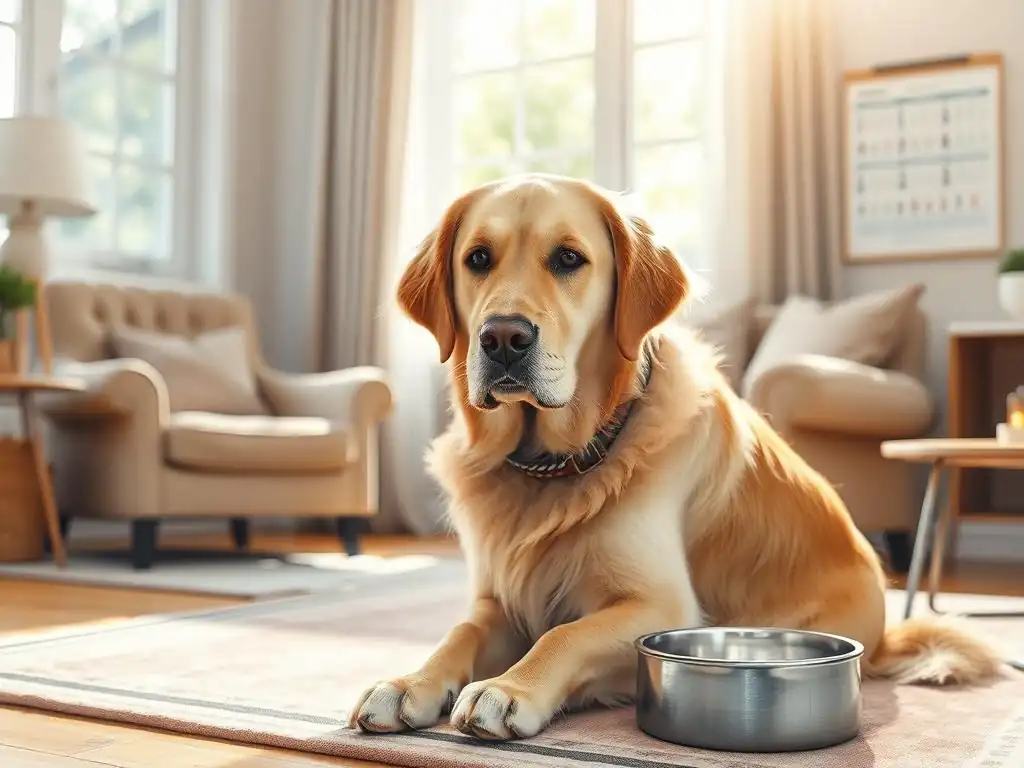
Adapting your home to accommodate your senior dog's hearing loss is crucial for maintaining their safety, comfort, and quality of life. A deaf dog faces unique challenges, and proactive environmental adjustments can significantly improve their daily experience. This involves creating a safe space, minimizing potential hazards, and enriching their environment in ways that compensate for their hearing impairment. The focus should be on enhancing their other senses—sight, smell, and touch—to facilitate communication and understanding. Remember, these changes are not just about managing the hearing loss, but about improving your senior dog's overall well-being and happiness.
Creating a Safe and Stimulating Environment for Hearing-Impaired Senior Dogs
Creating a safe environment for a deaf dog is paramount. Unforeseen noises, like slamming doors or unexpected visitors, can startle a hearing-impaired senior dog, leading to anxiety or even injury. Consider these safety measures:
- Visual Cues: Use hand signals consistently for common commands like "sit," "stay," and "come." Pair these signals with verbal commands initially to help your dog learn the association. This visual reinforcement is vital for communication.
- Designated Safe Spaces: Provide a comfortable, quiet den or bed where your dog can retreat when feeling overwhelmed or stressed. This offers a secure refuge where they can feel safe and relaxed.
- Hazard Prevention: Secure loose rugs or cords that your dog could trip over. Keep toxic substances out of reach and ensure that any potential dangers are well out of their way, as they cannot rely on auditory warnings.
- Vibrational Alerts: Consider using vibration-based alerts for things like doorbells or smoke alarms. These provide a tactile warning signal that your dog can readily perceive.
Home Modifications to Minimize Hearing Loss Challenges
Minimizing the challenges associated with hearing loss requires thoughtful home modifications. These adjustments will help your senior dog navigate their surroundings more confidently and independently. This is a key aspect of providing effective senior dog hearing loss solutions. Here are some practical changes:
| Modification | Benefit | Example |
|---|---|---|
| Improved Lighting | Enhances visibility, especially in dimly lit areas. | Installing brighter lightbulbs in hallways. |
| Clear Pathways | Reduces tripping hazards. | Removing clutter and obstacles from walkways. |
| Visual Schedules/Routine | Provides predictability and reduces anxiety. | Using picture cards to indicate mealtimes. |
| Consistent Furniture Placement | Prevents disorientation. | Avoiding rearranging furniture frequently. |
| Floor Covering Considerations | Improves traction and reduces the risk of slipping, especially for older dogs. | Using non-slip mats in high-traffic areas. |
Providing Sensory Enrichment for Hearing-Impaired Senior Dogs
Even with hearing loss, your senior dog can still enjoy a rich and stimulating life. Focusing on sensory enrichment compensates for their hearing deficit and helps maintain their cognitive function and overall well-being. This is a crucial part of providing effective senior dog hearing loss solutions.
- Scent Games: Hide treats around the house for your dog to find using their sense of smell. This is an engaging activity that stimulates their olfactory senses. You can use different scented toys as well.
- Tactile Toys: Provide plush toys with various textures for chewing and play. This offers tactile stimulation and can be particularly comforting for anxious dogs.
- Visual Stimulation: Use brightly colored toys and interactive puzzles that challenge them visually. This can help keep their minds sharp and engaged.
- Gentle Touch and Interaction: Regular petting and gentle massage can be incredibly soothing and provide a strong sense of connection.
Remember, patience and understanding are key when adapting to your senior dog's hearing loss. By implementing these strategies, you can create a safe, stimulating, and enriching environment that fosters their well-being and strengthens your bond. The goal is to ensure your beloved companion enjoys their golden years to the fullest, even with diminished hearing. Finding the right balance of safety and enrichment is key to providing optimal senior dog hearing loss solutions.
Maintaining a Strong Bond with Your Hearing-Impaired Senior Dog
Senior dog hearing loss can be challenging, but it doesn't have to diminish the special bond you share. Adapting your communication and interaction strategies can ensure your senior dog feels loved, secure, and understood, even with reduced hearing. This section focuses on practical solutions to maintain a strong connection with your aging canine companion, addressing the unique needs presented by hearing impairment.
Remember, patience and understanding are key components in providing the best possible care for your senior dog experiencing hearing loss. The focus here is on proactive measures to mitigate the effects of hearing loss and maintain a fulfilling relationship.
Encouraging Play and Interaction with Deaf Dogs
Play is crucial for maintaining a senior dog's physical and mental well-being, even if they're experiencing hearing loss. Adapt your playtime to accommodate their limitations. Instead of relying on verbal cues, use visual signals. For instance, a hand gesture can signal the start of playtime or indicate which toy you're offering. Consider games that rely on sight and touch, like:
- Fetch with a brightly colored ball: The vibrant color makes it easily visible, even from a distance.
- Tug-of-war with a textured rope: The tactile experience enhances the game, reducing reliance on sound.
- Hide-and-seek with their favorite toys: This encourages them to use their sense of smell and sight to locate the toy.
Remember to keep play sessions short and sweet, respecting your senior dog's energy levels. Observe their body language; if they seem tired or disinterested, end the session. Consistent, positive interactions, even without relying on verbal commands, will strengthen your bond and keep your senior dog engaged. Positive reinforcement, such as gentle petting and praise, remains vital for maintaining a strong relationship.
Maintaining Mental Stimulation for Senior Dogs with Hearing Loss
Mental stimulation is just as important as physical activity for senior dogs, especially those with hearing loss. A bored dog, regardless of their hearing ability, is more prone to anxiety and behavioral problems. Engage your senior dog's mind with activities that cater to their remaining senses:
- Scent work: Hide treats around the house and let your dog use their nose to find them. This is a fantastic way to stimulate their olfactory senses and provide mental exercise.
- Interactive puzzle toys: These toys require your dog to solve a puzzle to get a treat, providing both mental and physical stimulation. Choose toys appropriate for their age and physical abilities.
- Training sessions focused on hand signals: Reinforce learned commands using hand signals rather than verbal cues. This helps maintain their cognitive function and strengthens your communication.
- Gentle grooming sessions: This offers physical touch and creates a calming and bonding experience.
Table 1: Examples of Mental Stimulation Activities for Hearing-Impaired Senior Dogs
| Activity | Description | Benefits |
|---|---|---|
| Scent work | Hiding treats for your dog to find. | Stimulates olfactory senses, improves problem-solving skills. |
| Puzzle toys | Toys requiring problem-solving to access treats. | Provides mental and physical stimulation, reduces boredom. |
| Hand signal training | Teaching commands using hand gestures. | Maintains cognitive function, strengthens communication without verbal cues. |
| Gentle grooming | Brushing, petting, and other grooming activities. | Calming, bonding experience, provides tactile stimulation. |
Regular mental enrichment will contribute significantly to the overall well-being of your senior dog, even if their hearing is impaired. It helps maintain cognitive function and prevents behavioral issues associated with boredom and inactivity.
Establishing a Consistent Routine to Support Your Hearing-Impaired Dog
A consistent daily routine provides security and predictability for all dogs, but it's especially important for senior dogs with hearing loss. The lack of auditory cues can be disorienting, so a structured schedule helps them anticipate events and feel more secure. This routine should include:
- Regular feeding times: Feed your dog at the same time each day to establish a predictable feeding schedule.
- Consistent playtime and exercise: Schedule playtime and walks at consistent times to help your dog anticipate these activities.
- Designated sleep areas: Provide a comfortable and quiet space for your dog to rest.
- Consistent grooming and hygiene routines: Regular grooming helps maintain your dog's health and provides a calming experience.
A predictable routine minimizes stress and anxiety, promoting overall well-being. The consistent schedule provides a sense of normalcy and comfort, which is crucial for a senior dog adjusting to hearing loss. Consider using visual cues, such as a visual schedule posted on the wall, to aid in reinforcing the routine. This visual reminder helps your dog understand what to expect and when. This consistent structure offers a sense of safety and security, significantly improving their quality of life.
Senior Dog Hearing Loss Solutions: Products and Resources
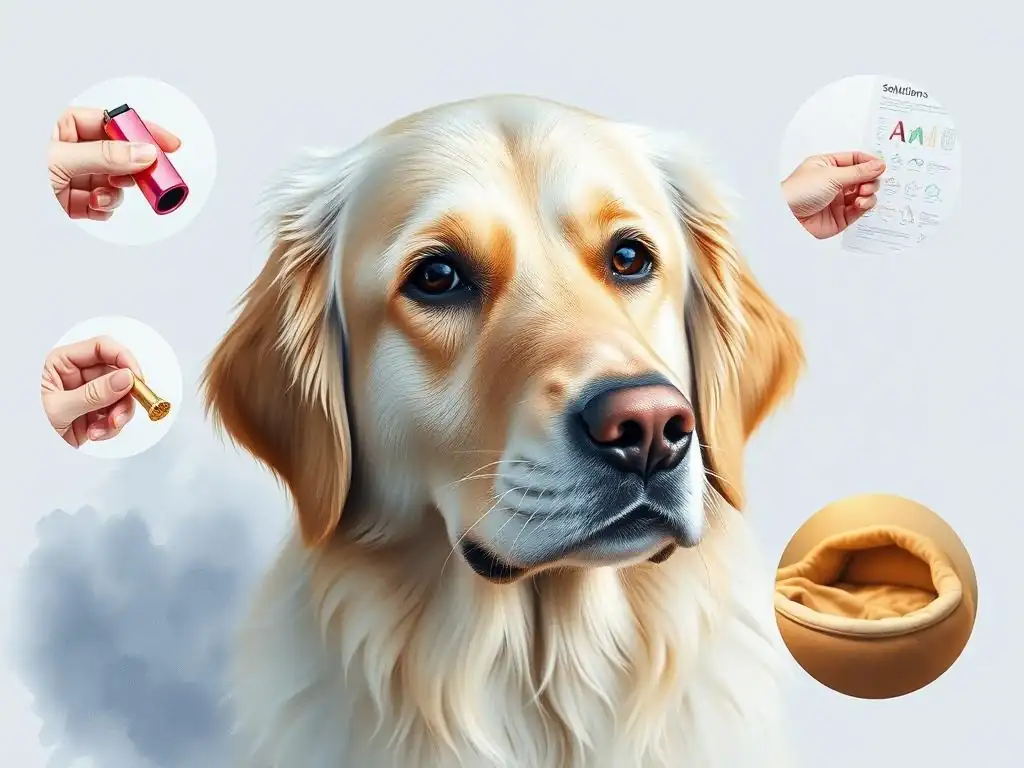
This section explores practical solutions and resources available to help senior dogs experiencing hearing loss and their owners navigate the challenges of communication and daily life. We'll examine assistive devices, training aids, and online support networks designed to improve the quality of life for both the dog and their human companion. Addressing senior dog hearing loss requires a multi-faceted approach, combining technological aids with understanding and patience.
Finding the right combination of tools and strategies is crucial for maintaining a strong bond and ensuring your senior dog remains happy and secure. This is especially important when considering "senior dog hearing loss solutions."
Assistive Devices for Hearing-Impaired Dogs
Many assistive devices are designed to help dogs with hearing impairments. These tools don't restore hearing, but they significantly improve communication and awareness of their surroundings. The efficacy of these devices varies depending on the dog's individual needs and the severity of their hearing loss. Some common options include:
- Vibrating Collars: These collars vibrate when they detect sounds, alerting the dog to noises they may not hear otherwise. The vibrations provide a tactile cue, allowing the dog to associate the vibration with a specific sound, such as a doorbell or a command. Some models are even programmable, allowing owners to customize the sounds that trigger the vibration.
- Flashing Lights: Similar to vibrating collars, flashing lights can signal specific events or commands. These are particularly useful for alerting the dog to doorbells, knocks, or other auditory cues. The visual stimulus can be a helpful addition to, or even a replacement for, auditory cues in severely deaf dogs.
- Hand Signals: While not a technological device, mastering a robust system of hand signals is a fundamental "senior dog hearing loss solution." This requires consistent training and patience, but it can become a highly effective communication method. Simple hand signals for common commands like "sit," "stay," and "come" can greatly improve your dog's understanding and responsiveness.
- Specialized Toys: Toys that incorporate vibrations or flashing lights can be incredibly engaging and stimulating for deaf dogs. These toys provide both sensory input and entertainment, enriching their lives and preventing boredom.
Helpful Training Aids for Deaf Dogs
Training a deaf dog requires a different approach than training a dog with normal hearing. Adapting your training methods is crucial for effective communication and building a positive learning environment. Consider these helpful aids:
- Visual Cues: Focus heavily on visual cues, using hand signals, body language, and even light gestures to communicate commands and expectations. Consistency is key; always use the same signal for the same command.
- Positive Reinforcement: Positive reinforcement methods, such as rewarding good behavior with treats or praise, are especially important when training a deaf dog. Since they can't hear verbal praise, visual cues and physical rewards become even more crucial.
- Vibration Training Tools: Some training collars incorporate vibration technology, allowing you to provide a tactile cue alongside a visual cue. This combined approach can be highly effective in teaching commands and reinforcing desired behaviors.
- Patience and Persistence: Training a deaf dog takes patience and persistence. Don't get discouraged if your dog doesn't learn a command immediately. Continue practicing consistently, using positive reinforcement, and adapting your techniques as needed. Remember, success comes from consistent effort and understanding your dog's learning style.
Online Resources and Support Groups for Owners of Deaf Dogs
Connecting with other owners of deaf dogs provides invaluable support, practical advice, and shared experiences. The online community offers a wealth of resources and a supportive network to help you navigate the challenges of caring for a hearing-impaired senior dog. Searching for "senior dog hearing loss solutions" online can lead you to forums, social media groups, and websites dedicated to deaf dogs.
- Dedicated Forums: Many online forums are specifically designed for pet owners to share information, ask questions, and offer support to one another. These platforms often have dedicated sections for owners of deaf dogs, where you can find advice on training, assistive devices, and coping strategies.
- Social Media Groups: Social media platforms like Facebook and Instagram host numerous groups for owners of deaf dogs. These groups provide a platform for sharing experiences, asking questions, and connecting with others facing similar challenges.
- Veterinary Websites and Blogs: Reputable veterinary websites and blogs often publish articles and resources on senior dog health, including information on hearing loss and management strategies. These resources can provide valuable insights into the condition and offer guidance on how to best care for your deaf dog.
Remember, the journey of caring for a senior dog with hearing loss is a shared one. Utilizing available resources and connecting with others facing similar situations can make a significant difference in both your dog's quality of life and your own peace of mind. The combination of assistive devices, tailored training, and the support of the online community offers a comprehensive approach to managing senior dog hearing loss, providing numerous "senior dog hearing loss solutions."
Preventing Further Hearing Loss in Senior Dogs
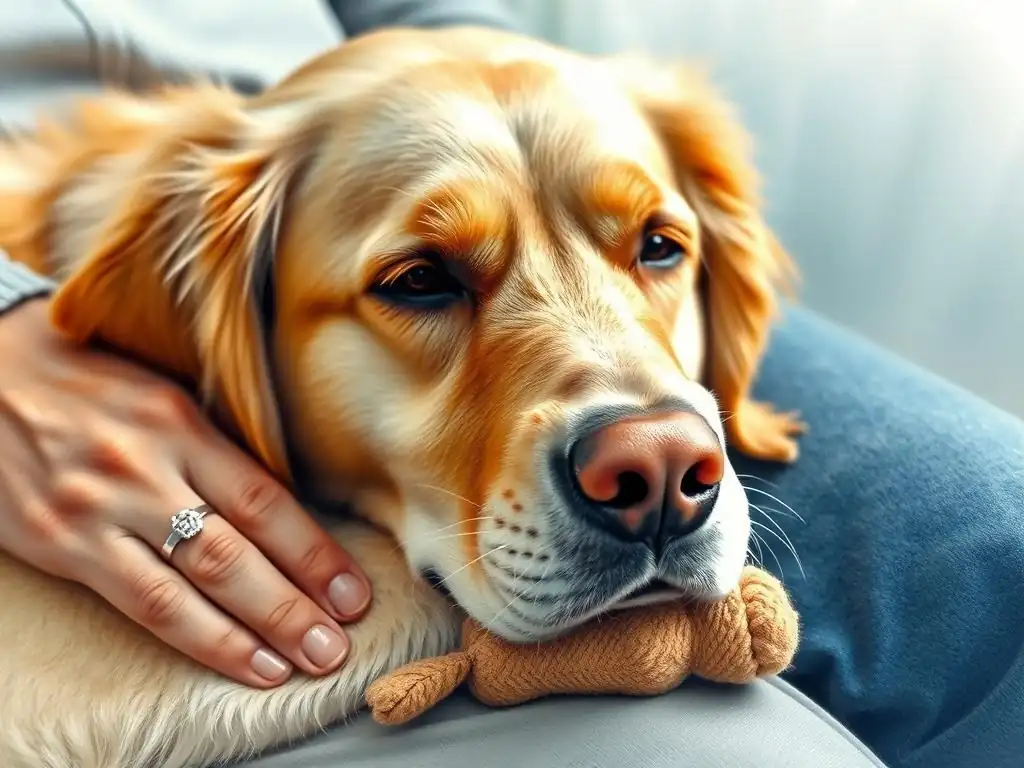
Age-related hearing loss in senior dogs, while often irreversible, can be managed and potentially slowed down. Proactive measures can significantly improve your canine companion's quality of life and help them navigate their world more comfortably. This section focuses on practical strategies to mitigate further hearing decline and enhance communication with your aging dog. Understanding the underlying causes of hearing loss in older dogs is crucial for effective prevention. While genetics play a role, environmental factors and underlying health conditions are significant contributors to accelerated hearing deterioration. Therefore, a multi-pronged approach is key.
Regular Veterinary Checkups for Senior Dogs
Regular veterinary checkups are paramount in managing senior dog hearing loss and preventing further deterioration. These visits aren't just about addressing immediate problems; they're about proactive health management. Your veterinarian can perform a thorough hearing examination, identify any underlying medical conditions contributing to hearing loss (such as infections or tumors), and recommend appropriate treatment.
Early detection of ear infections, for example, is crucial. Untreated infections can lead to significant hearing impairment. Your vet might use techniques like the BAER test (Brainstem Auditory Evoked Response) to assess the extent of hearing loss and guide treatment strategies. They might also screen for other age-related conditions that can impact hearing, such as kidney disease or hypertension. Remember, consistent monitoring is key to catching problems early, when they are most treatable.
Furthermore, your vet can advise you on appropriate medications and supplements to support overall health and potentially slow the progression of age-related hearing loss. Don't hesitate to discuss your concerns about your dog's hearing with your veterinarian; they are your best resource in developing a comprehensive care plan. Regular checkups, especially for senior dogs, are an investment in their well-being and longevity.
Nutritional Considerations for Maintaining Canine Hearing Health
Nutrition plays a surprisingly significant role in maintaining canine hearing health, particularly in senior dogs. A well-balanced diet rich in antioxidants, omega-3 fatty acids, and specific vitamins and minerals can support healthy ear function and potentially slow the progression of hearing loss. This is because oxidative stress and inflammation are implicated in age-related hearing decline.
Antioxidants, found in abundance in fruits and vegetables (appropriately incorporated into dog food), combat free radicals that damage cells, including those in the inner ear. Omega-3 fatty acids, present in fish oil and certain plant sources, possess anti-inflammatory properties that can reduce inflammation in the ear and improve blood flow to the auditory system. Specific nutrients like vitamin E, vitamin C, and zinc are also vital for maintaining healthy cell function and protecting against oxidative damage.
Consider consulting a veterinary nutritionist to tailor a diet specifically for your dog’s age and health condition. They can recommend high-quality senior dog food formulations that meet these nutritional requirements, or suggest supplements to address any deficiencies. While a balanced diet won't reverse hearing loss, it can be a crucial part of a comprehensive strategy to support overall health and potentially slow down further deterioration. Remember to always consult your veterinarian before making significant changes to your dog's diet, especially if they have pre-existing health conditions.
Protecting Your Dog's Ears from Environmental Factors
Environmental factors can significantly impact a senior dog's hearing. Protecting your dog's ears from excessive noise, irritants, and infections is crucial for preserving their hearing ability. This preventative approach is particularly important for dogs already experiencing hearing loss, as it can help prevent further damage.
Excessive noise exposure can cause damage to the delicate structures of the inner ear, leading to hearing loss. This is why it is important to limit exposure to loud noises like fireworks, construction work, or even excessively loud music. When possible, provide a quiet and safe space for your dog during such events. Using ear protection, such as specially designed dog earmuffs, can also be beneficial in extremely noisy situations.
Irritants such as dust, pollen, and other airborne particles can trigger inflammation and infections in the ear canal, further compromising hearing. Regularly cleaning your dog's ears with a veterinarian-recommended ear cleaner can help prevent the buildup of debris and reduce the risk of infection. However, avoid using cotton swabs, which can push debris further into the ear canal and cause damage.
Finally, protecting your dog's ears from water can help prevent infections. While a quick rinse after a walk in the rain might be fine, prolonged exposure to water can create a breeding ground for bacteria and fungi. Ensure your dog's ears are thoroughly dried after swimming or bathing. Regular monitoring for any signs of ear infection, such as redness, swelling, or excessive scratching, is essential. Prompt veterinary attention is crucial to address any ear infections before they cause irreversible hearing damage. A proactive approach to environmental protection can contribute significantly to maintaining your senior dog's hearing health.
When to Seek Professional Help for Senior Dog Hearing Loss
Determining when your senior dog's hearing loss requires professional veterinary intervention can be challenging. While some hearing impairment is a natural part of aging, significant loss can impact your dog's quality of life and even lead to secondary behavioral issues. It's crucial to differentiate between normal age-related changes and a condition requiring medical attention. This section will help you identify those crucial warning signs. Understanding the nuances of senior dog hearing loss solutions is key to providing the best possible care.
Recognizing the Need for Veterinary Intervention
Several indicators suggest your senior dog's hearing loss warrants professional evaluation. These aren't isolated incidents; rather, a pattern of these behaviors should raise concerns. For example, consistent failure to respond to familiar commands, even with visual cues, is a significant red flag. This isn't just about ignoring "sit" or "stay"; it's about a lack of response even when you're directly in their line of sight and using hand signals.
Furthermore, observe your dog's overall demeanor. Increased anxiety, fearfulness, or aggression, particularly in situations where auditory cues are absent or unexpected, could be linked to hearing difficulties. These behavioral changes often stem from a dog's inability to process their environment accurately, leading to heightened stress and insecurity. They might startle easily at unexpected noises or become more withdrawn and less interactive.
Finally, a noticeable change in your dog’s sleep patterns, such as excessive sleeping or restlessness, could also indicate hearing problems. While age-related sleep changes are common, a dramatic shift might be a symptom of a more significant underlying issue, including unmanaged pain or discomfort related to hearing loss. Remember, effective senior dog hearing loss solutions often involve a multifaceted approach.
Finding a Veterinarian Specialized in Geriatric Canine Care
Finding the right veterinarian is paramount when dealing with senior dog hearing loss. While your regular vet is a great resource, seeking a specialist in geriatric canine care offers significant advantages. These specialists possess in-depth knowledge of age-related conditions and are better equipped to diagnose and manage complex issues. They understand the subtle nuances of senior dog health and can tailor treatment plans to address specific needs.
Consider asking your current vet for referrals to specialists or searching online directories for veterinarians specializing in geriatric care. Look for those with certifications or advanced training in geriatric canine medicine. Reading online reviews can also provide valuable insights into a veterinarian's experience and patient care. Don't hesitate to schedule consultations with several specialists to find the best fit for your dog and your needs. A veterinarian experienced with senior dog hearing loss solutions will be able to provide comprehensive care.
Preparing for a Veterinary Consultation Regarding Hearing Loss
Before your appointment, gather relevant information about your dog's hearing loss. Note the onset of symptoms, their frequency, and any associated behavioral changes. Maintain a detailed log of these observations, including dates and times. This detailed record will help your veterinarian assess the severity of the hearing loss and develop an appropriate treatment plan.
Prepare a list of questions you want to ask your veterinarian. Inquire about diagnostic tests, potential causes of the hearing loss, treatment options (including senior dog hearing loss solutions), and prognosis. Also, ask about the potential for managing behavioral changes associated with hearing impairment. Don't hesitate to bring any concerns you have to the appointment. Remember, effective communication is key to ensuring your dog receives the best possible care. A thorough preparation will contribute to a productive and informative consultation, leading to more effective senior dog hearing loss solutions.
Frequently Asked Questions
What are the common signs of hearing loss in senior dogs?
Senior dogs with hearing loss may exhibit changes in behavior such as reduced responsiveness to their name, difficulty following commands, increased startle responses, or a general seeming unawareness of their surroundings. These signs can be subtle at first.
How can I help my senior dog cope with hearing loss?
Visual cues are incredibly important. Use hand signals alongside verbal commands. Maintain a consistent routine to minimize confusion and consider using vibrating collars or other assistive devices.
Are there any medical treatments for hearing loss in senior dogs?
Unfortunately, there's no cure for age-related hearing loss in dogs. However, veterinary professionals can rule out other underlying conditions and manage any secondary issues that may arise.
What type of communication strategies are best for dogs with hearing loss?
Focus on clear and consistent visual signals, such as hand gestures, and combine them with gentle touches. Be patient and give your dog time to respond. Avoid yelling, as this can frighten them.
Can I prevent hearing loss in my dog?
While you can't completely prevent age-related hearing loss, regular veterinary checkups can help detect any underlying issues early. A healthy diet and a safe environment also contribute to overall well-being and may help to slow the progression of age-related hearing loss.
Final Reflection: A Silent World, A Loving Heart: Communicating with Our Aging Canine Companions
The heartbreaking silence of a senior dog's hearing loss is a reality for millions of pet owners, impacting not only their beloved companion's quality of life but also the deeply cherished bond they share. Understanding the subtle signs and implementing practical solutions is crucial to maintaining a strong connection and ensuring their comfort in their twilight years. This isn't just about hearing; it's about love, understanding, and adapting to the changing needs of our faithful friends.
The journey of caring for a senior dog with hearing loss is a testament to the enduring power of the human-animal bond. It's a poignant reminder that love transcends limitations, demanding patience, creativity, and a willingness to learn and adapt. The bond with a dog is as powerful as any human relationship.
This quote rings truer than ever when navigating the challenges of senior dog hearing loss, forcing us to re-evaluate how we communicate and connect with our furry family members. We must actively seek new ways to bridge the communication gap, ensuring our love remains a constant source of comfort and security.
Now, consider your own senior dog, or perhaps a friend's. What small adjustments can you make today to improve their understanding and comfort? Take a moment to observe their behavior, to truly listen to their unspoken needs. By embracing the practical tips outlined in this article – from visual cues to gentle touch – you can transform the challenges of hearing loss into opportunities for deeper connection and unwavering love. Let's ensure our senior dogs spend their golden years surrounded by understanding, love, and the unwavering support they so richly deserve.
Unlock Deeper Connections with Your Senior Dog
Thank you for learning more about supporting your senior dog's hearing. We hope the practical tips offered valuable insights into improving communication and enriching their golden years. Now, let's put that knowledge into action!
- Prioritize visual cues: Incorporate more hand signals and visual aids into your daily interactions. This simple change can dramatically improve understanding and strengthen your bond.
- Share your knowledge: Let other pet owners know about the challenges and rewards of communicating with a senior dog experiencing hearing loss. Share this article on social media or within your local pet owner community.
- Explore assistive communication tools: Consider researching and trying tools designed to aid hearing-impaired dogs, such as vibrating collars or flashing lights.
Ready to make a positive difference in your senior dog's life? What small step will you take today to better connect with your beloved companion?