
Understanding the Energy Levels of Medium Breed Dogs: Meeting Their Needs


Welcome to PetCareWorld, your ultimate guide to a happier, healthier life for your beloved companion! Are you curious about how to best meet the unique energy demands of your medium breed dog? Discover the secrets to understanding their activity levels and ensuring they thrive. Dive into our expert guide on " Medium Breed Dog Energy Needs" and unlock the key to a fulfilling life for both you and your furry friend. Let's embark on this exciting journey together!
- Understanding Medium Breed Dog Energy Levels: A Breed Overview
- Assessing Your Medium Breed Dog's Daily Energy Expenditure
- Meeting Your Medium Breed Dog's Energy Needs Through Exercise
- Nutritional Needs and Energy Levels in Medium Breed Dogs
- Recognizing Signs of Over- or Under-Exercise in Medium Breed Dogs
- Creating a Stimulating Environment for Medium Breed Dogs
- Consult Your Veterinarian: Addressing Specific Energy Level Concerns
-
Frequently Asked Questions
- What are considered "medium breed" dogs?
- How much exercise does a medium breed dog need daily?
- What are the signs of an under-exercised medium breed dog?
- What types of activities are best for meeting the energy needs of a medium breed dog?
- How can I determine if my medium breed dog is getting enough energy expenditure?
- Final Reflection: Harnessing the Power of the Perfect Pace
- Unleash Your Dog's Peak Potential: A Personalized Energy Plan
Understanding Medium Breed Dog Energy Levels: A Breed Overview
Understanding your medium breed dog's energy needs is crucial for their physical and mental well-being. Failing to meet these needs can lead to behavioral problems like destructive chewing, excessive barking, or even anxiety. This comprehensive guide delves into the diverse energy levels found within the medium breed dog category, helping you identify your dog's specific needs and tailor your care accordingly.
We'll explore how to assess your dog's energy, examine the typical energy levels of various common medium breeds, and discuss the factors influencing energy levels, empowering you to provide the best possible care for your canine companion. Successfully matching your dog's energy level with appropriate exercise and mental stimulation is key to a happy and healthy life together. Let's embark on this journey to understanding the energetic world of your medium-sized friend!
Identifying Your Medium Breed Dog's Energy Level
Determining your medium breed dog's energy level isn't about comparing them to a chart; it's about observation and understanding their individual needs. Some dogs, even within the same breed, will be more energetic than others. Consider these key indicators:
- Resting Behavior: Does your dog frequently nap or are they constantly on the go, even when resting? A high-energy dog will show less interest in settling down.
- Playfulness: How enthusiastic is your dog during playtime? Do they need constant stimulation to remain engaged, or are they satisfied with shorter bursts of activity?
- Attention Span: How long can your dog focus on a single activity before becoming restless or needing a change of pace? High-energy dogs often have shorter attention spans.
- Reactivity: Does your dog exhibit hyperactivity or impulsive behavior? This could be a sign of pent-up energy.
- Sleep Patterns: How much sleep does your dog need? High-energy dogs may require more sleep to compensate for their activity levels.
Use this checklist to gauge your dog's energy level. Remember, a balanced approach to exercise and mental stimulation is crucial, regardless of whether your dog is a low or high-energy individual. Regular veterinary checkups are also essential to rule out any underlying medical conditions that might affect their energy levels. 🐶
Common Medium Breeds and Their Typical Energy Levels
While individual variations exist, certain medium breeds tend to exhibit higher or lower energy levels. This is a general guideline, and individual dogs may differ significantly.
| Breed | Typical Energy Level | Notes |
|---|---|---|
| Australian Shepherd | High | Requires significant exercise and mental stimulation. |
| Border Collie | High | Known for their intelligence and boundless energy. |
| Brittany Spaniel | High | Bred for hunting, needing ample exercise and outdoor activities. |
| Cocker Spaniel | Moderate to High | Energetic but can be content with less intense exercise than some breeds. |
| Beagle | Moderate | Enjoyable walks and playtime are essential. |
| Basset Hound | Low to Moderate | Less demanding in terms of exercise but still needs regular walks. |
| American Cocker Spaniel | Moderate to High | Prone to separation anxiety if not provided with enough attention. |
| Whippet | Moderate to High | Needs bursts of high-intensity exercise, followed by periods of rest. |
Remember that these are general observations; your individual dog's energy level might fall outside these ranges.
Factors Influencing Energy Levels in Medium Breed Dogs
Several factors beyond breed predispositions can influence a medium breed dog's energy levels:
- Age: Puppies have significantly higher energy than adult or senior dogs. Senior dogs often require less intense exercise.
- Health: Underlying health conditions can dramatically impact energy levels. Consult your veterinarian if you notice a sudden change in your dog's activity.
- Diet: A balanced, nutritious diet contributes to optimal energy levels. Avoid feeding excessive treats that can lead to hyperactivity.
- Genetics: Individual genetic variations within a breed can result in differences in energy levels.
- Environmental Factors: A stimulating environment can increase energy, while a monotonous routine may lead to lethargy.
- Training and Mental Stimulation: Providing opportunities for mental enrichment helps channel energy positively and prevent boredom.
Understanding these influencing factors will help you better address your dog's specific energy needs and create a fulfilling life for both of you. Remember, a tired dog is a happy dog! 🎉
Assessing Your Medium Breed Dog's Daily Energy Expenditure

Understanding your medium breed dog's energy expenditure is crucial for maintaining their health and well-being. This involves more than just observing their playfulness; it requires a holistic assessment encompassing various factors. Failing to accurately gauge your dog's energy needs can lead to weight problems, behavioral issues, and even health complications. Let's delve into the key aspects of evaluating your canine companion's daily energy burn.
Measuring Your Dog's Activity Levels
Accurately measuring your dog's activity levels is paramount in determining their energy expenditure. While a simple observation might suggest a moderately active dog, a more precise approach is necessary. Consider these factors:
- Structured Exercise: How many minutes of structured exercise (walks, runs, fetch) does your dog receive daily? Record this meticulously. A 30-minute brisk walk is significantly different from a 30-minute leisurely stroll.
- Unstructured Play: Account for playtime, both in and out of the house. A vigorous game of tug-of-war expends more energy than a gentle cuddle session. Estimate the duration and intensity of these activities.
- Resting Time: Just as important as activity is rest. How many hours does your dog spend sleeping or resting passively? This is essential for calculating their overall energy balance.
- Environmental Factors: Consider the environment. A dog living in a small apartment will have lower energy expenditure compared to a dog with access to a large yard. Temperature also plays a role; extreme heat or cold can reduce activity levels.
For a more precise measurement, consider using a fitness tracker specifically designed for dogs. These devices can track steps, distance, and even sleep patterns, providing valuable data to help you understand your dog's daily activity. This data, combined with your observations, provides a more complete picture of your dog's energy needs.
Understanding Calorie Needs and Metabolism in Medium Breeds
Calorie needs vary significantly among medium breed dogs, influenced by their metabolism, age, breed-specific characteristics, and activity level. A dog with a high metabolism will require more calories to maintain a healthy weight compared to a dog with a slower metabolism. Breed-specific differences also exist; some medium breeds are naturally more energetic than others.
Understanding your dog's resting energy requirement (RER) is a starting point. While precise calculations require veterinary input, several online calculators can provide estimates based on your dog's weight, age, and breed. These calculations provide a baseline, which then needs adjustments based on your dog's activity level. A highly active dog will require a significantly higher calorie intake than a sedentary dog.
Consider this example: A moderately active 25-pound Beagle might require around 700-800 calories per day, whereas a less active 25-pound Basset Hound might need closer to 600 calories. These are estimates; individual variations are expected. Always consult your veterinarian for personalized dietary recommendations based on your dog's unique needs. Monitoring your dog's weight regularly is crucial to ensure that the calorie intake is appropriately matched to their energy expenditure. Sudden weight changes should be addressed promptly with your vet.
The Role of Age and Breed in Energy Requirements
Age and breed significantly impact a medium breed dog's energy requirements. Puppies, with their rapid growth and high activity levels, require a calorie-dense diet to support their development. As they mature into adulthood, their energy needs generally plateau, though activity level still plays a significant role. Senior dogs, on the other hand, often experience a decrease in activity and metabolism, requiring a reduction in caloric intake to prevent weight gain.
Breed-specific differences are also crucial. Some medium breeds, such as Border Collies, are known for their high energy levels and require substantial daily exercise and a corresponding calorie intake. Other breeds, like Cavalier King Charles Spaniels, are generally more laid-back and require less intense activity and fewer calories.
Understanding these breed-specific traits and the impact of age allows for a more tailored approach to managing your dog's energy needs. For instance, an elderly Beagle will have different calorie requirements than a young Border Collie, even if they weigh the same. Regular veterinary check-ups are essential to monitor your dog's health and adjust their diet as needed throughout their life stages. This proactive approach ensures your medium breed dog receives the optimal nutrition to thrive.
Meeting Your Medium Breed Dog's Energy Needs Through Exercise

Understanding your medium breed dog's energy needs is crucial for their physical and mental well-being. Failing to meet these needs can lead to behavioral problems such as destructive chewing, excessive barking, and anxiety. Conversely, a well-exercised medium breed dog is typically happier, healthier, and better-behaved.
This section delves into the specifics of providing adequate exercise for your canine companion, focusing on daily recommendations, suitable activities, and crafting a balanced routine. Remember that every dog is an individual; these are guidelines, and you should adjust them based on your dog's age, breed specifics, health, and overall temperament. The key is consistent observation and responsiveness to your dog's cues.
Daily Exercise Recommendations for Medium Breed Dogs
Medium breed dogs, generally weighing between 20 and 50 pounds, have varying energy levels depending on their breed and individual characteristics. However, a good rule of thumb is to aim for at least 60-90 minutes of structured exercise per day. This doesn't necessarily mean a single, intense hour-long session. Breaking it up into shorter, more frequent sessions can be just as effective, and often better suited to a dog's attention span. For example, three 30-minute walks spread throughout the day are often preferable to one long walk.
Consider your dog's age: puppies require less intense exercise than adult dogs, while senior dogs may need shorter, gentler walks. Always monitor your dog for signs of fatigue, such as panting, slowing down, or lying down frequently. These are signals to rest and avoid overexertion. Remember that intense exercise should be avoided in extreme weather conditions. Heatstroke is a serious threat to dogs, so adjust your exercise schedule accordingly.
| Age Group | Recommended Daily Exercise (Minimum) | Notes |
|---|---|---|
| Puppy (under 1 year) | 30-45 minutes | Several short sessions are better than one long one. |
| Adult (1-7 years) | 60-90 minutes | Can be broken into multiple sessions. |
| Senior (7+ years) | 30-60 minutes | Shorter, gentler walks and less strenuous activities are recommended. |
Types of Exercise Suitable for Medium Breed Dogs
The best exercise for your medium breed dog isn't just about the duration, but also the type of activity. Variety is key to keeping your dog engaged and preventing boredom. Here are several options to consider:
- Walking: A simple walk is an excellent way to provide both physical and mental stimulation. Vary your routes to prevent monotony.
- Running/Jogging (for suitable breeds): Some medium breeds are built for running and enjoy it immensely. However, ensure your dog is properly conditioned before engaging in vigorous running.
- Fetch: A classic game that provides both physical and mental stimulation. Use a durable toy to avoid accidental ingestion of broken pieces.
- Swimming: A low-impact exercise that is excellent for dogs with joint issues or those recovering from injury. Always supervise your dog closely near water.
- Agility Training: A fun and challenging activity that strengthens muscles and improves coordination. It's best to start with a professional trainer.
- Hiking (on leash): Provides a change of scenery and more challenging terrain. Ensure the trails are appropriate for your dog's fitness level.
- Socialization (with other dogs): Controlled interaction with other well-socialized dogs can be a great way to burn energy and provide mental enrichment.
Creating a Balanced Exercise Routine for Your Medium Breed Dog
Creating a balanced exercise routine involves combining different types of exercise to meet your dog's physical and mental needs. Consider the following factors when designing your dog's exercise plan:
- Breed-Specific Needs: Certain medium breeds are known for their high energy levels (e.g., Border Collies, Australian Cattle Dogs), while others are more laid-back (e.g., Basset Hounds, Beagles). Tailor your routine to your dog's breed tendencies.
- Age and Health: As mentioned earlier, puppies, adults, and seniors have different exercise requirements. Consider any health conditions your dog might have. Consult your veterinarian if you have any concerns.
- Weather Conditions: Avoid strenuous exercise during extreme heat or cold.
- Mental Stimulation: Exercise isn't just physical; it's also mental. Include activities that challenge your dog's mind, such as puzzle toys or training sessions.
A sample balanced weekly routine might include:
- Monday: 30-minute walk, 15-minute fetch
- Tuesday: Agility training (30 minutes)
- Wednesday: 45-minute walk, 15 minutes of puzzle toy play
- Thursday: Rest or low-impact activity (gentle walk)
- Friday: 30-minute walk, 15-minute fetch
- Saturday: Longer hike (60-90 minutes)
- Sunday: Swimming (30 minutes), followed by a relaxing walk.
Remember, flexibility is key. Adjust this sample routine based on your dog's individual needs and preferences. Observe your dog closely and make changes as needed to ensure they are happy, healthy, and well-exercised. This proactive approach will contribute significantly to your medium breed dog's overall well-being and strengthen your bond. 🐶
Nutritional Needs and Energy Levels in Medium Breed Dogs
Medium breed dogs, encompassing a wide variety of breeds with varying temperaments and activity levels, present unique nutritional challenges. Understanding their energy needs is crucial for ensuring their overall health and well-being. Unlike smaller breeds with faster metabolisms or larger breeds with slower metabolisms, medium breeds occupy a sweet spot, requiring a carefully balanced diet to support their moderate energy expenditure. This section delves into the specifics of nutritional planning for these energetic companions, focusing on food selection, balanced nutrition, and supplementary considerations. Meeting their "medium breed dog energy needs" requires a tailored approach.
Choosing the Right Food for Your Medium Breed Dog's Energy Level
Selecting the appropriate dog food is paramount in managing your medium breed's energy levels. The food's calorie density and the overall composition directly impact their vitality and weight management. For instance, a highly active Border Collie will have vastly different nutritional requirements compared to a more laid-back Beagle, even though both are considered medium breeds.
Consider these factors when choosing food:
- Age: Puppies require higher calorie diets for growth, while senior dogs may need lower calorie, easily digestible options.
- Activity Level: Highly active medium breeds need food with a higher calorie content and increased protein to support muscle mass and energy production. Less active dogs may require lower calorie options to prevent weight gain.
- Ingredients: Look for high-quality protein sources (e.g., chicken, lamb, fish) as the primary ingredient. Avoid fillers and artificial ingredients. The ingredient list should be transparent and easy to understand.
- Life Stage Formulas: Many brands offer specific formulas for puppies, adults, and seniors, catering to the unique nutritional needs of each stage.
The Importance of Balanced Nutrition for Active Medium Breed Dogs
Balanced nutrition is not merely about providing enough calories; it's about supplying the right balance of macronutrients (protein, carbohydrates, and fats) and micronutrients (vitamins and minerals). Active medium breeds require a higher protein intake to support muscle growth and repair, while healthy fats provide sustained energy. Carbohydrates provide readily available energy, but should be chosen carefully, opting for complex carbohydrates over simple sugars.
A deficiency in any of these components can lead to various health issues, including:
- Muscle Weakness: Insufficient protein intake can lead to muscle wasting and reduced energy.
- Fatigue and Lethargy: Lack of sufficient carbohydrates or fats can result in decreased energy levels.
- Weakened Immune System: Deficiencies in essential vitamins and minerals can compromise the immune system, making your dog more susceptible to illness.
- Poor Coat and Skin Condition: Nutritional deficiencies can manifest in dull, dry coat and skin problems.
Maintaining a balanced diet is key to preventing these problems and ensuring your dog remains healthy and active. Regular veterinary check-ups and blood work can help identify potential nutritional deficiencies early on.
Supplements and Nutritional Considerations for High-Energy Medium Breeds
Some high-energy medium breeds might benefit from supplemental nutrition to support their demanding lifestyles. However, it's crucial to consult with a veterinarian before introducing any supplements to your dog's diet. Improper supplementation can be harmful.
Potential supplements that might be beneficial (always consult your vet first! ):
- Glucosamine and Chondroitin: These can support joint health, particularly important for breeds prone to joint issues.
- Omega-3 Fatty Acids: These support healthy skin and coat, and can have anti-inflammatory benefits.
- Probiotics: These can improve gut health and digestion.
Remember, supplements should be considered additions to a balanced diet, not replacements. Over-supplementation can be just as harmful as under-supplementation. A well-formulated commercial dog food often contains many of these essential nutrients, minimizing the need for extra supplements. Prioritize a high-quality diet first, and then discuss supplementation options with your veterinarian based on your individual dog's needs and health status. They can provide tailored recommendations based on your dog's breed, age, activity level, and any pre-existing health conditions. This ensures you are meeting your dog's "medium breed dog energy needs" effectively and safely.
Recognizing Signs of Over- or Under-Exercise in Medium Breed Dogs

Understanding your medium breed dog's energy levels is crucial for their physical and mental well-being. Knowing the signs of both over- and under-exercise allows you to tailor their activity to their specific needs, preventing potential health problems and ensuring a happy, healthy companion. This section focuses on identifying these key indicators in medium breed dogs, enabling you to provide optimal care. Remember that each dog is an individual, and these are general guidelines; your dog's specific needs may vary.
Signs of Over-Exercising in Medium Breed Dogs
Over-exercising, even for energetic medium breeds, can lead to injuries and exhaustion. Recognizing the signs is vital to prevent long-term problems. Look out for these key indicators:
- Lethargy and Exhaustion: Instead of playful energy, your dog might exhibit extreme tiredness, refusing to play or even walk. This is a clear sign that they've pushed their limits.
- Lameness or Limping: Strained muscles or joints can manifest as limping or difficulty moving. Pay close attention to any changes in their gait.
- Increased Thirst and Panting: Excessive panting, even after a short rest, and increased water consumption can indicate dehydration and overexertion.
- Muscle Soreness: Gently palpate your dog's muscles. If you detect tenderness or stiffness, it could be a sign of overexertion. This is especially important for younger or older dogs.
- Loss of Appetite: A sudden decrease in appetite can be a sign that your dog is simply too tired to eat.
- Behavioral Changes: Irritability, restlessness, or unusual whining can be indicators of discomfort from overexertion.
Remember, prevention is key. Gradually increase exercise intensity and duration, allowing your dog adequate rest periods. Always provide fresh water, especially after strenuous activity.
Signs of Under-Exercising in Medium Breed Dogs
Just as over-exercising is detrimental, so too is under-exercising. Medium breed dogs, known for their moderate energy levels, still require sufficient physical and mental stimulation. Ignoring their needs can lead to behavioral problems and health issues.
- Destructive Behavior: Boredom is a significant factor in destructive chewing, digging, or excessive barking. An under-exercised dog may act out to release pent-up energy.
- Weight Gain: Lack of exercise combined with a consistent diet can lead to weight gain, increasing the risk of obesity-related health problems.
- Restlessness and Anxiety: An under-stimulated dog may exhibit excessive pacing, whining, or other signs of anxiety.
- Lethargy (different from overexertion): While overexertion leads to extreme tiredness, under-exercising can also cause lethargy, but it will often be coupled with other behavioral problems. This is a less obvious sign and requires careful observation.
- Lack of Interest in Play: A dog who consistently shows little interest in interactive play may be understimulated. This is a significant indicator that needs addressing.
- Increased Sleepiness: While dogs sleep, excessive sleeping throughout the day can be a sign of boredom and a lack of sufficient mental and physical stimulation.
Adjusting Your Dog's Exercise Routine Based on Observed Behavior
Once you've identified whether your medium breed dog is over- or under-exercised, adjusting their routine is crucial. This involves careful observation and a gradual approach.
| Observed Behavior | Adjustment Recommendation |
|---|---|
| Signs of Over-Exercising | Reduce exercise duration and intensity; increase rest periods; ensure adequate hydration. |
| Signs of Under-Exercising | Increase exercise duration and intensity; incorporate more interactive games and mental stimulation. |
| Sudden changes in behavior or energy levels | Consult a veterinarian to rule out any underlying medical conditions. |
Remember to consider your dog's age, breed-specific traits, and overall health when adjusting their exercise routine. Regular veterinary check-ups are essential for monitoring their overall well-being and addressing any potential concerns. Providing your medium breed dog with the appropriate amount of exercise is key to their happiness and longevity. Pay attention to the subtle cues they give and adjust accordingly. 🐶
Creating a Stimulating Environment for Medium Breed Dogs
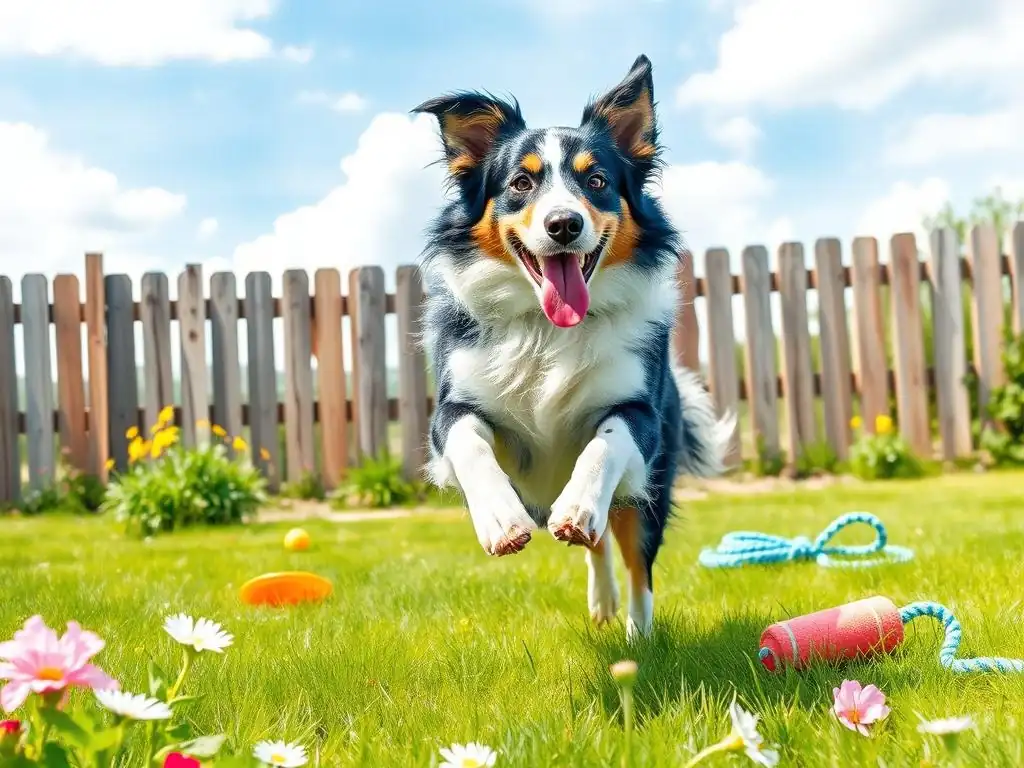
Medium breed dogs, with their diverse energy levels and temperaments, require a stimulating environment to thrive. Failing to meet their physical and mental needs can lead to behavioral problems such as destructive chewing, excessive barking, or anxiety. Understanding and catering to their specific energy needs is crucial for their overall well-being and happiness. This section will explore practical strategies to create a stimulating environment tailored to the needs of your medium-breed canine companion.
The key is to provide a balanced approach, combining physical exercise with mental stimulation. Ignoring one aspect often leads to imbalances, resulting in an unhappy and potentially problematic pet. Remember, "Medium breed dog energy needs" are highly variable depending on breed, age, and individual personality.
Mental Enrichment Activities for Medium Breed Dogs
Mental stimulation is just as crucial as physical exercise for medium breed dogs. A bored dog is a destructive dog. Providing engaging mental challenges prevents boredom and promotes a well-adjusted, happy pet. Here are several activities you can incorporate into your dog's daily routine:
- Puzzle Toys: These toys require your dog to work for their treats, providing mental stimulation and preventing boredom. Choose toys with varying levels of difficulty to keep your dog challenged. Rotate toys regularly to prevent them from becoming predictable and losing their appeal. Examples include treat-dispensing balls, puzzle feeders, and hidden treat games.
- Training Sessions: Regular training sessions, even short ones, provide excellent mental stimulation. Focus on positive reinforcement methods, rewarding your dog for good behavior. Introduce new commands and tricks to keep them engaged and learning. This not only strengthens your bond but also provides a significant mental workout.
- Scent Work: Dogs have an incredible sense of smell. Engage their noses with scent-based games. Hide treats around the house or yard and let your dog use their nose to find them. You can also try scent trails or even participate in organized scent work competitions. This is a fantastic way to tap into their natural instincts and provide a highly rewarding mental challenge.
- Interactive Games: Engage in interactive games like fetch, hide-and-seek, or tug-of-war. These activities provide both physical and mental stimulation, strengthening the bond between you and your dog. Remember to adjust the intensity and duration of these games based on your dog's age and energy levels.
Socialization is paramount for a well-adjusted medium breed dog. Proper socialization helps them develop appropriate social skills and reduces the likelihood of behavioral issues. This involves carefully managed interactions with other dogs and people in a safe and controlled environment. Early socialization is particularly crucial, ideally beginning during puppyhood.
- Puppy Classes: Enrolling your puppy in a puppy socialization class provides a structured environment for safe and supervised interactions with other puppies. This helps them learn appropriate dog-to-dog interactions and build confidence.
- Dog Parks (with caution): While dog parks can be a great place for socialization, it's crucial to choose a park carefully and supervise your dog closely. Ensure the park is clean, relatively calm, and that other dogs are well-behaved. Observe your dog's body language; if they seem stressed or anxious, remove them from the situation.
- Playdates: Arrange playdates with other well-behaved and vaccinated dogs. This provides opportunities for your dog to interact with other canines in a controlled environment.
The Importance of a Safe and Enriching Home Environment
Your home should be a safe haven for your medium breed dog, providing a secure and comfortable space where they can relax and unwind. A safe and enriching home environment contributes significantly to their overall well-being. Consider these factors:
- Secure Space: Designate a safe and quiet space for your dog, such as a dog bed or crate, where they can retreat when they need some time alone. This provides a sense of security and helps them feel comfortable and relaxed.
- Chew Toys: Provide a variety of safe and durable chew toys to satisfy their chewing instincts and prevent destructive chewing on furniture or other household items. Rotate toys regularly to keep them interesting.
- Mental Stimulation at Home: Incorporate mental enrichment activities into their daily routine, even when at home. This could include puzzle toys, interactive games, or simply spending quality time playing with them.
Remember, meeting the "medium breed dog energy needs" is a holistic process involving physical exercise, mental stimulation, socialization, and a safe and enriching home environment. By carefully considering these factors, you can ensure your medium breed dog lives a happy, healthy, and well-adjusted life. 🐾
Consult Your Veterinarian: Addressing Specific Energy Level Concerns
Understanding your medium breed dog's energy needs is crucial for their overall well-being. While breed-specific guidelines offer a helpful starting point, individual variations exist. Some medium breed dogs, even within the same breed, exhibit significantly different energy levels. This section emphasizes the critical role of veterinary consultation in accurately assessing and managing your dog's energy needs. Ignoring potential underlying health issues can lead to serious problems, impacting both your dog's physical and mental health. Remember, this information is for educational purposes and does not replace professional veterinary advice.
When to Seek Professional Veterinary Advice Regarding Your Dog's Energy
Sudden or significant changes in your dog's energy levels warrant immediate veterinary attention. This includes:
- Dramatic lethargy or inactivity: A previously energetic dog suddenly becoming sluggish or sleeping excessively requires investigation. This could indicate illness, pain, or other underlying conditions.
- Excessive panting or difficulty breathing: These symptoms could be signs of cardiovascular issues, respiratory problems, or overheating. Seek immediate veterinary care if these symptoms are persistent or severe.
- Unexplained weight loss or gain: Significant changes in weight can be indicative of metabolic disorders, hormonal imbalances, or other health concerns that affect energy levels.
- Changes in appetite or drinking habits: Increased thirst (polydipsia) or changes in eating habits (polyphagia or anorexia) can signal underlying medical conditions.
- Behavioral changes: Increased aggression, anxiety, or unusual clinginess can sometimes be linked to underlying medical conditions affecting energy levels. Always rule out medical causes before focusing solely on behavioral modification.
Consider these examples: A Beagle, typically a moderately energetic breed, suddenly becomes lethargic and refuses food. Or, a Whippet, known for its bursts of speed, shows persistent tiredness and labored breathing. These scenarios highlight the importance of prompt veterinary assessment. Early detection and treatment are key to ensuring your dog's health and happiness.
Diagnosing Underlying Medical Conditions Affecting Energy Levels
Your veterinarian will conduct a thorough examination, including blood tests, urinalysis, and potentially imaging (X-rays or ultrasound) to diagnose any underlying medical conditions. Many health problems can directly impact a dog's energy levels. These include:
- Hypothyroidism: This hormonal disorder causes lethargy, weight gain, and a decreased metabolic rate.
- Hyperthyroidism (in older dogs): This condition, less common in dogs than hypothyroidism, can lead to increased activity, weight loss, and other symptoms.
- Infections: Bacterial, viral, or parasitic infections can drain energy and cause lethargy.
- Arthritis and other joint problems: Pain from arthritis or other musculoskeletal issues can significantly reduce activity levels.
- Heart disease: Cardiovascular problems can cause fatigue, weakness, and reduced stamina.
- Kidney disease: Kidney dysfunction can lead to lethargy and decreased energy.
- Cancer: Various cancers can cause significant fatigue and weight loss.
The diagnostic process may involve several tests to pinpoint the cause of your dog's altered energy levels. Your vet will carefully review your dog's history, including diet, exercise routine, and any recent changes in behavior. Accurate diagnosis is crucial for effective treatment and management. Remember, early intervention often leads to better outcomes.
Creating a Personalized Exercise and Nutrition Plan with Your Vet
Once any underlying medical conditions are addressed, your veterinarian can help create a personalized exercise and nutrition plan tailored to your dog's specific needs and energy levels. This plan will consider factors such as:
- Breed: Breed-specific predispositions to certain health conditions and energy levels.
- Age: Puppies, adults, and senior dogs have different energy requirements.
- Health status: Existing medical conditions will influence exercise intensity and dietary needs.
- Lifestyle: Your dog's daily routine and activity level should be factored into the plan.
- Body condition score (BCS): Assessing your dog's weight and body fat percentage helps determine appropriate caloric intake.
The plan might involve recommendations for specific types of exercise (e.g., short, high-intensity bursts versus longer, moderate-intensity walks), appropriate dietary choices (considering calorie density and nutrient content), and supplements if needed. Regular monitoring and adjustments to the plan will be necessary to ensure it continues to meet your dog's evolving needs. Collaborating closely with your veterinarian is essential to provide your medium breed dog with optimal care and maintain their health and vitality. 🐕🦺
Frequently Asked Questions
What are considered "medium breed" dogs?
The definition of a "medium breed" dog is somewhat flexible, but generally refers to dogs weighing between 20 and 50 pounds. This encompasses a wide variety of breeds with varying energy levels. It's important to consider the individual breed characteristics.
How much exercise does a medium breed dog need daily?
The required exercise varies greatly depending on the specific breed and individual dog. However, a good starting point is at least 30-60 minutes of moderate exercise daily, including walks, playtime, and mental stimulation.
What are the signs of an under-exercised medium breed dog?
Signs of insufficient exercise include destructive chewing, excessive barking, restlessness, weight gain, and behavioral problems. They may also appear lethargic or depressed.
What types of activities are best for meeting the energy needs of a medium breed dog?
A variety of activities are crucial. This includes brisk walks, playtime in a fenced area, interactive games like fetch, agility training (depending on the breed and age), and even dog sports. Mental stimulation is equally important.
How can I determine if my medium breed dog is getting enough energy expenditure?
Observe your dog's behavior. A happy, well-adjusted dog will be calm and relaxed after sufficient exercise. If they still seem restless or hyperactive, they likely need more. Consult your vet if you have concerns.
Final Reflection: Harnessing the Power of the Perfect Pace
Understanding the unique energy levels of medium breed dogs is not just about meeting their physical needs; it's about fostering a deeper, more fulfilling bond. Failing to recognize and address these needs can lead to behavioral problems, health issues, and a less-than-ideal life for both dog and owner. This understanding is crucial in today's world, where busy lifestyles often clash with the energetic needs of our canine companions.
The journey of learning to truly understand my own medium-breed dog's energy levels has been transformative. It's not just about the number of walks or the size of the backyard; it's about observing their subtle cues, understanding their individual personalities, and adapting our routines accordingly. The best thing one can give to a dog is a life full of love, adventure, and the right amount of exercise.
This quote encapsulates the essence of responsible dog ownership, highlighting the importance of tailoring our approach to each dog's unique needs. The impact on their well-being, and consequently our own, is immeasurable.
Now, consider your own canine companion. What are their unique energy signals? Are you truly meeting their needs, or are you operating on assumptions? Take a moment to observe your dog's behavior, their playfulness, their rest patterns. Make a conscious effort to adjust your routines to better match their energy levels. By understanding and responding to these needs, you'll not only improve your dog's physical and mental health but also deepen the bond you share, creating a richer, more harmonious life together. Embrace the challenge, and discover the joy of a perfectly paced partnership.
Unleash Your Dog's Peak Potential: A Personalized Energy Plan
Thank you for exploring canine energy! We hope you now understand how to meet your dog's individual needs. Ready to put this knowledge into action?
- Craft a personalized exercise plan: Consider your dog's breed, age, and lifestyle to create a routine that truly energizes them. Go beyond simple walks – explore agility training, swimming, or even a lively game of fetch in the park!
- Share your successes (and challenges!): Join our PetCareWorld community on social media and share your experiences creating a tailored exercise routine for your dog. Let's learn from one another!
- Try something new: This week, introduce a new activity to see how your dog responds – even a different walking route can make a difference!
What small change will you make today to better meet your dog's energy needs?