
Understanding Your Dog's Poop on a Raw Food Diet: A Guide

Welcome to PetCareWorld, your ultimate resource for everything pet-related! Are you curious about the secrets hidden within your dog's bowel movements? Our expert guide, “Understanding Your Dog's Poop on a Raw Food Diet: A Guide,” delves into the fascinating world of raw dog food poop, revealing what it can tell you about your canine companion's health and diet. Discover how to interpret the clues and ensure your furry friend thrives on a raw food regimen. Let's unlock the mysteries together!
- Deciphering Your Dog's Raw Food Poop: A Comprehensive Guide
- Common Issues & Troubleshooting: Abnormal Raw Dog Food Poop
- Optimizing Your Dog's Raw Food for Optimal Digestion
- Monitoring Your Dog's Digestive Health on Raw Food
-
Frequently Asked Questions
- What changes in my dog's poop should I expect when switching to a raw food diet?
- Is it normal for my dog's raw food poop to be smelly?
- How can I tell if my dog's raw food poop is healthy?
- My dog's poop is loose after starting raw food. What should I do?
- How often should I expect to clean up my dog's poop on a raw food diet?
- Final Reflection: Decoding the Canine Clues in Raw Food Poop
- Unlock Your Dog's Digestive Secrets!
Deciphering Your Dog's Raw Food Poop: A Comprehensive Guide
Switching your dog to a raw food diet can be a rewarding experience, offering potential benefits for their health and well-being. However, one of the most noticeable changes you'll observe is a shift in their bowel movements. Understanding what's "normal" when it comes to your dog's poop on a raw diet is crucial for ensuring their digestive health and identifying any potential problems early on.
This comprehensive guide will walk you through everything you need to know about interpreting your dog's stool, helping you confidently navigate this aspect of raw feeding. We'll explore the expected consistency, color, smell, and frequency of bowel movements, equipping you with the knowledge to recognize healthy poops and address any concerns promptly.
This guide serves as your ultimate resource for navigating the nuances of raw dog food poop, empowering you to make informed decisions about your canine companion's diet and overall health. Let's dive into the details!
What to Expect: Normal Stool Consistency on a Raw Diet
The consistency of your dog's stool on a raw food diet will differ significantly from what you might be used to with commercial kibble. Instead of the firm, compact stools typical of kibble-fed dogs, you'll likely observe stools that are softer and more formed. Think of the consistency as similar to that of well-formed play-doh – easily picked up but not overly hard or dry. Several factors influence stool consistency, including the specific ingredients in your dog's raw food diet, their individual digestive system, and their overall hydration.
It's important to note that some variation is normal. Occasional slightly softer or firmer stools are not cause for alarm, particularly during the transition period to a raw food diet. However, persistently loose, watery stools or extremely hard, dry stools could indicate a problem and warrant a consultation with your veterinarian. Pay close attention to any changes in your dog's stool consistency and note any accompanying symptoms like vomiting, lethargy, or changes in appetite.
Identifying Healthy Raw Dog Food Poop: Color, Shape, and Smell
Healthy raw dog food poop typically exhibits specific characteristics. The color should be a dark brown, ranging from a rich, almost black brown to a slightly lighter shade of brown. Avoidance of bright red, bright yellow, or green stools is important. These can indicate issues with digestion or the presence of blood, bile imbalances or other problems.
The shape should be well-formed, generally cylindrical, and relatively easy to pick up. While some minor variations in shape are acceptable, consistently fragmented or excessively mushy stools warrant attention.
The smell, while undeniably "dog poop," should not be overly pungent or foul. A slightly musky odor is typical, but a strong, offensive smell could signal digestive upset or a potential dietary imbalance. Keep in mind that the type of raw food (e.g., higher bone content) can slightly affect the smell.
Frequency of Bowel Movements on Raw Food
The frequency of bowel movements on a raw food diet can also vary. Generally, you can expect your dog to defecate once or twice a day. However, some dogs may have slightly more or less frequent bowel movements. Factors like the amount of food consumed, the type of raw food, and your dog's individual digestive system all play a role.
Again, any significant change in frequency (e.g., significantly more or less frequent than usual) should be monitored and discussed with your veterinarian, especially if accompanied by other symptoms. Regularity is key, and any drastic departure from your dog's established pattern should be investigated. Remember to always consult your vet if you have any concerns about your dog's health. 🐶
Common Issues & Troubleshooting: Abnormal Raw Dog Food Poop
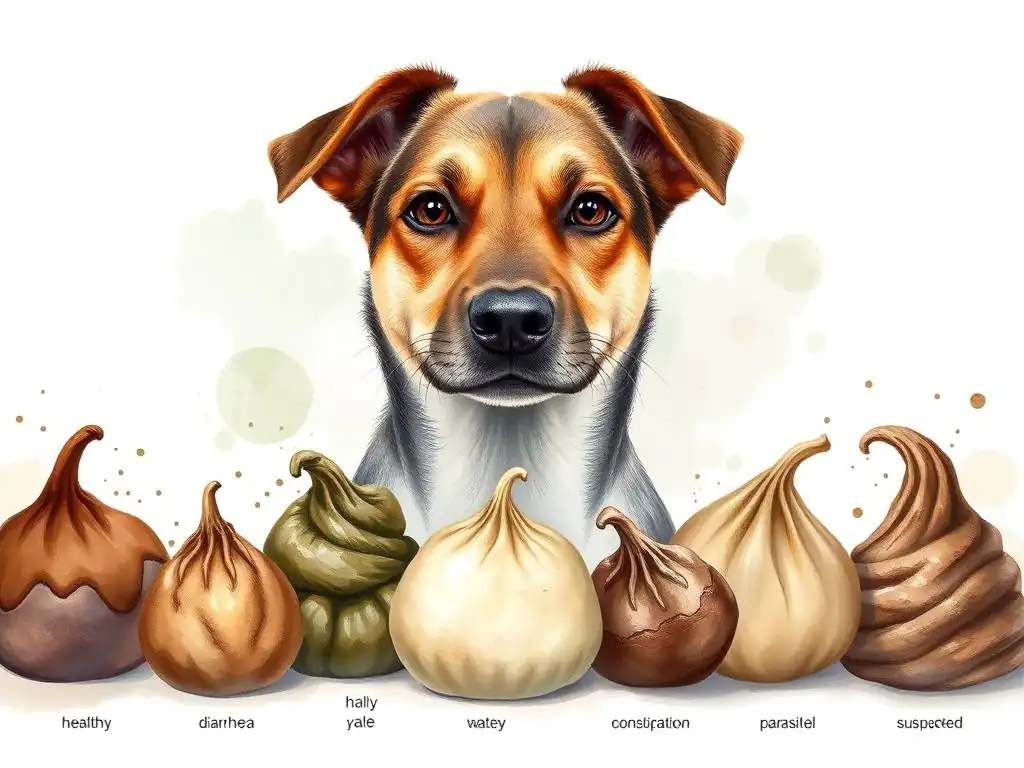
Switching your dog to a raw food diet can sometimes lead to changes in their bowel movements. While a healthy stool is typically firm, well-formed, and a brownish color, variations can occur. Understanding these variations is crucial for ensuring your canine companion remains happy and healthy.
This section provides a comprehensive guide to interpreting your dog's poop on a raw food diet, helping you identify potential problems and find effective solutions. Remember, consistent observation is key to recognizing any deviations from the norm and addressing them promptly. This guide focuses on common issues encountered with raw-fed dogs and offers practical solutions for a smoother transition and long-term digestive health.
Loose or Runny Stool: Causes and Solutions for Diarrhea in Diarrhea in Dogs on Raw Food
Loose or runny stool (diarrhea) is a common concern when transitioning to a raw food diet. Several factors can contribute to this, including:
- Sudden dietary changes: Introducing a new raw food diet too quickly can overwhelm your dog's digestive system. A gradual transition, slowly increasing the proportion of raw food over several weeks, is essential.
- Bacterial contamination: Raw food, if not handled properly, can harbor harmful bacteria like Salmonella or E. coli. Strict hygiene practices during food preparation and storage are paramount.
- Food sensitivities or intolerances: Certain ingredients in the raw food diet might not agree with your dog's digestive system. Common culprits include beef, chicken, dairy, or specific grains (if included). Identifying and eliminating these triggers is crucial.
- Insufficient digestive enzymes: Raw food requires adequate digestive enzymes for proper breakdown. Supplementation with digestive enzymes might be beneficial, especially during the transition phase.
- Parasites: Intestinal parasites can cause diarrhea. Regular fecal exams are recommended, especially when transitioning to a new diet.
Addressing diarrhea involves:
- Slowing down the transition: Gradually introduce raw food, mixing it with your dog's previous food over an extended period.
- Improving food handling: Maintain strict hygiene during food preparation, storage, and serving.
- Identifying and removing potential allergens: Keep a detailed food diary to pinpoint any ingredients causing adverse reactions. Consider an elimination diet guided by your veterinarian.
- Adding digestive enzymes: Consult your veterinarian to determine the appropriate dosage of digestive enzyme supplements.
- Veterinary consultation: If diarrhea persists despite these measures, consult your veterinarian to rule out underlying medical conditions or parasitic infections.
Hard or Constipated Stool: Addressing Constipation on a Raw Diet
While less common than diarrhea, constipation can also occur in dogs on a raw food diet. This could be due to:
- Insufficient water intake: Dehydration is a major contributor to constipation. Ensure your dog has access to fresh, clean water at all times.
- Lack of fiber: Raw food diets might lack sufficient fiber, hindering regular bowel movements. Adding fiber-rich vegetables like pumpkin or sweet potato (cooked) can help.
- Insufficient bone content: Bones provide essential nutrients and aid in digestion. Ensure your dog's raw food diet contains an appropriate amount of bone, but always supervise to prevent choking hazards.
- Underlying medical conditions: Constipation can also be a symptom of underlying health issues, such as megacolon or hypothyroidism.
Solutions for constipation include:
- Increasing water intake: Provide plenty of fresh water and consider adding bone broth to their diet.
- Adding fiber: Gradually introduce cooked, fiber-rich vegetables like pumpkin or sweet potato.
- Adjusting bone content: Ensure the bone content is appropriate for your dog's size and activity level. Consult with a veterinary nutritionist for personalized guidance.
- Veterinary examination: If constipation persists, consult your veterinarian to rule out any underlying medical conditions.
Changes in Stool Color and Odor: Interpreting Variations in Raw-Fed Dogs
The color and odor of your dog's stool can provide valuable insights into their digestive health. While the typical color for dogs on a raw food diet is a dark brown, variations can occur:
| Color | Possible Cause | Significance |
|---|---|---|
| Very Dark | High iron content (e.g., beef, liver) | Usually not a cause for concern. |
| Light Brown | Low iron content or digestive issues | Might indicate a problem; monitor and adjust diet. |
| Green | Presence of bile or certain vegetables (e.g., spinach) | Usually not a cause for concern unless accompanied by other symptoms. |
| Black | Presence of blood (digested) or certain supplements | Requires immediate veterinary attention. |
| Red | Presence of undigested blood | Requires immediate veterinary attention. |
Regarding odor, a slightly stronger odor than with commercial kibble is common with raw food. However, a foul or excessively pungent odor might indicate a problem, potentially related to bacterial overgrowth, food spoilage, or digestive issues. Always observe the overall consistency and any other changes in your dog’s behavior or appetite along with the stool color and odor. If you are concerned about any significant changes, consult your veterinarian. Remember, a proactive approach to monitoring your dog's poop is essential for maintaining their optimal health on a raw food diet. 🐶
Blood in Stool: When to Consult a Veterinarian for Raw-Fed Dogs
The presence of blood in your dog's stool, regardless of diet, is a serious concern and requires immediate veterinary attention. While a raw food diet can sometimes cause temporary digestive upset leading to slightly darker stools, bright red blood or dark, tarry stools (melena) indicate a potential problem that needs professional diagnosis. Several factors can contribute to blood in the stool of a raw-fed dog, and distinguishing between them is crucial for effective treatment.
One potential cause is intestinal irritation or inflammation. This could stem from the introduction of new raw ingredients, an ingredient your dog is sensitive to, or even bacterial contamination of the food itself. The severity of the irritation will determine the amount and appearance of blood. Minor irritation might lead to streaks of bright red blood, while more severe inflammation could result in darker blood mixed throughout the stool. Careful monitoring of your dog's diet and ingredient sourcing is vital in minimizing this risk. Always source your raw ingredients from reputable suppliers.
Another possibility is parasites. Even with a raw food diet, dogs can still contract intestinal parasites. These parasites can cause bleeding in the intestines, leading to blood in the stool. Regular fecal exams are recommended for dogs on any diet, but especially those consuming raw food, to detect and treat parasite infestations promptly. Early detection is key to preventing serious health complications. Remember, a healthy gut is essential for a healthy dog, regardless of its diet.
More serious concerns include inflammatory bowel disease (IBD), colitis, or even cancer. These conditions can cause significant bleeding in the gastrointestinal tract. The appearance of blood might be accompanied by other symptoms such as lethargy, vomiting, diarrhea, weight loss, or changes in appetite. It's vital to note that these conditions require professional veterinary diagnosis and treatment. Delaying veterinary care can lead to severe health consequences for your canine companion.
Finally, the presence of blood could also be related to anal gland issues. Anal gland problems can manifest as blood in the stool, often appearing as bright red blood on the outside of the stool. While less serious than internal bleeding, anal gland issues still require veterinary attention to prevent infection and discomfort. Regular anal gland expression by a veterinarian can help prevent these issues in some dogs.
Any instance of blood in your raw-fed dog's stool necessitates immediate veterinary consultation. Don't attempt to self-diagnose or treat the condition. Prompt veterinary intervention will help determine the underlying cause and ensure your dog receives appropriate and timely treatment. A thorough examination, including blood work and potentially fecal analysis, will guide the veterinarian in determining the best course of action. Remember, your dog's health is paramount, and seeking professional help is a sign of responsible pet ownership. 🐶
Optimizing Your Dog's Raw Food for Optimal Digestion
This section focuses on optimizing your dog's raw food diet to ensure healthy digestion and stool consistency. The key to success lies in understanding the nuances of raw feeding and tailoring the diet to your dog's individual needs. Remember, a well-balanced raw diet should result in firm, well-formed stools, not diarrhea or constipation. Let's delve into the details.
Choosing the Right Raw Food Diet for Your Dog's Needs
The type of raw food you choose significantly impacts your dog's digestion. Different dogs have different sensitivities and nutritional requirements. Factors such as age, breed, activity level, and pre-existing health conditions must be considered. For example, a highly active working dog will require a higher protein and fat content than a senior dog prone to pancreatitis.
Consider these aspects when choosing a raw food diet:
- Meat Sources: Variety is key! Include a mix of muscle meats (beef, chicken, turkey, lamb), organ meats (liver, kidney, heart – in moderation), and bone (ground or whole, depending on your dog's size and chewing ability). Avoid feeding exclusively one type of meat as this can lead to nutritional deficiencies.
- Bone Content: Bones provide calcium and other essential minerals. However, the proportion needs careful consideration. Too much bone can cause constipation, while too little can lead to mineral deficiencies. A good rule of thumb is to aim for approximately 10-20% bone content in the overall diet. Always supervise your dog while they are consuming bones to prevent choking hazards.
- Fruits and Vegetables: These add fiber and essential vitamins and minerals. Introduce them gradually to avoid digestive upset. Appropriate options include carrots, green beans, broccoli, blueberries, and apples (remove seeds and core).
- Supplements: While a well-balanced raw diet should provide most nutrients, some supplements might be necessary depending on your dog's specific needs. This is best determined through consultation with a veterinary nutritionist.
Remember, individual needs vary. What works for one dog might not work for another. Monitor your dog's stool consistency closely and adjust the diet as needed. A gradual introduction of new ingredients is crucial to minimize any potential digestive issues.
Gradual Transition to Raw Food: Minimizing Digestive Upset
Switching your dog from kibble to a raw food diet requires a gradual transition to avoid digestive upset. A sudden change can lead to diarrhea, vomiting, and other gastrointestinal problems. The transition period should take at least 7-10 days, ideally longer.
Here's a sample transition plan:
| Day | Kibble Percentage | Raw Food Percentage | Notes |
|---|---|---|---|
| 1 | 90% | 10% | Introduce a small amount of raw food. |
| 2-3 | 80% | 20% | Gradually increase the raw food portion. |
| 4-5 | 70% | 30% | Monitor stool consistency closely. |
| 6-7 | 60% | 40% | Continue monitoring. |
| 8-10 | 50% | 50% | Continue until fully transitioned. |
| 10+ | 0% | 100% | Observe for any digestive issues. |
Observe your dog closely during this period. Any signs of digestive distress, such as loose stools, vomiting, or lethargy, warrant a slower transition or a modification of the diet. Consult your veterinarian if concerns arise. This gradual approach helps your dog's digestive system adapt to the new diet, minimizing the risk of problems.
Supplementing Your Dog's Raw Diet for Healthy Digestion
While a well-balanced raw food diet provides most essential nutrients, certain supplements might enhance digestion and overall gut health. However, it's crucial to consult with a veterinary nutritionist before adding any supplements to your dog's diet. Over-supplementation can be harmful.
Some supplements that may be beneficial (after veterinary consultation) include:
- Probiotics: These beneficial bacteria help maintain a healthy gut microbiome, improving digestion and immunity. Look for high-quality probiotic blends specifically formulated for dogs.
- Prebiotics: These are non-digestible fibers that feed beneficial bacteria in the gut, promoting their growth and activity.
- Digestive Enzymes: These can aid in the breakdown of food, particularly for dogs with digestive sensitivities or pancreatic insufficiency.
- Pumpkin Puree (plain, canned): This is a natural source of fiber that can help regulate bowel movements and add bulk to the stool. Introduce gradually.
Remember, consistent monitoring of your dog's stool, coupled with a balanced diet and veterinary guidance, is crucial for optimal digestion on a raw food diet. The goal is to achieve firm, well-formed stools with minimal odor. 🐶
Hydration and Water Intake: Its Role in Healthy Raw Food Digestion
Proper hydration is paramount for optimal digestion, particularly when feeding your dog a raw food diet. Raw food, while highly nutritious, can be less hydrating than commercially prepared kibble. This is because kibble often contains added moisture, whereas raw meat and vegetables naturally contain less. Therefore, ensuring your canine companion drinks sufficient water is crucial for several reasons.
Firstly, adequate water intake aids in the breakdown and absorption of nutrients from the raw food. The digestive process requires water to facilitate enzymatic activity and the movement of food through the digestive tract. Without enough water, digestion becomes sluggish, leading to potential digestive upset and nutrient malabsorption. This can manifest as constipation, difficulty passing stools, or even diarrhea – all undesirable outcomes when aiming for optimal digestion on a raw diet.
Secondly, sufficient water helps to regulate the consistency of your dog's stool. Dehydration can lead to hard, dry stools that are difficult to pass, potentially causing straining and discomfort. Conversely, while diarrhea is often associated with too much water, it can also be a symptom of dehydration if the body is struggling to properly process the raw food due to a lack of sufficient hydration. The ideal stool should be firm but not hard, and easily passed without excessive straining.
Thirdly, water plays a vital role in flushing out waste products from the body. The kidneys rely on sufficient water intake to filter toxins and waste, and this is especially important when feeding a raw diet, as certain components might require more efficient filtering. A dehydrated dog may experience an increased build-up of toxins, potentially leading to health problems.
How much water is enough? This depends on several factors, including your dog's size, activity level, climate, and the specific composition of their raw food diet. Observe your dog's water consumption – a good indication is consistently moist nose and gums. If your dog seems lethargic or has dry stools, increase their water intake.
Consider offering fresh, clean water throughout the day in multiple locations, and adding a little low-sodium broth to their water bowl can also be appealing, especially in hot weather. Consult your veterinarian if you have concerns about your dog's hydration levels, particularly if you notice any significant changes in their water consumption or stool consistency. Remember, a well-hydrated dog is a happy and healthy dog, especially when thriving on a raw food diet. 🐶💧
Monitoring Your Dog's Digestive Health on Raw Food
Transitioning your canine companion to a raw food diet is a significant change, and monitoring their digestive health is crucial for ensuring a smooth and successful transition. A raw diet, while offering potential nutritional benefits, can initially cause digestive upset in some dogs. Careful observation of your dog's stool is key to identifying any potential problems and making necessary adjustments to their diet.
This section will detail how to effectively monitor your dog's digestive health, enabling you to provide optimal care and address any issues promptly. This guide will help you become proficient in interpreting your dog's poop, a vital skill for any owner committed to a raw food approach.
Keeping a Stool Diary: Tracking Consistency and Changes
Maintaining a detailed stool diary is paramount for understanding your dog's digestive response to the raw food diet. This involves noting several key characteristics daily, including:
- Frequency: How often does your dog defecate? Changes in frequency can indicate digestive issues.
- Consistency: Is the stool firm, soft, watery, or pasty? The ideal consistency is firm but not hard, resembling a well-formed sausage.
- Color: Healthy dog stool on a raw diet is typically brown, though variations in shade are normal depending on the ingredients. However, significant deviations (e.g., black, red, or bright green) warrant veterinary attention.
- Volume: Observe the amount of stool produced. Excessive or reduced volume can be indicative of underlying problems.
- Smell: While raw food stool might have a stronger odor than kibble-fed dogs, an excessively foul smell could suggest digestive upset or malabsorption.
- Presence of Undigested Food: Note if you observe significant amounts of undigested food particles in the stool. This could indicate issues with digestion or an inappropriate food balance.
Consider using a simple table to record this information:
| Date | Frequency | Consistency | Color | Volume (approx.) | Smell | Undigested Food? |
|---|---|---|---|---|---|---|
| Oct 26, 2023 | 2 | Firm | Dark Brown | Medium | Mild | No |
| Oct 27, 2023 | 1 | Soft | Light Brown | Small | Slightly Strong | Yes (small amount) |
Regularly reviewing your diary allows you to identify patterns and trends in your dog's bowel movements, facilitating proactive management of their digestive health. Remember, consistency is key; the more detailed your records, the more insightful your observations will be. Tracking these parameters proactively allows for early detection of potential problems, preventing them from escalating.
When to Seek Veterinary Attention for Digestive Issues
While some minor digestive adjustments are normal during the transition to a raw food diet, certain signs require immediate veterinary attention. These include:
- Persistent Diarrhea: Diarrhea lasting more than 24-48 hours is a serious concern and can lead to dehydration.
- Bloody Stool: The presence of blood in your dog's stool (hematochezia) is a significant warning sign requiring immediate veterinary assessment.
- Severe Vomiting: Repeated or forceful vomiting, especially if accompanied by other symptoms, necessitates veterinary intervention.
- Lethargy and Loss of Appetite: These symptoms, coupled with digestive issues, could indicate a more serious underlying problem.
- Significant Weight Loss: Unintentional weight loss alongside digestive problems requires prompt veterinary examination.
- Severe Abdominal Pain: If your dog exhibits signs of significant abdominal pain (e.g., guarding its abdomen, whining), seek veterinary care immediately.
Don't hesitate to contact your veterinarian if you observe any of these warning signs. Early intervention is crucial in preventing complications and ensuring your dog's well-being. Remember, prevention is always better than cure, especially when it comes to your pet's health. A proactive approach, including regular monitoring and prompt veterinary consultation when necessary, is essential for successful management of your dog's digestive health on a raw food diet.
Understanding Your Dog's Individual Needs and Adjustments
Every dog is unique, and what works for one may not work for another. The optimal raw food diet for your dog will depend on factors such as age, breed, activity level, and individual sensitivities. If you observe persistent digestive issues, such as loose stools or undigested food in the stool, consider the following adjustments:
- Ingredient Changes: Experiment with different protein sources (e.g., chicken, beef, turkey, lamb) or adjust the ratio of protein to other ingredients.
- Supplement Review: Ensure your dog is receiving appropriate supplements, such as probiotics, to support gut health. Consult with your veterinarian or a veterinary nutritionist for personalized recommendations.
- Food Preparation: Ensure the food is properly prepared and stored to prevent bacterial contamination.
- Gradual Transition: If you're transitioning your dog to a raw diet, do so gradually to minimize digestive upset.
- Portion Control: Adjust the portion size to match your dog's individual needs and activity level. Overfeeding can contribute to digestive problems.
Remember, patience and observation are key. It may take time to find the perfect balance for your dog's dietary needs. By carefully monitoring their stool and making adjustments as needed, you can help ensure a healthy and happy digestive system for your furry friend. Don't hesitate to seek professional guidance from a veterinary nutritionist for personalized advice on optimizing your dog's raw food diet. This will allow you to confidently provide the best nutrition possible, promoting their overall well-being.
Frequently Asked Questions
What changes in my dog's poop should I expect when switching to a raw food diet?
Initially, you might see changes in stool consistency, perhaps becoming firmer or softer. The frequency might also adjust. Observe for a week or two to see a pattern.
Is it normal for my dog's raw food poop to be smelly?
Yes, raw food poop often has a stronger odor than kibble-fed dogs due to higher protein content and less processed ingredients. However, excessively foul odor could indicate a problem; consult your vet.
How can I tell if my dog's raw food poop is healthy?
Healthy raw food poop is usually firm, well-formed, and relatively easy to pick up. It should be dark brown in color, and the consistency should be log-like, not runny or extremely hard.
My dog's poop is loose after starting raw food. What should I do?
Loose stool can be due to diet transition, ingredient sensitivities, or imbalances. Gradually introduce the new diet, ensure proper balance of nutrients, and consider adding probiotics. If it persists, consult your vet.
How often should I expect to clean up my dog's poop on a raw food diet?
The frequency depends on your dog’s size and diet, but it's unlikely to change dramatically. Be diligent about cleaning up waste promptly to maintain hygiene, especially given the potential for stronger odor.
Final Reflection: Decoding the Canine Clues in Raw Food Poop
Understanding your dog's stool on a raw food diet is not just about managing messes; it's a window into their overall health and well-being. A seemingly small change in consistency, color, or frequency can signal a significant shift in their digestive process and nutritional intake. This knowledge empowers responsible pet ownership, allowing for proactive adjustments to maintain optimal canine health.
The transition to a raw food diet often involves a period of adjustment, both for the dog and the owner. Learning to interpret the signals your dog's poop provides is a crucial part of this journey. It's a fascinating process of observation and understanding, a deepening of the bond between human and animal. The dog is the only creature on earth who loves you more than he loves himself.
– Josh Billings. This quote highlights the inherent responsibility we have to understand and care for our canine companions, and understanding their digestive health is a significant part of that responsibility.
Now, consider your own dog. Have you noticed any changes in their stool since switching to raw food? Take some time to reflect on this journey. Don't just passively observe; actively engage with the information presented in this guide. Keep a detailed record of your dog's bowel movements, noting any changes in consistency, color, or frequency. This proactive approach will not only help you maintain your dog's health but also deepen your understanding of their unique needs and preferences. Remember, every poop provides valuable insights into your furry friend's well-being.
Unlock Your Dog's Digestive Secrets!
Thank you for learning about raw food and canine digestion! You've gained valuable insights into understanding your dog's bowel movements and ensuring their gut health. Ready to apply this knowledge?
- Create a balanced raw food diet for your dog. Consider your dog's age, breed, activity level, and any specific dietary needs when choosing recipes. This will ensure they receive optimal nutrition.
- Share your experiences with raw feeding (and your observations about your dog's stool!) with other PetCareWorld members in our active online community. Let's learn from each other!
- Keep a simple journal of your dog's bowel movements for a week. Note any changes in consistency, color, or frequency—you might be surprised by what you learn!
What small step will you take today to better understand your dog's digestive health?