
Summer Road Trip Essentials for Dogs: Packing and Travel Checklist

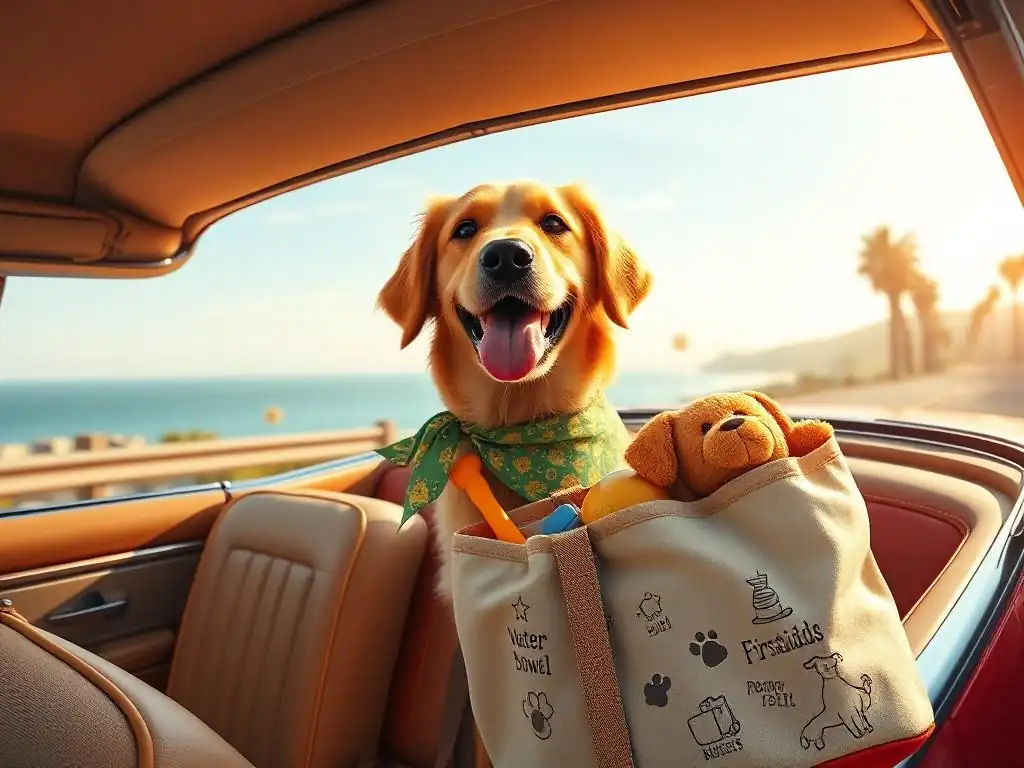
Welcome to PetCareWorld, your ultimate guide to a happier, healthier life for your beloved pets! Are you dreaming of a summer road trip with your furry best friend? Then you've come to the right place. Our comprehensive Dog road trip packing checklist ensures a safe and enjoyable adventure for both of you. Discover essential tips and tricks to make your journey smooth sailing – and learn what you absolutely cannot leave behind! Let's get started on planning the perfect getaway.
- Planning Your Dog's Summer Road Trip: Key Considerations
-
Essential Dog Road Trip Packing Checklist: Supplies and Gear
- Food and Water: Bowls, Storage, and Portioning for the Journey
- Medications and First-Aid Kit for Canine Emergencies on the Road
- Comfort Items: Bed, Toys, and Familiar Scents for Anxiety Reduction
- Travel Documents and Identification: Microchip Details and Veterinary Information
- Waste Bags and Cleanup Supplies: Maintaining Road Trip Hygiene
- Keeping Your Dog Safe and Secure During Travel
- Summer Road Trip Safety Tips for Dogs
- Post-Road Trip Care for Your Dog
-
Frequently Asked Questions
- What are the essential items for a dog's first road trip?
- How much food and water should I bring for my dog on a road trip?
- What are some important safety considerations for dogs traveling in cars?
- What are some fun activities to do with my dog during a road trip?
- What should I do if my dog gets car sick during a road trip?
- Final Reflection: The Open Road Awaits: Ensuring a Paw-some Journey
- Unleash the Adventure: Plan Your Pup's Perfect Road Trip!
Planning Your Dog's Summer Road Trip: Key Considerations
Summer road trips are a fantastic way to create lasting memories with your canine companion. However, ensuring a safe and enjoyable journey for your furry friend requires careful planning and preparation. This comprehensive guide provides a detailed dog road trip packing checklist and essential tips to guarantee a stress-free adventure for both you and your dog.
We'll cover everything from assessing your dog's suitability for travel to choosing the right vehicle and planning a route that caters to your pet's needs. Remember, a well-planned trip minimizes risks and maximizes the fun, leading to a memorable summer vacation for you and your beloved dog. This checklist focuses on the keyword "Dog road trip packing checklist" and provides essential information for a successful and safe journey.
Assessing Your Dog's Travel Suitability: Breed, Age, and Health
Before embarking on any road trip, it's crucial to evaluate your dog's suitability for travel. Certain breeds are better suited to long journeys than others. Brachycephalic breeds (those with short noses like Bulldogs or Pugs) are more prone to respiratory issues in hot cars, making long drives potentially dangerous. Older dogs or those with pre-existing health conditions may also require additional care and consideration.
It's vital to consult your veterinarian before a long car journey, especially if your dog has any underlying health problems. They can provide advice on necessary medications, potential risks, and recommend any specific precautions you should take. For example, your vet might suggest bringing extra water and electrolytes for dogs prone to dehydration, or recommend a specific type of travel harness for dogs with joint issues. Remember, your dog's well-being is paramount; prioritizing their health ensures a safe and enjoyable trip for everyone.
Choosing the Right Vehicle for a Comfortable Dog Road Trip
The type of vehicle you choose significantly impacts your dog's comfort and safety during the road trip. Larger SUVs or minivans offer more space for your dog to move around, reducing the risk of confinement stress. Consider using a dog car seat, carrier, or crate to secure your dog and prevent them from jumping around during the drive. This is not only for their safety but also for your own, minimizing distractions and ensuring a safer driving experience.
Proper ventilation is crucial, especially during warmer months. Ensure adequate airflow in your vehicle to prevent overheating. Never leave your dog unattended in a parked car, even for short periods, as temperatures can rise rapidly, leading to heatstroke. Choosing a vehicle with good air conditioning is essential for long-distance travel, particularly in hot climates. The comfort and safety of your furry friend should be the primary factor in selecting your mode of transportation.
Mapping Your Route: Rest Stops and Pet-Friendly Destinations
Planning your route involves more than just selecting the shortest distance. You need to identify regular rest stops where your dog can stretch their legs, relieve themselves, and get some fresh water. Furthermore, research pet-friendly destinations along your route. This might include hotels, restaurants, or parks that welcome dogs, allowing for breaks and enjoyable experiences for both you and your pet.
Consider the duration of driving segments between rest stops. Frequent breaks are necessary, especially for puppies or senior dogs. Don't underestimate the importance of these stops – they contribute significantly to your dog's overall comfort and well-being throughout the journey. A well-planned route with frequent, dog-friendly stops will make the entire trip much more enjoyable and less stressful for your canine companion. Remember to pack plenty of water and consider bringing portable bowls for easy hydration at rest stops.
Essential Dog Road Trip Packing Checklist: Supplies and Gear
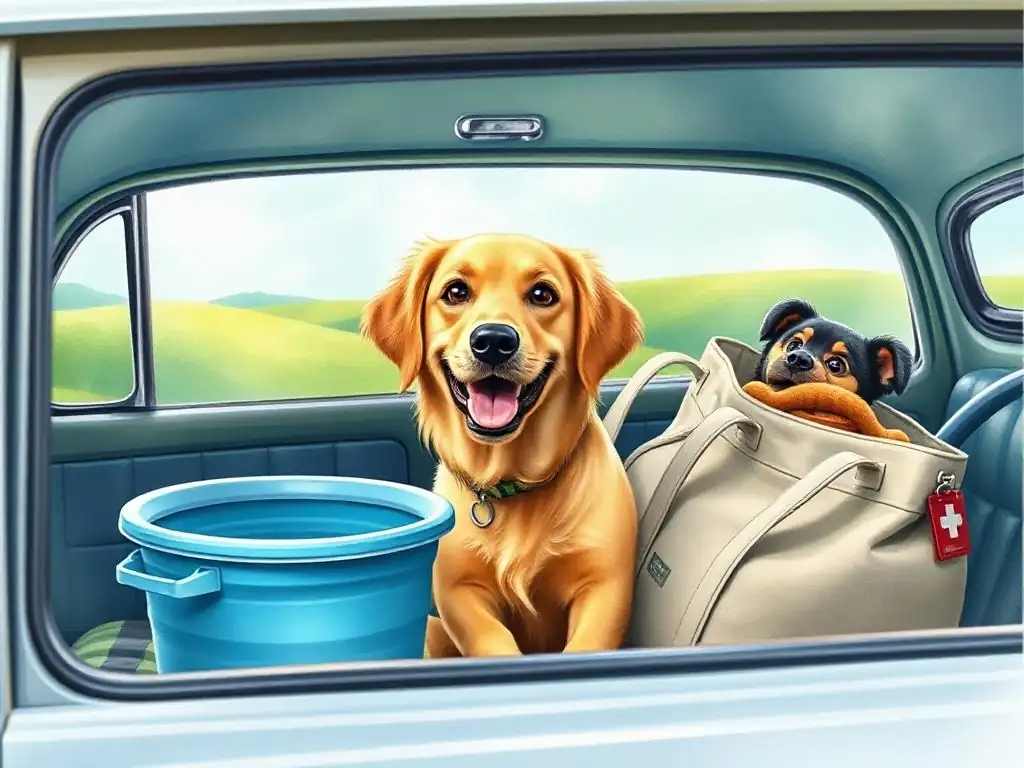
This section details the crucial supplies and gear you'll need for a safe and comfortable dog road trip. Remember, preparation is key to a stress-free journey for both you and your furry friend. Thorough planning minimizes potential problems and ensures your canine companion enjoys the adventure as much as you do. This checklist focuses on the "dog road trip packing checklist" essentials, covering everything from sustenance to soothing comforts.
Food and Water: Bowls, Storage, and Portioning for the Journey
Proper food and water management is paramount during a dog road trip. Dehydration and inconsistent feeding can lead to discomfort and even illness. Plan carefully to ensure your dog remains well-hydrated and nourished throughout the trip.
Here's a breakdown:
- Food: Pack enough food for the entire journey, plus a little extra for unforeseen delays. Consider using airtight, resealable containers to maintain freshness and prevent spills. For longer trips, pre-portioning food into individual bags or containers simplifies feeding and reduces mess.
- Water: Carry plenty of fresh water. A large, durable water bowl is essential. Consider a collapsible bowl for space-saving purposes. Refill the water frequently, especially in hot weather. Adding ice cubes to the water can help keep it cool longer.
- Storage: Choose food and water containers that are leak-proof and easy to clean. Think about using coolers to keep food fresh, especially perishable items.
- Portioning: Pre-portioning your dog's food into daily or meal-sized portions eliminates the need for measuring during the trip. This is particularly beneficial if you're traveling with multiple dogs or have a precise feeding schedule.
Medications and First-Aid Kit for Canine Emergencies on the Road
A well-stocked first-aid kit is a crucial part of any dog road trip packing checklist. Unexpected situations can arise, and being prepared can make all the difference in a medical emergency.
This kit should include:
- Your dog's regular medications: Ensure you have enough medication for the entire trip, plus a few extra days' worth in case of delays. Store medications in a cool, dry place, following the instructions on the label.
- Basic first-aid supplies: This might include antiseptic wipes, gauze pads, bandages, vet wrap, tweezers, and a thermometer.
- Emergency contact information: Keep a list of your veterinarian's contact information, as well as the phone numbers for local emergency veterinary clinics along your planned route.
- Copies of your dog's medical records: This is vital information in case of an emergency. Consider carrying a digital copy on your phone and a printed copy in a waterproof bag.
- Motion sickness medication: If your dog suffers from car sickness, consult your veterinarian about appropriate medication to prevent vomiting and discomfort during the journey.
Comfort Items: Bed, Toys, and Familiar Scents for Anxiety Reduction
A comfortable and familiar environment can significantly reduce your dog's anxiety during a road trip. Packing familiar items can help ease stress and promote relaxation.
Consider including:
- Familiar bedding: A comfortable dog bed or blanket provides a sense of security and comfort, especially in unfamiliar surroundings. A familiar blanket or towel can also help.
- Favorite toys: Packing a few of your dog's favorite toys provides entertainment and distraction during the journey. Choose durable toys that can withstand travel. Rotate toys regularly to keep your dog engaged.
- Familiar scents: A familiar toy or blanket with your scent can provide comfort and security, especially for anxious dogs.
- Travel harness and leash: A well-fitting harness and leash are essential for safe walks and outings during stops. Ensure they're comfortable and secure.
- Poop bags: Essential for responsible pet ownership, regardless of the destination. Pack plenty! 🐕🦺
Remember, this checklist is a starting point. Adjust it to meet your dog’s specific needs and the length and nature of your road trip. A little extra planning goes a long way in ensuring a safe and enjoyable journey for both you and your beloved canine companion.
Travel Documents and Identification: Microchip Details and Veterinary Information

Ensuring your canine companion's safety and swift identification during your summer road trip is paramount. A comprehensive travel document kit should be a top priority in your "dog road trip packing checklist". This isn't just about having your dog's adorable photo; it's about preparedness. Begin by confirming your dog's microchip details are up-to-date. Check the registration information with your vet or the microchip company. Outdated information renders the chip useless in a lost pet scenario. Keep a copy of this information readily accessible, perhaps in a waterproof zip-top bag within your travel documents.
Beyond the microchip information, include your veterinarian's contact details, including their phone number, address, and email. This is crucial if your dog requires emergency veterinary care during your trip. Consider also including a recent photo of your dog; a clear, current image significantly increases the chances of a successful reunion if they get lost. Finally, a copy of your dog's vaccination records, particularly those for rabies, is essential.
Some states or regions may require these for entry or boarding, and they are also valuable in case of emergency treatment. Remember, proactive preparation is key to a safe and stress-free road trip for both you and your furry friend. Don't underestimate the importance of readily available, accurate documentation. It can be the difference between a quick reunion and a prolonged search.
Waste Bags and Cleanup Supplies: Maintaining Road Trip Hygiene
Maintaining cleanliness during your dog road trip is not just about courtesy; it's about responsible pet ownership and preventing potential hazards. A dedicated section of your "dog road trip packing checklist" should focus on waste disposal. Pack plenty of waste bags – biodegradable ones are ideal for environmental responsibility. Aim for at least one bag per walk, plus a few extra for unexpected situations. Don't forget to bring a small, sturdy container or bag to store used waste bags until you can properly dispose of them. This prevents unpleasant smells and accidental spills in your vehicle.
Beyond waste bags, consider including some disinfecting wipes or a small spray bottle with a pet-safe disinfectant. These are invaluable for cleaning up any unexpected messes, such as muddy paw prints or accidental spills. A small hand sanitizer is also a helpful addition for maintaining hygiene after handling waste. Remember, responsible waste disposal is crucial for the environment and for the enjoyment of your fellow travelers. Planning ahead with sufficient supplies ensures a clean and comfortable road trip for everyone, human and canine alike. Pack smart and enjoy a stress-free journey! 🐶
Keeping Your Dog Safe and Secure During Travel
This section focuses on ensuring your canine companion's safety and comfort throughout your summer road trip. Proper planning and preparation are crucial for a stress-free journey for both you and your furry friend. Remember, a well-prepared dog road trip packing checklist is your best friend! We'll delve into specific strategies to minimize risks and maximize enjoyment.
Car Safety: Harnesses, Carriers, and Preventing Distracted Driving
Ensuring your dog's safety in the car is paramount. Never let your dog ride unrestrained; this is not only dangerous for your dog but also illegal in many areas. The force of a sudden stop or accident could seriously injure or even kill your pet. Instead, invest in appropriate safety equipment.
- Harnesses: A well-fitting dog car harness is essential. Avoid harnesses that attach to the collar, as these can cause serious neck injuries in a collision. Opt for harnesses that securely attach to your car's seatbelt system. Look for harnesses specifically designed for car travel, often featuring sturdy straps and secure buckles. Consider the size and breed of your dog when selecting a harness, ensuring a snug but comfortable fit.
- Carriers: For smaller dogs, a sturdy, well-ventilated carrier is an excellent option. Choose a carrier that is appropriately sized for your dog, allowing them to stand, turn around, and lie down comfortably. Secure the carrier to the car's seat using a seatbelt or other restraint system. This method provides an extra layer of safety and prevents your dog from moving around freely, which can be distracting to the driver.
- Preventing Distracted Driving: A happy, well-behaved dog is less likely to be a distraction. However, even the most well-trained dogs can become restless during long journeys. To minimize distractions, consider the following:
- Pack engaging toys and chews to keep your dog occupied.
- Plan regular stops to allow your dog to stretch their legs and relieve themselves.
- Avoid feeding your dog large meals immediately before or during the drive, as this can increase the likelihood of car sickness.
- Never allow your dog to sit on your lap while driving. This is incredibly dangerous for both you and your dog.
Remember, a safe and secure travel environment for your dog is a responsibility, not an option. Prioritizing your dog's safety will contribute to a more enjoyable road trip for everyone.
Regular Breaks and Exercise Stops: Preventing Boredom and Overheating
Long periods of confinement in a car can lead to boredom, stress, and even overheating in dogs, especially during the summer months. Regular breaks are crucial for your dog's physical and mental well-being. Plan your route to include frequent stops, aiming for at least one break every two to three hours, or more frequently if necessary.
These stops should provide your dog with opportunities for:
- Exercise: Allow your dog to stretch their legs and run around in a safe, enclosed area. Avoid letting them off-leash in unfamiliar environments.
- Hydration: Provide fresh water regularly, especially during hot weather. Consider bringing a portable water bowl.
- Elimination: Give your dog ample time to relieve themselves.
- Mental Stimulation: Engage your dog with simple games or short training sessions to prevent boredom.
During these breaks, monitor your dog closely for signs of overheating, such as excessive panting, drooling, or lethargy. If you notice any of these symptoms, seek shade immediately and provide cool water. Remember, a happy dog is a safer dog, and regular breaks significantly contribute to a positive road trip experience. Proper planning and attention to your dog's needs are key components of a successful dog road trip packing checklist.
Managing Car Sickness and Motion Sickness in Dogs
Car sickness, or motion sickness, is a common problem in dogs, especially during long car journeys. Symptoms can include drooling, vomiting, restlessness, and whining. Several strategies can help minimize or prevent car sickness:
- Dietary Adjustments: Avoid feeding your dog a large meal immediately before or during the drive. Smaller, lighter meals several hours before departure are preferable.
- Medication: Consult your veterinarian about anti-nausea medication specifically designed for dogs. They can advise on appropriate dosages and potential side effects.
- Travel Position: Some dogs are less prone to motion sickness if positioned in a specific area of the car. Experiment to find what works best for your dog. Often, a position with a clear view can help.
- Ventilation: Ensure adequate ventilation in the car to prevent feelings of claustrophobia and nausea. Fresh air can significantly alleviate symptoms for some dogs.
- Acclimatization: If your dog is prone to car sickness, gradually acclimate them to car rides by starting with short trips and gradually increasing the duration.
Addressing car sickness proactively is crucial for a comfortable journey. Remember to consult your veterinarian for personalized advice and to rule out any underlying medical conditions that might be contributing to the problem. A well-executed dog road trip packing checklist includes provisions for managing potential car sickness.
Emergency Contacts and Veterinary Services Along Your Route
Planning for unforeseen circumstances is crucial when embarking on a dog road trip. Having readily accessible emergency contacts and knowing the locations of veterinary services along your planned route could be lifesaving. Don't simply rely on your phone's GPS; cell service can be unreliable in many areas. Print out a physical list of emergency numbers and veterinary clinics, including their addresses and phone numbers. This list should include your personal veterinarian's contact information, as well as the emergency veterinary services in your home city and any planned overnight stops.
Consider using a dedicated pet travel app or website that provides a directory of veterinary clinics and emergency services. Many such resources allow you to search by location, ensuring you can find help quickly, regardless of where you are. Remember to check the operating hours of any clinic you plan to include; some may have limited hours, especially on weekends or holidays.
Beyond veterinary care, your emergency contact list should also include a trusted friend or family member who is aware of your travel plans and can be reached in case of an emergency. Provide them with detailed itinerary information, including planned overnight stays and estimated arrival times at your destination. This contact person can act as a crucial link between you and home in the event of a mishap. Ensure that your emergency contact person has access to the necessary information to contact you and your veterinarian, if needed.
Including their details alongside the veterinary information in a physical list will ensure you can access them even without cell service. Remember, preparation is key to ensuring a safe and enjoyable road trip for you and your furry friend. Having a detailed plan for emergencies can help alleviate stress and ensure your dog's well-being.
Summer Road Trip Safety Tips for Dogs
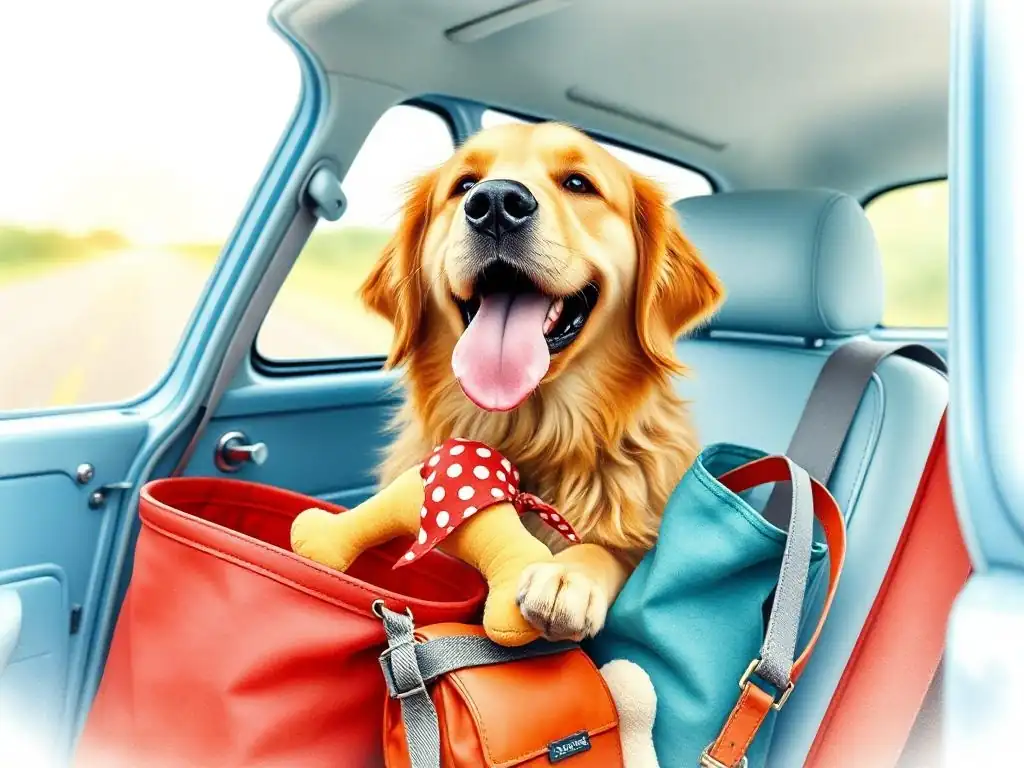
This section focuses on crucial safety measures to ensure your canine companion enjoys a comfortable and hazard-free summer road trip. Remember, a well-planned journey minimizes risks and maximizes the fun for both you and your furry friend. Proper preparation is key to a successful and safe dog road trip packing checklist.
Protecting Your Dog from Heatstroke During Summer Travel
Heatstroke is a serious, even life-threatening condition for dogs, especially during summer travel. Dogs don't sweat like humans; they regulate their body temperature through panting. In hot cars or under intense sun, this mechanism can fail, leading to dangerously high body temperatures. Prevention is paramount.
Here's how to mitigate the risk:
- Never leave your dog unattended in a parked car, even for a few minutes. Temperatures inside a vehicle can rise rapidly, even on mildly warm days. The interior of a car can become a deadly oven in minutes.
- Plan your route carefully, avoiding peak sun hours whenever possible. Schedule stops for breaks in shaded areas or air-conditioned locations.
- Monitor your dog closely for signs of heatstroke, such as excessive panting, drooling, weakness, vomiting, or disorientation. If you notice any of these symptoms, immediately seek veterinary attention.
- Provide ample shade and ventilation during stops. Consider bringing a portable dog tent or using a large umbrella for shade.
- Consider a cooling vest or mat for your dog, especially for breeds prone to overheating. These products can help regulate their body temperature. Ensure proper fitting and use as instructed.
Preventing Parasites and Tick-Borne Illnesses
Summer travel exposes your dog to a wider range of parasites and ticks than usual. These tiny creatures can transmit diseases that can seriously impact your pet's health. Proactive measures are essential for a healthy and happy road trip.
- Administer preventative medications: Before your trip, consult your veterinarian about appropriate flea, tick, and heartworm preventatives. These medications can significantly reduce the risk of infestation and disease transmission. Remember to follow the veterinarian's recommendations precisely.
- Regularly check your dog for ticks: After each stop, carefully examine your dog's fur for ticks. Remove any ticks you find promptly using a tick removal tool.
- Use a tick and flea repellent: Apply a veterinarian-recommended repellent to your dog's fur, following the product instructions meticulously. Remember, not all repellents are suitable for all breeds.
- Keep your dog on a leash: This will help prevent them from venturing into tall grass or wooded areas where ticks are more prevalent. Control is key to preventing exposure.
- Clean your dog thoroughly after your trip: A good bath with a pet-safe shampoo can help remove any lingering parasites.
Staying Hydrated: Ensuring Sufficient Water Intake for Your Dog
Dehydration is a significant concern during long road trips, especially in hot weather. Dogs can quickly become dehydrated, leading to fatigue, heatstroke, and other health problems. Maintaining adequate hydration is crucial.
- Pack plenty of fresh water: Bring more water than you think you'll need. Dehydration can occur rapidly, especially during strenuous activity or hot weather.
- Use a portable water bowl: A collapsible or spill-proof bowl is ideal for travel. Ensure it is easy to clean and refill.
- Offer water frequently: Stop regularly to allow your dog to drink plenty of water. Don't wait until your dog shows signs of thirst.
- Consider adding electrolytes: Electrolyte supplements can help replace essential minerals lost through sweating and panting, particularly on hot days or after intense activity. Consult your vet before adding electrolytes to your dog's water.
- Monitor your dog's urine: Dark yellow or infrequent urination is a sign of dehydration. If you notice these symptoms, increase water intake immediately. Regular monitoring is crucial.
Remember, a safe and enjoyable road trip requires careful planning and attention to detail. By following these tips, you can ensure your dog's well-being and create lasting memories together. A well-prepared dog road trip packing checklist is your best ally for a stress-free journey. 🐶
Dealing with Unexpected Situations: Lost Dogs and Emergency Procedures
Summer road trips, while exciting for you and your canine companion, can present unforeseen challenges. Knowing how to handle unexpected situations, particularly those involving a lost dog, is crucial for a safe and enjoyable journey. Preparation is key; a proactive approach significantly reduces the risk and improves your chances of a swift and successful reunion should your furry friend go missing.
One of the most significant concerns during a road trip is the possibility of your dog getting lost. Even the most well-trained dogs can be startled by unfamiliar sights and sounds, leading them to bolt. To mitigate this risk, always keep your dog on a leash when outside the car, especially in unfamiliar areas.
Consider investing in a sturdy, well-fitting harness and a reliable leash, avoiding retractable leashes which can malfunction and allow your dog to escape. Regularly check your dog's collar to ensure the ID tags are securely fastened and that the information is up-to-date, including your current contact details and any relevant medical information. Microchipping is also highly recommended, as it provides a permanent form of identification that is less likely to be lost or damaged.
Beyond preventative measures, having a plan in place for handling a lost dog is essential. Before you embark on your journey, familiarize yourself with the local animal shelters and veterinary clinics along your planned route. Take note of their contact details and operating hours.
Download a pet recovery app to your phone – many apps allow you to create a profile for your dog, including photos and contact information, which can be easily shared if needed. Consider creating a "lost dog" poster with a clear photograph of your dog, your contact information, and the location where your dog was last seen. This poster can be invaluable if you need to distribute it quickly in the event of your dog going missing.
In the unfortunate event that your dog does get lost, act swiftly and decisively. Immediately begin searching the immediate vicinity, calling your dog's name calmly and reassuringly. Don't panic, as your dog will likely pick up on your stress levels. Contact local animal shelters, veterinary clinics, and pet recovery services. Post about your missing dog on social media platforms, including local community groups and lost pet pages.
Share your dog's picture and description widely, providing as much detail as possible, including any distinguishing features. Consider offering a reward for the safe return of your dog; this can incentivize people to help in the search. Remember to remain persistent and hopeful throughout the search process. A coordinated effort, combining your immediate search with outreach to local resources, significantly increases the chance of a successful reunion. The quicker you act, the better the chances of finding your beloved companion.
Remember, preparedness is paramount. A well-thought-out plan, coupled with proactive measures, can significantly reduce the chances of facing a lost dog situation and help ensure a safe and memorable road trip for both you and your furry friend. 🐶👍
Post-Road Trip Care for Your Dog
After a fun-filled summer road trip with your canine companion, it's crucial to dedicate time to their post-travel care. A long journey can be tiring and potentially stressful for dogs, so ensuring their well-being after the adventure is paramount. This section details essential steps to help your furry friend readjust and recover from the excitement of the open road. Proper post-trip care is a key component of responsible dog ownership and contributes significantly to their overall health and happiness. Remember, a happy dog makes for a happy owner!
Immediately upon arriving home, thoroughly examine your dog for any injuries sustained during the road trip. Even seemingly minor scrapes or cuts can become infected if left untreated. Look for:
- Lacerations or abrasions: Check paws, legs, and body for any cuts or scrapes. Clean these gently with mild soap and water, and apply a pet-safe antiseptic if necessary. For deeper wounds, consult a veterinarian immediately.
- Signs of heatstroke: Heatstroke is a serious concern during summer travels. Monitor for excessive panting, lethargy, weakness, vomiting, or diarrhea. If you suspect heatstroke, seek immediate veterinary attention. This is a life-threatening condition, requiring prompt action.
- Ear infections: The wind and dust encountered during a road trip can irritate a dog's ears, leading to infections. Check for redness, swelling, or discharge. Clean ears gently with a pet-safe ear cleaner if needed, but avoid inserting anything deep into the ear canal. Consult your vet if you notice any abnormalities.
- Dehydration: Dehydration is another common travel-related issue. Ensure your dog has access to plenty of fresh water upon arrival and throughout the following days. Monitor their urine output – darker urine indicates dehydration.
A comprehensive post-trip check-up helps prevent minor issues from escalating into major health problems. Early detection and treatment are key to ensuring your dog's continued well-being. Remember, prevention is always better than cure when it comes to your dog's health. Consider keeping a small first-aid kit specifically for your dog in your car for emergencies during future trips.
Re-establishing Routine and Addressing Potential Anxiety
Returning home after a road trip can be disorienting for dogs. Their established routines have been disrupted, potentially leading to anxiety or behavioral changes. Gradual re-establishment of their normal schedule is crucial for their emotional well-being. This process of readjustment is important for maintaining a calm and predictable environment.
- Consistent feeding and walking schedules: Resume your dog's regular feeding and walking schedule as soon as possible. This provides comfort and stability.
- Designated sleeping area: Ensure your dog has access to their usual sleeping area, providing a sense of familiarity and security.
- Quiet time and relaxation: Allow your dog ample time to rest and relax after the journey. Avoid overwhelming them with excessive activity or social interaction immediately upon returning home.
- Addressing anxiety: If your dog exhibits signs of anxiety, such as excessive barking, pacing, or hiding, consult with a veterinarian or a certified dog behaviorist. They can provide guidance on appropriate calming techniques and strategies. Consider using calming aids such as pheromone diffusers or calming treats, but always consult with your vet before using any new product.
Reintegrating your dog into their normal routine smoothly minimizes the disruption caused by the trip and promotes a sense of security and normalcy. Patience and understanding are key during this transition period. Remember, every dog reacts differently to travel, and some may require more time to adjust than others.
Cleaning and Maintaining Your Dog's Travel Gear
Maintaining your dog's travel gear is essential for hygiene and longevity. Cleaning items after each trip prevents the buildup of dirt, bacteria, and unpleasant odors. This also safeguards your dog's health and ensures the continued usability of the equipment.
- Dog beds and blankets: Wash dog beds and blankets in the washing machine using a pet-safe detergent. Air dry thoroughly to prevent mildew.
- Carriers and crates: Clean carriers and crates using a pet-safe disinfectant. Allow to dry completely before storing.
- Harnesses and leashes: Spot clean harnesses and leashes with a damp cloth and mild soap. Allow to air dry completely.
- Food and water bowls: Wash food and water bowls with hot, soapy water to remove any remaining food particles.
Regular cleaning and maintenance of your dog's travel gear extends its lifespan and helps maintain a clean and healthy travel environment for your furry friend. Proper maintenance also contributes to a more enjoyable experience for both you and your dog during future trips. Consider creating a dedicated cleaning schedule for your dog's travel items to ensure consistent hygiene.
Frequently Asked Questions
What are the essential items for a dog's first road trip?
For a dog's first road trip, pack food and water bowls, a comfortable bed or carrier, and plenty of fresh water. Don't forget their leash, collar, and ID tags.
How much food and water should I bring for my dog on a road trip?
Pack more food and water than you think you'll need. Consider your dog's size and the length of the trip. Replenish supplies at pet-friendly stops along the way.
What are some important safety considerations for dogs traveling in cars?
Secure your dog in a crate or with a harness and seatbelt. Never let them ride unrestrained. Plan for regular potty breaks and ensure adequate ventilation in the vehicle.
What are some fun activities to do with my dog during a road trip?
Bring along interactive toys to keep your dog entertained. Plan stops at dog parks or pet-friendly trails for exercise and socialization. Remember to prioritize your dog's comfort and safety.
What should I do if my dog gets car sick during a road trip?
Consult your veterinarian for advice on medication or dietary changes. Pack cleaning supplies for accidents. Try to plan shorter driving segments to reduce stress and potential for sickness.
Final Reflection: The Open Road Awaits: Ensuring a Paw-some Journey
The joy of a summer road trip is undeniably amplified by the presence of our canine companions, but ensuring their safety and comfort requires careful planning. A well-prepared pet parent can transform a potentially stressful journey into an unforgettable adventure for both human and furry friend. This checklist isn't just about packing; it's about prioritizing the well-being of our beloved travel buddies.
The impact of responsible pet ownership extends far beyond the confines of our homes. Our choices directly influence the experiences of our animals, shaping their perception of the world and impacting their overall quality of life. A dog is the only thing on earth that loves you more than he loves himself.
– Josh Billings. This simple quote speaks volumes about the responsibility we bear in providing for our canine companions, especially when venturing beyond our familiar routines. The meticulous planning detailed in this checklist reflects a commitment to ensuring our furry friends experience the joy of travel safely and happily.
Now, consider your own upcoming adventures. Will your next road trip include your four-legged best friend? Take a moment to review the checklist, adapt it to your specific needs, and most importantly, remember that preparation is the key to a stress-free and enjoyable journey for everyone involved. Let's make every road trip a paw-some memory!
Unleash the Adventure: Plan Your Pup's Perfect Road Trip!
Thanks for joining us on this journey to plan a fantastic summer road trip with your dog! We hope you've learned everything you need to ensure your furry friend travels safely and comfortably. Now it's time to put that knowledge into action.
- Craft your ultimate dog-friendly road trip itinerary: Prioritize stops at dog parks, pet-friendly hotels and restaurants, and scenic walking trails. This is your chance to create a truly unforgettable experience for both you and your canine companion.
- Share your packing list with fellow pet parents: Let's build a community of road-tripping dog lovers! Post your finalized checklist on social media using the hashtag #PetCareWorldRoadTrip.
- Learn more about dog travel safety: Visit PetCareWorld.org for additional resources on canine car safety, emergency preparedness, and healthy travel habits.
Ready to hit the road with your canine companion? What's the first amazing dog-friendly destination on your list?