
Reptile Respiratory Health: The Importance of Regular Veterinary CheckUps


Welcome to PetCareWorld, your ultimate guide to a happier, healthier life for your beloved companion! Are you concerned about your reptile's well-being? We understand that noticing even subtle changes in your scaly friend can be alarming. That's why we've created this essential resource on Reptile respiratory infection vet check, providing you with the knowledge to identify potential problems and ensure your reptile receives the best possible care. Dive in and discover how proactive veterinary check-ups can safeguard your reptile's respiratory health and prevent serious complications.
- Understanding Reptile Respiratory Infections
- Reptile Respiratory Infection Vet Check: Why Regular Check-ups are Crucial
- Specific Respiratory Issues in Different Reptile Species
- The Importance of a Qualified Reptile Veterinarian
- Maintaining Optimal Respiratory Health in Your Reptile
- When to Seek Immediate Veterinary Attention for Respiratory Issues
- Preparing for a Veterinary Visit: What to Bring
- Post-Treatment Care and Monitoring for Respiratory Infections
-
Frequently Asked Questions
- What are the common signs of a reptile respiratory infection?
- How often should I take my reptile for a veterinary check-up?
- My reptile is showing signs of respiratory illness; what should I do?
- What kind of veterinarian should I see for my reptile's respiratory problems?
- Can reptile respiratory infections be prevented?
- Final Reflection: Breathing Easy: The Future of Reptile Respiratory Health
- Breathe Easy: Take Charge of Your Reptile's Respiratory Wellness
Understanding Reptile Respiratory Infections
Reptile respiratory infections are a serious concern for reptile owners, often stemming from a combination of environmental factors and underlying health conditions. This article delves into the critical importance of regular veterinary check-ups for maintaining the respiratory health of your reptile companion, focusing on early detection and preventative measures. Ignoring respiratory issues can lead to severe complications, even death, highlighting the crucial role of proactive veterinary care in ensuring the well-being of your scaled friend.
We'll explore common symptoms, the diagnostic process at a veterinary clinic specializing in reptiles, and how preventative care significantly reduces the risk of respiratory infections. Understanding these aspects empowers you to become a more responsible and informed reptile owner, capable of providing the best possible care for your pet.
Early intervention is key when it comes to reptile respiratory health; a quick response to subtle symptoms can mean the difference between a full recovery and a more serious, potentially life-threatening, illness. This guide aims to equip you with the knowledge to effectively address potential respiratory problems and ensure your reptile thrives.
Common Signs of Respiratory Illness in Reptiles
Recognizing the early warning signs of respiratory illness in reptiles is crucial for timely intervention. These signs can be subtle and easily overlooked, making regular observation and familiarity with your pet's normal behavior paramount. While specific symptoms vary depending on the species and severity of the infection, some common indicators include:
- Changes in breathing patterns: Increased respiratory rate (breathing faster than usual), open-mouth breathing (especially in species that don't normally do so), or audible wheezing or clicking sounds are significant red flags. Observe your reptile closely and note any deviations from its typical breathing rhythm.
- Lethargy and decreased activity: A noticeable decrease in activity levels, reluctance to move, and overall lethargy are often indicative of underlying health problems, including respiratory infections. Compare your reptile's current behavior to its usual activity levels.
- Nasal discharge: A clear, white, or colored discharge from the nostrils can indicate infection. Note the color and consistency of any discharge.
- Eye discharge: Similar to nasal discharge, eye discharge can also point towards a respiratory infection. Again, the color and consistency are crucial observations.
- Loss of appetite: A significant decrease or complete loss of appetite is a serious symptom warranting immediate veterinary attention. Track your reptile's food intake carefully.
- Weight loss: Unexplained weight loss is another important warning sign, suggesting an underlying illness. Regular weigh-ins are recommended.
Remember, even subtle changes in your reptile's behavior or appearance should prompt a veterinary consultation. Early diagnosis significantly improves the chances of successful treatment and recovery. Don't hesitate to seek professional help if you suspect your reptile might be experiencing respiratory problems.
Diagnosing Reptile Respiratory Problems: What to Expect at the Vet
When you take your reptile to the vet suspecting a respiratory infection, be prepared for a thorough examination. The veterinarian will likely conduct a physical exam, assessing your reptile's overall condition and focusing on the respiratory system. This may involve:
- Visual inspection: The vet will carefully examine your reptile's nostrils, eyes, mouth, and throat for any signs of discharge, inflammation, or unusual growths.
- Auscultation: Using a stethoscope, the vet will listen to your reptile's lungs to detect any abnormal sounds like wheezing, crackling, or rattling.
- Radiography (X-rays): X-rays can provide valuable information about the condition of your reptile's lungs and other respiratory structures, helping to identify pneumonia or other abnormalities.
- Blood work: Blood tests can help assess your reptile's overall health and detect any underlying conditions that might be contributing to the respiratory infection.
- Bacterial or fungal cultures: Samples of nasal or other discharges may be collected and sent to a laboratory for culture to identify the specific pathogen causing the infection.
The diagnostic process may vary depending on the specific species of reptile and the severity of the suspected infection. Be prepared to provide your veterinarian with a detailed history of your reptile's health, including its age, diet, housing conditions, and any recent changes in its environment or behavior. The more information you can provide, the better equipped your veterinarian will be to accurately diagnose and treat your reptile's condition. Accurate diagnosis is the first step towards effective treatment and recovery.
The Role of Preventative Care in Reptile Respiratory Health
Preventative care is paramount in maintaining your reptile's respiratory health. Proactive measures significantly reduce the risk of infections and contribute to your pet's overall well-being. Key aspects of preventative care include:
- Maintaining proper environmental conditions: Reptiles are highly sensitive to temperature and humidity fluctuations. Ensure your reptile's enclosure maintains the appropriate temperature and humidity levels for its species, using accurate thermometers and hygrometers. Adequate ventilation is crucial to prevent the build-up of harmful gases and pathogens.
- Providing a clean and hygienic environment: Regularly clean and disinfect your reptile's enclosure to minimize the presence of bacteria and other pathogens. Use appropriate disinfectants that are safe for reptiles. Fresh water should always be available.
- Nutritional support: A balanced and nutritious diet is essential for maintaining your reptile's immune system. Provide a diet that meets the specific nutritional requirements of your species.
- Regular veterinary check-ups: Schedule regular wellness check-ups with a veterinarian experienced in reptile care. These check-ups allow for early detection of potential health problems, including respiratory infections, before they become severe. Early detection dramatically improves treatment outcomes.
- Quarantine new reptiles: Always quarantine any new reptiles before introducing them to your existing collection to prevent the spread of infectious diseases.
By implementing these preventative measures, you significantly reduce the risk of respiratory infections and contribute to a longer, healthier life for your reptile companion. Remember, prevention is always better than cure, especially when it comes to the health of your reptile. A proactive approach to care is the best investment you can make in your reptile's well-being.
Reptile Respiratory Infection Vet Check: Why Regular Check-ups are Crucial
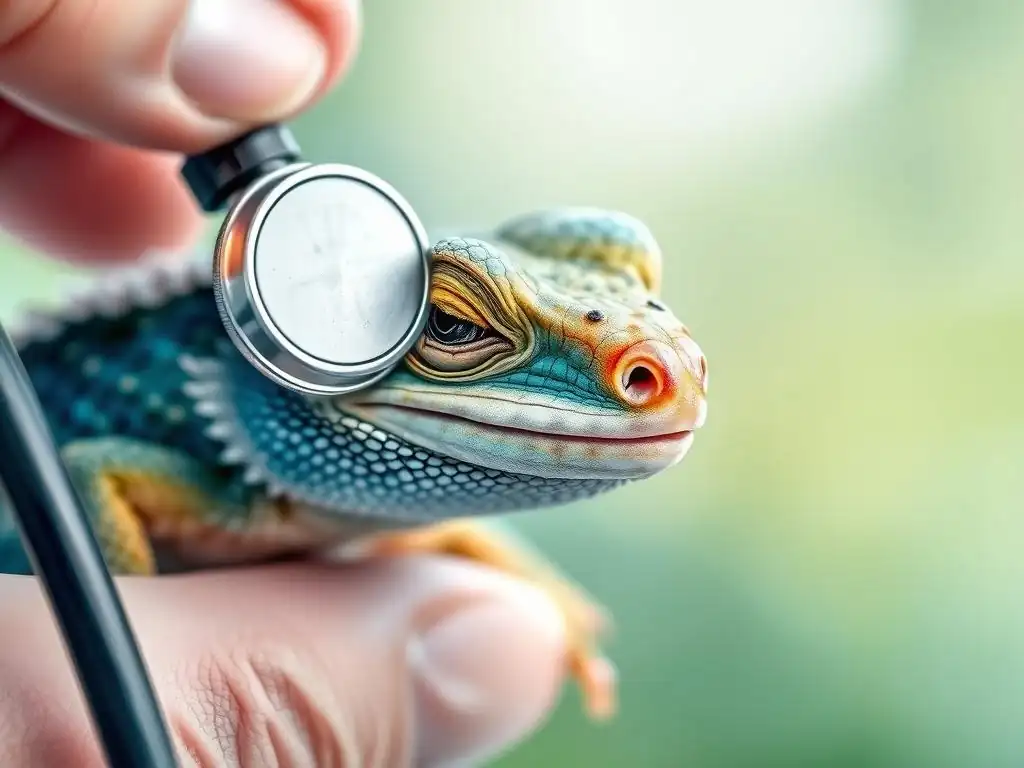
Regular veterinary check-ups are paramount for maintaining the respiratory health of your reptile. While seemingly healthy reptiles can harbor underlying issues, proactive veterinary care offers the best chance of early detection and successful treatment of respiratory infections. Ignoring subtle signs can lead to significant complications, potentially resulting in irreversible damage or even death.
A reptile respiratory infection vet check provides a crucial preventative measure, allowing for prompt intervention before minor ailments escalate into serious health crises. This is especially vital given the often subtle nature of reptile illness; many reptiles are masters of masking their discomfort until the condition is quite advanced.
Think of it as preventative maintenance for your scaled companion – just as regular oil changes keep your car running smoothly, regular vet visits keep your reptile thriving. The cost of preventative care is significantly less than the expense and emotional distress associated with treating a severe, late-stage illness.
Early Detection: The Key to Successful Treatment
Early detection of a reptile respiratory infection is crucial for successful treatment. Many respiratory infections, if caught early, respond well to medication and supportive care. However, the longer a reptile suffers from a respiratory infection, the more likely it is to develop secondary complications such as pneumonia, which significantly reduces the chances of a full recovery.
Symptoms such as gaping mouth breathing, wheezing, abnormal nasal discharge (sometimes bubbly or frothy), lethargy, and loss of appetite can be subtle and easily missed by inexperienced owners. A veterinarian can identify these subtle signs and perform diagnostic tests, such as radiographs (X-rays) or blood work, to confirm a diagnosis and determine the severity of the infection. Early intervention allows for targeted treatment, minimizing the duration and severity of the illness and improving the prognosis.
Consider this scenario: a bearded dragon showing slightly labored breathing might initially be overlooked. However, a vet check could reveal a mild infection treatable with antibiotics, preventing it from developing into a life-threatening pneumonia. The earlier the intervention, the better the outcome.
Identifying Underlying Conditions Contributing to Respiratory Issues
Reptile respiratory infections are not always isolated incidents. Often, underlying conditions weaken the immune system, making reptiles more susceptible to infections. A thorough reptile respiratory infection vet check goes beyond simply diagnosing the immediate infection; it aims to identify and address any contributing factors. These underlying conditions can include:
- Improper environmental conditions: Inconsistent temperatures, humidity levels outside the ideal range for the species, and poor ventilation can significantly stress a reptile, suppressing its immune system and making it more vulnerable to respiratory infections.
- Nutritional deficiencies: Deficiencies in essential vitamins and minerals can compromise immune function and increase susceptibility to infections. A balanced diet, tailored to the specific needs of the species, is crucial.
- Parasites: Internal and external parasites can weaken the reptile, making it more susceptible to secondary infections, including respiratory problems. A vet check can identify and treat parasitic infestations.
- Stress: Stress from improper handling, overcrowding, or environmental changes can significantly weaken a reptile's immune system. A calm and enriching environment is essential for maintaining good health.
- Genetic predisposition: Some reptiles may be genetically predisposed to certain respiratory conditions. While this cannot always be prevented, early detection and management can mitigate the impact.
Preventing Respiratory Infections Through Proper Husbandry
Proactive husbandry practices are crucial in preventing reptile respiratory infections. Maintaining optimal environmental conditions is paramount. This includes:
- Temperature gradient: Providing a thermal gradient allows the reptile to thermoregulate effectively, supporting a strong immune system. Incorrect temperatures can suppress immunity, making them vulnerable to infection.
- Appropriate humidity: Maintaining the correct humidity level for the species is critical; dehydration can compromise respiratory function. Use a hygrometer to monitor humidity levels accurately.
- Adequate ventilation: Proper ventilation prevents the buildup of harmful gases and pathogens in the enclosure. Avoid overcrowding, which can also reduce ventilation and increase stress levels.
- Cleanliness: Regularly cleaning and disinfecting the enclosure removes pathogens and reduces the risk of infection. This includes removing waste, uneaten food, and cleaning substrates regularly.
- Quarantine: Newly acquired reptiles should always be quarantined to prevent the introduction of diseases into your existing collection. This is an essential step in preventing the spread of respiratory and other infections.
By following these guidelines and scheduling regular veterinary check-ups, you significantly reduce the risk of your reptile developing a respiratory infection, ultimately contributing to a longer, healthier life for your scaled companion. Remember, preventative care is always the most cost-effective and compassionate approach to pet ownership.
Specific Respiratory Issues in Different Reptile Species
Reptile respiratory infections, a significant concern for reptile owners, manifest differently across species. Understanding these species-specific variations is crucial for early detection and effective veterinary intervention. Early diagnosis is key to successful treatment of a reptile respiratory infection and a vet check is the first step. Ignoring symptoms can lead to severe complications and even death. This section will delve into the common respiratory problems observed in lizards, snakes, and turtles/tortoises, highlighting the nuances of each. Successful management of reptile respiratory infection relies heavily on prompt veterinary care.
Respiratory Infections in Lizards: Common Symptoms and Treatment
Lizards, with their diverse physiology, exhibit a range of respiratory infection symptoms. These can include gaping mouth breathing (dyspnea), audible wheezing or clicking sounds during respiration, nasal discharge (often mucopurulent or even bloody), lethargy, anorexia, and weight loss. Certain species may also display specific signs; for instance, bearded dragons might exhibit a change in beard color or posture.
The underlying causes are varied and can include bacterial, viral, fungal, or parasitic infections. Environmental factors play a significant role; improper temperature and humidity levels can weaken the immune system, making lizards more susceptible to respiratory infections. Stress, poor hygiene, and inadequate ventilation within the enclosure can also contribute.
Treatment typically involves addressing the underlying cause with appropriate antibiotics, antifungals, or antiparasitics, prescribed by a veterinarian familiar with reptile medicine. Supportive care is crucial, including maintaining optimal environmental conditions (temperature, humidity, and UVB/UVA lighting), providing appropriate hydration, and offering a nutritious diet to bolster the lizard's immune system. Regular monitoring of the lizard's respiratory rate and overall condition is essential during treatment. A vet check should be scheduled immediately upon suspicion of any respiratory issue.
Respiratory Problems in Snakes: Identification and Veterinary Care
Snakes, being primarily lung breathers, often exhibit subtle signs of respiratory distress. These can include open-mouth breathing, labored breathing (dyspnea), abnormal head bobbing, or unusual lethargy. In advanced cases, you might observe cyanosis (bluish discoloration of the mucous membranes) indicating severely reduced oxygen levels. A noticeable change in behavior, such as decreased feeding or hiding behavior, can also signal a respiratory infection.
Identifying the specific pathogen causing the respiratory infection in snakes often requires advanced diagnostic techniques, including radiography (X-rays) and specialized laboratory tests. Treatment is tailored to the identified pathogen and may include antibiotics, supportive care (maintaining optimal temperature and humidity), and fluid therapy for dehydration. Proper hygiene is paramount, especially in preventing the spread of infection in multi-snake enclosures. Early detection through regular vet checks is crucial for effective management of snake respiratory infections. The sooner a veterinarian can assess the situation, the better the prognosis.
Respiratory Diseases in Turtles and Tortoises: Specific Considerations
Respiratory infections in turtles and tortoises often present with similar symptoms to those seen in lizards and snakes, including dyspnea (difficulty breathing), nasal discharge, and lethargy. However, unique considerations apply due to their shelled anatomy. For example, pneumonia in turtles can be difficult to detect, as the shell can mask some visual signs of respiratory distress. Additionally, upper respiratory tract infections (URTIs) are common in aquatic turtles, often associated with poor water quality and inadequate filtration.
Treatment for respiratory diseases in turtles and tortoises often involves a combination of antibiotics, antifungal medications (if fungal infections are suspected), and supportive care. Maintaining optimal water quality (for aquatic species) and providing a suitable terrestrial environment (for terrestrial species) is critical. Regular monitoring of the turtle or tortoise's respiratory effort, appetite, and overall activity level is essential.
The role of a vet check in this process cannot be overstated; early intervention is key for successful treatment and improved chances of survival. Remember, a timely vet check can mean the difference between recovery and serious complications. Many seemingly minor symptoms can quickly escalate into life-threatening situations.
The Importance of a Qualified Reptile Veterinarian
Reptiles, unlike mammals, often mask illness until it's advanced. This makes regular veterinary check-ups crucial for early detection and treatment of respiratory infections and other health problems. A qualified reptile veterinarian possesses the specialized knowledge and experience necessary to diagnose and treat these often subtle conditions. Many common ailments, such as pneumonia or fungal infections, can manifest similarly across various reptile species, necessitating a veterinarian with extensive experience in herpetology.
A general practitioner, while well-meaning, may lack the specific understanding of reptile physiology, anatomy, and disease processes needed for accurate diagnosis and effective treatment. Choosing the right veterinarian can be the difference between a swift recovery and a prolonged, potentially fatal illness for your reptile. Ignoring subtle signs or misinterpreting symptoms can lead to irreversible damage or even death.
Therefore, proactive veterinary care is paramount for maintaining your reptile's respiratory health and overall well-being. Investing in a qualified reptile veterinarian is investing in your pet's longevity and quality of life. This proactive approach is far more cost-effective in the long run than dealing with advanced, complex, and potentially incurable conditions.
Finding a Reptile Specialist Near You: Resources and Tips
Locating a veterinarian experienced with reptiles can sometimes be challenging. Many general practice veterinary clinics lack the specific expertise required to treat reptile respiratory infections effectively. However, several resources can assist in your search. Start by contacting your local zoo or reptile rescue organizations.
These organizations often maintain lists of reputable reptile veterinarians in your area. Online searches using keywords like "reptile vet near me" or "herpetologist veterinarian [your city/state]" can also yield promising results. Professional organizations like the Association of Reptilian and Amphibian Veterinarians (ARAV – Note: This is a hypothetical organization, replace with a real one if available) often have member directories that allow you to search for specialists by location. When contacting potential veterinarians, ask about their experience with reptiles, particularly with respiratory infections.
Inquire about their diagnostic capabilities, including access to advanced imaging techniques like radiography or ultrasound, which are often essential for accurate diagnosis of reptile respiratory problems. Don't hesitate to ask for references or testimonials from previous clients. Choosing a veterinarian who communicates clearly and answers your questions thoroughly is crucial for establishing a strong veterinarian-client-patient relationship, essential for managing your reptile's long-term health. Remember, finding the right veterinarian is a crucial step in ensuring your reptile receives the best possible care.
What to Ask Your Veterinarian During a Check-Up
During a routine check-up, be prepared to provide a comprehensive history of your reptile, including its species, age, diet, housing conditions, and any observed behavioral changes. Ask your veterinarian about preventative measures for respiratory infections, such as maintaining proper humidity and temperature levels in the enclosure. Don't hesitate to discuss any concerns, no matter how minor they may seem. Early detection of respiratory problems is key to successful treatment. Specifically ask about the following:
- Respiratory Sounds: Ask the veterinarian to listen carefully to your reptile's lungs for any abnormal sounds, such as wheezing, crackling, or clicking.
- Physical Examination: Inquire about a thorough physical examination, including checking for nasal discharge, open-mouth breathing, lethargy, and loss of appetite – all potential indicators of respiratory illness.
- Diagnostic Testing: Ask about the availability and necessity of diagnostic tests, such as radiographs (X-rays) or blood work, to confirm a diagnosis and rule out other conditions.
- Treatment Options: Discuss various treatment options, including medications, supportive care, and environmental adjustments, and their potential side effects.
- Prognosis: Understand the likely prognosis and expected recovery time.
Remember, clear and open communication with your veterinarian is paramount to ensuring your reptile receives the best possible care. Active participation in your reptile's health care is essential for a positive outcome. Don't be afraid to ask questions; your veterinarian is there to help you. A proactive approach to veterinary care, combined with diligent observation and timely intervention, significantly improves the chances of successful treatment and a positive prognosis.
The Cost of Reptile Veterinary Care: Budgeting for Your Pet's Health
The cost of reptile veterinary care can vary significantly depending on several factors, including the type of reptile, the severity of the illness, the necessary diagnostic tests, and the location of the veterinary clinic. Routine check-ups are generally less expensive than treating a serious illness. However, preventative care can help avoid costly treatments later. Diagnostic tests such as radiographs, blood work, and specialized lab tests can add to the overall expense.
The cost of medications can also vary depending on the type and dosage required. Specialized treatments, such as surgery or intensive care, can be particularly expensive. Therefore, it's crucial to budget for unexpected veterinary expenses. Consider setting aside a dedicated savings account for your reptile's healthcare needs.
Pet insurance specifically designed for exotic animals may also be a valuable option to help manage the financial burden of unexpected veterinary bills. While the upfront cost of preventative care and regular check-ups might seem significant, it's a small price to pay compared to the potential costs associated with treating a severe respiratory infection or other health problems that could have been prevented or detected earlier. Remember, your reptile's health is a long-term investment, and proactive care is always more cost-effective in the long run. Planning for these costs ensures that your reptile receives the best possible care throughout its life.
Maintaining Optimal Respiratory Health in Your Reptile
Maintaining peak respiratory health in your reptile requires a proactive approach focusing on environmental control, hygiene, and nutrition. Neglecting these crucial aspects can significantly increase the risk of respiratory infections, leading to serious health complications. Regular veterinary check-ups, as emphasized in the article title "Reptile respiratory infection vet check," are vital, but preventative measures are equally important. This section will delve into the specific steps you can take to minimize the chances of your reptile developing respiratory problems.
Proper Habitat Temperature and Humidity Control
Maintaining the correct temperature and humidity levels within your reptile's enclosure is paramount for its respiratory well-being. Incorrect parameters can weaken the immune system, making your reptile more susceptible to bacterial, viral, or fungal infections. Different species have different needs; a bearded dragon requires drastically different environmental conditions compared to a leopard gecko.
For example, a bearded dragon thrives in a basking area temperature of 100-110°F (38-43°C), while a leopard gecko prefers a cooler temperature gradient, typically between 75-85°F (24-29°C). Humidity levels are equally crucial. Too much moisture can promote fungal growth, while too little can lead to dehydration and respiratory tract irritation.
Investing in accurate thermometers and hygrometers is essential for monitoring these parameters. Regular calibration of these instruments ensures accuracy. You should also consider using a thermostat to automatically regulate the temperature and humidity, especially for species with very specific requirements. Failure to maintain proper temperature and humidity can lead to respiratory issues that manifest as labored breathing, wheezing, or gaping mouth breathing. Early detection of these symptoms is crucial for timely intervention by a veterinarian specializing in reptile respiratory infection.
Ensuring Clean and Hygienic Living Conditions
A clean and sanitary enclosure is critical for preventing respiratory infections in reptiles. Bacteria, fungi, and other pathogens thrive in dirty environments, increasing the risk of respiratory illness. Regular cleaning and disinfection of the enclosure are therefore essential components of preventative reptile care. This involves:
- Substrate: Regularly replace or clean the substrate (e.g., paper towels, reptile carpet, or specific substrate blends) to prevent the buildup of waste and bacteria. The frequency will depend on the type of substrate and the reptile species.
- Water Dishes: Clean and disinfect water dishes daily to prevent the growth of harmful microorganisms. Stagnant water is a breeding ground for bacteria.
- Enclosure Surfaces: Regularly disinfect all surfaces within the enclosure using a reptile-safe disinfectant. Avoid harsh chemicals that could harm your reptile.
- Food and Waste Removal: Promptly remove uneaten food and fecal matter to prevent the spread of pathogens.
A thorough cleaning schedule, tailored to the specific needs of your reptile, significantly reduces the risk of respiratory infections. Ignoring hygiene can lead to an environment ripe for pathogens, resulting in a higher likelihood of needing a reptile respiratory infection vet check. Regular cleaning is a fundamental aspect of proactive reptile care.
Nutrition and its Impact on Respiratory Health
Proper nutrition plays a vital role in supporting a healthy immune system, thereby reducing the susceptibility to respiratory infections. A balanced diet provides the necessary vitamins, minerals, and nutrients to maintain optimal respiratory function. Nutritional deficiencies can weaken the immune system, making your reptile more vulnerable to illness.
The nutritional requirements vary considerably depending on the species. For example, insectivorous reptiles require a varied diet of appropriately sized insects dusted with calcium and vitamin supplements. Herbivorous reptiles need access to fresh vegetables and fruits.
Providing a diet deficient in essential nutrients can manifest as decreased immune function, making them more susceptible to respiratory issues, necessitating a visit to the vet for a reptile respiratory infection vet check. Consult a veterinarian or a reputable reptile specialist for species-specific dietary recommendations to ensure your reptile receives the optimal nutrients for a strong immune system. Remember, a healthy diet is an integral part of preventative care.
When to Seek Immediate Veterinary Attention for Respiratory Issues
Recognizing the subtle signs of reptile respiratory infection is crucial for timely intervention. While some symptoms might develop gradually, others demand immediate veterinary attention. Delaying treatment can lead to severe complications and even death in your reptile companion. This section focuses on identifying those critical moments when a trip to the veterinarian is not just advisable, but absolutely necessary.
Early detection significantly improves the prognosis for reptile respiratory infections, significantly increasing the chances of a full recovery. Prompt action is key to managing this potentially life-threatening condition. The quicker you address the problem, the better the chances of successful treatment and a return to good health for your pet. Remember, even seemingly minor changes in behavior or physical condition can be indicators of a serious underlying problem.
Emergency Signs Requiring Immediate Veterinary Care
Several signs indicate an urgent need for veterinary care. These are not just minor inconveniences; they're red flags signaling a potentially life-threatening situation. Immediate action is crucial. Don't hesitate – contact your veterinarian or an emergency animal hospital immediately if you observe any of the following:
- Severe respiratory distress: This includes gaping mouth breathing (also known as "open-mouth breathing"), labored breathing with visible effort, and cyanosis (bluish discoloration of the gums or skin). These are clear indicators of a critical respiratory compromise.
- Complete cessation of breathing: This is a life-threatening emergency requiring immediate intervention. Time is of the essence in this situation.
- Lethargy and collapse: A sudden and profound drop in energy levels, coupled with inability to stand or move normally, can signal a severe underlying health issue, including a severe respiratory infection.
- Excessive mucus production: While some mucus is normal, an excessive amount, especially if it's thick, discolored (yellowish, greenish, or bloody), or accompanied by other symptoms, necessitates immediate veterinary attention.
- High fever: Elevated body temperature is a common indicator of infection and requires immediate veterinary assessment. [Specific temperature ranges for different reptile species pending]. Accurate temperature measurement is vital.
Preparing for a Veterinary Visit: What to Bring
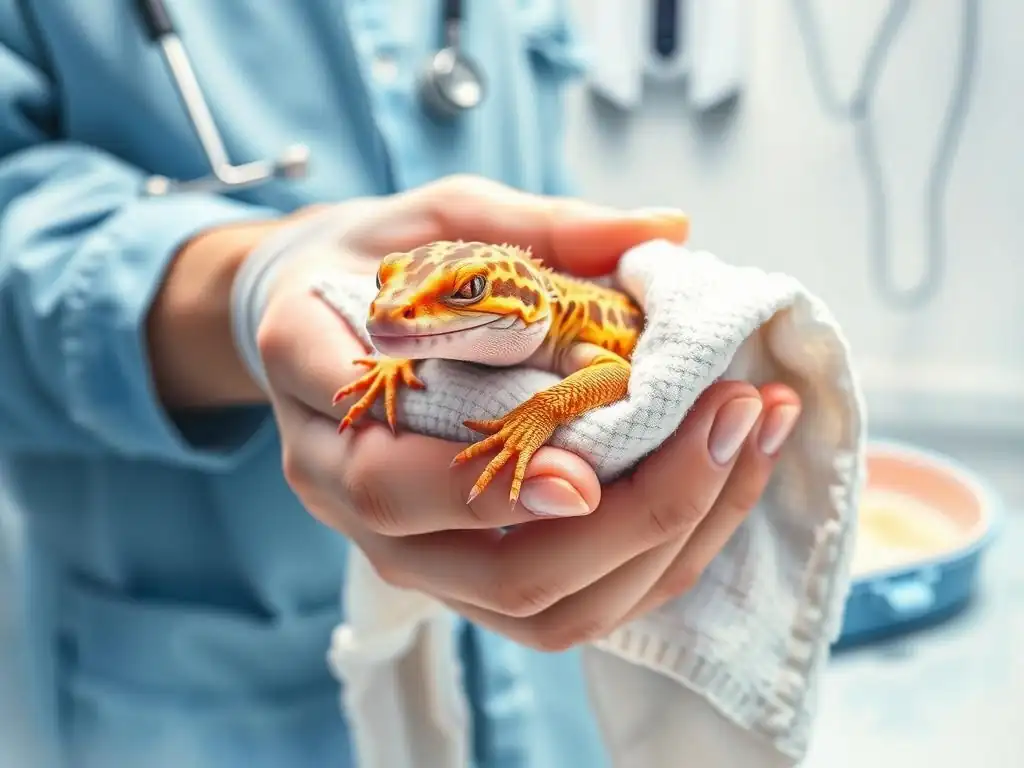
A well-prepared visit to the veterinarian can significantly contribute to a successful diagnosis and treatment plan for your reptile's respiratory infection. Gathering the necessary information and materials beforehand will streamline the process and ensure your veterinarian has all the tools needed to effectively assess and treat your pet. This proactive approach can make a tangible difference in the outcome.
Preparing for a Veterinary Visit: What to Bring
Before your visit, assemble the following items:
- Accurate history of your reptile: This includes species, age, sex, diet, housing conditions (temperature, humidity, substrate), and any recent changes in its environment or behavior. Be prepared to answer detailed questions about your pet's routine.
- A detailed description of the symptoms: Note the onset, duration, and progression of the symptoms, including any changes you've observed. The more detailed your description, the better equipped the veterinarian will be to diagnose the problem.
- A sample of the reptile's feces: This can help rule out other potential causes and provide valuable insights into the overall health of your pet's digestive system.
- Recent photos or videos: Visual documentation of the symptoms can be extremely helpful for the veterinarian, especially if the symptoms are intermittent or subtle.
- A carrier suitable for your reptile: This should be secure, well-ventilated, and appropriately sized to prevent stress during transport. Proper transport is essential to minimize further stress on your already unwell reptile.
- Any previous veterinary records: If available, bring along any records from previous visits, including test results and treatment history. This will help create a comprehensive picture of your reptile's health history.
Post-Treatment Care and Monitoring for Respiratory Infections
Following your reptile's treatment for a respiratory infection, diligent post-treatment care and monitoring are crucial for ensuring a complete recovery and preventing recurrence. This phase is just as important as the initial treatment itself. Close observation, adherence to the veterinarian's instructions, and prompt attention to any changes in your reptile's condition are all vital. Remember, consistent care is key to a successful outcome.
Post-Treatment Care and Monitoring for Respiratory Infections
Post-treatment care often involves:
- Medication administration: Carefully follow your veterinarian's instructions regarding medication dosage, frequency, and administration methods. Accuracy is critical in medication administration.
- Environmental adjustments: Maintaining optimal temperature and humidity levels in your reptile's enclosure is essential for supporting its recovery. This includes regularly monitoring and adjusting these parameters as needed.
- Dietary modifications: Your veterinarian might recommend dietary changes to support your reptile's immune system and aid in recovery. Nutritional support plays a significant role in the healing process.
- Regular monitoring: Closely observe your reptile for any changes in its behavior, appetite, or respiratory function. Early detection of any relapse is crucial. Keep a detailed record of your observations.
- Follow-up appointments: Attend all scheduled follow-up appointments with your veterinarian to monitor your reptile's progress and ensure the treatment is effective. These appointments are essential for ongoing assessment and adjustment of treatment if necessary.
- Hygiene protocols: Maintaining a clean and sanitary environment is crucial to prevent reinfection. This includes regular cleaning and disinfection of the enclosure. Proper hygiene is essential in preventing future respiratory issues.
Remember, proactive care and attention to detail are key factors in ensuring the successful treatment and long-term health of your reptile. A partnership between you and your veterinarian is essential in managing reptile respiratory infections effectively. The information provided here is for general guidance; always consult with your veterinarian for personalized advice tailored to your reptile's specific needs.
Frequently Asked Questions
What are the common signs of a reptile respiratory infection?
Reptiles with respiratory infections may show signs like open-mouth breathing, wheezing, nasal discharge, or lethargy. Early detection is crucial for successful treatment.
How often should I take my reptile for a veterinary check-up?
The frequency depends on your reptile's species and age, but at least once a year is recommended for adult reptiles. Young or sick reptiles may need more frequent visits.
My reptile is showing signs of respiratory illness; what should I do?
Immediately schedule an appointment with a veterinarian experienced in reptiles. Avoid self-treating, as incorrect treatment can worsen the condition.
What kind of veterinarian should I see for my reptile's respiratory problems?
You should seek a veterinarian specializing in exotic animals or herpetology. Not all vets have the expertise to treat reptiles effectively.
Can reptile respiratory infections be prevented?
While not always preventable, you can minimize the risk by maintaining a clean enclosure, providing proper temperature and humidity, and ensuring a balanced diet. Quarantine new reptiles before introducing them to existing pets.
Final Reflection: Breathing Easy: The Future of Reptile Respiratory Health
The silent struggle of reptile respiratory infections is a critical issue demanding immediate attention, impacting not only the well-being of these fascinating creatures but also the responsibility of their caretakers. Ignoring the subtle signs can lead to irreversible damage and ultimately, the loss of a beloved companion. Early detection through regular veterinary check-ups is the cornerstone of preventative care, and this is a message that needs to be amplified.
The impact of responsible reptile ownership extends far beyond the individual animal; it shapes our understanding of animal welfare and conservation efforts. The more we understand the complexities of reptile respiratory health, the better equipped we are to advocate for their needs and contribute to a more compassionate world for these often-misunderstood creatures. The greatness of a nation and its moral progress can be judged by the way its animals are treated.
- Mahatma Gandhi. This quote, while broad in scope, speaks directly to the ethical responsibility we bear towards the animals under our care, highlighting the importance of proactive health management.
Now, consider your own reptile companion. Are you providing them with the best possible care? Schedule that veterinary check-up today. Don't wait for visible symptoms; proactive care is the key to preventing suffering and ensuring a long, healthy life for your scaly friend. By embracing responsible ownership and advocating for improved reptile healthcare, we can collectively contribute to a brighter future for these incredible animals.
Breathe Easy: Take Charge of Your Reptile's Respiratory Wellness
Thank you for exploring the world of reptile respiratory health! We hope you've gained valuable insights into keeping your scaly companion healthy and breathing comfortably. Now let's put that knowledge into practice.
Here's how you can proactively support your reptile's respiratory well-being:
- Schedule a veterinary checkup: This is the most crucial step! Contact your reptile veterinarian to schedule a comprehensive respiratory exam. Early detection is key to preventing serious health problems.
- Learn more about reptile respiratory care: Explore PetCareWorld.org for additional resources on reptile-specific respiratory illnesses and preventative measures.
- Connect with other reptile owners: Join our online community to share your experiences, ask questions, and connect with other reptile enthusiasts!
What steps will you take next to ensure your reptile breathes easily?