
Snake and Spider Bites in Pets: First Aid Steps and What to Expect


Welcome to PetCareWorld, your ultimate guide to a happier, healthier life for your beloved companion! Are you prepared for the unexpected? Learn crucial first aid steps for a potentially life-threatening situation: pet snake bites. Our expert guide on snake and spider bites in pets provides vital information and will empower you to act quickly and confidently in an emergency. Discover the essential knowledge you need – explore the article now and ensure your pet's safety.
- Recognizing Snake and Spider Bites in Your Pet
- Immediate First Aid for Pet Snake Bites
- Immediate First Aid for Pet Spider Bites
- What to Expect at the Veterinary Clinic
- Preventing Snake and Spider Bites in Pets
- Long-Term Outlook and Recovery
- Frequently Asked Questions (FAQ) about Pet Bites
- Frequently Asked Questions
- Final Reflection: The Urgent Need for Pet Snake Bite Preparedness
- Ready to Protect Your Pet? Take Action Now!
Recognizing Snake and Spider Bites in Your Pet

Pet snake bite first aid is crucial knowledge for any responsible pet owner. While we hope you never face this frightening situation, understanding the signs of snake and spider bites in your beloved companion, and knowing how to react, can be the difference between a swift recovery and a serious complication. This comprehensive guide will equip you with the essential information to identify snake and spider bites in your pets – dogs, cats, and other animals – and outline the crucial first aid steps you should take.
We'll cover the key symptoms, how to distinguish these bites from other injuries, and what to expect during and after a veterinary visit. Remember, swift action and professional veterinary care are paramount in ensuring your pet's well-being. This guide provides essential information for effective pet snake bite first aid and overall pet poisoning management.
Identifying Snake Bite Symptoms in Dogs, Cats, and Other Pets
Recognizing a snake bite can be challenging, as symptoms vary depending on the type of snake, the amount of venom injected, and your pet's individual characteristics. However, some common signs to watch out for include:
- Pain and Swelling: The bitten area will likely be painful and rapidly swell. The severity of the swelling depends on several factors, including the type of venom and the size of your pet.
- Bleeding: There may be bleeding at the bite site, ranging from minor oozing to significant hemorrhage.
- Puncture Wounds: Look for two distinct puncture wounds, characteristic of snake fangs. However, not all bites leave visible puncture marks.
- Systemic Symptoms: These can manifest more slowly and are often more serious. They can include lethargy, weakness, vomiting, diarrhea, difficulty breathing, tremors, seizures, and collapse. The appearance of these symptoms necessitates immediate veterinary attention.
- Local Effects: Beyond swelling, the area around the bite may show discoloration (redness, bruising), blistering, and necrosis (tissue death) in severe cases.
It's important to note that the time it takes for symptoms to appear varies greatly. Some venoms act quickly, while others have a slower onset. The absence of immediate symptoms does not mean your pet is out of danger. Always seek immediate veterinary care if you suspect a snake bite.
Identifying Spider Bite Symptoms in Dogs, Cats, and Other Pets
Spider bites, while less common than snake bites, can also cause significant harm to your pet. Identifying spider bites requires careful observation and understanding of the potential symptoms. These can include:
- Localized Pain and Swelling: Similar to snake bites, pain and swelling are common symptoms, but the area affected is typically smaller.
- Redness and Irritation: The bitten area will often become red, inflamed, and itchy.
- Necrotic Lesions: Certain spider bites, particularly from recluse spiders, can cause necrotic lesions – areas of dead tissue that require extensive veterinary treatment.
- Systemic Reactions: While less common than with snake bites, systemic reactions such as fever, lethargy, and muscle pain can occur, especially in cases of multiple bites or allergic reactions. These necessitate immediate veterinary intervention.
The appearance of the bite itself can offer clues. Spider bites often present as a single puncture wound or a small cluster of puncture marks, unlike the distinct double punctures often seen in snake bites. Again, the absence of immediate symptoms doesn't rule out a spider bite. Veterinary assessment is crucial.
Distinguishing Snake and Spider Bites from Other Injuries
Differentiating snake and spider bites from other injuries is crucial for prompt and appropriate treatment. Other injuries that might mimic a bite include:
- Puncture Wounds from Thorns or Sticks: These can cause localized pain and swelling, but typically lack the systemic symptoms associated with venom.
- Insect Stings: These often cause localized pain, swelling, and itching but usually do not lead to the severe systemic effects seen in snake or spider bites.
- Abscesses or Infections: These can cause swelling, redness, and pain, but are usually accompanied by signs of infection such as pus or fever.
If you are unsure whether your pet's injury is a bite or something else, it's always best to err on the side of caution and seek veterinary attention immediately. The potential consequences of delaying treatment can be severe. Remember, early intervention is key to successful treatment and a positive outcome for your pet. 🐾
Immediate First Aid for Pet Snake Bites
This section focuses on the crucial first aid steps to take immediately following a snake bite on your pet. Swift action can significantly impact the outcome. Remember, time is of the essence in snake bite emergencies. The severity of the bite depends on several factors, including the type of snake, the amount of venom injected, and your pet's size and overall health.
Even seemingly minor bites warrant immediate attention. We'll delve into assessing the severity later, but for now, let's concentrate on immediate actions. Proper first aid for a pet snake bite can help minimize the potential for serious complications.
Steps to Take Immediately After a Snake Bite
The first few minutes after a snake bite are critical. Follow these steps precisely:
- Ensure Your Safety: Before approaching your pet, prioritize your own safety. If the snake is still present, carefully and slowly retreat to a safe distance. Do not attempt to capture or kill the snake; this could put you at risk. If possible, try to note the snake's appearance (color, pattern, size) to aid identification for veterinary professionals. This information is crucial for determining the appropriate antivenom.
- Keep Your Pet Calm and Still: A frightened or agitated pet will increase their heart rate and blood circulation, potentially spreading the venom more rapidly. Gently restrain your pet, minimizing movement as much as possible. Speaking in a soothing voice can help calm them.
- Prevent Further Venom Injection: If possible, carefully remove any constricting items like collars or harnesses from your pet’s neck area. These could impede blood flow and worsen swelling.
- Rinsing the Wound (Controversial): While some sources advise rinsing the wound with clean water, this is a controversial point among veterinary professionals. There is no conclusive evidence that rinsing the wound improves the outcome, and in some cases it might even spread the venom. It's best to consult your veterinarian for specific guidance depending on the snake species involved.
- Monitor Your Pet Closely: Carefully observe your pet for any changes in behavior, including lethargy, weakness, difficulty breathing, vomiting, swelling at the bite site, or unusual bleeding. Note the time of the bite and record any changes in your pet's condition. This information is vital for your veterinarian.
Assessing the Severity of the Snake Bite
Determining the severity of a snake bite requires careful observation and consideration of several factors. A seemingly minor bite can still be dangerous, and vice versa. Early recognition of serious signs is crucial for prompt veterinary intervention.
- Location of the Bite: Bites to the face, neck, or torso are generally considered more serious due to the proximity to vital organs.
- Amount of Venom Injected: This is difficult to assess without expert knowledge. Some snakes may "dry bite" (injecting no venom), while others inject varying amounts depending on circumstances.
- Species of Snake: The type of snake is the most critical factor in determining the severity of the bite. Different species have vastly different venom compositions and potencies. [Specific information pending regarding venom potency of common snake species affecting pets].
- Pet's Size and Breed: Smaller pets are generally more vulnerable to snake venom than larger ones. The overall health of your pet also plays a role.
- Clinical Signs: Observe your pet for these symptoms: swelling at the bite site, pain, bleeding, lethargy, weakness, difficulty breathing, changes in heart rate, vomiting, incoordination, paralysis, and seizures. The severity of these signs can help indicate the severity of the envenomation.
How to Safely Transport Your Pet After a Snake Bite
Getting your pet to a veterinarian as quickly as possible is paramount. While you're providing first aid, arrange transport to the nearest veterinary emergency clinic. Remember, delay can be fatal.
- Avoid unnecessary movement: Keep your pet as calm and still as possible during transport.
- Secure your pet: Use a carrier or other secure method to prevent your pet from injuring themselves or you during transport. If your pet is aggressive or agitated due to pain, you may need assistance.
- Note down crucial information: Prepare a list of the observed symptoms, the time of the bite, and any information about the snake (if possible). This will help the veterinarian provide the best possible care.
- Inform the veterinary clinic: Call ahead to alert them that you are bringing in a snake bite case. This allows them to prepare appropriately.
- Consider Emergency Services: If the situation is critical (e.g., respiratory distress, severe bleeding), do not hesitate to contact emergency services for assistance with transport.
Remember, this information is for educational purposes only and does not replace professional veterinary care. Always seek immediate veterinary attention for any suspected snake bite on your pet. 🐍
Immediate First Aid for Pet Spider Bites

Pet spider bite first aid requires swift action. The severity of a spider bite depends heavily on the species of spider and the size and health of your pet. While some bites may cause only mild localized reactions, others can be life-threatening, necessitating immediate veterinary attention. Therefore, knowing the steps to take is crucial for your pet's well-being. Remember, this section offers guidance; it is not a replacement for professional veterinary care.
Initial Steps for Spider Bite First Aid
The first few minutes after a spider bite are critical. Your immediate actions can significantly influence the outcome. Follow these steps:
- Remove your pet from the area: This prevents further bites and allows you to assess the situation calmly. Keep your pet calm and prevent excessive movement to limit venom spread.
- Assess your pet: Look for signs of a bite, such as puncture wounds, swelling, redness, or pain. Note the location of the bite. Observe your pet for any changes in behavior, such as lethargy, difficulty breathing, or vomiting. Record the time of the bite.
- Restrict movement: Gently restrain your pet to prevent further injury and limit venom spread through the body. A calm and quiet environment is beneficial.
- Clean the wound: Gently clean the bite area with mild soap and water. Avoid using harsh chemicals or rubbing alcohol. This helps prevent infection.
- Apply a cool compress: A cool compress (not ice directly) can help reduce swelling and pain. Apply it for 10-15 minutes at a time, several times a day.
- Monitor your pet closely: Carefully observe your pet for any changes in their condition. Note any worsening symptoms, such as increased swelling, difficulty breathing, or changes in heart rate. Keep a record of your observations.
Identifying the Type of Spider (if possible)
Identifying the spider responsible for the bite is helpful, but safety is paramount. Do not attempt to handle the spider. If possible, take a photograph of the spider from a safe distance (e.g., using a zoom lens on your phone) or describe its appearance to your veterinarian—size, color, markings, and body shape.
Knowing the spider species can help your vet determine the appropriate treatment. Common venomous spiders vary by region; knowing your geographical location is crucial in helping your veterinarian diagnose and treat the bite effectively. Remember, even a seemingly harmless spider could cause a severe allergic reaction in certain pets.
For example, a black widow spider bite presents distinct symptoms differing from a brown recluse bite. A black widow bite might cause immediate intense pain, muscle spasms, and abdominal cramping, while a brown recluse bite can lead to a necrotic lesion at the bite site. Accurate identification aids in faster and more effective treatment.
When to Seek Immediate Veterinary Care for Spider Bites
Even if your pet seems relatively unaffected immediately after a spider bite, veterinary care is crucial. Spider venom can have delayed effects, and seemingly minor symptoms can rapidly worsen. Seek immediate veterinary attention if you observe any of the following:
- Significant swelling or redness at the bite site: Rapidly spreading inflammation indicates a severe reaction.
- Difficulty breathing or rapid breathing: Respiratory distress is a serious sign requiring immediate medical attention.
- Lethargy or weakness: Unusual fatigue or weakness should not be ignored.
- Vomiting or diarrhea: Gastrointestinal issues can be a sign of venom toxicity.
- Changes in heart rate or rhythm: Arrhythmias or changes in heart rate are potentially life-threatening.
- Seizures or tremors: Neurological symptoms indicate severe venom effects.
- Paralysis or weakness in limbs: This is a critical sign of serious envenomation.
- Any signs of systemic toxicity: This includes but is not limited to: pale gums, increased salivation, loss of coordination, and collapse.
Don't hesitate – immediate veterinary care is crucial for the best possible outcome. Early intervention significantly improves your pet's chances of recovery. The faster your pet receives treatment, the better the prognosis. 🐾
What to Expect at the Veterinary Clinic
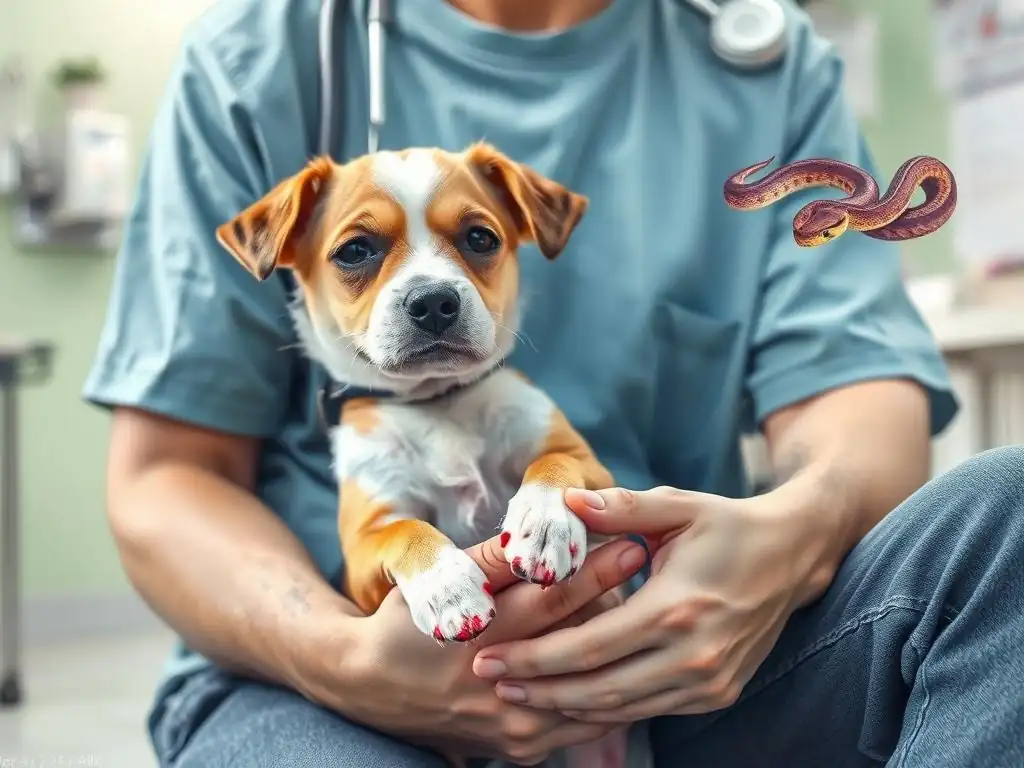
After arriving at the veterinary clinic with your pet following a snake or spider bite, a swift and efficient response is crucial. The severity of the situation will dictate the immediate course of action, but expect a highly organized and focused approach from the veterinary team. Your prompt and accurate reporting of the incident – including the type of snake or spider (if known), the time of the bite, and any observed symptoms – will significantly aid the veterinary staff in providing the most effective care.
Remember to remain calm; your composure will help reassure your pet and facilitate a smoother process for everyone involved. Efficient communication with the veterinary professionals is paramount.
They will need to gather a complete history of your pet, including any pre-existing health conditions, current medications, and recent vaccinations. This information, combined with a thorough physical examination, will allow them to make an informed assessment of the situation and develop a tailored treatment plan.
Initial Veterinary Examination and Assessment
The initial examination will be thorough and systematic. The veterinarian will carefully assess your pet's overall condition, paying close attention to the bite site. This includes checking for signs of swelling, inflammation, pain, bleeding, and any signs of systemic toxicity like lethargy, vomiting, or difficulty breathing. The veterinarian will also check your pet's vital signs – heart rate, respiratory rate, temperature, and blood pressure – to establish a baseline and monitor for any changes.
Depending on the severity of the bite, this initial assessment may involve a quick visual inspection or more extensive procedures. For example, a larger, more venomous snake bite may necessitate immediate stabilization measures before a full examination can be conducted. Documentation of all findings will be meticulously recorded in your pet's medical chart, providing a crucial reference point for ongoing monitoring and treatment.
Expect the veterinarian to ask detailed questions about the circumstances surrounding the bite, to guide their diagnosis and treatment decisions. The more information you can provide, the better equipped they will be to help your pet. Accurate reporting is crucial in cases of Pet snake bite first aid.
Diagnosis and Treatment Options for Snake Bites
Diagnosis of snake bites often relies heavily on the clinical signs exhibited by your pet, coupled with information about the suspected snake species. Unfortunately, positively identifying the snake species is not always possible. However, even without a definitive identification, the veterinarian will be able to assess the severity of the envenomation based on the symptoms present. Treatment strategies for snake bites vary significantly depending on the severity of the envenomation and the species of snake involved.
In some cases, supportive care might be sufficient; this includes managing pain, providing fluids to combat dehydration, and monitoring vital signs closely. In more serious cases, antivenom may be necessary. The administration of antivenom is a complex procedure that requires careful consideration of potential side effects, and it's not always a guaranteed solution. The veterinarian will weigh the risks and benefits carefully before administering antivenom.
Other interventions might include administering medications to manage pain, reduce inflammation, and counteract the effects of the venom. Blood tests may be conducted to assess organ function and monitor for complications. The treatment plan will be carefully tailored to the specific needs of your pet, and regular updates will be provided throughout their stay.
Diagnosis and Treatment Options for Spider Bites
Diagnosing spider bites in pets can be challenging, as symptoms can vary widely depending on the species of spider and the amount of venom injected. Many spider bites are relatively minor and cause only localized pain and swelling. However, some spider bites, especially those from venomous species, can lead to serious complications. The veterinarian will carefully examine the bite site, looking for signs of swelling, redness, pain, and necrosis (tissue death). They will also assess your pet's overall condition, looking for signs of systemic toxicity such as lethargy, vomiting, or difficulty breathing.
Treatment will depend on the severity of the bite. For mild bites, supportive care such as pain management and cleaning the wound may be sufficient. For more serious bites, the veterinarian may prescribe antibiotics to prevent infection or antivenom if the spider is identified as venomous. Just as with snake bites, blood tests may be used to monitor organ function and detect any complications.
The treatment plan will be individualized based on your pet's specific needs and the severity of the bite. Regular monitoring is vital to ensure prompt intervention should any complications arise. The veterinary team will work diligently to provide the best possible care and ensure your pet's swift recovery. Remember, prompt veterinary attention is crucial for the best possible outcome in both snake and spider bites.
Post-Bite Care and Monitoring
Following your pet's snake or spider bite treatment at the veterinary clinic, diligent post-bite care and monitoring are crucial for a full recovery. The veterinarian will likely provide specific instructions tailored to your pet's condition and the type of venom involved. These instructions might include administering medications at home, such as pain relievers or anti-venom, depending on the severity of the envenomation. It's essential to follow these instructions precisely and meticulously record the administration times and dosages. Any deviation from the prescribed treatment plan should be immediately communicated to your veterinarian.
Regular monitoring of your pet's vital signs is also a key component of post-bite care. This involves carefully observing your pet for any changes in behavior, appetite, activity levels, or breathing patterns. Note any swelling, discoloration, or discharge near the bite wound. Even seemingly minor changes can indicate a worsening condition and necessitate immediate veterinary attention.
Keep a detailed record of your observations, including timestamps and descriptions of any changes you notice. This detailed record will be invaluable to your veterinarian in assessing your pet's progress and making informed decisions about further treatment. Many veterinary clinics provide helpful record-keeping sheets or apps to aid this process.
Depending on the severity of the bite, your pet might need to remain hospitalized for a period of observation. During this time, the veterinary staff will closely monitor your pet's condition and provide supportive care. This could involve intravenous fluids to maintain hydration, oxygen therapy to assist breathing, and ongoing monitoring of vital signs.
The duration of hospitalization will depend on several factors, including the type of venom involved, your pet's overall health, and their response to treatment. Your veterinarian will discuss the expected length of stay and any potential complications during your initial consultation. Rest assured that the veterinary team is dedicated to providing the best possible care for your beloved pet during this critical period.
Remember, consistent communication with your veterinarian is key to ensuring your pet's successful recovery. Don't hesitate to contact them with any concerns, no matter how small they may seem. Early detection of complications can significantly improve the chances of a positive outcome.
Preventing Snake and Spider Bites in Pets
Preventing snake and spider bites in your pets is crucial for their safety and well-being. Proactive measures significantly reduce the risk of encountering venomous creatures and the need for emergency pet snake bite first aid. This section outlines key strategies for minimizing your pet's exposure to venomous bites.
Creating a Safe Environment for Your Pet
A secure home environment is the first line of defense against snake and spider bites. This involves both indoor and outdoor considerations. Inside, regularly inspect your home for potential hiding places for spiders, such as cluttered areas, basements, and attics. Clean these areas thoroughly and consider using spider traps or natural repellents like peppermint oil (always ensuring pet safety with any repellent).
For outdoor spaces, keeping your yard tidy minimizes potential hiding spots. Remove piles of wood, debris, and overgrown vegetation where snakes and spiders might nest. Regular mowing and landscaping are essential preventative steps. Consider using pet-safe insect repellent sprays around the perimeter of your home, focusing on areas where your pet frequents.
Remember, a clean and organized environment is not only safer for your pet, but also contributes to a more comfortable living space for both you and your furry friend. Regular maintenance significantly reduces the likelihood of unwanted encounters with venomous creatures. Think of it as a proactive approach to pet snake bite prevention.
Minimizing Exposure to Venomous Creatures
Even with a safe home environment, pets can still encounter venomous creatures during walks or outdoor activities. Supervising your pet closely during these times is paramount. Using a leash, especially for dogs, prevents them from wandering into areas where snakes or spiders may be present. Keeping your cat indoors, particularly at night, reduces their exposure to nocturnal predators. If your pet does venture into areas known to have venomous creatures, consider equipping them with protective gear such as booties for their paws. While this might not be completely effective, it can offer some level of protection.
Moreover, educating yourself about the local venomous species is key. Understanding their habitats and behaviors allows you to better anticipate potential risks and avoid those areas. Knowing what to look for—characteristic markings, preferred habitats—helps you to recognize potential threats and keep your pet away. This knowledge is an invaluable tool in your pet snake bite prevention strategy.
Recognizing High-Risk Areas and Avoiding Them
Identifying and avoiding high-risk areas is a critical component of preventing snake and spider bites. This involves understanding the local environment and the habitats favored by venomous creatures. For example, areas with rocky terrain, tall grasses, dense underbrush, and woodpiles are often favored by snakes. Similarly, dark, damp places like basements, sheds, and garages are attractive habitats for spiders.
Consider creating a map of your local area, marking known high-risk locations. This visual representation aids in planning safe walking routes and avoiding potential encounters. Share this map with family members and friends who may be caring for your pet, ensuring everyone is aware of the potential dangers. By consistently avoiding these high-risk areas, you significantly reduce the chance of your pet encountering venomous creatures and needing emergency pet snake bite first aid. This proactive approach is a crucial element in ensuring your pet’s safety.
Long-Term Outlook and Recovery

The long-term outlook for pets after snake or spider bites varies significantly depending on several factors: the species of snake or spider, the amount of venom injected, the size and health of the pet, the time elapsed before treatment, and the effectiveness of the treatment administered. While many pets recover fully with prompt and appropriate veterinary care, some may experience lasting effects or complications. Understanding the potential long-term consequences is crucial for pet owners to manage expectations and provide the necessary ongoing care.
Prognosis for Snake Bites in Pets
Prognosis for snake bites in pets hinges heavily on the type of venom. Neurotoxic venoms (affecting the nervous system) often carry a more guarded prognosis than hemotoxic venoms (affecting the blood). For instance, a bite from a highly venomous coral snake presents a much higher risk of neurological damage, potentially leading to long-term paralysis or other debilitating conditions, even with treatment.
Conversely, some hemotoxic snake bites, while causing significant local swelling and tissue damage, may resolve with less lasting impact, although extensive tissue damage might require prolonged healing and possibly reconstructive surgery. Early intervention is key; the quicker antivenom is administered, the better the chances of a full recovery and minimizing long-term complications. Smaller pets are generally at higher risk due to their smaller blood volume and greater susceptibility to the effects of venom.
Monitoring for signs of kidney failure, which can be a delayed complication of some snake bites, is crucial in the weeks following the incident. The severity of local tissue damage also dictates the length of recovery; extensive necrosis (tissue death) will require more time for healing and may leave permanent scarring.
Prognosis for Spider Bites in Pets
The prognosis for spider bites in pets largely depends on the spider species. Bites from recluse spiders (like the brown recluse) are known to cause necrotic lesions, which can lead to significant scarring and, in severe cases, require surgical debridement (removal of dead tissue). These lesions can take weeks or even months to heal completely, and the resulting scar tissue may impact the pet's mobility or comfort.
Black widow spider bites, on the other hand, primarily cause neurotoxic effects, leading to muscle pain, tremors, and potentially respiratory distress. While most pets recover with treatment, severe cases can result in prolonged weakness or neurological deficits. The size and age of the pet also play a role; younger or smaller animals are more vulnerable to the effects of the venom.
Careful monitoring for signs of infection in the bite wound is essential throughout the recovery period, as compromised tissue is susceptible to secondary bacterial infections. Regular veterinary check-ups are recommended to monitor healing and address any complications that may arise.
Potential Complications and Long-Term Effects
Several potential complications can arise from both snake and spider bites, impacting the long-term health and well-being of your pet. These include:
- Necrosis: Tissue death resulting in significant scarring and potentially requiring surgical intervention. The extent of necrosis varies depending on the venom and the location of the bite.
- Infection: Bite wounds are vulnerable to secondary bacterial infections, particularly if the tissue is already damaged by venom. This can prolong recovery and potentially lead to systemic illness.
- Kidney failure: Some snake venoms can cause acute kidney injury, requiring intensive supportive care and potentially resulting in long-term kidney problems.
- Neurological damage: Neurotoxic venoms can cause lasting neurological deficits, including paralysis, weakness, and impaired coordination.
- Pain and discomfort: Even after the immediate effects of the venom subside, pets may experience lingering pain and discomfort in the affected area, requiring pain management.
- Limb loss: In severe cases of necrosis or infection, amputation of the affected limb may be necessary to save the pet's life.
It's crucial to remember that every case is unique. The information provided here is general guidance. Close monitoring by a veterinarian and prompt treatment are vital for maximizing the chances of a full recovery and minimizing long-term complications after a snake or spider bite. Regular follow-up appointments are essential to assess healing progress and address any emerging issues. Early detection and intervention significantly improve the prognosis and enhance the quality of life for your pet.
Follow-up Veterinary Care After a Bite
Following a snake or spider bite, even after initial first aid and stabilization, consistent veterinary follow-up is crucial. The severity of the envenomation dictates the frequency and intensity of this care. For minor bites with minimal symptoms, a single check-up might suffice to monitor for any delayed reactions. However, more serious bites necessitate a more rigorous approach. This often involves repeated blood tests to monitor clotting factors, organ function (especially kidneys and liver), and the overall progress of the envenomation. The vet may prescribe medications to manage pain, inflammation, and any secondary infections that may develop.
Intravenous fluid therapy might be continued for several days to support vital functions and flush out toxins. Regular monitoring allows for early detection of complications, enabling prompt intervention and potentially saving your pet's life. The recovery period varies greatly depending on the species of snake or spider, the amount of venom injected, the size and health of your pet, and the effectiveness of the treatment. Your veterinarian will provide a personalized prognosis and outline the necessary follow-up plan. Closely adhering to this plan is essential for a successful recovery.
Remember, even if your pet seems to be recovering well, unexpected complications can still arise, underscoring the importance of continued veterinary oversight. Don't hesitate to contact your veterinarian immediately if you observe any concerning changes in your pet's condition, such as increased lethargy, swelling, difficulty breathing, or changes in appetite or urination. Early intervention is key to mitigating potential long-term effects. The road to recovery may involve multiple vet visits and ongoing medication, but with careful monitoring and treatment, most pets make a full recovery after a snake or spider bite. Patience and diligence are crucial components of the healing process.
Frequently Asked Questions (FAQ) about Pet Bites
This section addresses common concerns regarding snake and spider bites in pets, focusing on practical information for pet owners. Understanding the potential severity and appropriate first aid is crucial for ensuring the best possible outcome for your pet. Remember, this information is for guidance only; always seek immediate veterinary attention after a suspected venomous bite.
What are the most common venomous snakes and spiders?
The most common venomous snakes and spiders that pose a threat to pets vary significantly depending on geographic location. For example, in the United States, rattlesnakes ( Crotalus species) are a major concern, particularly in the southwestern and western regions. Copperheads ( Agkistrodon contortrix) and cottonmouths ( Agkistrodon piscivorus) are also prevalent in certain areas. Among spiders, the black widow ( Latrodectus species) and brown recluse ( Loxosceles species) are notorious for their venomous bites.
In other parts of the world, different species present the greatest risk. For instance, in Australia, various venomous snakes like taipans and brown snakes are common causes of concern. Similarly, different spider species dominate in various regions globally. Therefore, knowing your local venomous fauna is crucial for proactive pet safety. Consulting with local wildlife experts or your veterinarian can help you identify the specific venomous creatures in your area and learn how to best protect your pet.
What are the signs of a severe reaction to a bite?
Recognizing the signs of a severe reaction is paramount for prompt veterinary intervention. While mild reactions might present with localized swelling, pain, and redness at the bite site, severe reactions can be life-threatening. These can include:
- Respiratory distress: Difficulty breathing, rapid breathing, or wheezing.
- Cardiovascular collapse: Weak pulse, pale gums, lethargy, or collapse.
- Neurological signs: Seizures, tremors, paralysis, or incoordination.
- Coagulation disorders: Bleeding from the gums, nose, or other orifices.
- Disseminated intravascular coagulation (DIC): A life-threatening condition where blood clots form throughout the body.
- Systemic swelling: Significant swelling beyond the bite area, potentially involving the face, neck, or limbs.
The severity of the reaction depends on several factors including the species of snake or spider, the amount of venom injected, the size and health of the pet, and the location of the bite. Even seemingly minor bites can rapidly escalate into life-threatening situations, emphasizing the urgency of seeking immediate veterinary care. Don't delay; any sign of systemic reaction warrants immediate professional attention.
How long does it take to recover from a snake or spider bite?
Recovery time from a snake or spider bite is highly variable and depends on multiple factors as outlined above. Mild reactions might resolve within a few days to a couple of weeks with supportive care, such as pain management and monitoring for complications. However, severe envenomations may require significantly longer recovery periods, potentially involving weeks or even months of treatment and rehabilitation. Some pets may experience lasting effects, depending on the severity of the venom's impact on their organs and systems.
The recovery process often involves intense veterinary care, including antivenom administration (if necessary and available), fluid therapy, pain management, and supportive care to address any secondary complications. Regular veterinary check-ups are crucial to monitor the pet's progress and address any potential long-term effects. Complete recovery may involve a gradual return to normal activity levels, and some pets might need ongoing management for lingering health issues. Close collaboration with your veterinarian is essential throughout the recovery process. The prognosis depends significantly on the promptness and effectiveness of the initial treatment. 🐕🦺 🕷️
What is the cost of treatment for a snake or spider bite?
The cost of treating a snake or spider bite in your pet can vary significantly depending on several factors. These factors include the type of snake or spider involved (venomous species require more extensive and costly treatments), the severity of the bite (deep bites with significant venom injection necessitate more aggressive interventions), the pet's overall health and size (larger animals may require more medication), the location of the bite (bites near vital organs or joints can lead to higher costs due to potential complications), and the veterinary clinic's location and pricing structure.
Generally, expect to pay for several key components of the treatment. Initial examination and diagnosis will involve fees for the consultation, blood tests to assess organ function and clotting factors, and possibly imaging (X-rays or ultrasound) to examine the bite site and rule out tissue damage. Treatment itself might include antivenom administration (if necessary and available; antivenom is notoriously expensive), pain management medication, fluids to support blood pressure and hydration, wound care (including cleaning, bandaging, and potentially surgical debridement), and antibiotics to prevent infection. Subsequent follow-up appointments for monitoring and wound care will also add to the overall cost.
In some cases, hospitalization may be required, significantly increasing the expense. Hospitalization involves costs for around-the-clock monitoring, intravenous fluid therapy, and continuous medication administration. The duration of hospitalization depends on the severity of the bite and the pet's response to treatment.
Unfortunately, providing a precise cost range is impossible without knowing the specifics of each individual case. However, pet owners should be prepared for potentially substantial veterinary bills, ranging from a few hundred dollars for less severe bites requiring minimal treatment to several thousand dollars for severe envenomations requiring hospitalization and extensive intervention. It’s always advisable to contact your veterinarian immediately and discuss payment options upfront to avoid unexpected financial burdens during a stressful situation. Pet insurance can be a valuable tool in mitigating these costs. Contacting your insurance provider immediately after the incident is crucial to ensuring coverage.
Frequently Asked Questions
What is the first thing I should do if my pet is bitten by a snake?
First, remain calm and carefully assess your pet's condition. Immediately contact your veterinarian or an emergency animal hospital. Do not attempt to treat the bite yourself.
How can I prevent snake bites in my pets?
Keep your pet on a leash when walking in areas where snakes may be present. Regularly check your yard for snakes and remove any potential hiding places. Supervise your pet closely, especially during outdoor activities.
What are the common symptoms of a snake bite in pets?
Symptoms can include swelling, pain, bleeding, lethargy, vomiting, and difficulty breathing. The severity depends on the type of snake and the amount of venom injected. Seek immediate veterinary care for any suspected bite.
Should I try to capture the snake that bit my pet?
No, do not attempt to catch the snake. This is dangerous and unnecessary. Try to note the snake's appearance (color, size, pattern) if possible to help your veterinarian determine the appropriate treatment.
What kind of treatment can I expect at the veterinary clinic for a snake bite?
Treatment will vary depending on the snake species and your pet's condition. It may include antivenom, fluid therapy, pain management, and supportive care. Your veterinarian will provide the best course of action.
Final Reflection: The Urgent Need for Pet Snake Bite Preparedness
The silent threat of venomous snake bites to our beloved pets remains a stark reality, demanding immediate action and informed preparedness. While we often focus on the more common pet ailments, the potential for a venomous bite, even in seemingly safe environments, underscores the critical need for pet owners to understand first aid procedures and the importance of swift veterinary intervention. This knowledge can be the difference between life and death for your furry friend.
The emotional toll of witnessing a pet suffer from a snake bite is immense, a stark reminder of the unpredictable nature of the natural world and our responsibility to protect those under our care. The bond with a pet is as strong as any human relationship, and the pain of losing them is equally profound.
This quote highlights the deep connection we share with our animals, making the knowledge of how to respond to emergencies like snake bites all the more crucial. The ongoing education and awareness surrounding pet snake bites are vital in mitigating the suffering of both pets and their owners.
Now, consider the power you hold. Armed with the knowledge gained from this article, you are better equipped to face this potential emergency. Don't wait for a crisis to strike. Share this information with fellow pet owners, advocate for increased awareness in your community, and ensure your own preparedness by familiarizing yourself with local venomous snakes and the nearest emergency veterinary services. Your proactive approach could save a life – the life of your cherished companion.
Ready to Protect Your Pet? Take Action Now!
Thank you for learning about venomous bites in pets. We hope the information provided was helpful in understanding how to recognize the signs and provide initial care. Now, let's ensure you're prepared for any emergency!
- Download our free Pet First Aid Checklist: This printable guide offers clear, easy-to-follow steps for various pet emergencies, including venomous bites. It's your essential companion for peace of mind.
- Share this article with other pet owners: Help spread awareness and potentially save a pet's life. You never know who might need this crucial information.
- Assemble a pet first-aid kit: Gather essential supplies such as tweezers, antiseptic wipes, and a pet carrier to be prepared for unforeseen circumstances. Consider including items specific to your pet's needs and breed.
Ready to take the next step in ensuring your pet's safety? What other first-aid supplies do you think are essential?