
Desensitization Techniques for Reactivity: Slowly Introducing Triggers


Welcome to PetCareWorld, your ultimate guide to a happier, healthier life for your beloved companion! Are you struggling with your dog's reactivity? Discover how to transform challenging behaviors with our expert guide on Dog Reactivity Desensitization Training. Learn proven techniques to slowly introduce triggers and help your furry friend overcome anxieties, building a stronger, more confident bond. Dive in and unlock the secrets to a calmer, more fulfilling life together!
- Understanding Dog Reactivity and Desensitization Training
- Creating a Desensitization Plan for Your Reactive Dog
- Implementing the Desensitization and Counter-Conditioning Process
- Maintaining Progress and Preventing Relapse
- Advanced Desensitization Techniques for Severe Reactivity
- Common Mistakes to Avoid in Dog Reactivity Desensitization Training
- Resources and Further Reading on Dog Reactivity Desensitization
- Frequently Asked Questions
- Final Reflection: Reclaiming Peace: The Journey Beyond Reactive Behaviors
- Unleash Your Pet's Calm: Start Desensitization Today!
Understanding Dog Reactivity and Desensitization Training
Dog reactivity, characterized by excessive barking, lunging, or snapping towards perceived threats, is a significant behavioral challenge for many dog owners. This comprehensive guide delves into effective desensitization techniques for managing and mitigating dog reactivity, focusing on the gradual introduction of triggers to help your canine companion learn to respond calmly. We'll explore the underlying science, assess your dog's specific reactivity level, and provide a practical framework for implementing a successful desensitization and counter-conditioning program.
Successfully navigating dog reactivity requires patience, consistency, and a deep understanding of your dog's emotional state; this guide will equip you with the knowledge and tools to achieve a more harmonious relationship with your reactive dog. Remember, professional guidance from a certified dog trainer or veterinary behaviorist is always recommended, especially for severe cases.
This article aims to provide a strong foundation for understanding and addressing dog reactivity, focusing specifically on the crucial aspect of slowly introducing triggers through desensitization training. We will explore the "Dog reactivity desensitization training" process in detail, equipping you with the knowledge to help your furry friend overcome their anxieties.
What is Dog Reactivity? Identifying Reactive Behaviors
Dog reactivity manifests in various ways, ranging from subtle signs of anxiety to aggressive displays. Understanding the nuances of reactive behaviors is crucial for effective intervention. These behaviors are often triggered by specific stimuli, such as other dogs, people, or even everyday objects. Identifying these triggers is the first step towards successful desensitization.
Reactive behaviors can include, but are not limited to:
- Excessive barking: Loud, persistent barking directed at the trigger.
- Lunging: Sudden, forceful movements towards the trigger.
- Snapping or biting: Aggressive attempts to harm the trigger.
- Stiff body posture: A tense, rigid body stance indicating fear or anxiety.
- Whale eye: Showing the whites of their eyes, a clear sign of stress.
- Pacing or trembling: Restlessness and physical signs of anxiety.
- Lip licking or yawning: Displacement behaviors indicating stress.
It’s important to differentiate between playful excitement and true reactivity. Playful behavior usually involves loose body language, wagging tail, and an overall relaxed demeanor. Reactive behaviors, on the other hand, are characterized by tension, fear, and a clear intention to defend themselves. Accurate identification of these behaviors is crucial for tailoring an effective training plan. Keeping a detailed log of your dog’s reactions, including the time, location, trigger, and intensity of the reaction, can be incredibly helpful in identifying patterns and developing a targeted desensitization plan.
The Science Behind Desensitization and Counter-Conditioning
Desensitization and counter-conditioning are two key components of effective reactivity training. Desensitization involves gradually exposing your dog to their triggers at a distance and intensity that does not elicit a reaction. This slowly reduces their fear and anxiety response over time. Counter-conditioning pairs the trigger with positive reinforcement, such as treats or praise, creating a positive association. This process helps to replace the fear response with a calmer, more relaxed one.
The process works by slowly changing your dog's emotional response to the trigger. Initially, the trigger is presented at a distance that causes minimal or no reaction. As your dog shows consistent calm behavior, the distance is gradually decreased. Simultaneously, positive reinforcement is used to create a positive association with the trigger. This pairing of the trigger with positive experiences helps to overwrite the negative association that initially caused the reactive behavior. The success of this method relies heavily on precise management of distance and intensity, ensuring that the dog remains below their threshold for reacting.
Assessing Your Dog's Reactivity Level and Triggers
Before starting desensitization training, it's crucial to assess your dog's reactivity level and identify their specific triggers. This assessment involves observing your dog's behavior in various situations and recording their reactions to different stimuli.
Consider these factors when assessing your dog's reactivity:
| Reactivity Level | Description | Example |
|---|---|---|
| Mild | Shows signs of anxiety but doesn't exhibit aggressive behaviors. | Whining, lip licking, slight avoidance. |
| Moderate | Exhibits more pronounced anxiety and may display some aggressive behaviors. | Barking, lunging, but no physical contact. |
| Severe | Shows intense fear and aggression, potentially resulting in biting or attacking. | Biting, lunging with physical contact, intense barking. |
Identifying triggers requires careful observation. Keep a detailed log of situations that trigger your dog's reactivity. Common triggers include:
- Other dogs (size, breed, behavior)
- People (age, gender, appearance)
- Specific locations (parks, streets)
- Noises (sirens, fireworks)
- Objects (bikes, cars)
This detailed assessment helps you tailor a desensitization plan that is specific to your dog's needs and avoids overwhelming them. Remember, gradual exposure is key, and it's crucial to stay below your dog's threshold for reactivity throughout the process. Patience and consistency are paramount for success.
Creating a Desensitization Plan for Your Reactive Dog
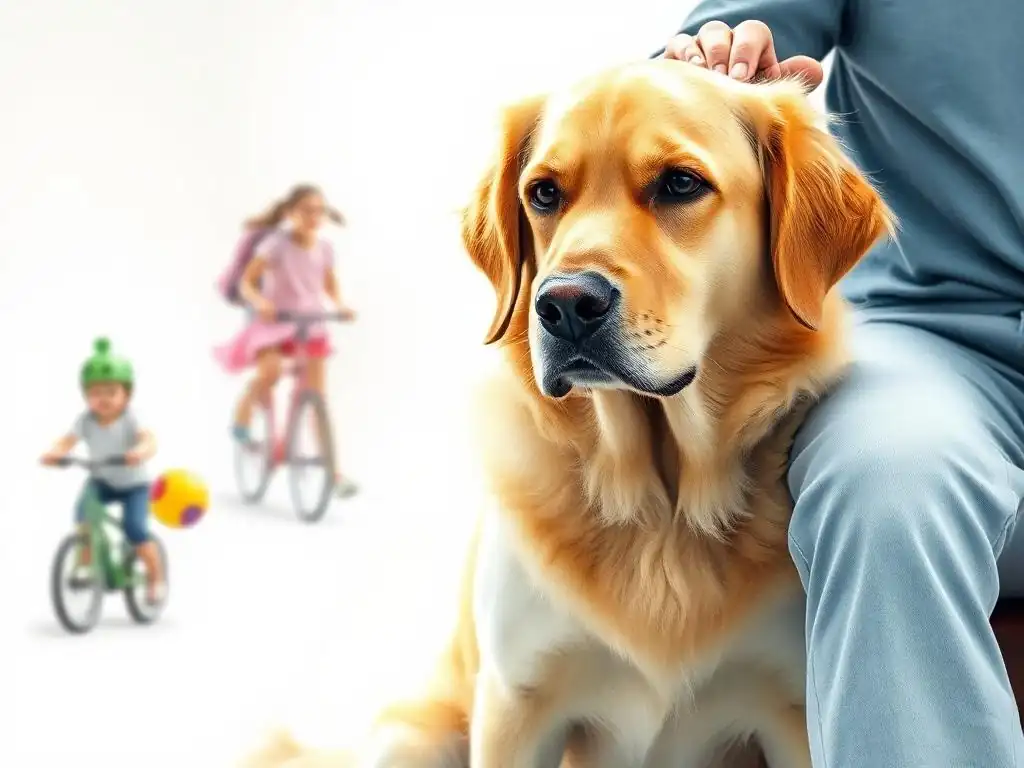
Developing a successful desensitization plan for your reactive dog requires careful planning and consistent execution. This isn't a quick fix; it's a process that demands patience, understanding, and a commitment to positive reinforcement techniques. The core principle is gradually exposing your dog to their triggers at a distance and intensity that allows them to remain calm. Success hinges on maintaining a comfortable emotional state throughout the process, preventing any escalation into full-blown reactivity.
Remember, the goal is to associate the trigger with positive experiences, effectively rewriting their emotional response. This involves careful observation, meticulous planning, and consistent, rewarding interactions. We'll explore the key components to building a robust and effective desensitization plan for your canine companion.
Identifying Your Dog's Specific Triggers: Sounds, Sights, and Situations
Before you begin desensitization training, you must accurately identify your dog's specific triggers. Reactivity isn't a monolithic issue; it manifests differently depending on the individual dog and their unique experiences. Some dogs may react aggressively to specific sounds – perhaps the loud bark of another dog, the shrill sound of children playing, or the rumble of a passing motorcycle.
Others might be triggered by visual stimuli – the sight of another dog, a person running, or even a specific breed of dog. Still others might react to certain situations, such as being approached by strangers, encountering other dogs on leash, or being in crowded environments.
To pinpoint these triggers, keep a detailed journal. Note the time, place, and specific circumstances surrounding each reactive episode. Record the intensity of the reaction – a simple growl, a tense posture, a full-blown lunge? The more data you collect, the clearer the pattern will become. For example:
| Date | Time | Location | Trigger | Reaction Intensity |
|---|---|---|---|---|
| 2024-10-27 | 10:00 AM | Neighborhood Park | Passing jogger | Tense posture, growl |
| 2024-10-27 | 6:00 PM | Grocery Store | Another dog on leash | Lunging, barking |
| 2024-10-28 | 2:00 PM | Dog Park | Group of dogs playing | Whining, hiding |
This detailed record will help you prioritize the triggers and create a phased approach to desensitization. Remember, addressing triggers one at a time is crucial for success in dog reactivity desensitization training. Focusing on too many simultaneously can overwhelm both you and your dog.
Establishing a Safe Distance and Comfortable Baseline
Once you've identified your dog's triggers, the next step is to establish a safe distance and a comfortable baseline. This involves finding a distance from the trigger where your dog remains calm and relaxed. This is crucial; you want to ensure that the dog isn't experiencing any anxiety or fear. If your dog is showing signs of stress (tail tucked, ears back, panting, lip licking), you are too close. Gradually increase the distance until you observe a relaxed posture and a wagging tail, indicating a comfortable baseline.
For example, if your dog reacts to other dogs at 20 feet, start at 100 feet. Present the trigger very briefly—a quick glimpse of another dog from a distance—and immediately reward your dog with a high-value treat and praise. If the dog remains calm, you can gradually decrease the distance over several training sessions. The key is to maintain a comfortable emotional state throughout the process. If your dog shows any signs of stress, immediately increase the distance. Consistency and patience are paramount in this phase of dog reactivity desensitization training. 🐕🦺
Selecting Appropriate Rewards: High-Value Treats and Positive Reinforcement
Positive reinforcement is the cornerstone of successful desensitization training. This means rewarding your dog for calm behavior in the presence of their triggers. The rewards must be highly motivating to your dog – think high-value treats like small pieces of cooked chicken, cheese, or their favorite kibble. The reward should be delivered immediately after the dog exhibits a calm response. This creates a positive association between the trigger and the reward, gradually replacing the fear or anxiety response with a positive one.
Beyond treats, praise can also be a powerful reinforcer. Use enthusiastic and upbeat tones to convey your positive reinforcement. Physical affection, such as gentle petting or scratching, can also be used in conjunction with treats and verbal praise. However, be mindful of your dog's body language.
If they seem uncomfortable with physical touch, avoid it. The goal is to create a positive and rewarding experience, not to cause additional stress. Remember, the effectiveness of the positive reinforcement hinges on the dog's perception of the reward as highly valuable and its immediate delivery upon demonstrating the desired behavior. This meticulous approach is key to successful dog reactivity desensitization training.
Implementing the Desensitization and Counter-Conditioning Process
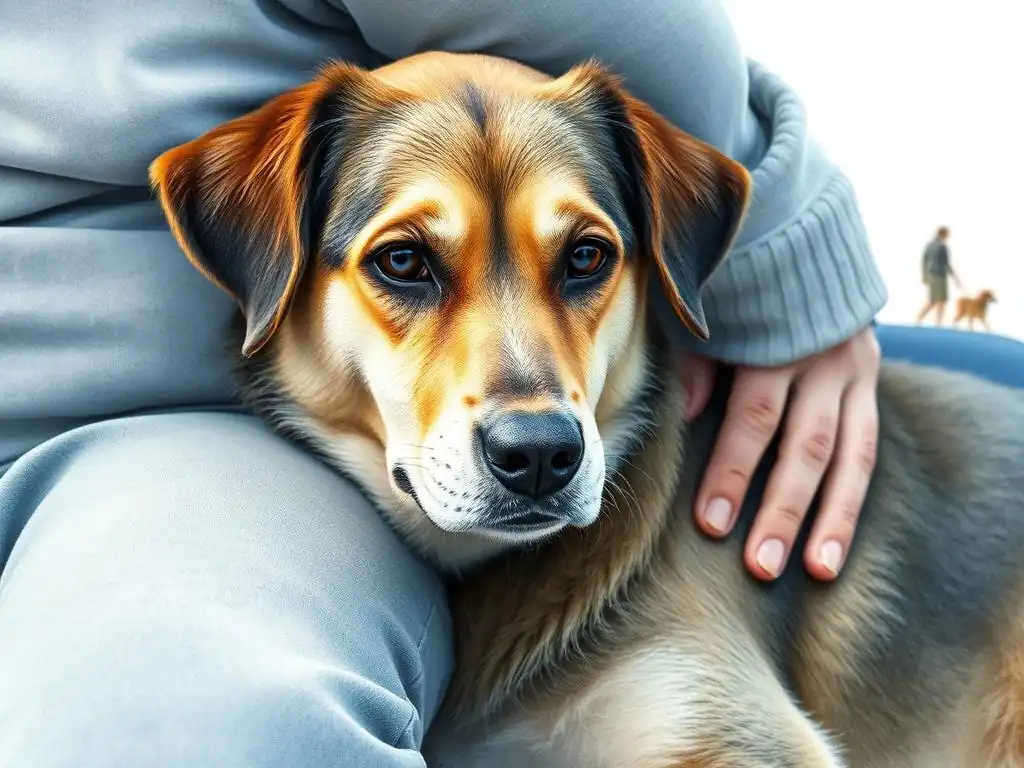
This section details the practical application of desensitization and counter-conditioning for managing dog reactivity. Remember, consistency and patience are key to success in dog reactivity desensitization training. Success hinges on creating a positive and predictable learning environment for your canine companion. We'll explore a step-by-step approach to gradually introduce triggers while pairing them with positive reinforcement. The goal is to shift your dog's emotional response from fear or aggression to calmness and even excitement.
Step-by-Step Guide to Desensitization Training: Gradual Exposure to Triggers
Desensitization involves gradually exposing your dog to their trigger at a distance and intensity that doesn't elicit a reactive response. This process requires careful observation and adjustment. Start far enough away from the trigger that your dog shows no signs of stress (relaxed body posture, soft eyes, relaxed tail). This distance is your starting point.
Here's a practical example: Let's say your dog is reactive towards other dogs. You might begin by observing another dog from a distance of 200 yards. If your dog remains calm, you can gradually decrease the distance over several sessions. Each session should last only as long as your dog remains calm. The moment you see any signs of tension (stiffening, lip licking, whale eye), immediately increase the distance.
This process can be visualized with a simple table:
| Session | Distance from Trigger (yards) | Duration (minutes) | Dog's Response | Notes |
|---|---|---|---|---|
| 1 | 200 | 5 | Calm | Excellent start! |
| 2 | 150 | 7 | Slightly tense at the end | Increased distance next time. |
| 3 | 175 | 10 | Calm throughout | Slowly decreasing distance. |
| 4 | 125 | 5 | Reactive (growling) | Session ended; increased distance significantly. |
| 5 | 200 | 3 | Calm | Building confidence. |
Remember, progress isn't always linear. Setbacks are normal. The key is to consistently work at a distance where your dog remains calm and comfortable. This gradual exposure, carefully managed, is the cornerstone of effective dog reactivity desensitization training. Always prioritize your dog's comfort and well-being. If you notice any signs of significant stress, always increase the distance and reassess.
Pairing Triggers with Positive Associations: Counter-Conditioning Techniques
Counter-conditioning pairs the trigger with something highly positive, like delicious treats or favorite toys. The aim is to change your dog's association with the trigger from negative to positive. This should be done simultaneously with desensitization. As your dog is exposed to the trigger at a safe distance, immediately reward them with high-value treats and praise. The timing is crucial; the reward must come before your dog shows any signs of reactivity.
For instance, if your dog is reactive to bicycles, you might start by having a bicycle pass at a considerable distance while showering your dog with treats and praise. Over time, as your dog demonstrates a relaxed response at that distance, gradually decrease the distance. The goal is to make the bicycle a predictor of good things, not a source of fear or aggression.
This process requires patience and consistency. Don't expect immediate results. It's a gradual process that requires consistent effort and positive reinforcement. Be prepared for setbacks, and always go back to a distance where your dog is calm and comfortable if needed.
Managing Your Dog's Emotional State During Training Sessions
Monitoring your dog's emotional state during desensitization and counter-conditioning is paramount for successful dog reactivity desensitization training. Observe your dog closely for any signs of stress or anxiety. These can include:
- Whale eye (showing the whites of their eyes)
- Lip licking
- Yawning
- Panting (excessive)
- Stiff body posture
- Tail tucked
- Avoidance behaviors
If you notice any of these signs, immediately increase the distance from the trigger and end the session. Pushing your dog too far can undo progress and worsen their reactivity. Remember, the goal is to keep your dog feeling safe and comfortable throughout the training process. A relaxed and confident dog is far more receptive to learning. Maintaining a calm and positive energy yourself will also benefit your dog's emotional state during the training. Positive reinforcement, patience, and careful observation are vital components of successful reactivity management. 🎉
Recognizing Signs of Stress and Adjusting Your Approach Accordingly
Recognizing your dog's stress signals is paramount to successful dog reactivity desensitization training. Ignoring these signs can lead to a setback, potentially worsening the reactivity. It's crucial to understand that even subtle cues can indicate discomfort or anxiety. These signs aren't always dramatic displays of fear; they can be quite nuanced.
For instance, subtle lip licking, yawning (even without apparent drowsiness), a tucked tail, whale eye (showing the whites of their eyes), or a stiff posture can all signal rising stress levels. More overt signs include panting, trembling, tucked tail, flattened ears, and attempts to escape the situation. Some dogs may exhibit excessive barking or growling, but this is often a later stage of stress response – ideally, you want to intervene before it reaches this point. Every dog displays stress differently; understanding your individual dog's unique body language is key.
Remember, the goal of desensitization is to create positive associations with the trigger, not to push your dog past their comfort zone. If you notice any of these stress signals during a desensitization session, it's imperative to immediately increase the distance from the trigger, reduce the intensity of the trigger (e.g., if it's a person, move further away), or end the session altogether. Forcing your dog to endure stressful situations will only reinforce their negative associations and hinder progress.
A successful desensitization session should leave your dog feeling calm and confident, not anxious or overwhelmed. The process is about gradual exposure, not forced confrontation.
Consider keeping a detailed journal to track your dog's reactions during each session. Note the specific triggers, the distance from the trigger, your dog's response (including subtle cues), and any adjustments you made. This detailed record will help you fine-tune your approach and ensure consistent progress. This meticulous approach is vital for effective dog reactivity desensitization training and ensures your dog's well-being throughout the process. Remember, patience and understanding are key components of successful desensitization. 🐶
Maintaining Progress and Preventing Relapse
Successfully desensitizing a reactive dog to triggers requires consistent effort and a strategic approach to prevent relapse. Simply completing a desensitization program doesn't guarantee long-term success; maintaining progress and preventing setbacks are crucial for achieving lasting behavioral change. This involves a careful and gradual increase in exposure to triggers, integrating desensitization techniques into the dog's daily routine, and ongoing monitoring for signs of regression. Remember, consistency is key in dog reactivity desensitization training.
Gradual Increase of Exposure and Distance to Triggers
Once your dog demonstrates a consistent, relaxed response at a specific distance and intensity of a trigger (e.g., a passing dog at 50 feet), it's time to gradually increase the challenge. This shouldn't be a drastic leap; rather, a slow and steady progression. For instance, if your dog is comfortable with a passing dog at 50 feet, the next step might be 40 feet, then 30, and so on.
Always monitor your dog's body language closely. Any signs of stress (tensed muscles, whale eye, lip licking, yawning) indicate you've increased the challenge too quickly. Immediately decrease the distance or intensity and return to a level where your dog remains calm.
Consider using a structured approach, tracking your progress in a journal or spreadsheet. Record the date, the type of trigger, the distance, the dog's initial reaction, and the dog's response after desensitization exercises. This detailed record helps you identify patterns, adjust your approach, and celebrate successes. For example:
| Date | Trigger Type | Distance (feet) | Initial Reaction | Post-Desensitization Response | Notes |
|---|---|---|---|---|---|
| 2024-10-27 | Dog (on leash) | 50 | Tense, stiff | Relaxed, tail wagging | Used high-value treats as rewards |
| 2024-10-28 | Dog (off leash) | 40 | Slight stiffening | Relaxed, looking away | Increased duration of exposure |
| 2024-10-29 | Dog (on leash) | 30 | Whale eye, panting | Slightly tense, needed more distance | Reduced distance and increased treats |
Remember, setbacks can occur. If your dog regresses, don't get discouraged. Simply return to a previous level of exposure where your dog feels comfortable and gradually increase the challenge again. Patience and persistence are essential components of successful dog reactivity desensitization training.
Integrating Desensitization into Everyday Life
Effective dog reactivity desensitization training extends beyond structured sessions. To truly help your dog manage reactivity, it's crucial to integrate desensitization techniques into their daily life. This means proactively managing your dog's environment and using everyday encounters as opportunities for practice. For example, instead of avoiding all dogs during walks, use planned encounters at safe distances as opportunities to practice relaxation. This constant exposure, controlled and carefully managed, reinforces the learned behaviors and helps your dog generalize their improved responses to various situations.
Consider these strategies for integration:
- Controlled walks: Choose less busy routes, and when encountering potential triggers, use high-value rewards and positive reinforcement to maintain a calm demeanor.
- Socialization (with caution): Carefully selected, supervised interactions with friendly, well-behaved dogs can be beneficial, but always prioritize your dog's comfort level.
- Games and activities: Incorporate games and activities that require focus and attention, helping distract your dog from potential triggers.
- Positive reinforcement at home: Reward calm behavior even when no triggers are present. This reinforces the desired behavior in a safe and comfortable environment.
This consistent exposure and reinforcement helps prevent relapse and builds resilience to triggers in various contexts. Remember, the goal is to help your dog generalize their learned calm behavior to all environments.
Seeking Professional Guidance: When to Consult a Certified Dog Trainer or Behaviorist
While many owners can successfully implement desensitization techniques at home, seeking professional help is sometimes necessary. Consulting a certified dog trainer or veterinary behaviorist is highly recommended in several scenarios:
- Severe reactivity: If your dog exhibits extreme aggression or fear, professional guidance is crucial to ensure safety and develop a tailored desensitization plan.
- Lack of progress: If you've consistently applied desensitization techniques for several weeks without significant improvement, a professional can assess the situation and identify potential issues in your approach.
- Underlying medical conditions: Reactivity can sometimes stem from underlying medical issues. A veterinarian can rule out any medical causes and provide guidance on managing these conditions.
- Complex cases: If your dog's reactivity involves multiple triggers or complex behavioral patterns, professional help is invaluable in developing a comprehensive and effective treatment plan.
A certified professional can provide a personalized assessment, offer specialized training techniques, and address any underlying issues contributing to your dog's reactivity. They can also help ensure your safety during training sessions and offer ongoing support to prevent relapse. Remember, seeking professional guidance doesn't indicate failure; it's a proactive step towards ensuring the best possible outcome for your dog. Investing in professional help can significantly improve the chances of long-term success in dog reactivity desensitization training.
Long-Term Management Strategies for Reactive Dogs
Maintaining a dog's progress after successful desensitization and counter-conditioning requires a long-term commitment to management and ongoing training. It's crucial to understand that reactivity is often a lifelong challenge, not a problem with a quick fix. Consistent effort is key to preventing relapse and ensuring your dog's continued well-being. Think of it like managing a chronic health condition – it requires ongoing attention and proactive measures.
One of the most important aspects of long-term management is predictive management. This involves anticipating situations that might trigger your dog's reactivity and proactively avoiding them, at least initially. This might mean altering your walking routes to avoid known trigger areas (like busy parks or areas with many dogs), using quieter times of day for walks, or employing tools like muzzles or harnesses to help manage your dog's behavior in challenging situations. Remember, safety is paramount, both for your dog and for others.
Another critical element is consistent reinforcement of calm behavior. Even after your dog has shown significant improvement, continue to reward calm behavior in the presence of triggers. This positive reinforcement helps solidify the association between calm behavior and positive outcomes. This doesn’t mean ignoring the triggers entirely; instead, it means rewarding the dog for remaining calm when the triggers are present at a safe distance or intensity. Use high-value rewards and praise liberally to reinforce the desired behavior.
Regular training sessions, even if short, are essential. These sessions shouldn't solely focus on the triggers; instead, they should reinforce basic obedience commands like "sit," "stay," and "leave it." These commands provide valuable tools for managing your dog's behavior in potentially reactive situations. A well-trained dog is better equipped to handle distractions and unexpected stimuli.
Finally, remember that setbacks can occur. Don't be discouraged if your dog occasionally exhibits reactive behavior. View these setbacks as learning opportunities and adjust your management and training strategies accordingly. It's also important to seek professional guidance from a certified dog trainer or veterinary behaviorist if you encounter significant challenges or if your dog's reactivity worsens.
They can provide personalized advice and support to help you navigate these complexities and maintain your dog's progress in managing their reactivity. Remember, patience and consistency are key to long-term success in managing dog reactivity. 🎉 Your dedication will pay off in a calmer, happier dog and a more enjoyable relationship for both of you!
Advanced Desensitization Techniques for Severe Reactivity
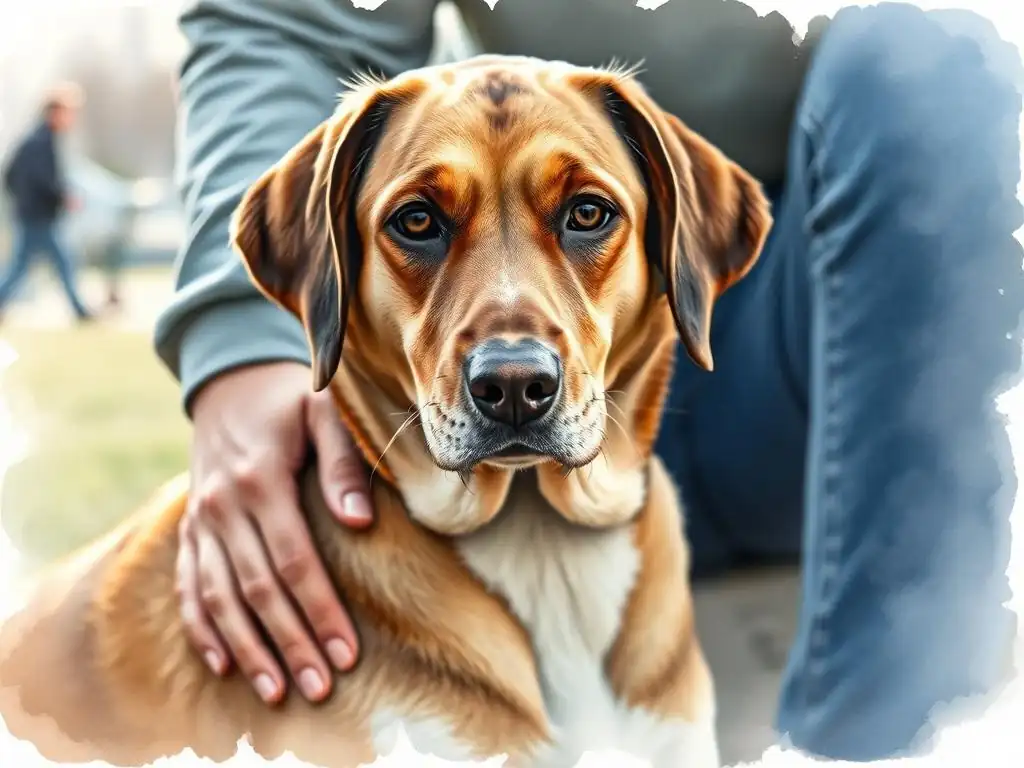
This section delves into more advanced strategies for dogs exhibiting severe reactivity, building upon the foundational principles of desensitization and counter-conditioning. These techniques require patience, consistency, and potentially professional guidance from a certified veterinary behaviorist or a qualified dog trainer experienced in reactivity cases. Remember, dog reactivity desensitization training is a process, not a quick fix. Success hinges on gradual, systematic progress, celebrating even the smallest victories.
Utilizing Environmental Modifications to Reduce Trigger Exposure
Managing the environment is crucial for successful dog reactivity desensitization training. Minimizing exposure to triggers during the initial phases is paramount. This doesn't mean complete isolation; rather, it involves strategic planning to reduce the frequency and intensity of encounters with potential triggers.
Consider these modifications:
- Altering Walking Routes: Avoid areas known to trigger reactive behaviors. This may involve changing your usual walking route, opting for less populated parks, or walking during off-peak hours. Detailed route planning, noting trigger-heavy locations, is essential for proactive avoidance.
- Utilizing Barriers: Employ physical barriers like baby gates or strategically placed furniture to create safe spaces and distance from triggers. This provides a sense of security and control, gradually reducing the dog's stress response.
- Harness Selection: A properly fitted head halter or front-clip harness can provide better control than a standard collar, especially during encounters with potential triggers. This is not about forceful control but about providing the handler with the tools to guide the dog away from stressful situations.
- Creating Safe Zones: Designate quiet, comfortable areas in your home where your dog can retreat when feeling overwhelmed. These spaces should be free from distractions and provide a sense of security.
Incorporating Medication in Combination with Behavioral Modification (with veterinary consultation)
In cases of severe reactivity, medication can be a valuable tool when used in conjunction with behavioral modification techniques, such as dog reactivity desensitization training. It's crucial to understand that medication is not a standalone solution. It helps manage the dog's emotional and physiological response to stressors, making it easier for them to participate in training.
Important Note: Medication should always be prescribed and monitored by a veterinarian specializing in animal behavior. They will assess your dog's individual needs, considering factors such as breed, age, overall health, and the severity of the reactivity. Self-medicating can be dangerous and ineffective. The veterinarian will work collaboratively with you and your chosen trainer to develop a comprehensive treatment plan.
The type and dosage of medication will vary widely depending on the dog's specific needs. Commonly used medications may include anxiolytics or anti-depressants, but the choice depends entirely on the veterinary assessment.
Addressing Underlying Medical Issues Contributing to Reactivity
Before embarking on intensive dog reactivity desensitization training, it's essential to rule out any underlying medical conditions that could be contributing to or exacerbating the reactivity. Pain, discomfort, or sensory sensitivities can significantly impact a dog's behavior, leading to increased anxiety and reactivity.
A thorough veterinary examination should include:
- Pain Assessment: A comprehensive physical examination to identify any sources of pain, such as arthritis, dental issues, or other injuries.
- Sensory Evaluation: Assessment for potential sensory sensitivities, such as noise hypersensitivity or light sensitivity, which can trigger reactive behaviors.
- Thyroid Function Testing: Hypothyroidism can manifest as behavioral changes, including increased anxiety and reactivity. A simple blood test can determine thyroid function.
- Other Relevant Tests: Based on the veterinarian's assessment, additional tests may be recommended to rule out other medical conditions that could be influencing the dog's behavior.
Addressing any underlying medical issues is crucial for successful behavioral modification. Treating the root cause can significantly improve the dog's overall well-being and increase the effectiveness of dog reactivity desensitization training. Ignoring medical factors can lead to frustration and limited progress in behavioral therapy.
Common Mistakes to Avoid in Dog Reactivity Desensitization Training
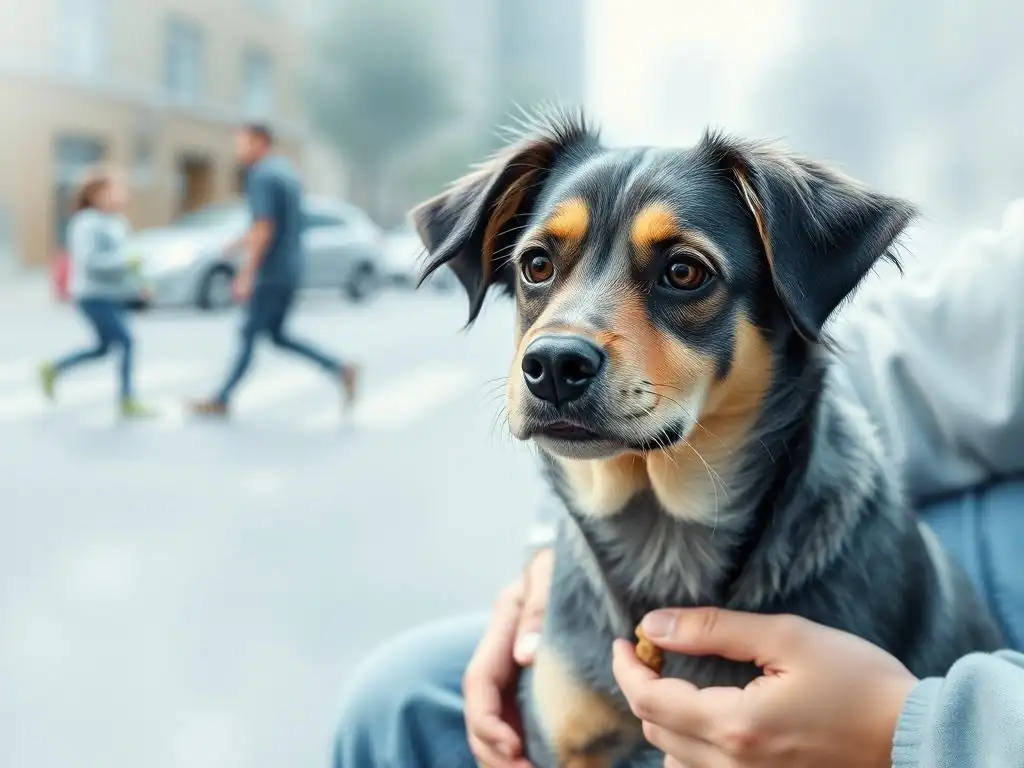
Dog reactivity desensitization training requires patience, consistency, and a deep understanding of canine behavior. Many well-meaning owners unintentionally hinder their dog's progress by making common mistakes. Avoiding these pitfalls is crucial for successful training and a happier, more well-adjusted canine companion. This section will illuminate some frequent errors and offer solutions for improved training outcomes. Remember, the goal is gradual desensitization, not forced confrontation. This approach minimizes stress and maximizes the chances of success in managing your dog's reactivity.
Pushing Your Dog Too Hard Too Fast: Recognizing Signs of Overwhelm
One of the most significant errors in dog reactivity desensitization training is pushing the dog too far, too quickly. This can lead to a setback, potentially worsening the reactivity. It's essential to recognize signs of overwhelm in your dog. These can manifest in various ways, and understanding them is paramount for effective training.
Overwhelm indicators can range from subtle to obvious. Subtle signs might include: increased panting, lip licking, yawning (even if not tired), and a subtly lowered posture. More overt signs include whale eye (showing the whites of their eyes), tucked tail, stiff body, barking excessively, snapping, lunging, or even biting. If you observe any of these behaviors, it's a clear signal to increase the distance from the trigger, reduce the intensity of the stimulus, or end the training session entirely.
Consider this example: You're working on desensitizing your dog to other dogs. You start with a distant dog, barely visible. Your dog shows no reaction. Great! You slowly decrease the distance.
Suddenly, your dog starts panting heavily, his tail tucks, and he avoids eye contact. This is your cue to immediately increase the distance again, giving your dog space and time to recover. Continuing at that close proximity would only reinforce the negative association and could lead to a significant regression in your training progress. Remember, progress is not linear; setbacks are a part of the process. The key is to recognize them and adjust accordingly.
Inconsistent Training and Reward Systems
Consistency is king when it comes to dog reactivity desensitization training. Inconsistent training and reward systems confuse your dog, hindering their ability to learn and associate the desired behaviors with positive reinforcement. A reliable reward system is crucial; your dog needs to clearly understand what behaviors earn rewards.
Imagine this scenario: You’re using high-value treats to reward calm behavior around triggers. However, sometimes you use the treats, and sometimes you don't, or you switch to lower-value rewards. This inconsistency sends mixed signals. Your dog may become uncertain about what's expected, leading to frustration and potentially increased reactivity. The lack of a clear connection between desired behavior and reward undermines the entire training process.
To avoid this pitfall, establish a consistent reward system from the outset. Always use high-value rewards (e.g., small pieces of cooked chicken, cheese, or their favorite kibble) and deliver them immediately following the desired behavior (calmness, relaxed posture, etc.). This consistency reinforces positive associations and builds your dog's confidence in the training process. Remember, positive reinforcement is the cornerstone of successful reactivity modification. The more consistent you are, the quicker your dog will learn and improve.
Failing to Address Underlying Anxiety or Fear
Dog reactivity often stems from underlying anxiety or fear. Simply working on desensitization without addressing these root causes is like treating a symptom without tackling the disease. Ignoring the underlying emotional state can significantly limit the success of your desensitization efforts. A comprehensive approach necessitates identifying and managing the underlying anxiety or fear.
For example, a dog displaying reactivity towards other dogs might have had a negative experience in the past, such as being attacked or bullied. This traumatic event could have fostered a deep-seated fear, leading to reactive behaviors. Focusing solely on desensitization without addressing this underlying trauma would likely be ineffective.
Addressing the fear might involve a combination of desensitization, counter-conditioning, and potentially professional help from a certified veterinary behaviorist or a qualified canine behaviorist. This holistic approach ensures a more comprehensive and effective solution, leading to a more confident and well-adjusted dog. Remember, a fearful dog is more likely to react defensively, making it crucial to address the underlying emotional issues.
Resources and Further Reading on Dog Reactivity Desensitization
This section provides valuable resources to supplement your dog reactivity desensitization training journey. Understanding and addressing dog reactivity requires a multifaceted approach, and these resources offer further insights and practical strategies. Remember, consistency and patience are key to success in modifying reactive behaviors. Effective dog reactivity desensitization training involves a commitment to ongoing learning and refinement of techniques.
Recommended Books and Articles on Dog Training and Behavior Modification
Several excellent resources delve deeply into the science and practice of dog training and behavior modification, providing a strong theoretical foundation for understanding and addressing reactivity. These books and articles often present case studies, detailed training plans, and practical exercises that can significantly enhance your understanding of dog reactivity desensitization training.
Here are a few examples of topics covered in these resources:
- Classical and Operant Conditioning: Understanding the principles of learning is crucial for effective training. These resources explain how positive reinforcement, negative punishment, and other techniques shape behavior.
- Stress and Anxiety in Dogs: Many reactive behaviors stem from underlying anxiety or fear. These resources help you identify signs of stress and anxiety in your dog and implement strategies to manage them.
- Body Language and Communication: Learning to interpret your dog's body language is essential for preventing reactivity triggers and understanding their emotional state. This allows for proactive intervention before a reaction occurs.
- Systematic Desensitization and Counter-Conditioning: These resources provide detailed explanations and practical examples of how to gradually desensitize your dog to triggers and replace negative associations with positive ones. This is the core of effective dog reactivity desensitization training.
A well-rounded approach to dog reactivity desensitization training should include both practical application and theoretical understanding. The books and articles mentioned above provide the latter, complementing the hands-on techniques discussed elsewhere in this article. Remember to choose resources that align with positive reinforcement-based training methods.
Finding a Qualified Certified Professional Dog Trainer (CPDT-KA) Near You
While self-education is valuable, working with a qualified professional can significantly accelerate your progress and ensure you're using safe and effective methods. A Certified Professional Dog Trainer (CPDT-KA) possesses the knowledge and experience to assess your dog's specific needs, develop a personalized training plan, and provide guidance throughout the process.
Finding a CPDT-KA is crucial for several reasons:
- Personalized Assessment: A CPDT-KA will conduct a thorough assessment of your dog's behavior, identifying the specific triggers and underlying causes of their reactivity.
- Tailored Training Plan: They'll create a customized training plan addressing your dog's unique needs and challenges, rather than a generic approach.
- Expert Guidance and Support: You'll receive ongoing support and guidance from an expert, allowing you to ask questions and address challenges as they arise.
- Safe and Effective Methods: CPDT-KAs are trained in humane and effective methods, ensuring your dog's well-being throughout the training process. They will avoid aversive techniques that can worsen reactivity.
Remember to research potential trainers carefully, reviewing their qualifications, experience, and training philosophy. Look for reviews and testimonials from other dog owners. A positive and supportive relationship with your trainer is essential for the success of dog reactivity desensitization training.
Online Communities and Support Groups for Owners of Reactive Dogs
Connecting with other dog owners facing similar challenges can provide invaluable emotional support and practical advice. Online communities and support groups offer a safe space to share experiences, ask questions, and learn from others' successes and challenges. This peer-to-peer support network can be incredibly beneficial during the sometimes-frustrating process of dog reactivity desensitization training.
Benefits of joining these communities include:
- Emotional Support: Sharing experiences with others who understand the challenges of reactive dogs can reduce feelings of isolation and frustration.
- Practical Advice and Tips: Learn from others' successes and challenges, gaining practical tips and strategies for managing reactivity.
- Community and Camaraderie: Build connections with other dog owners and share in the journey of training and improving your dog's behavior.
- Access to Resources: Many online communities share helpful resources, such as articles, videos, and links to qualified trainers.
Remember to be selective in the communities you join, choosing those that emphasize positive reinforcement methods and avoid promoting aversive training techniques. The right support network can make a significant difference in your success with dog reactivity desensitization training. 🐶
Frequently Asked Questions
What is dog reactivity?
Dog reactivity refers to excessive and undesirable reactions from a dog, such as barking, lunging, or snapping, towards specific triggers like other dogs, people, or objects. It's a common behavioral issue that requires professional guidance.
How does desensitization training work?
Desensitization gradually exposes your dog to its triggers at a distance and intensity that doesn't elicit a strong reaction. This slowly builds tolerance and reduces the dog's anxiety response over time.
What are some common triggers for reactive dogs?
Common triggers include other dogs, particularly those exhibiting specific body language, unfamiliar people, loud noises, or even specific objects. Identifying your dog's individual triggers is crucial.
How long does desensitization training take?
The duration varies greatly depending on the severity of reactivity, the dog's individual temperament, and the consistency of training. It's a process requiring patience and professional guidance for best results.
Where can I find help with desensitization training for my reactive dog?
PetCareWorld offers expert advice and resources on dog reactivity desensitization training. Consider contacting a certified professional dog trainer or veterinary behaviorist for personalized guidance.
Final Reflection: Reclaiming Peace: The Journey Beyond Reactive Behaviors
The struggle with dog reactivity is far from a niche problem; it's a widespread challenge impacting countless dog owners and their beloved companions. Successfully navigating this requires patience, understanding, and a commitment to consistent, positive training. This journey, while demanding, ultimately leads to a richer bond and a more harmonious life for both human and canine.
The impact of successfully desensitizing a reactive dog extends far beyond the immediate improvement in behavior. It fosters a deeper understanding of canine communication and emotional needs. It challenges our own assumptions about what constitutes "good" or "bad" behavior, forcing us to approach training with empathy and respect. The greatest reward of training a dog is the bond you create.
This quote resonates deeply, as the process of desensitization isn't just about modifying behavior; it's about building trust and strengthening the relationship.
So, what's next? Consider this your call to action. Don't let reactivity define your dog or your relationship. Embrace the journey of desensitization, celebrate small victories, and remember that progress, not perfection, is the ultimate goal. Take the time to truly understand your dog's triggers, and approach training with patience and positive reinforcement. The peace and joy that await you and your furry friend are well worth the effort.
Unleash Your Pet's Calm: Start Desensitization Today!
Thank you for learning about desensitization techniques for your reactive pet. We hope this article provided valuable insights to help your furry friend feel more comfortable and confident. Now, let's put this knowledge into action!
- Begin your pet's desensitization journey today: Start with the least stressful trigger, ensuring a positive and rewarding experience for your pet. Even a few minutes of practice makes a difference.
- Share your progress and challenges with our community: Connect with other PetCareWorld members on our forum to share experiences, ask questions, and receive support from fellow pet lovers. You're not alone!
- Track your pet's responses: Monitoring your pet's reactions to various stimuli helps you understand their triggers and refine your desensitization plan. This detailed approach can be very rewarding.
Ready to transform your pet's relationship with their stressors? What small step will you take today to create a calmer, happier companion?