
Bird Cage Water Dish Maintenance: Preventing Bacteria Growth

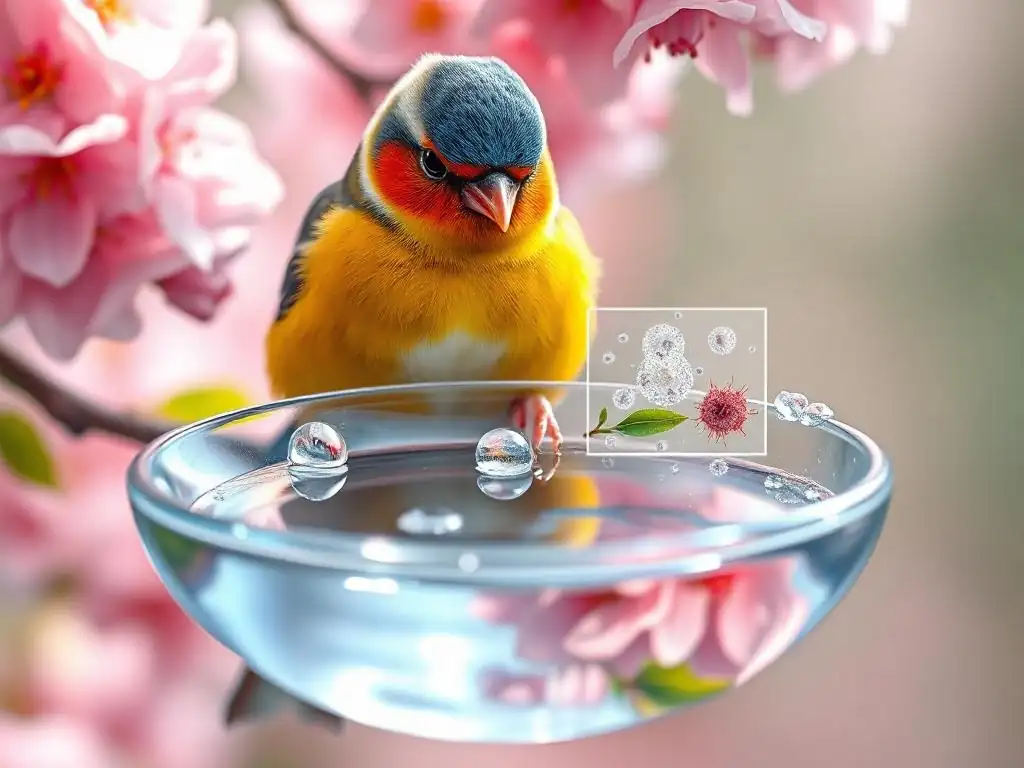
Welcome to PetCareWorld, your ultimate guide to a happier, healthier life for your beloved pets! Are you committed to providing the best possible care for your feathered friend? Then discover the critical importance of Clean bird water dish daily maintenance. Learn how seemingly simple actions can significantly impact your bird's health and well-being, preventing the growth of harmful bacteria and ensuring a long, vibrant life for your companion. Dive in and explore our expert advice on maintaining a pristine environment for your bird – it's more crucial than you might think!
- The Importance of Clean Bird Water Dish Daily
- How to Clean a Bird Water Dish Effectively: A Step-by-Step Guide
- Types of Bird Water Dishes and Their Cleaning Methods
- Recognizing Signs of Bacterial Contamination in Bird Water
- Preventing Bacteria Growth in Bird Water Dishes: Proactive Measures
- When to Consult an Avian Veterinarian
- Frequently Asked Questions
- Final Reflection: The Unseen Battle for Avian Health
- Ready to Keep Your Feathered Friend's Water Sparkling Clean?
The Importance of Clean Bird Water Dish Daily
Maintaining a clean bird water dish is paramount to your feathered friend's health and well-being. A seemingly simple task, daily cleaning of your bird's water dish is crucial in preventing the growth of harmful bacteria and the subsequent development of serious illnesses. This article delves into the specifics of why daily cleaning is essential, the types of bacterial infections it can prevent, and the common bird diseases directly linked to contaminated water sources.
We'll provide practical tips and strategies to ensure your bird always has access to fresh, clean, and safe drinking water, contributing to a longer, healthier, and happier life for your beloved pet. Ignoring this seemingly small detail can have significant consequences, impacting your bird's overall health and potentially leading to costly veterinary bills down the line. Let's explore the critical role of daily water dish cleaning in responsible bird ownership.
Why Daily Cleaning is Crucial for Bird Health
Birds, particularly those kept as pets, are susceptible to various bacterial and fungal infections. Their immune systems, while generally robust, can be compromised by stress, poor diet, or unsanitary living conditions. A dirty water dish acts as a breeding ground for harmful microorganisms, quickly becoming a vector for disease transmission. Daily cleaning removes not only visible debris like food particles and droppings, but also invisible bacterial colonies that accumulate rapidly. Think of it like this: a single drop of contaminated water can harbor millions of bacteria, and these numbers multiply exponentially over time. 1 Providing fresh water daily helps ensure your bird remains hydrated and minimizes the risk of illness. Clean water is fundamental to your bird's overall health, impacting their energy levels, feather condition, and digestive system. Neglecting daily cleaning can lead to a rapid decline in your bird's health, potentially resulting in serious complications.
1 This statement is based on general microbiology principles; specific bacterial growth rates vary depending on species and environmental conditions.
Preventing Bacterial Infections in Bird Water Dishes
Several bacterial species pose significant threats to birds. E. coli and Salmonella, for instance, are common culprits found in contaminated water sources. These bacteria can cause severe gastrointestinal distress, leading to diarrhea, vomiting, and dehydration – all life-threatening conditions for birds. Furthermore, fungal infections, like aspergillosis, can also thrive in moist, unsanitary environments like dirty water dishes. These infections can affect the respiratory system, causing significant breathing difficulties and even death.
Daily cleaning helps prevent the formation of biofilms – sticky layers of bacteria that are resistant to cleaning and disinfection. Using appropriate cleaning agents and thoroughly rinsing the dish eliminates these biofilms, significantly reducing the risk of bacterial and fungal growth. Remember, prevention is always better than cure when it comes to your bird’s health. Regular, meticulous cleaning is your first line of defense against these potentially fatal infections.
Common Bird Diseases Linked to Dirty Water Dishes
Many common avian diseases are directly linked to contaminated water sources. These include, but are not limited to:
- Bacterial infections: As mentioned previously, E. coli and Salmonella can cause severe gastrointestinal illness, often leading to dehydration and death, especially in young or immunocompromised birds.
- Fungal infections: Aspergillosis, a common fungal infection, can be exacerbated by a damp, dirty environment. Symptoms can range from mild respiratory issues to severe pneumonia.
- Parasites: While not directly from the water itself, dirty water dishes can indirectly contribute to parasite infestations. Contaminated water can attract insects that may carry parasites, increasing the risk of infestation for your bird.
- Nutritional deficiencies: If your bird is reluctant to drink from a dirty water dish, it may lead to dehydration and subsequent nutritional deficiencies, weakening its immune system and making it more susceptible to disease.
Regular cleaning of your bird's water dish is a simple yet incredibly effective way to significantly reduce the risk of these and other potentially fatal illnesses. It's a small act with a massive impact on your bird's overall health and longevity. Prioritizing this daily task demonstrates your commitment to responsible and caring bird ownership.
How to Clean a Bird Water Dish Effectively: A Step-by-Step Guide
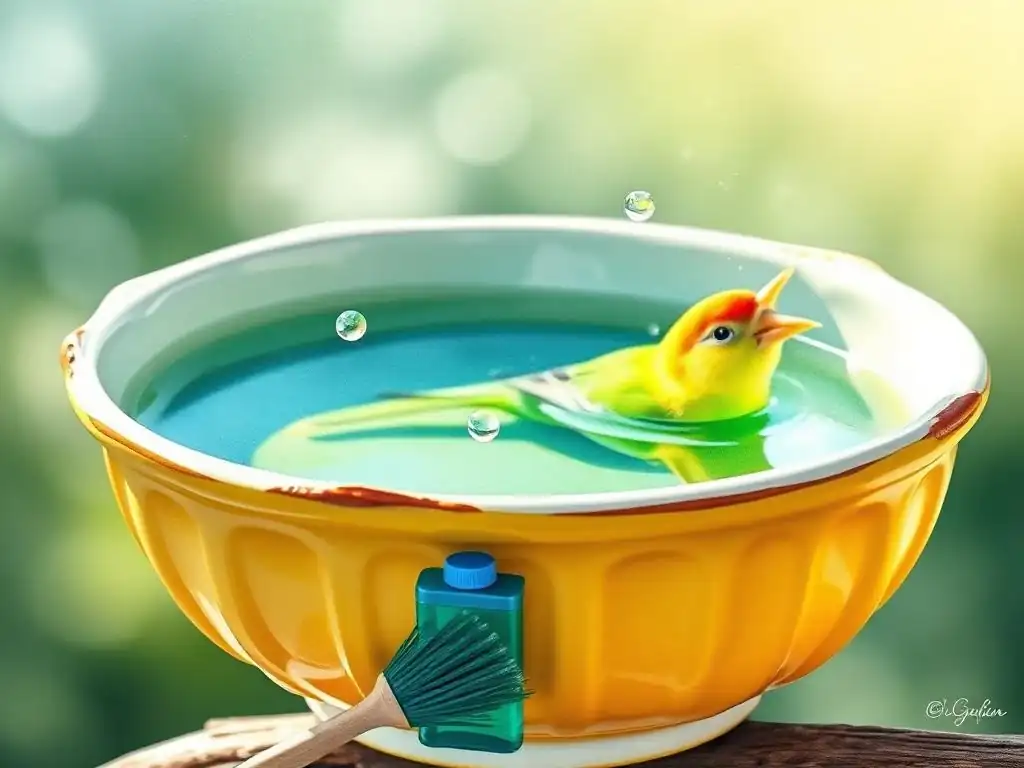
Maintaining a clean bird water dish is crucial for your feathered friend's health. Neglecting this simple task can lead to bacterial growth, potentially causing illness. Regular cleaning, using the right techniques and products, is key to preventing such problems and ensuring your bird stays happy and healthy. Remember, a clean bird water dish daily is the cornerstone of preventative bird care.
Daily Cleaning Routine: Clean Bird Water Dish Daily
The most effective way to prevent bacterial buildup is to establish a clean bird water dish daily routine. This doesn't require extensive effort; a quick rinse and refill is often sufficient.
Here's a simple, effective daily cleaning process:
- Empty and Rinse: Carefully remove the water dish from the cage. Empty any remaining water into a sink or designated container. Rinse the dish thoroughly with warm, running water. Pay close attention to any crevices or hard-to-reach areas where residue might accumulate.
- Scrub (if necessary): If you notice any visible debris or staining, use a soft-bristled brush or sponge to gently scrub the dish. Avoid harsh scrubbing that could damage the material.
- Refill and Replace: Once the dish is clean, refill it with fresh, clean water. Return the dish to the cage, ensuring it's securely placed to prevent spills or accidental tipping.
- Frequency: Aim to perform this clean bird water dish daily process at least once a day, and more often if the water becomes visibly dirty or cloudy. This simple routine significantly reduces the risk of bacterial contamination.
Weekly Deep Cleaning of Bird Water Dishes
While daily cleaning is essential, a weekly deep clean is necessary to eliminate any lingering bacteria and ensure thorough sanitation. This more comprehensive approach complements your clean bird water dish daily routine.
This weekly deep clean involves:
- Disassembly: If your water dish is multi-part (e.g., a bottle with a base), disassemble it completely. This allows for thorough cleaning of all components.
- Soaking: Soak all parts in a solution of warm water and a pet-safe, bird-friendly disinfectant. Allow them to soak for at least 15-20 minutes. [Specific product recommendations pending]
- Scrubbing: After soaking, scrub all parts with a soft-bristled brush, paying special attention to any areas where algae or mineral deposits may have accumulated.
- Rinsing: Rinse all parts thoroughly with clean water to remove any traces of disinfectant.
- Drying: Allow all parts to air dry completely before reassembling and placing the water dish back in the cage. Avoid using towels as they may leave lint behind.
Choosing the Right Cleaning Products for Bird Water Dishes
Choosing the right cleaning products is paramount when maintaining your bird’s water dish. Avoid harsh chemicals that could be toxic to your bird if ingested. Opt for products specifically designed for pet use or natural, bird-safe alternatives.
Here’s what to consider:
- Pet-Safe Disinfectants: Look for disinfectants explicitly labeled as safe for pets and birds. These products are formulated to effectively kill bacteria without harming your bird.
- Natural Cleaning Solutions: Vinegar and baking soda are effective and safe natural alternatives for cleaning bird water dishes. A solution of equal parts water and white vinegar can effectively sanitize the dish. Baking soda can help remove stubborn stains.
- Avoid Harsh Chemicals: Stay away from bleach, ammonia, and other harsh chemicals, as these can be toxic to birds and leave harmful residues.
- Thorough Rinsing: Regardless of the cleaning product used, always rinse the water dish thoroughly to remove all traces of the cleaning solution before refilling it with fresh water. This is crucial to prevent your bird from ingesting any harmful chemicals.
Remember, a consistent cleaning routine, coupled with the use of appropriate cleaning products, is vital for ensuring your bird enjoys clean, safe drinking water, promoting its overall health and well-being. Remember to clean bird water dish daily for optimal bird health!
Safe and Effective Disinfectants for Bird Water Dishes
Choosing the right disinfectant is crucial for effectively cleaning your bird's water dish without harming your feathered friend. Many common household cleaners are toxic to birds, even in diluted forms. Therefore, selecting a bird-safe disinfectant is paramount. Never use harsh chemicals like bleach, ammonia, or phenol-based cleaners. These can leave behind harmful residues that your bird can ingest, leading to serious health problems. Symptoms of poisoning can range from respiratory distress and gastrointestinal upset to neurological issues and even death. Always prioritize your bird's safety.
Opt for gentler, bird-safe disinfectants. A simple solution of warm water and a tiny amount of mild dish soap is often sufficient for daily cleaning. Rinse thoroughly to remove all soap residue. For more thorough disinfection, consider using a diluted solution of white vinegar (a natural disinfectant). A ratio of one part white vinegar to four parts water is generally safe and effective. Again, ensure you rinse the dish completely before refilling it with fresh water.
Some pet stores also carry bird-safe disinfectants specifically formulated for cleaning pet accessories. These products often contain natural ingredients and are less likely to leave harmful residues. Always check the product label carefully to ensure it's explicitly safe for birds before use. Look for labels that clearly state their suitability for use with birds and aviaries.
Reading reviews from other bird owners can also be helpful in determining the safety and effectiveness of a particular product. Remember, prevention is key; regular cleaning with a bird-safe solution will minimize the need for harsh disinfectants. Regular cleaning, using the appropriate methods, is much more effective in the long run than relying on strong chemicals. Always err on the side of caution when it comes to your bird's health.
Types of Bird Water Dishes and Their Cleaning Methods
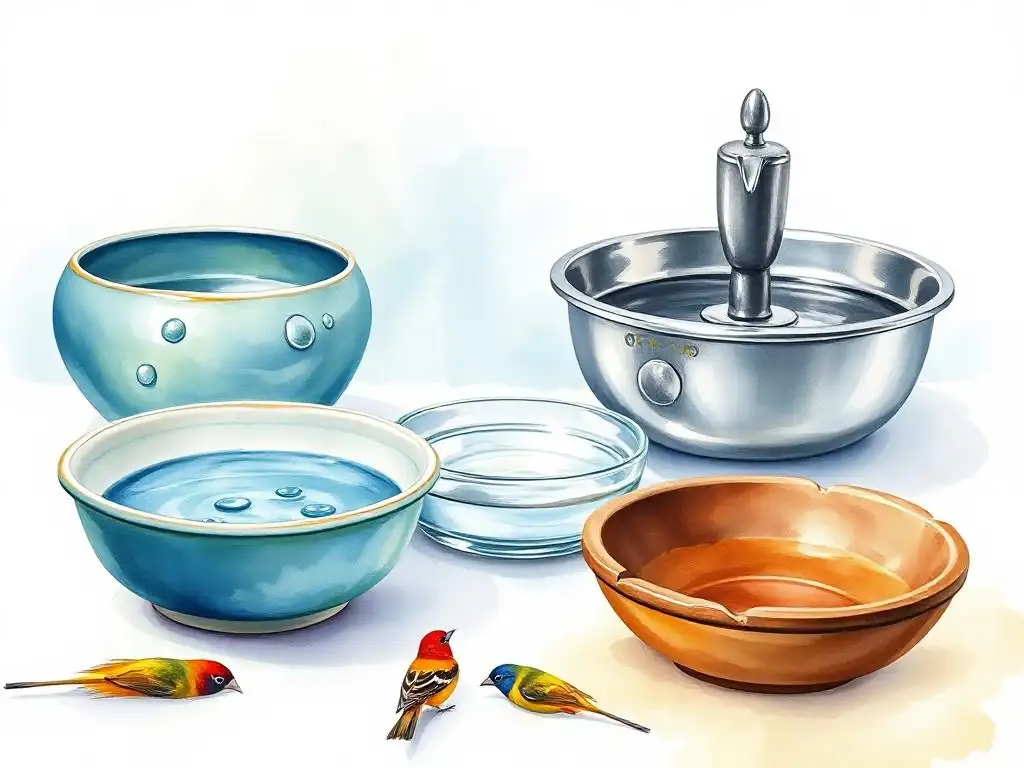
Birds need access to fresh, clean water daily for hydration and overall health. Neglecting regular cleaning of their water dishes can lead to the rapid growth of harmful bacteria, potentially causing illness in your feathered friend. Therefore, a crucial aspect of responsible bird ownership is maintaining a pristine water source. This section details the best cleaning practices for common bird water dish materials, emphasizing the importance of a daily cleaning routine to keep your bird healthy and happy. Remember, "Clean bird water dish daily" should be a mantra for every bird owner.
Cleaning Stainless Steel Bird Water Dishes
Stainless steel bird water dishes are popular due to their durability and resistance to scratches. However, even stainless steel requires diligent cleaning to prevent bacterial buildup. The smooth surface makes cleaning relatively easy, but thoroughness is key.
Here's a step-by-step guide:
- Daily Cleaning: Rinse the dish thoroughly with warm water, removing any visible debris or droppings. Use a soft sponge or brush to reach all areas. A small amount of mild, pet-safe dish soap can be used, but ensure you rinse exceptionally well to eliminate any soap residue. Birds are sensitive to chemicals.
- Weekly Deep Clean: Once a week, soak the dish in a solution of warm water and a diluted pet-safe bleach solution (follow the bleach product's dilution instructions carefully). Allow it to soak for approximately 10-15 minutes. Then, scrub thoroughly with a brush and rinse extensively. Air dry completely before returning it to the cage.
- Disinfection (as needed): If you notice any signs of persistent staining or unusual odor, consider using a pet-safe disinfectant spray after the weekly deep clean. Always follow the product instructions carefully and ensure complete rinsing.
Cleaning Ceramic Bird Water Dishes
Ceramic bird water dishes offer a more aesthetically pleasing option, but they require careful handling to avoid chipping or cracking. Their porous nature can make them more susceptible to bacterial growth if not cleaned properly.
Cleaning ceramic dishes effectively requires a slightly different approach:
- Daily Cleaning: Similar to stainless steel, rinse daily with warm water and a soft sponge or brush, removing any visible debris. Avoid harsh scrubbing that could damage the surface.
- Weekly Deep Clean: Soak the ceramic dish in warm, soapy water for at least 15 minutes. Use a non-abrasive cleaner and a soft sponge or brush to remove any stubborn stains. Pay close attention to any crevices or imperfections in the ceramic where bacteria might accumulate. Rinse thoroughly and air dry completely. Avoid using harsh chemicals or abrasive cleaners.
- Addressing Stains: For stubborn stains, you can try a paste of baking soda and water. Apply it gently to the stain, let it sit for a few minutes, and then scrub gently. Thorough rinsing is essential.
Cleaning Plastic Bird Water Dishes
Plastic bird water dishes are lightweight and affordable, but they can be more prone to scratching and harboring bacteria than other materials. The choice of plastic is also crucial; avoid cheap plastics that might leach chemicals. Opt for BPA-free, food-grade plastic designed for pet use.
These are the recommended cleaning steps:
- Daily Cleaning: Rinse thoroughly with warm water and a soft sponge or brush. Pay attention to any grooves or crevices in the plastic where food or debris might accumulate.
- Weekly Deep Clean: Soak the plastic dish in warm, soapy water for 15-20 minutes. You can add a small amount of white vinegar to help remove mineral deposits and bacteria. Scrub gently with a non-abrasive brush, rinse thoroughly, and air dry completely.
- Replacing Regularly: Plastic water dishes can degrade over time, especially with frequent cleaning. Consider replacing them every few months to ensure hygiene and prevent the build-up of scratches that can trap bacteria. Regular replacement is a simple way to maintain a "clean bird water dish daily" practice.
Remember: Consistent cleaning is paramount to preventing bacterial growth and ensuring your bird's health. A "clean bird water dish daily" routine is the best preventative measure against potential illness. Choose the cleaning method appropriate for your bird's water dish material, and always prioritize thorough rinsing to eliminate any residual cleaning agents. 🐦💧
Cleaning Glass Bird Water Dishes
Glass bird water dishes are popular due to their transparency, allowing for easy monitoring of water levels and the detection of any debris. Their smooth, non-porous surface also makes them relatively easy to clean, minimizing the risk of bacterial harborage. However, proper cleaning is still crucial to prevent the buildup of harmful microorganisms. Regular cleaning, ideally a daily clean as recommended for all bird water dishes, is essential for maintaining a healthy environment for your feathered friend.
To effectively clean a glass bird water dish, first, remove it from the cage. Discard any remaining water. Then, thoroughly rinse the dish under warm, running water to remove loose debris like food particles, droppings, or algae. For stubborn stains or dried-on residue, a gentle scrubbing with a soft-bristled brush or a non-abrasive sponge will be sufficient.
Avoid using harsh chemicals or abrasive cleaners, as these can leave behind residues that are harmful to your bird. A simple solution of warm water and a tiny drop of mild dish soap is usually adequate. After scrubbing, rinse the dish thoroughly again to remove all traces of soap.
Once rinsed, allow the glass water dish to air dry completely before returning it to the cage. This prevents the introduction of moisture that could encourage bacterial growth. Consider using a clean towel to dry the dish if you are short on time, but ensure the towel is clean and free of any lint or chemicals that could be harmful to your bird.
Regularly inspect the glass for chips or cracks, replacing the dish if any damage is detected. A damaged dish can harbor bacteria more easily and pose a safety hazard to your bird. Remember, a clean bird water dish is crucial for your bird's health and well-being; "Clean bird water dish daily" is a motto to live by!
Remember to always supervise your bird during cleaning and cage maintenance to ensure its safety and to prevent accidental injury. Maintaining a clean and sanitary environment for your bird is a key component of responsible bird ownership. Consistent cleaning, using appropriate methods, is a simple yet effective strategy to prevent illness and promote your bird's longevity. Don't forget, a happy, healthy bird starts with a clean and safe environment!
Recognizing Signs of Bacterial Contamination in Bird Water
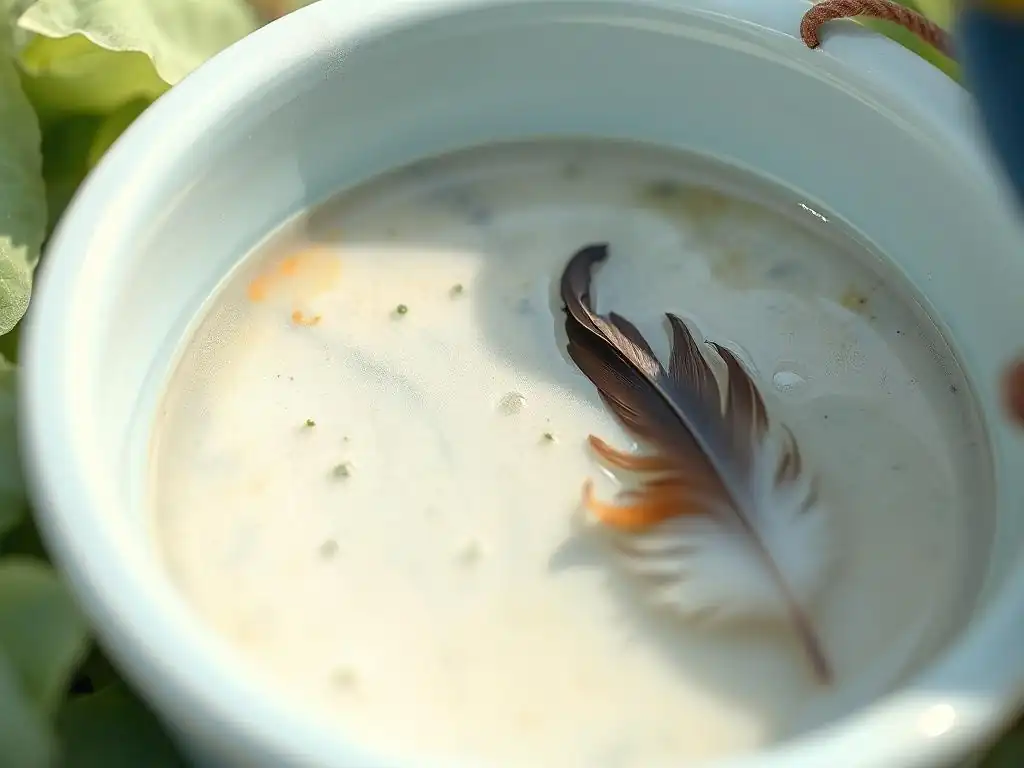
Maintaining a clean bird water dish is crucial for your feathered friend's health. Neglecting this simple task can lead to bacterial contamination, causing various illnesses. Regular cleaning, as emphasized by the importance of cleaning bird water dishes daily, is the first line of defense against these problems.
However, knowing the signs of contamination is equally important, allowing for prompt action and preventing serious health issues. This section focuses on identifying these warning signs, enabling you to take immediate steps to ensure your bird's well-being. Early detection is key to preventing the spread of bacteria and ensuring your bird remains healthy and happy.
Cloudy or Discolored Water in Bird Water Dishes
Cloudy or discolored water is a primary indicator of bacterial growth in your bird's water dish. Clean water should be clear and transparent. A cloudy appearance often suggests the presence of bacteria, which thrive in stagnant water.
The discoloration can range from a slightly hazy look to a more pronounced murky brown or green hue, depending on the type and amount of bacteria present. This discoloration isn't always immediately obvious; it can be subtle at first, gradually becoming more pronounced over time. Therefore, regular visual inspection of the water is vital.
For example, if you notice the water turning slightly cloudy after only a few hours, it's a clear sign that you need to increase the frequency of cleaning, perhaps cleaning the bird water dish twice daily. The longer you leave contaminated water, the more likely it is that harmful bacteria will multiply and pose a significant health risk to your bird.
Unpleasant Odor from Bird Water Dishes
Another strong indicator of bacterial contamination is an unpleasant odor emanating from the bird's water dish. Fresh, clean water should be odorless. Any foul smell, such as a musty, sour, or even slightly rotten odor, indicates bacterial growth and potential contamination. This smell is often caused by the decomposition of organic matter, such as food particles or bird droppings that may have fallen into the water.
These organic materials provide a breeding ground for bacteria, leading to a noticeable unpleasant odor. The intensity of the smell can vary depending on the level of contamination, but even a faint, unusual smell should be taken seriously. It's crucial to act quickly if you detect an unpleasant odor, as it suggests that the water is no longer safe for your bird to drink. Remember, a regularly cleaned bird water dish should always be odorless.
Presence of Algae or Slime in Bird Water Dishes
The presence of algae or slime in your bird's water dish is a clear sign of neglect and a significant source of bacterial contamination. Algae are microscopic organisms that thrive in warm, still water, often appearing as a green or brown film on the surface or sides of the water dish. Slime, on the other hand, is a slimy, often gelatinous substance that can be a byproduct of bacterial growth and decaying organic matter.
Both algae and slime are not only unsightly but also provide an ideal environment for harmful bacteria to flourish. They can also contain toxins that are harmful to your bird. Regular cleaning, including scrubbing the water dish thoroughly, prevents the formation of algae and slime.
If you notice any signs of algae or slime, immediately discard the water, thoroughly clean and disinfect the dish, and refill it with fresh, clean water. This is not only essential for the bird's health but also contributes to a cleaner and more hygienic environment for your pet. The appearance of algae or slime strongly emphasizes the importance of following a daily cleaning routine for your bird's water dish.
Birds are incredibly sensitive creatures, and changes in their behavior can often be subtle indicators of underlying health problems, including those stemming from contaminated water dishes. A seemingly small shift in your feathered friend's routine could signal a serious issue. For example, a normally active and playful bird might become lethargic and withdrawn if consuming contaminated water. This lethargy can manifest as decreased interest in perching, playing, or interacting with its environment.
Instead of its usual vibrant self, your bird may spend more time fluffed up, resting, and exhibiting a general lack of energy. This behavioral change warrants immediate attention and investigation of its water source. Remember, prompt action is crucial when dealing with potential illness in your bird.
A further behavioral indicator could be changes in your bird's vocalizations. A normally chatty bird might become quieter or even stop vocalizing altogether. This silence can be a significant red flag, especially when coupled with other symptoms like lethargy or changes in appetite. Conversely, some birds might exhibit increased vocalization, perhaps due to discomfort or distress caused by the contaminated water and resulting illness. Pay close attention to any changes in the frequency, pitch, or intensity of your bird's calls, as these can be valuable clues in recognizing potential problems.
Another important behavioral sign to watch for is changes in your bird's eating habits. If your bird is drinking contaminated water, it might experience digestive upset, leading to a decreased appetite or even complete refusal of food. This loss of appetite can quickly lead to dehydration and further health complications, making it crucial to intervene promptly.
Observe not only the quantity of food your bird is consuming but also its overall demeanor during mealtimes. A bird that usually enjoys eating might seem reluctant or even fearful of approaching its food bowl if it is experiencing discomfort due to contaminated water. Regular monitoring of your bird’s eating habits, alongside its water consumption, is a key part of proactive pet care and early disease detection.
These subtle behavioral shifts, while seemingly insignificant on their own, can collectively paint a clear picture of a potential problem linked to the bird's water source. Therefore, daily cleaning of the water dish is essential for your bird's well-being. Remember, "Clean bird water dish daily" is more than just a suggestion; it's a cornerstone of responsible bird ownership.
Preventing Bacteria Growth in Bird Water Dishes: Proactive Measures
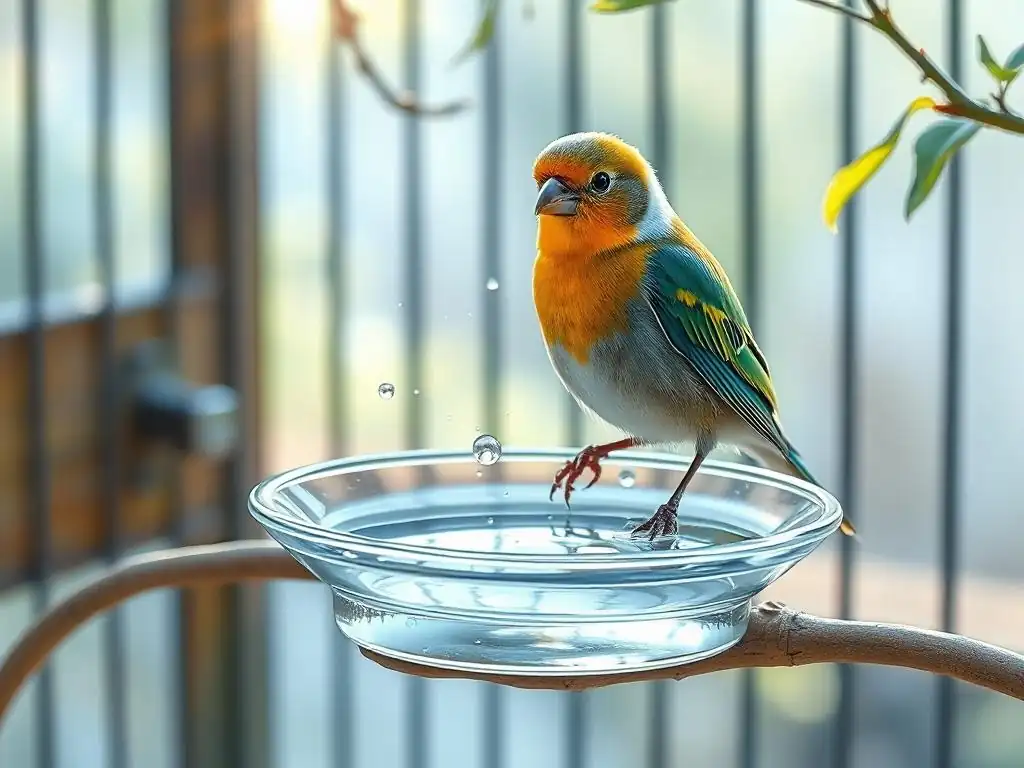
This section focuses on proactive strategies to minimize bacterial growth in your bird's water dish, ensuring your feathered friend stays healthy and hydrated. Regular cleaning is paramount, but proactive measures significantly reduce the frequency and intensity of cleaning needed. Remember, a "Clean bird water dish daily" approach is the best preventative measure, but these steps enhance its effectiveness.
Choosing the Right Location for the Bird Water Dish
The placement of your bird's water dish significantly impacts its cleanliness and the risk of bacterial contamination. Avoid placing the dish in areas prone to droppings or where food debris might easily fall in. Ideally, position the dish in a well-ventilated area, away from direct sunlight, which can accelerate bacterial growth and algae formation. Consider these points:
- Accessibility: The dish should be easily accessible to your bird but not so easily accessible that it's constantly knocked over or soiled.
- Visibility: Choose a location where you can easily monitor the water level and cleanliness of the dish. This allows for prompt attention to any issues.
- Cleaning Ease: Opt for a location that makes cleaning and refilling the water dish convenient. A spot near a sink or easily accessible cleaning supplies is ideal.
Consider using a water bottle instead of a dish in some cases. Water bottles minimize surface area exposed to the air and reduce the chance of contamination from droppings or food. However, always ensure that the bird is able to easily access and drink from the water bottle.
Regularly Replacing Bird Water
Even with the cleanest dish, stagnant water is a breeding ground for bacteria. Therefore, replacing your bird's water at least once daily is crucial. Think of it as a "Clean bird water dish daily" strategy's cornerstone. More frequent changes are necessary in warmer climates or during hot weather.
Here's a schedule you can adapt:
| Time of Day | Action | Notes |
|---|---|---|
| Morning | Completely empty and rinse the dish. | Use warm soapy water. Rinse thoroughly. |
| Midday/Afternoon | Top off water supply as needed. | Monitor water levels throughout the day. |
| Evening | Completely empty and rinse the dish. | This is the most important time to replace the water. |
Remember, even small amounts of leftover food or debris can contaminate the water quickly. Therefore, thorough rinsing is critical.
Using Filtered Water for Birds
The quality of the water you provide significantly impacts your bird's health and the likelihood of bacterial growth. Tap water often contains minerals and chlorine that can be detrimental to birds and contribute to bacterial growth. Consider these options:
- Filtered Water: Using a water filter specifically designed for pet use removes impurities like chlorine and sediments. This reduces the risk of bacterial growth and provides cleaner, healthier water for your bird.
- Bottled Spring Water: Ensure the water is specifically labeled as suitable for human consumption, devoid of additives, and free of fluoride or other minerals potentially harmful to birds. Always check the label carefully. This is a more expensive option.
By implementing these preventative measures, you'll significantly reduce the risk of bacterial contamination and help ensure your bird's water is always clean and safe. Remember, a "Clean bird water dish daily" routine, combined with these proactive steps, is the best way to maintain your bird's health and well-being. 🐦
Tips for Maintaining a Clean Bird Cage Environment
Maintaining a clean bird cage environment is paramount to preventing bacterial growth in your bird's water dish and promoting your feathered friend's overall health. A clean cage minimizes the spread of bacteria and other pathogens, reducing the risk of illness. Think of it like this: a dirty cage is a breeding ground for germs, just like a dirty kitchen is for humans. Regular cleaning not only keeps the water dish cleaner for longer but also improves the air quality within the cage, contributing to a healthier respiratory system for your bird.
Regular spot cleaning is crucial. Don't wait until the entire cage is filthy to clean it! Daily spot cleaning involves removing fresh droppings, soiled food, and any other debris that accumulates throughout the day. This prevents the build-up of organic matter that bacteria thrive on. Consider using paper towels or a soft cloth dampened with a bird-safe disinfectant – always check the label to ensure it’s safe for birds before using it. Remember to thoroughly rinse the area after cleaning to remove any residue.
A more thorough, deep cleaning should be performed at least once a week, or even more frequently depending on the size of your bird and its messiness. This involves completely removing all items from the cage, such as perches, toys, and food and water dishes, and scrubbing the cage bars and bottom with warm soapy water. Again, a bird-safe disinfectant can be used, but always rinse thoroughly afterward to eliminate any potentially harmful chemicals. Allow the cage to completely air dry before replacing the items.
Beyond the cage itself, the surrounding environment plays a significant role. Dust and debris from the surrounding room can easily accumulate in the cage, providing additional surfaces for bacteria to colonize. Regularly cleaning the area around the cage will help minimize this contamination. Consider using a HEPA filter vacuum cleaner to remove microscopic dust particles that standard vacuums might miss.
This proactive approach helps to create a cleaner, healthier environment for your bird, directly impacting the cleanliness of its water dish. Remember, a clean environment equals a healthier bird, and a healthier bird is less susceptible to bacterial infections. Cleanliness is truly next to godliness, especially when caring for your avian companion! 🐦
When to Consult an Avian Veterinarian
Maintaining a clean bird water dish is crucial for preventing bacterial growth and ensuring your feathered friend's health. However, even with diligent daily cleaning ( Clean bird water dish daily), some health issues may arise that require professional veterinary attention. This section outlines when you should seek professional help for your bird. Ignoring potential problems can lead to serious complications, so prompt action is key.
Recognizing Serious Signs of Illness in Birds
Recognizing the subtle signs of illness in birds can be challenging, as they often mask their discomfort. However, several indicators should prompt an immediate visit to an avian veterinarian. These include:
- Significant changes in droppings: A sudden shift in the color, consistency, or frequency of your bird's droppings can indicate a serious underlying issue. For instance, greenish or watery droppings could signal digestive problems, while unusually frequent droppings might suggest diarrhea. Keep a close eye on these changes and document them for your vet.
- Lethargy and decreased activity: If your usually vibrant bird becomes unusually lethargic, spends most of its time perched, and shows a marked decrease in activity levels, it's a cause for concern. This could point to various illnesses, including infections or internal problems.
- Changes in appetite and drinking habits: A noticeable decrease or increase in food and water intake is another significant warning sign. Birds are sensitive creatures, and changes in their eating and drinking patterns often reflect underlying health problems. Keep track of your bird's consumption for a few days to establish a baseline.
- Respiratory distress: Difficulty breathing, wheezing, gasping, or open-mouthed breathing are serious symptoms requiring immediate veterinary attention. These could indicate respiratory infections or other critical conditions.
- Feather plucking or abnormal feather condition: Excessive feather plucking, dull feathers, or unusual feather breakage can indicate stress, discomfort, or underlying medical conditions that require professional evaluation.
- Unusual vocalizations: If your bird's calls or chirps change significantly, becoming weaker, more frequent, or different in tone, it could signal distress or illness.
Remember, early detection is crucial in avian medicine. Don't hesitate to consult an avian veterinarian if you observe any of these signs, even if they seem minor. Prevention is always better than cure, and a timely visit can save your bird's life.
Seeking Professional Advice for Bird Health Issues
Even if your bird doesn't exhibit dramatic symptoms, regular checkups with an avian veterinarian are recommended. These preventative visits allow for early detection of potential problems and establish a baseline for your bird's health. Consider scheduling annual checkups, or more frequently if your bird is elderly or has pre-existing health conditions.
During your visits, be prepared to provide detailed information about your bird's diet, behavior, and any observed changes. A thorough history will aid the veterinarian in making an accurate diagnosis. Be sure to mention your diligent efforts to clean bird water dish daily and any other aspects of cage hygiene and cleaning.
| Symptom | Severity | Action to Take |
|---|---|---|
| Changes in droppings | High | Consult avian veterinarian immediately |
| Lethargy | Medium to High | Monitor closely; consult veterinarian if persistent |
| Appetite/drinking changes | Medium | Monitor closely; consult veterinarian if persistent |
| Respiratory distress | High | Emergency veterinary care needed |
| Feather problems | Medium | Consult avian veterinarian for assessment |
| Unusual vocalizations | Low to Medium | Monitor closely; consult if concerning |
Remember, a healthy bird is a happy bird. By being proactive and attentive to your bird's needs, you can ensure a long and fulfilling life for your feathered companion. Proactive care, including diligently cleaning the water dish, contributes significantly to their overall well-being.
Frequently Asked Questions
How often should I change my bird's water?
You should clean and refill your bird's water dish daily. This helps prevent the growth of harmful bacteria and ensures your bird always has access to fresh, clean water. Daily cleaning is crucial.
What's the best way to clean my bird's water dish?
Wash the dish thoroughly with hot, soapy water, rinsing it completely afterward. Avoid using harsh chemicals. Regular disinfection with a pet-safe solution is also recommended.
Why is it important to clean the bird's water dish daily?
Bacteria and algae can grow quickly in standing water, leading to illness in your bird. Daily cleaning prevents this, keeping your feathered friend healthy.
What type of water should I use for my bird?
Use fresh, clean, and cool water. Avoid using tap water directly, especially if it contains chlorine or other chemicals. Filtered or bottled water is preferable.
What should I do if I notice algae or other contamination in the water dish?
Immediately discard the water and thoroughly clean the dish using hot, soapy water. You may need to use a pet-safe disinfectant to remove stubborn residue. Monitor your bird for any signs of illness.
Final Reflection: The Unseen Battle for Avian Health
The seemingly simple act of cleaning a bird's water dish daily is, in reality, a crucial frontline defense against unseen threats. Neglecting this seemingly minor task can have devastating consequences for our feathered friends, impacting their health and well-being far beyond a simple inconvenience. The proliferation of bacteria in stagnant water is a silent danger, one easily avoided with consistent attention.
The impact of proper bird water dish maintenance extends beyond the individual bird; it speaks to our responsibility as caregivers. We are entrusted with the health and happiness of these creatures, and providing clean water is a fundamental aspect of that responsibility. It's a small act, yet it embodies a profound commitment to their welfare. The greatness of a nation and its moral progress can be judged by the way its animals are treated.
- Mahatma Gandhi. This quote, while broad in scope, highlights the interconnectedness of our actions and the well-being of all living creatures, starting with those closest to us.
Now, consider your own feathered companions. Take a moment to reflect on your current practices. Is daily cleaning a consistent part of your routine? If not, I urge you to make it so. This small change can significantly impact the health and longevity of your birds. By embracing this simple yet vital task, you are not just cleaning a dish; you are actively participating in their well-being, fostering a stronger bond, and ensuring a healthier, happier life for your avian friends.
Ready to Keep Your Feathered Friend's Water Sparkling Clean?
Thank you for learning how to keep your bird's water dish bacteria-free! You now have the knowledge to prevent illness and ensure your pet's health. Let's put that knowledge into action:
- Daily cleaning is essential: Thoroughly clean and rinse your bird's water dish every day. This is crucial for preventing bacterial growth.
- Experiment with different water dishes: Try various designs, materials, and placements to find what best suits your bird and simplifies cleaning.
- Share your cleaning successes!: Tell us and other PetCareWorld members about any unique cleaning methods or products you've discovered to keep your bird's water crystal clear!
What's your favorite and most effective method for keeping your bird's water fresh and clean? Share your experiences in the comments below!