
Pet Food Labels and Food Safety: What You Need to Know

Welcome to PetCareWorld, your ultimate guide to a happier, healthier life for your beloved companion! Are you ready to unlock the secrets to truly understanding what you're feeding your furry, feathered, or scaled friend? Our expert advice on safe pet food label reading will empower you to make informed choices, ensuring your pet receives the optimal nutrition they deserve. Dive in and discover how to decipher those confusing labels – your pet's well-being depends on it!
- Understanding Pet Food Labels: A Guide to Safe Pet Food Label Reading
- Navigating Pet Food Label Claims: Fact vs. Fiction
- Ensuring Pet Food Safety Beyond the Label
- Choosing Safe and Nutritious Pet Food for Your Pet
- Frequently Asked Questions
- Final Reflection: Decoding the Dish: Your Pet's Food Safety Starts with You
- Unlock Your Pet's Healthiest Life: Take Action Now!
Understanding Pet Food Labels: A Guide to Safe Pet Food Label Reading
Choosing the right food for your beloved pet is a crucial aspect of responsible pet ownership. A pet's health, energy levels, and overall well-being are significantly impacted by their diet. Navigating the often-confusing world of pet food labels, however, can be daunting. This comprehensive guide will equip you with the knowledge to confidently decipher pet food labels, ensuring you select the safest and most nutritious options for your furry, feathered, or scaled friend.
We'll explore the key components of pet food labels, focusing on how to identify quality ingredients, understand nutritional guarantees, and recognize potential allergens – all essential aspects of safe pet food label reading. This guide is designed for all pet owners, regardless of experience, aiming to empower you to make informed decisions that directly contribute to your pet's health and happiness. Let's delve into the details and unlock the secrets of safe pet food label reading!
Deciphering Ingredient Lists: Key to Safe Pet Food
The ingredient list is arguably the most crucial part of any pet food label. It's listed in descending order by weight, meaning the ingredient listed first makes up the largest portion of the food. Understanding this is paramount for safe pet food label reading. Look for whole, recognizable ingredients like "chicken," "brown rice," or "sweet potatoes," rather than vague terms like "meat by-products" or "animal fat." These vague terms often lack transparency regarding the source and quality of the ingredients.
For example, a label listing "chicken" as the first ingredient indicates a higher proportion of chicken than a label listing "chicken meal" or "chicken byproduct" first. "Chicken meal" is a concentrated form of chicken, but it doesn't necessarily represent the same nutritional value as whole chicken. Similarly, "chicken byproduct" can include less desirable parts of the chicken.
Paying close attention to the order and specificity of ingredients is vital for making informed choices and ensuring your pet receives high-quality nutrition. Always prioritize labels featuring whole, named ingredients as the primary components. This simple step significantly improves your ability to practice safe pet food label reading.
Guaranteed Analysis: What the Numbers Really Mean for Your Pet's Health
The "Guaranteed Analysis" section provides minimum percentages of crude protein, crude fat, crude fiber, and moisture. These numbers offer a snapshot of the food's macronutrient composition. However, it's crucial to understand that these are minimums, not necessarily ideal levels for your pet. A food might meet the minimum requirements but still lack optimal nutrient balance for your specific pet's needs. Consider your pet's age, breed, activity level, and any health conditions when evaluating these figures. For example, a highly active dog will likely require a higher protein percentage than a senior cat.
Furthermore, the guaranteed analysis doesn't reveal the quality of the ingredients, only their quantity. A food might be high in protein but sourced from low-quality ingredients. Therefore, always consider the guaranteed analysis in conjunction with the ingredient list for a complete picture. Safe pet food label reading involves understanding both the quantitative and qualitative aspects of the food's composition. Consult with your veterinarian if you have concerns about your pet's nutritional needs or have difficulty interpreting the guaranteed analysis on specific pet foods.
Identifying Potential Allergens and Their Impact on Pet Food Safety
Many pets suffer from food allergies, which can manifest in various ways, from skin irritations to digestive upset. Common pet food allergens include beef, dairy, chicken, wheat, soy, and corn. Carefully examine the ingredient list for these potential allergens, especially if your pet has a history of food sensitivities. The presence of hydrolyzed proteins (proteins broken down into smaller peptides) might indicate an attempt to reduce allergenicity, but it's not a guarantee.
Some pet food manufacturers clearly label their products as "hypoallergenic" or "limited ingredient," indicating a reduced number of ingredients to minimize the risk of allergic reactions. However, always consult your veterinarian before switching your pet's food, especially if they have known allergies or sensitivities. Safe pet food label reading also involves proactive allergy management; understanding potential allergens allows you to make informed choices that support your pet's health and well-being. Remember, even if your pet hasn't shown allergies before, introducing new foods gradually and monitoring for any adverse reactions is crucial.
Pet food labels can be confusing, even for experienced pet owners. Manufacturers often use marketing strategies that can obscure the true nutritional content of their products. Mastering the art of "safe pet food label reading" requires a critical eye and a solid understanding of what the claims actually mean. This section will help you decipher the jargon and make informed choices for your pet's well-being. Effective label reading is crucial for ensuring your pet receives the proper nutrition, avoiding potential health issues stemming from misleading information.
"All Natural," "Organic," and Other Buzzwords: Meaning and Implications
Terms like "all natural," "organic," "holistic," and "grain-free" are frequently used on pet food labels, but their meanings are often loosely defined and lack strict regulatory oversight. While appealing, these words don't guarantee a superior or safer product. For example, "all natural" doesn't necessarily mean the food is healthy or free of artificial additives. It simply suggests that the ingredients are minimally processed, but this can still include questionable components. Similarly, "organic" certification, while regulated to a certain extent, applies only to specific ingredients and doesn't cover the entire product.
The implication of these buzzwords is often to create a perception of higher quality and health benefits, influencing purchasing decisions. However, a comprehensive understanding of the actual ingredient list and nutritional analysis is far more important than relying on marketing terms. A food labeled "holistic" might not necessarily be balanced for your pet's specific nutritional needs, while a "grain-free" diet could potentially lead to nutritional deficiencies if not properly formulated.
Always check the guaranteed analysis section to verify the nutrient content and compare it to your pet's specific requirements. Remember, a balanced diet is key to your pet's health, regardless of marketing claims.
Understanding Pet Food Label Certifications and Their Significance
Several certifications can appear on pet food labels, offering some level of assurance about ingredient sourcing, manufacturing practices, or nutritional content. However, the significance of these certifications varies widely. Some are more rigorous than others, and understanding their meaning is critical for safe pet food label reading.
For instance, the Association of American Feed Control Officials (AAFCO) statement is a crucial element. This statement indicates whether the food meets AAFCO's minimum nutritional requirements for a specific life stage (e.g., growth, adult maintenance). However, it's vital to note that AAFCO doesn't endorse specific brands; it simply verifies that the product meets their minimum standards.
Other certifications, such as those focusing on organic ingredients or sustainable sourcing, provide additional information about the product's production methods but might not necessarily indicate superior nutritional value. Always research the certifying organization to understand its standards and credibility. A reputable organization will have clear guidelines and a transparent verification process. Don't be afraid to look beyond the label and investigate the company's practices and claims.
Spotting Misleading or Deceptive Labeling Practices
Unfortunately, some pet food labels employ deceptive practices to mislead consumers. Being vigilant and understanding common tricks is crucial for safe pet food label reading. One common tactic is using vague or ambiguous terms to create an impression of superior quality without providing concrete evidence. Another is prioritizing the visually appealing elements of the packaging over clear and concise nutritional information.
Pay close attention to font sizes and placement. Key information, such as the guaranteed analysis, should be clearly visible and easily readable, not hidden in small print. Be wary of labels that heavily emphasize certain ingredients while downplaying others that might be less desirable. Always cross-reference the ingredient list with the guaranteed analysis to ensure consistency.
If something seems too good to be true, it probably is. If you're unsure about a particular claim or ingredient, don't hesitate to contact the manufacturer directly for clarification or to consult with your veterinarian. Remember, your pet's health depends on your ability to critically evaluate pet food labels. A well-informed pet owner is the best advocate for their furry friend.
Ensuring Pet Food Safety Beyond the Label
Even with careful label reading, understanding the nuances of "safe pet food label reading" extends beyond simply deciphering ingredients and nutritional information. Maintaining the safety and quality of your pet's food requires diligent attention to storage, handling, and awareness of potential spoilage indicators. Failing to do so can expose your pet to harmful bacteria, toxins, and rancid fats, potentially leading to illness or digestive upset. This section details crucial steps to take to ensure your pet's food remains safe and nutritious from the moment you bring it home until the last kibble is consumed.
Proper Storage and Handling of Pet Food to Maintain Quality
Proper storage is paramount in maintaining the quality and safety of pet food. Different types of pet food require different storage methods. Dry kibble, for instance, should be stored in a cool, dry place in its original packaging or an airtight container. This prevents moisture absorption, which can lead to clumping, mold growth, and spoilage.
The best practice is to use a container specifically designed for pet food storage, which often features airtight seals and measures to prevent pests from accessing the food. This is crucial for maintaining the optimal shelf life and preventing the growth of harmful bacteria. For example, leaving a bag of kibble open on a damp kitchen counter can significantly shorten its shelf life and increase the risk of bacterial contamination.
Wet food, on the other hand, needs refrigeration after opening. Always follow the "use by" date printed on the container. Never leave opened cans or pouches at room temperature for extended periods. Discard any unused portions after the recommended time frame to prevent bacterial growth and potential food poisoning in your pet. Regularly check the food for signs of spoilage, such as unusual odors, discoloration, or mold growth.
The same principles apply to raw pet food diets. These require even more stringent storage and handling protocols due to the higher risk of bacterial contamination. Raw food must be kept at extremely low temperatures to prevent bacterial growth. Thorough handwashing before and after handling raw food is also crucial to avoid cross-contamination. Understanding and implementing these practices is key for "safe pet food label reading" and overall pet health.
Recognizing Signs of Spoiled or Contaminated Pet Food
Recognizing signs of spoiled or contaminated pet food is a critical aspect of ensuring your pet's safety. While a pet's innate sense of smell can sometimes warn them off spoiled food, relying solely on this is insufficient. Regularly inspecting your pet's food for any abnormalities is essential. Here's what to look for:
- Unusual Odor: A sour, rancid, or otherwise unpleasant smell is a clear indicator of spoilage. This is often the first sign that something is wrong.
- Changes in Appearance: Discoloration, mold growth (fuzzy patches or discoloration), or unusual clumping in dry food are significant warning signs. Wet food should maintain its original texture and color; any significant changes suggest spoilage.
- Changes in Texture: Dry kibble should retain its usual crispness. Soft, mushy, or slimy kibble indicates moisture absorption and potential bacterial growth. Wet food should not be overly slimy or watery.
- Presence of Insects or Pests: Infestation by insects or rodents is a clear sign of improper storage and potential contamination. Dispose of the affected food immediately.
If you notice any of these signs, immediately discard the affected food. Do not attempt to feed it to your pet, even if only a small portion appears to be unaffected. The risk of illness is too high. Remember, proactive monitoring is a crucial part of "safe pet food label reading" and responsible pet ownership. Prevention is always better than cure.
Consulting Your Veterinarian for Dietary Advice and Safety Concerns
Even with diligent label reading and careful storage, consulting your veterinarian regularly about your pet's diet is crucial. They can assess your pet's individual nutritional needs, taking into account factors like age, breed, activity level, and any existing health conditions. Your vet can also advise you on appropriate food choices and help you identify potential dietary risks or allergies.
They are your best resource for addressing any concerns about your pet's food or for interpreting any ambiguous information on pet food labels. This professional guidance is an essential component of ensuring your pet's overall well-being and safety, complementing your understanding of "safe pet food label reading". Don't hesitate to ask questions; your vet's expertise is invaluable in navigating the complexities of pet nutrition and ensuring your pet receives the best possible care.
Choosing Safe and Nutritious Pet Food for Your Pet
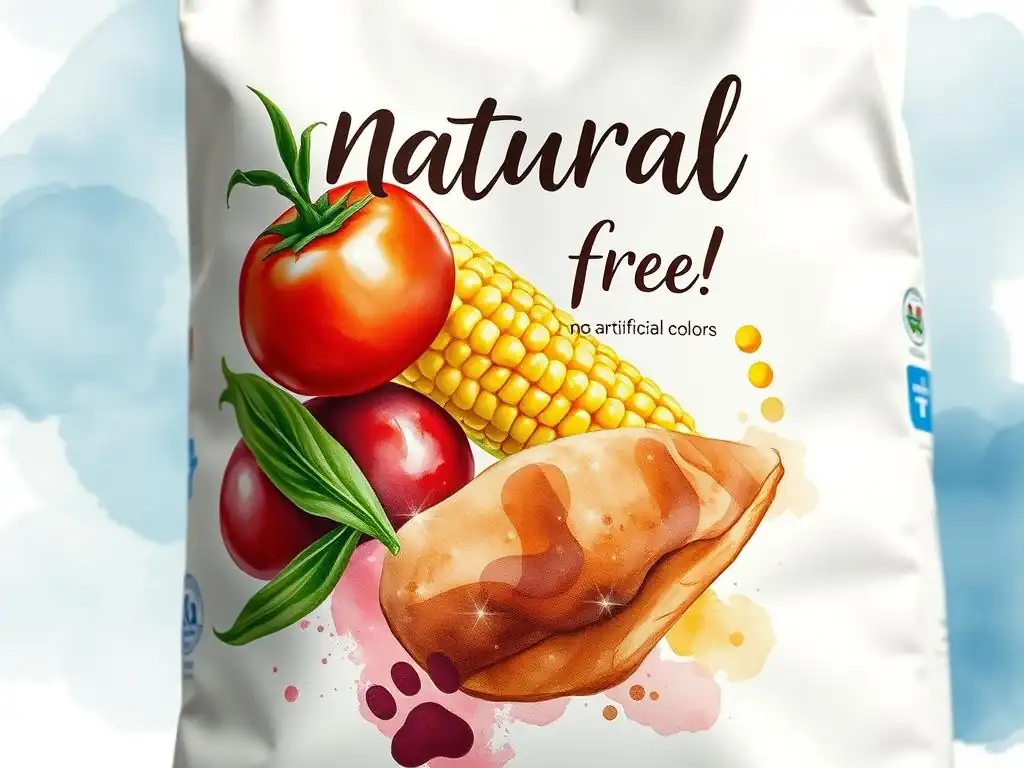
Selecting the right pet food is crucial for your pet's health and well-being. Navigating the pet food aisle can be overwhelming, with countless brands and formulas boasting various claims. Mastering safe pet food label reading is the first step towards making informed choices. This section focuses on practical strategies to ensure you're choosing a safe and nutritious option tailored to your pet's specific needs. Remember, a balanced diet is the cornerstone of a happy and healthy pet.
Selecting Pet Food Based on Life Stage and Breed Specific Needs
Pet nutritional needs change dramatically throughout their lives. A growing puppy requires a different nutritional profile than a senior dog. Similarly, breed size influences dietary needs; large breeds often have different caloric and joint support requirements than smaller breeds. Understanding these variations is paramount for safe pet food label reading.
For example, puppy food is typically higher in protein and calories to support rapid growth. Senior pet food, conversely, often contains lower calorie counts and added joint supplements to address age-related health concerns. Breed-specific formulas cater to unique needs. For instance, large breed puppy food is formulated to support controlled growth, minimizing the risk of skeletal problems.
Consider this table illustrating the key differences:
| Life Stage | Key Nutritional Needs | Example Label Indication |
|---|---|---|
| Puppy | High protein, high calories, calcium for bone growth | "Growth Formula," "Puppy Food," "Large Breed Puppy" |
| Adult | Balanced protein, fats, and carbohydrates | "Adult Formula," "All Life Stages" |
| Senior | Lower calories, added joint supplements | "Senior Formula," "Joint Support," "Weight Management" |
Choosing the correct life stage and breed-specific food is a critical aspect of safe pet food label reading. Always check the label for the intended life stage and breed recommendations.
Considering Your Pet's Individual Dietary Requirements and Sensitivities
Even within a specific life stage and breed category, individual pets have unique dietary needs. Some pets may have allergies or sensitivities, requiring specialized diets. Others might require weight management or have specific health conditions necessitating tailored nutrition. Careful scrutiny of the ingredient list is crucial for safe pet food label reading in these situations.
For example, a pet with a grain allergy will need a grain-free formula. Look for labels explicitly stating "grain-free" or listing specific ingredients that are grain-free. A pet with a sensitive stomach might benefit from food with easily digestible proteins, like chicken or fish, and limited fiber. Check the ingredient list for potential allergens or irritants. If your pet has a specific health condition, consult your veterinarian for recommendations before choosing a food. They can help you interpret the label and ensure the food meets your pet's needs.
Understanding your pet's individual needs is crucial to safe pet food label reading. Don't hesitate to ask your veterinarian for guidance. They can help you navigate the complexities of pet food labels and ensure your pet receives the best possible nutrition.
Resources for Finding Reliable Pet Food Information and Reviews
Making informed decisions about pet food requires access to reliable information. While pet food labels provide essential data, independent reviews and expert opinions can be invaluable. Several online resources and organizations offer unbiased information on pet food quality and safety, helping you refine your safe pet food label reading skills.
Look for resources that provide detailed ingredient analyses, independent testing results, and customer reviews. Be wary of sites or reviews that seem overly promotional or lack transparency regarding their funding sources. Your veterinarian is another excellent source of information; they can offer personalized advice based on your pet's individual needs and health history. Remember, responsible pet ownership includes careful consideration of your pet's nutritional needs and a commitment to safe pet food label reading. This commitment is a cornerstone of ensuring your pet enjoys a long and healthy life.
Frequently Asked Questions
What should I look for first when reading a pet food label?
Look for the Guaranteed Analysis section. This shows the minimum percentages of crude protein and fat, and the maximum percentages of crude fiber and moisture. This gives you a baseline for nutritional content.
How can I tell if a pet food is complete and balanced?
A complete and balanced pet food will state this clearly on the label, and usually it will also include an Association of American Feed Control Officials (AAFCO) statement. This means it meets AAFCO standards for a specific life stage (e.g., adult maintenance).
What ingredients should I be wary of in pet food?
Be cautious of foods with unspecified meat sources, artificial colors and flavors, and fillers like corn syrup. Prioritize foods with clearly identified, high-quality animal protein sources as the main ingredients.
What does the term "by-product" mean on a pet food label?
"By-product" refers to parts of the animal other than muscle meat. While not necessarily bad, excessive by-products can indicate lower quality ingredients. Look for foods that list specific meat sources rather than relying heavily on by-products.
Where can I find more information on safe pet food label reading?
PetCareWorld offers many in-depth guides and articles on safe pet food label reading. You can also consult your veterinarian for personalized recommendations based on your pet's specific needs.
Final Reflection: Decoding the Dish: Your Pet's Food Safety Starts with You
Understanding pet food labels is not just about ingredient lists; it's about safeguarding the health and well-being of our beloved companions. The alarming rise in pet food recalls and the increasing prevalence of pet food allergies highlight the critical need for informed consumer choices. We are ultimately responsible for what we feed our furry friends.
The journey of understanding pet food labels is a continuous one, constantly evolving with new research and regulations. It's a journey that underscores the deep bond we share with our pets, a bond built on trust and responsibility. The best way to find yourself is to lose yourself in the service of others,
– Mahatma Gandhi. This quote, while seemingly unrelated, speaks to the core of pet ownership: selfless dedication to the well-being of another being. Our understanding of pet food labels reflects this dedication, ensuring we provide the best possible care.
Now, take a moment to reflect on your own pet's diet. Are you confident in your ability to decipher the information on their food packaging? Take the time to learn more, to become a more informed pet owner. Empower yourself with knowledge, and in doing so, you empower your pet to live a longer, healthier, and happier life. The journey towards safer pet food choices starts with you, one label at a time.
Unlock Your Pet's Healthiest Life: Take Action Now!
Thank you for learning about pet food labels and safety! You're now equipped to make informed choices for your furry friend. Let's put that knowledge into action:
- Prioritize ingredient transparency: Carefully examine your pet's food label, focusing on recognizable, wholesome ingredients. Don't hesitate to switch to a brand that better reflects your understanding of pet nutrition.
- Share this vital information: Tell your friends and family about what you've learned—spread the word about responsible pet food choices!
- Explore new pet food brands: Research brands that prioritize ingredients you understand and see if they improve your pet's health.
What small step will you take today to ensure your pet enjoys the healthiest diet possible?