
Senior Pet Nutrition: Adapting Diet for Aging Pets


Welcome to PetCareWorld, your ultimate guide to a happier, healthier life for your beloved companion! Are you ready to navigate the unique nutritional needs of your aging pet? Our best senior pet food guide will equip you with the knowledge to make informed decisions about their diet, ensuring they enjoy their golden years to the fullest. Discover the secrets to thriving senior pet nutrition and unlock a new level of care – explore now!
- Understanding Senior Pet Nutritional Needs
- Choosing the Right Diet for Your Senior Pet
- Practical Tips for Feeding Senior Pets
- Monitoring Your Senior Pet's Health Through Nutrition
- Transitioning to a Senior Pet Diet
- Senior Pet Food Recipes (Optional)
- FAQs on Senior Pet Nutrition (Optional)
- Frequently Asked Questions
- Final Reflection: Nourishing the Golden Years: A Legacy of Love and Care
- Unlock Your Senior Pet's Vitality: Nourish Them to Thrive
Understanding Senior Pet Nutritional Needs
As our beloved animal companions age, their nutritional requirements change significantly. Just as our own dietary needs shift as we get older, so too do those of our furry, feathered, and scaled friends.
This comprehensive guide, designed to help you navigate the complexities of senior pet nutrition, will serve as your ultimate resource for choosing the best senior pet food and ensuring your aging pet receives the optimal nourishment for a happy and healthy golden years. We'll explore the key signs of aging in pets, discuss the crucial metabolic and dietary adjustments necessary, and delve into common age-related health problems and how diet can play a vital role in managing them.
Providing your senior pet with the right nutrition is an investment in their longevity and overall well-being, and this guide will empower you to make informed decisions to support their health. This guide aims to be your go-to resource for understanding the nuances of senior pet nutrition, ultimately helping you find the best senior pet food guide for your specific pet's needs.
Recognizing the Signs of Aging in Dogs and Cats
Recognizing the signs of aging in your pet is the first crucial step in adapting their diet. While the aging process varies between breeds and species, some common indicators are easily observable. These include changes in activity levels, such as decreased energy and a reluctance to engage in playful activities.
You might also notice a reduction in their appetite, weight fluctuations (either gain or loss), changes in coat condition (dullness, thinning), and a decline in cognitive function, such as confusion or disorientation. Furthermore, dental problems become increasingly prevalent with age, impacting their ability to properly chew and consume food. It's important to note that these signs can subtly manifest over time, so regular veterinary check-ups are essential for early detection and proactive management.
Changes in urination and defecation patterns, such as increased frequency or incontinence, are also important indicators to monitor. Early identification of these changes allows for timely dietary adjustments and veterinary intervention, ultimately improving your pet's quality of life during their senior years. Don't hesitate to consult your veterinarian if you notice any significant changes in your pet's behavior or physical condition.
Nutritional Changes with Age: Metabolism and Dietary Requirements in Senior Pets
As pets age, their metabolic rate slows down. This means their bodies don't process food as efficiently as they once did. This decreased metabolic rate necessitates adjustments to their caloric intake to prevent weight gain, a common problem in senior pets. Senior pets often require fewer calories but a higher concentration of essential nutrients.
Their bodies become less efficient at absorbing nutrients, so a diet rich in highly digestible proteins, healthy fats, and easily absorbed carbohydrates is crucial. This increased digestibility reduces the strain on their digestive system, often compromised with age. Furthermore, the bioavailability of certain vitamins and minerals decreases with age, meaning their bodies may not absorb them as readily. Therefore, supplementing the diet with appropriate vitamins and minerals, potentially in consultation with a veterinarian, may be necessary.
For example, senior dogs often benefit from increased glucosamine and chondroitin for joint support, while senior cats may require added taurine for heart health. The specific nutritional needs will vary depending on the species, breed, and overall health of your pet. It’s therefore vital to consult your veterinarian or a veterinary nutritionist for personalized dietary recommendations.
Many age-related health issues in pets can be mitigated or managed through dietary adjustments. For example, arthritis, a common ailment in senior dogs and cats, can be supported by diets rich in omega-3 fatty acids, glucosamine, and chondroitin, which possess anti-inflammatory properties and promote joint health. Kidney disease, another prevalent issue in older pets, requires a diet lower in phosphorus and protein to reduce strain on the kidneys. Similarly, diets formulated for pets with diabetes need to manage blood sugar levels through controlled carbohydrate intake and an appropriate balance of protein and fats.
Heart disease, often seen in senior cats, may necessitate diets lower in sodium and supplemented with taurine. It's crucial to remember that these are just examples, and the specific dietary modifications depend entirely on the individual pet's health conditions. Working closely with your veterinarian is paramount to developing a tailored nutritional plan that addresses your pet's specific needs and health concerns.
Regular blood work and veterinary checkups are essential to monitor their progress and make any necessary adjustments to their diet over time. Remember, the right nutrition can significantly impact the quality of life and longevity of your aging pet. This careful management, coupled with regular veterinary care, will ensure your senior companion enjoys a comfortable and healthy twilight of their years.
Choosing the Right Diet for Your Senior Pet

This section focuses on the crucial decisions pet owners face when adapting their senior pet's diet. As pets age, their nutritional needs change significantly. Understanding these changes is paramount to ensuring your furry friend maintains optimal health and vitality in their golden years.
This guide will help you navigate the complexities of senior pet nutrition, providing you with the knowledge to make informed choices that support your companion's well-being. Choosing the best senior pet food involves careful consideration of several factors, from the specific nutritional needs of your pet's breed and age to their individual health conditions. This section will equip you with the tools to make the best decision for your aging pet.
Key Nutrients for Senior Pets: Protein, Fat, Fiber, and Antioxidant Support
Senior pets often experience decreased metabolic function and muscle mass. Therefore, maintaining adequate protein intake is crucial. Aim for a diet rich in high-quality protein sources, which are easily digestible and support muscle mass retention. Examples include chicken, fish, lamb, and beef. The amount of protein needed will vary depending on the animal's breed, size, activity level, and overall health. Consult your veterinarian for personalized recommendations.
Fat is another essential nutrient, providing a concentrated source of energy and aiding in the absorption of fat-soluble vitamins. However, the type of fat is important; choose sources rich in omega-3 and omega-6 fatty acids, known for their anti-inflammatory properties beneficial for aging joints. Salmon oil and flaxseed oil are excellent examples. Avoid excessive fat, as it can contribute to weight gain and other health problems.
Fiber plays a vital role in digestive health, particularly in senior pets prone to constipation or digestive sensitivities. A diet with sufficient fiber can promote regular bowel movements and improve gut health. Look for senior pet foods that include sources like beet pulp, oat bran, or psyllium husk. The appropriate fiber level will depend on your pet's specific needs; consult your veterinarian for guidance.
Antioxidant support is crucial for combating age-related cellular damage. Senior pets benefit from diets rich in antioxidants like vitamins C and E, and beta-carotene. These nutrients help protect cells from oxidative stress, supporting overall health and longevity. Many senior pet foods are formulated with added antioxidants.
| Nutrient | Importance in Senior Pets | Sources | Considerations |
|---|---|---|---|
| Protein | Maintains muscle mass, supports immune function | Chicken, fish, lamb, beef, eggs | Adjust quantity based on activity level and health |
| Fat | Energy source, supports vitamin absorption, anti-inflammatory | Salmon oil, flaxseed oil | Avoid excessive amounts |
| Fiber | Improves digestive health, prevents constipation | Beet pulp, oat bran, psyllium husk | Adjust based on digestive sensitivity |
| Antioxidants | Combats cellular damage, supports overall health | Vitamins C & E, beta-carotene | Look for foods with added antioxidants |
Selecting the Best Senior Pet Food: Brand Recommendations and Food Types
Choosing the best senior pet food requires careful consideration. While specific brand recommendations are beyond the scope of this general guide (as individual needs vary greatly), we can discuss food types. Senior pet foods are specifically formulated to meet the unique nutritional needs of older animals. These diets typically feature:
- Higher protein levels: To maintain muscle mass.
- Adjusted fat content: To provide energy without contributing to weight gain.
- Increased fiber: To support digestive health.
- Added antioxidants: To combat cellular damage.
- Joint support supplements: Such as glucosamine and chondroitin.
Look for foods clearly labeled as "senior," "7+," or "mature," indicating they're formulated for older pets. Always check the ingredient list, prioritizing whole-food ingredients over fillers and artificial additives. Read reviews and consult your veterinarian to determine which brands and formulations best suit your pet’s breed, size, and any pre-existing health conditions. Remember, a personalized approach is key to selecting the optimal food for your senior companion.
Wet Food vs. Dry Food for Senior Pets: Advantages and Disadvantages
The choice between wet and dry food for senior pets often depends on individual preferences and health considerations. Both have advantages and disadvantages:
Wet Food:
- Advantages: Often more palatable, higher moisture content (beneficial for kidney function and hydration), easier to chew for pets with dental issues.
- Disadvantages: Can be more expensive, shorter shelf life once opened, may contribute to weight gain if not portioned carefully.
Dry Food:
- Advantages: More affordable, longer shelf life, helps with dental cleaning (due to the chewing action), often contains added nutrients and antioxidants.
- Disadvantages: Can be less palatable, lower moisture content, may be difficult to chew for pets with dental problems.
Ultimately, the best senior pet food choice depends on your pet's individual needs and preferences. Many owners find a combination of wet and dry food works best, offering a balance of palatability and nutritional benefits. Consulting your veterinarian is crucial to determine the best feeding strategy for your aging companion, ensuring they receive the proper nutrients and hydration throughout their senior years. Remember to monitor your pet's weight and adjust food portions as needed to maintain a healthy body condition. 🐾
Supplementing Senior Pet Diets: Vitamins, Minerals, and Joint Supplements
As pets age, their bodies may not absorb nutrients as efficiently as they once did. This can lead to deficiencies in essential vitamins and minerals, impacting their overall health and well-being. Supplementing their diet can help bridge this nutritional gap and support their aging bodies. However, it's crucial to consult with your veterinarian before introducing any supplements to your senior pet's diet. They can assess your pet's individual needs and recommend appropriate dosages to avoid potential adverse effects. Never self-diagnose or self-medicate your pet.
One common area where supplementation is beneficial is joint health. Many senior pets suffer from arthritis and other joint conditions, leading to pain and reduced mobility. Glucosamine and chondroitin are popular supplements that can help support cartilage health and reduce joint inflammation. These are often available in chewable forms, making them easy to administer. However, the efficacy of these supplements can vary between pets, and some may require higher dosages or a combination of supplements for optimal results. Always follow your veterinarian's guidance on dosage and administration.
Beyond joint supplements, other vitamins and minerals may be necessary depending on your pet's specific health needs. For example, senior pets may require increased levels of antioxidants like Vitamin E and Vitamin C to combat oxidative stress and support their immune system. Similarly, deficiencies in Vitamin B12 can occur in older animals, leading to neurological problems. Your veterinarian can run blood tests to identify any deficiencies and recommend the appropriate supplements to address them. Remember, supplements should be considered additions to a balanced and complete diet, not replacements.
It's important to choose high-quality supplements from reputable brands. Look for supplements that have been tested for purity and potency and are specifically formulated for pets. Avoid supplements containing fillers or artificial ingredients, as these can be detrimental to your pet's health. Always store supplements according to the manufacturer's instructions to maintain their effectiveness.
Regularly monitor your pet's response to supplements and report any adverse reactions to your veterinarian immediately. Proactive care and careful monitoring are key to ensuring your senior pet receives the best possible nutritional support. Remember, a holistic approach that combines a balanced diet, appropriate exercise, and veterinary care is crucial for maintaining your senior pet's quality of life.
Practical Tips for Feeding Senior Pets

This section offers practical advice on adapting your pet's diet as they age, focusing on maintaining a healthy weight, managing specific health conditions, and simplifying mealtimes for pets with mobility challenges. Remember, consulting your veterinarian is crucial before making significant changes to your senior pet's diet. This guide aims to complement, not replace, professional veterinary advice. Finding the best senior pet food requires careful consideration of your pet's individual needs and preferences, making this a crucial part of your "best senior pet food guide."
Adjusting Portion Sizes for Senior Pets: Maintaining a Healthy Weight
Senior pets often become less active, requiring a reduction in caloric intake to prevent weight gain. Overweight senior pets are more prone to developing health problems like arthritis and diabetes. Monitoring your pet's weight is paramount. Use a body condition score chart (easily found online) to assess your pet's weight regularly. A score of 4 or 5 out of 9 indicates ideal weight. Scores above 5 suggest overweight, while scores below 4 indicate underweight.
To adjust portion sizes, gradually reduce the amount of food you give your pet, monitoring their weight weekly. Start with a 10-15% reduction and observe for any changes in their energy levels or body condition. It's crucial to transition slowly to avoid digestive upset.
Consider switching to a senior-specific food formulated with lower calories and higher fiber, which can help promote satiety and healthy weight management. Remember, the best senior pet food is the one that meets your pet’s specific needs and helps them maintain a healthy weight. Don't hesitate to consult your veterinarian for guidance on appropriate portion sizes and weight management strategies for your specific pet.
Feeding Strategies for Senior Pets with Kidney Disease and Arthritis
Many senior pets develop kidney disease or arthritis. Dietary adjustments are crucial in managing these conditions. For kidney disease, a low-phosphorus, low-protein diet is often recommended to reduce the strain on the kidneys. These specialized diets are available commercially and are often labeled as "renal support" or "kidney health" formulas. The best senior pet food for a pet with kidney disease will help to slow the progression of the disease.
Arthritis can cause pain and discomfort during eating. Consider providing softer food, such as wet food or soaked kibble, to make eating easier. You may also need to adjust the feeding bowl's height or provide a ramp to reduce strain on their joints. Furthermore, adding supplements like omega-3 fatty acids can help reduce inflammation and improve joint health. Always consult your veterinarian before adding any supplements to your pet's diet. Careful consideration of your pet’s specific needs is critical when choosing the best senior pet food guide for their condition.
| Condition | Dietary Recommendations | Additional Considerations |
|---|---|---|
| Kidney Disease | Low phosphorus, low protein, controlled sodium | Regular veterinary check-ups, hydration monitoring |
| Arthritis | Soft food, easily digestible, potential supplements | Elevated food bowls, orthopedic beds, joint supplements |
Making Mealtime Easier for Senior Pets with Mobility Issues
As pets age, mobility issues can make eating challenging. Simple modifications can significantly improve their mealtime experience. Consider using elevated food and water bowls to reduce neck strain. Non-slip mats under the bowls can prevent them from sliding. For pets with significant mobility problems, hand-feeding might be necessary. Some pets may benefit from smaller, more frequent meals to avoid fatigue during feeding.
For pets who struggle to reach their food, consider placing the bowl in a more accessible location. You can also purchase ramps or elevated platforms to make it easier for them to reach their food and water. Observe your pet during mealtimes and adjust as needed. Making mealtimes comfortable and stress-free is vital for their overall well-being.
Finding the right feeding strategy is a significant part of finding the best senior pet food guide for your furry companion. Remember, even small adjustments can make a big difference in the quality of life for your senior pet. Consider using a puzzle feeder to provide mental stimulation during mealtimes, which can be beneficial for senior pets. 🐶
Monitoring Your Senior Pet's Health Through Nutrition
This section focuses on the crucial role of nutritional monitoring in maintaining the health and well-being of your senior pet. A proactive approach to nutrition is paramount in mitigating age-related health issues and ensuring your furry friend enjoys a comfortable and fulfilling golden years. Regular observation, combined with veterinary guidance, forms the cornerstone of a successful senior pet nutrition plan. This isn't just about feeding the best senior pet food; it's about understanding your pet's individual needs and adapting their diet accordingly.
Recognizing Signs of Nutritional Deficiencies or Excesses in Senior Pets
As pets age, their bodies become less efficient at processing nutrients. This can manifest in various ways, making it crucial to be vigilant about subtle changes in their behavior and physical condition. Recognizing early signs of nutritional imbalances is key to preventing more serious health problems.
Several indicators can signal nutritional deficiencies or excesses. Weight loss or gain, even seemingly insignificant amounts, can be a red flag. A sudden increase or decrease in appetite can also indicate a problem. Furthermore, changes in coat condition – such as dullness, dryness, or excessive shedding – are often linked to dietary issues. Other potential signs include lethargy, decreased energy levels, digestive upsets (diarrhea or constipation), and changes in urination or defecation habits. Dental issues, often overlooked, can significantly impact a senior pet's ability to eat properly and can lead to nutritional deficiencies.
Consider this example: A 12-year-old Golden Retriever exhibiting significant weight loss despite maintaining a consistent food intake might be suffering from a malabsorption issue, necessitating a diet change prescribed by a veterinarian. Conversely, a senior cat experiencing increased thirst and frequent urination could be indicative of diabetes or kidney problems, possibly linked to an inappropriate diet high in carbohydrates. Early identification and intervention are key.
Keeping a detailed record of your pet's food intake, water consumption, and bowel movements can be immensely helpful in detecting subtle changes. This detailed record, combined with your observations, will provide valuable data for your veterinarian.
Regular Veterinary Checkups and Nutritional Assessments for Senior Pets
Regular veterinary checkups are not merely routine appointments; they are essential for proactive health management, particularly in senior pets. These visits provide opportunities for comprehensive nutritional assessments, tailored to your pet's specific needs and age-related changes. Your veterinarian can perform physical examinations, blood tests, and urinalysis to evaluate your pet's overall health and identify any potential nutritional deficiencies or excesses.
Beyond physical examinations, your veterinarian can provide personalized guidance on the best senior pet food options available. They can help you choose a diet that addresses your pet's specific health concerns, such as kidney disease, arthritis, or diabetes. Furthermore, they can advise you on appropriate portion sizes, feeding schedules, and the need for any nutritional supplements. Remember, the ideal diet for a senior pet is not a one-size-fits-all solution. It requires a collaborative effort between you and your veterinarian to create a customized plan.
The frequency of these checkups should increase with age. While annual checkups are generally recommended for younger pets, senior pets might benefit from more frequent visits – perhaps every six months or even more often, depending on their health status. Don't hesitate to contact your veterinarian if you notice any concerning changes in your pet's health or behavior between scheduled appointments.
Proactive veterinary care, combined with attentive nutritional monitoring, can significantly improve the quality of life for your senior pet and extend their lifespan. This proactive approach ensures your senior pet receives the best possible care and enjoys a happy, healthy old age.
Transitioning to a Senior Pet Diet
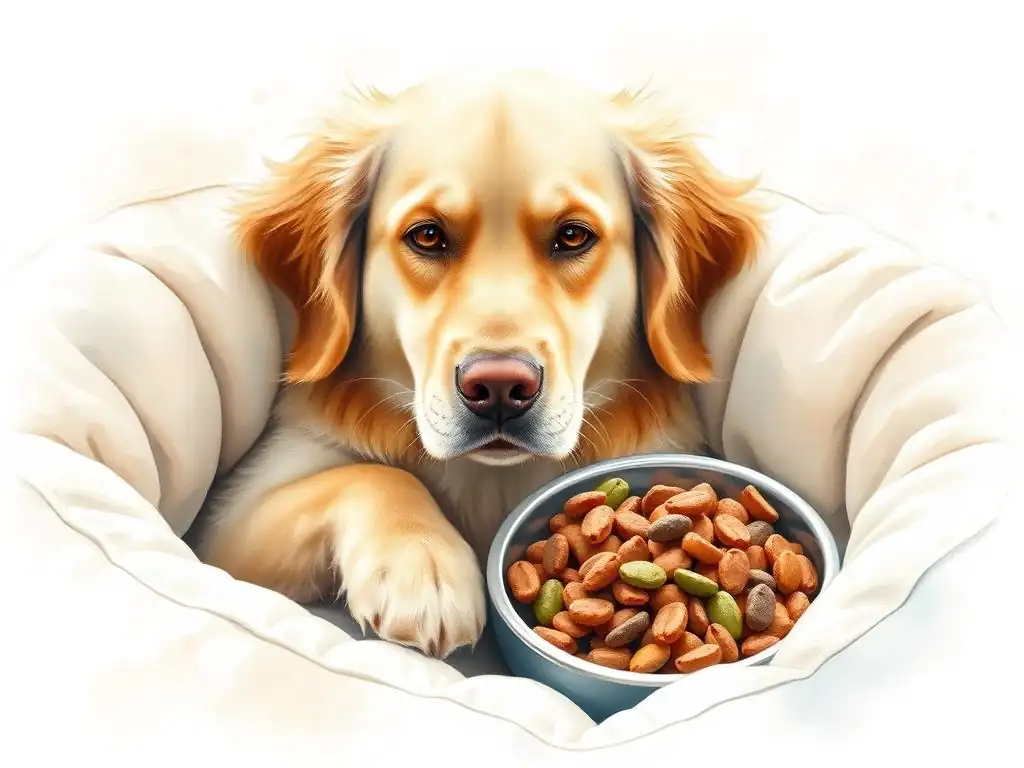
This section focuses on the crucial process of shifting your senior pet to a diet tailored to their age and changing nutritional needs. A gradual transition is key to preventing digestive upset and ensuring a smooth adjustment. Remember, the best senior pet food guide emphasizes a slow and careful approach. The goal is to minimize stress and maximize acceptance of the new food. Sudden dietary changes can lead to vomiting, diarrhea, and loss of appetite – all undesirable outcomes, especially for a senior pet whose digestive system may be less robust.
Gradually Introducing New Food to Avoid Digestive Upsets in Senior Pets
Introducing a new senior pet food should be a phased process, typically spanning 7-10 days. This allows your pet's digestive system to adapt gradually to the new ingredients and nutrient profile. Here's a suggested schedule:
- Days 1-3: Mix 25% of the new food with 75% of the old food. Observe your pet for any signs of digestive upset.
- Days 4-6: Increase the ratio to 50% new food and 50% old food. Continue monitoring for any adverse reactions.
- Days 7-10: Gradually increase the proportion of new food to 75%, then finally 100%. Maintain close observation.
It's important to note that some pets may require a longer transition period. If you notice any signs of digestive distress, such as vomiting, diarrhea, or decreased appetite, slow down the transition process or consult your veterinarian. They can help determine the best course of action and may recommend a different food or a slower transition strategy. Remember, patience is paramount during this phase.
Your pet's comfort and well-being are top priorities. A successful transition will pave the way for optimal nutrition and health in their senior years. Finding the best senior pet food guide often involves trial and error, and working closely with your vet is invaluable.
Monitoring Your Pet's Response to the New Diet: Identifying Potential Issues
After transitioning your pet to their new senior diet, consistent monitoring is essential. Pay close attention to their bowel movements, appetite, energy levels, and overall demeanor. Changes in these areas could signal a problem with the new food.
| Potential Issue | Symptoms | Action |
|---|---|---|
| Digestive Upset | Vomiting, diarrhea, gas, abdominal discomfort | Slow down the transition, consult your veterinarian. |
| Allergies | Itching, skin rashes, hot spots | Consult your veterinarian to identify the allergen and switch foods. |
| Nutrient Deficiencies | Lethargy, weight loss, dull coat, poor appetite | Consult your veterinarian for blood work and potential supplementation. |
| Weight Gain/Loss | Significant increase or decrease in body weight | Adjust food portions as needed; consult your veterinarian. |
Remember, every pet is unique, and their response to a new diet will vary. Maintaining open communication with your veterinarian is crucial throughout this process. They can provide personalized guidance based on your pet's specific needs and health status. This proactive approach ensures your senior pet receives the optimal nutrition they need to thrive in their golden years.
Using a best senior pet food guide as a starting point, coupled with veterinary advice, will help you make informed decisions about your pet's dietary needs. Don't hesitate to seek professional help if you have any concerns. A healthy, happy senior pet is a testament to your diligent care and attention to detail.
Senior Pet Food Recipes (Optional)
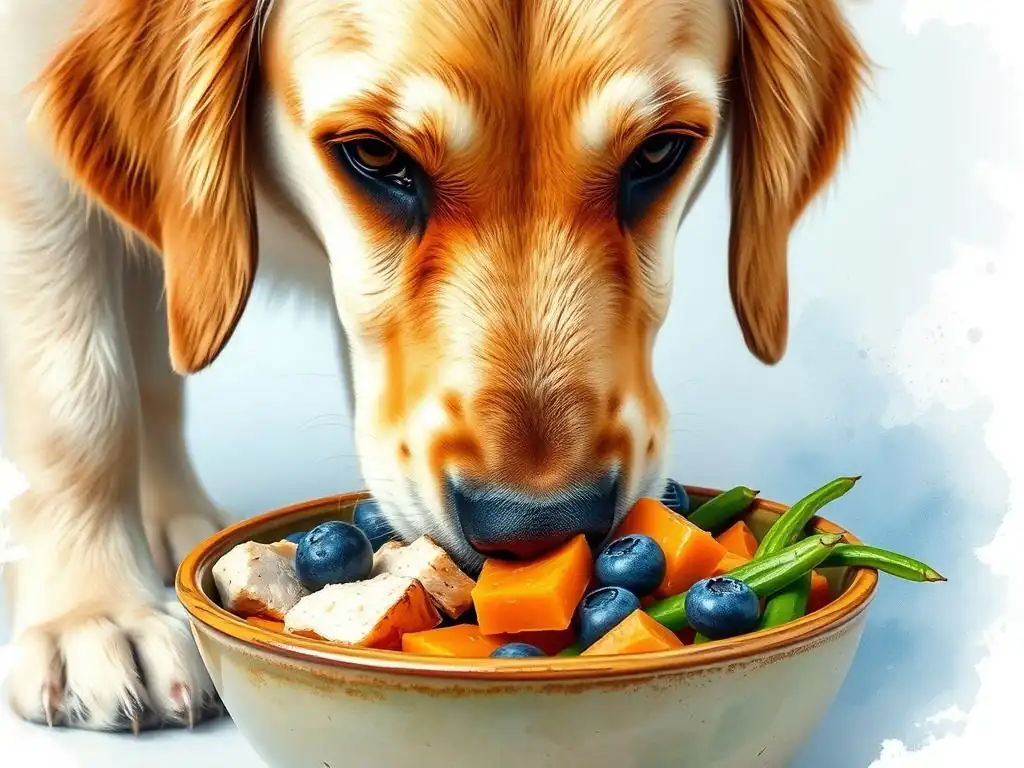
This section offers optional recipes for senior pets. Remember to always consult your veterinarian before making significant dietary changes for your aging companion. These recipes are suggestions and may need adjustments based on your pet's specific needs and any existing health conditions. Finding the best senior pet food often involves a personalized approach. The key is to provide a balanced diet tailored to their reduced activity levels and potential health issues.
Recipe 1: Chicken and Sweet Potato Recipe for Senior Dogs
This recipe focuses on providing easily digestible protein and fiber, crucial for senior dogs who may experience digestive issues. It's low in fat and rich in essential nutrients.
Ingredients:
- 1 cup cooked chicken breast, shredded (ensure all bones are removed)
- 1 medium sweet potato, cooked and mashed
- 1/4 cup cooked brown rice
- 1 tablespoon plain, unsweetened yogurt (optional, provides probiotics)
- 1 teaspoon olive oil (optional, source of healthy fats)
Instructions:
- Combine all ingredients in a bowl and mix thoroughly.
- Divide into appropriate portions for your dog's daily meals.
- Store leftover portions in an airtight container in the refrigerator for up to 3 days.
Nutritional Benefits:
- Chicken: Excellent source of lean protein, essential for maintaining muscle mass.
- Sweet Potato: Rich in fiber, promoting healthy digestion and preventing constipation, a common issue in senior dogs. Provides vitamins A and C.
- Brown Rice: Easily digestible carbohydrate source, providing energy without excessive fat.
- Yogurt (optional): Probiotics aid in gut health and improve digestion.
- Olive Oil (optional): Healthy fats support skin and coat health.
This recipe is a great starting point, but remember to monitor your dog's weight and adjust portion sizes accordingly. Always introduce new foods gradually to avoid digestive upset. This recipe is a good example of how to create a homemade option as part of a plan to find the best senior pet food for your dog.
Recipe 2: Salmon and Tuna Pate for Senior Cats
This pate is designed for senior cats, focusing on highly palatable and easily digestible ingredients rich in omega-3 fatty acids beneficial for joint health and overall well-being.
Ingredients:
- 1 can (5 ounces) salmon, drained and flaked (ensure bones are removed)
- 1 can (5 ounces) tuna in water, drained and flaked
- 1/4 cup cooked pumpkin puree (provides fiber and vitamins)
- 1 tablespoon low-sodium chicken broth
- 1 teaspoon olive oil (optional, for added healthy fats and palatability)
Instructions:
- Combine all ingredients in a food processor or blender and blend until smooth.
- Divide into appropriate portions for your cat's daily meals.
- Store leftover portions in an airtight container in the refrigerator for up to 2 days.
Nutritional Benefits:
- Salmon & Tuna: Excellent sources of protein and omega-3 fatty acids, supporting heart, brain, and joint health. Omega-3s are particularly important for managing arthritis, a common ailment in senior cats.
- Pumpkin Puree: Provides fiber for healthy digestion and adds moisture to the pate. It also contains vitamins and antioxidants.
- Chicken Broth: Adds moisture and flavor, making the pate more appealing to finicky eaters. Choose low-sodium broth to avoid excess sodium intake.
- Olive Oil (optional): Enhances palatability and provides additional healthy fats.
Again, this recipe is a guideline. Monitor your cat's weight and adjust portions as needed. Always consult your veterinarian about the suitability of these recipes for your specific cat, especially if they have any pre-existing health conditions. Finding the best senior pet food for your cat might involve a combination of commercial food and homemade options like this pate. Remember that proper hydration is also crucial for senior pets, so ensure fresh water is always available.
FAQs on Senior Pet Nutrition (Optional)
This section addresses frequently asked questions regarding senior pet nutrition, offering practical guidance to help you provide the best possible care for your aging companion. Remember, consulting your veterinarian is crucial for personalized dietary recommendations based on your pet's specific breed, health condition, and activity level. This information should be considered supplementary to professional veterinary advice, not a replacement.
How often should I feed my senior pet?
Feeding frequency for senior pets often changes from their younger years. While younger, more active animals might thrive on two larger meals a day, senior pets often benefit from smaller, more frequent meals. This approach aids digestion and prevents the feeling of being overwhelmed by a large meal. Instead of two large meals, consider dividing the daily food allowance into three or even four smaller portions.
This can be particularly beneficial for pets with digestive issues, a common occurrence in older animals. The exact number of meals will depend on factors such as your pet's breed, size, activity level, and any existing health conditions. For instance, a small, less active senior dog might only need two smaller meals, while a larger, more active breed might benefit from three or four smaller portions.
Always monitor your pet's weight and adjust the feeding schedule and portion sizes as needed to maintain a healthy body condition. Observe your pet for signs of hunger or fullness – these are valuable indicators to guide your decisions. Regular veterinary check-ups are also essential to ensure your senior pet is maintaining a healthy weight and receiving appropriate nutritional support.
What are the signs of dehydration in senior pets?
Dehydration is a serious concern for senior pets, as their bodies are less efficient at regulating fluid balance. Recognizing the signs early is crucial for prompt intervention. Unlike younger pets, senior animals may not show the obvious signs of dehydration, such as excessive panting or lethargy. Instead, look out for subtler indicators. These include:
- Dry gums: Gums should be moist and pink. Dry, sticky gums are a key indicator of dehydration.
- Sunken eyes: Eyes may appear slightly sunken into their sockets.
- Loss of skin elasticity: Gently pinch the skin on the back of your pet's neck. In a well-hydrated animal, the skin will quickly snap back into place. In a dehydrated animal, the skin will remain tented for a longer period.
- Lethargy and weakness: Dehydrated pets may appear less energetic than usual and show signs of weakness or fatigue.
- Decreased urination: Monitor your pet's urination frequency and volume. A significant decrease can indicate dehydration.
- Dry nose: While a dry nose isn't always a definitive sign of dehydration, it can be a contributing factor in assessing your pet's overall hydration status.
If you notice any of these signs, contact your veterinarian immediately. Dehydration can quickly become a life-threatening condition in senior pets. Providing access to fresh, clean water at all times is essential, and you may need to encourage water intake through methods such as offering broth or adding water to their food. Your veterinarian might also recommend subcutaneous fluids in severe cases.
Remember, proactive monitoring and prompt veterinary attention are vital for maintaining the health and well-being of your senior pet. Providing the best senior pet food, combined with attentive care, is key to ensuring a comfortable and fulfilling life for your aging companion. This guide aims to help you become a more informed caregiver in your quest for the best senior pet food guide available.
Frequently Asked Questions
What are the key nutritional needs of senior pets?
Senior pets require a diet higher in protein to maintain muscle mass and lower in fat to prevent weight gain and related health issues. They also need increased fiber for healthy digestion and added supplements like glucosamine and chondroitin for joint support.
How do I know if my senior pet's current food is appropriate?
Check the ingredients list for high-quality protein sources and appropriate fat levels. Look for added supplements beneficial for older pets. Consult your veterinarian for personalized recommendations based on your pet's specific needs and health conditions.
What are the signs of malnutrition in senior pets?
Signs include weight loss, lack of energy, dull coat, and decreased appetite. Changes in stool consistency and increased thirst can also indicate nutritional deficiencies. Consult your vet immediately if you notice any of these symptoms.
Are there specific types of food for senior dogs versus senior cats?
Yes, dogs and cats have different dietary requirements, even as they age. Senior dog food often focuses on joint health and maintaining muscle mass, while senior cat food often emphasizes urinary tract health and maintaining a healthy weight. Always choose food specifically formulated for your pet's species.
Where can I find a comprehensive guide to senior pet food?
PetCareWorld offers a detailed "best senior pet food guide" covering various aspects of senior pet nutrition, including food selection, portion control, and addressing common health concerns. We provide expert advice to help you make informed decisions about your pet's diet.
Final Reflection: Nourishing the Golden Years: A Legacy of Love and Care
The nutritional needs of our senior pets are often overlooked, yet providing them with the right diet is crucial to ensuring their comfort, vitality, and longevity. Failing to adapt their food to their aging bodies can significantly impact their quality of life, leading to preventable health issues and a diminished enjoyment of their twilight years. This is not merely about extending lifespan; it's about enriching the time we have left with our beloved companions.
Witnessing the gradual changes in my own senior dog, from the playful pup to the wise elder, profoundly impacted my understanding of the importance of senior pet nutrition. The subtle shifts in energy levels, the increased need for joint support, the changes in digestion – these are all indicators that their dietary needs have evolved. The best thing we can give our pets is a long, healthy, and happy life,
and proper nutrition plays a pivotal role in achieving this. This understanding extends beyond the practical; it's about recognizing the deep bond we share and our responsibility to provide the best possible care during their golden years.
Consider the impact of your choices. Are you providing your senior pet with the nutrients they need to thrive, or are you simply maintaining the status quo? Take a moment to review their diet, consult with your veterinarian, and explore the options available to ensure they receive the specialized care they deserve.
You hold the power to make a difference in the quality of life for your aging companion, ensuring their final years are filled with joy, comfort, and the love they so richly deserve. Let's commit to nourishing not just their bodies, but also the enduring bond we share.
Unlock Your Senior Pet's Vitality: Nourish Them to Thrive
Thank you for learning about senior pet nutrition! You've gained valuable insights into keeping your beloved companion healthy and happy in their later years. Now, let's put that knowledge into action.
- Prioritize a Senior-Specific Diet: Carefully review your pet's current food and consider switching to a formula designed for their age and breed. This crucial step addresses the unique nutritional needs of aging pets, ensuring they receive the essential nutrients for optimal health.
- Schedule a Vet Check-up: Don't delay! Discuss your senior pet's nutritional plan with your veterinarian. They can offer personalized advice, address any health concerns, and help you create a tailored plan to support your pet's specific needs.
- Share Your Success Stories: Have you already implemented dietary changes that made a difference? Share your experience with other PetCareWorld readers! Help others on their journey to providing the best care for their senior companions. Your insights can be incredibly valuable.
Ready to see the positive impact of tailored nutrition on your senior pet's health and well-being? What dietary change are you most excited to try today?