
Ball Python Conservation: The Importance of Responsible Ownership

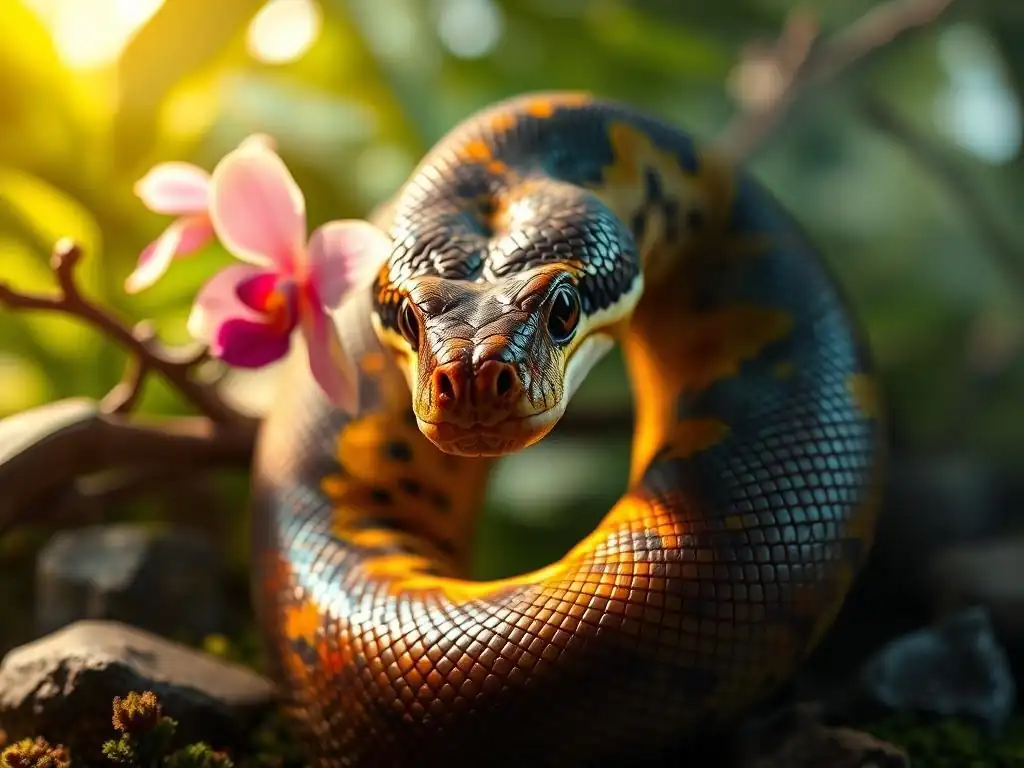
Welcome to PetCareWorld, your ultimate guide to responsible pet ownership! Are you passionate about reptiles and committed to their well-being? Then delve into our insightful article on Ball Python Conservation Breeding. Discover the critical role responsible ownership plays in protecting this fascinating species and learn how you can contribute to its future. Uncover the secrets to successful breeding and ethical practices – your journey to becoming a true advocate for ball pythons starts here.
- Understanding Ball Python Conservation Needs
- Responsible Ball Python Ownership: A Key to Conservation
- Ball Python Conservation Breeding Practices
- Supporting Ball Python Conservation Efforts Beyond Ownership
- The Future of Ball Python Conservation: A Collaborative Approach
- Frequently Asked Questions
- Final Reflection: The Future of Ball Pythons in Our Hands
- Unleash Your Inner Conservationist: Protect Ball Pythons!
Understanding Ball Python Conservation Needs
Ball pythons ( Python regius ), prized for their docile nature and stunning array of morphs, are increasingly popular as pets. However, this popularity, coupled with habitat loss and unsustainable harvesting from the wild, presents a significant challenge to the long-term survival of wild ball python populations.
This article delves into the crucial aspects of ball python conservation, highlighting the threats facing these magnificent snakes and emphasizing the vital role responsible ownership and captive breeding programs play in their preservation. Understanding the complexities of ball python conservation is not just about protecting a species; it's about ensuring the continued existence of a vital part of the African ecosystem and promoting ethical practices within the reptile hobby.
We will examine the current state of wild populations, the dangers they face, and how ethical captive breeding can contribute to successful conservation efforts. The goal is to equip readers with the knowledge needed to make informed decisions about ball python ownership and support conservation initiatives.
The Current Status of Wild Ball Pythons
Determining the precise population size of wild ball pythons is challenging due to their elusive nature and the vastness of their native habitat across West and Central Africa. However, it's widely accepted that their numbers are declining, although the exact rate of decline remains uncertain. Data collection is hampered by logistical difficulties in accessing remote areas and the lack of comprehensive surveys across their entire range.
While some populations might appear stable in certain regions, localized threats, such as habitat destruction and illegal trapping, pose significant risks. Many areas lack sufficient research to fully assess the population health and trends. This lack of concrete data underscores the urgent need for increased research and monitoring efforts to gain a clearer understanding of the current status of wild ball python populations.
More robust scientific studies are needed to accurately assess population trends and inform effective conservation strategies. Without this information, conservation efforts risk being misdirected or inefficient.
Threats to Ball Python Populations in the Wild
Wild ball python populations face a multitude of threats, many stemming from human activities. These include:
- Habitat Loss and Degradation: Deforestation for agriculture and urbanization significantly reduces suitable habitat for ball pythons. The loss of their natural environment leads to reduced food sources and increased competition for resources.
- Unsustainable Harvesting for the Pet Trade: The high demand for ball pythons in the pet trade leads to over-collection from the wild. This unsustainable harvesting depletes wild populations and disrupts the natural balance of the ecosystem.
- Climate Change: Changes in temperature and rainfall patterns can negatively impact ball python populations, affecting their breeding cycles, prey availability, and overall survival.
- Disease: While specific data on diseases impacting wild ball python populations is limited, the risk of disease transmission, particularly with increased human interaction, is a concern.
- Predation: While natural predators exist, the impact of predation is likely less significant than the anthropogenic threats listed above.
These intertwined threats highlight the urgent need for comprehensive conservation strategies to mitigate these risks and protect wild ball python populations. The impact of these factors is complex and requires further research to fully understand the extent of their influence on wild populations.
The Role of Captive Breeding in Ball Python Conservation
Ethical and well-managed captive breeding programs can play a vital role in ball python conservation. By reducing the pressure on wild populations, captive breeding can help:
- Decrease Demand for Wild-Caught Snakes: A readily available supply of ethically bred ball pythons can decrease the demand for wild-caught individuals, thus reducing the pressure on wild populations.
- Preserve Genetic Diversity: Careful planning and management of captive breeding programs can help maintain genetic diversity within the captive population, preventing inbreeding and ensuring the long-term health of the species.
- Support Research and Education: Captive populations provide opportunities for research on ball python biology, behavior, and health, contributing to improved conservation strategies and educational initiatives.
- Potentially Reintroduce Individuals (with caution): In some cases, carefully planned reintroduction programs may be considered, but this requires extensive research and careful consideration to avoid potential negative impacts on existing wild populations.
Responsible ownership, which includes purchasing only ethically sourced ball pythons from reputable breeders, is crucial for supporting these conservation efforts. It is imperative to support breeders who prioritize animal welfare and genetic diversity. By making informed choices and supporting conservation initiatives, we can contribute to the long-term survival of this fascinating species.
Responsible Ball Python Ownership: A Key to Conservation
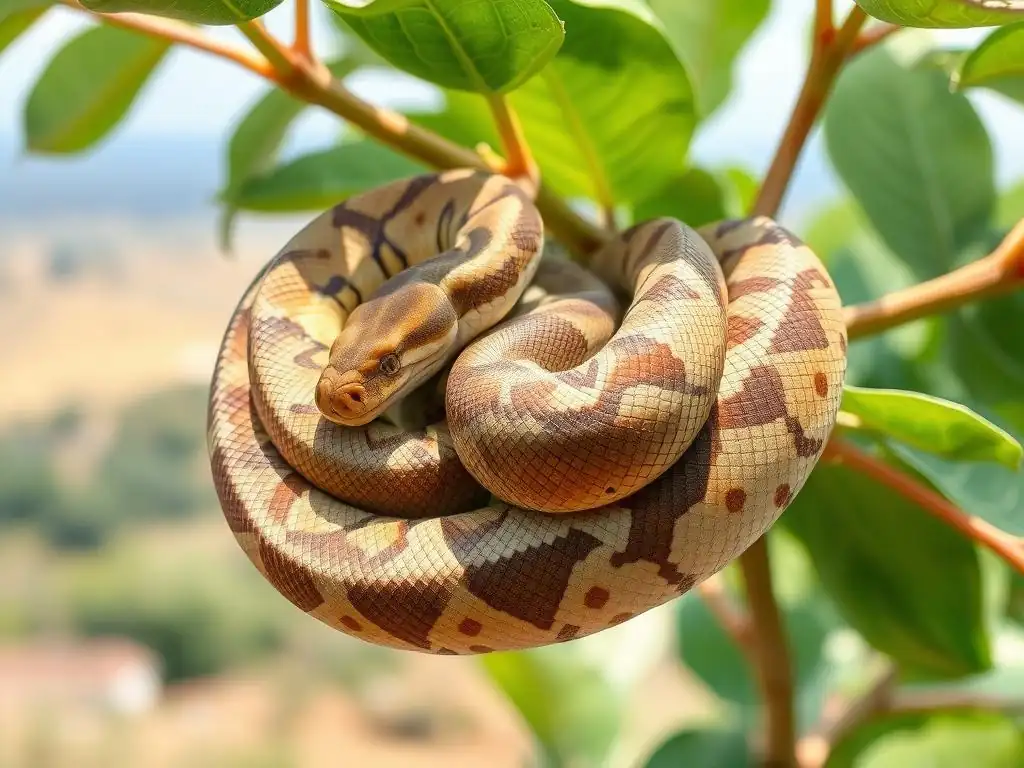
Responsible ownership plays a crucial role in ball python conservation. The increasing popularity of ball pythons as pets necessitates a strong ethical framework to prevent unsustainable breeding practices and habitat destruction. By understanding and adhering to responsible ownership principles, we can contribute significantly to the long-term survival of this fascinating species in the wild.
This section delves into key aspects of responsible ball python care, emphasizing practices that support conservation efforts. This includes carefully selecting your breeder, providing a suitable habitat, and offering a balanced and nutritious diet. These actions directly impact the health and well-being of your pet and, collectively, contribute to the health of the species.
Choosing a Reputable Ball Python Breeder
Selecting a reputable breeder is paramount for responsible ball python ownership and contributes directly to ball python conservation breeding programs. Irresponsible breeding practices can lead to genetic bottlenecks, health problems, and ultimately, threaten the species' genetic diversity. Look for breeders who prioritize the health and well-being of their snakes above profit. Several key indicators can help you identify a responsible breeder:
- Health Certifications: A reputable breeder will provide health certificates from a veterinarian, demonstrating that their snakes are free from common ball python ailments. This shows a commitment to the health of their animals and contributes to preventing the spread of disease within the captive population.
- Genetic Diversity: A responsible breeder actively works to maintain genetic diversity within their breeding stock. They should be able to discuss their breeding program and how they strive to avoid inbreeding. Inbreeding can significantly weaken the genetic resilience of the species, making them more susceptible to disease and environmental changes.
- Transparency: A good breeder will be open and honest about their breeding practices, readily answering your questions and allowing you to observe their animals in their enclosures. They should be willing to discuss the lineage of their snakes and provide information on their parents' health and temperament.
- Commitment to Education: A responsible breeder is invested in educating new owners about proper care and responsible ownership. They should be willing to provide guidance and support beyond the initial sale. This ensures that the snakes are placed in suitable homes and reduces the chances of them being neglected or abandoned.
Choosing a breeder who adheres to these principles directly supports ethical ball python conservation breeding, ensuring a healthier and more genetically diverse captive population. This, in turn, reduces the pressure on wild populations and contributes to the long-term survival of the species.
Ensuring Proper Ball Python Housing and Enrichment
Providing appropriate housing and enrichment is essential for the physical and psychological well-being of your ball python, and it's a crucial aspect of ethical ball python care. A neglected or stressed snake is more susceptible to illness, reducing its chances of survival and potentially impacting future breeding efforts if you choose to breed your snake. Here's what to consider:
- Enclosure Size: The enclosure should be appropriately sized for the snake's adult size. A cramped environment can lead to stress and health problems. Ball pythons need sufficient space to explore, thermoregulate, and hide.
- Temperature and Humidity Gradient: Maintaining the correct temperature and humidity gradient is vital. This allows your snake to thermoregulate effectively, which is crucial for digestion and overall health. Providing a gradient means offering a range of temperatures within the enclosure, allowing the snake to choose its preferred temperature.
- Substrate: The substrate should be absorbent, easy to clean, and non-toxic. Avoid substrates that can be ingested and cause impaction. Aspen shavings or paper towels are good options.
- Hiding Places: Ball pythons are secretive creatures and require multiple hiding places within their enclosure. These provide security and reduce stress. Hiding places should be of varying sizes and materials.
- Enrichment: Enrichment is crucial for preventing boredom and promoting natural behaviors. This could include branches for climbing, rocks for basking, and appropriately sized water dishes. A stimulating environment contributes significantly to the overall well-being of your snake.
Providing Optimal Nutrition for Your Ball Python
Proper nutrition is fundamental to the health and longevity of your ball python. A well-nourished snake is less susceptible to disease and has a better chance of thriving. Feeding your ball python a balanced and appropriate diet directly contributes to responsible ownership and the health of the captive population, which is key for successful ball python conservation breeding efforts.
- Appropriate Prey: Feed your ball python appropriately sized rodents, such as mice or rats, according to its age and size. Never overfeed your snake. Overfeeding can lead to obesity and other health problems.
- Feeding Frequency: The feeding frequency depends on the age and size of your snake. Younger snakes require more frequent feeding than adults. Always consult with a veterinarian or experienced reptile keeper to determine the correct feeding schedule for your snake.
- Prey Quality: Ensure that the prey you offer is healthy and of good quality. Avoid prey that has been improperly handled or stored. Poor-quality prey can introduce parasites or diseases to your snake.
- Vitamin and Mineral Supplementation: While a balanced diet should provide most of the necessary nutrients, occasional vitamin and mineral supplementation can be beneficial. Consult with a veterinarian or reptile specialist to determine the appropriate supplementation schedule.
By providing your ball python with a balanced and nutritious diet, you contribute to its overall health and well-being. This is not only crucial for the individual snake but also contributes to the health of the captive population and supports conservation efforts by ensuring a healthy gene pool for future generations. A healthy captive population is vital for the long-term survival and success of ball python conservation breeding programs.
Recognizing and Treating Common Ball Python Health Issues
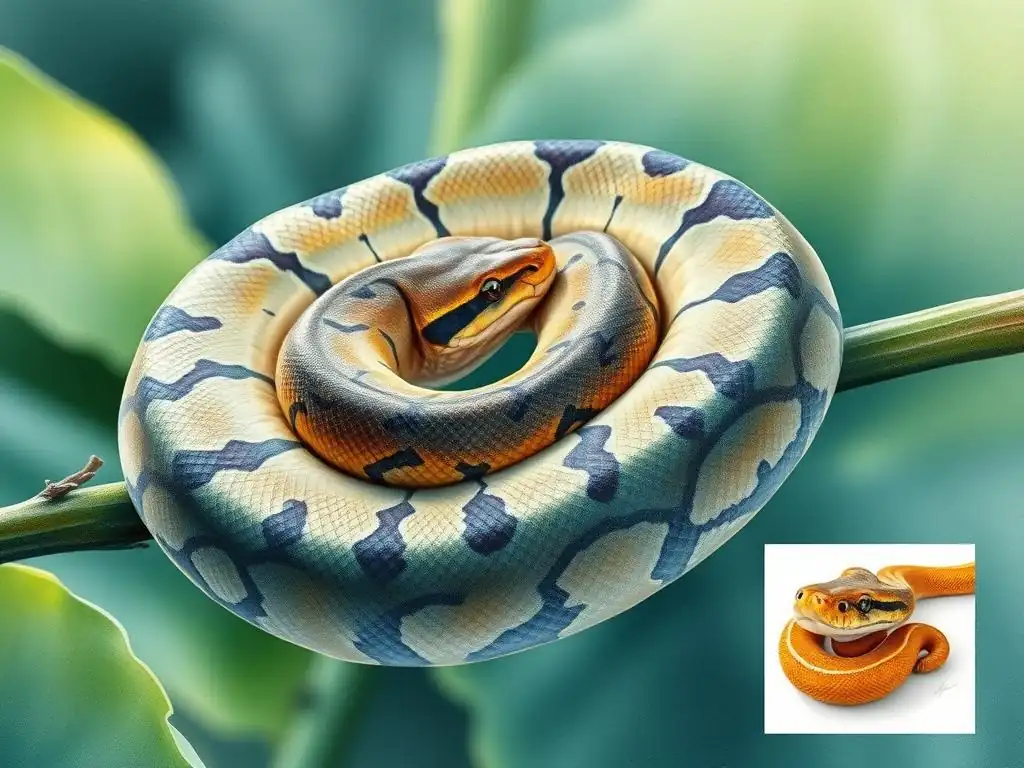
Ball pythons, while relatively hardy snakes, are susceptible to certain health problems. Early detection and appropriate veterinary care are crucial for successful treatment and contribute significantly to ball python conservation efforts. Neglecting health issues can lead to suffering, death, and a reduction in the gene pool available for future breeding programs. Responsible owners should be vigilant in observing their snakes for any signs of illness.
Common health issues include respiratory infections, often manifested by labored breathing, wheezing, or nasal discharge. These infections can be bacterial or viral and require veterinary intervention, usually involving antibiotics or supportive care. Another prevalent problem is dysecdysis, or difficulty shedding skin. This can be caused by dehydration, improper humidity levels, or underlying health conditions. Treatment involves improving environmental conditions, such as increasing humidity and providing a suitable soak. Owners should carefully monitor their snakes during shedding, and if problems arise, seek professional veterinary help.
Parasites, both internal and external, are also a concern. Internal parasites, such as nematodes or coccidians, can weaken the snake and lead to significant health problems. External parasites like mites can cause intense irritation and skin damage.
Veterinary diagnosis is essential for identifying the specific parasite and implementing appropriate treatment, often involving medication. Regular fecal examinations can help detect internal parasites early, preventing more severe complications. A proactive approach to parasite prevention, including maintaining a clean enclosure and using preventative medications as advised by a reptile veterinarian, is a vital aspect of responsible ball python ownership and contributes to the overall health of the captive population, thereby supporting conservation efforts.
The Importance of Ball Python Genetic Diversity in Captive Breeding Programs
Maintaining genetic diversity within captive ball python populations is paramount for long-term conservation. Inbreeding, a common problem in captive breeding programs, can lead to a reduced ability to fight off diseases, increased susceptibility to genetic disorders, and a decrease in overall vitality. This weakens the population and reduces the chances of future successful breeding and long-term survival. Therefore, careful planning and execution of breeding programs are vital.
To ensure genetic diversity, breeders should maintain detailed records of their snakes' lineages, including parentage and any known genetic health issues. This allows for informed breeding decisions, minimizing the risk of inbreeding and maximizing the genetic diversity within the population. Genetic testing can also play a crucial role in identifying closely related individuals and preventing pairings that would further reduce genetic variation. The use of genetic testing is becoming increasingly important in responsible ball python breeding programs as a tool to support conservation efforts.
Furthermore, responsible breeders actively participate in collaborative breeding programs and exchange genetic material with other breeders to introduce new genetic lines into their programs. This process helps to expand the genetic pool and prevent the negative effects of inbreeding. Open communication and collaboration amongst breeders are essential for maintaining healthy and diverse captive populations, thus supporting the long-term conservation of ball pythons in the wild.
The exchange of information and genetic material strengthens the entire captive breeding community, fostering a more robust and resilient population of ball pythons for generations to come. This collaborative approach is a crucial element of successful ball python conservation breeding.
Ball Python Conservation Breeding Practices
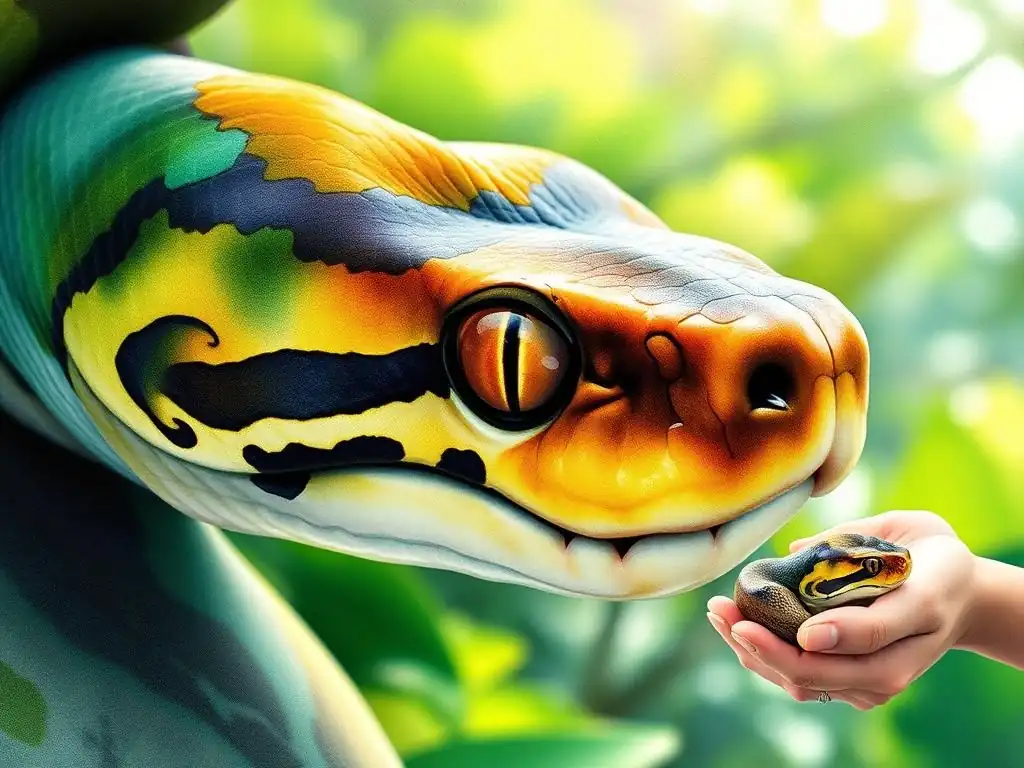
Responsible breeding plays a crucial role in Ball python conservation. Wild populations face threats from habitat loss and illegal pet trade, making captive breeding programs vital for maintaining genetic diversity and ensuring the long-term survival of the species. Effective conservation breeding goes beyond simply producing offspring; it requires a multifaceted approach focused on ethical practices, rigorous health screening, and meticulous record-keeping. This section delves into the key aspects of successful and ethical Ball python conservation breeding.
Ethical Considerations in Ball Python Breeding
Ethical Ball python breeding prioritizes the well-being of the snakes above all else. This involves careful consideration of several factors:
- Minimizing Inbreeding: Inbreeding significantly reduces genetic diversity, increasing the risk of inherited diseases and weakening the overall health of the population. Breeders must utilize genetic testing and carefully select breeding pairs to avoid close relatives. The goal is to maintain a healthy gene pool, mirroring the genetic diversity found in wild populations as closely as possible. This requires careful planning and often collaboration with other breeders.
- Avoiding Overpopulation: Irresponsible breeding can lead to a surplus of Ball pythons, overwhelming rescue organizations and potentially leading to neglect or euthanasia. Breeders must carefully manage their breeding programs, producing only the number of snakes that can be responsibly cared for and placed in suitable homes. This includes proactively finding appropriate homes for offspring before they are born.
- Prioritizing Health and Welfare: Breeding animals should be healthy and free from disease. Providing optimal living conditions, including appropriate enclosures, temperature and humidity control, and a balanced diet, is paramount. Sick or injured snakes should never be used for breeding. The health and welfare of the parent snakes should always take precedence over profit. Regular veterinary check-ups are essential for maintaining the overall health of the breeding stock.
Genetic Testing and Health Screening in Ball Python Breeding Programs
Genetic testing and health screening are integral to responsible Ball python conservation breeding. These practices help identify and minimize the risk of inheritable diseases and ensure the long-term health of the captive population.
- Genetic Diversity Analysis: Advanced genetic testing can assess the genetic diversity within a breeding program, identifying potential bottlenecks or areas of low genetic variation. This information guides breeding decisions, helping breeders select pairs that maximize genetic diversity and minimize inbreeding.
- Disease Screening: Regular health screenings, including fecal examinations and blood tests, can detect various diseases and parasites. Breeding snakes should be free from any known inheritable conditions or infectious diseases to prevent transmission to offspring. This also helps maintain the overall health of the breeding colony and prevents the spread of disease among the animals.
- Identifying Inherited Conditions: Some Ball pythons are prone to specific genetic disorders. Genetic testing can identify carriers of these conditions, allowing breeders to make informed decisions about breeding pairs and prevent the propagation of these disorders. This proactive approach is crucial for preserving the health and fitness of the captive population. The information gathered through these screenings informs future breeding decisions and contributes to a healthier overall population.
Maintaining Accurate Ball Python Lineage Records
Meticulous record-keeping is essential for successful Ball python conservation breeding programs. Detailed records track the lineage of each snake, providing valuable information about genetic relationships and health history.
- Pedigree Databases: Maintaining accurate pedigree databases allows breeders to trace the ancestry of each snake, identifying potential inbreeding risks and tracking the inheritance of specific traits or diseases. This information is crucial for informed breeding decisions and contributes to the overall health and genetic diversity of the captive population.
- Health Records: Thorough health records document each snake's medical history, including vaccinations, treatments, and any observed health issues. This information allows breeders to identify potential health problems and make informed decisions about breeding pairs. It also provides valuable data for research into Ball python health and genetics.
- Data Sharing and Collaboration: Sharing data with other breeders and researchers fosters collaboration and contributes to the collective knowledge base on Ball python genetics and health. This collaborative approach is essential for advancing conservation efforts and ensuring the long-term survival of the species. Data sharing also allows for more efficient breeding strategies across different programs. The collective data helps to identify best practices and improve overall breeding outcomes.
Contributing to Ball Python Conservation Through Ethical Breeding
Ethical breeding plays a crucial role in ball python conservation. Irresponsible breeding practices can lead to inbreeding, genetic bottlenecks, and the proliferation of unhealthy traits. Conversely, responsible breeding programs actively contribute to maintaining a healthy and diverse ball python population. This involves careful selection of breeding pairs, genetic testing to avoid inbreeding, and a commitment to the overall well-being of the snakes.
Breeders should prioritize the health and temperament of their animals above all else, rejecting individuals with known genetic defects or health problems. This commitment to genetic health ensures that future generations of ball pythons are robust and resilient. Furthermore, ethical breeders actively participate in research and collaborate with conservation organizations to share knowledge and improve breeding practices across the community. This collaborative approach is vital for the long-term success of ball python conservation efforts.
The goal isn't simply to produce more snakes, but to produce healthier, more genetically diverse snakes that contribute to the overall health of the species. This requires a deep understanding of ball python genetics, a commitment to responsible breeding practices, and a dedication to the long-term health of the population. The impact of ethical breeding extends beyond the individual animals; it contributes to the sustainability of the species as a whole.
Ethical breeding programs also focus on maintaining the natural genetic diversity within ball python populations. This is crucial because limited genetic diversity increases the risk of diseases and reduces the species' ability to adapt to environmental changes. Maintaining genetic diversity requires careful record-keeping, genetic testing, and a commitment to avoiding inbreeding. Reputable breeders often utilize genetic testing to determine the relatedness of potential breeding pairs, ensuring that they are not too closely related.
By carefully selecting breeding pairs, ethical breeders contribute to the preservation of the species' genetic heritage, safeguarding its long-term survival. This commitment to genetic diversity is a cornerstone of responsible ball python conservation breeding. Moreover, responsible breeders actively avoid breeding for extreme or potentially harmful traits that might compromise the snakes' health or well-being. Focus remains on maintaining the natural beauty and robustness of the species.
Finally, ethical ball python breeders contribute to conservation by educating others about responsible pet ownership and the importance of supporting ethical breeding practices. By sharing their knowledge and expertise, they help to raise awareness about the threats facing ball pythons in the wild and the crucial role that responsible breeding plays in protecting them.
This educational outreach is a vital component of broader conservation efforts, empowering future generations of pet owners to make informed choices that support the sustainability of the species. Through their actions and commitment to education, ethical breeders play a critical role in ensuring the long-term survival of ball pythons, not just as pets, but as a vital part of the natural world.
Their dedication to responsible breeding practices is a testament to their commitment to the conservation of this fascinating species. The overall success of ball python conservation heavily relies on the continued dedication and ethical practices of responsible breeders.
Supporting Ball Python Conservation Efforts Beyond Ownership

Responsible ball python ownership is a crucial first step in ball python conservation, but it's not the only way to contribute. Many avenues exist for individuals passionate about these magnificent snakes to actively participate in preserving their wild populations. Understanding the complexities of ball python conservation breeding programs and supporting wider conservation efforts are equally vital. This section explores ways you can go beyond responsible ownership to make a tangible difference.
Participating in Ball Python Conservation Organizations
Numerous organizations dedicate themselves to ball python conservation and research. These groups often rely on volunteers and donations to fund crucial projects, from habitat preservation to anti-poaching initiatives. Active participation can take many forms:
- Volunteering: Many organizations welcome volunteers for tasks ranging from data entry and fundraising to assisting with field research (where appropriate training is provided). The time commitment can be flexible, allowing you to contribute at a level comfortable for your schedule.
- Donating: Financial contributions, no matter the size, directly support conservation efforts. Look for organizations with transparent financial reporting to ensure your donation is used effectively.
- Advocacy: Becoming a vocal advocate for ball python conservation can involve writing letters to government officials, supporting legislation aimed at protecting their habitats, and educating others about the threats they face. Even sharing information on social media can raise awareness and inspire action.
- Membership: Joining organizations provides access to exclusive resources, networking opportunities with like-minded individuals, and a deeper understanding of ongoing conservation projects. This provides a sense of community and allows for more significant involvement.
Educating Others About Ball Python Conservation
Raising awareness is a powerful tool in ball python conservation. Educating others about the challenges faced by wild ball pythons and the importance of responsible ownership can significantly impact their behavior and choices. Consider these avenues:
- Sharing Information: Utilize social media platforms, online forums, and personal conversations to spread awareness about ball python conservation issues. Share factual information, dispel myths, and highlight the importance of sustainable practices. Use clear, concise language and engaging visuals to maximize impact.
- Presentations and Workshops: Offer to give presentations or workshops to schools, community groups, and herpetological societies. Tailor your presentation to the audience's knowledge level and focus on the key threats to ball pythons and how individuals can help. Include interactive elements to maintain engagement.
- Creating Educational Materials: Develop informative brochures, pamphlets, or online resources that explain ball python conservation in an accessible and engaging manner. Ensure the information is accurate, up-to-date, and sourced from reputable organizations.
The effectiveness of education lies in its accessibility and engaging nature. Making conservation information readily available and interesting is key to inspiring positive change.
Supporting Research on Ball Python Conservation
Scientific research plays a pivotal role in understanding and addressing the threats to ball python populations. Supporting research initiatives, even in small ways, can contribute significantly to long-term conservation success.
- Funding Research Projects: Directly contributing to research projects through donations or grants can provide crucial funding for fieldwork, data analysis, and publication of findings. Look for reputable research institutions and projects with clearly defined goals and transparent methodologies.
- Citizen Science: Participate in citizen science initiatives that collect data on ball python populations. These projects often involve simple tasks that can be done remotely, such as identifying ball pythons in photographs or analyzing data sets.
- Data Collection: If you have the skills and resources, consider collecting data on ball python populations in your area. This information can be invaluable to researchers working on conservation projects. Ensure you comply with all relevant regulations and obtain necessary permits before undertaking any data collection.
Supporting research directly contributes to the knowledge base necessary for effective and evidence-based conservation strategies, ensuring that efforts are targeted and impactful. Even small contributions can significantly improve the understanding of wild ball python populations and inform better conservation practices. The future of ball python conservation breeding relies heavily on the continued support of scientific research.
The Future of Ball Python Conservation: A Collaborative Approach
The future of ball python conservation hinges on a multifaceted, collaborative approach. Simply put, successful conservation efforts require a unified front, bringing together diverse stakeholders with a shared goal: ensuring the long-term survival of this fascinating species in the wild and sustainably in captivity. This necessitates a significant shift from individual efforts to a more coordinated and strategically planned initiative. Ignoring this interconnectedness will likely lead to continued population decline and increased pressure on wild ball python populations.
Collaboration Between Breeders, Researchers, and Conservationists
Effective ball python conservation breeding programs demand a strong partnership between responsible breeders, dedicated researchers, and conservation organizations. Breeders, with their intimate knowledge of genetics and husbandry, play a crucial role in maintaining healthy captive populations. However, their efforts must be guided by scientific research.
Researchers can provide invaluable insights into population genetics, disease susceptibility, and reproductive biology, informing breeding strategies to maximize genetic diversity and minimize inbreeding. This data-driven approach is vital to ensure the long-term health and viability of captive ball python populations. Conservation organizations, meanwhile, can assist in bridging the gap between captive breeding programs and wild populations, facilitating reintroduction efforts where appropriate and ensuring that any captive-bred animals are released in a way that minimizes impact on existing wild populations.
The collaboration shouldn't stop at information exchange. Joint projects could focus on:
- Developing standardized genetic testing protocols: This would allow breeders to track lineage and genetic diversity more effectively, preventing inbreeding and maintaining a healthy gene pool.
- Creating a centralized database: A shared database of captive ball python lineages would facilitate responsible breeding practices and minimize the risk of unintentional inbreeding.
- Funding research into diseases: Investing in research that identifies and addresses diseases affecting ball pythons is crucial for both captive and wild populations.
This synergistic approach will significantly enhance the effectiveness of conservation efforts and ensure the sustainability of ball python populations for generations to come. The success of this collaborative model relies on open communication, data sharing, and a commitment to evidence-based practices.
The Importance of Public Awareness and Education
Effective ball python conservation also requires a significant investment in public awareness and education. Many individuals are unaware of the threats facing wild ball python populations, or the importance of responsible pet ownership in supporting conservation efforts. Raising public awareness is key to building support for conservation initiatives and promoting responsible breeding practices. This can be achieved through a variety of channels, including:
- Educational campaigns: Targeted campaigns, utilizing social media, print media, and educational programs, can effectively communicate the importance of ball python conservation to a wide audience. These campaigns should emphasize the threats to wild populations, such as habitat loss and illegal wildlife trade, and highlight the role of responsible pet ownership in mitigating these threats.
- Community outreach programs: Engaging with local communities through workshops, presentations, and interactive exhibits can foster a deeper understanding of ball python conservation and encourage responsible behavior. Such programs could include demonstrations on proper handling techniques, information on responsible breeding practices, and discussions on the ethical considerations of owning exotic pets.
- Collaborations with zoos and aquariums: Partnering with zoos and aquariums can provide a powerful platform to reach a broad audience and engage them in conservation efforts. These institutions can showcase ball pythons and educate the public about their conservation status, highlighting the importance of supporting responsible breeding programs.
Increased awareness translates directly into more responsible purchasing decisions. By educating the public on the importance of sourcing ball pythons from reputable breeders committed to ethical and sustainable practices, we can reduce the demand for animals sourced from unsustainable or illegal channels, thereby supporting the conservation of wild populations. This multifaceted approach is crucial to achieving long-term success in ball python conservation.
Long-term Strategies for Ball Python Conservation and Sustainability
Long-term ball python conservation requires a strategic, multi-pronged approach encompassing research, responsible breeding, and public engagement. This necessitates a shift from reactive measures to a proactive, preventative strategy. Key elements of a successful long-term strategy include:
- Habitat protection and restoration: Protecting existing ball python habitats and restoring degraded areas is paramount to ensuring the long-term survival of wild populations. This requires collaboration with governmental agencies and conservation organizations to implement effective land management practices and combat habitat destruction.
- Combating illegal wildlife trade: Stricter enforcement of laws against illegal wildlife trade is critical to reducing the pressure on wild ball python populations. This requires international cooperation and strengthened regulations to curb the illegal capture and sale of these animals.
- Continued research and monitoring: Ongoing research into ball python biology, ecology, and genetics is essential to inform conservation strategies and monitor the effectiveness of conservation efforts. This includes studying population dynamics, identifying threats to survival, and developing effective conservation management plans.
The success of these long-term strategies depends on continued funding, collaboration, and a commitment to evidence-based conservation practices. By investing in research, education, and habitat protection, we can ensure the future of ball python conservation and maintain the health and sustainability of both captive and wild populations for many years to come. The journey towards sustainable ball python conservation is a marathon, not a sprint, requiring sustained commitment and a collaborative effort from all stakeholders.
Frequently Asked Questions
What is conservation breeding for ball pythons?
Conservation breeding is a crucial program that involves breeding ball pythons in captivity to help sustain healthy, genetically diverse populations. This helps protect the species from threats in the wild like habitat loss. It's a vital part of responsible ownership.
Why is responsible ownership important for ball python conservation?
Responsible ownership ensures healthy breeding practices and minimizes the risk of spreading diseases. It also reduces the demand for wild-caught snakes, preserving their natural habitats. Ethical breeding programs are key.
How can I participate in ball python conservation breeding?
You can support conservation by purchasing ball pythons from reputable breeders committed to ethical breeding practices and genetic diversity. Avoid supporting breeders who prioritize profit over animal welfare. Educate yourself about responsible breeding.
What are the ethical considerations of ball python breeding?
Ethical breeding focuses on maintaining genetic diversity, avoiding inbreeding, and ensuring the health and well-being of the snakes. It prioritizes the long-term health of the species over short-term profit. Prioritize responsible practices.
Where can I find reputable ball python breeders?
Look for breeders who are transparent about their breeding practices, prioritize animal health, and actively participate in conservation efforts. Check online forums, reptile shows, and conservation organizations for recommendations. Thorough research is essential.
Final Reflection: The Future of Ball Pythons in Our Hands
The plight of wild ball pythons underscores the urgent need for responsible breeding practices; the survival of this magnificent species hinges on our collective action. The illegal wildlife trade and habitat destruction pose significant threats, but through informed choices and dedicated conservation efforts, we can significantly mitigate these risks and secure a future for ball pythons in the wild.
The journey towards effective ball python conservation is a continuous process, demanding both individual and collective responsibility. The impact of ethical breeding programs extends far beyond the captive population; it directly influences the genetic health of wild populations and reduces the pressure on wild-caught animals. The best way to conserve a species is to understand it, respect it, and ensure its survival through responsible actions.
This simple truth guides our efforts towards a future where both captive and wild ball pythons thrive.
Now, consider your own role in this crucial endeavor. Are you ready to be a part of the solution? By supporting reputable breeders, educating yourself on responsible ownership, and advocating for stronger conservation policies, you can make a tangible difference. Let us collectively commit to ensuring that future generations can marvel at the beauty and grace of the ball python, both in captivity and in its natural habitat. The future of this species rests not just with conservationists, but with each and every one of us.
Unleash Your Inner Conservationist: Protect Ball Pythons!
Thank you for learning about the crucial role responsible ownership plays in Ball Python conservation. You've gained valuable insights into protecting this incredible species – now let's put that knowledge into action!
- Become a Ball Python Advocate: Volunteer your time or donate to your local reptile rescue or wildlife organization. Their vital work needs your support.
- Spread the word: Educate your friends, family, and fellow reptile enthusiasts about responsible Ball Python ownership, ethical breeding practices, and the importance of habitat preservation. Sharing a compelling social media post is a great way to reach a wider audience.
- Continue learning: Expand your knowledge of Ball Python conservation by exploring educational documentaries and reputable online communities.
What concrete step will you take today to help secure the future of Ball Pythons?