
Help! My Reptile Has a Stuck Shed: Practical Solutions

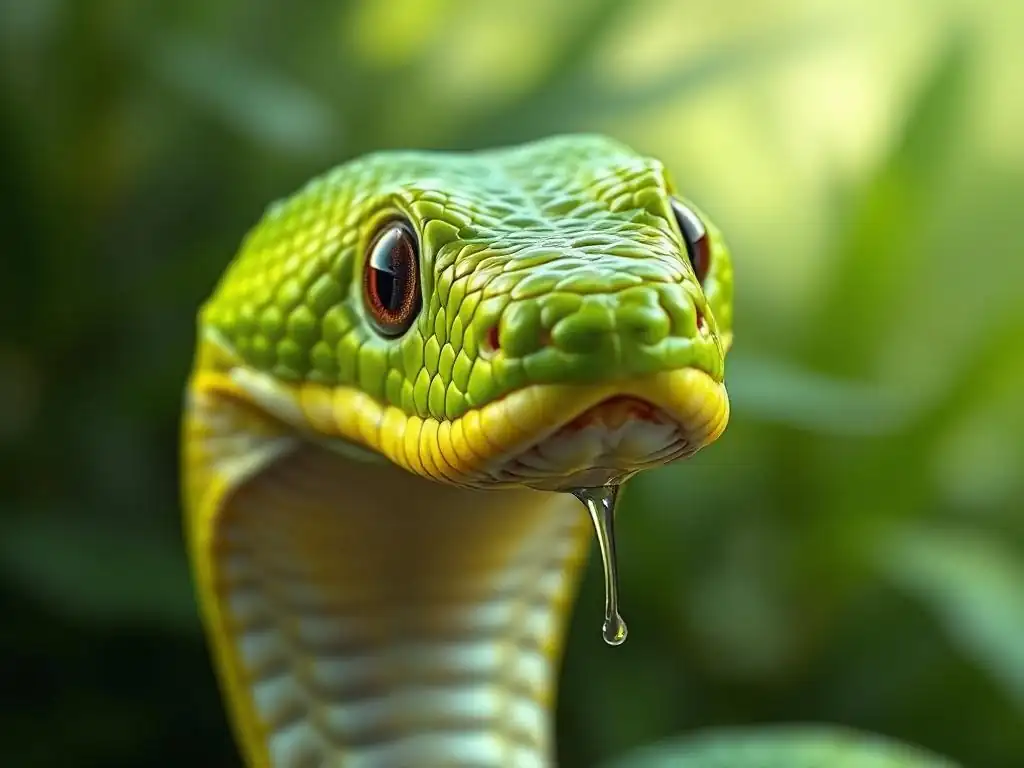
Welcome to PetCareWorld, your ultimate guide to the wonderful world of pet ownership! Are you facing a common yet concerning challenge? We delve into the intricacies of stuck reptile shed removal in our latest comprehensive guide, offering practical solutions and expert advice to ensure the well-being of your scaly companion. Discover the secrets to a smooth shedding process and learn how to prevent future issues – your reptile will thank you! Explore our wealth of resources and embark on a journey of responsible pet care today.
- Understanding Stuck Sheds in Reptiles
-
Safe and Effective Stuck Shed Removal Techniques
- Assessing the Severity of the Stuck Shed
- Gentle Hydration Techniques for Easier Shedding
- Using Lubricants for Stuck Shed Removal: Choosing the Right Product
- Manual Removal: When and How to Intervene Safely
- The Role of Humidity and Temperature in Shed Removal
- Tools and Materials for Safe Stuck Shed Removal
- Preventing Future Stuck Sheds in Your Reptile
- When to Seek Veterinary Help for Stuck Sheds
- Case Studies: Successful Stuck Shed Removal Stories
- Frequently Asked Questions
- Final Reflection: The Silent Struggle of a Stuck Shed
- Unlock Your Reptile's Radiant Shine: Take Action Now!
Understanding Stuck Sheds in Reptiles
Dysecdysis, or stuck shed, is a common and distressing problem for reptile keepers. This condition occurs when a reptile's old skin, or shed, fails to detach and slough off properly, resulting in retained skin fragments on various parts of the body. This isn't just an aesthetic issue; a stuck shed can lead to serious health complications, including infection, limb loss, and even death if left untreated.
This comprehensive guide will equip you with the knowledge and practical solutions to effectively address stuck shed in your reptile, helping you ensure their health and well-being. We'll explore the identification of a stuck shed, the underlying causes, and the risk factors that increase the likelihood of this problem occurring, ultimately providing you with the tools to prevent and manage dysecdysis effectively.
Learning to recognize and address stuck shed is crucial for responsible reptile ownership, allowing you to provide the best possible care for your scaly companion. Remember, early intervention is key to a successful outcome.
Identifying a Stuck Shed: Signs and Symptoms
Identifying a stuck shed requires careful observation of your reptile. Unlike a normal shed, which peels off in relatively large pieces, a stuck shed presents in several ways. You might notice cloudy or dull eyes, retained skin around the toes or tail, or skin clinging tightly to the body, particularly around the limbs and head. The retained skin may appear opaque, white, or even slightly discolored. Some reptiles may exhibit behavioral changes, such as lethargy or rubbing against surfaces in an attempt to remove the shed themselves. Here's a table summarizing the key signs:
| Sign | Description | Severity |
|---|---|---|
| Cloudy or Dull Eyes | Indicates retained spectacle (eye caps) | High |
| Retained Skin on Toes/Tail | Skin clinging to digits or tail, restricting movement | Medium |
| Skin Clinging to Body | Tightly adhered skin on body, particularly around limbs and head | Medium |
| Opaque/Discolored Skin | Shed appears white, cloudy, or discolored instead of the normal clear shed | High |
| Lethargy/Rubbing | Reptile is less active than usual or rubs against surfaces to remove shed | Medium |
Remember, early detection is crucial. Regularly inspect your reptile for any signs of retained shed, especially after the expected shedding period. The earlier you identify a problem, the easier it will be to treat.
Common Causes of Dysecdysis (Stuck Shed) in Reptiles
Several factors contribute to dysecdysis. The most common culprits include improper humidity levels, inadequate basking opportunities leading to insufficient hydration, and underlying health problems. A lack of proper hydration is a major factor as the shed needs moisture to loosen and detach properly. Nutritional deficiencies can also weaken the skin, making shedding more difficult. Certain parasites or infections can further compromise the shedding process.
Furthermore, improper temperature gradients within the enclosure can disrupt the reptile's natural shedding cycle. Too low a temperature slows down metabolism, affecting the shedding process. Conversely, excessively high temperatures can dry the skin out, making it more difficult to shed. Finally, underlying illnesses such as metabolic bone disease can also compromise the skin's integrity and contribute to stuck shed. Addressing these underlying issues is crucial for successful treatment and preventing future occurrences.
Risk Factors: Species, Age, and Environmental Conditions
Certain species of reptiles are more prone to dysecdysis than others. Younger reptiles, whose shedding cycles are more frequent, are at a higher risk. Additionally, older reptiles, whose metabolic processes may be slowing, may also experience difficulty shedding. Environmental factors play a significant role. Insufficient humidity is a leading cause of stuck sheds, as a dry environment prevents the skin from properly hydrating and loosening. Improper substrate can also cause issues, with abrasive materials potentially irritating the skin and hindering the shedding process.
The combination of species-specific vulnerabilities, age-related changes, and environmental challenges creates a complex interplay of risk factors. Understanding these factors is crucial for proactive management and the prevention of dysecdysis. Maintaining optimal humidity levels, providing appropriate basking spots, and selecting suitable substrate are essential steps in creating an environment conducive to healthy shedding. Regular monitoring of your reptile's health and behavior is also critical for early detection and intervention in case of a stuck shed.
Safe and Effective Stuck Shed Removal Techniques
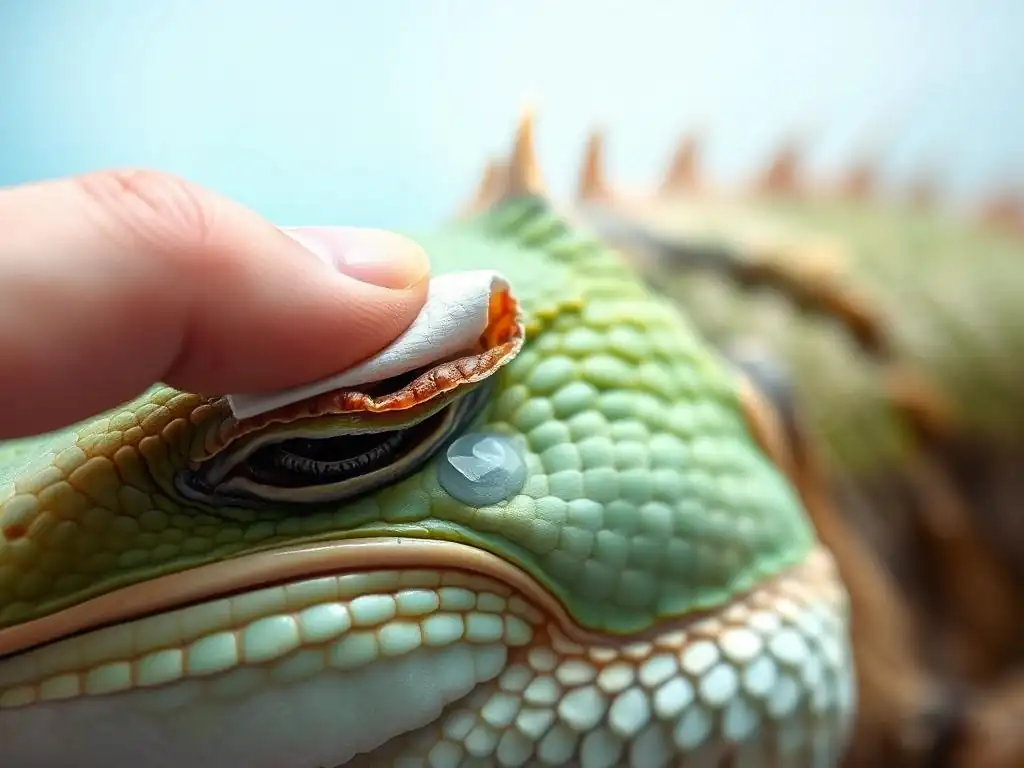
This section details safe and effective methods for removing stuck shed skin from your reptile, focusing on minimizing stress and preventing injury. Remember, attempting to forcefully remove a stuck shed can cause serious harm to your reptile. Patience and gentle techniques are paramount. Always prioritize the well-being of your pet. Improper handling can lead to infection or trauma, so proceed with caution and consider veterinary assistance if unsure. This guide offers practical solutions for "stuck reptile shed removal".
Assessing the Severity of the Stuck Shed
Before attempting any shed removal, carefully assess the situation. A minor stuck shed might only require increased humidity, while a severe case may need professional veterinary intervention. Consider these factors:
- Extent of the stuck shed: Is it a small, localized area, or does it cover a significant portion of the reptile's body? Widespread stuck shed is more serious.
- Location of the stuck shed: Is it on a delicate area like the eyes, nostrils, or toes? These areas require extra care and potentially professional help.
- Reptile's overall health: Does your reptile show any other signs of illness, such as lethargy, loss of appetite, or respiratory issues? Underlying health problems can exacerbate shedding difficulties.
- Type of reptile: Different reptile species have varying shedding patterns and sensitivities. Research your specific species' needs.
For example, a small piece of stuck shed on a healthy corn snake might be easily managed with a warm soak, whereas a bearded dragon with extensive stuck shed around its eyes needs immediate veterinary attention. Accurate assessment is crucial for determining the appropriate course of action. 🐢
Gentle Hydration Techniques for Easier Shedding
Proper hydration is key to successful shedding. Dehydrated reptiles often struggle to shed their skin properly. The following techniques promote hydration and facilitate easier shed removal:
- Warm soaks: Soak your reptile in lukewarm water (around 85-90°F) for 15-20 minutes. The warmth and moisture soften the stuck skin, making it easier to remove. Monitor the water temperature closely to avoid scalding.
- Increased humidity: Ensure your reptile's enclosure maintains appropriate humidity levels. Use a humidifier or mist the enclosure regularly, especially if dealing with dry skin. Species-specific humidity requirements vary greatly. Consult reliable sources for your reptile's specific needs.
- Providing fresh water: Always ensure your reptile has access to fresh, clean water. Dehydration is a common cause of difficult shedding.
Remember to monitor your reptile closely during and after the soak. A gentle, soft-bristled brush can be used to gently loosen the shed after the soak, but never pull or force the shed. If the shed doesn't loosen easily, seek veterinary advice. 💧
Using Lubricants for Stuck Shed Removal: Choosing the Right Product
If gentle hydration isn't sufficient, you may consider using a lubricant to help remove the stuck shed. However, only use reptile-safe lubricants. Never use petroleum-based products or human-grade lotions, as these can be toxic to reptiles.
Here are some options:
| Lubricant Type | Advantages | Disadvantages | Precautions |
|---|---|---|---|
| Reptile-safe mineral oil | Widely available, relatively inexpensive | Can be messy, may not be suitable for all reptiles | Apply sparingly, avoid contact with eyes and nostrils. |
| Reptile-specific shedding aid | Formulated for reptile skin, often contains beneficial ingredients | Can be more expensive | Follow manufacturer's instructions precisely. |
Important Considerations:
- Application: Apply the lubricant sparingly and gently to the affected area. Avoid getting it in your reptile's eyes or mouth.
- Monitoring: Carefully observe your reptile after applying the lubricant. If there's any adverse reaction, such as irritation or respiratory distress, immediately wash off the lubricant and seek veterinary care.
- Alternative solutions: If the lubricant doesn't help, or if the stuck shed is in a sensitive area, seek professional veterinary assistance. Don't risk injuring your reptile by trying to force the shed removal.
Remember, prevention is always better than cure. Maintaining the correct temperature and humidity in your reptile's enclosure, providing a suitable substrate, and offering a nutritious diet are crucial for preventing stuck sheds. Regular monitoring of your reptile's health is also essential for early detection and management of any shedding problems. Prioritizing your reptile's health and wellbeing is key to successful "stuck reptile shed removal". 🦎
Manual Removal: When and How to Intervene Safely
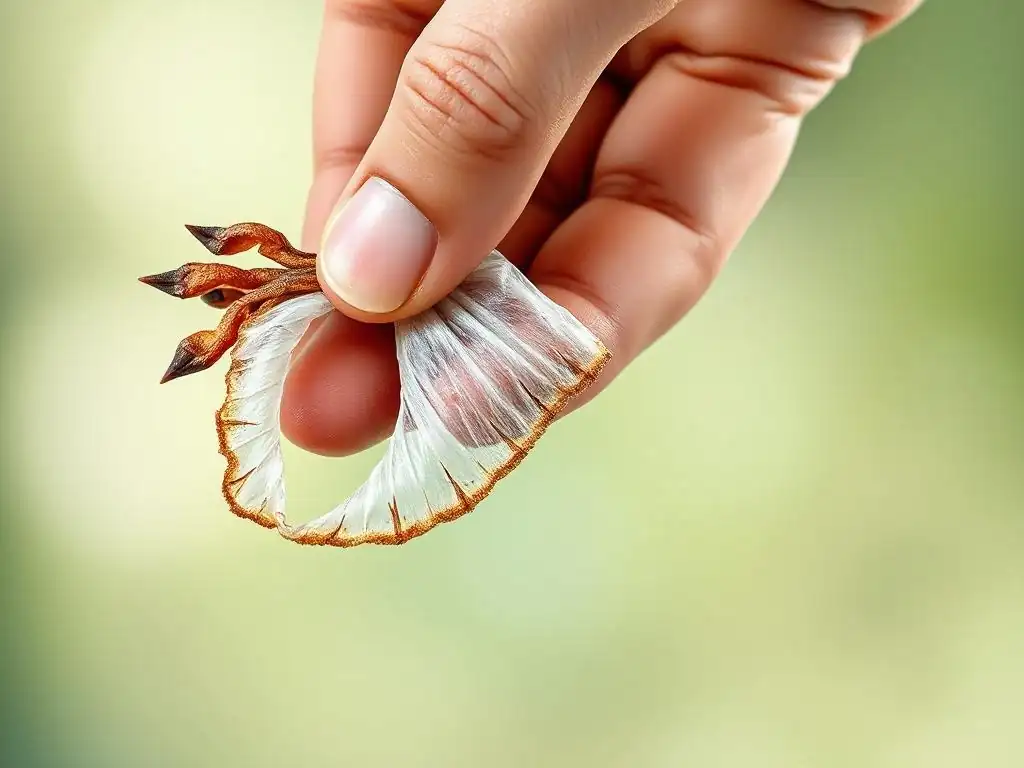
Manual removal of a stuck shed should be considered a last resort. Attempting this without proper knowledge and technique can severely injure your reptile. Only proceed if the stuck shed is significantly impacting your reptile's health, such as causing restricted movement, impacting vision, or leading to secondary infections. Signs of infection might include redness, swelling, or cloudy eyes.
Observe your reptile carefully; if it displays signs of distress, such as lethargy or loss of appetite, consult a veterinarian immediately. Even with clear signs of a problem, it's crucial to carefully assess the situation. A small, seemingly stuck piece of shed might resolve itself with increased environmental humidity.
Before attempting manual removal, ensure you have all necessary tools (detailed in the next section) and a calm, controlled environment. Gently and slowly work to loosen the shed. Use lukewarm water to soften the shed, and only use blunt instruments to avoid scratching or cutting your reptile's delicate skin. Work methodically, starting with the edges of the shed and gradually moving towards the center. If the shed is tightly adhered, do not force it.
Instead, try soaking your reptile in a shallow, lukewarm bath for a short duration—15-20 minutes is usually sufficient—before trying again. Remember, patience is key, and it’s always better to err on the side of caution. If you encounter any significant resistance or your reptile shows signs of discomfort, stop immediately and seek veterinary assistance. Improper removal can lead to infection, scarring, and even death.
The Role of Humidity and Temperature in Shed Removal
Proper humidity and temperature are paramount for successful shedding in reptiles. Insufficient humidity is the most common cause of stuck sheds. Reptiles absorb moisture through their skin, which helps soften and loosen the old shed. A dry environment prevents this process, leading to a difficult, painful shed. The ideal humidity levels vary greatly depending on the species; for example, a leopard gecko requires a much drier environment than a green iguana. Research the specific needs of your reptile species.
Temperature also plays a crucial role. A slightly elevated temperature can aid in the shedding process by increasing the reptile's metabolism and blood flow, helping to loosen the shed. However, overheating can be detrimental, so ensure your reptile's enclosure remains within its species-specific optimal temperature range.
Providing a humid hide, a container with damp sphagnum moss or paper towels, is a good way to offer a localized area of high humidity for your reptile to soak in. Regular monitoring of humidity and temperature using a reliable hygrometer and thermometer is essential. Maintaining a consistent and appropriate environment is preventative care and can significantly reduce the chances of encountering stuck shed issues.
Tools and Materials for Safe Stuck Shed Removal
Having the right tools is critical for safe and successful stuck shed removal. Improper tools can cause serious injury. Never use sharp objects. Instead, opt for blunt, smooth instruments. Here's a list of recommended materials:
| Tool/Material | Purpose | Important Considerations |
|---|---|---|
| Lukewarm Water | Softening the shed | Avoid excessively hot water, which can burn your reptile. |
| Soft Cloth or Sponge | Gently wiping away loosened shed | Choose a material that is soft and absorbent. |
| Blunt-ended Tweezers | Carefully removing small pieces of shed (use with extreme caution) | Use only if absolutely necessary and proceed with utmost care. |
| Petroleum Jelly (optional) | Lubricating stubborn areas (apply sparingly) | Only use a small amount to avoid clogging pores. |
| Clean Towels | Drying your reptile after cleaning | Ensure they are soft and absorbent. |
Remember, prevention is always better than cure. Maintaining the correct humidity and temperature levels, providing a suitable substrate, and offering a regular soak are the best ways to prevent stuck sheds and ensure your reptile thrives. If you are unsure about any aspect of shed removal, consult a reptile veterinarian. They can provide species-specific advice and guidance, ensuring the safety and well-being of your pet.
Preventing Future Stuck Sheds in Your Reptile
Preventing stuck sheds in your reptile requires a proactive approach focused on creating the ideal environment and providing proper nutrition. A stuck shed, or dysecdysis, is a serious problem that can lead to infections, deformities, and even death if left untreated. Understanding and addressing the underlying causes is crucial for your reptile's long-term health and well-being. This section will explore key preventative measures to ensure your reptile sheds smoothly and completely. Remember, consistent monitoring and a commitment to providing optimal care are key to preventing future stuck sheds. Proper reptile husbandry is paramount in avoiding this common issue.
Maintaining Optimal Humidity Levels for Your Reptile
Humidity plays a critical role in successful shedding. Insufficient humidity causes the old skin to dry out and adhere tightly to the underlying skin, making shedding difficult and often resulting in a stuck shed. The ideal humidity level varies greatly depending on your reptile species. For example, desert species like leopard geckos require lower humidity than tropical species like green tree frogs. Always research the specific humidity needs of your reptile.
To monitor humidity accurately, invest in a reliable digital hygrometer. These devices provide precise readings, allowing you to maintain the correct humidity range within the enclosure. Methods for increasing humidity include:
- Using a humidifier designed for reptile enclosures.
- Providing a moist hide, such as a damp paper towel or moss-filled container.
- Regularly misting the enclosure with a spray bottle (frequency depends on your reptile's needs and enclosure type).
- Using substrate that retains moisture, such as cypress mulch or coconut fiber (ensure proper drainage to avoid overly saturated conditions).
Failure to maintain appropriate humidity levels significantly increases the risk of dysecdysis. Regular monitoring and adjustments are crucial for preventing future stuck sheds and promoting healthy shedding cycles. A consistently dry environment is a major contributor to this common reptile health problem. Remember, a happy reptile is a healthy reptile!
Providing Appropriate Basking Spots and Temperature Gradients
Maintaining the correct temperature gradient within the enclosure is just as vital as humidity for successful shedding. A proper temperature gradient allows your reptile to thermoregulate effectively, aiding digestion and the shedding process. Inadequate basking spots can lead to sluggish metabolism, which in turn can interfere with shedding. The optimal temperature gradient varies depending on species, but generally includes a basking spot significantly warmer than the ambient temperature.
Consider these points when setting up your reptile's basking area:
- Use a high-quality heat source such as a ceramic heat emitter (CHE) or a specialized reptile heat lamp. Avoid using incandescent bulbs, as they produce excessive light and heat.
- Use a thermometer to accurately monitor the temperature at the basking spot and in other areas of the enclosure.
- Ensure the basking spot allows your reptile to easily move away if it gets too hot. Avoid overheating!
- Monitor the temperature regularly to ensure it stays within the recommended range for your specific reptile species.
Temperature is a critical factor influencing the reptile's metabolic rate and consequently, its ability to shed its skin properly. An improperly managed thermal gradient can directly contribute to stuck sheds. Therefore, careful monitoring and adjustment are essential for preventive care.
Ensuring Proper Nutrition for Healthy Shedding
Nutritional deficiencies can significantly impair your reptile's ability to shed its skin properly. A balanced diet, tailored to your reptile's specific needs, provides the essential vitamins and minerals necessary for healthy skin and a successful shedding process. A lack of certain vitamins, particularly Vitamin A, is frequently linked to shedding problems.
Here are some key nutritional considerations:
| Nutrient | Importance in Shedding | Sources |
|---|---|---|
| Vitamin A | Crucial for healthy skin and mucous membranes; deficiency leads to poor shedding. | Insects fed a diet rich in Vitamin A, commercially available supplements |
| Calcium | Essential for bone and skin health; deficiency weakens the skin and hinders shedding. | Gut-loaded insects, calcium supplements |
| Vitamin D3 | Aids in calcium absorption, crucial for strong skin and proper shedding. | UVB lighting, commercially available supplements |
| Other Vitamins & Minerals | A complete and balanced diet ensures all necessary nutrients for healthy skin and shedding | Vary greatly depending on species; research your reptile's specific needs |
Providing a varied and nutritious diet, supplemented as needed, is essential for optimal health and prevents a multitude of potential problems, including stuck sheds. Remember to always consult with a veterinarian or reptile specialist to determine the best diet for your specific reptile. Regular vet checkups are also crucial for early detection of any underlying health issues that could contribute to shedding problems.
Regular Enclosure Cleaning and Hygiene
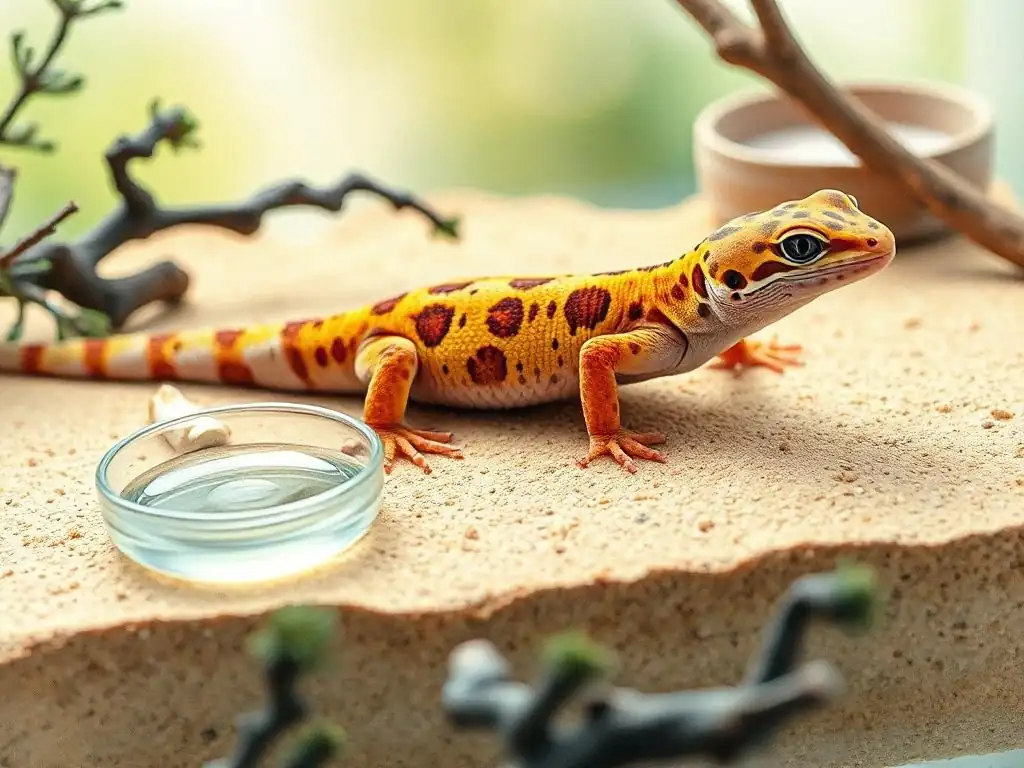
Maintaining a clean and appropriately humidified enclosure is paramount in preventing stuck sheds. Reptiles shed their skin as they grow, and a dirty environment can impede this natural process. Accumulated debris, fecal matter, and uneaten food can stick to the shedding skin, making it difficult for your reptile to shed properly. This can lead to retained scutes, dysecdysis (difficulty shedding), and even infection.
Regular cleaning involves removing all fecal matter and uneaten food daily. A more thorough cleaning, including spot cleaning of soiled areas and a complete substrate change, should be performed at least once a week, or more frequently depending on the size and species of your reptile, and the type of substrate used. For example, a bioactive enclosure may require less frequent complete substrate changes but will require more frequent spot cleaning.
Always use reptile-safe cleaning products and thoroughly rinse the enclosure to remove any residue that could irritate your reptile's sensitive skin. Appropriate humidity levels, achieved through misting, a humidifier, or a water bowl, are also crucial. Insufficient humidity can cause the skin to dry out and become difficult to shed, contributing to stuck sheds.
Regular monitoring of humidity levels with a reliable hygrometer is essential. Consider the specific humidity requirements of your reptile species; a desert species will have different needs than a tropical rainforest species. Failure to maintain appropriate hygiene and humidity can significantly increase the risk of stuck sheds and other health problems.
Recognizing and Addressing Underlying Health Issues
Underlying health problems can often contribute to stuck sheds. A reptile struggling with a systemic illness, such as metabolic bone disease (MBD), parasites, or infections, may have a weakened immune system and impaired ability to shed its skin successfully. Therefore, recognizing and addressing these underlying issues is crucial in preventing future stuck sheds.
Signs of underlying health problems that can affect shedding include lethargy, loss of appetite, abnormal droppings, respiratory issues (like gaping mouth breathing), skin discoloration or lesions, and unusual behavioral changes. If you observe any of these symptoms, it is vital to seek veterinary care immediately. A veterinarian specializing in reptiles can perform a thorough examination, run diagnostic tests (such as blood work or fecal exams), and provide an accurate diagnosis and treatment plan.
Prompt veterinary intervention can prevent the problem from worsening and significantly improve your reptile's chances of a successful shed. Early detection and treatment of underlying health conditions are key to promoting healthy skin and preventing future instances of stuck sheds. For example, a reptile suffering from MBD might have brittle bones and a compromised immune system, making it harder to shed its skin properly.
Treating the MBD with proper diet and supplementation is crucial in resolving the shedding issues. Similarly, parasitic infections can weaken the reptile and lead to difficulties shedding, requiring appropriate medication to resolve the parasitic issue.
When to Seek Veterinary Help for Stuck Sheds
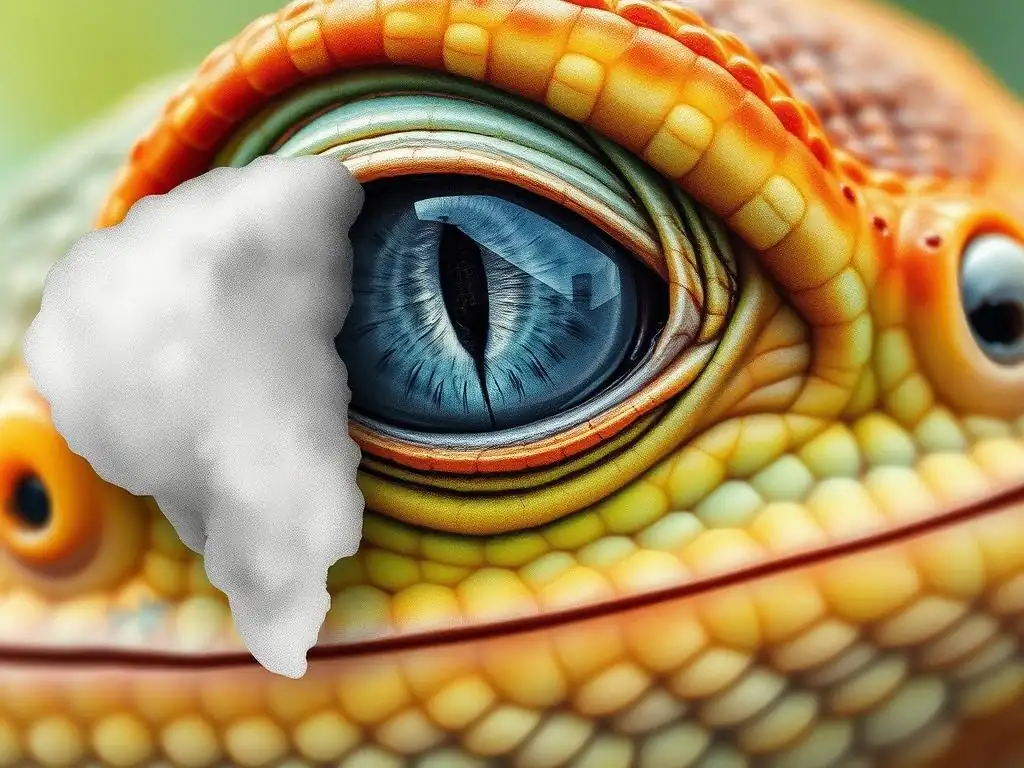
Difficulty shedding, or dysecdysis, is a common problem in reptiles, but sometimes a stuck shed requires professional veterinary intervention. While minor stuck shed issues can often be managed at home with careful husbandry adjustments, knowing when to seek professional help is crucial for your reptile's well-being. Ignoring a serious stuck shed can lead to significant health complications, impacting your pet's quality of life. Early intervention is key to preventing these problems and ensuring a positive outcome.
This section focuses on identifying situations requiring veterinary care for stuck shed removal. Remember, this information is for educational purposes and does not replace professional veterinary advice. Always consult a veterinarian for diagnosis and treatment.
Emergency Situations Requiring Immediate Veterinary Attention
Certain situations concerning stuck sheds constitute a veterinary emergency. These are life-threatening and require immediate professional attention. Delaying treatment can have severe consequences. Look for these critical signs:
- Respiratory distress: If your reptile is struggling to breathe due to a severely constricted shed around the nostrils or mouth, seek immediate veterinary care. This is a life-threatening emergency. 💔
- Severe necrosis (tissue death): If large areas of skin are dark, necrotic, or showing signs of significant damage beneath a stuck shed, this requires immediate veterinary intervention to prevent further tissue loss and potential infection.
- Significant eye involvement: A stuck shed around the eyes can cause blindness if not addressed promptly. If your reptile is exhibiting signs of eye irritation, swelling, or opacity related to a stuck shed, contact your veterinarian immediately. 👀
- Systemic signs of illness: If your reptile is lethargic, anorexic (not eating), or showing other signs of systemic illness alongside a stuck shed, it's imperative to seek veterinary attention to rule out underlying diseases.
Signs of Infection or Complication from a Stuck Shed
Even if the initial stuck shed doesn't seem like an emergency, it's crucial to monitor for signs of infection or complications that may develop. These secondary issues can be just as serious as the original problem. Be vigilant and seek veterinary help if you notice:
- Pus or discharge: Any pus or unusual discharge from beneath a stuck shed indicates a bacterial or fungal infection. This needs immediate veterinary attention and likely antibiotic treatment. 🦠
- Swelling or inflammation: Significant swelling or inflammation around the affected area can indicate an infection or an immune response to trapped shed.
- Persistent bleeding: Minor bleeding during shed removal is sometimes normal, but persistent or excessive bleeding necessitates a veterinary examination.
- Delayed healing: If the skin beneath the shed is slow to heal or shows signs of ongoing damage after shed removal attempts, veterinary assessment is needed to prevent further problems.
Finding a Reptilian Veterinarian Near You
Finding a veterinarian experienced in reptile care is essential for effective treatment. Many general practice vets lack the specialized knowledge to deal with reptile-specific issues, including dysecdysis. A reptile specialist can provide accurate diagnosis, appropriate treatment, and optimal care. To find a qualified reptilian veterinarian:
- Search online directories: Many online resources list reptile veterinarians by location.
- Contact local animal shelters or rescue organizations: They often have connections with experienced reptile vets in your area.
- Ask your primary veterinarian for referrals: Even if your primary vet doesn't specialize in reptiles, they may be able to refer you to a specialist.
- Check with reptile breeders and hobbyist groups: Reptile breeders and experienced hobbyists often know who the best reptile vets are in their region.
Remember, proactive care and early intervention are crucial for preventing complications from stuck sheds. Don't hesitate to seek veterinary assistance if you are unsure about the severity of your reptile's condition. Early treatment significantly improves the chances of a full recovery.
Case Studies: Successful Stuck Shed Removal Stories
This section details real-world examples of successful stuck shed removal in reptiles, showcasing various techniques and highlighting the importance of early intervention and proper husbandry. These case studies illustrate the diverse challenges presented by dysecdysis (difficulty shedding) and the effective solutions implemented. Remember, always consult a veterinarian for any concerns regarding your reptile's health. Early diagnosis and treatment are crucial for optimal outcomes in stuck shed removal.
Case Study 1: Successful Stuck Shed Removal in a Leopard Gecko
A three-year-old female leopard gecko presented with retained shed on its tail and hind legs. The shed was thick and adhered tightly to the underlying skin, causing slight discoloration and potential discomfort. The owner reported a lack of humidity in the terrarium, a common cause of dysecdysis in leopard geckos.
Initial treatment involved increasing the humidity within the enclosure. This was achieved by adding a humid hide (a moist substrate-filled hide box) and misting the enclosure twice daily. After 24 hours, a small amount of the shed began to loosen. Gentle hydration with lukewarm water was then employed, followed by carefully peeling off the loosened shed with clean tweezers. The entire process took approximately 48 hours.
No underlying skin damage was observed. The gecko's health returned to normal after a week of diligent humidity management. This case underscores the importance of proper environmental conditions in preventing and treating stuck shed. The key to success was the combination of increased humidity and patient, careful removal of the shed.
Case Study 2: Treatment of Severe Dysecdysis in a Ball Python
A six-year-old male ball python presented with severe dysecdysis affecting its entire body. The shed was thick, dry, and firmly attached, resulting in significant skin discoloration and potential impairment of movement. The owner reported inadequate humidity levels and possible underlying health issues.
This case required a more comprehensive approach. After a veterinary examination, which ruled out underlying medical conditions, the treatment plan focused on aggressive hydration and assisted shedding. This involved soaking the snake in lukewarm water for 15-20 minutes, twice daily, for three days. A specially formulated reptile-safe lubricant was then carefully applied to the affected areas to help loosen the shed.
The removal process was gradual and meticulous, performed over several days with the aid of clean, blunt-ended tweezers. During this period, the snake was kept in a highly humid environment. Regular monitoring was crucial to ensure no skin damage occurred. The successful resolution of this case emphasizes the importance of veterinary consultation for severe cases of stuck shed.
The combination of hydration, lubrication, and patience proved critical in this instance. This highlights that effective "stuck reptile shed removal" requires a tailored approach based on the severity of the condition. The prolonged treatment period highlights the complexity that can arise in severe dysecdysis cases.
This concludes our case studies on successful stuck shed removal. Remember that preventative measures, such as maintaining appropriate humidity and temperature levels, are crucial in preventing dysecdysis. Always prioritize your reptile's well-being and seek professional veterinary care when necessary. 🐍
Frequently Asked Questions
What causes a stuck shed in reptiles?
A stuck shed, or dysecdysis, can be caused by several factors, including low humidity, improper temperature gradients, underlying health issues, or dehydration. Addressing these environmental and health factors is crucial.
How can I safely remove a stuck shed from my reptile?
Never forcibly peel off a stuck shed. This can cause severe injury. Instead, soak your reptile in lukewarm water for 15-20 minutes to help loosen the shed. Consult a veterinarian if the shed doesn't come off easily.
What are the signs of a reptile struggling with shedding?
Signs include dull, cloudy eyes, retained scutes or scales, and difficulty moving. You may also notice skin discoloration or areas where the shed is partially stuck. Early intervention is key.
My reptile's shed is only partially stuck. Should I still be concerned?
Yes, even a partially stuck shed can cause problems. Partial shedding can lead to infection or impede movement. It's always best to address shedding issues promptly to prevent complications.
When should I take my reptile to a veterinarian for a stuck shed?
If soaking doesn't help loosen the shed, or if your reptile shows signs of stress, infection, or discomfort, seek veterinary attention immediately. Professional help is crucial in these cases.
Final Reflection: The Silent Struggle of a Stuck Shed
The seemingly simple act of shedding skin takes on a profound significance when we consider the vulnerability of our reptile companions. A stuck shed isn't just an inconvenience; it's a potential gateway to infection, pain, and even death. Understanding the nuances of this process, as explored throughout this article, is crucial for responsible reptile ownership.
Witnessing the struggle of a reptile attempting to shed its skin is a powerful reminder of our responsibility as caregivers. It underscores the delicate balance between wild instincts and the artificial environments we create for these fascinating creatures. The greatest danger for most of us is not that our aim is too high and we miss it, but that it is too low and we reach it.
This quote, though not directly about reptiles, speaks volumes about the potential for complacency in animal care. We must strive for excellence, not just adequacy, in providing for our scaly friends.
So, what will you take away from this exploration of stuck shed removal? I encourage you to not only equip yourself with the practical techniques outlined here but also to cultivate a deeper understanding of your reptile's needs. Observe their behavior closely, anticipate potential problems, and never hesitate to seek professional veterinary advice when needed. Remember, your proactive care is the key to ensuring a healthy and happy life for your reptile companion. Their silent struggles deserve our attentive and compassionate response.
Unlock Your Reptile's Radiant Shine: Take Action Now!
Thanks for exploring the world of reptile shedding with us! We hope you feel more confident in understanding and resolving stuck shed issues. Ready to put your knowledge into practice?
- Prioritize a warm, humid soak: This is the most effective first step to help your reptile shed comfortably. Remember to monitor the water temperature and soak time carefully.
- Share your successes (or questions!): Let's build a supportive community! Tell us about your experience assisting your reptile with shedding – we welcome both success stories and questions.
- Gently assist (if necessary): If soaking doesn't resolve the issue, you may need to carefully and gently help remove loose shed skin, but only if absolutely necessary and after researching proper techniques.
What simple change will you make to your reptile's environment today to promote smoother shedding in the future?