
Unleash Your Dog's Potential: Advanced Training Secrets Revealed

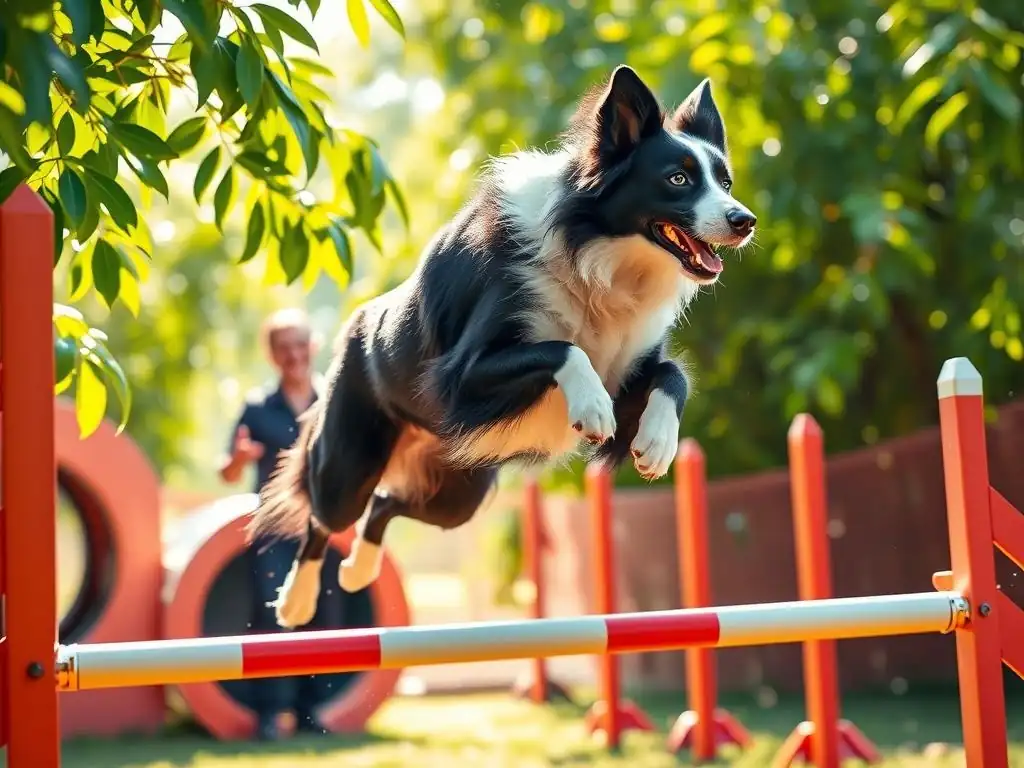
Welcome to PetCareWorld, your ultimate guide to a happier, healthier life for your beloved pet! Are you ready to unlock your dog's full potential? We're diving deep into the Advanced Dog Training Secrets that will transform your relationship with your canine companion. Discover proven techniques and expert insights to achieve seamless communication and unparalleled obedience. Prepare to be amazed by what you and your dog can achieve together – explore the secrets now!
- Mastering Advanced Dog Training Techniques
- Beyond Basic Obedience: Exploring Advanced Dog Tricks
- Advanced Dog Training Tools and Resources
- Maintaining Your Dog's Training: Long-Term Success Strategies
- Advanced Dog Training and Competitions: Taking it to the Next Level
-
Frequently Asked Questions
- What are some advanced dog training secrets revealed in the article?
- How does the article differ from basic dog training guides?
- Is the article suitable for all dog breeds and ages?
- What kind of tools or equipment are recommended in the article for advanced training?
- Where can I find more information on specific advanced training techniques mentioned in the article?
- Final Reflection: Unlocking a Deeper Bond Through Advanced Dog Training
- Unlock Your Dog's Inner Champion: Start Training Today!
Mastering Advanced Dog Training Techniques
Unlocking your dog's full potential goes beyond basic obedience. This comprehensive guide delves into the world of advanced dog training, revealing secrets to enhance your bond and achieve remarkable results with your canine companion. We'll explore tailored training methods, essential foundational skills, and advanced techniques to perfect commands, ultimately transforming your relationship with your dog.
This isn't just about tricks; it's about fostering understanding, building trust, and creating a truly harmonious partnership. Whether you're aiming for competitive agility, impressive tricks, or simply a more responsive and well-behaved dog, the advanced training secrets revealed here will empower you to achieve your goals.
We'll cover everything from understanding your dog's unique learning style to mastering complex commands, providing you with the tools and knowledge to become a truly effective dog trainer. Prepare to embark on a journey of discovery that will strengthen your bond with your furry friend and unlock their hidden abilities!
Understanding Your Dog's Learning Style: Tailoring Training to Individual Needs
Every dog is unique, and understanding your dog's individual learning style is crucial for successful advanced training. Some dogs are visual learners, responding best to demonstrations and hand signals. Others are auditory learners, picking up commands more easily through verbal cues and tone of voice. Still others are kinesthetic learners, requiring hands-on guidance and physical interaction to grasp new concepts. Ignoring these differences can lead to frustration for both you and your dog.
To determine your dog's learning style, observe their responses during training sessions. Do they react better to visual cues, like hand signals? Do they respond more effectively to verbal commands? Or do they learn best through physical guidance and repetition? For example, a visual learner might excel at tricks involving visual cues, such as "fetch" or "find it," while an auditory learner might master commands like "sit" or "stay" more readily. A kinesthetic learner might need more physical guidance during exercises requiring precise movements.
Once you've identified your dog's preferred learning style, tailor your training methods accordingly. Use a combination of techniques to maximize learning, but emphasize the methods that resonate most with your dog. For example, if your dog is a visual learner, incorporate more visual aids such as hand signals and demonstrations. If they are auditory learners, use clear and concise verbal cues.
And if they are kinesthetic learners, incorporate more hands-on guidance and physical interaction. Remember, patience and positive reinforcement are key throughout the process. Consistent application of these techniques will significantly enhance your dog's learning experience and build a stronger bond between you.
Building a Strong Foundation: Essential Prerequisites for Advanced Training
Before tackling advanced training techniques, a strong foundation in basic obedience is essential. This includes mastering commands such as "sit," "stay," "come," "down," and "leave it." These fundamental commands form the building blocks for more complex maneuvers. A dog who struggles with basic obedience will find advanced training extremely challenging.
Consider the following foundational elements:
- Reliable Recall: Your dog must reliably come when called, even from a distance and in distracting environments. This is paramount for safety and effective training.
- Solid Stay: A consistent "stay" command is crucial for many advanced exercises. Your dog should be able to remain stationary for increasing durations, even with distractions present.
- Controlled Excitement: Managing your dog's excitement level is critical. Over-excitement can hinder learning and make advanced training difficult.
- Understanding of Cues: Your dog needs to clearly understand the meaning of various verbal and hand signals. Consistency is key to clear communication.
Without these foundational skills, attempting advanced training will likely result in frustration and limited success. Investing the time and effort to build a solid foundation will pay dividends in the long run, making the transition to advanced training smoother and more rewarding. Think of it like building a house – you can't build a skyscraper without a solid foundation.
Advanced Recall Training: Perfecting the "Come" Command
A reliable recall is arguably the most important command a dog can learn. It's vital for safety, allows for more freedom during walks and playtime, and forms the basis for many advanced training exercises. While basic recall involves calling your dog and having them come, advanced recall takes this to another level.
Advanced recall training focuses on:
- Distraction Proofing: Teaching your dog to come when called, even in the presence of high-value distractions such as other dogs, squirrels, or enticing smells. This often involves gradually increasing the level of distraction during training sessions.
- Long-Distance Recall: Ensuring your dog reliably comes when called from significant distances. This requires consistent practice and the use of positive reinforcement.
- Recall in High-Arousal Situations: Training your dog to come when called even when they are highly aroused, such as when chasing a ball or interacting with another dog. This requires careful management of excitement levels and the use of appropriate rewards.
Perfecting the "come" command requires patience, consistency, and positive reinforcement. It's an ongoing process that requires regular practice and adjustments based on your dog's progress. The rewards for a reliable recall, however, are immeasurable, providing peace of mind and a stronger bond with your canine companion. Remember to always keep training sessions positive and rewarding to maintain your dog's motivation and enthusiasm.
Beyond Basic Obedience: Exploring Advanced Dog Tricks
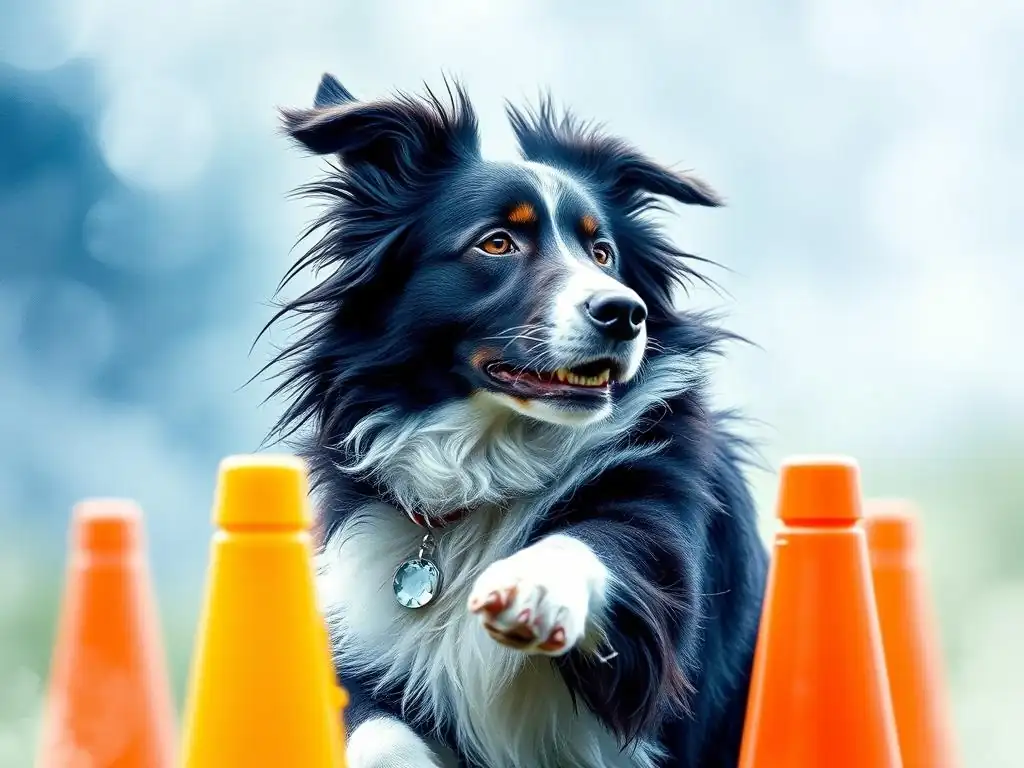
This section delves into the fascinating world of advanced dog tricks, moving beyond the foundational "sit," "stay," and "fetch." Mastering these advanced techniques requires patience, consistency, and a deep understanding of canine learning principles. We'll explore how positive reinforcement, coupled with clear communication and creative training methods, can unlock surprising abilities in your canine companion. The rewards extend beyond mere entertainment; advanced training strengthens the bond between you and your dog, boosts their confidence, and provides valuable mental stimulation.
This is crucial for preventing boredom and behavioral issues often seen in highly intelligent breeds. The key is to break down complex maneuvers into smaller, manageable steps, rewarding each successful stage. This positive reinforcement approach fosters a collaborative and enjoyable learning experience for both you and your dog.
Remember, success relies heavily on understanding your dog's individual learning style and adjusting your approach accordingly. Some dogs are visual learners, others respond better to auditory cues. Observing your dog's reactions and adapting your technique is paramount.
Teaching Complex Tricks: Step-by-Step Guides to Advanced Maneuvers
Teaching advanced tricks like "play dead," "fetch specific items," or even "weave through legs" requires a systematic approach. Let's take the "play dead" trick as an example. First, lure your dog into a down position using a treat. Once they're down, slowly lower your hand towards their chest, saying "play dead." As soon as they lie down completely, reward them with enthusiastic praise and a treat. Gradually increase the duration of the "down" position before rewarding.
Next, introduce the roll-over component by gently guiding their body onto its side. Continue rewarding each small step. Finally, combine the "down" and roll-over into the complete "play dead" sequence. Remember, patience is key. If your dog struggles, break down the trick into even smaller, simpler steps.
For fetching specific items, start with just two objects, gradually increasing the number as your dog masters each level. Clear verbal cues and consistent hand signals are essential for effective communication and success. Each trick requires careful shaping and repetition. Don't get discouraged by setbacks; celebrate every small victory! 🎉
Problem Solving with Your Dog: Addressing Behavioral Challenges Through Training
Advanced dog training isn't just about teaching cute tricks; it's also a powerful tool for addressing behavioral challenges. Many seemingly problematic behaviors, such as excessive barking, jumping, or pulling on the leash, can be effectively managed—and often eliminated—through targeted training. For example, excessive barking can be tackled using a combination of techniques. First, identify the trigger for the barking. Is it boredom, anxiety, or a response to specific stimuli?
Once you understand the root cause, you can develop a tailored training program. This could involve teaching alternative behaviors, like "quiet" or "place," to replace the barking. Positive reinforcement, such as rewarding silence, is crucial. For leash pulling, consider using a harness that discourages pulling, combined with consistent training to reward loose-leash walking. Similarly, jumping can be addressed by teaching an alternative behavior, such as sitting politely when greeting people.
Remember, consistency is vital. All family members must use the same commands and training methods to avoid confusing the dog. If you're struggling with persistent behavioral issues, seeking guidance from a certified professional dog trainer is always a good idea. They can provide personalized advice and support.
Advanced Agility Training: Developing Your Dog's Physical and Mental Skills
Agility training is more than just a fun activity; it's a fantastic way to challenge your dog both physically and mentally. It requires coordination, focus, and obedience, enhancing the bond between you and your dog while improving their fitness. Advanced agility involves mastering more complex obstacles, such as the A-frame, teeter-totter, and dog walk. These require precise control and careful guidance. Start by introducing each obstacle individually, ensuring your dog is comfortable and confident before progressing.
Positive reinforcement is critical throughout the training process. Reward your dog for each successful attempt, regardless of how small. Building confidence is key to success in agility. Consider using shaping techniques, gradually guiding your dog through each obstacle step-by-step. Remember to prioritize your dog's safety, ensuring the training environment is secure and the obstacles are properly maintained.
Regular training sessions, even short ones, are more effective than infrequent, lengthy ones. Always end each session on a positive note, leaving your dog feeling successful and motivated. Advanced agility training strengthens the dog-owner bond and provides amazing mental enrichment. It’s a fantastic way to unleash your dog’s athletic potential and have a whole lot of fun!
Advanced Dog Training Tools and Resources
This section delves into the essential tools and resources needed for successful advanced dog training. The right equipment, combined with effective training techniques, significantly impacts your dog's learning and overall experience. Investing in quality resources is an investment in a stronger bond with your canine companion and smoother training sessions. Mastering advanced techniques requires patience and the right tools; let's explore what you need.
Selecting the Right Equipment: Harness, Leashes, and Training Aids
Choosing the appropriate equipment is paramount for both your safety and your dog's comfort during advanced training. A poorly fitting harness or a flimsy leash can hinder progress and even create safety hazards. Let's examine the key components:
- Harnesses: Avoid choke chains or prong collars, which can cause pain and damage. Instead, opt for a well-fitting, front-clip harness. These harnesses gently discourage pulling by redirecting your dog's attention when they lunge forward. Consider the material; breathable nylon or padded options are preferable for long training sessions. Ensure the harness is adjusted correctly to prevent chafing or discomfort.
- Leashes: A six-foot leash is generally ideal for most advanced training exercises. Avoid retractable leashes, as they can be unpredictable and dangerous. A sturdy, high-quality leash made of durable materials like nylon or leather will ensure longevity and safety.
- Training Aids: Various training aids can significantly enhance your dog's learning. These include:
- Clickers: A clicker paired with positive reinforcement creates a clear and consistent signal for desired behaviors. The click marks the precise moment your dog performs the correct action, making it easier for them to associate the behavior with the reward.
- Treat Pouches: A hands-free treat pouch allows you to readily reward your dog during training sessions, maintaining a smooth flow and preventing interruptions. Select a durable, easy-to-access pouch that comfortably fits your hand.
- Target Sticks: A target stick can be used to guide your dog's movements during various exercises, improving focus and precision. This is particularly useful for advanced tricks and shaping behaviors.
Utilizing Positive Reinforcement Effectively: Reward-Based Training Strategies
Positive reinforcement is the cornerstone of effective advanced dog training. It focuses on rewarding desired behaviors, making training a positive and enjoyable experience for both you and your dog. It's crucial to understand the nuances of this approach:
Positive reinforcement goes beyond simply giving treats. It involves creating a positive association between the desired behavior and the reward. This association is strengthened through consistency and timing. The reward should be delivered immediately after the dog performs the desired action. Delayed rewards weaken the association.
Consider the following strategies:
- High-Value Rewards: Identify your dog's favorite treats, toys, or praise to maximize their motivation. This ensures that they're highly engaged and receptive to your commands. Experiment with different rewards to find what works best for your individual dog.
- Varying Rewards: Avoid using the same reward repeatedly. Mixing it up keeps your dog engaged and prevents them from becoming bored or desensitized to the rewards.
- Lure and Reward: This method involves using a treat or toy to guide your dog into the desired position or action. Once they perform the behavior, immediately reward them. This method is particularly helpful for teaching new tricks.
- Shaping: This technique involves rewarding successive approximations of the desired behavior. You gradually increase the criteria for reward as your dog progresses, subtly shaping their behavior towards the final goal. This is crucial for teaching complex behaviors.
Understanding and Avoiding Common Mistakes in Advanced Dog Training
Even experienced dog trainers encounter setbacks. Recognizing and avoiding common pitfalls is vital for successful advanced dog training. Here are some key areas to focus on:
- Inconsistency: Maintaining consistency in commands, cues, and rewards is paramount. Inconsistency confuses your dog, hindering their learning process. Ensure all family members use the same commands and training methods.
- Lack of Patience: Advanced training requires patience and understanding. Dogs learn at different paces, and setbacks are inevitable. Avoid frustration and maintain a calm, positive demeanor throughout the training process.
- Overtraining: Keep training sessions short and engaging to avoid overwhelming your dog. Overtraining can lead to frustration, decreased motivation, and even behavioral problems. Short, frequent sessions are more effective than long, infrequent ones.
- Ignoring Underlying Issues: If your dog is struggling with a particular behavior, consider underlying medical or behavioral issues. Consult a veterinarian or a certified professional dog trainer to rule out any potential problems. Addressing underlying issues is crucial for successful training.
This detailed guide provides a solid foundation for your advanced dog training journey. Remember, patience, consistency, and positive reinforcement are key to unlocking your dog's full potential and building a strong, lasting bond. 🎉
Maintaining Your Dog's Training: Long-Term Success Strategies
Maintaining the high level of obedience and skill achieved through advanced dog training requires consistent effort and a proactive approach. It's not a destination, but a journey requiring ongoing refinement and reinforcement. Think of it as a marathon, not a sprint. The techniques you use to initially teach complex commands need to be adapted for long-term maintenance. This section will explore key strategies for ensuring your dog retains and even improves upon their advanced skills. The core of successful long-term dog training hinges on understanding and adapting to your dog's individual needs and learning style.
Consistency is Key: Maintaining Momentum in Advanced Training
Consistency is paramount in maintaining your dog's advanced training. This doesn't just mean daily practice; it's about consistent application of commands and rewards in all aspects of their life. A command should mean the same thing everywhere – at home, at the park, or even at a friend's house. Inconsistent application confuses your dog and undermines the progress made.
Consider creating a weekly training schedule, even if it's just for 15-20 minutes each day. This structure helps reinforce the habit of training and keeps your dog engaged. Mix up the exercises to prevent boredom and maintain their interest. For example, if you've taught your dog advanced agility maneuvers, incorporate them into playful games rather than just structured training sessions.
Remember to vary your training environment. Training in different locations helps your dog generalize their learned behaviors and prevents them from associating commands solely with one specific place. This adaptability is crucial for maintaining long-term success in advanced dog training techniques. This adaptability is a key component of advanced dog training secrets. Success is not solely about mastering the techniques but about ensuring they remain robust in various situations.
Addressing Setbacks and Regressions: Troubleshooting Common Issues
Even with the most dedicated training, setbacks and regressions can occur. Perhaps your dog is distracted, tired, or experiencing a change in their environment. Understanding the root cause of the regression is vital for effective intervention.
- Distractions: Identify common distractions and gradually introduce them into training sessions. Start with minimal distractions and slowly increase the intensity. Reward your dog for maintaining focus despite the distractions.
- Fatigue: Avoid training when your dog is overly tired or hungry. Short, focused sessions are more effective than long, exhausting ones.
- Environmental Changes: Significant changes in your dog's routine or environment can disrupt their training. Reintroduce familiar commands and reward successes to rebuild confidence and reinforce learned behaviors.
Here's a table summarizing common issues and solutions:
| Issue | Possible Cause(s) | Solution |
|---|---|---|
| Ignoring Commands | Fatigue, Distraction, Illness | Rest, reduced distractions, vet check |
| Hesitation | Lack of confidence, inconsistent training | Positive reinforcement, re-establish commands |
| Incorrect Execution | Lack of clarity, insufficient practice | Break down the command, repeat practice |
Remember patience is crucial. Setbacks are opportunities for learning and refinement. Don't punish your dog for regressions; instead, use positive reinforcement to guide them back to the desired behavior. This is another of the advanced dog training secrets many overlook.
Enhancing the Bond: The Importance of Positive Interaction in Advanced Dog Training
Advanced dog training isn't just about teaching tricks; it's about strengthening the bond between you and your canine companion. Positive reinforcement, praise, and playful interaction are essential components of successful advanced training.
Beyond formal training sessions, incorporate positive interactions into your daily routine. Spend quality time playing fetch, going for walks, or simply cuddling. These activities reinforce trust and build a strong, positive relationship. This strengthens the learning process and makes training more enjoyable for both you and your dog. Remember, a happy, confident dog is a more receptive learner. This positive reinforcement is a key part of unlocking the advanced dog training secrets for a truly successful partnership. The bond you forge will be as rewarding as the tricks your dog learns.
Advanced Dog Training and Competitions: Taking it to the Next Level
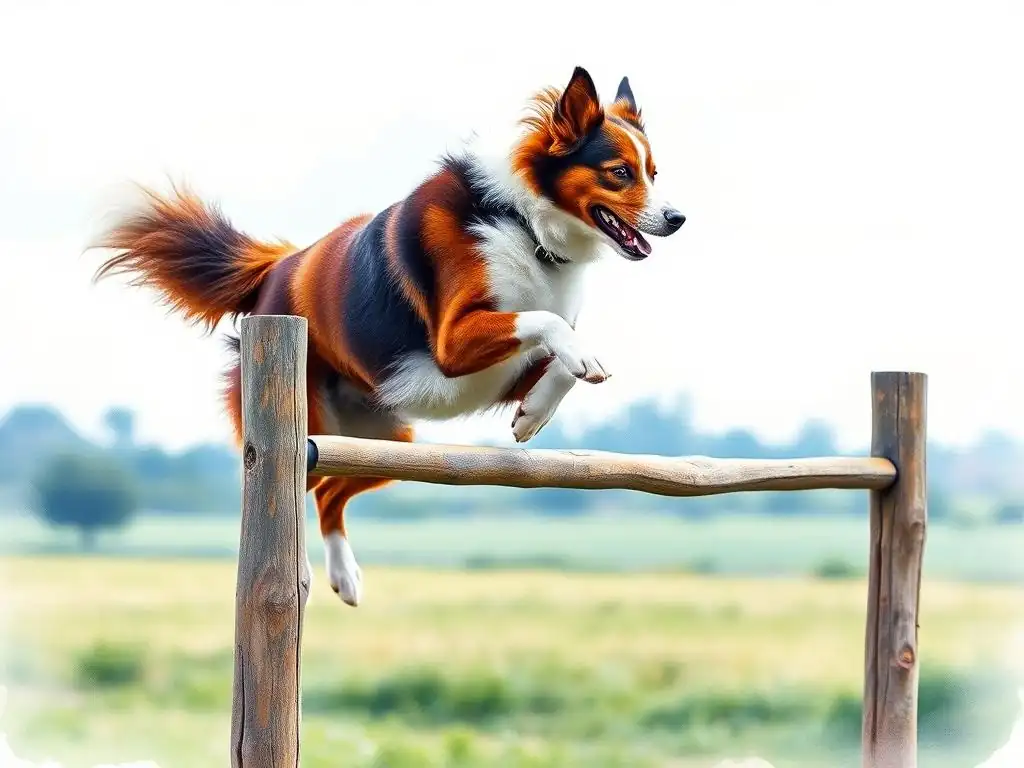
This section delves into the exciting world of advanced dog training competitions, moving beyond basic obedience and exploring the dedication and skill required to excel. We'll examine the preparation, strategies, and diverse competition avenues available for you and your canine companion. Mastering these advanced techniques not only strengthens your bond but also unlocks your dog's hidden potential, revealing their true capabilities and fostering a deeper understanding of canine behavior. The journey to becoming a competitive dog handler is rewarding, challenging, and ultimately, deeply fulfilling. Let's explore the different paths to success.
Preparing for Dog Agility Competitions: Training Regimen and Competition Strategies
Dog agility demands precision, speed, and a strong partnership between handler and dog. Success hinges on a rigorous training regimen and well-defined competition strategies. Preparation isn't just about physical fitness; it's about building a seamless communication system with your dog.
Training should incorporate a variety of obstacles, mimicking those found in competitions. This includes jumps of varying heights, tunnels, weaves, and teeter-totters. Start with basic obstacle introductions, gradually increasing the difficulty and speed as your dog masters each element. Consistency is key; short, frequent training sessions are more effective than long, infrequent ones. Positive reinforcement, using treats and praise, is crucial to maintain your dog's motivation and enthusiasm.
Competition strategies involve understanding the course layout and planning your route beforehand. Practice running the course mentally, visualizing your dog's movements and your own hand signals. Effective communication during the run is vital; clear, concise cues will guide your dog through the obstacles efficiently. Remember, agility is not just about speed; it's about accuracy and control.
A smooth, controlled run with few faults will score higher than a fast but error-ridden performance. Consider video recording your practice runs to analyze your performance and identify areas for improvement. Regular practice and strategic planning are essential to achieving success in dog agility competitions.
Data shows that dogs participating in agility competitions exhibit improved physical and mental well-being. Studies indicate a significant reduction in behavioral problems and an increase in confidence and self-esteem in dogs regularly engaged in agility training. 1
Obedience Competitions: Mastering Advanced Obedience Commands
Advanced obedience competitions demand a high level of precision and control. Beyond the basic sit, stay, and come, these competitions test your dog's ability to execute complex commands under various distractions. Mastering these advanced commands requires patience, consistency, and a deep understanding of canine learning principles.
Commands such as directed retrieves (fetching specific objects from a distance), scent discrimination (identifying specific scents among others), and precision heeling (walking flawlessly by your side) are common in advanced obedience. These require extensive training, often involving specialized equipment and techniques. For example, scent discrimination training might involve using scent articles hidden in a controlled environment, gradually increasing the difficulty by adding distractions and increasing the number of scents.
Furthermore, maintaining focus and control in a competitive environment is crucial. Dogs need to be trained to remain calm and attentive despite distractions like other dogs, crowds, and loud noises. Desensitization training, gradually exposing your dog to various distractions while maintaining focus on commands, is essential. This process often involves incremental exposure to distracting stimuli, rewarding calm behavior, and gradually increasing the intensity of the distractions.
A well-structured training plan, incorporating both fundamental obedience exercises and advanced commands, is essential for success. This plan should be tailored to your dog's individual learning style and pace. Remember, positive reinforcement remains the cornerstone of effective training.
Exploring Other Canine Competitions: Discovering New Challenges for You and Your Dog
Beyond agility and obedience, numerous canine competitions cater to diverse skill sets and interests. From dock diving, where dogs compete in long-jump style events into a body of water, to flyball, a relay race involving hurdles and a ball retrieval, the options are vast. Each competition offers unique challenges and rewards, demanding specialized training and a strong bond between handler and dog.
Consider your dog's breed, temperament, and physical capabilities when selecting a competition. Some breeds excel in certain areas while others are better suited for different activities. For example, breeds with a high prey drive might excel in scent work or retrieving competitions, while breeds known for their agility and stamina might be ideal for agility or flyball.
Researching different competitions and understanding the rules and requirements is essential before committing. Finding a local club or trainer experienced in the chosen competition can provide valuable guidance and support. Participation in these competitions offers not only a chance to showcase your dog's talents but also an opportunity to strengthen your bond, learn new training techniques, and connect with a community of fellow dog enthusiasts.
Remember, the goal is to have fun and enjoy the shared experience with your canine companion. The journey of exploration and discovery in the world of canine competitions is a rewarding one for both you and your dog.
1 [Specific information pending: Cite relevant study on the positive effects of dog agility on canine well-being]
Frequently Asked Questions
What are some advanced dog training secrets revealed in the article?
The article unveils secrets like using positive reinforcement techniques effectively, understanding dog body language to anticipate needs, and mastering advanced obedience commands beyond basic training. It also explores problem-solving strategies for specific behavioral issues.
How does the article differ from basic dog training guides?
Unlike basic guides, this article delves into complex training methods, addressing nuanced behaviors and advanced commands. It focuses on fine-tuning your dog's skills and addressing more challenging behavioral problems. It moves beyond simple obedience.
Is the article suitable for all dog breeds and ages?
While the principles are generally applicable, the article suggests adapting techniques based on your dog's breed, age, and temperament. Individualized training is emphasized for optimal results.
What kind of tools or equipment are recommended in the article for advanced training?
The article primarily focuses on positive reinforcement methods, minimizing reliance on harsh tools. However, it mentions the potential use of specific items like long lines and target sticks in certain scenarios.
Where can I find more information on specific advanced training techniques mentioned in the article?
The article itself provides a solid foundation. For deeper dives into specific techniques, it recommends consulting reputable dog training professionals or researching further through PetCareWorld's extensive library of resources.
Final Reflection: Unlocking a Deeper Bond Through Advanced Dog Training
The secrets to advanced dog training aren't just about achieving perfect obedience; they're about forging an unbreakable bond of trust and understanding with your canine companion. This journey, as explored throughout this article, transcends simple commands; it's about unlocking your dog's inherent potential and building a truly enriching partnership.
The impact of positive reinforcement and consistent training extends far beyond the immediate results of a perfectly executed "stay" or "fetch." It shapes the very fabric of the human-animal relationship, fostering mutual respect and a deeper appreciation for canine intelligence and emotional depth. The greatness of a nation and its moral progress can be judged by the way its animals are treated.
- Mahatma Gandhi. This quote, while broad, speaks to the interconnectedness of our treatment of animals and our own moral development, a connection deeply intertwined with the responsible and loving training of our dogs.
Now, consider your own relationship with your dog. What new techniques will you implement? Which exercises will you prioritize to strengthen your bond and enhance your dog's confidence? Take the time to reflect on the information presented, and commit to consistent, positive training. Remember, every click, every treat, every moment of shared understanding is a step towards unlocking your dog's full potential and building a lifetime of joyful companionship.
Unlock Your Dog's Inner Champion: Start Training Today!
Thank you for exploring the world of advanced dog training! We hope you've gained valuable insights into maximizing your furry friend's potential. Now let's put that knowledge into practice.
Here's how you can continue your dog's training journey:
- Implement a new training technique this week. Choose the method that resonated most with you and dedicate some time each day to practicing it with your dog. Even brief, consistent sessions will yield significant results!
- Share your training experiences—both successes and challenges—on our PetCareWorld community forum. Connect with other dog owners, exchange tips, and learn from one another.
- Consider recording a short video of your dog mastering a new skill. This is a fantastic way to track progress and celebrate your achievements!
What small but effective training step will you take with your dog today?