
The Truth About Matted Fur: Why Prevention is Key


Welcome to PetCareWorld, your ultimate guide to a happier, healthier life for your beloved companions! Are you tired of battling stubborn mats in your pet's fur? We understand the frustration. Discover the secrets to preventing matted pet fur in our insightful new article, "The Truth About Matted Fur: Why Prevention is Key," and learn how to keep your furry friend looking and feeling their best. Dive in and unlock the simple yet effective strategies that will transform your pet's grooming routine!
- Understanding Matted Fur: Causes and Consequences
- Preventing Matted Fur: A Proactive Approach
- Dealing with Existing Mats: Gentle Removal Techniques
- Breed-Specific Considerations for Matted Fur Prevention
- Long-Term Strategies for Preventing Matted Pet Fur
- Frequently Asked Questions
- Final Reflection: Untangling the Knots of Pet Care
- Unleash Your Pet's Softest Coat Yet!
Understanding Matted Fur: Causes and Consequences
Matted fur in dogs is a common problem that can range from a minor aesthetic issue to a serious health concern. This comprehensive guide will delve into the root causes of matting, the potential dangers it poses to your canine companion, and most importantly, how to effectively prevent it. Understanding the intricacies of matted fur is crucial for responsible pet ownership, ensuring your furry friend maintains a healthy, comfortable, and happy life.
We'll explore practical solutions and preventative measures to keep your dog's coat healthy and beautiful, ultimately saving you time, money, and potential vet visits. Ignoring matted fur can lead to significant health problems, so proactive prevention is key to maintaining your dog's well-being. This article will empower you with the knowledge and tools necessary to effectively prevent matted pet fur and keep your dog looking and feeling their best.
Common Causes of Matted Fur in Dogs
Several factors contribute to the formation of mats in a dog's coat. Understanding these causes is the first step towards effective prevention. The most common culprits include:
- Lack of regular brushing: This is arguably the most significant factor. Consistent brushing removes dead hair, prevents tangles, and distributes natural oils, keeping the coat healthy and preventing matting. The frequency of brushing depends on the dog's breed and coat type; long-haired breeds naturally require more frequent attention.
- Breed predisposition: Certain dog breeds are genetically predisposed to matting due to their coat type. Breeds with thick, long, or curly coats, such as Poodles, Old English Sheepdogs, and Afghan Hounds, are particularly susceptible.
- Underlying health conditions: Skin conditions like allergies or hormonal imbalances can lead to dry, brittle fur, making it more prone to matting. Similarly, poor nutrition can also negatively impact coat health.
- Lifestyle factors: Dogs that spend a lot of time outdoors, particularly in wet or muddy conditions, are more likely to develop mats. Their fur can become tangled and matted more easily when exposed to these elements.
- Neglect: Unfortunately, in some cases, matting is a result of simple neglect. Without proper grooming and attention, a dog's coat can quickly become severely matted.
The frequency of brushing should be tailored to the individual dog's needs. For example, a short-haired dog might only require brushing once a week, while a long-haired breed may need daily brushing to prevent matting.
The Dangers of Matted Fur: Skin Irritation and Infections
Matted fur is not just an aesthetic problem; it presents several serious health risks for your dog. The tightly packed mats can trap dirt, debris, and moisture against the skin, creating a breeding ground for bacteria and fungi. This can lead to:
- Skin irritation: Constant rubbing and pressure from the mats can irritate the skin, causing redness, itching, and discomfort. Your dog may exhibit excessive licking or scratching in affected areas.
- Skin infections: The moist, dark environment created by matted fur is ideal for bacterial and fungal growth, leading to infections that can be painful and require veterinary treatment. These infections can range from mild to severe, potentially requiring antibiotics or other medications.
- Parasite infestations: Mats provide a perfect hiding place for fleas, ticks, and other parasites. These infestations can cause further skin irritation, discomfort, and potential health complications.
- Pain and discomfort: Severe matting can restrict movement and cause pain, especially in sensitive areas. The weight of the mats can also put pressure on the skin, leading to discomfort and potential sores.
Ignoring matted fur can lead to a vicious cycle of irritation, infection, and further matting, making the problem progressively worse. Early intervention is key to preventing these serious complications.
Identifying Matted Fur: Early Detection is Crucial
Early detection is critical in preventing the health problems associated with matted fur. Regularly checking your dog's coat for mats is essential. Look for:
- Tangled hair: Initially, mats may appear as small tangles. These are relatively easy to remove with gentle brushing.
- Tightly packed clumps: As tangles worsen, they become tightly packed clumps that are difficult to separate.
- Skin irritation: Look for signs of redness, inflammation, or sores under or around the mats.
- Unusual odor: Mats can trap moisture and debris, leading to a musty or unpleasant odor.
If you detect any matting, address it immediately. For small, manageable mats, gentle brushing and detangling may suffice. However, for larger or severely matted areas, professional grooming may be necessary. Never attempt to forcibly remove large mats, as this can cause pain and injury to your dog. Regular brushing and preventative care are the best ways to avoid this problem altogether. Remember, preventing matted pet fur is far easier than treating it.
Preventing Matted Fur: A Proactive Approach

This section focuses on proactive strategies to prevent matted fur in dogs, emphasizing that prevention is far more effective and less stressful than treatment. A proactive approach not only saves you time and money but also ensures your canine companion remains comfortable and healthy. Ignoring matted fur can lead to skin irritations, infections, and even more serious health problems. Let's explore the key preventative measures.
Regular Brushing: The Cornerstone of Prevention
Regular brushing is the most crucial aspect of preventing matted fur. The frequency depends significantly on your dog's breed, coat type, and lifestyle. Long-haired breeds require daily brushing, while short-haired breeds might need brushing only a few times a week. However, even short-haired dogs can benefit from regular brushing to remove loose hair and prevent mats from forming.
Consistent brushing removes dead hair, dirt, and debris before they can tangle and mat. This simple act significantly reduces the risk of mat formation, keeping your dog's coat healthy and shiny. Think of it as preventative maintenance for your dog's coat, just like regular oil changes for a car.
Choosing the Right Brush for Your Dog's Coat Type
Selecting the appropriate brush is paramount. Using the wrong brush can be ineffective and even damage your dog's coat. Different coat types require different brushing tools.
- Short-haired breeds: A slicker brush or a rubber curry brush is generally sufficient. A slicker brush effectively removes loose undercoat, while a rubber curry brush helps stimulate the skin and remove dirt.
- Long-haired breeds: A combination of brushes is often necessary. A wide-toothed comb helps detangle larger mats, while a slicker brush removes loose hair and prevents further matting. An undercoat rake can help remove excessive undercoat.
- Wire-haired breeds: A bristle brush or a de-shedding tool is ideal for these breeds. These brushes help to remove dead hair and keep the coat looking neat.
Remember to always check your dog's coat for any existing mats before beginning to brush. Attempting to brush through a mat without proper tools can cause pain and further damage.
Brushing Techniques for Different Coat Lengths
The brushing technique also varies depending on your dog's coat length.
- Short-haired breeds: Use firm, short strokes with the slicker brush or rubber curry brush, following the direction of hair growth.
- Long-haired breeds: Start by using a wide-toothed comb to gently detangle any existing knots. Then, use a slicker brush, working in sections and being careful not to pull or tug on the hair. Regular use of a detangling spray can make this process easier.
- Wire-haired breeds: Use the bristle brush or de-shedding tool with firm, short strokes, working in the direction of hair growth. Regular trimming or stripping may be necessary to prevent excessive matting.
Maintaining a Healthy Diet for a Healthy Coat
A balanced and nutritious diet plays a vital role in maintaining a healthy coat. Just like our own hair, a dog's coat reflects its overall health. Essential fatty acids, like omega-3 and omega-6, are crucial for a shiny, healthy coat and can help prevent dryness and brittleness, which contribute to matting. A diet deficient in these nutrients can lead to a dull, dry coat more prone to matting. Consult your veterinarian to determine the optimal diet for your dog's breed, age, and activity level.
They can recommend specific foods or supplements to ensure your dog receives the necessary nutrients for a healthy and lustrous coat. Providing your dog with access to fresh water at all times is equally important for maintaining hydration and overall coat health. Remember, a healthy diet contributes significantly to preventing matted pet fur. 🐾
Regular Bathing and Grooming: Supporting Healthy Skin and Coat
Regular bathing and grooming are cornerstones of preventing matted fur in dogs. The frequency of bathing depends heavily on your dog's breed, coat type, and lifestyle. For instance, a short-haired dog with a low-shedding coat might only need a bath every few months, while a long-haired, fluffy breed might require more frequent baths, perhaps every 4-6 weeks.
However, over-bathing can strip the coat of its natural oils, leading to dryness and potentially exacerbating matting. Therefore, finding the right balance is crucial. Always use a dog-specific shampoo, as human shampoos can disrupt the pH balance of their skin, leading to irritation and skin problems.
Beyond bathing, regular brushing is paramount. This not only removes loose fur and dirt but also helps distribute natural oils throughout the coat, keeping it healthy and shiny. The type of brush you use depends on your dog's coat. Dogs with long, thick coats might benefit from a slicker brush to remove tangles, while short-haired dogs might only need a bristle brush for a quick once-over. Daily brushing for long-haired breeds is often recommended to prevent matting before it even starts.
Remember to be gentle, especially around sensitive areas like the belly and legs. Regular brushing sessions also provide a wonderful opportunity to bond with your canine companion and detect any early signs of skin issues or parasites. A healthy, well-brushed coat is significantly less prone to matting. Consider incorporating professional grooming appointments every few months, especially for dogs with complex coat types, to ensure thorough cleaning and de-matting.
Addressing Underlying Health Issues: A Holistic Approach to Matted Fur Prevention
While regular grooming is crucial, preventing matted fur also requires a holistic approach that addresses potential underlying health issues. Certain medical conditions can contribute to matting, often indirectly. For example, dogs suffering from allergies may excessively scratch and lick their fur, leading to tangles and mats. Similarly, hormonal imbalances or skin infections can cause dryness, increased shedding, and a generally unhealthy coat, all factors that increase the risk of matting. Therefore, it's important to pay close attention to your dog's overall health.
If you notice excessive scratching, licking, or changes in your dog's skin or coat, consult your veterinarian immediately. They can perform a thorough examination, identify any underlying health issues, and recommend appropriate treatment. This might involve allergy testing, medication for skin infections, or adjustments to their diet. Addressing these underlying problems is critical for preventing matting and promoting a healthy, shiny coat.
Early intervention is key; the sooner you address any health concerns, the better you can prevent matting and maintain your dog's overall well-being. Remember, a healthy dog is less likely to develop matted fur, emphasizing the importance of proactive veterinary care in your mat prevention strategy. Don't hesitate to seek professional veterinary advice if you have any concerns about your dog's skin or coat.
Dealing with Existing Mats: Gentle Removal Techniques
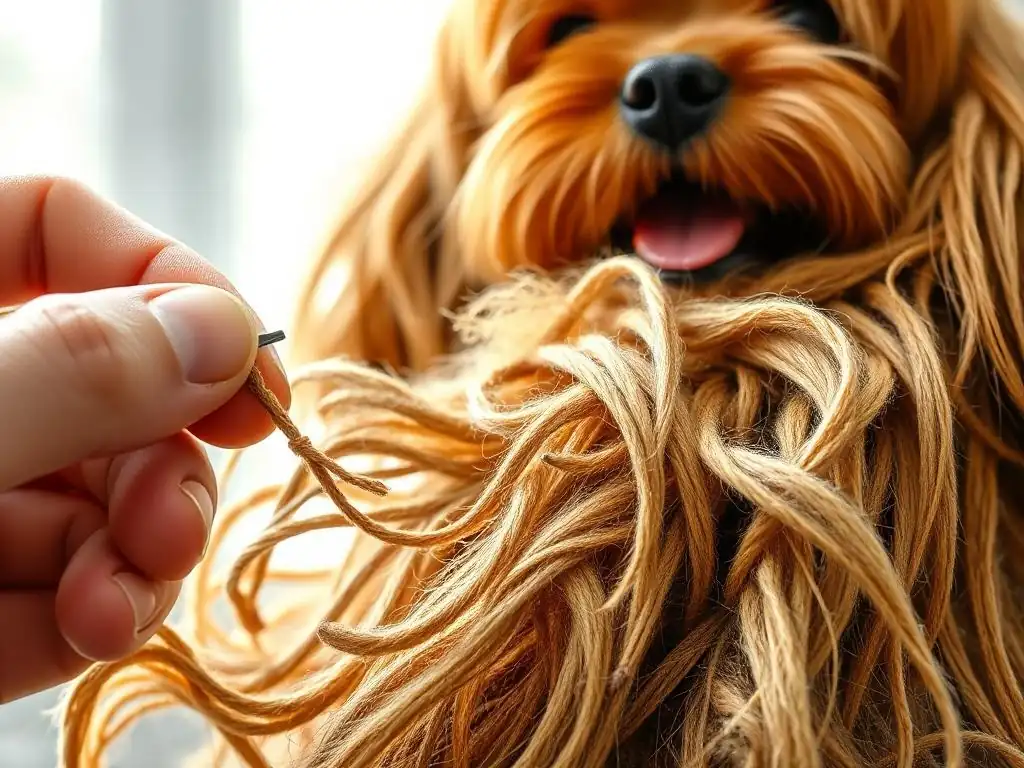
Dealing with already formed mats in your dog's fur requires patience and a gentle approach to avoid causing pain or injury. Ignoring mats can lead to skin irritation, infections, and discomfort for your furry friend. Preventing matted pet fur is always the best strategy, but knowing how to handle existing mats is crucial for responsible pet ownership.
Safe Detangling Methods: Avoiding Skin Damage
The key to safely removing mats is to work slowly and methodically. Never yank or pull forcefully on a mat. This can cause significant pain and potentially damage your dog's skin. Instead, utilize a de-matting tool designed for this purpose. These tools have fine teeth that can carefully separate the tangled fur without pulling on the skin. Start at the outermost edge of the mat and work your way inwards, gently teasing apart the knots.
If the mat is particularly stubborn or close to the skin, you might need to use a combination of techniques. A detangling spray can help loosen the fur, making it easier to work with. Apply the spray liberally to the mat and allow it to soak in for a few minutes before attempting to remove it. You may need to section the mat into smaller, more manageable pieces to prevent pulling on the skin. Remember to frequently check your dog for signs of discomfort or pain. If they seem distressed, stop immediately and seek professional help.
Regular brushing is a vital part of preventing matted pet fur. The frequency depends on your dog's breed and coat type. Long-haired breeds require daily brushing, while short-haired breeds may only need brushing a few times a week. Consistent brushing removes dead hair, prevents tangles, and keeps your dog's coat healthy and shiny. This preventative care is far simpler than dealing with extensive matting later.
When to Seek Professional Grooming: Recognizing the Need for Expert Help
While many mats can be carefully removed at home, some situations require the expertise of a professional groomer. If a mat is extremely tight, close to the skin, or causing your dog obvious discomfort, it's best to leave it to the professionals. They have the tools, experience, and techniques to safely remove even the most stubborn mats without causing harm. Additionally, if your dog has a dense or particularly difficult coat type, regular professional grooming can be a preventative measure against matting.
Signs that you should consult a professional groomer include:
- Severe matting: Large, thick mats that are difficult to remove at home.
- Skin irritation: Redness, inflammation, or sores under or around mats.
- Your dog's discomfort: If your dog shows signs of pain or stress during your attempts to remove mats.
- Inability to reach areas: Mats in difficult-to-reach areas, like under the legs or near the tail.
Professional groomers also offer valuable advice on proper brushing techniques and coat care tailored to your dog's specific breed and coat type. This proactive approach to coat management is key to preventing matted pet fur in the long run.
Products to Help Manage Matted Fur: [List of Recommended Products]
Choosing the right products can significantly aid in preventing and managing matted fur. Here's a list of product categories and examples to consider:
| Product Category | Example Product Names (Illustrative) | Description |
|---|---|---|
| Detangling Sprays | [Specific product name pending] | Loosen mats and make them easier to remove. |
| De-matting Tools | [Specific product name pending] | Carefully separate tangled fur without pulling on the skin. |
| Slicker Brushes | [Specific product name pending] | Remove loose hair and prevent mats from forming. |
| Undercoat Rakes | [Specific product name pending] | Remove excess undercoat, reducing the likelihood of matting, especially in double-coated breeds. |
| High-Quality Dog Shampoos | [Specific product name pending] | Help keep the coat healthy and manageable, reducing the risk of matting. |
Remember, the best approach is always prevention. Regular brushing, appropriate shampoos, and a proactive approach to coat care are the most effective ways to keep your dog's fur healthy and mat-free. But when mats do occur, knowing how to handle them safely and when to seek professional help is crucial for your dog's comfort and well-being. 🐶
Breed-Specific Considerations for Matted Fur Prevention

Preventing matted fur requires a tailored approach, varying significantly depending on your dog's breed and coat type. Understanding these breed-specific needs is crucial for effective mat prevention and maintaining your canine companion's healthy, comfortable coat. Ignoring these differences can lead to increased matting, discomfort for your pet, and potentially costly grooming bills down the line. Let's delve into the specifics.
Long-Haired Breeds: Specialized Brushing Requirements
Long-haired breeds, such as Yorkshire Terriers, Afghan Hounds, and Shih Tzus, are inherently more prone to matting due to the length and density of their fur. Their luxurious coats, while beautiful, require diligent and frequent brushing to prevent tangles and knots from forming. Failing to brush regularly can quickly lead to severe matting, which can be painful for your dog and difficult to remove.
To effectively prevent matted fur in long-haired breeds, aim for daily brushing, using a combination of tools. A slicker brush is excellent for removing loose undercoat and preventing mats from forming. A wide-toothed comb is essential for working through longer sections of hair, gently untangling any knots before they become major problems. Finally, a de-shedding tool can help manage excessive shedding, further reducing the likelihood of matting.
Remember to be gentle, especially around sensitive areas like the belly and legs. Regular bathing, using a high-quality dog shampoo, can also help to keep the coat clean and less prone to matting. Consider professional grooming every 4-6 weeks for a thorough de-matting and styling.
| Tool | Purpose | Frequency |
|---|---|---|
| Slicker Brush | Removes loose undercoat, prevents mat formation | Daily |
| Wide-Toothed Comb | Untangles knots, smooths the coat | Daily |
| De-Shedding Tool | Reduces shedding, minimizes matting potential | 2-3 times/week |
Short-Haired Breeds: Maintaining Coat Health
While short-haired breeds like Labradors, German Shepherds, and Boxers may seem less susceptible to matting, neglecting their coat care can still lead to problems, especially around areas with thicker fur such as the neck and tail. Regular brushing, although less frequent than for long-haired breeds, is still vital for preventing mats and removing dead hair. A firm bristle brush or a rubber curry brush are ideal for short-haired dogs, stimulating the skin and removing loose hair.
Aim for brushing at least 2-3 times a week for short-haired breeds. Pay close attention to areas prone to matting. Regular bathing is also important, especially if your dog enjoys playing outdoors. The build-up of dirt and debris can contribute to mat formation. Consider using a conditioning spray after bathing to help keep the coat soft and manageable, further reducing the risk of matting. Remember, even short-haired dogs benefit from professional grooming, particularly for nail trims and overall health checks.
Wire-Haired Breeds: Unique Grooming Needs
Wire-haired breeds, such as West Highland White Terriers, Wire Fox Terriers, and Schnauzer's, require a specialized approach to prevent matting. Their coats consist of a harsh outer coat and a soft undercoat, which, if not properly maintained, can easily tangle and mat. Instead of daily brushing, these breeds benefit from regular "stripping" or "hand-stripping," a process where the dead hair is manually removed. This technique promotes healthy coat growth and prevents matting more effectively than simply brushing. However, hand-stripping requires skill and patience, and it's often best left to professional groomers.
If you choose not to hand-strip, a specialized de-shedding tool designed for wire-haired breeds can be helpful. Be cautious with slicker brushes, as they can damage the harsh outer coat. Regular brushing, perhaps once or twice a week, combined with professional grooming every few months, will keep your wire-haired dog's coat healthy and mat-free. Professional grooming is particularly important for wire-haired breeds because it ensures proper stripping or trimming techniques are employed to maintain the coat's texture and prevent matting. Ignoring these specific needs can lead to painful mats and potential skin irritations.
Long-Term Strategies for Preventing Matted Pet Fur

This section delves into proactive measures to minimize the risk of matted fur in your canine companion. Preventing matts is far easier and less stressful (for both you and your pet!) than dealing with the consequences of severe matting. A holistic approach, combining regular grooming, a balanced diet, and understanding your dog's breed-specific needs, is crucial for maintaining a healthy, tangle-free coat. We’ll explore these key strategies in detail.
Creating a Consistent Grooming Routine
Establishing a consistent grooming routine is paramount in preventing matted pet fur. This doesn't necessarily mean daily brushing for every dog; the frequency depends on your dog's breed, coat type, and lifestyle. For instance, a long-haired breed like a Yorkshire Terrier will require significantly more frequent brushing than a short-haired breed like a Boxer.
A good starting point is to aim for at least two to three brushing sessions per week, using a brush appropriate for your dog's coat. This consistent attention helps to remove loose hair, dirt, and debris before they have a chance to tangle and mat.
Consider incorporating these elements into your routine:
- Daily quick checks: Even if you don't have time for a full brushing every day, a quick once-over can identify small tangles before they become larger, more difficult-to-remove mats.
- Targeted brushing: Pay special attention to areas prone to matting, such as behind the ears, under the armpits, and around the legs.
- Different brush types: Utilize various brush types, such as an undercoat rake for shedding breeds and a slicker brush for removing loose hair and tangles. Using the correct tools is essential for effective grooming and preventing mat formation.
Recognizing Signs of Matting Early On
Early detection is key to preventing minor tangles from escalating into major matting problems. Knowing what to look for can save you significant time and effort in the long run. Even small mats can cause discomfort to your dog, leading to skin irritation and potential health issues.
Here's what to look for:
- Small knots or tangles: These are often the first sign of matting. They feel like small, hard bumps in the fur.
- Difficulty combing or brushing: If you notice that your usual grooming routine is becoming more difficult, it's a sign that mats may be starting to form.
- Changes in skin appearance: Look for redness, inflammation, or skin irritation, which can indicate that mats are pulling or irritating the skin.
Remember, catching mats early makes removal much easier. Small mats can often be worked out with gentle combing or detangling spray. Larger, tighter mats may require professional attention. Ignoring early signs can lead to larger, more painful mats that may require shaving.
The Importance of Professional Grooming Appointments
While a consistent home grooming routine is essential, regular professional grooming appointments play a vital role in preventing matted pet fur, especially for dogs with long or thick coats. Professional groomers possess the expertise, tools, and time to thoroughly address any potential matting issues.
The benefits of professional grooming include:
- Thorough de-matting: Groomers have the skills and specialized tools to carefully remove even the most stubborn mats without causing your dog discomfort.
- Expert advice: Groomers can offer personalized advice on the best grooming practices for your dog's breed and coat type.
- Preventative care: Regular grooming appointments help to prevent future matting by keeping your dog's coat healthy and well-maintained. They can identify potential problems early on.
- Overall health check: A professional groomer can also check for skin issues, parasites, or other health problems that might be hidden beneath a matted coat. This preventative care is invaluable.
Scheduling regular professional grooming appointments, in conjunction with a diligent home grooming routine, is a winning strategy in the ongoing battle against matted pet fur. Think of it as an investment in your dog's comfort, health, and overall well-being. 🐶
Frequently Asked Questions
What causes matted fur in pets?
Matted fur is primarily caused by lack of grooming. Tangled hair becomes compressed, forming mats that can be painful and difficult to remove. Long-haired breeds are particularly susceptible.
How often should I groom my pet to prevent matting?
The frequency depends on your pet's breed and coat type. Daily brushing is ideal for long-haired breeds, while shorter-haired pets may only need brushing a few times a week. Regular checks are crucial.
What are the dangers of matted fur?
Matted fur can lead to skin irritation, infections, and parasite infestations. It can also cause pain and restrict your pet's mobility. Professional grooming may be needed for severe matting.
What tools do I need to prevent matted fur?
You'll need a good quality brush, suitable for your pet's coat type. A slicker brush is often recommended for removing tangles. Detangling spray can help make the process easier.
My pet already has matted fur. What should I do?
For minor mats, try carefully brushing them out with a detangling spray. For severe matting, consult a professional groomer. Never attempt to cut out mats yourself, as you could injure your pet.
Final Reflection: Untangling the Knots of Pet Care
The heartbreaking reality of matted fur extends far beyond mere aesthetics; it's a significant indicator of neglect and a potential harbinger of serious health issues for our beloved pets. Ignoring the early signs can lead to painful skin conditions, infections, and even mobility problems. This isn't just about a tidy coat; it's about ensuring the well-being and comfort of our animal companions.
The journey of understanding matted fur has profoundly impacted my own approach to pet care. It's not just about occasional brushing; it's about building a consistent routine of preventative care that strengthens the bond with our pets. The best thing about having a pet is the unconditional love they give you, and we must return that love with responsible care.
This quote encapsulates the responsibility we bear as pet owners, extending beyond simply providing food and shelter to encompass proactive health management, starting with preventing matted fur.
Now, consider your own furry friend. Are you actively preventing matted fur through regular brushing and attentive grooming? Take a moment to examine your pet's coat, and if you see even the slightest hint of matting, don't delay. Start a consistent grooming routine today, and remember that a little preventative care goes a long way in ensuring your pet lives a happy, healthy, and comfortable life. Your dedication to their well-being will be repaid tenfold in the unwavering love and companionship they offer.
Unleash Your Pet's Softest Coat Yet!
Thank you for learning about preventing matted fur in your beloved pet! You're now equipped to keep your furry friend comfortable and healthy. Ready to put this knowledge into action?
- Daily brushing is key: This simple act prevents matting, keeping your pet happy and tangle-free. Make it a special bonding time!
- Share your brushing routine: Inspire other pet owners by sharing your tips and tricks on our PetCareWorld community forum—let's build a supportive network!
- Professional grooming can help: If you need extra assistance, a professional groomer can offer valuable advice and techniques. It's a worthwhile investment in your pet's well-being.
Now, tell us: What's your favorite brushing tip or tool for keeping your pet's coat beautifully smooth?