
How to Measure Your Dog's Body Condition Score: A StepbyStep Guide

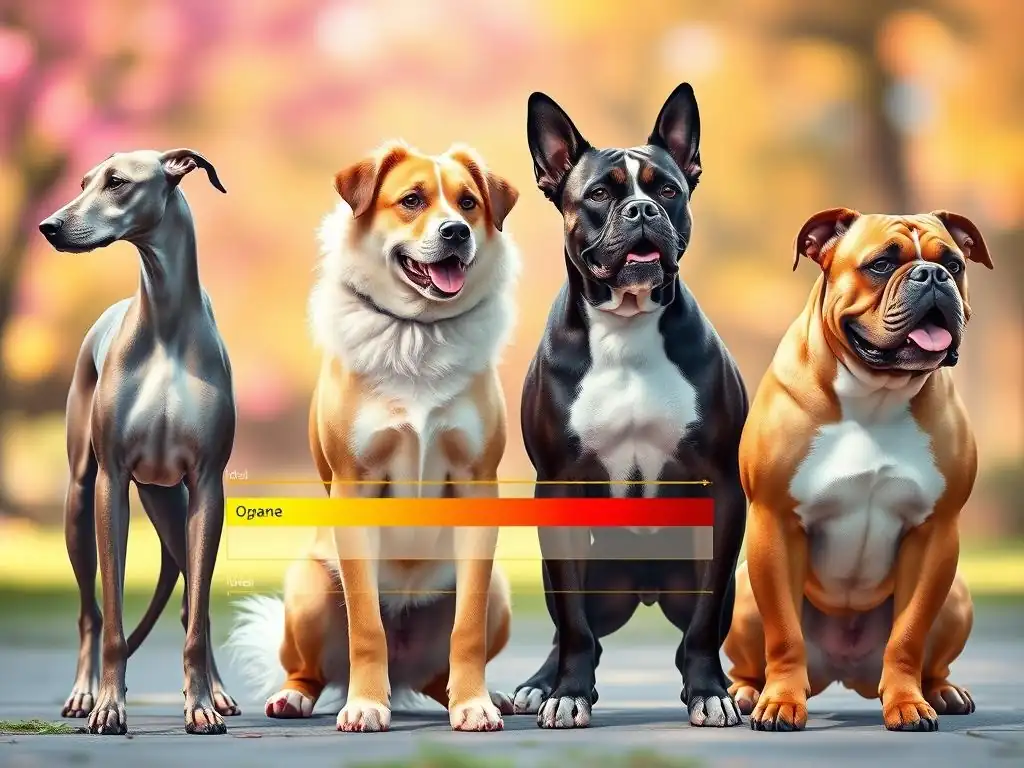
Welcome to PetCareWorld, your ultimate guide to a happier, healthier life for your beloved pets! Are you concerned about your dog's weight? Understanding your dog's body condition is crucial for their well-being, and we've got the answers. Dive into our step-by-step guide on using the Dog Body Condition Score chart and learn how to accurately assess your canine companion's health. Discover the secrets to maintaining your dog's ideal weight and ensuring a long, fulfilling life together. Let's get started!
- Understanding Your Dog's Body Condition Score (BCS)
- Using the 9-Point Dog Body Condition Score Chart
- Step-by-Step Guide to Assessing Your Dog's BCS
- Maintaining a Healthy Body Condition Score for Your Dog
- Dog Body Condition Score Chart: Resources and Further Information
- Frequently Asked Questions
- Final Reflection: Understanding Your Dog's Body, Understanding Their Health
- Unlock Your Dog's Healthiest Self: Take Action Today!
Understanding Your Dog's Body Condition Score (BCS)
Maintaining a healthy weight is crucial for your dog's overall well-being. Just like humans, dogs can suffer from a variety of health problems if they are either overweight or underweight. This comprehensive guide will teach you how to accurately assess your dog's body condition score (BCS) using a simple, step-by-step method, empowering you to make informed decisions about their diet and exercise.
Understanding your dog's BCS is a vital tool for preventative care, helping you identify potential weight issues early on and avoid future health complications. We'll explore the ideal body condition, the dangers of obesity, and provide a practical approach to using a dog body condition score chart to monitor your canine companion's health.
This guide is essential for responsible dog ownership and contributes to a longer, healthier life for your furry friend. Learning to interpret a dog body condition score chart is a skill every dog owner should possess.
Why is Dog Body Condition Important?
A dog's body condition significantly impacts its overall health and longevity. Maintaining an ideal weight helps prevent numerous health issues, including:
- Joint problems: Excess weight puts extra strain on joints, leading to conditions like osteoarthritis and hip dysplasia, particularly in larger breeds.
- Diabetes: Obesity is a major risk factor for canine diabetes, a serious and often life-long condition requiring careful management.
- Heart disease: Overweight dogs are more prone to heart disease and related complications.
- Respiratory problems: Extra weight can strain the respiratory system, making breathing more difficult, especially in brachycephalic breeds (dogs with short noses).
- Certain cancers: Studies suggest a correlation between obesity and an increased risk of certain cancers in dogs.
- Reduced lifespan: Dogs carrying excess weight often have shorter lifespans than their ideal-weight counterparts.
Regularly assessing your dog's body condition using a dog body condition score chart allows for early detection of weight problems, enabling timely intervention and preventing the development of these serious health issues. Monitoring your dog's weight is a proactive step towards ensuring a long and happy life together. Early intervention is key; even small changes in weight can have significant health implications.
Ideal Dog Body Condition: What to Look For
The ideal body condition for a dog is characterized by a clearly visible waistline when viewed from above, and easily palpable ribs under a thin layer of fat. You should be able to feel the ribs without excessive pressure, and the abdomen should tuck up nicely. Your dog should not appear overly thin or emaciated, nor should they have excessive fat deposits around the ribs, abdomen, or tail base. A healthy dog will have a well-proportioned body with visible muscle definition, especially along the spine and hindquarters.
Think of it like this: you should be able to feel the ribs easily, but not see them prominently. The dog should have a slight tuck in their abdomen and a clearly defined waist. Avoid relying solely on visual assessment; always use a combination of visual and tactile examination for the most accurate evaluation. A dog body condition score chart can provide a visual reference to help you determine your dog's current body condition.
The Dangers of Obesity in Dogs
Obesity in dogs is a serious health concern with far-reaching consequences. Excess weight puts significant strain on the body's systems, leading to a cascade of health problems. These problems can range from relatively minor discomfort to life-threatening conditions. The severity of the consequences depends on the dog's breed, age, and the degree of obesity.
Some specific dangers of obesity in dogs include:
| Health Problem | Description |
|---|---|
| Joint Pain & Arthritis | Excess weight puts increased stress on joints, leading to inflammation and pain, often resulting in arthritis. |
| Diabetes Mellitus | Obesity is a significant risk factor for the development of diabetes, requiring lifelong management. |
| Cardiovascular Disease | Obesity strains the heart, increasing the risk of heart disease and related complications. |
| Respiratory Issues | Excess weight can make breathing difficult, especially in brachycephalic breeds. |
| Skin Infections | Overweight dogs are more prone to skin infections due to increased moisture and friction. |
| Reduced Lifespan | Obesity is linked to a shorter lifespan in dogs. |
Obesity is often preventable through careful monitoring of food intake, regular exercise, and consistent use of a dog body condition score chart. Early detection and intervention are crucial to mitigating the risks associated with canine obesity. Remember, a healthy weight contributes significantly to a longer, happier life for your canine companion. 🐶
The Risks of Underweight Dogs
Underweight dogs, while seemingly less of a concern than overweight canines, face a significant array of health risks. A dog that's too thin lacks the necessary fat reserves to support its body through illness or periods of stress. This compromised energy storage can lead to a weakened immune system, making them more susceptible to infections and diseases. The body's ability to fight off pathogens is directly impacted by overall health and sufficient nutrient intake. An underweight dog is less resilient and takes longer to recover from even minor ailments.
Furthermore, underweight dogs often suffer from nutrient deficiencies. A lack of sufficient calories and essential nutrients can lead to a host of problems, including anemia, a weakened skeletal system, and impaired reproductive function. These deficiencies can manifest in various ways, from dull coat and brittle nails to lethargy and decreased energy levels. It's crucial to understand that simply feeding more food isn't always the solution; addressing the underlying cause of the weight loss is paramount. This may require veterinary intervention to rule out underlying medical conditions.
The skeletal structure of an underweight dog is also at risk. Without adequate fat padding and muscle mass, their bones are more prone to injury. This is especially true for high-energy breeds prone to accidents or those involved in strenuous activities. The lack of protective tissue increases the vulnerability to fractures and other bone-related problems. The overall structural integrity of their body is weakened, increasing the risk of long-term health issues.
It's important to remember that the ideal body condition for a dog varies slightly depending on breed, age, and activity level. However, a dog that's significantly underweight needs immediate attention. Early intervention and a tailored nutritional plan, often guided by a veterinarian, are crucial to restoring their health and preventing long-term complications. Ignoring the signs of underweight can severely compromise your dog's quality of life and potentially shorten its lifespan. Regular monitoring of your dog's weight and body condition, along with a well-balanced diet, are key preventative measures.
Using the 9-Point Dog Body Condition Score Chart
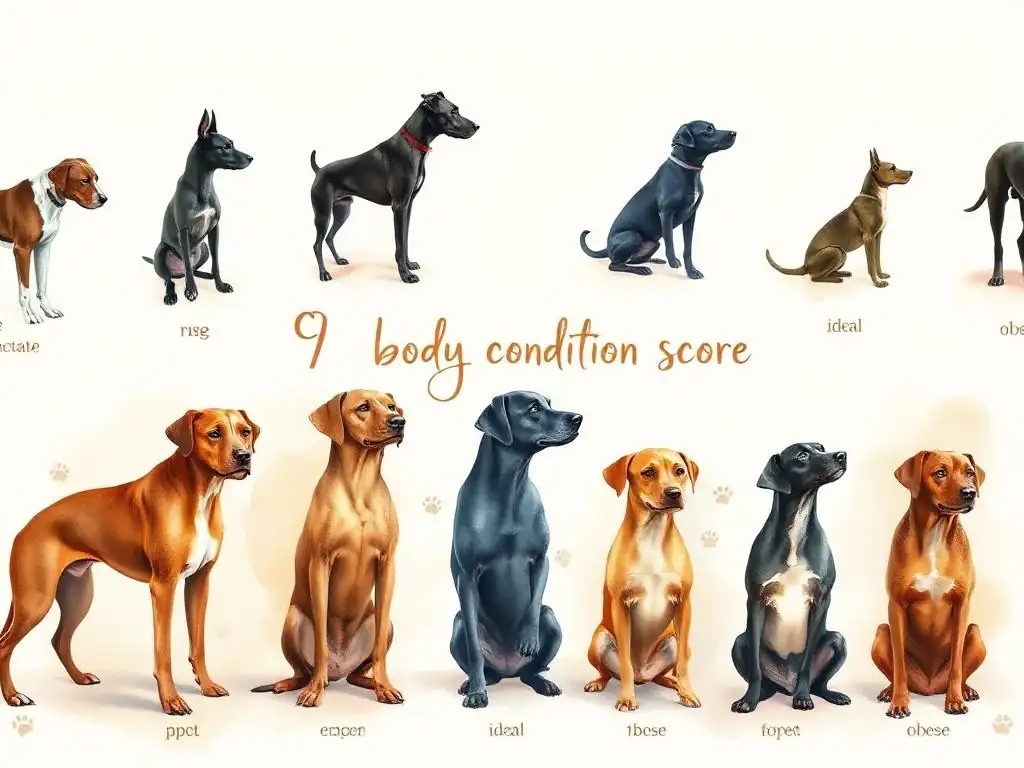
The 9-point dog body condition score (BCS) chart is a widely accepted tool used by veterinarians and pet owners to assess a dog's weight and overall health. It provides a standardized scale ranging from emaciated (1) to obese (9), allowing for consistent evaluation across different breeds and sizes. Understanding and utilizing this chart is crucial for maintaining your canine companion's ideal weight and preventing associated health problems. Regularly assessing your dog's BCS helps detect early signs of weight gain or loss, enabling prompt intervention and preventing the development of serious conditions like diabetes, osteoarthritis, and heart disease.
This system relies on a visual assessment, focusing on the feel and visibility of ribs, waistline, and overall body shape, rather than solely on weight measurements. Remember, a healthy weight is crucial for your dog's longevity and quality of life. Let's delve into the specifics of using this invaluable tool.
Visual Assessment: A Detailed Guide to Interpreting the Dog Body Condition Score Chart
The 9-point BCS chart is based on a visual assessment of your dog. You should be able to easily feel your dog's ribs without excessive pressure. The ideal score is typically a 4 or 5, indicating a healthy weight with a clearly visible waistline and easily palpable ribs. Here's a breakdown of the visual cues associated with each score on the chart:
| Score | Description | Visual Cues |
|---|---|---|
| 1 | Emaciated | Ribs, spine, and hip bones are prominent; little to no body fat visible. |
| 2 | Very Thin | Ribs easily palpable, spine and hip bones prominent. |
| 3 | Thin | Ribs easily palpable, waistline visible. |
| 4 | Ideal or Slightly Thin | Ribs palpable with slight pressure, waistline visible. |
| 5 | Ideal | Ribs palpable with moderate pressure, waistline easily visible. |
| 6 | Slightly Overweight | Ribs palpable with difficulty, waistline less visible. |
| 7 | Overweight | Ribs difficult to palpate, abdominal fat prominent, waistline absent. |
| 8 | Very Overweight | Significant abdominal fat, ribs impossible to palpate. |
| 9 | Extremely Obese | Massive fat deposits obscuring body structure; significant health risks present. |
Remember to assess your dog from multiple angles – from the side, top, and front – for a comprehensive evaluation. Consider taking photos at regular intervals to track changes over time. This visual record will help you monitor your dog's progress and adjust their diet and exercise accordingly. A consistent approach to visual assessment is key to accurately using the dog body condition score chart.
Assessing Ribs and Waistline: Key Indicators of a Healthy Dog
Palpating your dog's ribs and assessing their waistline are crucial steps in determining their BCS. For a dog with an ideal BCS (4-5), you should be able to feel their ribs easily with moderate pressure. They shouldn't be easily visible without touching, but shouldn't be buried under a thick layer of fat either. A healthy dog will also have a clearly visible waistline when viewed from above. This waistline should taper in smoothly from the ribcage to the hips. The absence of a visible waistline is often a strong indicator of overweight or obesity.
The feeling of the ribs provides a tactile assessment that complements the visual assessment. If the ribs are very prominent and easily felt with minimal pressure, this suggests your dog might be underweight. Conversely, if you can barely feel the ribs even with significant pressure, your dog may be overweight. It is important to regularly check your dog's ribs and waistline, ideally once a month, to maintain awareness of their body condition and prevent any significant weight fluctuations. A consistent routine will help you detect subtle changes early on, allowing for timely interventions.
Evaluating Muscle Mass and Fat Deposits: A Comprehensive Guide
While ribs and waistline are primary indicators, evaluating muscle mass and fat deposits provides a more complete picture of your dog's body condition. A healthy dog will have a good muscle mass, particularly in the hindquarters and shoulders. This should be firm to the touch and not overly flabby.
Excessive fat deposits, especially around the abdomen, neck, and base of the tail, are indicative of overweight or obesity. These fat deposits can be assessed visually and by palpation. In obese dogs, you may notice a significant accumulation of fat, making it difficult to feel the ribs or discern a waistline.
It's important to note that breed and age can influence muscle mass and fat distribution. Certain breeds are naturally more muscular or prone to carrying more fat in specific areas. Senior dogs may also experience changes in muscle mass and fat distribution with age.
However, even considering these factors, the 9-point BCS chart remains a valuable tool for monitoring your dog's overall health. Remember, consulting with your veterinarian is crucial for personalized guidance and to rule out any underlying medical conditions that may be contributing to weight changes. They can offer tailored advice based on your dog's breed, age, activity level, and overall health.
Palpating Your Dog: Feeling for Ribs and Fat Deposits
Palpating your dog, which means feeling their body, is crucial for accurately assessing their body condition score (BCS). This hands-on approach allows you to go beyond just visual assessment and gain a deeper understanding of your dog's underlying fat reserves and muscle mass. Don't just glance—feel!
Start by gently running your hands along your dog's sides, feeling for their ribs. You should be able to easily feel the ribs without having to press hard. If you can't feel them at all, or have to press firmly to find them, your dog likely has excess body fat. Conversely, if the ribs are extremely prominent and easily felt, even with minimal pressure, this indicates your dog is underweight.
Pay close attention to the layer of fat covering the ribs. In an ideal body condition, you should feel a thin layer of fat covering the ribs, similar to the feel of a well-muscled human athlete. Think of it as a slight cushioning effect—you can feel the ribs, but they aren't sharp or bony.
Beyond the ribs, extend your palpation to other areas. Feel along the spine, paying attention to the prominence of the vertebrae. In a healthy dog, the vertebrae should be easily palpable, but not overly prominent. Also, check the area behind the shoulders (withers) and along the hips. Excess fat will accumulate in these areas, making them feel rounded or full. Conversely, a dog that is too thin will have very prominent bone structures in these areas.
Remember, consistency is key. Regularly palpate your dog to monitor changes in their body condition over time. This allows you to catch any weight gain or loss early on, enabling you to make necessary adjustments to their diet and exercise routine proactively.
Early detection can prevent more serious health issues down the line. This tactile assessment, combined with visual observation, gives you a comprehensive picture of your dog’s overall health and well-being, improving your ability to utilize the 9-point dog body condition score chart effectively. The more familiar you become with your dog's body, the better you’ll be at assessing their body condition.
Step-by-Step Guide to Assessing Your Dog's BCS
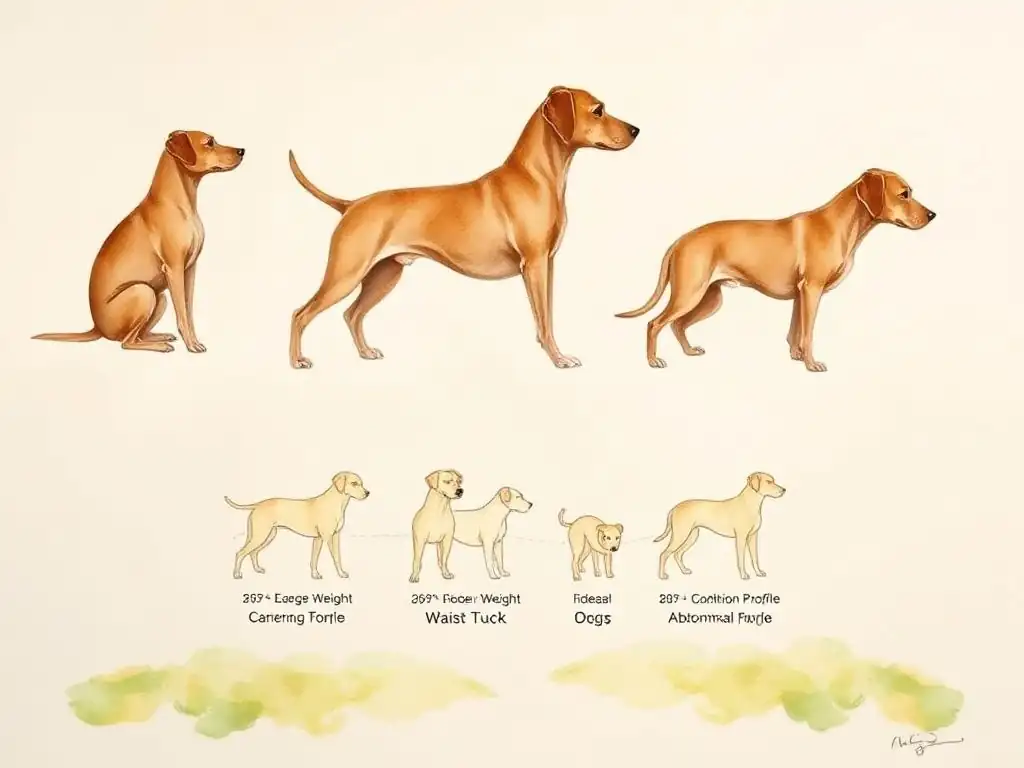
This section provides a detailed, step-by-step guide to accurately assessing your dog's body condition score (BCS). Understanding your dog's BCS is crucial for maintaining their ideal weight and overall health. Using a canine body condition score chart is an effective tool, but knowing how to properly interpret the visual and tactile assessments is key. This guide will equip you with the skills to monitor your dog's weight effectively, preventing potential health problems associated with being overweight or underweight. Regular monitoring, using the techniques described below, is vital for proactive canine weight management.
Step 1: Preparing Your Dog for Assessment
Before you begin assessing your dog's body condition score, ensure a calm and comfortable environment. A stressed dog may tense their muscles, making accurate assessment difficult. Here's how to prepare:
- Choose the right time: Select a time when your dog is relaxed and not overly excited or hungry. After a walk or playtime might not be ideal.
- Ensure good lighting: Adequate lighting is essential for a thorough visual inspection. Natural light is best, but a well-lit room will suffice.
- Position your dog: Have your dog stand squarely on a level surface. This allows for a consistent evaluation of their body shape and structure. Avoid assessing them while lying down as this can distort the assessment.
- Use a calm approach: Speak to your dog in a soothing tone and avoid any forceful movements. A gentle approach will help keep your dog relaxed and cooperative throughout the process. Reward them with praise and perhaps a small treat afterward to create a positive association.
Step 2: Visual Inspection: Observing Your Dog's Overall Appearance
Visual inspection forms the first stage of assessing your dog's body condition score. This involves observing several key aspects of your dog's physique. Pay close attention to the following:
- Waistline: Look at your dog from above. A healthy dog will have a noticeable waistline, visible behind the ribs. An overweight dog will have a less defined, or absent, waist.
- Ribs: Observe the prominence of your dog's ribs. You should be able to easily feel, but not see, the ribs. If the ribs are extremely prominent, your dog may be underweight. If they are completely hidden beneath a layer of fat, your dog is likely overweight.
- Abdomen: Examine your dog's abdomen. It should tuck up slightly, showing a defined waistline. A distended or pot-bellied abdomen often indicates excess body fat.
- Muscle mass: Assess the overall muscle tone. A healthy dog will have well-developed muscles, though the level of muscle mass will vary depending on breed and activity level. A lack of muscle definition can be a sign of either underweight or overweight.
Step 3: Palpation: Feeling Your Dog's Ribs and Body Structure
Palpation, or feeling your dog's body, complements the visual inspection and provides a more accurate assessment of their body condition. This step involves gently feeling the ribs and other body structures:
- Ribs: Gently run your fingers along your dog's ribs. In an ideal condition, you should be able to feel the ribs easily, with a slight covering of fat. The ribs shouldn't be extremely prominent (underweight) or completely buried under a thick layer of fat (overweight).
- Muscle mass: Feel the muscles along your dog's spine and back. Healthy dogs will have well-developed muscles that feel firm and defined. Lack of muscle tone can signal either underweight or overweight depending on the overall body condition.
- Fat deposits: Gently press your fingers into various areas of your dog's body, including the flanks (sides), base of the tail, and around the hips. Assess the thickness of the fat layer. A thin layer indicates a healthy weight, while thick deposits suggest overweight. Remember, some dogs naturally have more fat in certain areas than others.
- Overall feel: Pay attention to the overall feel of your dog's body. A healthy dog's body will feel firm and well-muscled, not bony (underweight) or excessively soft and flabby (overweight).
Remember, using a visual guide, such as a Dog body condition score chart, in conjunction with this step-by-step approach, will greatly improve your ability to accurately assess your dog's body condition. Regular monitoring and prompt veterinary consultation if you have any concerns are crucial for maintaining your canine companion's health and well-being. 🐶
Step 4: Interpreting Your Findings: Using the 9-Point Scale
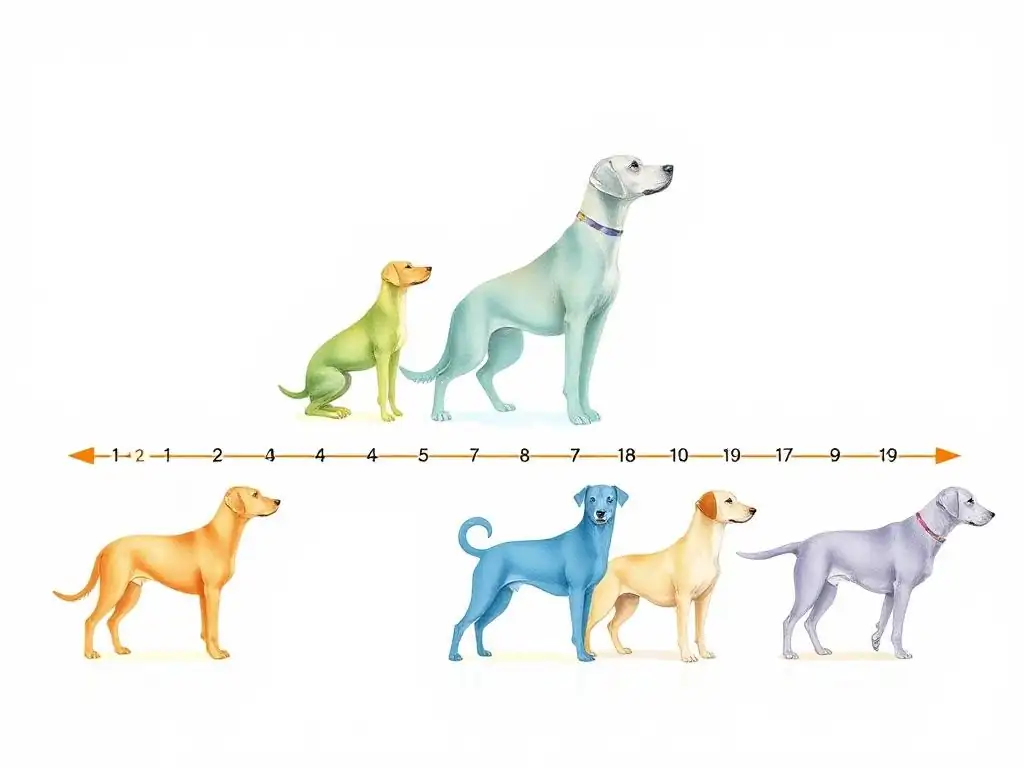
Once you've visually assessed your dog's body condition, it's time to interpret your findings using the standard 9-point body condition score (BCS) scale. This scale provides a standardized way to assess your dog's weight and fat distribution, allowing for consistent monitoring over time. A score of 1 represents emaciation, while a score of 9 indicates extreme obesity. The ideal score for most dogs is typically between 4 and 5, indicating a healthy weight with a visible waistline and rib cage easily palpable under a thin layer of fat.
Understanding the nuances within the scale is crucial. A score of 3, for instance, suggests a dog that is thinner than ideal. You might notice a prominent spine and hip bones, with ribs easily palpable. Conversely, a score of 6 indicates overweight. The waistline is less defined, and the ribs are difficult to feel without significant pressure. A dog scoring a 7 or higher is considered obese, with significant excess fat covering the ribs, abdomen, and other areas. These dogs often have a substantial fat deposit along the spine, and their waistline is completely obscured.
Remember that breed standards can influence the visual assessment. For example, a naturally lean Greyhound might appear thinner than a stockier Bulldog at the same BCS score. Therefore, focus on your dog's individual body shape and changes over time rather than solely relying on a number. Consistent monitoring is key to maintaining your dog's optimal health. Regular assessments, perhaps monthly, will allow you to catch any weight fluctuations early on and make necessary adjustments to their diet or exercise routine. Consider keeping a log of your dog's BCS scores to track their progress. 🐶
Step 5: Recording Your Dog's BCS and Monitoring Changes
Regularly recording your dog's BCS is vital for effective weight management. This involves more than just noting a single number; it's about creating a comprehensive record of your dog's body condition over time. This allows you to track progress, identify potential problems early, and make informed decisions about their diet and exercise. Several methods can be used to maintain these records effectively.
One simple method is using a dedicated notebook or spreadsheet. Record the date of each assessment, the BCS score, and any observations you made during the assessment. For example, you might note "ribs easily palpable, waistline clearly visible" for a BCS of 4 or "significant fat deposit along the spine, ribs difficult to palpate" for a BCS of 7. Adding notes about changes in your dog's diet, exercise routine, or any health concerns can further enhance the value of your records. This detailed approach allows for a clearer understanding of the factors influencing your dog's weight.
Alternatively, consider using a dedicated pet health app. Many apps allow you to record your dog's BCS, along with other health metrics, creating a comprehensive health profile. These apps often include features such as graphs and charts, making it easier to visualize trends and identify patterns in your dog's weight over time. The visual representation of your dog's BCS scores makes it easier to spot even subtle changes, potentially indicating a need for adjustments to their care.
Remember, consistency is key. Regular monitoring and meticulous record-keeping are crucial for maintaining your dog's ideal body condition and overall health. This proactive approach allows you to address potential weight issues before they become major health concerns. 🐕
Maintaining a Healthy Body Condition Score for Your Dog
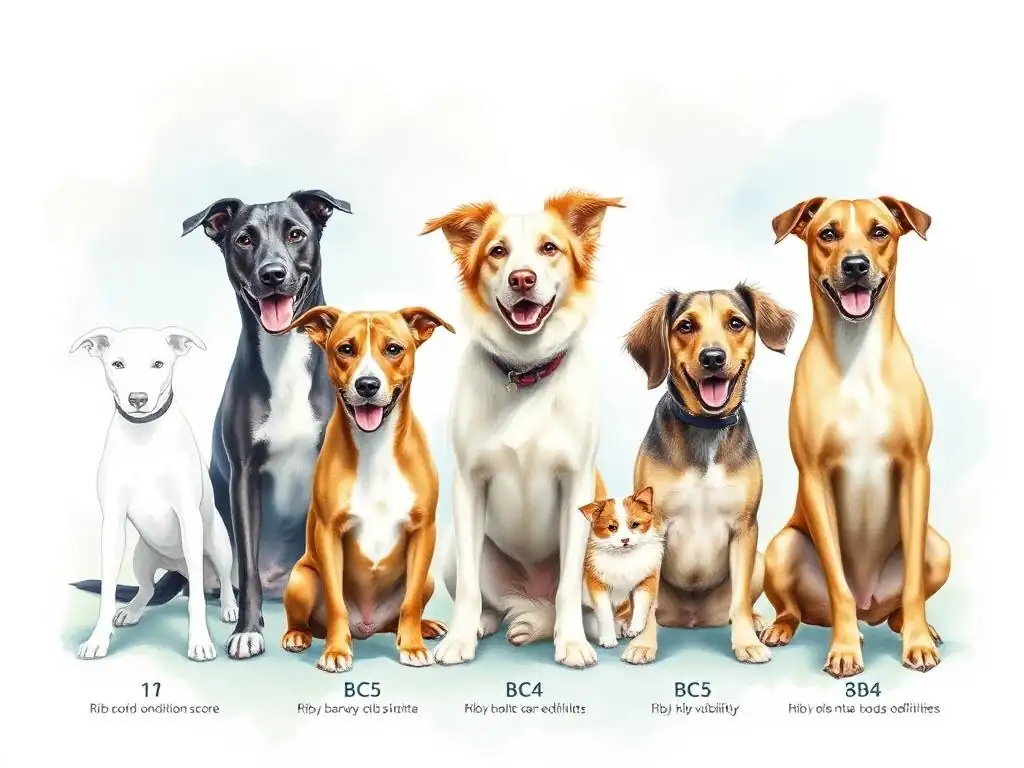
Maintaining a healthy body condition score (BCS) is crucial for your dog's overall health and well-being. A proper BCS indicates a balance between muscle mass and fat reserves, minimizing the risk of obesity-related diseases like diabetes, heart disease, and joint problems. Regular monitoring, coupled with appropriate adjustments to diet and exercise, are key to achieving and sustaining an ideal BCS. Remember, the goal isn't just a number on a scale; it's ensuring your canine companion lives a long and healthy life.
Consistent monitoring, even for dogs seemingly at a healthy weight, is vital for early detection of potential weight fluctuations. This proactive approach allows for timely interventions, preventing minor issues from escalating into significant health concerns. Using a dog body condition score chart regularly is a simple yet effective method to achieve this.
Adjusting Your Dog's Diet: Food Portions and Nutritional Needs
Adjusting your dog's diet is often the first step in managing their weight. This involves carefully considering both the quantity and quality of their food. Overfeeding is a common cause of canine obesity, so accurately measuring food portions is paramount. Use a measuring cup or kitchen scale to ensure consistency. The amount your dog needs depends on several factors, including breed, age, activity level, and metabolism. A general guideline is to follow the feeding recommendations on the dog food packaging, but always adjust based on your dog's individual needs and BCS.
For example, a highly active Border Collie will require more calories than a sedentary senior Pug. Consider switching to a weight-management formula if your dog is overweight. These diets are typically lower in calories and fat, while maintaining essential nutrients. Remember to always consult your veterinarian before making significant dietary changes, especially if your dog has pre-existing health conditions.
They can help you determine the appropriate calorie intake and recommend a suitable diet plan, tailored to your dog's specific needs. Don't forget to factor in treats; these can significantly add to your dog's daily caloric intake. Opt for low-calorie, healthy treats and incorporate them into their daily allowance.
Increasing Exercise: Tailoring Activity to Your Dog's Breed and Age
Regular exercise is another vital component of weight management for dogs. The type and intensity of exercise should be tailored to your dog's breed, age, and physical condition. A high-energy breed like a Siberian Husky will benefit from long walks, runs, or even canine sports, while a smaller breed like a Chihuahua may require shorter, less strenuous activities. For senior dogs, gentler exercises like short walks or playtime in the backyard are more appropriate. Remember, gradual increases in activity are key to avoid injury. Start slowly and gradually increase the duration and intensity of exercise over time.
A good rule of thumb is to aim for at least 30 minutes of moderate-intensity exercise most days of the week. This could involve a brisk walk, a game of fetch, or even a simple training session. Variety is important to keep your dog engaged and prevent boredom. Incorporate activities that stimulate both their physical and mental well-being.
Puzzle toys can be a fun way to mentally stimulate your dog while burning a few extra calories. Remember, even small changes can make a big difference. Increasing your dog’s daily activity, even by 15 minutes, can contribute to weight loss and improved overall health. Observe your dog's response to exercise; if they seem tired or lethargic, reduce the intensity or duration of their workouts.
Consulting Your Veterinarian: Professional Guidance for Weight Management
Regular veterinary check-ups are essential for monitoring your dog's weight and overall health. Your veterinarian can assess your dog's BCS using a standardized chart, providing valuable insights into their body composition and identifying any potential health issues. They can also help you develop a personalized weight management plan, considering your dog's specific needs and any pre-existing health conditions. This plan may include dietary recommendations, exercise guidelines, and even medication in some cases.
Beyond the physical examination, your vet can run blood tests to check for underlying medical conditions that might be contributing to weight gain or loss. Conditions like hypothyroidism can significantly impact metabolism and weight. Early detection and treatment of such conditions are crucial for successful weight management. Don't hesitate to discuss any concerns you have about your dog's weight with your veterinarian.
They are your best resource for developing a safe and effective weight management strategy, ensuring your dog remains healthy and happy for years to come. Regular monitoring and professional guidance are key to maintaining an optimal dog body condition score chart for your furry friend. Remember, a healthy weight is a happy weight! 🐕
Identifying Underlying Health Issues: Addressing Potential Medical Problems
Maintaining a healthy body condition score (BCS) is crucial for your dog's overall well-being, but sometimes, even with careful diet and exercise, achieving the ideal BCS can be challenging. This difficulty might signal an underlying health issue that needs veterinary attention. A dog consistently overweight or underweight, despite your best efforts, warrants a thorough veterinary examination. Several medical conditions can directly impact a dog's ability to maintain a healthy weight.
For example, hypothyroidism, a condition affecting the thyroid gland, can lead to weight gain, lethargy, and a dull coat. Similarly, Cushing's disease, characterized by an overproduction of cortisol, can also result in significant weight gain and a pot-bellied appearance. Conversely, conditions like diabetes mellitus, hyperthyroidism, and certain types of cancer can cause significant weight loss, even with increased appetite. These are just a few examples; many other diseases can influence a dog's body condition.
It's vital to remember that a change in your dog's body condition, whether sudden weight loss or unexpected weight gain, should never be ignored. Even subtle shifts from their usual weight can be indicative of a problem. Don't rely solely on visual assessment; regular weigh-ins are essential, especially for dogs prone to weight fluctuations. Tracking your dog's weight over time allows you to identify trends and potentially catch health problems early. This proactive approach is crucial for ensuring prompt treatment and the best possible outcome for your canine companion. A comprehensive veterinary check-up, including blood work and potentially other diagnostic tests, is crucial for determining the underlying cause of any significant deviation from your dog's ideal Dog body condition score chart. Early detection and treatment of underlying health issues are paramount to improving your dog's quality of life and maintaining a healthy BCS. This emphasizes the importance of regular veterinary care as an integral part of responsible dog ownership and weight management. Ignoring potential health problems can lead to more serious complications down the line, making early intervention even more critical.
Dog Body Condition Score Chart: Resources and Further Information
This section provides you with additional resources to help you accurately assess and maintain your dog's ideal body condition score (BCS). Understanding your dog's BCS is crucial for their long-term health and well-being, preventing issues like obesity and associated health problems. Remember, a consistent BCS monitoring strategy is key to proactive pet care. This section will guide you to valuable resources and highlight the importance of professional veterinary care.
Finding a Reputable Veterinarian: Importance of Professional Advice
While self-assessment using a dog body condition score chart is helpful, professional veterinary advice is paramount. A veterinarian can provide a precise evaluation of your dog's body condition, taking into account factors beyond visual assessment. They can identify underlying health issues that may contribute to weight gain or loss, such as hypothyroidism or Cushing's disease. Furthermore, your vet can help you create a personalized weight management plan tailored to your dog's breed, age, activity level, and overall health.
Finding a reputable veterinarian is therefore a crucial step in managing your dog's weight effectively. Look for a veterinarian with experience in canine nutrition and weight management. Ask for recommendations from friends, family, or other pet owners.
Don't hesitate to schedule a consultation to discuss your dog's weight and receive expert guidance. Regular check-ups are also essential to monitor your dog's progress and make adjustments to their diet and exercise plan as needed. Early detection of potential problems is key to preventing more serious health complications.
Online Resources: Additional Guides and Information on Canine Obesity
Beyond this guide and the readily available dog body condition score chart, several reputable online resources offer further information on canine obesity and weight management. Many veterinary organizations and animal welfare groups provide detailed guides and articles on proper canine nutrition, exercise, and weight management strategies. These resources can offer additional perspectives and valuable insights to supplement the information provided here.
Look for websites and organizations that are backed by veterinary professionals and adhere to evidence-based practices. Be wary of information that promotes quick fixes or fad diets, as these can be detrimental to your dog's health. Always cross-reference information with your veterinarian's advice to ensure the safety and well-being of your canine companion.
Remember, a holistic approach that combines proper nutrition, regular exercise, and veterinary oversight is the most effective way to manage your dog's weight. The internet offers a wealth of information, but always prioritize sources that are credible and evidence-based. Utilize these resources to enhance your understanding and refine your approach to canine weight management.
Tracking Your Dog's Progress: Maintaining a Healthy Weight Over Time
Maintaining a healthy weight for your dog is an ongoing process, not a one-time achievement. Regular monitoring of your dog's BCS using a dog body condition score chart is crucial for long-term success. Consider keeping a detailed record of your dog's weight, food intake, and exercise routine. This will allow you to identify trends and make necessary adjustments to your weight management plan. You can create a simple spreadsheet or use a dedicated pet health app to track this data efficiently.
Regular weighing (ideally weekly) is recommended, along with visual assessments using the BCS chart. Don't be discouraged by occasional fluctuations; focus on the overall trend. If you notice significant deviations from your dog's ideal BCS, consult your veterinarian immediately. They can help you identify the cause of the fluctuation and adjust your plan accordingly.
Remember, consistency and patience are key to achieving and maintaining a healthy weight for your dog. Celebrate milestones and remain committed to your dog's well-being. A healthy weight contributes significantly to a longer, happier life for your furry friend. Regular monitoring, combined with professional guidance, ensures your dog remains healthy and vibrant for years to come.
Frequently Asked Questions
What is a dog body condition score (BCS)?
A dog's body condition score (BCS) is a numerical assessment of their body fat and muscle mass. It's a vital tool for determining if your dog is underweight, overweight, or ideal. A BCS chart helps you visually assess your dog's condition.
How often should I check my dog's BCS?
You should check your dog's BCS monthly, or more frequently if there are changes in their appetite, activity level, or weight. Regular monitoring is crucial for early detection of weight problems.
What does a healthy BCS look like for a dog?
A healthy BCS is typically a score of 4 or 5 out of 9 on most charts. At this score, you should be able to feel their ribs easily, but they shouldn't be visibly prominent. There should be a slight waistline visible when looking down at your dog.
What should I do if my dog's BCS is too low or too high?
If your dog's BCS is outside the healthy range, consult your veterinarian. They can help you develop a nutrition and exercise plan to get your dog to a healthy weight. Sudden changes warrant immediate attention.
Where can I find a dog body condition score chart?
You can find reliable dog body condition score charts on the PetCareWorld website and from your veterinarian. Many resources are available online, but ensure the chart is from a reputable source to ensure accuracy.
Final Reflection: Understanding Your Dog's Body, Understanding Their Health
The ability to accurately assess your dog's body condition score is not just a helpful skill; it's a vital one. A simple visual check, using the readily available tools and charts discussed in this guide, can be the difference between early intervention and a more serious health problem down the line. Ignoring your dog's physical state can have significant consequences, impacting their quality of life and longevity.
This journey into understanding canine body condition has underscored the profound connection between a pet's physical well-being and their overall happiness. It's a responsibility we, as owners, share. Regularly checking your dog's BCS isn't just about numbers on a chart; it's about fostering a deeper understanding of their individual needs and ensuring they receive the proper nutrition and care. The best mirror is an old friend.
This holds true for our canine companions; their bodies tell a story, and we must learn to listen.
Now, I invite you to take what you've learned and make it a part of your routine. Download a body condition score chart, keep it handy, and make regular assessments a part of your dog's wellness check-ups. Empower yourself with this knowledge, and empower your dog with the best possible care. Your vigilance and understanding will not only extend their lifespan but will enrich the years you share together, filled with joy, health, and unwavering companionship.
Unlock Your Dog's Healthiest Self: Take Action Today!
Understanding your dog's body condition score (BCS) is crucial for their long-term health and happiness. Now let's put that knowledge into practice.
- Assess your dog's BCS now: Use the guide you just read to evaluate your dog's weight and body shape. Is their score ideal? This is the most important step you can take today to support their well-being.
- Consult your veterinarian: A quick phone call or email to discuss your assessment and any questions will ensure you're on the right track with your dog's weight management.
- Explore more canine health resources: Learn more about canine nutrition, exercise, and other essential aspects of dog care on PetCareWorld.org.
What small change will you implement today to help your dog achieve their ideal weight and body condition?