
How to Read Dog Food Ingredient Lists: A Practical Guide


Welcome to PetCareWorld, your ultimate destination for everything pet-related! Are you ready to unlock the secrets to a healthier, happier life for your canine companion? Our comprehensive Dog food ingredient list guide will empower you to make informed decisions about your dog's nutrition, ensuring they receive the best possible care. Dive in and discover how to decipher those often-confusing ingredient labels – your dog's well-being depends on it!
- Understanding Your Dog's Food Label: A Step-by-Step Guide
- Analyzing the Ingredient List: What to Look For
- Choosing the Right Dog Food Based on Ingredient List
- Beyond the Ingredient List: Other Factors to Consider
- Frequently Asked Questions
- Final Reflection: Decoding the Canine Cuisine: A Journey Towards Informed Choices
- Unlock Your Dog's Health: Take Action Today!
Understanding Your Dog's Food Label: A Step-by-Step Guide
Choosing the right dog food can feel overwhelming. The aisles of pet stores are packed with options, each boasting impressive claims. But the key to making an informed decision lies in understanding what those ingredient lists really mean.
This comprehensive guide will equip you with the knowledge to decipher dog food labels, empowering you to select the best nutrition for your canine companion. We'll explore the basics of ingredient lists, identify key nutrients and their sources, and help you navigate the common ingredients you'll encounter, focusing on meat sources and their implications for your dog's health. This guide is crucial for responsible pet ownership, ensuring your furry friend receives the optimal diet for a long and healthy life.
Learning to read a dog food ingredient list is an essential skill for every dog owner, allowing you to make choices based on facts, not marketing. Let's dive in and unlock the secrets of dog food labels!
Deciphering Dog Food Ingredients: The Basics
Understanding how to interpret a dog food ingredient list is the first step towards responsible feeding. Ingredient lists are ordered by weight, meaning the ingredient listed first makes up the largest portion of the food. This is crucial because it directly reflects the nutritional content. For example, a food listing "Chicken" as the first ingredient means that chicken comprises a significantly larger percentage of the food than any other ingredient.
However, it's not always straightforward. Beware of vague terms! Phrases like "meat by-products" or "animal digest" lack specificity and can indicate lower-quality ingredients. Always look for clearly identified meat sources, such as "chicken," "beef," or "turkey." Furthermore, the percentage of the named ingredient isn't always explicitly stated, which is where understanding the order of ingredients becomes particularly important.
It's also vital to look beyond the first ingredient. While the primary ingredient is key, the subsequent ingredients contribute to the overall nutritional profile. A balanced diet requires a variety of nutrients, so a well-formulated food will include a diverse range of ingredients, not just one or two dominant components. Pay close attention to the entire list, not just the top few items. This detailed analysis is crucial for ensuring your dog receives a complete and balanced diet.
Identifying Key Ingredients and Their Nutritional Value
Beyond simply identifying the main ingredients, understanding their nutritional value is paramount. Different ingredients provide different benefits. For instance, high-quality protein sources, such as named meats (chicken, beef, lamb), are essential for muscle development and overall health. Fats, while often viewed negatively, are crucial for energy and the absorption of fat-soluble vitamins. Look for healthy fat sources like chicken fat or fish oil, which provide essential fatty acids.
Carbohydrates provide energy, but the type of carbohydrate matters. Whole grains, like brown rice or oats, are generally preferred over refined grains, offering more fiber and nutrients. Fruits and vegetables add vitamins, minerals, and antioxidants. A balanced food will incorporate a variety of these elements to provide complete nutrition. It's important to note that the nutritional value can vary depending on the processing methods and the quality of the ingredients used. Always choose foods with clearly identified and high-quality ingredients.
Here's a simple table summarizing key nutrient categories and their importance:
| Nutrient Category | Importance | Example Sources |
|---|---|---|
| Protein | Muscle building, tissue repair, enzyme function | Chicken, beef, lamb, fish, eggs |
| Fats | Energy, vitamin absorption | Chicken fat, fish oil, flaxseed oil |
| Carbohydrates | Energy | Brown rice, oats, barley, sweet potatoes |
| Vitamins & Minerals | Various bodily functions | Fruits, vegetables, supplements |
Recognizing Common Dog Food Ingredients: Meat Sources
Meat sources are a critical component of most dog foods. However, the labeling can be deceptive. "Meat" can encompass a wide range of ingredients, some of higher quality than others. Always prioritize foods that clearly specify the type of meat, such as "chicken breast" or "beef," rather than vague terms like "meat by-products" or "meat meal." These less specific terms often indicate lower-quality ingredients, potentially including less desirable parts of the animal.
High-quality meat sources provide essential amino acids, proteins, and other nutrients vital for your dog's health. Look for foods that use whole muscle meats as the primary protein source. This indicates a higher quality and more easily digestible protein source compared to rendered meats or by-products. Understanding the difference between these terms is crucial in choosing the best food for your dog.
Remember, the quality of the meat directly impacts the nutritional value and overall health benefits for your canine companion. Choosing reputable brands that prioritize transparent ingredient sourcing is key to ensuring your dog receives a truly nutritious diet. 🐶
Recognizing Common Dog Food Ingredients: Grains and Vegetables
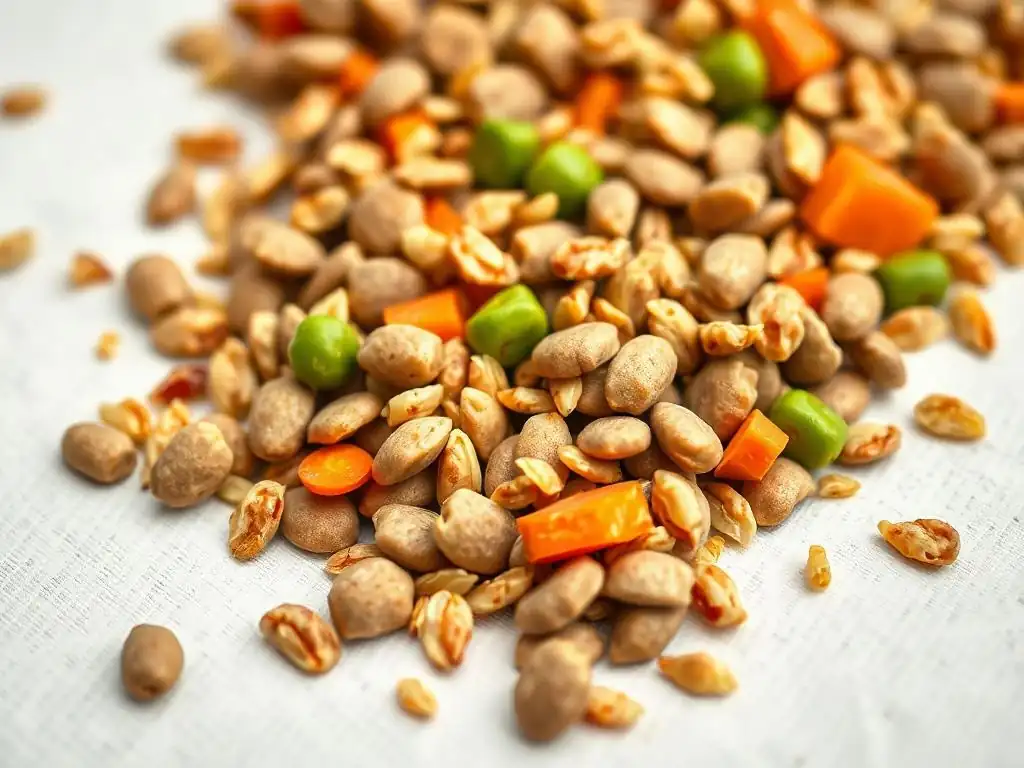
Dog food ingredient lists often feature a variety of grains and vegetables. Understanding these components is crucial for making informed choices about your dog's nutrition. Grains, such as corn, wheat, and rice, serve as inexpensive sources of carbohydrates, providing energy for your canine companion. However, some dogs may exhibit sensitivities or allergies to certain grains.
For instance, wheat allergies are relatively common, manifesting as skin irritation, digestive upset, or even vomiting. Always monitor your dog for any adverse reactions after introducing new foods. The inclusion of grains in the ingredient list doesn't automatically signify poor quality; many reputable brands utilize high-quality grains as part of a balanced formulation. The key is to look at the overall ingredient profile, not just focus on the presence or absence of specific grains.
Vegetables, on the other hand, contribute essential vitamins, minerals, and fiber. Common vegetables found in dog food include peas, carrots, and potatoes. These provide valuable nutrients and can contribute to a healthy digestive system. However, the nutritional value can vary depending on the processing methods used. For example, dehydrated vegetables will retain more nutrients than those that have undergone extensive processing.
Always check the label for specifics on how the vegetables were processed. Furthermore, some dogs might have individual preferences or sensitivities, even to vegetables. A gradual introduction of new ingredients is always recommended to observe for any potential reactions. A balanced diet should include a variety of vegetables to ensure a comprehensive intake of essential nutrients. Pay close attention to the order in which vegetables appear on the ingredient list; those listed earlier are present in larger quantities.
Understanding Fillers and Additives in Dog Food
Fillers and additives are often a source of confusion for dog owners navigating ingredient lists. Fillers are typically inexpensive ingredients added to increase the volume of the food without significantly contributing to its nutritional value. Common fillers include corn gluten meal, soy products, and certain grains. While not inherently harmful in moderate amounts, an excessive reliance on fillers can result in a less nutrient-dense food.
A food primarily composed of fillers may leave your dog feeling hungry and unsatisfied despite consuming a large volume. This can lead to overeating and potential weight gain. The presence of fillers isn't always a negative indicator, especially if they are balanced with other high-quality ingredients. However, it's important to prioritize foods with a higher proportion of meat and other nutrient-rich components.
Additives, on the other hand, are substances added to enhance the food's palatability, preservation, or other characteristics. These can include preservatives (like BHA and BHT), artificial colors, and flavor enhancers. While many additives are considered safe by regulatory bodies, some owners prefer to choose foods without artificial additives. Concerns about potential long-term health effects of certain additives remain a subject of ongoing discussion within the veterinary community.
Always carefully examine the ingredient list for additives, and research any that you are unfamiliar with. Some pet owners prioritize foods with natural preservatives, such as vitamin E or mixed tocopherols, over synthetic alternatives. Ultimately, the decision of whether or not to choose a food with additives is a personal one, based on your dog's individual needs and your own preferences. Remember to always consult with your veterinarian if you have concerns about specific ingredients or additives.
Analyzing the Ingredient List: What to Look For

Understanding your dog's food label is crucial for ensuring they receive optimal nutrition. This section delves into the key components of a dog food ingredient list and provides practical tips for decoding this often-confusing information. A well-informed pet owner is a better pet owner, and reading the ingredient list is the first step towards providing your canine companion with the best possible diet. Remember, the order of ingredients reflects their percentage by weight – the ingredient listed first is the most prevalent. This "Dog food ingredient list guide" will help you navigate this process effectively.
Identifying High-Quality Protein Sources in Dog Food
Protein is the cornerstone of a healthy canine diet, providing the building blocks for muscles, tissues, and enzymes. When analyzing a dog food ingredient list, look for named meat sources as the primary ingredients. Generic terms like "meat by-products" or "meat meal" are less desirable. High-quality protein sources are clearly identified, such as "chicken," "beef," "lamb," or "salmon." The more specific the description (e.g., "chicken breast" vs. "chicken"), the better. Avoid ingredients that are vague or don't specify the animal source.
High-quality protein sources are crucial for maintaining lean muscle mass, a healthy coat, and strong immune function in dogs. For example, a food listing "Chicken breast, chicken liver, chicken fat" indicates a higher quality protein source compared to one listing "Poultry by-product meal, meat meal." The former clearly identifies specific, easily digestible parts of the chicken, while the latter is less specific and could contain lower-quality ingredients.
Always prioritize named meat sources that are clearly identifiable and easily digestible for your dog. Consider the breed and age of your dog when choosing a protein source; some breeds may require more protein than others. Consulting your veterinarian can help determine your dog's specific protein needs.
Spotting Essential Fats and Oils for Canine Health
Essential fatty acids, such as omega-3 and omega-6 fatty acids, are vital for maintaining a healthy coat, skin, and immune system in dogs. Look for named sources of fats and oils in the ingredient list, such as "chicken fat," "fish oil," or "flaxseed oil." These provide essential fatty acids that your dog's body cannot produce on its own. The inclusion of these oils is a strong indicator of high-quality dog food.
The quantity of fats is also important. Too little fat can lead to deficiencies, while excessive fat can contribute to weight gain. A balanced amount is crucial. A good dog food will list these fats and oils in a reasonable quantity, usually appearing after the protein sources but before the carbohydrates.
Furthermore, the type of fat matters. Fish oil, for example, is rich in omega-3 fatty acids, known for their anti-inflammatory properties. The presence of these beneficial fats contributes significantly to your dog's overall health and well-being. Avoid foods with unspecified fats or oils, as these might contain lower quality or less beneficial fats.
Evaluating the Percentage of Meat in Your Dog's Food
While the ingredient list shows the order by weight, it doesn't always clearly state the total percentage of meat. This requires careful interpretation. If "chicken" is listed first, followed by "brown rice" and "barley," it suggests a higher meat content than a food where "corn" or "wheat" is listed first.
However, the exact percentage of meat remains unclear without further information from the manufacturer. Many companies now provide guaranteed analysis statements on their packaging, which will specify the minimum percentage of crude protein, fat, and fiber. This helps to assess the overall meat content indirectly, as higher protein often correlates with a higher proportion of meat sources.
To get a clearer picture, compare the guaranteed analysis of different brands. Look for higher percentages of crude protein and fat, which generally indicate a higher meat content. Remember that the information provided on the packaging is a minimum guarantee. The actual content could be higher, but it will never be lower than the stated percentage.
Always cross-reference the ingredient list with the guaranteed analysis for a more comprehensive understanding of your dog's food composition. This holistic approach, combined with an understanding of ingredient order, helps you make informed decisions about your dog's diet. 🔎 Remember to always consult your veterinarian for personalized dietary advice for your dog.
Understanding Guaranteed Analysis and its Importance
The Guaranteed Analysis (GA) statement on a dog food label is a crucial piece of information that provides minimum percentages of crude protein, crude fat, crude fiber, and moisture. Understanding this analysis is key to evaluating the nutritional value of the food. The percentages listed aren't necessarily reflective of the total protein, fat, etc., in the food, but rather represent the minimum amounts guaranteed to be present. This is important because it sets a baseline standard for the product's nutritional content. Manufacturers are legally bound to meet these minimums, ensuring a certain level of nutritional adequacy.
For example, a guaranteed analysis might show a minimum of 25% crude protein. This doesn't mean the food contains exactly 25% protein; it could contain more, but it's guaranteed to have at least that amount. Looking at the guaranteed analysis in conjunction with the ingredient list allows for a more comprehensive assessment of the food's quality.
A high percentage of crude protein, for instance, doesn't automatically indicate superior quality. The source of the protein is equally important—is it high-quality meat, or a less desirable filler? A low crude fiber percentage might be desirable for some dogs with sensitive digestive systems, while a higher percentage could be beneficial for others.
The optimal balance depends on your individual dog's needs and health considerations. Consulting with a veterinarian is always recommended if you have specific concerns about your dog's dietary requirements. They can help interpret the guaranteed analysis and recommend a suitable food based on your dog's age, breed, activity level, and any health conditions.
Identifying Potential Allergens in Dog Food Ingredients
Many dogs suffer from food allergies, and identifying potential allergens in dog food ingredients is critical for their well-being. Common canine allergens include beef, chicken, dairy, wheat, soy, corn, and eggs. These ingredients are frequently found in commercial dog foods, so careful scrutiny of the ingredient list is necessary.
The ingredient list is ordered by weight, with the most prevalent ingredient listed first, and so on. If your dog shows signs of an allergic reaction, such as itching, digestive upset, or skin problems, you should immediately consult your veterinarian. They can perform allergy testing to pinpoint the specific allergen and recommend a suitable elimination diet.
It's important to note that even seemingly innocuous ingredients can be problematic for some dogs. For example, while potatoes are often considered a hypoallergenic option, some dogs may still react to them. Similarly, certain preservatives and additives, even in small amounts, can trigger allergic reactions in sensitive dogs. Therefore, reading the entire ingredient list carefully, not just the first few items, is essential.
Look for terms like "natural flavors" or "artificial colors," which can be potential sources of allergens. Opting for dog foods with clearly defined, recognizable ingredients, avoiding artificial additives whenever possible, is a good strategy for minimizing allergy risks. Furthermore, choosing single-source protein dog foods can help to identify and eliminate a potential allergen more easily if a reaction occurs. Remember, a holistic approach to your dog’s health, including a careful review of their food's ingredient list and veterinary consultation, is crucial for their long-term well-being.
Choosing the Right Dog Food Based on Ingredient List

Selecting the right dog food can feel overwhelming given the sheer number of brands and options available. A thorough understanding of how to read a dog food ingredient list is crucial for making informed decisions that support your canine companion's health and well-being. This section focuses on utilizing the ingredient list to choose a food that's right for your dog. Remember, the order of ingredients reflects their quantity – ingredients listed first are present in the highest amounts.
Selecting Dog Food for Specific Dietary Needs and Allergies
Many dogs have specific dietary needs or allergies. Understanding how to decipher ingredient lists becomes even more critical in these situations. For example, a dog with a chicken allergy will need a food where chicken (or chicken by-products) is absent from the ingredient list. Look for alternative protein sources like lamb, fish (salmon, cod), or novel proteins like venison or duck.
It's also important to be aware of hidden sources of allergens. For instance, chicken fat might be listed even if chicken meat isn't, and this could still trigger a reaction. Carefully examine the entire list, paying close attention to words like "hydrolyzed," "digest," or "meal," as these can indicate processed protein sources that might contain allergens.
For dogs with sensitive stomachs or digestive issues, look for foods with easily digestible ingredients like brown rice, sweet potatoes, and oatmeal, listed prominently in the ingredient list. Avoid foods with high levels of fillers or artificial ingredients, which can exacerbate digestive problems. Always consult your veterinarian before making significant dietary changes, especially if your dog has pre-existing health conditions.
Here's a table summarizing common allergens and suitable alternatives:
| Allergen | Suitable Alternatives | Notes |
|---|---|---|
| Chicken | Lamb, Salmon, Venison, Duck | Check for chicken fat or by-products as well. |
| Beef | Turkey, Rabbit, Fish | Similar to chicken, watch out for related ingredients. |
| Dairy | None (generally avoided) | Many dogs are lactose intolerant. |
| Wheat | Brown Rice, Oats, Sweet Potatoes | Look for grain-free options or those using alternative grains. |
| Soy | Pea protein, Potato protein | Soy is a common allergen; check for soy lecithin as well. |
Comparing Different Dog Food Brands Based on Ingredients
Comparing different dog food brands solely based on price can be misleading. A cheaper food might contain a higher percentage of fillers and lower-quality ingredients. Analyzing the ingredient list allows for a more informed comparison.
Focus on the first few ingredients. A high-quality dog food will typically list a named meat source (e.g., "chicken," "salmon") as the primary ingredient, followed by other wholesome ingredients like fruits, vegetables, or whole grains. Avoid foods where the first ingredient is a vague term like "meat by-products" or "animal digest," as these lack transparency and often indicate lower-quality ingredients.
Consider the overall composition. A good balance of protein, fat, and carbohydrates is essential. The percentage of protein should be appropriate for your dog's age, activity level, and breed. Too much or too little protein can be detrimental to their health. Look for a detailed nutritional analysis on the packaging, providing specific percentages for protein, fat, and fiber.
Use this information to compare several brands side-by-side. Create a simple table to help organize your findings and make a better-informed decision based on ingredient quality and nutritional balance. Remember that a holistic approach incorporating factors beyond just ingredients (like brand reputation and customer reviews) will lead to the best outcome for your dog.
Reading Dog Food Ingredient Lists for Senior Dogs
Senior dogs have different nutritional needs than younger dogs. Their metabolisms slow down, and they may require more easily digestible food and additional support for joint health and cognitive function. When reading ingredient lists for senior dog food, pay close attention to the following:
- Protein Source and Quality: Senior dogs still need sufficient protein, but it should be highly digestible to avoid straining their digestive system. Look for easily digestible proteins like fish or lamb.
- Fat Content: While fat is important for energy, older dogs might need a slightly lower fat content to avoid weight gain. However, a lack of essential fatty acids can negatively impact skin and coat health, so moderation is key.
- Fiber Content: Sufficient fiber aids in digestion and can help prevent constipation, a common issue in senior dogs. Look for sources of fiber like whole grains or vegetables.
- Supplements: Many senior dog foods include supplements like glucosamine and chondroitin to support joint health, and antioxidants to combat oxidative stress. Check the ingredient list for these beneficial additions.
- Calorie Density: Senior dogs often have lower calorie requirements, so consider the calorie density of the food to avoid weight gain.
It is crucial to consult your veterinarian before switching your senior dog to a new food. They can assess your dog's individual needs and recommend a suitable diet to maintain their health and well-being during their golden years. The ingredient list is a valuable tool, but professional advice is essential for optimal care. 🐶
Choosing Dog Food Based on Life Stage and Breed
Understanding your dog's life stage and breed is crucial when deciphering dog food ingredient lists. Nutritional needs vary significantly throughout a dog's life, from puppyhood to senior years. Puppies, for example, require higher levels of protein and fat for growth and development.
A puppy food ingredient list will reflect this, showcasing meat sources high in protein near the top of the list, followed by healthy fats like chicken fat or fish oil. Conversely, senior dogs often need lower calorie diets with added joint support ingredients like glucosamine and chondroitin. You'll find these listed prominently in senior dog food ingredient lists.
Failing to choose a food appropriate for your dog's life stage can lead to health problems; puppies fed adult food might not grow properly, while senior dogs fed puppy food may gain excessive weight, putting a strain on their joints. This highlights the importance of carefully examining the label and understanding the context of the ingredients within the dog's specific life stage.
Furthermore, breed-specific needs also play a critical role. Large breed dogs, for instance, are prone to hip and joint dysplasia. Therefore, a high-quality large breed dog food will often include ingredients aimed at supporting joint health, such as glucosamine and chondroitin sulfate, as mentioned earlier. These ingredients will likely be listed more prominently than in a food formulated for small breeds.
Similarly, certain breeds are predisposed to specific health conditions. For example, some breeds are more susceptible to allergies. In such cases, choosing a dog food with limited ingredients and a clear indication of potential allergens (like beef, chicken, or dairy) is essential. Always check the ingredient list for potential allergens and consider hypoallergenic options if your dog has known allergies.
Reading the ingredient list carefully, considering both life stage and breed-specific needs, empowers you to make the best dietary choices for your canine companion. It's not just about the presence of certain ingredients, but their placement and relative amounts within the context of your dog's specific requirements. Remember to consult your veterinarian for personalized advice on choosing the optimal dog food for your breed and life stage.
Beyond the Ingredient List: Other Factors to Consider
While understanding your dog's food ingredient list is crucial for making informed decisions, it's only one piece of the puzzle. A truly comprehensive approach to choosing the best dog food requires considering several other vital factors. Don't solely rely on the ingredient list; a holistic evaluation is key to ensuring your canine companion receives optimal nutrition.
This section delves into additional aspects you should investigate when selecting a dog food, expanding beyond the simple ingredient breakdown to encompass a broader view of quality and suitability. This deeper dive will help you become a more discerning dog food shopper, ultimately benefiting your pet's health and well-being.
Considering the Dog Food's Overall Nutritional Profile
The ingredient list provides a snapshot of what is in the food, but the nutritional profile reveals how much of each nutrient is present. A food might list chicken as the first ingredient, but the actual percentage of chicken protein might be surprisingly low. Look for guaranteed analysis statements on the packaging.
These statements provide minimum percentages for crude protein, crude fat, crude fiber, and moisture. These values, along with the AAFCO (Association of American Feed Control Officials) statement, indicate if the food meets nutritional requirements for a specific life stage (puppy, adult, senior). For example, a high-quality adult dog food should have a protein content of at least 18-22%, with a suitable fat content to maintain energy levels.
A balanced nutritional profile ensures your dog receives the necessary building blocks for a healthy life, going beyond just the presence of specific ingredients. Pay close attention to the balance of macronutrients (protein, fat, carbohydrates) and micronutrients (vitamins and minerals) to make sure it aligns with your dog's specific needs and breed characteristics. Don't hesitate to compare the nutritional profiles of different brands and formulas to find the best fit for your furry friend.
Evaluating the Brand's Reputation and Manufacturing Processes
Beyond the ingredient list and nutritional profile, the brand's reputation and manufacturing processes play a significant role in determining the overall quality of the dog food. Researching the brand's history, customer reviews, and any recalls can provide valuable insights into their commitment to quality control. Look for brands that are transparent about their sourcing practices and manufacturing processes.
Some high-quality brands emphasize human-grade ingredients, ethical sourcing, and sustainable practices. These factors can significantly impact the quality, safety, and overall value of the dog food. Consider whether the manufacturer uses rigorous quality control measures throughout the production process, from ingredient selection to packaging.
This attention to detail can significantly affect the final product's nutritional value and safety. A reputable brand will often openly share information about their facilities and production methods, allowing you to assess their commitment to delivering a superior product. Remember, a positive reputation and robust manufacturing processes are indicators of a brand's dedication to providing high-quality dog food.
Sourcing Information from Veterinary Professionals
While online resources and ingredient lists provide valuable information, seeking advice from veterinary professionals remains crucial. Veterinarians can assess your dog's individual needs and recommend specific dog foods based on breed, age, activity level, and any existing health conditions. They can provide personalized guidance and help you navigate the complexities of dog food selection. Regular veterinary check-ups are essential for monitoring your dog's health and making necessary adjustments to their diet.
Don't hesitate to discuss your dog's food choices with your veterinarian—they can offer expert insights and help you make the best decisions for your pet's long-term health and happiness. A veterinarian's professional opinion, combined with your own research, will equip you to make informed choices, ensuring your dog thrives on a diet tailored to their unique requirements. This collaborative approach to pet nutrition is invaluable for maintaining your dog's overall well-being.
Understanding Dog Food Packaging and Labeling Regulations
Navigating dog food labels can be confusing, even for experienced pet owners. Understanding the regulations governing what manufacturers can and cannot put on their packaging is crucial for making informed decisions. These regulations, while varying slightly by country, generally aim to ensure transparency and prevent misleading claims.
For example, in many regions, there are strict rules about the order in which ingredients are listed, always starting with the most prevalent ingredient by weight. This is vital because it allows pet owners to quickly assess the primary components of the food. A label prominently featuring "Chicken" but listing corn or wheat as the first ingredient is a clear example of potentially misleading marketing.
Furthermore, regulations often dictate the specific wording used to describe ingredients. Terms like "natural," "organic," and "holistic" are often subject to specific definitions or limitations. A product labeled "natural" might still contain artificial preservatives or other additives that some owners wish to avoid. Therefore, always check the full ingredient list rather than relying solely on marketing terms. Many countries also have stringent rules about making health claims, ensuring that any statements about improved digestion, shinier coat, or enhanced energy levels are backed by scientific evidence. Lack of such evidence often results in legal action against the manufacturer.
Understanding these regulations empowers pet owners to critically evaluate dog food labels and avoid products that make unsubstantiated claims. It's important to note that these regulations are constantly evolving, so staying informed about changes in your region is key to responsible pet ownership. Regularly checking government websites and reputable pet care resources will help you stay up-to-date on the latest labeling rules and interpretations.
This is particularly important because changes in regulations can affect how you interpret the ingredient list itself. Therefore, continuous learning about dog food packaging and labeling is a crucial aspect of responsible pet nutrition. The more you understand, the better equipped you are to choose the best food for your canine companion.
Frequently Asked Questions
What is the most important thing to look for when reading a dog food ingredient list?
The most important factor is the order of ingredients. Ingredients are listed by weight, so those listed first make up the largest portion of the food. Look for named meat sources (e.g., chicken, beef) early in the list.
What should I avoid in my dog's food?
Avoid ingredients like artificial colors, flavors, and preservatives, as well as fillers such as corn, wheat, and soy, unless your dog has no sensitivities. Focus on whole, recognizable ingredients.
How do I know if the protein source is high-quality?
Look for specific meat sources (e.g., "chicken meal," "beef," not just "meat"). A high-quality protein source will be listed early in the ingredient list. Check for reputable brands with transparent sourcing.
What does "by-product" mean in dog food ingredients?
"By-products" refer to parts of the animal not typically consumed by humans. While some by-products are nutritious, others are less desirable. It's best to choose foods with whole meat sources rather than relying heavily on by-products.
My dog has allergies. How can this guide help me?
This guide helps you identify potential allergens by carefully examining the ingredient list. By understanding the order and types of ingredients, you can better choose foods that avoid your dog's known sensitivities and minimize potential allergic reactions.
Final Reflection: Decoding the Canine Cuisine: A Journey Towards Informed Choices
Understanding your dog's food label is no longer a niche pursuit; it's a crucial step in ensuring their health and well-being. The quality of ingredients directly impacts your furry friend's energy levels, coat condition, and overall vitality, making informed choices paramount in today's vast pet food market. This knowledge empowers you to become a truly proactive advocate for your canine companion.
The journey of learning to decipher dog food ingredient lists has been a deeply personal one for me, transforming my relationship with my own pets. I've witnessed firsthand the positive impact of choosing high-quality, ingredient-focused food. The food you give your dog is the foundation of their health,
a veterinarian once told me, and those words have resonated deeply throughout this exploration. The shift from casual feeding to conscious selection has been incredibly rewarding, not only for my dogs but also for my understanding of responsible pet ownership.
Now, it's your turn. Take the knowledge gained from this guide and apply it to your own dog's diet. Don't be intimidated by the seemingly complex ingredient lists; instead, embrace the opportunity to make informed decisions that will directly benefit your beloved pet. Start reading those labels, compare brands, and most importantly, watch your dog thrive as a result of your newfound expertise. Your dog deserves nothing less than the best, and understanding their food is the first step towards providing it.
Unlock Your Dog's Health: Take Action Today!
Thanks for learning how to understand dog food ingredient lists! You're now equipped to make better choices for your canine companion. Ready to put your knowledge to use?
- Prioritize healthier food: Carefully examine your dog's current food label, comparing the ingredients to the guidelines discussed above. Don't hesitate to switch brands if needed!
- Share your knowledge: Tell your friends and family about the importance of understanding pet food ingredients. They'll appreciate it—and so will their pets!
- Advocate for better pet food: Write a review of your dog's current food, highlighting both its strengths and weaknesses, to help create a more transparent market.
What ingredient will you be most scrutinizing next time you shop for pet food?