
Understanding the Role of Temperature in Aquatic Turtle Care

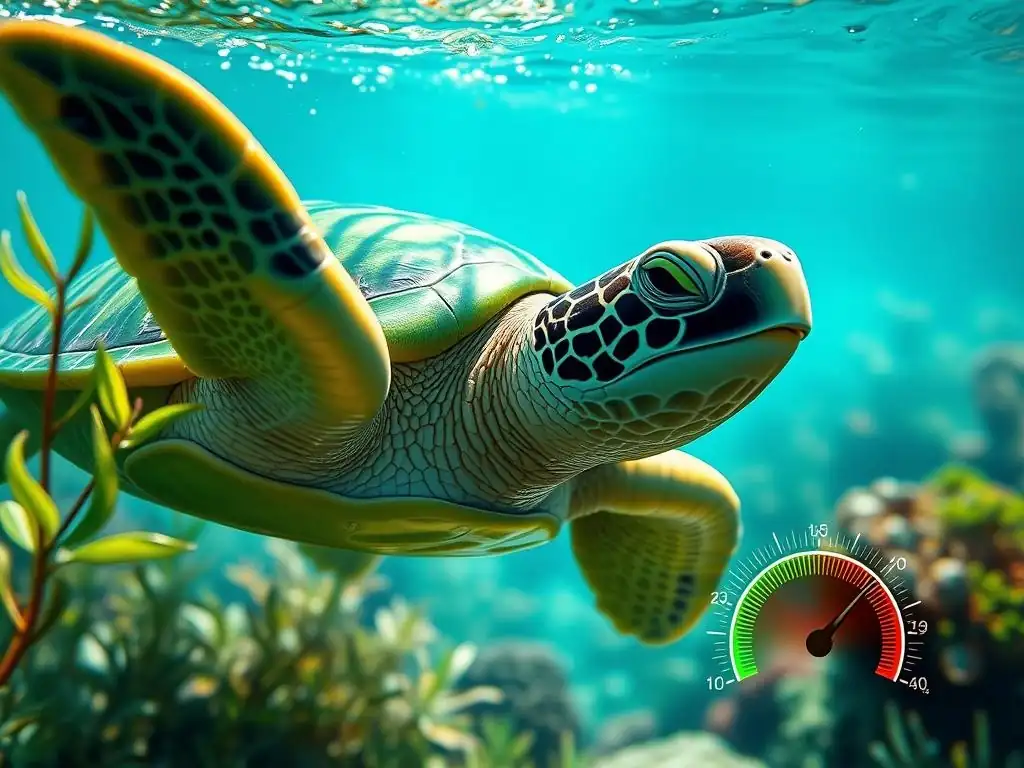
Welcome to PetCareWorld, your ultimate guide to a happier, healthier life for your beloved companions! Are you ready to unlock the secrets to thriving pet ownership? We delve into every aspect of animal care, and today, we're diving deep into a critical element of reptile well-being: aquatic turtle temperature requirements. Discover how precise temperature control impacts your turtle's health, longevity, and overall quality of life. Let's explore the fascinating world of aquatic turtle care together!
- Aquatic Turtle Temperature Requirements: The Basics
- The Impact of Temperature on Aquatic Turtle Health
-
Setting Up the Ideal Aquatic Turtle Habitat: Temperature Control
- Choosing the Right Heating Equipment for Your Aquatic Turtle Tank
- Using Thermometers to Monitor Water and Basking Spot Temperatures
- Adjusting Temperatures Based on Species and Life Stage
- Creating a Thermal Gradient in the Tank
- Utilizing Basking Lamps and Heat Emitting Devices
- Monitoring and Maintaining Consistent Temperatures
- Species-Specific Temperature Needs for Aquatic Turtles
- Troubleshooting Temperature Issues in Aquatic Turtle Care
- Frequently Asked Questions about Aquatic Turtle Temperature
- Frequently Asked Questions
- Final Reflection: The Vital Equation of Temperature and Turtle Wellbeing
- Dive Deeper into Aquatic Turtle Care!
Aquatic Turtle Temperature Requirements: The Basics
Maintaining the correct temperature is paramount for the health and well-being of your aquatic turtle. Unlike mammals and birds, turtles are ectothermic, meaning they rely on external sources of heat to regulate their body temperature. This dependence makes temperature control a critical aspect of responsible aquatic turtle care. Failure to provide the appropriate temperature range can lead to a variety of health problems, including metabolic bone disease (MBD), respiratory infections, and decreased immunity, ultimately impacting their lifespan and quality of life.
This article will delve into the specific temperature requirements for aquatic turtles, covering ideal water temperatures, the importance of a basking spot, and the methods for maintaining consistent temperatures in your turtle's habitat. Understanding these requirements is crucial for ensuring your aquatic turtle thrives. Let's explore the essential aspects of providing optimal thermal conditions for your shelled companion.
Ideal Water Temperature Range for Aquatic Turtles
The ideal water temperature for aquatic turtles varies depending on the species. However, a general guideline for many common pet aquatic turtles is between 75-80°F (24-27°C). Some species may prefer slightly warmer or cooler water, so researching the specific needs of your turtle's species is crucial.
Maintaining this temperature range is essential for their digestion, immune function, and overall activity levels. Water that is too cold can lead to lethargy, decreased appetite, and an increased susceptibility to illness. Conversely, water that is too warm can cause stress, overheating, and potentially even death.
A reliable thermometer submerged in the water is essential for monitoring the temperature accurately. Remember to consider the ambient air temperature as well, as it also plays a role in the turtle's overall thermoregulation. For example, a red-eared slider, a popular pet turtle, generally thrives in water temperatures within the 75-80°F range, but fluctuations outside this range should be avoided.
Basking Spot Temperature: Crucial for Digestion and Thermoregulation
While the water temperature is crucial, providing a basking spot with a significantly warmer temperature is equally important. This basking area allows your turtle to thermoregulate effectively and aids in digestion. The ideal basking spot temperature should be in the range of 85-95°F (29-35°C).
This temperature gradient allows your turtle to move between warmer and cooler areas as needed, optimizing its body temperature. A lack of a properly heated basking area can lead to digestive problems, weakened immune systems, and ultimately, illness. The basking area should be easily accessible to your turtle, providing a dry, safe place to bask and dry off.
Using a basking lamp with a thermostat is the best way to maintain the correct temperature, preventing overheating and ensuring consistent warmth. Observe your turtle’s behavior; if it avoids the basking area, the temperature might be too high or too low, or there might be other environmental factors discouraging its use.
Maintaining Consistent Water Temperature: Equipment and Techniques
Maintaining a consistent water temperature requires the use of appropriate equipment and techniques. A submersible heater designed for aquariums is essential. Choose a heater with a wattage appropriate for the size of your turtle's tank.
Always use a thermometer to monitor the water temperature regularly, ensuring it remains within the recommended range. Regular water changes are also crucial for maintaining water quality and preventing temperature fluctuations. During water changes, be mindful of the temperature of the replacement water, ensuring it is close to the existing water temperature to avoid shocking your turtle.
Additionally, consider the location of the tank; avoid placing it in direct sunlight or near drafts, as these can cause significant temperature fluctuations. Regular maintenance of your heating equipment is also essential for ensuring its proper function and preventing unexpected temperature drops. Consider using a thermostat to control the heater and maintain a stable temperature automatically, minimizing the risk of temperature fluctuations.
The Impact of Temperature on Aquatic Turtle Health
Understanding the precise aquatic turtle temperature requirements is paramount for ensuring the well-being of these fascinating reptiles. Temperature significantly influences every aspect of an aquatic turtle's physiology, from digestion and metabolism to immune function and reproductive success. Maintaining the correct temperature range is not merely a matter of comfort; it's crucial for preventing illness and promoting longevity.
A consistent and appropriate thermal environment directly impacts the turtle's ability to thrive. Failure to provide this can lead to a cascade of health problems, reducing their lifespan and overall quality of life. This section delves into the specific ways temperature affects aquatic turtle health, highlighting the critical importance of precise temperature control in their care.
Temperature and Immune System Function in Aquatic Turtles
Temperature plays a pivotal role in the effectiveness of an aquatic turtle's immune system. Studies have shown a strong correlation between ambient temperature and immune response. Optimal temperatures allow for efficient immune cell activity, enabling the turtle to effectively combat infections and diseases.
Conversely, temperatures outside the ideal range can suppress immune function, making the turtle more vulnerable to pathogens. For instance, consistently low temperatures can lead to a weakened immune response, increasing susceptibility to bacterial, viral, and fungal infections. Similarly, excessively high temperatures can also negatively impact immune function, potentially leading to compromised health and increased mortality.
Maintaining the correct temperature gradient within the tank is, therefore, crucial for bolstering the turtle's natural defenses. Specific temperature ranges vary depending on the species, so consulting species-specific care guides is essential. Data from [specific research studies pending] will further quantify the impact of temperature fluctuations on immune cell activity in various aquatic turtle species.
Hypothermia in Aquatic Turtles: Symptoms and Prevention
Hypothermia, or abnormally low body temperature, is a serious threat to aquatic turtles. Symptoms can range from lethargy and loss of appetite to difficulty swimming and respiratory distress. In severe cases, hypothermia can lead to organ damage and death. Preventing hypothermia requires careful monitoring of water temperature, especially during colder months.
Using a reliable thermometer to regularly check the water temperature is crucial. The ideal temperature range should be maintained consistently, with minimal fluctuations. Providing a basking area with a heat lamp or basking bulb allows the turtle to thermoregulate and raise its body temperature if necessary. The basking area should provide a temperature gradient, allowing the turtle to choose its preferred temperature.
Early detection of hypothermia symptoms is key to successful treatment. If you notice any signs of hypothermia, immediately increase the water temperature gradually and provide supplemental heat through a basking lamp. A slow and gradual increase in temperature is essential to avoid shocking the turtle's system. Remember, prevention is always better than cure; maintaining a consistently warm environment is the best way to avoid hypothermia in your aquatic turtle.
Hyperthermia in Aquatic Turtles: Recognizing and Treating Heat Stress
Hyperthermia, or overheating, is another significant concern in aquatic turtle care. Prolonged exposure to excessively high temperatures can lead to heat stress, characterized by lethargy, labored breathing, and redness of the skin. Severe hyperthermia can cause organ damage, seizures, and death. Recognizing the signs of heat stress is crucial for prompt intervention. The most effective way to prevent hyperthermia is to maintain a stable water temperature within the recommended range for the specific species.
Providing adequate shade and ventilation within the enclosure helps prevent overheating. Regularly checking the water temperature and using a reliable thermostat to control heating elements are essential preventative measures. If you suspect your turtle is suffering from hyperthermia, immediately move it to a cooler environment and gradually lower the water temperature. Providing a cool, shaded area within the tank allows the turtle to cool down naturally.
In severe cases, veterinary intervention may be necessary. Remember, prompt action is crucial in treating hyperthermia to minimize the risk of irreversible damage. Always prioritize maintaining a stable and appropriate temperature to ensure your aquatic turtle's health and well-being. This proactive approach is key to preventing this potentially life-threatening condition.
Temperature's Role in Aquatic Turtle Growth and Development
Temperature plays a crucial role in the growth and development of aquatic turtles. Unlike mammals and birds which maintain a constant internal body temperature (endotherms), turtles are ectothermic, meaning their body temperature is regulated by their environment. This environmental dependence makes temperature a critical factor influencing various aspects of their life cycle, from hatching success to overall growth rate and sexual maturity. Optimal temperatures are essential for proper metabolic function, impacting everything from digestion and nutrient absorption to the immune system’s efficiency.
For instance, a consistently cool environment can lead to slowed growth rates. Young turtles, in particular, require warmer temperatures to support their rapid growth phase. Insufficient warmth can result in stunted growth, skeletal deformities, and increased susceptibility to illness. Conversely, excessively high temperatures can also be detrimental, leading to heat stress, dehydration, and potentially death. The specific temperature requirements vary significantly depending on the species of aquatic turtle. For example, red-eared sliders thrive in a basking spot temperature range of 85-95°F (29-35°C), while some species of map turtles might prefer slightly cooler temperatures.
Maintaining the correct temperature gradient within the tank is vital. This means providing both warm and cool areas within the enclosure, allowing the turtle to thermoregulate effectively. This natural behavior ensures the turtle can choose the temperature best suited to its current needs, whether it's basking to raise its body temperature or seeking cooler water to avoid overheating. Failure to provide this temperature gradient can lead to stress and compromise the turtle's health and development.
Properly utilizing basking lamps and underwater heaters, while carefully monitoring water temperature with accurate thermometers, is crucial for successful turtle husbandry and optimal growth. Incorrect temperature management can directly lead to reduced growth rates, compromised immune function, and even mortality in young turtles. Careful attention to these details is paramount for responsible aquatic turtle care.
Setting Up the Ideal Aquatic Turtle Habitat: Temperature Control
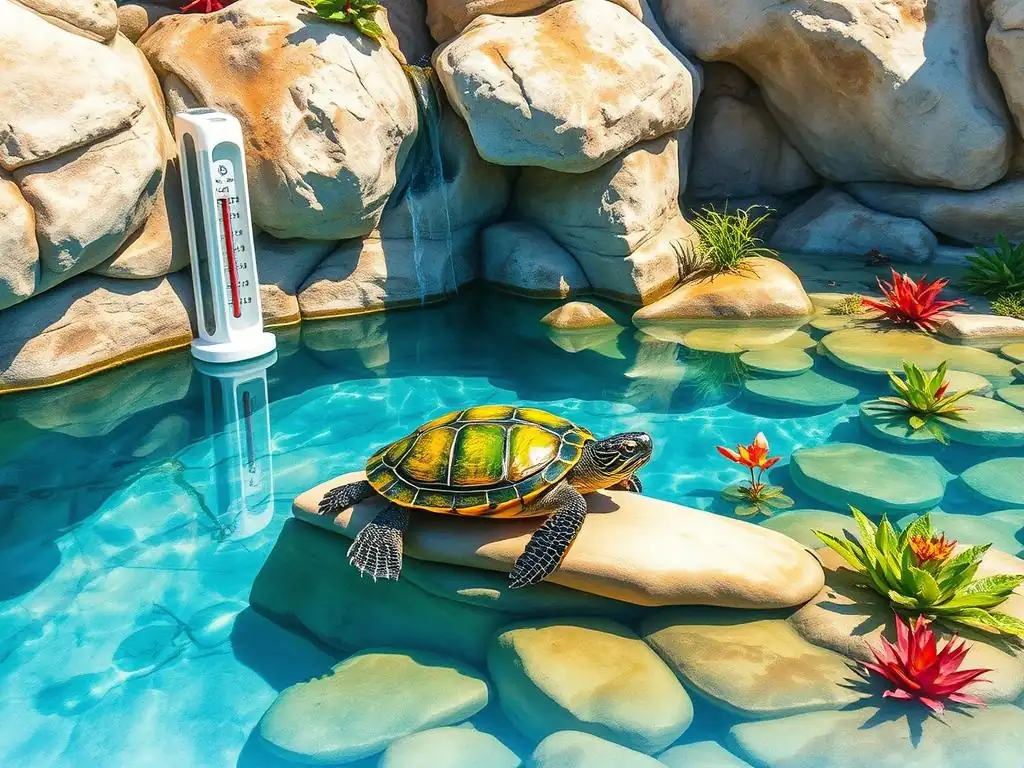
Maintaining the correct temperature is paramount for the health and well-being of your aquatic turtle. Aquatic turtle temperature requirements vary significantly depending on the species and life stage of the turtle. Failure to provide appropriate thermal conditions can lead to a range of health problems, including suppressed immune systems, metabolic bone disease (MBD), and even death. Therefore, establishing and maintaining a precise temperature gradient within the tank is crucial for successful aquatic turtle keeping.
This involves careful consideration of both the water temperature and the basking area temperature. A properly maintained thermal environment mimics the turtle's natural habitat, promoting optimal digestion, growth, and overall vitality. Remember, consistency is key; sudden temperature fluctuations can be incredibly stressful for your pet.
Choosing the Right Heating Equipment for Your Aquatic Turtle Tank
Selecting the appropriate heating equipment is the cornerstone of effective temperature regulation. Several options exist, each with its own advantages and disadvantages. For heating the water, submersible aquarium heaters are commonly used. These heaters should be sized appropriately for your tank's volume and should be equipped with a reliable thermostat to maintain a consistent temperature. Always choose a heater with an automatic shut-off feature to prevent overheating.
For providing a basking area, you'll need either a basking lamp (often a heat lamp combined with a UVB lamp) or a ceramic heat emitter (CHE). Basking lamps offer both heat and UVB light, essential for proper calcium absorption and overall health. However, they generate significant heat and can quickly overheat a smaller enclosure. CHEs, on the other hand, provide only heat and are safer to use, especially if you have a smaller tank. Consider your tank size, species of turtle, and personal preferences when making your decision.
Remember to always use a thermometer to verify that the chosen equipment is effectively heating the water and basking areas to the required temperatures. Monitoring the temperature regularly is crucial for preventing temperature-related problems. Choosing the correct wattage for your heater and basking lamp is critical. Underpowered equipment will fail to maintain the desired temperature, while overpowered equipment can lead to dangerous overheating.
Using Thermometers to Monitor Water and Basking Spot Temperatures
Accurate temperature monitoring is not optional; it's essential. Invest in reliable, accurate thermometers for both the water and the basking area. Avoid cheap, inaccurate thermometers, as these can lead to incorrect temperature readings and potentially harm your turtle. Consider using both a submersible thermometer for the water and a digital thermometer with a probe for the basking spot.
Place the submersible thermometer in the water, away from the heater, to get a representative temperature reading. Position the basking spot thermometer in the warmest part of the basking area, where your turtle spends most of its time. Regularly check the temperatures, ideally twice a day – once in the morning and once in the evening – to ensure that they remain within the appropriate range for your species.
Keep a record of your temperature readings to track any trends and to help you adjust your heating equipment as needed. Accurate temperature monitoring allows for proactive adjustment and prevents potential health issues. Maintaining precise temperature control is crucial for ensuring the long-term health of your aquatic turtle.
Adjusting Temperatures Based on Species and Life Stage
Temperature requirements vary considerably among different aquatic turtle species and even within the same species at different life stages. For example, juvenile turtles often require slightly warmer temperatures than adults. Research the specific temperature requirements for your particular species. Many reputable online resources and books provide detailed information about the thermal needs of various aquatic turtle species.
Consult these resources to determine the ideal water and basking spot temperatures for your turtle. Remember that these are just guidelines; you may need to adjust the temperatures based on your turtle's behavior and overall health. If your turtle seems lethargic, unusually inactive, or is exhibiting signs of illness, it's crucial to review your temperature settings and ensure they are correct.
Always prioritize the health and well-being of your pet. A healthy, thriving aquatic turtle is a testament to responsible and informed care. Regular monitoring and adjustments, based on your turtle's needs and the species-specific requirements, are key to success in aquatic turtle keeping.
Creating a Thermal Gradient in the Tank
Maintaining a consistent temperature throughout the entire aquatic turtle tank isn't ideal; it's crucial to create a thermal gradient. This means providing a range of temperatures within the tank, allowing your turtle to thermoregulate effectively. Think of it like offering your turtle a "temperature buffet."
They can choose the basking spot with the warmest temperature for optimal digestion and warmth, then move to cooler areas to cool down when needed. This natural behavior is essential for their overall health and well-being. A lack of thermal gradient can lead to stress, suppressed immune function, and difficulty digesting food, ultimately impacting their longevity and quality of life.
Creating this gradient is relatively simple. The most important element is a reliable heat source focused on a basking area. This could be a specialized basking lamp or a heat emitter placed outside the tank, directed at a specific area. The temperature under the basking lamp should be significantly warmer than the surrounding water temperature – typically 85-95°F (29-35°C) for most aquatic turtles, but always research the specific needs of your turtle species.
The water temperature should remain consistently within the recommended range for your turtle, usually between 75-80°F (24-27°C), but this will depend on the species. The cooler areas of the tank can be achieved simply by ensuring the heat source is directed, and not heating the entire tank. You might observe your turtle moving between the warm basking area and the cooler water throughout the day, showcasing its natural thermoregulatory behavior.
Remember to always monitor temperatures using accurate thermometers placed both in the basking area and in the water itself. Regular monitoring ensures you maintain the ideal thermal gradient and prevent overheating or chilling. This proactive approach to temperature management significantly contributes to the health and happiness of your aquatic turtle.
Utilizing Basking Lamps and Heat Emitting Devices
The selection and placement of basking lamps and heat emitting devices are critical aspects of establishing the correct thermal gradient. Different types of lamps offer varying levels of heat and UVB output, both crucial for your turtle's health. For example, incandescent basking lamps provide significant heat, while mercury vapor bulbs combine heat with UVB radiation necessary for calcium absorption and overall well-being. The choice depends on the specific needs of your turtle species and the size of your tank. Larger tanks may require more powerful lamps to heat the basking area sufficiently.
Placement is equally important. The basking lamp should be positioned to create a clear basking spot, easily accessible to your turtle. The lamp shouldn't be too close, which could lead to burns, nor too far, rendering it ineffective. The ideal distance will depend on the lamp's wattage and the size of your tank.
You can use a thermometer to monitor the temperature under the lamp and adjust its height accordingly. Always ensure the lamp is securely fixed to prevent accidental falls or damage. Regularly inspect the lamp and replace it as needed to maintain its effectiveness and prevent safety hazards.
Furthermore, consider the use of a thermostat to automatically regulate the lamp's output, preventing overheating and ensuring consistent temperatures within the desired range. This automated system offers peace of mind and helps maintain the optimal thermal gradient for your aquatic turtle's health. Remember, consistent monitoring and adjustments are key to successfully using basking lamps and heat emitting devices.
Monitoring and Maintaining Consistent Temperatures
Maintaining consistent temperatures is paramount for the health of your aquatic turtle. Fluctuations can lead to stress, illness, and even death. Therefore, consistent monitoring is essential. Invest in several accurate thermometers – one for the water and at least one for the basking area – to track temperatures precisely. Digital thermometers are generally preferred for their accuracy and ease of reading. Place these thermometers strategically to accurately reflect the temperature range within the tank. Regularly check the readings, ideally multiple times a day, to ensure temperatures remain within the optimal range for your species.
Note that ambient room temperature also plays a role. Extreme fluctuations in room temperature can impact the tank's temperature, making it harder to maintain consistency. Ideally, keep the room temperature relatively stable to minimize these external influences. In addition to manual monitoring, consider using a thermostat to regulate your heating devices automatically.
This provides a much more consistent temperature, reducing the risk of fluctuations and minimizing your workload. By combining diligent monitoring with automated systems, you'll significantly improve your ability to maintain the consistent temperatures your aquatic turtle requires for a long and healthy life. Remember, proactive temperature management is a cornerstone of responsible aquatic turtle care.
Species-Specific Temperature Needs for Aquatic Turtles
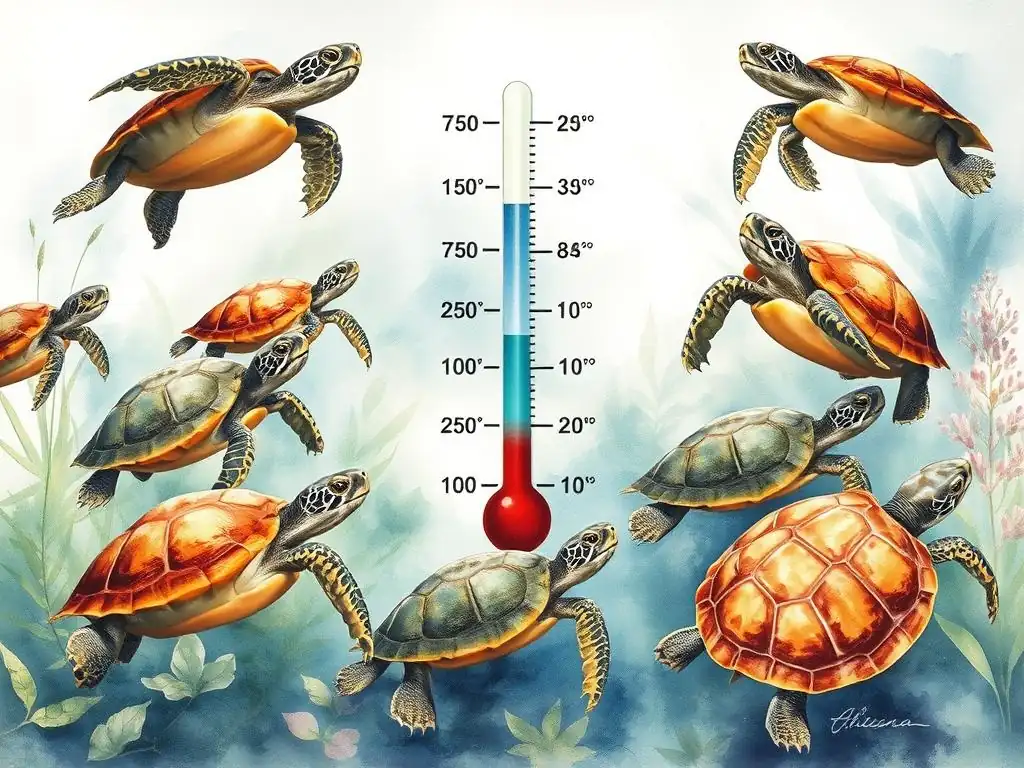
Understanding the precise temperature requirements for your aquatic turtle is crucial for its health and longevity. Different species have evolved in different climates, leading to variations in their optimal temperature ranges. Failing to provide the correct temperature can lead to a variety of health problems, including respiratory infections, metabolic bone disease (MBD), and decreased immunity, significantly impacting their quality of life and lifespan.
This section details the specific temperature needs of some popular aquatic turtle species, highlighting the importance of maintaining accurate thermal gradients within their enclosures. Remember, consistent monitoring is key to ensuring your aquatic turtle thrives. Accurate temperature maintenance is a fundamental aspect of responsible aquatic turtle care, and a key component of fulfilling your aquatic turtle temperature requirements.
Temperature Requirements for Red-Eared Sliders
Red-eared sliders ( Trachemys scripta elegans), a common pet turtle, require a basking area with a temperature gradient to meet their thermoregulatory needs. The basking area should be maintained between 85-90°F (29-32°C) using a high-quality basking lamp. This allows them to thermoregulate effectively, aiding in digestion and overall health. The water temperature should be kept between 75-80°F (24-27°C). Fluctuations outside these ranges can cause stress and compromise their immune system. Maintaining a consistent temperature is paramount; sudden temperature drops or increases can be particularly harmful.
It's important to use a reliable thermometer both in the water and on the basking area to ensure accuracy. Consider using multiple thermometers for redundancy. Regularly calibrate your equipment to ensure readings remain accurate. Neglecting consistent temperature monitoring can expose your Red-eared slider to a range of health issues, including decreased appetite and susceptibility to infections. Precise temperature control is a fundamental element of responsible Red-eared slider care.
Temperature Requirements for Painted Turtles
Painted turtles ( Chrysemys picta) are another popular choice, but their temperature needs differ slightly from Red-eared sliders. While they also require a basking area, the ideal temperature is slightly lower, ranging from 80-85°F (27-29°C). The water temperature should be maintained between 70-75°F (21-24°C). These turtles are more tolerant of slightly cooler temperatures than Red-eared sliders, but consistent temperature is still vital for their well-being.
Providing a diverse range of basking spots with varying temperatures allows the turtle to choose its preferred temperature, further enhancing its ability to regulate its body temperature. This is crucial for optimal digestion and overall health. Remember, a healthy painted turtle is an active and alert turtle. Monitoring their behavior can provide valuable insights into whether their environmental conditions, including temperature, are suitable.
Temperature Requirements for Map Turtles
Map turtles ( Graptemys) encompass a diverse group with varying temperature requirements depending on the specific subspecies. Generally, they prefer slightly cooler water temperatures compared to Red-eared sliders and painted turtles. Water temperatures should typically range from 68-75°F (20-24°C), with a basking area temperature of 80-85°F (27-29°C). However, research the specific needs of your subspecies for optimal care. This highlights the importance of identifying your turtle's exact species before establishing its enclosure parameters.
The size and type of basking area are also crucial. A larger basking area allows for a more gradual temperature gradient, giving the turtle greater control over its thermal regulation. Improper temperature management can result in lethargy, poor appetite, and increased susceptibility to diseases. Therefore, diligent monitoring and precise temperature control are non-negotiable aspects of responsible map turtle care, directly contributing to their overall health and well-being. Remember to always prioritize the specific needs of your individual species of map turtle.
Troubleshooting Temperature Issues in Aquatic Turtle Care
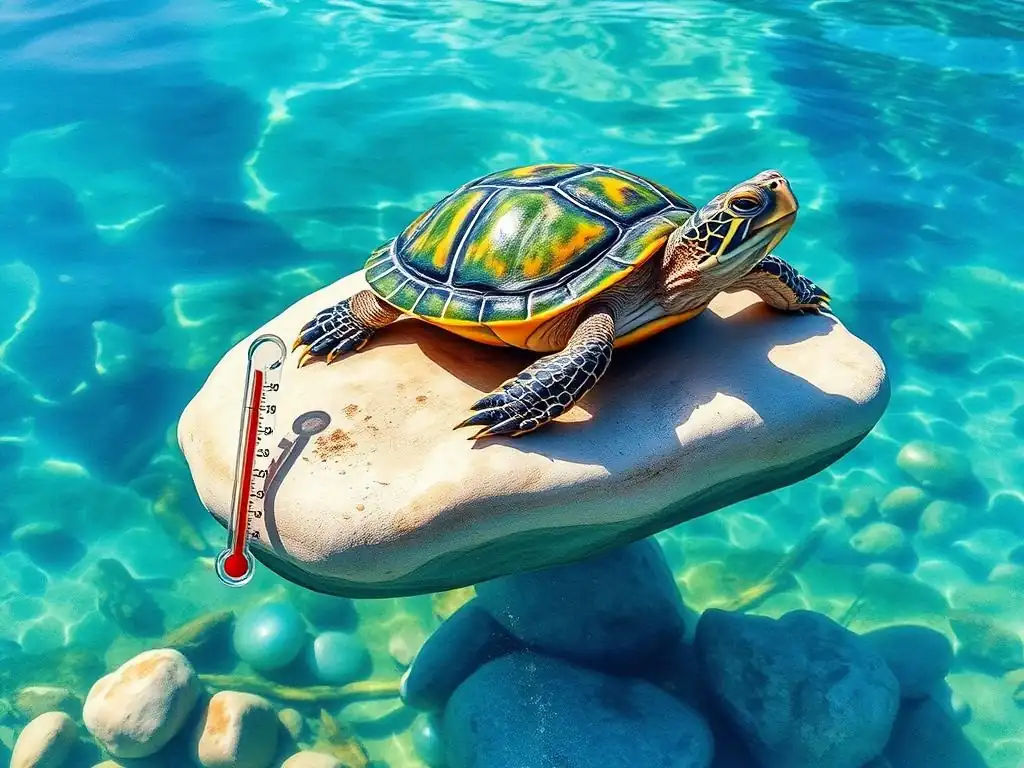
Maintaining the correct water temperature is crucial for the health and well-being of your aquatic turtle. Even minor fluctuations can lead to stress, illness, and ultimately, death. This section delves into common temperature problems and provides practical solutions for ensuring your turtle thrives in a thermally stable environment. Understanding your aquatic turtle's temperature requirements is paramount for responsible ownership and preventing common ailments associated with improper heating. This includes understanding the species-specific needs and adjusting your setup accordingly. Remember, consistent monitoring is key to success.
Diagnosing and Addressing Fluctuations in Water Temperature
Inconsistent water temperatures are a major concern for aquatic turtles. Several factors can contribute to these fluctuations, including faulty heating equipment, inadequate insulation, and environmental changes. Accurate thermometer placement is critical for obtaining reliable readings. Avoid placing the thermometer near the heater itself, as this will provide an inaccurate, inflated reading. Aim for a location centrally located in the basking area, away from direct heat sources and air currents.
Let's consider a scenario: You notice your turtle is lethargic and less active than usual. Checking your thermometer reveals a water temperature that's 5°F (3°C) lower than the ideal range for your species. This significant drop warrants immediate investigation.
Here's a step-by-step approach to diagnosing the problem:
- Check the heating equipment: Is your heater functioning correctly? Is it powerful enough for the tank size? Is the thermostat properly calibrated and set to the correct temperature?
- Inspect the tank setup: Are there any drafts or cold spots in the room that might be affecting the tank's temperature? Is the tank properly insulated to minimize heat loss?
- Consider environmental factors: Has the ambient room temperature dropped significantly? Seasonal changes can impact tank temperature, requiring adjustments to your heating system.
- Observe turtle behavior: Beyond lethargy, other signs of temperature stress include loss of appetite, respiratory problems, and changes in shell growth.
Once you've identified the cause, you can take corrective action. This might involve replacing a faulty heater, improving tank insulation (perhaps adding a tank cover), adjusting the thermostat, or relocating the tank to a warmer location. Regular monitoring with a reliable thermometer, ideally multiple thermometers in different locations within the tank, is crucial for preventing future issues. Remember to always prioritize the well-being of your pet.
Dealing with Malfunctions in Heating Equipment
Heating equipment malfunctions are a common cause of temperature problems in aquatic turtle tanks. These malfunctions can range from minor issues, such as a faulty thermostat, to complete heater failures. Early detection and prompt action are crucial to prevent temperature drops that could harm your turtle. Regular maintenance, including cleaning and inspection, can help prevent these malfunctions.
Here's a breakdown of common heating equipment problems and their solutions:
| Problem | Solution | Prevention |
|---|---|---|
| Heater not turning on | Check power supply, replace fuse if necessary, inspect wiring, replace heater. | Regular inspection of wiring and connections. |
| Inaccurate thermostat | Calibrate thermostat, replace if necessary. | Periodic calibration checks and replacement as needed. |
| Heater overheating | Check thermostat settings, ensure adequate water circulation, replace heater. | Regular water changes and filter maintenance. |
| Heater leaking/cracking | Immediately replace the heater. Avoid using cracked or leaking heaters. | Regular visual inspections for damage. |
Remember to always disconnect the power before handling any heating equipment. Never attempt to repair a heater yourself unless you are qualified to do so; consult a professional if needed. Safety should always be your primary concern. The unexpected failure of a heating element can have dire consequences for your turtle. Therefore, having a backup heating system is a wise precautionary measure.
Maintaining a consistent and appropriate water temperature is the single most effective way to prevent temperature-related diseases in aquatic turtles. These diseases can range from mild infections to life-threatening conditions. Understanding the specific temperature requirements for your turtle species is essential. Different species have different optimal temperature ranges, and deviations from these ranges can significantly increase the risk of illness.
Some common temperature-related diseases include:
- Hypothermia: Caused by prolonged exposure to cold temperatures, leading to lethargy, loss of appetite, and respiratory problems. Symptoms include sluggishness and difficulty swimming.
- Hyperthermia: Caused by prolonged exposure to high temperatures, resulting in stress, dehydration, and potential organ damage. Symptoms can include rapid breathing, lethargy, and reddened skin.
- Shell abnormalities: Temperature fluctuations can affect shell growth and development, leading to deformities or weakened shell structure.
Proactive measures are key to preventing these diseases. These include:
- Accurate temperature monitoring: Use multiple reliable thermometers to ensure accurate readings.
- Regular water changes: Maintain water quality to prevent temperature fluctuations caused by accumulated waste.
- Proper tank setup: Ensure adequate insulation and minimize drafts to maintain a stable temperature.
- Species-specific temperature ranges: Research the specific temperature requirements for your turtle's species.
- Emergency backup: Have a secondary heating system ready in case of equipment failure.
By diligently following these guidelines, you can significantly reduce the risk of temperature-related diseases in your aquatic turtle and ensure its long-term health and well-being. 🐢 Remember, a healthy turtle is a happy turtle!
Frequently Asked Questions about Aquatic Turtle Temperature
This section addresses common concerns regarding maintaining the optimal water temperature for your aquatic turtle. Understanding these temperature requirements is crucial for your pet's health and longevity. Maintaining the correct aquatic turtle temperature is paramount for their overall well-being.
What happens if my aquatic turtle's water is too cold?
Exposure to consistently cold water can severely impact your aquatic turtle's health. Several negative consequences can arise, including:
- Decreased immune function: Cold temperatures weaken the turtle's immune system, making it more susceptible to infections and diseases. This increased vulnerability can lead to serious illnesses that are difficult to treat. For example, a turtle with a compromised immune system might be more prone to respiratory infections or shell rot.
- Digestive problems: Cold water slows down the turtle's metabolism, hindering proper digestion. This can lead to constipation, loss of appetite, and ultimately, malnutrition. Signs of digestive issues include lethargy, bloating, and a lack of fecal matter.
- Hypothermia: In extreme cases, prolonged exposure to cold water can cause hypothermia, a potentially fatal condition. Symptoms of hypothermia include lethargy, weakness, and difficulty moving.
- Reduced activity levels: A cold environment makes turtles lethargic and less active. This can affect their appetite, their ability to thermoregulate properly, and their overall quality of life. You might notice your turtle spending more time basking or less time exploring its environment.
Maintaining a consistently appropriate water temperature is vital to prevent these issues. Remember, the ideal temperature range varies depending on the species of aquatic turtle. Always research the specific needs of your turtle breed.
What happens if my aquatic turtle's water is too hot?
While cold water presents a significant risk, excessively hot water also poses considerable dangers to your aquatic turtle. Overheating can lead to:
- Heat stress: High water temperatures cause significant stress, leading to dehydration, lethargy, and respiratory problems. Your turtle might exhibit rapid breathing or appear unusually sluggish.
- Burns: Extremely hot water can cause burns on the turtle's skin and shell, leading to infection and potential long-term damage. Inspect your turtle regularly for any signs of redness, blistering, or other skin abnormalities.
- Increased susceptibility to diseases: Similar to cold temperatures, overheating weakens the immune system, making the turtle more vulnerable to bacterial and fungal infections.
- Altered behavior: You might notice changes in your turtle's behavior, such as increased restlessness or unusual aggression. These behavioral changes are often a sign of discomfort and distress.
It's crucial to use a reliable thermometer to monitor the water temperature and ensure it remains within the recommended range for your specific turtle species. Regular temperature checks are essential for preventing overheating.
How do I know if my aquatic turtle is comfortable with the temperature?
Observing your turtle's behavior is key to determining its comfort level with the water temperature. Signs of a comfortable turtle include:
- Active and alert: A healthy turtle will be active and alert, exploring its environment and showing a healthy appetite.
- Normal respiration: Breathing should be regular and steady, not rapid or labored.
- Healthy appetite: A good appetite is a strong indicator of overall health and comfort.
- Appropriate basking behavior: The turtle should spend appropriate amounts of time basking under a heat lamp to regulate its body temperature. Too much or too little basking can indicate a temperature issue.
- Bright and clear eyes: Dull or cloudy eyes can be a sign of illness, often linked to environmental stress including improper temperature.
Conversely, if your turtle is lethargic, has a poor appetite, is excessively basking or avoiding the water, or shows signs of respiratory distress, it might indicate that the water temperature is not optimal. Always consult a veterinarian if you have any concerns about your turtle's health or behavior. Remember, proactive monitoring and a commitment to maintaining the correct aquatic turtle temperature requirements are essential for ensuring a long and healthy life for your pet.
Temperature plays a crucial role in the health and well-being of aquatic turtles. Maintaining the correct water temperature is vital, as deviations can lead to various health problems. Recognizing the signs of temperature-related illness is crucial for prompt intervention and potentially saving your pet's life. These symptoms can manifest in several ways, and early detection is key.
One of the most common signs is lethargy. An aquatic turtle suffering from temperature-related stress or illness will often appear less active than usual. They may spend extended periods basking or submerged, showing little interest in their surroundings or food. This lack of energy is a significant red flag and warrants immediate attention. Observe their usual activity levels; any noticeable decrease should trigger concern.
Another symptom is changes in appetite. Aquatic turtles with temperature-related issues might refuse to eat or exhibit a significant decrease in food intake. This can be a subtle yet important indicator, especially if coupled with other symptoms. Keep a close eye on their eating habits – a sudden drop in appetite, especially when combined with lethargy, could signal a problem. Note the frequency and amount of food consumed; any significant change should prompt a veterinary check-up.
Respiratory issues are also commonly associated with improper water temperatures. You might observe difficult or labored breathing, possibly accompanied by unusual sounds like wheezing or gasping. This can be due to stress-induced pneumonia or other respiratory infections exacerbated by temperature fluctuations. Monitor your turtle's breathing patterns; any abnormalities require prompt veterinary attention.
Furthermore, temperature irregularities can lead to shell abnormalities. While not always immediate, prolonged exposure to incorrect temperatures can hinder shell growth and development, leading to deformities or weakening of the shell. Regularly inspect your turtle's shell for any signs of unusual growth patterns, softness, or discoloration. These changes can be indicative of underlying health problems, including those related to temperature.
Finally, skin problems can also arise from temperature-related stress. You might observe unusual redness, swelling, or lesions on the turtle's skin. These skin issues can be a result of compromised immunity due to temperature stress, making the turtle more susceptible to infections. Regularly examine your turtle's skin for any abnormalities; early detection is critical for effective treatment. Remember, a healthy turtle will have smooth, unblemished skin with vibrant coloration.
Recognizing the subtle signs of temperature-related illness in aquatic turtles is paramount to their well-being. Lethargy, changes in appetite, respiratory problems, shell abnormalities, and skin issues are all potential indicators of temperature-related stress or illness. If you observe any of these symptoms, consult a veterinarian specializing in reptiles immediately. Prompt action can significantly improve your turtle's chances of recovery. Maintaining the correct water temperature is a cornerstone of responsible aquatic turtle care, directly impacting their health and longevity.
Frequently Asked Questions
What is the ideal temperature range for my aquatic turtle?
The ideal temperature range depends on your specific turtle species. Generally, the basking area should be between 80-90°F (27-32°C), while the water temperature should be maintained between 75-80°F (24-27°C). Consult resources specific to your turtle's breed for precise requirements.
How do I maintain the correct water temperature for my turtle?
Use a submersible aquarium heater to maintain consistent water temperature. Regularly monitor the temperature with an accurate thermometer and adjust the heater as needed. Consistent temperature is crucial for your turtle's health.
What happens if my turtle's water is too cold?
Exposure to cold temperatures can lead to various health problems, including hypothermia, reduced immune function, and difficulty digesting food. This can severely impact your turtle's overall health and well-being.
What about the basking area temperature? Why is it important?
The basking area provides essential warmth for your turtle to digest food, regulate its body temperature, and absorb UVB light for proper calcium metabolism. An inadequate basking temperature can lead to metabolic bone disease.
My turtle seems lethargic. Could the temperature be the cause?
Lethargy can be a sign of a temperature-related problem. Check both the water and basking area temperatures. If they are outside the recommended range, correct them immediately and monitor your turtle closely for improvement. Consult a veterinarian if symptoms persist.
Final Reflection: The Vital Equation of Temperature and Turtle Wellbeing
Understanding and maintaining the correct temperature for aquatic turtles isn't just a matter of convenience; it's the cornerstone of their health and survival. A seemingly small fluctuation can have devastating consequences, impacting everything from their immune system to their ability to digest food. This underscores the critical need for responsible and informed turtle ownership.
The impact of proper temperature regulation extends far beyond the individual turtle; it speaks to our responsibility as caretakers of these fascinating creatures. Maintaining optimal temperatures directly contributes to their overall wellbeing, allowing them to thrive and exhibit natural behaviors. This responsibility resonates deeply with me, reminding me of the profound interconnectedness of life. The greatness of a nation and its moral progress can be judged by the way its animals are treated.
- Mahatma Gandhi. This quote, while broad in scope, highlights the ethical implications of our care for these animals, extending beyond basic needs to encompass their overall quality of life.
Now, I invite you to consider your own role in this equation. Are you providing your aquatic turtle with the precise temperature range it needs to flourish? Take a moment to review the information presented in this article and assess your current practices. By understanding and actively managing the temperature in your turtle's environment, you are not just fulfilling a basic requirement; you are actively participating in their well-being, ensuring a longer, healthier, and happier life for your aquatic companion. Let's work together to ensure the future of these incredible creatures.
Dive Deeper into Aquatic Turtle Care!
Thank you for learning about the crucial role temperature plays in keeping your aquatic turtle happy and healthy! You now have a solid foundation – let's put that knowledge into practice.
- Maintain the correct temperature: Adjust your turtle's basking and water temperatures to the ideal range for its species. This seemingly small change can significantly improve its overall well-being. Different species have different needs, so research your specific turtle's requirements.
- Use a reliable thermometer: Regularly monitor the temperature to ensure it remains within the optimal range. Consider purchasing a thermometer with an alarm to alert you to any significant fluctuations. Accurate monitoring is key to preventing health problems.
- Share your turtle care tips!: Join our PetCareWorld community forum and share your experiences and insights with other turtle enthusiasts. Your knowledge can help others, and you might even learn new tricks!
Ready to create the perfect environment for your shelled friend? What's the biggest temperature-related challenge you've faced, and how did you overcome it?