
Vaccination Side Effects in Dogs: What to Expect and When to Worry


Welcome to PetCareWorld, your ultimate guide to a happier, healthier life for your beloved pets! Are you concerned about potential dog vaccination side effects? We understand that ensuring your canine companion's well-being is paramount, and that's why we've created a comprehensive resource to address your worries. Discover expert insights and practical advice on recognizing, managing, and preventing any adverse reactions in our in-depth article, "Vaccination Side Effects in Dogs: What to Expect and When to Worry." Let's delve into the facts and empower you to make informed decisions about your dog's health.
- Understanding Common Dog Vaccination Side Effects
- When Dog Vaccination Side Effects Warrant Veterinary Attention
- Preventing and Minimizing Dog Vaccination Side Effects
- Distinguishing Normal Reactions from Serious Concerns in Canine Vaccinations
- Choosing the Right Vaccination Schedule for Your Dog
- Frequently Asked Questions About Dog Vaccination Side Effects and Safety
-
Frequently Asked Questions
- What are the common side effects of dog vaccinations?
- When should I be worried about my dog's vaccination side effects?
- How long do vaccination side effects typically last in dogs?
- My dog developed a large lump at the injection site. Should I be concerned?
- Are there any breeds of dogs more prone to severe reactions to vaccines?
- Final Reflection: Navigating the Vaccination Journey with Your Canine Companion
- Unlock Your Dog's Post-Vaccination Wellness
Understanding Common Dog Vaccination Side Effects
Vaccinating your canine companion is a crucial step in ensuring their long-term health and well-being. While vaccinations offer robust protection against potentially life-threatening diseases, it's essential for every responsible pet owner to understand the potential side effects. This comprehensive guide will explore the common reactions dogs may experience after vaccination, helping you differentiate between mild, manageable reactions and those requiring immediate veterinary attention.
Knowing what to expect and when to worry will empower you to provide the best possible care for your furry friend. This knowledge is particularly relevant for those searching for information on "dog vaccination side effects worry," ensuring peace of mind and proactive pet care.
We will delve into the specifics of mild reactions, systemic reactions, and less common but significant side effects, equipping you with the information needed to make informed decisions about your dog's health. Remember, while many side effects are normal and temporary, early intervention is key in managing any potential complications.
Mild Reactions: Swelling, Redness, and Pain at the Injection Site
Many dogs experience mild reactions at the injection site following vaccination. These are typically localized and relatively short-lived. The most common symptoms include swelling, redness, and some degree of pain or tenderness to the touch. The area might feel warm to the touch. These reactions are usually considered normal and are a sign that the body is mounting an immune response to the vaccine.
The severity of these reactions can vary; some dogs may only exhibit minimal swelling, while others might have a slightly larger, more noticeable lump. These mild reactions typically resolve within 24-72 hours without any intervention. Careful observation is key; if the swelling increases significantly, or if your dog shows signs of discomfort beyond the immediate injection site, consult your veterinarian. Applying a cool compress to the area can help reduce discomfort. Always keep the injection site clean and dry to prevent infection.
Systemic Reactions: Lethargy, Loss of Appetite, and Low-Grade Fever
Beyond localized reactions, some dogs experience systemic reactions, meaning the effects are not limited to the injection site. These reactions are often more concerning than localized reactions, but many are still mild and self-limiting. Common systemic side effects include lethargy (unusual tiredness or sluggishness), loss of appetite (anorexia), and a low-grade fever (slightly elevated temperature). These symptoms usually appear within 12-24 hours after vaccination and typically subside within 2-3 days.
While these reactions are usually not cause for major alarm, it's important to monitor your dog closely. Ensure your dog has access to fresh water and a comfortable resting place. If your dog's lethargy is excessive, the loss of appetite is prolonged, or the fever is high (above 103°F or 39.4°C), contact your veterinarian immediately. Providing supportive care, such as offering small amounts of bland food and encouraging rest, can often help alleviate these symptoms.
Less Common but Important Side Effects in Dogs: Facial Swelling, Vomiting, Diarrhea
While less frequent, some dogs may experience more severe side effects that warrant immediate veterinary attention. These include facial swelling (especially around the eyes and muzzle), vomiting, and diarrhea. These symptoms indicate a more significant reaction and should not be ignored. Facial swelling can be a sign of an allergic reaction and can compromise your dog's breathing. Vomiting and diarrhea can lead to dehydration.
If you observe any of these symptoms, contact your veterinarian immediately. Prompt veterinary care is crucial in these cases, as these reactions may require immediate treatment, such as antihistamines or other medications. Remember, early intervention is key to preventing serious complications. Keep a detailed record of your dog's vaccination history, noting any reactions experienced, to help your veterinarian provide the best possible care in the future.
When Dog Vaccination Side Effects Warrant Veterinary Attention

This section addresses situations where seemingly minor post-vaccination symptoms in dogs escalate and require immediate veterinary intervention. While mild reactions are common, certain signs indicate a more serious problem, necessitating prompt professional care to prevent complications and ensure your dog's well-being. Understanding these warning signs is crucial for responsible pet ownership and proactive health management. Remember, early intervention is key when dealing with potential adverse reactions to dog vaccinations. This information should not replace professional veterinary advice; always consult your vet for any concerns regarding your dog's health.
Severe Allergic Reactions: Anaphylaxis and its Symptoms
Anaphylaxis is a life-threatening allergic reaction that can occur following vaccination. It's a rare but serious complication requiring immediate emergency veterinary care. Recognizing the symptoms is paramount to saving your dog's life. Symptoms of anaphylaxis can manifest rapidly and include:
- Sudden Swelling: Facial swelling (especially around the muzzle and eyes), swelling of the paws, and throat swelling are common indicators.
- Respiratory Distress: Difficulty breathing, wheezing, coughing, and gasping for air are critical signs.
- Vomiting and Diarrhea: These gastrointestinal symptoms can accompany the other signs.
- Collapse or Weakness: Your dog may suddenly collapse or exhibit extreme lethargy and weakness.
- Hives or Urticaria: The appearance of raised, itchy welts on the skin.
The speed of onset is crucial; anaphylaxis develops quickly. If you observe any of these symptoms after your dog's vaccination, immediately contact your veterinarian or an emergency animal hospital. Time is of the essence in treating anaphylactic shock. Early administration of epinephrine is often life-saving. Keep a record of your dog's vaccination history, including any previous reactions, to help your vet assess the situation more effectively. Anaphylactic reactions are a significant concern surrounding dog vaccination side effects and warrant immediate attention.
Persistent Fever or Lethargy Following Vaccination
While a mild, temporary fever and lethargy are common after vaccination, persistent symptoms signify a potential problem. A "persistent" fever is generally considered a temperature above 103°F (39.4°C) lasting for more than 24-48 hours after the vaccination. Similarly, lethargy that extends beyond a day or two warrants veterinary attention. These symptoms could indicate a more serious reaction to the vaccine, or an unrelated illness exacerbated by the stress of vaccination.
Here's a breakdown of what to monitor:
- Temperature Monitoring: Use a rectal thermometer to accurately monitor your dog's temperature. Record the readings at regular intervals.
- Lethargy Assessment: Observe your dog's activity level, appetite, and overall demeanor. Significant changes from their normal baseline are cause for concern.
- Additional Symptoms: Note any other accompanying symptoms, such as vomiting, diarrhea, loss of appetite, or changes in urination or defecation. These can provide valuable clues to your vet.
Don't hesitate to contact your veterinarian if your dog exhibits persistent fever or lethargy following vaccination. They can conduct a thorough examination, run blood tests if necessary, and determine the appropriate course of action. Ignoring these persistent symptoms could lead to delayed treatment and potential complications. Proactive monitoring and timely veterinary intervention are vital aspects of managing dog vaccination side effects worry.
Unusual Swelling or Discharge at the Injection Site
While some minor swelling and redness at the injection site are expected, excessive swelling, persistent pain, or unusual discharge are warning signs. The injection site should be monitored closely for several days after vaccination.
Consider these observations:
| Symptom | Description | Severity Level | Action |
|---|---|---|---|
| Mild Swelling | Small, localized swelling; resolves within 24-48 hours. | Low | Monitor; no action usually needed. |
| Moderate Swelling | Larger swelling; persists beyond 48 hours; may be slightly warm to the touch. | Medium | Contact your veterinarian for advice. |
| Severe Swelling | Extensive swelling; hot to the touch; significant pain evident. | High | Immediate veterinary attention required. |
| Purulent Discharge | Pus-like discharge from the injection site. | High | Immediate veterinary attention required; potential infection. |
| Abscess Formation | A localized collection of pus; often accompanied by significant swelling. | High | Requires veterinary intervention; likely needs drainage and antibiotics. |
Any unusual swelling or discharge warrants a call to your veterinarian. An infection at the injection site can be serious and requires prompt treatment with antibiotics. Early detection and intervention are crucial for preventing complications and ensuring a full recovery. Remember, responsible pet ownership includes diligent monitoring for any unusual post-vaccination reactions, addressing your "dog vaccination side effects worry" proactively.
Neurological Symptoms After Dog Vaccination: Seizures, Ataxia, Weakness
Neurological signs following canine vaccination, while rare, are a serious concern and require immediate veterinary attention. These symptoms can manifest in various ways, ranging from mild incoordination to severe seizures. Ataxia, characterized by a loss of coordination and balance, is a common presentation. Affected dogs may stumble, have a wide-based stance, or appear unsteady on their feet.
This can range from subtle wobbliness to an inability to walk. Weakness, or muscle weakness (paresis), is another potential symptom, potentially affecting one or more limbs. The dog might struggle to rise, appear lethargic, or have difficulty performing normal activities like jumping or climbing stairs.
The most alarming neurological symptom is a seizure. Seizures can manifest as sudden, involuntary muscle contractions, loss of consciousness, paddling movements of the limbs, or loss of bowel or bladder control. The severity and duration of seizures can vary widely. Some dogs may experience brief, isolated episodes, while others might have prolonged or recurring seizures, posing a significant risk to their health and well-being.
It's crucial to remember that even a single seizure after vaccination should be considered a medical emergency and requires prompt veterinary evaluation. The underlying cause needs to be determined, and appropriate treatment initiated to prevent further episodes and potential long-term neurological damage. Delaying veterinary care in such cases could have severe consequences.
The timeframe for the onset of neurological symptoms is variable. Some signs might appear within hours of vaccination, while others might not manifest for several days. This variability underscores the importance of close observation of your dog in the days following vaccination. Any unusual changes in behavior, coordination, or motor function warrant immediate contact with your veterinarian. Detailed descriptions of the symptoms, including their onset, duration, and severity, will help your veterinarian make an accurate diagnosis and determine the appropriate course of action.
Remember to record the time of vaccination and any other relevant details to assist your vet in their assessment. Early intervention is key to minimizing potential long-term complications associated with post-vaccination neurological events. Don't hesitate to seek veterinary help if you have any concerns, even if the symptoms seem minor. Prevention is always better than cure, especially when dealing with potential neurological complications.
Preventing and Minimizing Dog Vaccination Side Effects

This section focuses on proactive measures you can take to reduce the likelihood and severity of adverse reactions following dog vaccinations. While some minor side effects are common and usually self-limiting, understanding preventative strategies can significantly improve your dog's comfort and well-being. Minimizing stress and ensuring optimal health before vaccination are key aspects of this preventative approach. Remember, always consult your veterinarian for personalized advice tailored to your dog's specific health needs and vaccination schedule.
Preparing Your Dog for Vaccination: Ensuring proper hydration and a calm environment
Proper preparation before vaccination is crucial in minimizing potential side effects. A well-hydrated dog is better equipped to handle the stress of the procedure and any subsequent immune response. Dehydration can exacerbate any negative reactions. Ensure your dog has access to fresh, clean water in the hours leading up to the appointment. Avoid restricting water intake unnecessarily.
Furthermore, a calm and relaxed environment is essential. A stressed dog is more likely to experience heightened sensitivity and a more pronounced reaction to the vaccine. Consider a calming walk or gentle playtime before the appointment to reduce anxiety. Avoid overly stimulating activities immediately beforehand.
It's also beneficial to discuss any concerns or pre-existing health conditions with your veterinarian before the vaccination. This allows for a tailored approach and may help identify potential risks or contraindications. Open communication is key to ensuring the safest and most effective vaccination experience for your canine companion.
Post-Vaccination Care: Monitoring for Side Effects
Careful monitoring after vaccination is vital for early detection of any adverse reactions. While many dogs experience no side effects or only mild, temporary ones, vigilance is crucial. The first 24-48 hours are the most critical period.
Here's a checklist of things to watch for:
| Symptom | Severity | When to Worry |
|---|---|---|
| Lethargy/Loss of Appetite | Mild (slightly less active, picky eater) | Observe closely; contact vet if persists beyond 24 hours. |
| Lethargy/Loss of Appetite | Severe (unresponsive, refuses all food) | Seek immediate veterinary attention. |
| Mild Swelling at Injection Site | Localized, less than 2cm in diameter | Monitor; apply a cool compress if needed. Contact vet if it significantly increases. |
| Swelling at Injection Site | Extensive, hot, painful, larger than 2cm | Seek immediate veterinary attention. |
| Fever | Mild (slightly warm to the touch) | Monitor temperature; provide fluids. Contact vet if fever persists or is high. |
| Fever | High (excessive heat, lethargy) | Seek immediate veterinary attention. |
| Vomiting/Diarrhea | Mild (one or two episodes) | Monitor; provide bland diet if needed. Contact vet if persists or is severe. |
| Vomiting/Diarrhea | Severe (frequent, bloody) | Seek immediate veterinary attention. |
| Hives/Rash | Localized, mild itching | Monitor; consult vet if spreads or causes significant distress. |
| Hives/Rash | Widespread, severe itching, difficulty breathing | Seek immediate veterinary attention. This could indicate a severe allergic reaction. |
Remember, these are just guidelines. Any concerning symptom warrants a call to your veterinarian. Early intervention can often prevent minor issues from escalating into more serious problems. Don't hesitate to contact your vet with any questions or concerns.
Discussing Vaccination Risks with Your Veterinarian
Open communication with your veterinarian is paramount. Before scheduling vaccinations, discuss your dog's individual health history, any pre-existing conditions (allergies, autoimmune diseases), and any concerns you may have regarding vaccination side effects. Your vet can assess the risks and benefits, tailoring the vaccination schedule and approach to your dog's specific needs.
They can also explain the potential side effects associated with each vaccine, helping you understand what to expect and when to seek immediate veterinary care. This proactive approach ensures that your dog receives the necessary protection while minimizing potential risks. Remember, a well-informed pet owner is better equipped to advocate for their pet's health and well-being. Don't hesitate to ask questions; your veterinarian is there to help you make the best decisions for your furry friend. The goal is to ensure your dog receives necessary preventative care while managing the potential for “Dog vaccination side effects worry”.
Distinguishing Normal Reactions from Serious Concerns in Canine Vaccinations

Understanding the difference between a normal reaction to a dog vaccination and a serious complication is crucial for responsible pet ownership. Many dogs experience mild, temporary side effects after vaccination, while others show no reaction at all. However, knowing when a reaction warrants immediate veterinary attention can be the difference between a speedy recovery and a much more serious health issue. This section will help you differentiate between typical post-vaccination responses and those requiring urgent veterinary care. Properly assessing your dog's response to vaccination is key to managing potential "Dog vaccination side effects worry."
Understanding Your Dog's Baseline Behavior: Observing normal activity levels and appetite
Before your dog receives any vaccinations, take some time to observe their normal behavior. Note their typical activity level – are they energetic and playful, or more laid-back? Pay attention to their appetite; do they eat enthusiastically, or are they more picky eaters? This baseline assessment provides a crucial benchmark against which you can compare their behavior post-vaccination. Changes from this baseline are often the first indicators of a problem.
For example, a usually energetic Golden Retriever suddenly becoming lethargic and refusing food after a vaccination is a significant change that warrants monitoring. Conversely, a naturally quiet cat showing a slight decrease in appetite might not be cause for immediate alarm, although it should still be observed carefully. Keeping a detailed record of your pet's pre-vaccination behavior is invaluable in identifying post-vaccination changes. You can use a simple notebook or a pet health app to track this information.
When to Seek Immediate Veterinary Care for Vaccination Complications
While some mild side effects are expected, certain signs indicate a serious reaction requiring immediate veterinary attention. These signs often manifest within the first 24-48 hours post-vaccination, but can sometimes appear later. Don't hesitate to contact your veterinarian immediately if you observe any of the following:
- Severe lethargy or weakness: This goes beyond typical post-vaccination tiredness. If your dog is unable to stand or is significantly less responsive than usual, seek immediate veterinary care.
- High fever (over 103°F or 39.4°C): A high fever is a serious sign of an adverse reaction and requires prompt treatment. Use a rectal thermometer for the most accurate reading.
- Swelling at the injection site beyond a small, localized lump: Extensive swelling, redness, or heat extending far beyond the injection site indicates a potential problem.
- Difficulty breathing or respiratory distress: This is a life-threatening emergency and requires immediate veterinary intervention.
- Vomiting and/or diarrhea: While mild vomiting or diarrhea can occur, excessive or persistent vomiting and diarrhea are serious signs.
- Seizures or convulsions: These are neurological signs requiring immediate veterinary attention.
- Facial swelling: Swelling of the face, particularly around the eyes and muzzle, is a serious sign of an allergic reaction.
- Hives or other allergic skin reactions: Sudden appearance of hives, itching, or other skin rashes indicates a possible allergic reaction.
Remember, it's always better to err on the side of caution. If you have any concerns whatsoever about your dog's post-vaccination condition, contact your veterinarian immediately. Early intervention can significantly improve the outcome. Addressing "Dog vaccination side effects worry" effectively involves proactive monitoring and swift action when necessary.
Long-Term Effects of Dog Vaccinations: Addressing concerns about potential long-term autoimmune issues
While rare, some pet owners worry about potential long-term effects of dog vaccinations, such as the development of autoimmune disorders. Scientific evidence regarding a direct causal link between routine vaccinations and the onset of autoimmune diseases in dogs is limited and often inconclusive. Many studies suggest a correlation, but not necessarily causation. This means that while some dogs may develop autoimmune diseases after vaccination, it doesn't automatically mean the vaccine caused the condition. Other factors, such as genetic predisposition and environmental influences, likely play significant roles.
The risk of developing an autoimmune disease after vaccination is generally considered low. However, if your dog develops a suspected autoimmune condition after vaccination, it's crucial to consult your veterinarian for proper diagnosis and management. This involves thorough examination, blood work, and possibly other diagnostic tests to rule out other potential causes.
Open communication with your veterinarian is vital to address any "Dog vaccination side effects worry" regarding long-term health implications. They can help you weigh the risks and benefits of vaccination in light of your dog's individual health history and genetic predispositions. Remember, the benefits of vaccination in protecting your dog from life-threatening diseases generally far outweigh the potential risks of rare long-term complications.
Choosing the Right Vaccination Schedule for Your Dog
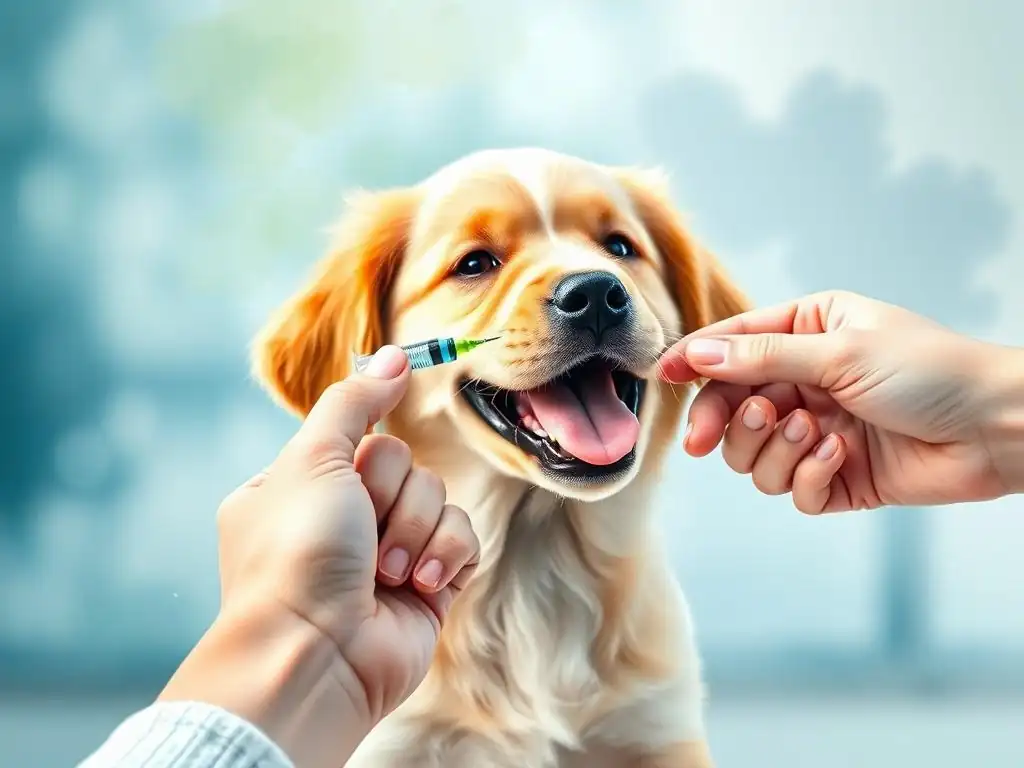
Selecting the appropriate vaccination schedule for your canine companion is crucial for their long-term health and well-being. A well-planned vaccination protocol minimizes the risk of serious diseases while also reducing the potential for adverse reactions. Remember, "Dog vaccination side effects worry" is a common concern among pet owners, and understanding the nuances of vaccination scheduling helps alleviate this anxiety.
Core vs. Non-Core Vaccines: Understanding the Differences
Dog vaccination protocols generally categorize vaccines into two groups: core and non-core. Understanding this distinction is fundamental to making informed decisions about your dog's health.
Core vaccines are considered essential for all dogs, regardless of lifestyle or geographic location. These protect against highly contagious and often life-threatening diseases. Examples include:
- Canine Distemper: A highly contagious viral disease affecting the respiratory, gastrointestinal, and nervous systems.
- Canine Adenovirus (CAV-1 and CAV-2): CAV-1 causes infectious hepatitis, while CAV-2 is associated with tracheobronchitis ("kennel cough").
- Canine Parvovirus: A highly contagious and often fatal viral disease affecting the gastrointestinal system.
- Rabies: A deadly viral disease transmitted through the saliva of infected animals. Rabies vaccination is often legally mandated.
Non-core vaccines, on the other hand, are recommended based on an individual dog's risk factors. These factors include lifestyle (e.g., exposure to other dogs at dog parks or boarding facilities), breed predispositions to certain diseases, geographic location (exposure to specific diseases prevalent in the area), and the dog's overall health. Examples of non-core vaccines include:
- Leptospirosis: A bacterial disease transmitted through contaminated water or soil.
- Lyme Disease: A bacterial disease transmitted by ticks.
- Bordetella bronchiseptica (Kennel Cough): A highly contagious bacterial infection.
The decision of whether or not to administer non-core vaccines should be made in consultation with your veterinarian, considering your dog's specific circumstances. This collaborative approach helps minimize unnecessary vaccinations and potential side effects while ensuring comprehensive protection.
Factors Influencing Vaccination Schedules: Age, Breed, Lifestyle, and Geographic Location
Several factors significantly influence the timing and type of vaccines your veterinarian recommends. Ignoring these nuances can lead to inadequate protection or unnecessary risks. Let's examine these key considerations:
- Age: Puppies have immature immune systems and require a series of vaccinations at specific intervals to build up immunity. Adult dogs generally require booster shots less frequently.
- Breed: Certain breeds may have a genetic predisposition to specific diseases, necessitating tailored vaccination strategies. For instance, some breeds might be more susceptible to Lyme disease due to their size or coat.
- Lifestyle: Dogs with high exposure to other dogs (e.g., frequent visits to dog parks, boarding facilities) are at a higher risk of contracting contagious diseases and may benefit from more comprehensive vaccination protocols. Conversely, dogs with limited social interaction may require fewer non-core vaccines.
- Geographic Location: The prevalence of specific diseases varies geographically. Areas with high tick populations may necessitate Lyme disease vaccination, while regions with standing water might warrant Leptospirosis vaccination. Your veterinarian will be familiar with the disease prevalence in your area.
Understanding these factors allows for a personalized vaccination plan, optimizing protection and minimizing unnecessary risks. This proactive approach to vaccination directly addresses the "Dog vaccination side effects worry" by ensuring only necessary vaccines are administered.
The Role of Vaccination Titers in Assessing Immunity
Vaccination titers are blood tests that measure the level of antibodies against specific diseases in a dog's bloodstream. These tests can help determine if a dog has sufficient immunity to a particular disease without needing a booster shot. This is particularly relevant for non-core vaccines and in adult dogs already vaccinated.
The use of titer tests can help reduce the number of vaccinations a dog receives over its lifetime, minimizing the potential for side effects and reducing the overall cost of veterinary care. By assessing the existing immune response, veterinarians can make informed decisions about the need for booster shots, thus contributing to a safer and more cost-effective vaccination strategy. This proactive approach to vaccination management further addresses concerns about "Dog vaccination side effects worry". The benefits include:
- Reduced risk of vaccine-related side effects.
- Cost savings through fewer unnecessary vaccinations.
- A more tailored and precise vaccination approach.
While titer tests offer valuable insights, their interpretation requires veterinary expertise. Your veterinarian will assess the results in conjunction with your dog's overall health and risk factors to determine the best course of action. Always discuss this option with your vet to determine if it's appropriate for your dog.
Frequently Asked Questions About Dog Vaccination Side Effects and Safety
This section addresses common concerns regarding dog vaccination side effects, helping pet owners understand what's normal and when professional veterinary attention is necessary. Remember, this information is for general knowledge and shouldn't replace consultation with your veterinarian. Always discuss any concerns about your dog's health with your vet. They can provide personalized advice based on your dog's specific breed, age, health history, and the vaccine administered.
What if my dog has a mild reaction?
Mild reactions to dog vaccinations are relatively common and usually nothing to be overly concerned about. These typically manifest as localized swelling or tenderness at the injection site, lethargy, mild fever (slightly warm to the touch), or decreased appetite. Think of it like a minor flu-like symptom.
These symptoms usually appear within 24 to 48 hours post-vaccination and resolve within a few days without specific intervention. Providing your dog with plenty of rest, fresh water, and a bland diet can help alleviate discomfort. Monitoring your dog's behavior and temperature is crucial.
If you notice a significant increase in lethargy or a high fever (above 103°F or 39.4°C), contact your vet immediately. A simple thermometer check can provide valuable data for determining the severity of the reaction. Keep a record of your dog's temperature and any other observed symptoms; this information will be helpful when speaking to your vet.
How long do side effects typically last?
The duration of vaccination side effects in dogs varies greatly depending on the severity of the reaction and your dog's individual response. As mentioned previously, mild reactions, such as localized swelling or mild lethargy, usually subside within 2-3 days. More severe reactions, however, may require more time to resolve completely. These might include more pronounced swelling, higher fever, vomiting, or diarrhea. In such cases, the symptoms might persist for several days, even a week in some situations.
It’s important to understand that even seemingly minor symptoms should be monitored closely. If the symptoms worsen or don't improve after a few days, or if new symptoms develop, contacting your veterinarian is crucial. This proactive approach is vital for ensuring your canine companion's well-being and avoiding potential complications. Early intervention often leads to quicker recovery and reduces the risk of long-term issues. Remember, "better safe than sorry" is the best approach when dealing with your pet's health.
Can I give my dog pain medication?
No, you should never administer human pain medication or any other medication to your dog without explicit instruction from your veterinarian. Many human medications are toxic to dogs, even in small doses. What might be a safe pain reliever for humans can be dangerous or even fatal for your pet.
If your dog is experiencing pain or discomfort due to vaccination side effects, contact your vet immediately. They can assess the situation and recommend appropriate, dog-safe pain relief options. Your vet might prescribe a canine-specific pain medication or suggest other measures to manage the discomfort. Never attempt to self-treat your dog; doing so could have serious consequences.
Responsible pet ownership includes seeking professional veterinary guidance before administering any medication to your furry friend. This ensures your dog receives the proper care and avoids potential harm from inappropriate treatment. 🐶 Remember, your vet is your best resource for addressing any concerns about your dog's health and well-being.
Are some breeds more prone to side effects?
While there isn't definitive scientific evidence pointing to specific dog breeds being inherently more susceptible to vaccine side effects, anecdotal evidence from veterinarians suggests certain breeds might exhibit a slightly higher incidence of reactions. This isn't to say that these breeds are guaranteed to have problems, but rather that observations suggest a potential trend requiring further investigation.
For example, some practitioners note that smaller breeds, due to their smaller body mass, may sometimes show more pronounced reactions than larger breeds, though the severity of the reactions might not differ significantly. This could be due to a higher concentration of the vaccine per unit of body weight.
It's crucial to remember that individual variation within a breed is significant. Two Chihuahuas, for instance, might react very differently to the same vaccine; one might show minimal reaction, while the other might experience more pronounced side effects. Breed-specific predispositions, if any exist, are likely to be subtle and overshadowed by individual factors such as the dog's overall health, immune system maturity, and even the specific vaccine batch administered.
Therefore, relying solely on breed as a predictor of vaccine side effects is unreliable. A thorough veterinary examination before vaccination is always recommended to assess the dog's individual health status and potential risk factors. This assessment should encompass the dog's medical history, current health condition, and any pre-existing conditions that might influence its response to vaccination.
The veterinarian will use this information to make an informed decision about the suitability and potential risks of vaccination for the individual animal. This personalized approach is far more effective than relying on broad breed generalizations.
Frequently Asked Questions
What are the common side effects of dog vaccinations?
Common side effects include mild lethargy, loss of appetite, localized swelling or soreness at the injection site. These usually resolve within 24-48 hours.
When should I be worried about my dog's vaccination side effects?
Worry if you see severe lethargy, high fever, difficulty breathing, swelling beyond the injection site, vomiting, or diarrhea. Contact your vet immediately.
How long do vaccination side effects typically last in dogs?
Most side effects are mild and short-lived, lasting only a day or two. If symptoms persist beyond 48 hours, or worsen, consult your veterinarian.
My dog developed a large lump at the injection site. Should I be concerned?
A small lump is normal, but a large, persistent lump or abscess requires veterinary attention. Your vet can assess the situation and provide appropriate treatment.
Are there any breeds of dogs more prone to severe reactions to vaccines?
While rare, some breeds may show a slightly higher incidence of reactions. Always discuss your dog's breed and health history with your vet before vaccination to minimize risks.
The anxieties surrounding dog vaccinations are very real, and understanding the potential side effects is crucial for responsible pet ownership. Many pet parents face this dilemma, torn between the vital protection vaccines offer and the fear of adverse reactions. This article aimed to bridge that gap, providing clarity and empowering pet owners to make informed decisions.
The emotional bond we share with our dogs makes even minor health concerns feel magnified. Witnessing our furry friends experience discomfort, however temporary, can be incredibly distressing. The best thing about having a dog is that they always make you feel better, even when you're feeling bad.
This simple truth highlights the profound connection we have with our canine companions, making proactive care, including vaccination, a deeply personal responsibility. Understanding the potential side effects isn't about fear-mongering; it's about fostering a stronger, more informed partnership with our veterinary professionals to ensure our dogs receive the best possible care.
Now, consider your own dog. Have you experienced vaccination anxieties? What steps can you take to better prepare for your dog's next vaccination appointment? Don't hesitate to discuss your concerns openly with your veterinarian; they are your invaluable allies in this journey. By arming ourselves with knowledge and fostering open communication, we can navigate the vaccination process with confidence, ensuring the health and well-being of our beloved canine companions for years to come.
Unlock Your Dog's Post-Vaccination Wellness
Thank you for learning about managing your dog's vaccination side effects! We hope this information empowers you to be a more informed and confident pet parent. Now, let's put this knowledge into practice:
- Schedule a quick check-in with your veterinarian: Even if your dog seems fine, a brief phone call or email to share your observations can provide peace of mind and allow for early intervention if necessary. This is a crucial step!
- Create a comfortable, quiet space for your dog: Ensure they have plenty of rest, access to fresh water, and their favorite toys.
- Share your experiences (both positive and negative) in the comments below! Let's build a supportive community for pet owners.
What small step can you take today to ensure your dog's post-vaccination comfort and well-being?