
How to Tell if Your Cat's Meow is a Sign of Distress

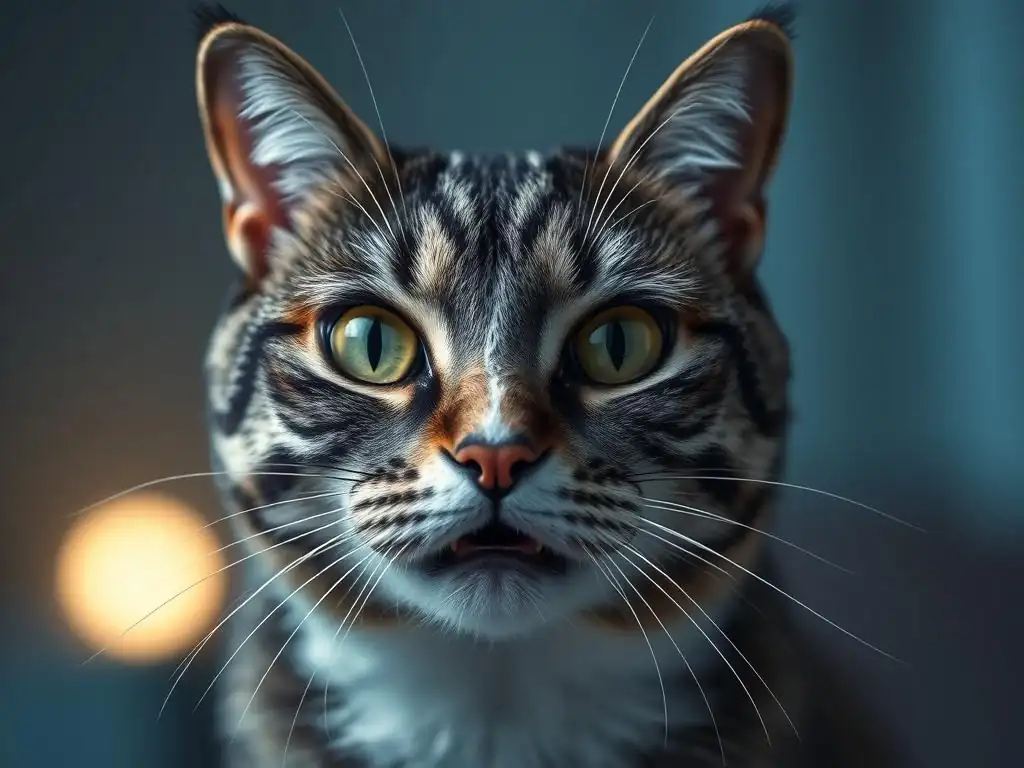
Welcome to PetCareWorld, your ultimate guide to a happier, healthier life for your beloved pets! Are you concerned about your feline friend? Understanding the subtle nuances of a cat's meow is crucial. Discover the hidden meanings behind your cat's vocalizations and learn to recognize cat meow distress signs—don't miss our in-depth guide on How to Tell if Your Cat's Meow is a Sign of Distress, and unlock the secrets to their communication. Let's embark on this journey of enriching your pet's life together!
- Understanding Your Cat's Vocalizations: Deciphering Distress in Cat Meows
- Common Cat Meow Distress Signs: Recognizing the Warning Signals
- Physical Signs Accompanying Distress Meows: A Holistic Approach
- When to Seek Veterinary Attention for Your Cat's Distress Meows
- Preventing Cat Distress and Promoting Well-being
-
Frequently Asked Questions
- What are the common reasons why a cat might meow excessively?
- How can I differentiate between a normal meow and a distress meow?
- My cat is meowing a lot more lately, and seems unhappy. What should I do?
- What are some non-vocal signs of distress in cats I should be aware of?
- Is it normal for older cats to meow more frequently?
- Final Reflection: Understanding the Unspoken Language of Our Feline Friends
- Unlock Your Cat's Secret Language: Understand Their Meows!
Understanding Your Cat's Vocalizations: Deciphering Distress in Cat Meows
Cats, unlike dogs, are not known for their overly vocal nature. While a contented cat might offer a quiet purr or a gentle chirp, a sudden change in their vocalizations, particularly an increase in meowing, can be a significant indicator of underlying distress. This article will guide you through understanding the nuances of cat meows, helping you differentiate between a simple request for food and a cry for help.
We'll explore the subtle cues within their meows, examining frequency, pitch, and context to help you accurately assess your cat's emotional state and ensure their well-being. Learning to interpret your cat's meow is crucial for responsible pet ownership, allowing you to address any potential health issues or discomfort promptly. This guide focuses on identifying distress signals within a cat's meows, providing you with the knowledge to become a more attentive and responsive caregiver.
Understanding the meaning behind your cat's vocalizations is key to building a stronger bond and ensuring a happy, healthy life for your feline companion. This is particularly important for the keyword "Cat meow distress signs meaning," as recognizing these signs can prevent more serious problems down the line.
The Subtleties of Cat Communication: More Than Just Purrs
Cats communicate through a complex system of body language, including posture, tail position, ear movements, and of course, vocalizations. While purring is often associated with contentment, it can also be a sign of pain or distress in certain contexts. Meows, on the other hand, are primarily used by cats to communicate with humans, not other cats. Adult cats rarely meow at each other; therefore, a meowing cat is often trying to tell you something.
Understanding the subtle variations in pitch, volume, and tone is vital. A high-pitched, insistent meow might signal urgency, while a low, drawn-out meow could indicate pain or discomfort. Consider the context of the meow – is your cat meowing near a closed door? Is it repeatedly meowing at a specific object?
These contextual clues can offer valuable insights into what your cat is trying to communicate. For example, a sudden increase in meowing accompanied by hiding behavior could indicate fear or anxiety. 😼
Normal vs. Distress Meows: Identifying Key Differences in Cat Vocalizations
Differentiating between a normal meow and a distress meow requires careful observation and attention to detail. A normal meow is typically short, clear, and relatively low in volume. It might be used to solicit attention, request food, or simply acknowledge your presence. Conversely, a distress meow often exhibits several key differences:
| Feature | Normal Meow | Distress Meow |
|---|---|---|
| Volume | Moderate | Loud, insistent, or unusually quiet |
| Pitch | Relatively low, even tone | High-pitched, strained, or wavering |
| Frequency | Occasional, infrequent | Frequent, repetitive, prolonged |
| Accompanying Behaviors | Relaxed posture, normal appetite | Restlessness, hiding, changes in appetite, grooming |
| Context | Seeking attention, wanting food | Pain, fear, anxiety, illness |
Understanding these differences is crucial. For instance, a cat exhibiting a high-pitched, repetitive meow combined with lethargy and decreased appetite could be experiencing significant distress and requires immediate veterinary attention. Conversely, a single, short meow while rubbing against your leg is likely a friendly greeting. Remember to always consider the overall context and your cat's usual behavior when interpreting their meows.
Paying close attention to these subtle cues will empower you to provide the best possible care for your beloved feline companion. Ignoring these signs could lead to serious health complications. Therefore, prompt recognition of distress meows is essential for maintaining your cat's well-being.
Common Cat Meow Distress Signs: Recognizing the Warning Signals

Cats communicate primarily through body language, but their meows also hold valuable clues about their emotional state. Understanding the nuances of a cat's vocalizations is crucial for pet owners, especially when it comes to identifying signs of distress. This section delves into common meow characteristics that often indicate your feline friend is experiencing discomfort, pain, or fear.
Learning to recognize these distress signals can help you provide timely intervention and ensure your cat's well-being. The ability to interpret a cat's meow is a key aspect of responsible cat ownership, enabling you to effectively address their needs and maintain a strong bond. This section focuses on helping you decipher your cat's meows and understand what they might be trying to tell you.
Mastering this skill will allow you to provide the best possible care for your beloved pet. Remember, a cat's meow isn't just a sound; it's a form of communication rich with meaning.
High-Pitched Meows and Their Significance in Cat Distress
A high-pitched meow, often described as a shrill or insistent sound, is a strong indicator of distress in cats. Unlike the typical, lower-pitched meows used for attention-seeking, these high-pitched cries often signal pain, fear, or anxiety. Imagine a thin, reedy sound, quite unlike the usual pleasant "meow" you're used to. This change in pitch is significant because it reflects a change in the cat's emotional state.
For example, a cat experiencing intense pain from an injury or illness might let out a series of rapid, high-pitched meows. Similarly, a cat feeling trapped or threatened might emit a similar sound as a plea for help. The intensity and duration of these meows can also provide further clues about the severity of the distress.
A single, short, high-pitched meow might indicate mild discomfort, while a prolonged series of such meows suggests a more serious issue requiring immediate attention. The context is also important: a high-pitched meow accompanied by other signs of distress, such as hiding, hissing, or flattened ears, strengthens the indication that your cat is in trouble. This combination of vocal and physical cues should always prompt a thorough examination of your cat's health and environment.
Changes in Meow Frequency and Duration: A Sign of Feline Unease
A sudden change in your cat's meow frequency or duration can also be a significant warning sign. If your normally quiet cat suddenly starts meowing incessantly, or if your usually vocal cat becomes unusually silent, this warrants attention. This shift in vocal behavior often reflects underlying issues.
Consider this scenario: a cat who typically meows once or twice for food now meows persistently for extended periods. This could indicate pain, discomfort, or a change in their routine that's causing them stress. Conversely, a usually talkative cat that has become unusually quiet may be experiencing illness, pain, or fear.
The shift from their typical communication style is the key indicator. Keeping a record of your cat's usual vocal patterns can help you identify these subtle shifts more easily. Paying close attention to these details improves your ability to detect potential problems early on, potentially preventing more serious complications.
Unusual Meow Sounds: Whining, Yowling, and Other Distress Cues
Beyond changes in pitch and frequency, cats may also exhibit unusual meow sounds when distressed. These include whining, yowling, chattering, or other atypical vocalizations. These sounds often indicate a higher level of distress than a simple change in meow pitch or frequency. The specific sound, combined with the cat's body language, helps determine the cause.
For instance, a persistent whining sound might suggest pain or discomfort, while a loud, prolonged yowling could indicate fear, anxiety, or even a medical emergency. A cat exhibiting these unusual vocalizations should be examined by a veterinarian as soon as possible. Remember, these unusual sounds are not typical feline communication.
They represent a departure from normal behavior, signaling a need for immediate attention and intervention. The severity of the situation can be assessed by combining the vocalization with other observable signs of distress in your cat. This holistic approach ensures you take appropriate action to alleviate your cat's suffering and address the underlying cause.
Context is Key: Analyzing the Situation Surrounding Your Cat's Meows
Understanding your cat's meow requires more than just listening to the sound itself. The context surrounding the meow is crucial in deciphering its meaning and determining if it signals distress. A seemingly innocuous meow can indicate a serious problem depending on the accompanying circumstances. For example, a high-pitched, insistent meow might simply be your cat demanding food if it's close to feeding time. However, that same meow at 3 AM, accompanied by restlessness and hiding behavior, could signal pain, illness, or anxiety.
Consider the environment. Is your cat in a familiar and safe space, or is it in an unfamiliar or stressful setting? Is there anything unusual happening – a loud noise, a stranger in the house, or a change in routine? These environmental factors can significantly influence your cat's vocalizations. A cat usually calm and quiet might become vocal in the presence of a dog, another cat, or even a loud thunderstorm. This vocalization, often a distressed meow, is a direct response to the stressful stimulus.
Pay attention to your cat's body language. A distressed meow is often accompanied by other indicators of discomfort or fear. Is your cat hissing, growling, flattening its ears, or exhibiting dilated pupils? These are all signs that the meow is indeed a cry for help. Conversely, a meow accompanied by relaxed body posture, slow blinks, and a gentle purr might indicate contentment, even if the meow itself is a bit louder than usual.
Therefore, interpreting the meow requires a holistic approach, combining auditory cues with visual observations of your cat's overall demeanor. Ignoring the accompanying body language could lead to misinterpreting a genuine plea for help. Always consider the complete picture to accurately assess your cat's emotional state and ensure its well-being. Careful observation and understanding of your cat's individual personality and usual behavior are key to recognizing when a meow signifies distress and requires intervention.
Physical Signs Accompanying Distress Meows: A Holistic Approach

Understanding your cat's meows requires more than just listening to the sound itself. A truly comprehensive assessment of feline distress necessitates observing accompanying physical signs. These nonverbal cues often provide crucial context and can significantly enhance your ability to interpret the meaning behind a distressed meow. The interplay between vocalizations and body language is key to accurately gauging your cat's wellbeing. Ignoring the physical aspects can lead to misinterpretations and potentially delayed treatment for underlying issues. Think of it as a holistic approach to understanding your cat's communication.
Assessing Your Cat's Body Language Alongside Vocalizations
A high-pitched, insistent meow might seem alarming on its own. However, combining this with flattened ears, a tucked tail, dilated pupils, or a hunched posture paints a far clearer picture of distress. These physical signs often amplify the severity of the situation. For instance, a meow accompanied by hissing and aggressive swatting suggests fear or territorial aggression, a far cry from a simple request for food. Conversely, a soft, whimpering meow paired with lethargic behavior and a lack of grooming could indicate illness or pain.
Consider these examples:
- Scenario 1: A loud, repetitive meow combined with dilated pupils, a puffed-up tail, and arched back strongly suggests fear or even a feeling of being trapped. This is very different from the typical "I'm hungry" meow.
- Scenario 2: A weak, low meow accompanied by limpness, shallow breathing, and avoidance of eye contact may signal serious illness or pain. Immediate veterinary attention is crucial in such instances.
- Scenario 3: A sudden, sharp meow followed by a quick dash to hide could indicate a startling event or a sudden onset of pain.
Understanding these subtle nuances in body language is crucial in differentiating between a simple "attention-seeking" meow and a cry for help. Pay close attention to your cat's overall demeanor and how it aligns with their vocalizations. This will significantly improve your ability to accurately interpret their "cat meow distress signs meaning".
Checking for Additional Symptoms: Lethargy, Loss of Appetite, etc.
While a distressed meow is a significant indicator, it's rarely the sole symptom. Often, other behavioral and physical changes accompany vocal distress, providing further clues about the underlying cause. These additional symptoms can range from subtle shifts in behavior to more pronounced signs of illness. Ignoring these can lead to a misdiagnosis and delayed treatment.
Observe your cat closely for these potential accompanying symptoms:
| Symptom | Description | Severity Implications |
|---|---|---|
| Lethargy | Unusual tiredness, lack of energy, sleeping more than usual. | Could indicate illness, pain, or depression. |
| Loss of Appetite | Refusal to eat or drink, decreased food intake. | Serious sign indicating underlying health issues. |
| Vomiting/Diarrhea | Frequent vomiting or diarrhea episodes. | Suggests digestive problems or a more serious illness. |
| Changes in Litter Box Habits | Increased or decreased urination/defecation, or inappropriate elimination. | Possible urinary tract infection, stress, or other health problems. |
| Changes in Grooming | Excessive grooming or lack of grooming. | Could be related to stress, allergies, or underlying medical conditions. |
| Increased Vocalization (Overall) | More frequent meows, yowls, or other vocalizations, even outside of distress. | May signify anxiety, pain, or a change in their environment. |
Remember, a comprehensive assessment of your cat's well-being is crucial. A distressed meow is a call for attention – respond appropriately by observing for additional symptoms and seeking veterinary advice when necessary. The sooner you address the underlying cause, the better the outcome for your feline companion. Learning to decipher the "cat meow distress signs meaning" is a vital aspect of responsible pet ownership.
When to Seek Veterinary Attention for Your Cat's Distress Meows

Understanding your cat's vocalizations is crucial for their well-being. While a meow might seem like a simple sound, it can often communicate a range of emotions, from contentment to distress. Learning to differentiate between a casual meow and a cry for help is a vital skill for every cat owner. This section focuses on identifying situations where a distressed meow warrants immediate veterinary attention, helping you become a more effective advocate for your feline companion. Ignoring subtle distress signals can lead to more serious health complications, so prompt action is key.
Urgent Situations Requiring Immediate Veterinary Care
Certain cat meows signal immediate danger and require urgent veterinary intervention. These are not subtle cues; they are often loud, persistent, and accompanied by other visible signs of distress. Consider these scenarios as red flags requiring immediate action:
- High-pitched, continuous meowing: A persistent, high-pitched cry, especially if accompanied by restlessness, hiding, or difficulty breathing, is a significant warning sign. This could indicate severe pain, internal bleeding, or a life-threatening condition. Don't delay; contact your vet immediately.
- Meowing combined with labored breathing or open-mouth breathing: Difficulty breathing is always an emergency. If your cat is meowing while exhibiting labored breathing, panting, or open-mouth breathing, it's a critical situation requiring immediate veterinary care. This could indicate pneumonia, asthma, or another respiratory issue.
- Sudden onset of meowing after an accident or injury: If your cat has been in an accident (e.g., hit by a car, fall from a height) and is now meowing excessively, seek immediate veterinary attention. Internal injuries might not be immediately apparent.
- Meowing accompanied by vomiting, diarrhea, or loss of appetite: While occasional vomiting or diarrhea isn't always a cause for alarm, if these symptoms accompany persistent, distressed meowing, it could signal a serious underlying issue. This combination often points towards a gastrointestinal problem or infection.
- Lethargy and weakness combined with distressed meowing: A cat exhibiting both lethargy and distress meows is showing signs of significant illness. This combination often suggests a more severe health problem requiring professional medical assessment. Don't wait to see if it improves; seek professional help.
Determining the Severity of Your Cat's Distress
Not all distressed meows are emergencies. However, it's vital to assess the severity of your cat's distress to determine the appropriate course of action. Consider these factors when evaluating your cat's meows:
- Frequency and duration: A single, short meow is likely less concerning than prolonged, repeated meows. The frequency and duration of the meows are important indicators of the underlying issue.
- Tone and pitch: The tone and pitch of the meow can reveal a lot about your cat's emotional state. High-pitched, shrill meows usually indicate greater distress than lower-pitched, softer meows. A change in your cat's usual meow pattern is also significant.
- Body language: Pay close attention to your cat's body language. Is your cat hiding, hunched over, exhibiting dilated pupils, or showing other signs of fear or pain? These non-verbal cues provide valuable context to the meows.
- Other symptoms: Consider any other symptoms your cat is exhibiting, such as changes in appetite, litter box habits, grooming habits, or energy levels. These symptoms, in conjunction with the distressed meows, help paint a more complete picture of your cat's health.
Consider this table to help you assess the severity:
| Symptom | Severity Level | Action to Take |
|---|---|---|
| Occasional, soft meows | Low | Observe your cat; no immediate action usually required. |
| Frequent, high-pitched meows | Medium | Monitor closely; contact your vet if symptoms worsen or persist. |
| Continuous, high-pitched meows + other symptoms (e.g., labored breathing) | High | Seek immediate veterinary attention. |
Remember, your cat cannot verbally express their pain or discomfort. It's your responsibility as a pet owner to interpret their meows and body language, acting quickly when necessary to ensure their well-being. Early intervention can significantly improve your cat's prognosis and quality of life. If you're ever unsure, it's always better to err on the side of caution and contact your veterinarian.
Preventing Cat Distress and Promoting Well-being

Understanding your cat's meows is crucial for their well-being. While a meow can signal distress, proactive measures can significantly reduce the likelihood of your cat needing to communicate distress through vocalizations. A happy, secure cat is less likely to express itself through distressed meows. This section focuses on preventative strategies to foster a calm and content feline companion.
Understanding the root causes of feline stress allows us to implement targeted solutions, minimizing the need for your cat to rely on distressed vocalizations to communicate its needs. This proactive approach is key to a strong and healthy bond between you and your cat. Let's explore some key preventative measures.
Enrichment Activities to Reduce Anxiety and Stress in Cats
Cats, despite their independent nature, need mental and physical stimulation to thrive. Boredom and lack of enrichment are significant contributors to stress and anxiety, often manifesting as excessive meowing or other behavioral problems. Providing a stimulating environment can dramatically reduce the frequency of distress meows. Consider these enriching activities:
- Interactive Play: Daily play sessions are essential. Use wand toys, feather wands, or laser pointers to encourage hunting instincts. These sessions should be engaging and stimulating, mimicking natural prey behavior. Aim for at least 15-20 minutes of interactive play daily, divided into shorter sessions.
- Puzzle Feeders: These feeders require cats to work for their food, stimulating their minds and mimicking natural foraging behaviors. This can reduce anxiety and provide a sense of accomplishment. The challenge presented by these feeders helps to keep your cat mentally engaged and satisfied.
- Climbing Structures: Cats are natural climbers. Providing cat trees, shelves, or window perches allows them to explore their environment from various heights, satisfying their innate climbing and exploring instincts. A vertical space gives them a sense of security and control over their surroundings.
- Scratching Posts: Scratching is a natural feline behavior crucial for maintaining their claws and marking territory. Providing a variety of scratching posts made of different materials (sisal, cardboard, carpet) can divert scratching from your furniture and reduce stress related to territoriality. Regularly replacing worn-out scratching posts is also important.
- Environmental Enrichment: Rotating toys and providing new smells and textures can keep your cat mentally stimulated and prevent boredom. This could involve introducing new toys, changing the arrangement of furniture, or bringing in safe, cat-friendly plants.
Creating a Safe and Comfortable Environment for Your Feline Friend
A secure and comfortable environment is paramount to a cat's well-being. A cat feeling safe and secure is far less likely to display distress through meows. Consider these aspects of creating a safe haven for your cat:
- Safe Spaces: Cats need places where they can retreat and feel safe from perceived threats. This could be a cat bed, a quiet corner, or a cat tree. Ensure these spaces are accessible and undisturbed. A quiet, dark space can be particularly comforting for anxious cats.
- Consistent Routine: Cats thrive on routine and predictability. Maintaining a consistent feeding schedule, playtime, and grooming routine helps reduce anxiety and provides a sense of security. Sudden changes in routine can trigger stress and result in increased vocalization.
- Minimizing Stressors: Identify and minimize potential stressors in your cat's environment. This includes loud noises, sudden movements, unfamiliar people or animals, and changes in household arrangements. Gradually introduce new elements to avoid overwhelming your cat.
- Multi-Cat Households: If you have multiple cats, ensure each cat has access to its own resources (food, water, litter boxes, resting places) to minimize competition and conflict. Providing enough resources prevents stress related to scarcity and territorial disputes. Observe their interactions closely and adjust their environment accordingly to ensure harmony.
- Veterinary Care: Regular veterinary checkups are essential to detect and address any underlying medical conditions that could contribute to stress and anxiety. Pain, discomfort, or illness can significantly impact a cat's behavior and lead to increased meowing. Proactive veterinary care is crucial in preventing distress-related meows. 😻
Frequently Asked Questions
What are the common reasons why a cat might meow excessively?
Cats may meow excessively due to several reasons, including medical issues, attention-seeking behavior, or environmental changes. A sudden increase in meowing warrants a vet visit.
How can I differentiate between a normal meow and a distress meow?
A distress meow is often higher-pitched, more insistent, and accompanied by other signs like restlessness, hissing, or flattened ears. Normal meows tend to be more varied and less urgent.
My cat is meowing a lot more lately, and seems unhappy. What should I do?
First, schedule a vet appointment to rule out any underlying medical conditions. Observe your cat's behavior and environment for potential stressors. Consider environmental enrichment to alleviate boredom or anxiety.
What are some non-vocal signs of distress in cats I should be aware of?
Look for signs like changes in appetite, litter box issues, excessive grooming, lethargy, or changes in sleeping habits. These can indicate underlying problems alongside vocal distress.
Is it normal for older cats to meow more frequently?
While some increase in meowing is normal with age, a significant change warrants veterinary attention. Cognitive decline or pain can cause increased vocalization in senior cats.
Final Reflection: Understanding the Unspoken Language of Our Feline Friends
The subtle nuances of a cat's meow are often overlooked, yet they hold a wealth of information about their well-being. Misinterpreting these vocalizations can lead to delayed treatment for underlying health issues or unmet emotional needs, impacting the quality of life for our beloved companions. Ignoring the meow's message can have serious consequences.
Learning to decipher the different tones, pitches, and frequencies of a cat's meow has profoundly impacted my relationship with my own feline friends. It's moved beyond simply understanding their basic needs to appreciating the depth of their communication. The cat, who sits and stares, / Is the most wise of all the creatures.
This quote, while not directly about meows, speaks to the wisdom and often-unseen depth of feline communication that we can tap into with careful observation and understanding. The more we learn, the more we realize how much they're trying to tell us.
Now, it's your turn. Take a moment to truly listen to your cat. Observe their body language alongside their meows. Are they communicating a need for food, attention, or something more serious? By paying close attention to these subtle signals, you can strengthen your bond with your feline companion and ensure they receive the care and attention they deserve. Become a better advocate for your cat, and unlock a deeper understanding of their world.
Unlock Your Cat's Secret Language: Understand Their Meows!
Thank you for learning more about understanding your feline friend's meows! We hope you feel more confident in communicating with them. Ready to put your knowledge into practice?
- Observe your cat's meows carefully: Pay attention to the nuances in tone, pitch, and volume. Does your cat sound urgent, content, or annoyed? Careful observation is crucial.
- Share this article: Help other cat lovers learn how to better understand their feline companions' vocalizations and improve communication.
- Keep a "meow diary": For a week, record your cat's meows, noting the context and their body language. You might uncover surprising patterns!
What did your cat's meow tell you today, and what do you think it meant?