
Beyond the Basics: Creative Perch Ideas for Bird Cage Variety


Welcome to PetCareWorld, your ultimate guide to a happier, healthier life for your beloved companions! Are you ready to transform your feathered friend's environment? We delve into the crucial role of perches in avian well-being with our in-depth guide on Creative Bird Cage Perch Ideas. Discover innovative designs and practical solutions to enrich your bird's life and provide the stimulation they crave. Explore the possibilities and unlock a world of exciting perch options—your bird will thank you!
- Understanding the Importance of Diverse Bird Perches
- Creative Bird Perch Ideas: Materials and Designs
- Enhancing Your Bird's Perch Experience: Placement and Enrichment
- Beyond the Basics: Advanced Perch Ideas
- Maintaining and Replacing Bird Perches
- Finding the Perfect Perches for Your Feathered Friend: A Buyer's Guide
- Frequently Asked Questions
- Final Reflection: Enriching Avian Lives Through Creative Perch Design
- Unleash Your Bird's Inner Architect!
Understanding the Importance of Diverse Bird Perches
Providing your feathered friend with a stimulating and enriching environment is crucial for their overall well-being. Beyond the basics of food, water, and a clean cage, the type and variety of perches within the cage play a surprisingly significant role in your bird's physical and mental health.
This article delves into the world of creative bird cage perch ideas, exploring why diverse perch options are essential, how they contribute to foot health and prevent boredom, and ultimately, how they enhance the quality of life for your beloved bird. We'll move beyond the standard dowel perch and uncover a range of natural and stimulating options that will transform your bird's cage into a vibrant and engaging space.
Choosing the right perches is a key element in responsible bird ownership, ensuring your avian companion thrives and enjoys a long, healthy life. Let's explore how to make your bird's home a haven of comfort and stimulation.
Why Variety Matters for Bird Foot Health and Enrichment
Avian feet are incredibly complex and delicate. Unlike human feet, a bird's feet are designed for gripping and perching, not walking. Constantly gripping the same type of perch, especially a smooth, round dowel, can lead to a variety of foot problems. Think of it like wearing the same pair of shoes every day – eventually, discomfort and potential damage will occur.
Offering a variety of perch types and textures encourages your bird to use different muscles in their feet, promoting strength, flexibility, and preventing problems like bumblefoot (a painful infection of the foot pad). Furthermore, a diverse selection of perches significantly enhances environmental enrichment. Birds are naturally curious and active creatures.
Providing different textures, sizes, and shapes of perches keeps them engaged, prevents boredom, and stimulates natural foraging behaviors. This mental stimulation is vital for preventing behavioral issues and promoting a happy, healthy bird. Consider the difference between a simple, smooth perch and a textured, natural branch – the latter provides a far more stimulating experience.
Preventing Foot Problems with Natural Wood Perches
Natural wood perches are a fantastic way to provide your bird with both physical and mental enrichment. Unlike artificial perches, natural branches offer varying diameters and textures, promoting healthy foot development and preventing the repetitive strain that can lead to foot problems. The irregular surfaces encourage your bird to grip and adjust their feet in different ways, strengthening muscles and preventing the development of calluses or bumblefoot. Moreover, many natural wood types offer additional benefits: for instance, certain woods contain natural oils or tannins that can help keep your bird's claws healthy.
When selecting natural wood perches, ensure they are sourced responsibly and are free from pesticides or harmful chemicals. Avoid woods that are known to be toxic to birds. Consider branches from fruit trees (apple, pear, etc.
), ensuring they are thoroughly cleaned and free from any harmful substances. Remember to always supervise your bird when introducing new perches to ensure safety. Providing a mix of branch sizes and thicknesses caters to different foot sizes and strengthens various muscles.
The Dangers of Single-Perch Setups: Boredom and Physical Issues
A single perch in a bird cage is akin to keeping a dog in a small crate with no toys or interaction. It's simply not enough. Limiting your bird to a single perch, especially a smooth, round one, leads to a multitude of problems. The most immediate risk is the development of foot problems, as previously discussed.
However, the consequences extend far beyond physical health. Boredom can lead to behavioral issues such as feather plucking, excessive screaming, and aggression. A bird confined to a single perch has limited opportunities for exploration, exercise, and natural behaviors. This lack of stimulation can result in depression and a significant decrease in overall well-being.
Imagine the frustration of being confined to a single spot all day – it's a recipe for unhappiness and potential health issues. Providing a variety of perches, toys, and other enrichment items is crucial for preventing boredom and promoting a happy, healthy, and well-adjusted bird. Remember, a stimulating environment is key to a flourishing pet bird.
Creative Bird Perch Ideas: Materials and Designs
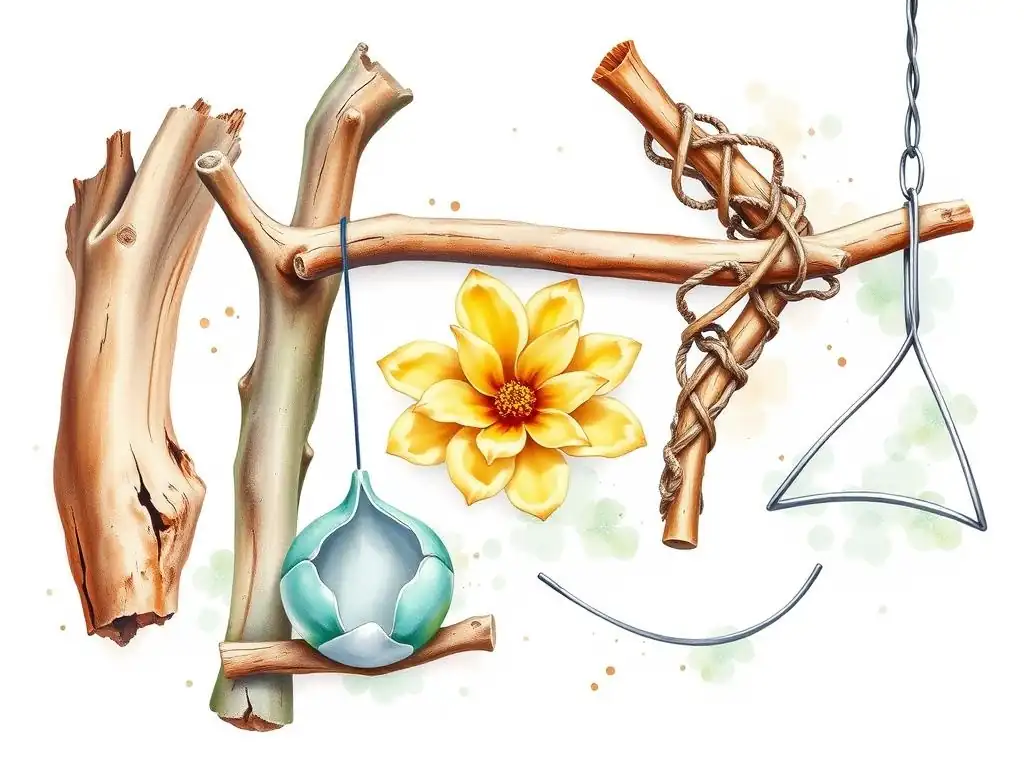
This section explores innovative and enriching perch designs for your feathered friend, moving beyond the standard dowel. We'll delve into various materials and construction techniques to create stimulating and safe perching options that promote your bird's physical and mental well-being. Remember, a diverse range of perches is crucial for preventing foot problems and encouraging natural behaviors. Providing a variety of textures and diameters is key to stimulating their feet and claws. This contributes to their overall health and happiness. Let's explore some creative options for enriching your bird's cage environment.
Natural Wood Perches: Branch Selection and Preparation for Safety
Natural wood perches offer a superior alternative to manufactured perches, providing a more natural and stimulating environment for your bird. However, careful selection and preparation are crucial to ensure safety. Avoid treated lumber and certain toxic wood species. The right branch can transform your bird's cage into a more engaging and stimulating space.
Sourcing Safe Branches: Identifying Non-Toxic Woods
Choosing the right branches is paramount. Avoid any branches from areas treated with pesticides or herbicides. Prioritize hard woods like apple, oak, birch, or willow. Softwoods like pine and cedar contain resins that can be harmful to birds. Always thoroughly research the specific tree species before using it in your bird's cage. A simple online search for "safe bird wood" will provide a wealth of information. Remember, safety is paramount! Incorrect choices can lead to serious health problems for your bird.
Common Safe Wood Species
- Apple
- Oak
- Birch
- Willow
- Maple
Woods to AVOID
- Pine
- Cedar
- Evergreen trees (generally)
- Avocado
- Cherry
Preparing Branches for the Cage: Cleaning and Shaping Techniques
Once you've collected suitable branches, thorough cleaning and preparation are essential. Scrub the branches with a stiff brush and hot, soapy water, ensuring all dirt and debris are removed. Rinse thoroughly and allow them to dry completely in the sun. Avoid using harsh chemicals. After drying, you can shape the branches to suit your bird's needs and the cage configuration. Use a sharp knife or pruning shears to create varied shapes and sizes. Sand down any rough edges to prevent splintering. Always supervise your bird closely when introducing new perches to ensure they are interacting with them safely.
Rope Perches: Benefits and DIY Instructions for Different Knots
Rope perches offer a texturally diverse perching experience, providing excellent grip and stimulating your bird's feet. They are relatively easy to create at home, allowing for customization in size, material, and knotting style. The right rope can not only provide a comfortable perch, but also a fun and engaging toy. This is a great way to add variety and challenge to your bird's daily routine.
Creating a Variety of Rope Perches: Different Materials and Textures
Experiment with different rope types to create a variety of textures. Natural sisal rope is a popular choice, providing excellent grip and a natural feel. Cotton rope offers a softer alternative, while jute rope adds a more rugged texture. When creating rope perches, always ensure the knots are secure and the rope is free of any loose ends that your bird could potentially ingest. Consider incorporating different sized branches or other natural materials into the rope construction to further enhance the perch's appeal.
| Rope Material | Texture | Benefits | Considerations |
|---|---|---|---|
| Sisal | Rough | Excellent grip, durable | Can be abrasive |
| Cotton | Soft | Gentle on feet | Less durable |
| Jute | Rough, strong | Durable, good grip | Can be slightly coarse |
Remember to always supervise your bird when introducing new perches and toys. Observe their interaction and adjust accordingly. Providing a stimulating and enriching environment is crucial for your bird's overall well-being. The goal is to create a happy and healthy home for your feathered companion.
Wooden Toy Perches: Combining Play and Perch Functionality
Wooden toy perches offer a fantastic way to enrich your bird's environment by combining play and resting areas. Instead of a simple, plain perch, consider incorporating elements that stimulate your feathered friend's natural foraging and playing instincts. The texture and varied shapes of these perches provide excellent foot exercise, preventing boredom and promoting healthy foot muscles. This is particularly important for larger birds who might otherwise spend too much time on standard, smooth perches. The natural wood also provides a much more stimulating tactile experience than the smooth surface of many commercially available perches.
The key to a successful wooden toy perch is to ensure that the wood is safe and non-toxic for your bird. Avoid treated woods or those with harmful finishes. Look for hardwoods like applewood, oak, or even branches from fruit trees (ensure they are pesticide-free and thoroughly cleaned). The size and shape of the perch should also be appropriate for your bird's size and species; a small finch will need a smaller perch than a large parrot.
Consider incorporating small, safe toys into the design to further enhance the perch's appeal and functionality. For example, small bells, non-toxic beads, or even small, safe wooden blocks can be securely attached. Always supervise your bird when it is interacting with a new perch to ensure safety.
Wooden Toy Perch Designs and Considerations
Designing a wooden toy perch can be a fun DIY project. Simple designs could involve attaching small, safe toys to a naturally shaped branch. More complex designs might involve carving or shaping the wood into interesting shapes with multiple perching areas. Remember to sand down any rough edges thoroughly to prevent injury. Consider incorporating different diameters along the length of the perch to provide varied gripping surfaces.
This variety helps to strengthen your bird's leg and foot muscles. Avoid using any glues or finishes that are not explicitly safe for birds. Always research the type of wood you are using and ensure it is non-toxic to your feathered friend. A well-designed wooden toy perch not only provides a comfortable resting spot but also offers hours of engaging play. Remember to regularly inspect the perch for any signs of damage or wear and replace it when necessary to prevent injuries.
Mineral Perches: Supporting Essential Nutrient Intake
Mineral perches are a valuable addition to any bird cage, offering a dual purpose: they provide a place to rest and supplement your bird’s diet with essential minerals. Many birds instinctively gnaw on natural materials, and mineral perches offer a safe and controlled way to fulfill this need. These perches are typically made of materials like cuttlebone, mineral blocks, or even specially formulated mineral-enriched wood.
The minerals found in these perches are crucial for maintaining strong bones, healthy feathers, and overall well-being. A deficiency in these minerals can lead to various health problems, so providing access to a mineral perch is a proactive measure in maintaining your bird's health.
The type of mineral perch you choose will depend on your bird's species and size. Some birds may prefer the texture of cuttlebone, while others might find mineral blocks more appealing. Observe your bird's behavior to see which type they interact with most frequently.
It's important to ensure that the perch is securely attached to the cage to prevent accidents. Regularly monitor the perch's condition and replace it as needed, especially if it shows significant wear and tear or if your bird seems to be losing interest in it. Consider offering a variety of mineral perches to keep your bird engaged and ensure they have access to a wide range of nutrients.
Cuttlebone Perch Benefits and Usage
Cuttlebone perches, derived from the internal shell of cuttlefish, are a popular choice among bird owners. They are a rich source of calcium, which is vital for strong bones and healthy egg production in female birds. The porous nature of cuttlebone also provides a good surface for beak trimming, helping to keep your bird's beak in good condition and preventing overgrowth. Many birds enjoy gnawing on cuttlebone, finding it both palatable and satisfying. This natural chewing action also helps to keep their beaks and claws healthy.
To use a cuttlebone perch effectively, securely attach it to the cage at a height your bird can easily reach. Observe your bird to see how frequently they use it and replace it when it becomes significantly worn or broken. While cuttlebone is a good source of calcium, it shouldn't be the sole source of this mineral in your bird's diet.
Supplement it with a well-balanced diet that includes other calcium-rich foods and, if necessary, a veterinary-recommended calcium supplement. Always ensure that the cuttlebone is clean and free from mold or bacteria. Regular cleaning and replacement will help to maintain hygiene and ensure the safety and health benefits of this valuable perch.
Enhancing Your Bird's Perch Experience: Placement and Enrichment
This section focuses on optimizing your bird's cage environment through strategic perch placement and enrichment activities. A thoughtfully designed perch system significantly impacts your feathered friend's physical and mental well-being. Providing diverse perch options promotes natural behaviors, strengthens leg muscles, and prevents boredom. Remember, a happy bird is an active bird! This translates directly into a healthier, more vibrant pet. Let's explore how to achieve this.
Strategic Perch Placement for Optimal Bird Movement and Exercise
Proper perch placement is crucial for encouraging natural bird behaviors. Avoid placing perches directly opposite each other; this limits movement and can lead to repetitive strain injuries. Instead, aim for a variety of heights and angles. Consider the following:
- Varying Heights: Offer perches at different levels to encourage climbing and flapping. A multi-level system mimics a natural environment, promoting exercise and exploration. Think of it as creating a bird-sized "obstacle course" within the cage.
- Diagonal Placement: Position perches diagonally across the cage, forcing your bird to maneuver and stretch. This helps maintain muscle tone and flexibility, preventing joint stiffness.
- Branch Thickness Variation: Provide perches of varying diameters. This allows your bird to grip with different parts of its feet, strengthening various muscles and preventing overuse injuries. A good rule of thumb is to have a range of perch thicknesses to accommodate your bird's foot size.
- Consider the Cage Size: A larger cage allows for more complex and varied perch arrangements. A smaller cage requires more careful planning to ensure adequate space for movement and exercise.
Creating a Multi-Level Perch System: Design Considerations
A multi-level perch system is essential for providing your bird with ample opportunities for exercise and exploration. However, simply adding more perches isn't enough. Careful consideration of design and placement is key.
- Natural Branch Integration: Incorporating natural branches of varying sizes and textures adds visual interest and provides a more stimulating environment. Always ensure branches are thoroughly cleaned and free from pesticides or harmful substances before placing them in the cage.
- Space and Accessibility: Ensure there's sufficient space between perches to allow your bird to move comfortably. Overcrowding can lead to stress and hinder natural movement. The perches should be easily accessible from all areas of the cage.
- Material Variety: Experiment with different perch materials, such as wood, rope, and even natural stones (ensure they are smooth and safe). This caters to your bird's natural instincts and provides tactile stimulation.
- Stability is Paramount: Ensure all perches are securely fastened to prevent accidents. A wobbly perch can be stressful and potentially dangerous for your bird.
Integrating Perches with Toys and Play Structures: Stimulating Environments
Combining perches with toys and play structures creates a more engaging and stimulating environment for your bird. This helps prevent boredom and encourages natural behaviors, leading to a happier and healthier pet.
Bird Toy and Perch Placement Strategies
Strategic placement of toys in relation to perches can significantly enhance your bird's playtime experience. Consider these points:
- Proximity to Food and Water: Placing toys near food and water dishes can encourage foraging behavior, mimicking natural feeding patterns.
- Variety and Rotation: Offer a variety of toys and rotate them regularly to prevent boredom. A bird's interest can wane if the same toys remain in the cage for extended periods.
- Challenge and Engagement: Choose toys that require your bird to use its beak and feet, stimulating both physical and mental activity.
- Perch-Based Toys: Integrate perches directly into toy designs. For example, a swing perch or a perch with attached bells provides both resting and play opportunities.
Remember, providing a diverse and stimulating environment for your bird is crucial for its overall well-being. By carefully considering perch placement, material, and integration with toys, you can create a truly enriching habitat for your feathered companion. Enjoy watching your bird thrive! 🐦
Beyond the Basics: Advanced Perch Ideas

This section delves into creative and enriching perch options for your feathered friend, moving beyond the standard store-bought perches. Providing a variety of perches is crucial for your bird's physical and mental well-being; it promotes foot health, prevents boredom, and encourages natural behaviors. We'll explore DIY projects, species-specific designs, and unique materials to enhance your bird's cage environment. Remember, a stimulating environment is key to a happy and healthy bird. This exploration of creative bird cage perch ideas will help you create a truly enriching habitat.
DIY Bird Perch Projects: Using Recycled Materials and Upcycled Items
Creating your own perches is a rewarding experience, allowing for customization and cost savings. Many household items can be repurposed into safe and stimulating perches. Think outside the box!
Here are some ideas utilizing recycled and upcycled materials:
- Wine Corks: These provide excellent grip and a natural texture. Simply drill a hole through several corks and string them together with strong, bird-safe twine or rope. Ensure the twine is securely fastened to prevent unraveling.
- Branches from Fruit Trees: Select branches from fruit trees that are untreated and free from pesticides. Thoroughly scrub and bake the branches to eliminate any harmful substances. Ensure the wood is completely dry before placing it in the cage. Avoid branches that are too thin or brittle.
- Bamboo Skewers: These can be bundled together using bird-safe glue to create a thicker, more substantial perch. The natural texture provides good grip.
- Paper Towel Rolls: These can be layered and glued together to create a unique textured perch. Remember to use non-toxic, bird-safe glue. These are best for smaller birds.
Remember to always thoroughly clean and sanitize any recycled materials before using them in your bird's cage. Avoid using materials that could splinter or contain harmful chemicals.
Customized Perches: Tailoring Designs to Your Bird's Species and Size
The ideal perch design depends heavily on your bird's species and size. Consider these factors when creating or selecting perches:
| Bird Species | Perch Type Recommendations | Considerations |
|---|---|---|
| Small Parakeets | Thin, smooth branches; small diameter dowels | Avoid perches that are too thick or too thin; ensure good grip |
| Larger Parrots | Thicker branches; varied diameters; rope perches | Provide a variety of textures and diameters; consider weight |
| Cockatoos | Thick, sturdy branches; natural wood with varied textures | Need strong, durable perches to withstand their powerful grip |
| Finches and Canaries | Thin branches; natural materials; multiple small perches | Provide ample space and multiple perches for flock dynamics |
Providing a variety of perch sizes and textures prevents foot problems and encourages natural behaviors. For instance, larger parrots benefit from thicker perches that allow them to comfortably grasp with their feet, while smaller birds might prefer thinner options. Always prioritize safety and ensure the perches are securely fastened to prevent accidents.
Unique Perch Materials: Exploring Beyond the Usual Options (e.g., coconut shells, lava rock)
Beyond the typical wood and rope, many other materials can be used to create stimulating perches. However, careful consideration of safety is paramount.
Safety Considerations when using Unique Materials
- Coconut Shells: These offer a unique texture and can be easily drilled and shaped. Ensure the shell is thoroughly cleaned and free of any sharp edges or splinters.
- Lava Rock: Lava rock perches provide excellent grip and are naturally abrasive, helping to keep your bird's nails trimmed. However, ensure the rock is smooth and free of sharp edges; some porous rocks may harbor bacteria. Thoroughly clean and bake before use.
- Manzanita Branches: These naturally curved branches provide interesting shapes and textures, but always check for splinters and sharp edges.
Always research the material thoroughly before introducing it to your bird's cage. Some materials may be toxic or contain harmful chemicals. Prioritize safety above all else. If unsure about a material's suitability, consult with an avian veterinarian. Remember, a safe and stimulating environment is crucial for your bird's overall health and happiness. 🐦
Maintaining and Replacing Bird Perches
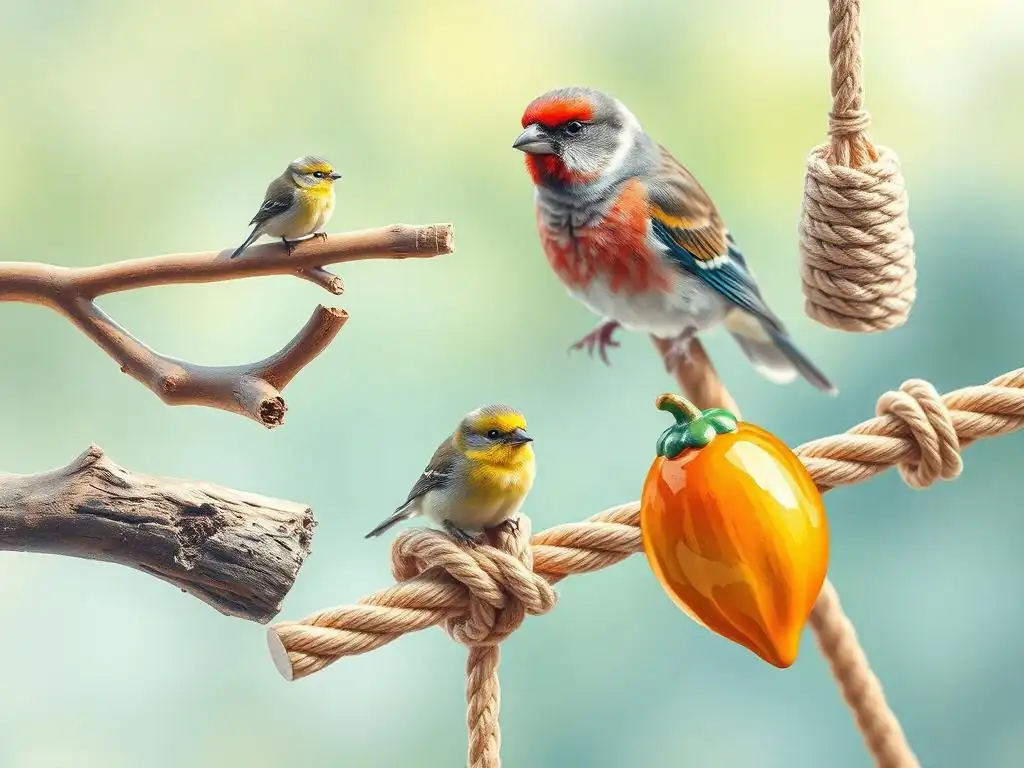
Maintaining your bird's perches is crucial for their health and well-being. Neglecting this aspect can lead to various health problems, impacting their foot health and overall quality of life. Regular cleaning, inspection, and timely replacement are key components of responsible bird ownership. Let's delve into the specifics.
Cleaning and Disinfecting Perches Regularly: Preventing Disease
Regular cleaning is paramount in preventing the spread of bacteria and disease among your feathered friends. Bird droppings, spilled food, and other debris accumulate quickly, creating a breeding ground for harmful microorganisms. Ideally, you should clean your bird's perches at least once a week, or more frequently if necessary.
Here's a step-by-step guide:
- Remove the perches: Carefully remove the perches from the cage.
- Wash thoroughly: Wash the perches with warm, soapy water. Use a pet-safe, non-toxic dish soap. A soft-bristled brush can help remove stubborn dirt.
- Rinse completely: Rinse the perches thoroughly to remove all traces of soap. Residue can be harmful to your bird.
- Disinfect: Use a pet-safe disinfectant, following the manufacturer's instructions carefully. Vinegar diluted with water (equal parts) is a natural and effective alternative. Ensure the perches are completely dry before returning them to the cage.
- Dry completely: Allow the perches to air dry completely before replacing them in the cage. Damp perches can encourage mold growth.
Remember to always supervise your bird during cleaning and handle perches with care to avoid injury to yourself or your pet. Regular cleaning is a simple yet highly effective preventative measure for maintaining a healthy and hygienic environment for your bird. The frequency of cleaning may need to be increased if you notice excessive droppings or other signs of soiling.
Recognizing Signs of Perch Wear and Tear: When to Replace
Even with regular cleaning, perches will eventually show signs of wear and tear. Ignoring these signs can compromise your bird's foot health and lead to injuries. It’s vital to regularly inspect your bird's perches for the following:
- Splintering or cracking: These are clear signs of damage that can cause injuries to your bird's feet.
- Excessive wear: If the perch is significantly worn down, especially in areas where your bird spends the most time, it's time for a replacement.
- Mold or mildew: The presence of mold or mildew indicates a lack of hygiene and poses a health risk to your bird.
- Chewed or damaged areas: Some birds may chew on their perches. If significant damage is present, replace the perch immediately.
Replacing worn-out perches is not just about aesthetics; it's a crucial aspect of responsible bird care. A damaged perch can cause foot injuries, leading to lameness, infections, and other health complications. Regular inspection and timely replacement are essential for ensuring your bird's comfort and well-being. Think of it as preventative maintenance – much better than dealing with a costly vet bill later!
Choosing the Right Perch Replacement: Considering Size, Material, and Bird Species
Selecting the appropriate replacement perch involves considering several factors to ensure your bird's comfort and foot health. The size, material, and even the shape of the perch should be carefully chosen based on your bird's species and size.
- Size: The diameter of the perch should be appropriate for your bird's size. Too small, and it can lead to cramped feet and potential injuries. Too large, and your bird may struggle to grip it securely. Research the ideal perch size for your specific bird species.
- Material: Various materials are available, each with its own advantages and disadvantages. Natural wood perches, such as those made from applewood or manzanita, are popular choices. However, ensure the wood is untreated and safe for birds. Avoid pressure-treated lumber. Other materials include rope, cotton, and even concrete perches, each providing varied textures and grip.
- Bird Species: Different bird species have different foot structures and preferences. Some birds prefer thicker perches, while others prefer thinner ones. Research your bird's species to determine the ideal perch size and material. For example, larger parrots benefit from a variety of perch sizes and textures to exercise their feet properly.
By considering these factors, you can ensure that your bird has access to safe, comfortable, and stimulating perches that promote their overall health and well-being. Remember, providing a variety of perch types and sizes encourages natural foot exercises and prevents foot problems. 🐦
Finding the Perfect Perches for Your Feathered Friend: A Buyer's Guide
This section delves into the crucial aspects of selecting the right perches for your avian companion. Choosing the correct perches is vital for your bird's foot health, overall well-being, and enrichment. Ignoring this aspect can lead to foot problems, boredom, and even behavioral issues. Let's explore how to make informed decisions when purchasing perches, ensuring your feathered friend thrives.
Factors to Consider When Choosing Bird Perches: Size, Material, and Bird Species
Selecting the perfect perch involves careful consideration of several key factors. The size, material, and suitability for your specific bird species are paramount. Let's examine each in detail:
- Size: Perches should be appropriately sized for your bird's feet. Too small, and it can lead to pressure points and foot deformities. Too large, and your bird might struggle to grip securely. A good rule of thumb is to choose perches where your bird can comfortably wrap its toes around at least three-quarters of the perch's circumference. For example, a small parakeet will need significantly smaller perches than a large macaw. Consider offering a variety of perch diameters to cater to your bird's preference and encourage natural foot exercises.
- Material: The material of the perch significantly impacts its durability, comfort, and potential health benefits. Natural wood perches, like those made from untreated applewood, willow, or grapevine, are excellent choices. These offer a naturally textured surface that helps keep your bird's talons trimmed. However, avoid treated woods as the chemicals can be toxic. Other materials like rope, cotton, and even natural stones can add variety and stimulation. Always ensure the material is safe and non-toxic for birds. Avoid anything that may fray or splinter easily.
- Bird Species: Different bird species have unique foot structures and preferences. For instance, a cockatoo's strong feet require sturdy, thicker perches, while a smaller finch might prefer thinner, more delicate options. Researching the specific needs of your bird species is crucial for selecting the right perch size and material. Consider consulting avian veterinarians or experienced bird breeders for species-specific recommendations. This ensures you're providing the best possible foot support and comfort for your feathered friend.
Top Brands for Bird Perches: A Comparative Analysis
While many brands offer bird perches, some stand out for their quality, safety, and innovative designs. This section provides a comparative analysis of leading brands, highlighting their strengths and weaknesses. Remember, the "best" brand will depend on your bird's specific needs and your budget. Always prioritize safety and quality when making your selection. Further research into individual product reviews is highly recommended.
| Brand Name | Material Options | Pros | Cons | Price Range |
|---|---|---|---|---|
| [Brand Name 1 Pending] | [Materials Pending] | [Pros Pending] | [Cons Pending] | [Price Range Pending] |
| [Brand Name 2 Pending] | [Materials Pending] | [Pros Pending] | [Cons Pending] | [Price Range Pending] |
| [Brand Name 3 Pending] | [Materials Pending] | [Pros Pending] | [Cons Pending] | [Price Range Pending] |
This table needs further research to fill in the missing brand information. Further data collection is necessary to provide a comprehensive comparison of top brands in the market for creative bird cage perch ideas.
Where to Buy Bird Perches: Online Retailers vs. Local Pet Stores
The decision of where to purchase your bird perches depends on your priorities. Both online retailers and local pet stores offer advantages and disadvantages.
Online retailers often provide a wider selection and potentially lower prices due to increased competition. However, you cannot physically inspect the quality of the perches before purchase, and shipping costs and potential delays need to be factored in. Additionally, verifying the safety and non-toxicity of materials might require extra diligence.
Local pet stores offer the advantage of hands-on inspection. You can examine the quality, feel the texture, and ensure the perch is suitable for your bird. Expert advice from knowledgeable staff can also be invaluable. However, the selection might be more limited, and prices could be higher than online options. The convenience of immediate purchase is a significant benefit. Ultimately, the best option depends on your individual circumstances and preferences. Careful consideration of both options will ensure you find the perfect perches for your beloved bird.
Frequently Asked Questions
What makes a good bird cage perch?
A good perch should provide comfort and security for your bird. Look for perches of various diameters and textures to mimic natural branches, promoting healthy foot and claw development. Avoid perches that are too smooth or too small.
Why are different perch types important?
Variety is key! Different perch types stimulate your bird's feet and legs, preventing boredom and reducing the risk of foot problems. Offering a mix of wood, rope, and other materials keeps your bird engaged and active.
What materials are best for bird cage perches?
Natural, untreated wood like manzanita, applewood, or willow are excellent choices. Avoid treated lumber or anything toxic. You can also use safe rope perches, but always supervise your bird to ensure they don't chew and ingest any harmful materials.
How many perches should I have in my bird's cage?
The number of perches depends on your bird's size and the cage size. Aim for at least two to three perches of varying heights and diameters, allowing your bird to move freely and choose its preferred spot. Consider adding more for larger cages or multiple birds.
Where can I find inspiration for creative bird perch ideas?
PetCareWorld offers many creative bird cage perch ideas! Explore our website for tutorials and guides on crafting unique perches from natural materials. You can also find inspiration on Pinterest and other pet-related websites and forums.
Final Reflection: Enriching Avian Lives Through Creative Perch Design
The simple act of providing a bird with a perch transcends mere practicality; it's a fundamental step in ensuring their physical and emotional well-being. A thoughtfully designed perch isn't just a resting place; it's a crucial element in preventing foot and leg problems, stimulating natural behaviors, and enriching the overall quality of life for our feathered companions.
The impact of creative perch design extends beyond the individual bird, influencing how we perceive our responsibility as pet owners. We are increasingly aware of the importance of environmental enrichment for animals in captivity, recognizing that a stimulating environment is crucial for their mental and physical health. The greatest reward in life is to discover that we are loved, and the greatest happiness is to love in return.
This quote, while not directly about birds, speaks to the profound connection we can foster through thoughtful care and attention to detail, like crafting unique and engaging perches. This simple act reflects a deeper understanding of our role as caretakers and the importance of enriching the lives of those in our charge.
Consider the perches in your bird's cage. Are they stimulating enough? Do they offer variety in texture, size, and shape? Take a moment to observe your bird interacting with its environment. What adjustments could you make to enhance its comfort and encourage natural behaviors? By embracing creativity in perch design, we not only improve the physical health of our birds but also deepen our bond with them, fostering a richer and more fulfilling relationship for both of us.
Unleash Your Bird's Inner Architect!
Thanks for exploring the world of creative perches with us! We hope you've found inspiration to enrich your feathered friend's life. Now it's time to put your knowledge into action.
- Craft the perfect perch: Choose your favorite material and create a unique perch tailored to your bird's size and preferences. This is a wonderful way to show your bird some extra love and provide essential enrichment.
- Share your creation: Snap a picture of your amazing handiwork and share it on social media using #PetCareWorldPerchChallenge – let's inspire each other!
- Explore further: Discover more bird enrichment techniques in other articles on PetCareWorld.org.
What unique perch material are you most excited to try, and why?