
Hyperthyroidism in Cats: How to Navigate the Diagnosis Journey

Welcome to PetCareWorld, your ultimate guide to a happier, healthier life for your beloved pets! Are you concerned about your feline friend? We understand the worry that accompanies a potential diagnosis like cat hyperthyroidism. This comprehensive resource offers invaluable support and information to navigate the complexities of diagnosis and treatment, empowering you to make informed decisions for your cat's well-being. Discover practical advice and expert insights within our "Cat Care & Behavior" section—begin your journey towards understanding cat hyperthyroidism diagnosis support now.
- Understanding Feline Hyperthyroidism: Symptoms and Early Detection
- Diagnosing Hyperthyroidism in Your Cat: A Step-by-Step Guide
- Treatment Options for Feline Hyperthyroidism: A Comprehensive Overview
- Living with Hyperthyroidism: Long-Term Care and Management
- Supporting Your Cat Through the Diagnosis Process: Tips and Advice
- Additional Resources for Cat Hyperthyroidism Support
- Frequently Asked Questions
- Final Reflection: Navigating the Labyrinth of Feline Hyperthyroidism
- Unleash Your Cat's Inner Purrfection: Supporting Their Thyroid Health
Understanding Feline Hyperthyroidism: Symptoms and Early Detection
Hyperthyroidism in cats, a condition where the thyroid gland produces excessive hormones, is a prevalent health concern affecting many feline companions. This condition, often affecting older cats (typically over 8 years old), can significantly impact their quality of life if left undiagnosed and untreated. This comprehensive guide will walk you through the crucial steps of navigating the diagnosis journey for feline hyperthyroidism, empowering you to provide the best possible care for your beloved cat.
We'll explore the common symptoms, the importance of early detection through regular veterinary checkups, and even the subtle signs that might otherwise be overlooked. Understanding these aspects is crucial for securing a timely diagnosis and initiating appropriate treatment to ensure your cat's comfort and longevity.
Early intervention is key in managing hyperthyroidism and improving your cat's overall well-being. This article aims to provide support and information to help you effectively address this common feline health challenge, offering practical guidance throughout the diagnostic process, answering the vital question: "How can I support my cat during a hyperthyroidism diagnosis?"
Recognizing the Signs of Hyperthyroidism in Cats
Many signs of feline hyperthyroidism can be subtle, making early detection challenging. However, being aware of the common symptoms can significantly improve your chances of early diagnosis. Some of the most frequently observed symptoms include:
- Increased thirst and urination (polydipsia and polyuria): Your cat might be drinking and urinating more frequently than usual. This is often one of the earliest noticeable signs.
- Weight loss: Despite maintaining or even increasing appetite, your cat may experience unexplained weight loss. This is because the increased metabolism burns more calories.
- Increased appetite: A heightened appetite is another common symptom, often coupled with unexpected weight loss.
- Hyperactivity: Some cats exhibit increased energy levels and restlessness, showing more activity than usual.
- Vomiting and/or diarrhea: Gastrointestinal upset, including vomiting and diarrhea, can occur in cats with hyperthyroidism.
- A rapid or irregular heartbeat (tachycardia): You may notice your cat's heart beating faster than normal. A veterinarian can confirm this through a physical exam.
- Thickened coat: The cat's fur may appear thicker and coarser than usual.
- Restlessness and anxiety: Some cats may display increased anxiety or restlessness, perhaps due to discomfort or the underlying hormonal imbalance.
It's important to note that not all cats will exhibit all of these symptoms, and the severity can vary greatly. If you notice any of these changes in your cat's behavior or physical condition, it's crucial to seek veterinary attention promptly.
Early Detection: Importance of Regular Veterinary Checkups
Regular veterinary checkups are paramount in early detection of feline hyperthyroidism. Annual checkups provide an opportunity for your veterinarian to conduct a thorough physical examination, including assessing your cat's weight, listening to its heart, and evaluating its overall health. During these visits, blood tests can be performed to measure thyroid hormone levels, providing an objective assessment of thyroid function. Early detection is crucial because untreated hyperthyroidism can lead to serious health complications, including heart disease, kidney disease, and even death.
The earlier the condition is diagnosed, the sooner treatment can begin, improving the prognosis and quality of life for your cat. Think of these checkups as preventative maintenance – investing in your cat's health proactively. Don't underestimate the importance of these routine visits; they're a critical part of responsible pet ownership and can save your cat's life.
Subtle Symptoms of Hyperthyroidism: Don't Overlook the Clues
While the symptoms mentioned above are common, some signs of hyperthyroidism can be quite subtle and easily overlooked. These often manifest as gradual changes in behavior or physical appearance, making them harder to identify as potential health problems. For example, a slight increase in vocalization, changes in litter box habits (more frequent urination or defecation), or a subtle change in personality (increased irritability or lethargy) might be early indicators.
Furthermore, some cats may experience muscle weakness or tremors, which can also be subtle and easily attributed to aging. It's crucial to pay close attention to any changes in your cat's routine or behavior, no matter how minor they may seem. Keeping detailed records of your cat's daily habits can help you identify patterns and subtle changes that might indicate a health issue.
If you notice even minor deviations from your cat's normal behavior, it's always best to err on the side of caution and consult your veterinarian. Early detection is key to effective management of hyperthyroidism, and recognizing even subtle symptoms can make a significant difference in your cat's overall health and well-being. 😻
Diagnosing Hyperthyroidism in Your Cat: A Step-by-Step Guide
This section provides a detailed, step-by-step guide to navigating the diagnostic process for feline hyperthyroidism. Understanding each stage will empower you to effectively support your cat throughout this challenging journey. Remember, early and accurate diagnosis is crucial for successful treatment and improving your cat's quality of life. This guide focuses on providing you with the knowledge to confidently communicate with your veterinarian and advocate for your feline companion. Seeking "cat hyperthyroidism diagnosis support" is a proactive step towards ensuring the best possible outcome.
The Initial Veterinary Consultation: What to Expect
Your first visit to the veterinarian is paramount in the diagnosis of hyperthyroidism. During this consultation, be prepared to provide a comprehensive history of your cat's health, including any observed behavioral or physical changes. These changes, often subtle at first, can be crucial clues. Common symptoms include increased thirst (polydipsia), increased urination (polyuria), weight loss despite a good appetite, restlessness, hyperactivity, or even a change in coat quality. Note the onset and progression of these symptoms meticulously. The more detailed your information, the better your veterinarian can assess the situation.
The veterinarian will perform a thorough physical examination, paying close attention to your cat's heart rate, blood pressure, and overall body condition. They will also assess your cat's temperament and activity levels. Don't hesitate to voice any concerns, no matter how small they may seem. For example, even a slight change in your cat's personality or sleeping habits can be a significant indicator. Remember, your observations are invaluable in this initial assessment. The veterinarian may also ask about your cat's diet and lifestyle.
Early detection is key in managing feline hyperthyroidism. The sooner the diagnosis is made, the better the chances of successful treatment and a positive outcome for your cat.
Blood Tests for Hyperthyroidism: Interpreting the Results
Following the initial consultation, your veterinarian will likely order blood tests to measure your cat's thyroid hormone levels. The most common tests used are:
- Total T4 (Thyroxine): This measures the total amount of T4 hormone in the blood. Elevated levels often indicate hyperthyroidism.
- Free T4: This measures the amount of unbound T4 hormone, which is the biologically active form. This test is often more accurate than total T4.
- TSH (Thyroid Stimulating Hormone): This test measures the amount of TSH produced by the pituitary gland. In hyperthyroidism, TSH levels are usually suppressed.
The results of these tests will be crucial in determining whether your cat has hyperthyroidism. However, it's important to note that sometimes the results might be borderline or inconclusive. This doesn't necessarily mean your cat doesn't have the condition. Your veterinarian will consider all the clinical signs and test results before making a diagnosis.
A single elevated T4 level, for example, may not always be indicative of hyperthyroidism, and further testing might be necessary. This is where seeking support and understanding the nuances of the testing process is vital. Don't hesitate to ask your veterinarian to explain the results in detail.
| Test | Normal Range (Example) | Elevated Result Suggests |
|---|---|---|
| Total T4 | 1.0 - 3.0 ng/dL | Hyperthyroidism |
| Free T4 | 0.8 - 2.5 ng/dL | Hyperthyroidism |
| TSH | 0.0 - 5.0 µIU/mL | Hypothyroidism (opposite) |
Further Diagnostic Tests: Ultrasound and Fine Needle Aspiration
In some cases, blood tests alone may not be sufficient to confirm a diagnosis of hyperthyroidism. Additional diagnostic tests may be recommended to further investigate the condition and rule out other possibilities. These may include:
- Ultrasound: An ultrasound of the thyroid gland can help visualize the size and structure of the thyroid glands. Enlarged or nodular thyroid glands are often indicative of hyperthyroidism. The ultrasound provides a visual confirmation supporting the blood test results. This non-invasive procedure can help pinpoint the exact location and extent of the thyroid issue.
- Fine Needle Aspiration (FNA): If the ultrasound reveals abnormalities, an FNA may be performed. This involves inserting a thin needle into the thyroid gland to collect a small sample of cells. These cells are then examined under a microscope to determine if they are cancerous or benign. This procedure helps differentiate between benign thyroid hyperplasia (enlarged but non-cancerous thyroid) and thyroid cancer.
Understanding these diagnostic steps is crucial for obtaining "cat hyperthyroidism diagnosis support." Remember, a collaborative approach between you and your veterinarian is key to ensuring the best possible outcome for your beloved feline friend. Don't hesitate to ask questions and seek clarification at every stage of the process. Your active participation is vital in ensuring your cat receives the appropriate care and treatment.
Confirming the Diagnosis: Putting the Pieces Together
Once your veterinarian has identified potential indicators of hyperthyroidism through a physical exam and initial blood work, confirming the diagnosis involves a more thorough investigation. This often entails a combination of tests to rule out other conditions and solidify the hyperthyroidism diagnosis. The goal is to create a clear picture of your cat's thyroid function and overall health. This is crucial because the treatment plan will be significantly impacted by the accuracy of the diagnosis. Rushing this process can lead to inappropriate treatments and potentially harm your cat.
One critical step is often a thyroid hormone test. This test directly measures the levels of T4 (thyroxine) and sometimes T3 (triiodothyronine) in your cat's blood. Elevated levels of these hormones are a strong indicator of hyperthyroidism. However, it's important to remember that some cats with hyperthyroidism may have normal or only slightly elevated T4 levels, highlighting the importance of considering the clinical picture alongside the test results. A single elevated T4 reading might not be conclusive, and your veterinarian may recommend repeat testing to confirm the trend.
Beyond the blood tests, your vet might also suggest a thyroid scan. This imaging technique provides a visual representation of your cat's thyroid glands, allowing the veterinarian to assess their size and activity. An enlarged or overactive thyroid gland is a clear sign of hyperthyroidism. The scan can also help differentiate between benign and cancerous thyroid nodules, which is vital for determining the appropriate course of treatment.
Furthermore, your veterinarian will likely conduct a thorough review of your cat's medical history and symptoms. This includes a detailed account of changes in appetite, weight, behavior, and coat condition. This holistic approach is essential because hyperthyroidism can manifest differently in various cats. Some may show dramatic weight loss, while others exhibit subtle changes. By carefully comparing the test results with the observed clinical signs, your vet can build a comprehensive understanding of your cat's condition.
Finally, ruling out other conditions is equally crucial. Several diseases can mimic the symptoms of hyperthyroidism, leading to misdiagnosis. Your vet may conduct additional blood tests to check kidney function, liver function, and blood sugar levels. This comprehensive approach ensures that any underlying conditions are detected and addressed.
Remember, accurate diagnosis is the foundation for effective treatment and your cat’s well-being. Don't hesitate to ask your veterinarian any questions you have throughout this process; their expertise is invaluable in navigating this journey. The peace of mind that comes from a confirmed diagnosis, even if it's not what you hoped for, allows you and your veterinarian to develop a tailored treatment plan for your beloved feline companion.
Treatment Options for Feline Hyperthyroidism: A Comprehensive Overview
Hyperthyroidism in cats, a common endocrine disorder, requires careful management to improve the cat's quality of life and extend its lifespan. Several treatment options exist, each with its own benefits, drawbacks, and suitability depending on the individual cat's health and circumstances. Choosing the right approach requires close collaboration between the pet owner and the veterinarian, considering factors such as the cat's age, overall health, and the severity of the hyperthyroidism.
This section delves into the primary treatment avenues available for feline hyperthyroidism, empowering you to make informed decisions in partnership with your veterinary professional. Remember, this information is for educational purposes and should not replace professional veterinary advice.
Medication Management: Antithyroid Drugs and Their Effects
Medication is often the initial treatment approach for feline hyperthyroidism. Antithyroid drugs, such as methimazole, work by inhibiting the production of thyroid hormones. This helps to regulate the levels of T3 and T4 back to a more normal range, alleviating many of the symptoms associated with the condition.
Methimazole is typically administered orally, once or twice daily, depending on the veterinarian's prescription. The dosage is carefully adjusted based on the cat's individual response and regular blood tests monitoring thyroid hormone levels. Consistent administration is crucial for effective management.
While generally well-tolerated, methimazole can have side effects. These may include vomiting, lethargy, loss of appetite, and in rare cases, more serious complications like liver damage or bone marrow suppression. Regular veterinary checkups are essential to monitor for any adverse effects and adjust the medication accordingly. Careful observation of your cat's behavior and appetite is also vital. Changes in these behaviors could signal potential side effects, requiring immediate veterinary attention.
Common Side Effects of Methimazole:
- Vomiting
- Lethargy/Weakness
- Loss of Appetite
- Jaundice (yellowing of skin and eyes)
- Swollen lymph nodes
Radioactive Iodine Therapy: A Potential Solution
Radioactive iodine (RAI) therapy offers a potentially curative treatment for hyperthyroidism in cats. This procedure involves administering a single dose of radioactive iodine, which selectively targets and destroys the overactive thyroid tissue. This process is typically performed at a specialized veterinary hospital with appropriate safety protocols in place.
The advantage of RAI is that it often leads to a permanent remission of the hyperthyroidism, eliminating the need for long-term medication. However, it's crucial to understand that RAI therapy carries potential risks, including temporary side effects such as increased thirst and urination. In rare cases, more serious complications can occur. Your veterinarian will thoroughly discuss the risks and benefits before recommending this treatment option. Post-treatment monitoring is essential to ensure the effectiveness and safety of the procedure.
Dietary Changes and Lifestyle Adjustments to Support Treatment
While not a standalone treatment, dietary changes and lifestyle adjustments can significantly support the management of feline hyperthyroidism and improve the overall well-being of the cat. A balanced diet tailored to the cat's specific needs, considering its age and overall health, is essential. Food high in antioxidants and nutrients can help to support the immune system and mitigate some of the effects of hyperthyroidism.
Regular exercise, while adapted to the cat's energy levels, can help maintain a healthy weight and improve overall health. Reducing stress through a calm and enriching environment is also beneficial. Providing a safe and comfortable space, along with regular playtime and interaction, helps to reduce stress levels and improve your cat's quality of life. This holistic approach, combined with medication or other therapies, can contribute significantly to a positive outcome in managing this condition. Remember, a healthy lifestyle is an important component of managing feline hyperthyroidism and supporting your cat’s overall wellness.
Monitoring Thyroid Levels: Regular Check-ups are Crucial
Regular monitoring of thyroid hormone levels is absolutely critical after initiating treatment for feline hyperthyroidism. This isn't a "set it and forget it" situation; consistent tracking ensures the treatment's effectiveness and allows for timely adjustments if needed. The frequency of these check-ups will vary depending on the chosen treatment method and your cat's individual response.
For example, cats undergoing radioactive iodine therapy (RAI) might require less frequent monitoring after the initial post-treatment period, as the effects are generally long-lasting. However, cats treated with medication will typically need more frequent blood tests to assess thyroid hormone levels (T4) and adjust medication dosages accordingly.
These regular blood tests provide invaluable data. Elevated T4 levels indicate the treatment isn't adequately controlling the hyperthyroidism, and the veterinarian may need to increase the medication dosage or explore alternative treatment options. Conversely, significantly suppressed T4 levels could signal that the dosage is too high, potentially leading to hypothyroidism (an underactive thyroid), which carries its own set of health risks. Therefore, finding the right balance is key, and that balance is achieved through careful monitoring.
The veterinarian will typically schedule these check-ups at intervals ranging from every few weeks to every few months, depending on your cat's response to treatment. During these visits, the vet will not only check thyroid levels but also assess your cat's overall health, looking for signs of improvement or any potential side effects of the treatment. This holistic approach ensures the best possible outcome and allows for prompt intervention if any complications arise.
Remember, open communication with your veterinarian is crucial; don't hesitate to voice any concerns or questions you may have regarding your cat's treatment and monitoring schedule. Consistent monitoring is an investment in your cat's long-term health and well-being, significantly improving their quality of life.
Early detection of any issues allows for prompt adjustments, minimizing potential health risks associated with both hyperthyroidism and its treatment. This proactive approach is vital for managing feline hyperthyroidism effectively and providing your beloved companion with the best possible care.
Living with Hyperthyroidism: Long-Term Care and Management
Successfully navigating a cat hyperthyroidism diagnosis is only the first step. Living with this condition requires a long-term commitment to careful management and monitoring to ensure your feline friend maintains a good quality of life. This section provides crucial information for supporting your hyperthyroid cat through the ongoing challenges. Remember, consistent care and regular veterinary check-ups are key to successful management of feline hyperthyroidism. This holistic approach to cat hyperthyroidism diagnosis support is essential for a positive outcome.
Managing Symptoms: Addressing Weight Loss, Increased Thirst, and Other Issues
Hyperthyroidism in cats often presents with a range of noticeable symptoms. Weight loss, despite a seemingly healthy appetite, is a common sign. This is due to the increased metabolic rate caused by the overproduction of thyroid hormones. To combat this, a high-calorie, easily digestible diet is often recommended. Your veterinarian can help determine the appropriate calorie intake based on your cat's individual needs and weight goals. They may also suggest specific food brands or types.
Another frequent symptom is polydipsia (increased thirst) and polyuria (increased urination). This is a direct result of the body's attempt to flush out the excess thyroid hormones. Providing readily available fresh water in multiple locations throughout the house is crucial. Monitor your cat's water intake and urination frequency; significant changes should be reported to your veterinarian immediately. They can help assess if there are any underlying complications or if adjustments to the treatment plan are necessary. This consistent monitoring is a vital part of providing effective cat hyperthyroidism diagnosis support.
Other symptoms, such as increased activity levels, restlessness, vomiting, and diarrhea, may also need to be addressed. These can often be managed through dietary changes and medication, but always consult your veterinarian before making any adjustments to your cat's treatment plan. Remember, even seemingly minor changes in your cat's behavior or bodily functions can be significant indicators of the disease's progression or potential complications.
Dietary Considerations for Hyperthyroid Cats
Nutrition plays a vital role in managing feline hyperthyroidism. A balanced diet tailored to your cat's specific needs is essential for maintaining a healthy weight, supporting their immune system, and mitigating some of the symptoms. Commercial prescription diets formulated for hyperthyroid cats are available and often recommended by veterinarians. These diets are typically lower in iodine, a key component in thyroid hormone production, and may also contain added nutrients to support overall health.
However, the best diet for your cat will depend on several factors, including their age, overall health, and the severity of their hyperthyroidism. Some cats may benefit from homemade diets, but these require careful planning and veterinary oversight to ensure nutritional adequacy. Always discuss dietary changes with your veterinarian before implementing them to avoid potential nutrient deficiencies or imbalances. This careful attention to detail is a crucial aspect of comprehensive cat hyperthyroidism diagnosis support.
Remember to monitor your cat's weight regularly and adjust their food intake as needed, following your veterinarian's guidance. Maintaining a healthy weight is crucial for managing the disease and improving your cat's overall well-being. Regular blood work can also help monitor the effectiveness of the dietary approach and assess the need for any adjustments.
Ongoing Veterinary Care: Maintaining Optimal Health
Regular veterinary check-ups are paramount in managing feline hyperthyroidism. These appointments allow for ongoing monitoring of your cat's health, ensuring the effectiveness of the treatment plan, and early detection of any complications. Blood tests will monitor thyroid hormone levels, ensuring the medication is working effectively and adjustments are made if necessary. This continuous assessment is integral to providing effective cat hyperthyroidism diagnosis support.
Beyond blood tests, your veterinarian will conduct a thorough physical examination, assessing your cat's overall health and looking for any signs of secondary issues. Regular monitoring can help identify potential complications early, allowing for timely intervention and better management of the disease. This proactive approach is crucial for maintaining your cat's quality of life and extending their lifespan.
Don't hesitate to contact your veterinarian if you notice any changes in your cat's behavior, appetite, or overall health between scheduled appointments. Early detection of any problems can significantly improve the outcome. Remember, proactive and consistent veterinary care is a cornerstone of successful long-term management of feline hyperthyroidism, providing invaluable cat hyperthyroidism diagnosis support.
Quality of Life Considerations: Ensuring Your Cat's Comfort and Well-being
Living with hyperthyroidism doesn't mean your cat's life has to be miserable. A significant part of managing this condition involves prioritizing your cat's quality of life. This means paying close attention to their comfort, happiness, and overall well-being. Regular monitoring is key; you'll want to watch for any signs of distress or discomfort, such as lethargy, decreased appetite, or changes in litter box habits. These subtle shifts can indicate that the treatment plan needs adjustment or that a new issue has arisen.
Beyond monitoring, proactive measures are crucial. For instance, senior cats with hyperthyroidism are often prone to dental issues. Regular dental checkups and professional cleanings can significantly improve their comfort and prevent further complications. Many cats also experience weight loss with hyperthyroidism.
Providing high-calorie, palatable food can help maintain a healthy weight, boosting their energy levels and overall well-being. Remember to consult your veterinarian about appropriate dietary choices; they can recommend specific foods formulated to support cats with hyperthyroidism. Consider using food puzzles or interactive feeders to stimulate your cat mentally and encourage activity, combating the lethargy often associated with the disease.
Remember that even small changes in your cat's routine or environment can significantly impact their comfort. A warm, cozy bed, regular grooming sessions, and plenty of quiet playtime can all make a difference. Providing a safe and stimulating environment is essential for their mental and emotional well-being, which is often overlooked amidst the focus on physical health. Don't underestimate the power of gentle petting and affection; these simple gestures can significantly enhance your cat's quality of life and strengthen your bond.
The goal is to create a supportive and nurturing environment where your feline friend can thrive despite their condition. Open communication with your veterinarian is crucial throughout this process; they can provide tailored advice and support based on your cat's specific needs and circumstances. Early intervention and proactive care can significantly improve the quality of life for cats living with hyperthyroidism. 😻
Supporting Your Cat Through the Diagnosis Process: Tips and Advice
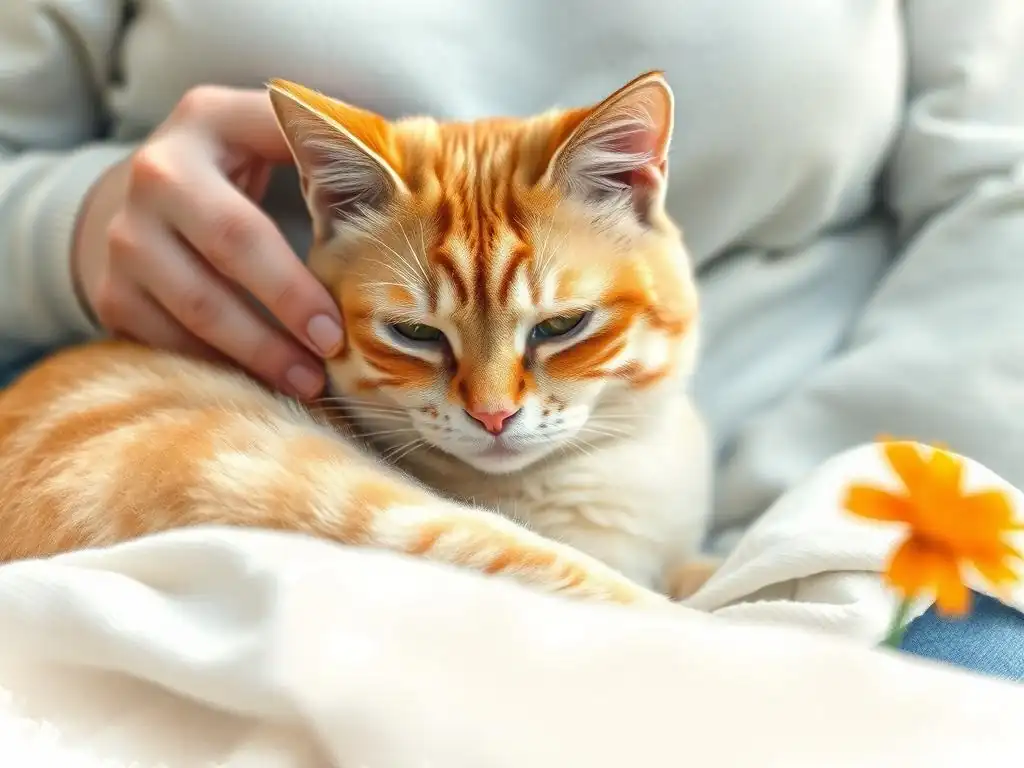
Navigating a hyperthyroidism diagnosis for your feline companion can be stressful for both you and your cat. Understanding the process and providing appropriate support are crucial for a positive outcome. This section offers practical advice to help you manage your cat's journey through diagnosis and subsequent treatment. Remember, patience and a calm approach are key to helping your cat cope with this challenging health issue. This support is vital for managing feline hyperthyroidism effectively.
Reducing Stress During Veterinary Visits
Veterinary visits can be incredibly stressful for cats, especially when dealing with a health concern like hyperthyroidism. Minimizing stress during these visits is paramount to ensuring accurate diagnosis and a more positive experience for your pet. Here’s how:
- Use a carrier: Transport your cat in a secure, comfortable carrier to prevent escape and reduce anxiety during travel. Line the carrier with a familiar, soft blanket to create a sense of security.
- Plan your trip: Schedule appointments for less busy times of day to minimize waiting time and potential exposure to other animals.
- Talk to your veterinarian: Discuss your cat's anxiety with your vet beforehand. They may suggest calming pheromones, sedatives (if necessary), or other strategies to manage stress.
- Positive reinforcement: Reward your cat with treats and praise after the visit to associate veterinary visits with positive experiences. This positive reinforcement can be crucial for future visits.
- Maintain a calm demeanor: Your cat will pick up on your stress levels. Remain calm and reassuring throughout the visit to help your cat feel more secure. A calm and confident approach reduces their stress.
Remember, a stressed cat may not exhibit typical symptoms, impacting the accuracy of the diagnosis. Therefore, mitigating stress is a critical aspect of supporting your cat through the hyperthyroidism diagnosis process.
Providing a Comfortable and Supportive Home Environment
Creating a comfortable and supportive home environment is vital for your cat's well-being during the diagnosis and treatment phases of hyperthyroidism. A stress-free atmosphere contributes significantly to their overall health and recovery.
Providing a safe haven: Designate a quiet, comfortable space where your cat can retreat when feeling overwhelmed or stressed. This could be a cat bed, a shelf, or even a specific corner of a room. Ensure this space is easily accessible and away from noisy areas.
Maintaining a consistent routine: Cats thrive on routine. Maintaining a consistent feeding schedule, playtime, and grooming routine can provide a sense of stability and reduce anxiety. This predictability is especially important during stressful times.
Enrichment activities: Engage your cat with interactive toys, scratching posts, and climbing structures to keep them entertained and mentally stimulated. Puzzle feeders can also provide mental stimulation while slowing down eating, which can be beneficial for hyperthyroid cats.
Gentle handling: Handle your cat gently and avoid sudden movements that might startle them. Speak to them in a soft, soothing voice to create a calming atmosphere. Gentle handling is crucial, particularly if they're already feeling unwell.
Maintaining a Healthy Diet and Exercise Routine
While diet and exercise are important for all cats, they take on added significance when managing hyperthyroidism. Nutrition plays a vital role in overall health, and a healthy weight can improve the effectiveness of treatment.
Dietary considerations: Consult your veterinarian about dietary adjustments. They may recommend a specific diet formulated to support thyroid health. Some diets are designed to manage weight and provide essential nutrients for cats with hyperthyroidism. Avoid sudden changes to your cat's diet; introduce new food gradually.
Exercise and weight management: Encourage regular exercise through playtime and interactive games. Maintaining a healthy weight is crucial for managing hyperthyroidism and improving overall health. Obesity can exacerbate the symptoms of the disease. Even short periods of play several times a day can be beneficial.
Monitoring food intake: Closely monitor your cat's food intake and weight. Report any significant changes in appetite or weight to your veterinarian immediately. Consistent monitoring is essential for adjusting treatment and managing the condition. Regular weigh-ins can help track progress.
Remember, a holistic approach combining appropriate veterinary care, a supportive home environment, and a healthy lifestyle contributes significantly to your cat's well-being during the hyperthyroidism diagnosis journey and beyond. Providing this support is a testament to your commitment to your feline friend's health.
Coping with the Emotional Challenges of a Hyperthyroidism Diagnosis for Your Cat
A hyperthyroidism diagnosis can be incredibly stressful for both cat and owner. The initial shock and uncertainty can be overwhelming, leading to anxiety and even feelings of guilt. Remember, it's perfectly normal to feel this way. Many pet owners experience a range of emotions, including sadness, fear, and frustration, as they grapple with the implications of this condition for their beloved feline companion. This is especially true given that hyperthyroidism is more common in older cats, pets who have already built a strong bond with their humans.
It's crucial to acknowledge and process these emotions. Talking to a friend, family member, or even a therapist can provide invaluable support. Joining online support groups specifically for cat owners dealing with hyperthyroidism can also create a sense of community and shared experience. Knowing you're not alone in this journey can significantly alleviate the emotional burden. Sharing your experiences and learning from others who have navigated similar challenges can be incredibly beneficial.
Furthermore, remember to focus on the positive aspects. A diagnosis of hyperthyroidism doesn't mean the end of your cat's life; with proper treatment and management, your cat can still live a long and happy life. Concentrate on providing your cat with the best possible care, focusing on the things you can control, such as providing a comfortable and loving environment, ensuring proper nutrition, and adhering to the veterinarian's treatment plan. This proactive approach will not only benefit your cat's physical well-being but also ease your own emotional distress.
Remember to celebrate small victories along the way. Each successful medication administration, each positive veterinary check-up, and each instance of your cat showing signs of improvement are all reasons to celebrate. These small milestones can help to maintain hope and optimism during the challenging journey of managing your cat's hyperthyroidism. Focusing on these positive moments can help shift your perspective from solely focusing on the challenges to also appreciating the progress being made. This positive reinforcement can be vital in bolstering both your cat's and your own spirits.
Additional Resources for Cat Hyperthyroidism Support
Navigating a cat hyperthyroidism diagnosis can be stressful. This section provides additional resources to help you and your feline companion through this journey. Remember, early diagnosis and consistent management are key to improving your cat's quality of life. These resources offer support, information, and a sense of community during this challenging time. Seeking help is a sign of strength, not weakness, and these tools can significantly aid in your cat's treatment and overall well-being. We hope this information helps you find the support you need to manage your cat's hyperthyroidism effectively.
Finding a Specialist Veterinarian for Feline Endocrinology
Finding a veterinarian specializing in feline endocrinology is crucial for accurate diagnosis and effective management of hyperthyroidism. A specialist possesses in-depth knowledge of hormonal imbalances and can provide tailored treatment plans. General practitioners are invaluable, but a specialist can offer a higher level of expertise, particularly in complex cases. Consider these factors when searching:
- Board Certification: Look for veterinarians board-certified by the American College of Veterinary Internal Medicine (ACVIM) in the subspecialty of endocrinology. This certification signifies advanced training and expertise.
- Experience: Inquire about the veterinarian's experience specifically with feline hyperthyroidism. How many cases have they managed? What treatment approaches do they typically use?
- Client Testimonials: Online reviews and testimonials can provide insights into the veterinarian's communication style, level of care, and overall patient experience.
- Technological Capabilities: Ensure the veterinary clinic has access to advanced diagnostic equipment, such as ultrasound and blood testing facilities, necessary for accurate diagnosis and monitoring.
- Accessibility: Consider the clinic's location, accessibility for your cat's transportation, and appointment scheduling flexibility.
Online Support Groups and Communities for Cat Owners
Connecting with other cat owners facing similar challenges can provide invaluable emotional support and practical advice. Online communities offer a safe space to share experiences, ask questions, and learn from others' journeys. Remember, you are not alone in this experience. The shared experiences and practical tips can ease the burden and enhance your understanding of managing feline hyperthyroidism.
- Specific online forums dedicated to feline health: These platforms often have dedicated threads or sections for hyperthyroidism, where owners can connect and share their experiences. Search for these online communities using keywords such as "feline hyperthyroidism support group" or "cat hyperthyroidism forum."
- Social media groups: Facebook groups and other social media platforms often have groups dedicated to specific cat breeds or health conditions. Look for groups focused on feline health or hyperthyroidism.
- Pet owner websites and blogs: Some websites and blogs offer forums or comment sections where owners can interact and share their experiences. Be discerning in the information you receive and prioritize advice from reputable sources.
Reliable Information Sources on Feline Hyperthyroidism
While online support groups are beneficial for emotional support, always prioritize reliable information sources for accurate medical guidance. Misinformation can be detrimental to your cat's health. Rely on the following resources for trustworthy information:
- Veterinary journals and publications: These sources offer peer-reviewed research and articles on feline hyperthyroidism, providing the most up-to-date and scientifically accurate information.
- Reputable veterinary organizations: Organizations such as the American Veterinary Medical Association (AVMA) provide resources and information on feline health conditions, including hyperthyroidism.
- Books on feline health written by veterinary professionals: These books often provide comprehensive information on various feline health issues, including hyperthyroidism, from a veterinary perspective.
- Your veterinarian: Your veterinarian remains the best source for personalized advice and treatment recommendations for your cat's specific situation. Always discuss any information you find online with your veterinarian before making any changes to your cat's treatment plan. This collaborative approach ensures the best possible care for your feline companion. 😻
Frequently Asked Questions
What are the common symptoms of feline hyperthyroidism?
Cats with hyperthyroidism often display increased appetite with weight loss, increased thirst and urination, and restlessness or hyperactivity. They may also experience vomiting and diarrhea.
How is hyperthyroidism diagnosed in cats?
Diagnosis typically involves a physical exam, blood tests to measure thyroid hormone levels (T4 and T3), and possibly a thyroid scan to locate the source of the excess hormones. Ultrasound might also be used.
What treatment options are available for hyperthyroidism in cats?
Treatment options include medication (methimazole), radioactive iodine therapy, and surgery. The best option depends on the cat's individual health and circumstances.
What is the prognosis for cats with hyperthyroidism?
With appropriate treatment, most cats with hyperthyroidism can experience a significant improvement in their quality of life and a longer lifespan. Regular monitoring is crucial.
Where can I find more information and support for my hyperthyroid cat?
PetCareWorld offers comprehensive guides and expert advice on feline hyperthyroidism. You can also consult your veterinarian for personalized support and treatment plans. Online forums and support groups can also offer valuable peer-to-peer interaction.
Understanding and managing feline hyperthyroidism is not just a veterinary concern; it's a deeply personal journey for cat owners. The emotional toll of witnessing your beloved companion struggle with this condition is immense, and navigating the diagnostic process can feel overwhelming. This article aimed to illuminate that path, providing a roadmap through the often confusing world of testing, treatment options, and long-term management.
The impact of feline hyperthyroidism extends far beyond the individual cat; it touches the lives of countless owners who grapple with the emotional and financial burdens of this disease. The bond we share with our feline companions is profound, and seeing them suffer affects us deeply. The love for a pet is a pure love. It is devoid of all calculation and selfishness.
This quote perfectly encapsulates the dedication and concern that drive us to seek the best possible care for our cats. The ongoing research and advancements in treating hyperthyroidism offer hope, but the journey remains challenging, requiring patience, understanding, and unwavering support.
You, the reader, are now equipped with a deeper understanding of the diagnostic process for feline hyperthyroidism. Take this knowledge and empower yourself to advocate for your cat. Don't hesitate to ask questions, seek second opinions, and build a strong relationship with your veterinarian. Remember, your active participation is crucial in ensuring your cat receives the best possible care and enjoys a comfortable, fulfilling life, despite the challenges of this condition. Your love and dedication will make all the difference in their journey.
Unleash Your Cat's Inner Purrfection: Supporting Their Thyroid Health
Thank you for learning about feline hyperthyroidism! We hope this article has provided valuable information to help you understand and support your cat. Now, let's focus on the next steps for their well-being:
- Schedule a veterinary appointment: This is crucial for diagnosis and a personalized treatment plan. Early intervention is vital for the best possible outcome. Don't delay!
- Connect with other cat owners: Join online support groups or forums dedicated to feline hyperthyroidism. Sharing experiences and asking questions can provide invaluable insights and encouragement.
- Explore complementary therapies: Always under your veterinarian's guidance, consider researching supplements specifically formulated for cats with thyroid issues. Many owners report positive experiences with these additions to their cat's treatment plan.
What steps will you take today to improve your cat's health?