
The Double Coat Dilemma: Special Brushing Needs for Breeds Like Huskies and Golden Retrievers


Welcome to PetCareWorld, your ultimate guide to happy and healthy pets! Are you ready to tackle the challenges of a double coat? We delve into the specifics of proper grooming with our comprehensive Husky Golden Retriever brushing guide, offering expert advice on maintaining the luxurious coats of these beloved breeds. Discover the secrets to a shiny, healthy coat and a happier pet – explore our Dog Care & Training section and unlock the answers!
- Understanding Double Coats: Huskies and Golden Retrievers
- Essential Brushing Tools for Double-Coated Breeds
- Husky Golden Retriever Brushing Guide: A Step-by-Step Approach
- Common Brushing Mistakes to Avoid
- Maintaining a Healthy Coat: Beyond Brushing
- Addressing Matting and Tangles in Double Coats
- The Importance of Regular Grooming for Huskies and Golden Retrievers
- Frequently Asked Questions
- Final Reflection: The Enduring Bond Between Us and Our Furry Friends
- Unleash Your Dog's Inner Glow: Mastering the Double Coat
Understanding Double Coats: Huskies and Golden Retrievers
Owning a dog with a double coat, like a Husky or Golden Retriever, presents unique grooming challenges. These breeds, admired for their luxurious fur, require a dedicated brushing routine to maintain their coat health and prevent matting. This comprehensive guide will delve into the specifics of double coats, explaining their structure, how to identify the different layers, and how to manage the significant seasonal shedding these breeds experience. Understanding these nuances is crucial for keeping your furry friend comfortable and looking their best, ensuring a happy and healthy pet.
This guide will serve as your ultimate "Husky Golden Retriever brushing guide," providing practical advice and tips for effective grooming. We'll cover everything from the best tools to use to recognizing potential coat problems early on. Let's dive in!
The Unique Structure of a Double Coat
A double coat isn't just thicker fur; it's a sophisticated system designed for thermal regulation. It consists of two distinct layers: the dense, soft undercoat and the longer, coarser topcoat. The undercoat acts as insulation, trapping warm air close to the skin in winter and wicking away moisture in summer. The topcoat provides protection against the elements – sun, rain, and cold.
Think of it as nature's built-in climate control system! The proportions of undercoat to topcoat vary between breeds; Huskies generally have a much denser undercoat than Golden Retrievers, influencing their grooming needs. Understanding this fundamental difference is key to adapting your brushing technique for optimal results. Ignoring the distinct nature of these layers can lead to matting, skin irritations, and other coat-related problems.
Identifying the Undercoat and Topcoat in Huskies and Golden Retrievers
Visually differentiating the undercoat and topcoat can be tricky, but it's essential for effective grooming. The undercoat is typically short, soft, and fluffy, often appearing almost woolly. In Huskies, it's a dense, almost cloud-like layer, crucial for their survival in harsh climates. In Golden Retrievers, the undercoat is less dense but still plays a vital role in insulation. The topcoat, on the other hand, is longer, straighter, and coarser.
It's the layer you see first, giving the dog its characteristic appearance. In Huskies, the topcoat provides a water-resistant barrier, while in Golden Retrievers, it contributes to their luxurious, flowing look. Feeling the texture of each layer will help you understand their distinct characteristics and guide your brushing approach. Pay close attention to the density and texture differences, especially during shedding season.
Seasonal Changes in Double Coats: Shedding Cycles Explained
Double-coated breeds like Huskies and Golden Retrievers undergo significant shedding cycles, typically twice a year: in spring and autumn. These periods are characterized by a massive release of the undercoat as the dog adapts to changing temperatures. During these times, regular brushing is paramount. Failing to brush adequately during shedding season can lead to excessive hair around your home and, more importantly, the formation of mats that can cause discomfort and skin problems for your pet. The intensity of shedding varies between individuals and can be influenced by factors like diet, health, and overall environment.
Understanding these shedding cycles allows you to proactively manage the process, keeping your home cleaner and your pet healthier. This proactive approach is essential for maintaining a healthy coat and a happy pet throughout the year. Remember, consistent brushing is key, especially during these periods of intense shedding. 🐶
Essential Brushing Tools for Double-Coated Breeds
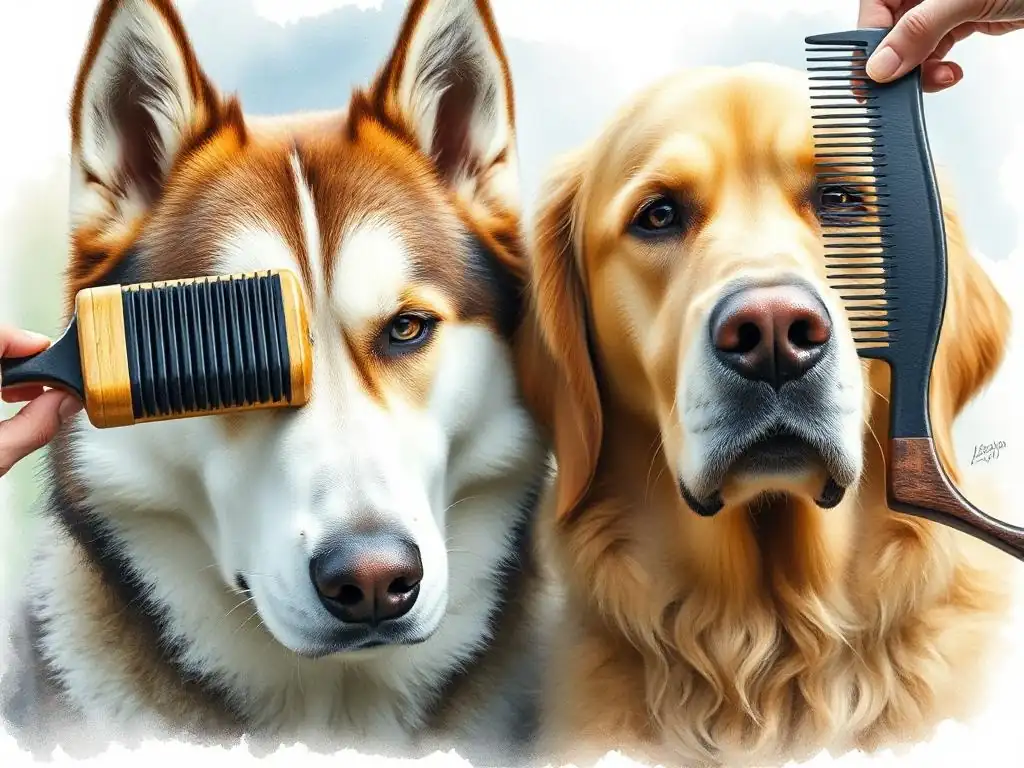
Owning a double-coated breed like a Husky or Golden Retriever comes with the responsibility of regular and thorough brushing. Neglecting this can lead to matting, skin irritation, and even health problems. To effectively manage their luxurious coats, you'll need the right tools. This section details the essential equipment for maintaining a healthy and shiny coat for your furry friend.
The frequency of brushing will depend on the season; expect to brush more frequently during shedding seasons (spring and fall). Investing in quality tools will pay off in the long run, making grooming a more enjoyable experience for both you and your pet. Remember, gentle handling is key to a positive grooming experience.
Choosing the Right Brush for Huskies and Golden Retrievers
Selecting the appropriate brush is paramount for effective grooming of double-coated breeds. Huskies and Golden Retrievers, while both possessing double coats, have slightly different textural needs. Huskies tend to have a coarser outer coat, while Golden Retrievers have a softer, more feathery texture.
For both breeds, a combination of brushes is ideal. A slicker brush is excellent for removing loose undercoat and dead hair, gently working through the outer coat. The fine wire bristles penetrate the coat without causing discomfort if used correctly. However, avoid excessive pressure to prevent skin irritation. A pin brush, with its longer, slightly spaced pins, is beneficial for detangling and smoothing the outer coat, adding shine.
It's particularly useful for Golden Retrievers' softer topcoat. Finally, a soft bristle brush is ideal for finishing touches, adding shine, and distributing natural oils. This final step leaves the coat looking its best. Remember to always brush in the direction of hair growth.
Combs for Detangling and Removing Mats
Combs play a crucial role in maintaining a healthy coat, especially for breeds prone to matting. A wide-toothed comb is ideal for gently detangling larger knots and removing loose hair. Its wider spacing prevents pulling and discomfort. For smaller mats, a fine-toothed comb can be used, but extreme caution is needed to prevent pulling on the skin.
Always start with the wide-toothed comb and only use the fine-toothed comb on smaller, manageable mats. Using a detangling spray can help to loosen mats before combing, making the process easier and less stressful for your pet. Regular combing, in conjunction with brushing, significantly reduces the risk of mat formation, particularly in areas like the legs and behind the ears.
Undercoat Rakes: Removing Excess Undercoat Effectively
Undercoat rakes are specialized tools designed to efficiently remove the dense undercoat from double-coated breeds. These are particularly important during shedding seasons when your Husky or Golden Retriever sheds copious amounts of undercoat. Choosing the right rake is crucial; look for rakes with rounded teeth to prevent skin irritation. Avoid rakes with sharp or pointed teeth. Using an undercoat rake effectively involves working in small sections, gently pulling the rake through the undercoat in the direction of hair growth.
It's crucial to avoid excessive pressure, as this could damage the outer coat. The rake should easily remove the loose undercoat without pulling on the topcoat. Regular use of an undercoat rake, combined with other brushing tools, minimizes shedding and keeps your pet's coat healthy and manageable. Remember to always reward your pet with treats and praise during the grooming session to make it a positive experience.
Husky Golden Retriever Brushing Guide: A Step-by-Step Approach
This section provides a comprehensive guide to brushing Huskies and Golden Retrievers, two breeds known for their stunning double coats. Understanding their specific brushing needs is crucial for maintaining their coat health, preventing matting, and promoting a shiny, healthy appearance. This guide focuses on the practical aspects of brushing these breeds, offering a detailed, step-by-step approach perfect for pet owners of all experience levels.
We will cover frequency, preparation, and techniques to ensure your furry friend looks and feels their best. Proper brushing is key to preventing matting, reducing shedding, and maintaining a strong bond with your pet. This detailed guide will help you master the art of brushing your Husky or Golden Retriever.
Brushing Frequency for Huskies and Golden Retrievers
The frequency of brushing for Huskies and Golden Retrievers varies depending on several factors including the season, their age, and overall health. However, a general guideline is crucial for maintaining a healthy coat.
During shedding seasons (typically spring and fall), these breeds shed significantly. You'll need to increase brushing frequency to at least daily or every other day to effectively remove loose undercoat and prevent matting. This is especially important for Huskies, known for their heavy undercoat. Failing to brush frequently during these periods can lead to significant mats and tangles, requiring professional grooming interventions.
During non-shedding seasons, a 2-3 times per week brushing schedule is usually sufficient to maintain coat health. This regular brushing helps to distribute natural oils, preventing dryness and promoting a healthy shine. Golden Retrievers, while also shedding heavily, may require slightly less frequent brushing during non-shedding periods compared to Huskies due to their slightly less dense undercoat.
Remember, even during non-shedding months, regular brushing helps remove dead hair, dirt, and debris, preventing skin irritation and keeping your pet looking their best. Always check your dog's skin for any abnormalities during brushing sessions. Early detection of skin issues is crucial for prompt veterinary care.
Step 1: Pre-Brushing Preparation
Before you begin brushing, ensure you have the right tools and environment. This preparation phase is crucial for a smooth and efficient brushing session.
- Gather your supplies: You'll need a slicker brush (for the undercoat), a pin brush (for the topcoat), and a de-shedding tool (optional, but highly recommended, especially for Huskies). A wide-toothed comb can also be helpful for detangling mats.
- Find a comfortable space: Choose a well-lit area where both you and your dog can relax. A comfortable surface, like a grooming table or a large, soft towel, will make the experience more pleasant for your pet.
- Calm your dog: Before you start, take a few moments to calm and reassure your dog. Gentle petting and positive reinforcement can make a huge difference. Some dogs might benefit from a treat or toy during the brushing session.
- Check for mats: Before you start brushing the entire coat, run your hands through their fur to check for any existing mats or tangles. These should be addressed before you begin brushing to avoid pulling or hurting your dog.
Step 2: Brushing the Topcoat
The topcoat of both Huskies and Golden Retrievers requires careful attention. The technique used will depend on the tool you are using.
Using a pin brush, start brushing gently in the direction of hair growth. This will help remove loose hair and distribute natural oils. Avoid aggressive brushing, which can damage the hair shaft and irritate the skin. Focus on small sections at a time, working systematically through the entire coat. Pay extra attention to areas prone to matting, such as behind the ears, under the legs, and around the tail.
For Golden Retrievers, a gentler approach is often sufficient due to their straighter topcoat compared to the slightly coarser topcoat of a Husky. However, both breeds benefit from consistent, gentle brushing. For Huskies, ensure that you don’t only brush the topcoat but also effectively get down to the undercoat to remove the dead fur.
Remember, patience and positive reinforcement are key to a successful brushing session. If your dog becomes restless or uncomfortable, take a break and try again later. Regular brushing sessions will help your dog get used to the process and make it a more enjoyable experience for both of you. 🐶
Step 3: Addressing the Undercoat
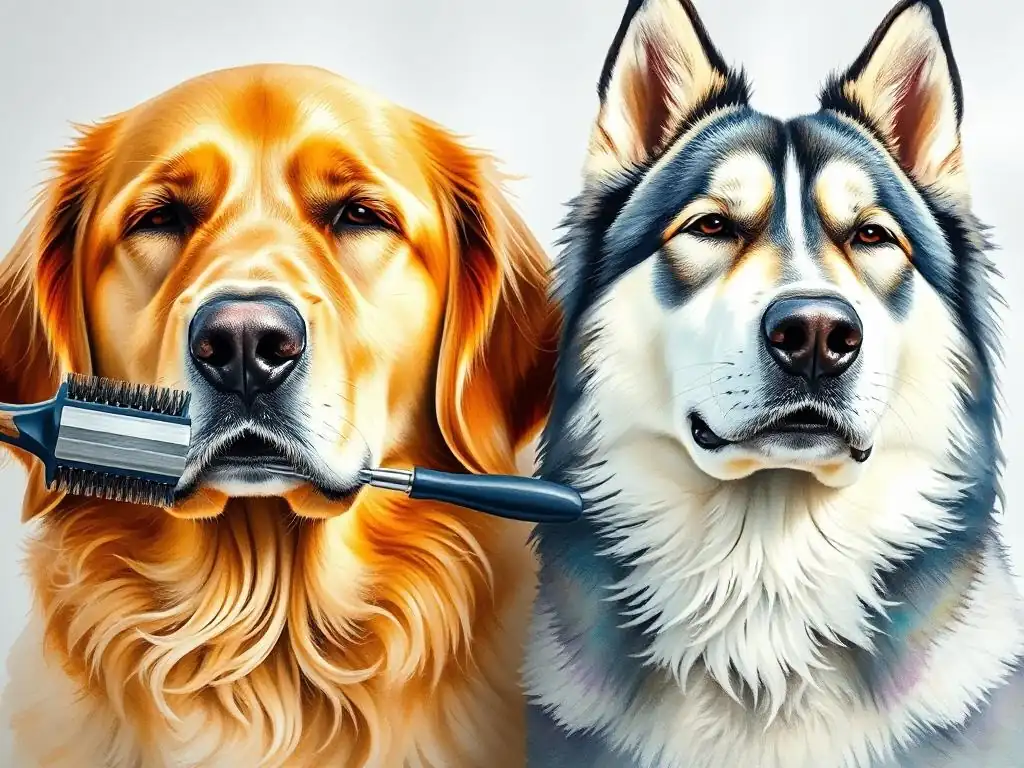
Double-coated breeds like Huskies and Golden Retrievers possess a dense undercoat that requires special attention. This soft, fluffy layer traps dirt, dead hair, and moisture, contributing to matting and skin irritation if neglected. Simply brushing the topcoat isn't enough; you must penetrate to the undercoat to remove this trapped debris effectively. This is where a specialized undercoat rake or de-shedding tool proves invaluable. These tools have fine, curved teeth designed to reach deep into the coat and gently lift and remove the undercoat without damaging the topcoat.
Start by sectioning the dog's coat into manageable areas. Work slowly and methodically, using gentle, sweeping strokes with the rake. Avoid pulling or tugging, as this can cause discomfort and potentially injure your pet. Pay close attention to areas prone to matting, such as behind the ears, around the legs, and under the belly.
Regular use of an undercoat rake, especially during shedding seasons (spring and fall), minimizes the amount of loose fur accumulating in your home and prevents the formation of mats. Remember to be patient; thoroughly addressing the undercoat may take longer than brushing the topcoat alone. The payoff, however, is a healthier, cleaner, and more comfortable dog. For particularly stubborn mats, consider using a mat-breaker tool or seeking professional grooming assistance.
Step 4: Post-Brushing Care and Cleaning
Once you've completed the brushing process, don't forget the crucial post-brushing care. This involves both caring for your dog and cleaning up the aftermath of your grooming session. First, check your dog's skin for any irritations, redness, or embedded debris that might have been missed during brushing. A thorough check ensures early detection of any potential skin problems. Reward your furry friend with a treat and praise for their patience and good behavior throughout the process. This positive reinforcement encourages cooperation during future grooming sessions.
Next, focus on cleaning up. Double-coated breeds shed significantly, meaning a considerable amount of fur will accumulate during brushing. Use a pet-specific vacuum cleaner with appropriate attachments to efficiently remove hair from furniture, carpets, and other surfaces. For smaller areas, a lint roller or sticky brush can be helpful.
Proper cleanup prevents the buildup of hair, promoting a cleaner and healthier living environment for both you and your pet. Consider investing in a specialized pet hair remover for clothing and upholstery; these tools are designed to effectively lift and remove embedded pet hair without damaging fabrics. Remember, consistent brushing and diligent cleanup minimize the challenges associated with living with a double-coated breed, ensuring a happy and healthy relationship for both pet and owner. 🎉
Common Brushing Mistakes to Avoid
This section focuses on the pitfalls to avoid when brushing double-coated breeds like Huskies and Golden Retrievers. Proper brushing is crucial for maintaining their coat health, preventing matting, and ensuring their overall well-being. Incorrect techniques can lead to various problems, impacting both the dog's comfort and the coat's condition. Understanding these common mistakes is the first step towards mastering the art of brushing your double-coated canine companion. This guide will help you avoid these issues and keep your Husky or Golden Retriever looking and feeling their best.
Over-Brushing and Skin Irritation
Over-brushing, while seemingly counterintuitive, is a surprisingly common mistake. Many owners believe that more brushing equals a cleaner, healthier coat. However, excessive brushing can irritate the skin, leading to redness, inflammation, and even open wounds. This is particularly true for double-coated breeds like Huskies and Golden Retrievers, whose undercoats are delicate. The constant friction from the brush can strip away essential oils, leaving the skin dry and vulnerable.
The ideal brushing frequency depends on several factors, including the dog's coat length, thickness, and overall health. For a Husky or Golden Retriever, aiming for 2-3 brushing sessions per week is generally sufficient during periods of moderate shedding. During peak shedding seasons (spring and autumn), you might need to increase this to daily or every other day, but always monitor your dog's skin for any signs of irritation. Observe your dog carefully during and after brushing. If you notice any signs of discomfort, such as excessive licking, scratching, or redness, reduce the brushing frequency and duration immediately.
Remember, the goal is to remove loose hair and prevent matting, not to aggressively scrub the coat. Gentle, consistent brushing is far more effective than forceful scrubbing. Consider using a de-shedding tool a couple of times a week during peak shedding seasons, followed by a gentler finishing brush to distribute natural oils.
Neglecting the Undercoat
The undercoat in double-coated breeds like Huskies and Golden Retrievers is crucial for insulation and protection. Neglecting the undercoat during brushing is a significant error. The undercoat, being dense and soft, is prone to matting if not regularly maintained. These mats can pull on the skin, causing discomfort and even pain. Furthermore, neglecting the undercoat can lead to an accumulation of dead hair, dirt, and oils, creating an ideal breeding ground for bacteria and parasites.
To effectively brush the undercoat, you need the right tools. A slicker brush is excellent for removing loose undercoat hair. However, be gentle to avoid irritating the skin. Use short, sweeping strokes, following the direction of hair growth. A de-shedding tool can also be beneficial, particularly during shedding seasons. Regularly check for mats, and gently work them out with your fingers or a specialized de-matting tool. Never pull forcefully on mats, as this could injure your dog. If you encounter stubborn mats, it's best to seek professional grooming assistance.
Using Incorrect Brushing Techniques
Using the wrong brushing techniques can negate the benefits of brushing and even cause harm. This includes using the wrong type of brush for your dog's coat, applying too much pressure, or brushing in the wrong direction.
For instance, using a bristle brush on a long-haired Golden Retriever might not be effective in removing the undercoat, leading to matting and discomfort. Conversely, using a slicker brush on a short-haired Husky with excessive force could irritate its skin. The direction of brushing is also important. Always brush with the direction of hair growth to avoid causing breakage or pulling the hair.
Here's a simplified guide for appropriate brushing techniques:
| Breed | Recommended Brush Type(s) | Brushing Direction | Frequency (Non-Shedding Season) |
|---|---|---|---|
| Husky | Slicker brush, undercoat rake | With the grain | 2-3 times per week |
| Golden Retriever | Slicker brush, pin brush, de-shedding tool | With the grain | 2-3 times per week |
Remember, patience and gentleness are key. Regular, proper brushing is an investment in your dog's health and well-being. By avoiding these common mistakes, you can help keep your Husky or Golden Retriever's coat healthy, shiny, and free from mats. This will not only improve their appearance but also contribute to their overall comfort and happiness. 🐶
Maintaining a Healthy Coat: Beyond Brushing
This section delves into the crucial aspects of maintaining a healthy double coat beyond the act of brushing itself. A shiny, healthy coat isn't just about aesthetics; it's a vital indicator of your Husky or Golden Retriever's overall well-being. Neglecting these supplementary steps can lead to matting, skin irritation, and even more serious health issues. Remember, a good brushing routine is only one piece of the puzzle when it comes to optimal coat care for double-coated breeds. This section will explore the interconnectedness of nutrition, bathing, and early detection of skin problems.
Nutrition's Role in Coat Health
The quality of your dog's diet directly impacts the health and appearance of their coat. Think of it like this: you wouldn't expect lush, vibrant hair with a poor diet, and the same applies to your furry friend. A diet deficient in essential fatty acids, proteins, and vitamins can lead to a dull, dry, and brittle coat, making it more prone to matting and breakage.
To ensure optimal coat health, focus on high-quality dog food formulated with ingredients specifically designed to support skin and coat health. Look for foods containing omega-3 and omega-6 fatty acids, like salmon oil or flaxseed oil. These fatty acids are crucial for maintaining the skin's barrier function and promoting a healthy, glossy coat.
Protein is also essential for building and repairing hair follicles. Choose a food with a high percentage of animal-based protein sources. Finally, ensure your dog's diet includes sufficient vitamins and minerals, especially biotin, which plays a vital role in keratin production – the protein that makes up hair.
Consider supplementing your dog's diet with specific vitamins and minerals only after consulting your veterinarian. Incorrect supplementation can be harmful. A balanced, high-quality diet is the foundation of a healthy coat, reducing your need for excessive brushing and minimizing skin issues. Remember, a healthy diet is a crucial aspect of your "Husky Golden Retriever brushing guide".
Regular Bathing and Grooming
While brushing is essential, regular bathing plays a crucial role in maintaining a healthy double coat. However, over-bathing can strip the coat of its natural oils, leading to dryness and irritation. Aim for bathing your Husky or Golden Retriever every 4-8 weeks, or as needed, depending on their activity level and lifestyle. Use a dog-specific shampoo formulated for their coat type, avoiding human shampoos which can disrupt the skin's pH balance.
After bathing, thoroughly dry your dog's coat to prevent moisture buildup, which can lead to skin infections. A thorough drying also helps prevent matting. Consider using a high-velocity dryer for faster and more effective drying, especially for thick double coats. Regular nail trimming, ear cleaning, and teeth brushing are also important aspects of overall grooming, ensuring your dog’s overall health and well-being. These steps, combined with a diligent brushing schedule, are key elements in any comprehensive Husky Golden Retriever brushing guide.
Recognizing Signs of Skin Problems
Early detection of skin problems is critical for preventing more serious issues. Regular visual checks of your dog's skin and coat are essential. Look for any signs of redness, inflammation, excessive scratching, licking, or chewing. These could indicate allergies, infections, or other dermatological problems. Pay close attention to areas prone to irritation, such as the paws, armpits, and groin.
Other warning signs include:
- Excessive shedding beyond normal seasonal changes.
- Dandruff or flaky skin.
- Bald patches or hair loss.
- Lumps, bumps, or sores on the skin.
- Unpleasant odor from the skin or coat.
If you notice any of these signs, consult your veterinarian immediately. Early intervention is key to successful treatment and preventing further complications. Ignoring these warning signs can lead to discomfort for your pet and potentially more extensive veterinary care down the line. Regular monitoring and prompt veterinary attention are essential components of any responsible Husky Golden Retriever brushing guide and overall canine care. Remember, prevention is always better than cure.
Addressing Matting and Tangles in Double Coats
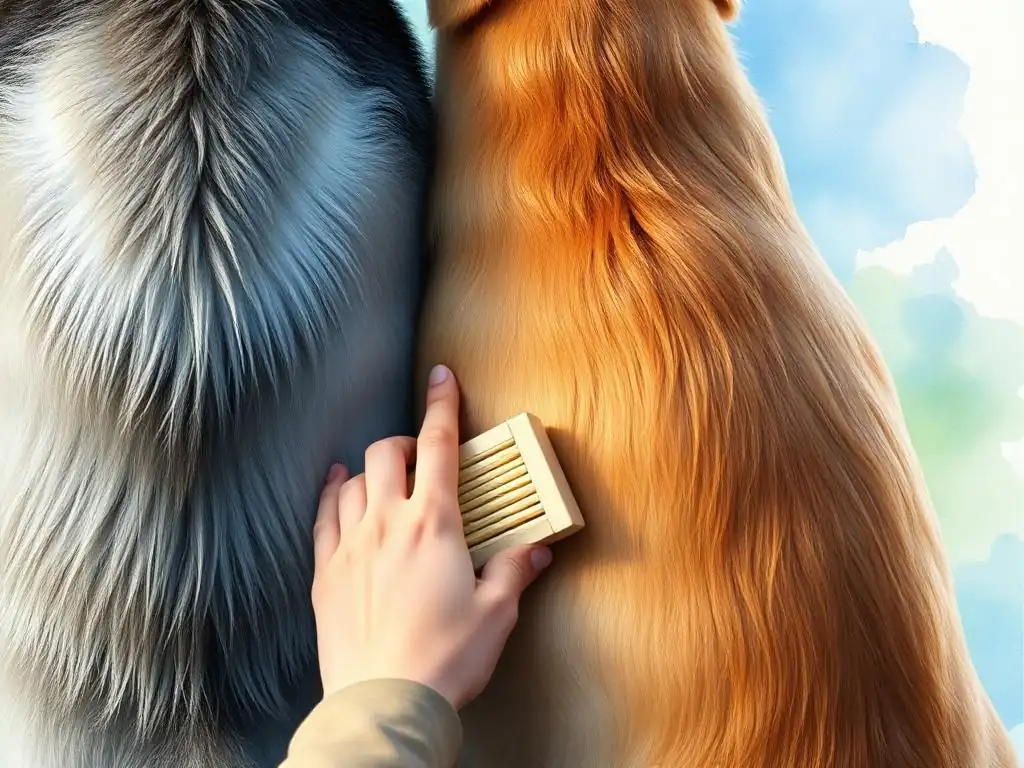
Double-coated breeds like Huskies and Golden Retrievers, while undeniably beautiful, present unique challenges when it comes to coat maintenance. Their dense undercoats, designed for insulation, are prone to matting and tangling if not properly cared for. This section focuses on effective strategies to manage these issues, ensuring your furry friend remains comfortable and their coat stays healthy and vibrant. Regular brushing is key – a proactive approach minimizes the need for more intensive detangling later on.
Failing to address matting can lead to skin irritation, discomfort for your pet, and potentially even more serious veterinary issues. This guide will cover preventative measures, safe detangling techniques, and when professional help is necessary. Understanding your dog's specific coat type is crucial in tailoring a suitable grooming routine. For instance, a Husky's coat differs slightly from a Golden Retriever's, requiring potentially slightly different brushing tools and techniques.
Prevention Strategies for Mat Formation
Preventing mat formation is far easier than dealing with existing mats. A consistent brushing schedule is paramount. For Huskies and Golden Retrievers, aim for at least three brushing sessions per week, increasing to daily during shedding seasons (spring and autumn).
Utilize the appropriate tools: a slicker brush effectively removes loose undercoat, while a wide-toothed comb targets tangles before they become mats. A de-shedding tool can also be beneficial during shedding periods. The frequency and type of brushing will need to be adjusted depending on the individual dog's coat density and lifestyle.
A more active dog, for example, might require more frequent brushing to remove dirt, debris, and burrs that can contribute to matting. Consider incorporating a high-quality dog-specific conditioner to help keep the coat soft and manageable, reducing friction and the likelihood of matting. Remember, regular brushing isn't just about aesthetics; it's about maintaining skin health and preventing potential skin infections.
Gently Removing Existing Mats
Despite best efforts, mats can still occur. Attempting to forcefully pull out mats can cause pain and damage the skin and coat. Instead, use a gentle approach: Start by carefully separating the mat with your fingers. If the mat is small and loose, you might be able to work it out with a wide-toothed comb.
For larger, tighter mats, use a specialized mat-breaking tool or a pair of blunt-ended scissors to carefully cut the mat as close to the skin as possible, avoiding the skin itself. Work slowly and patiently, checking frequently to ensure you're not pulling or cutting the skin. Always use sharp, clean scissors to minimize the risk of injury.
If you're uncomfortable tackling a particularly stubborn mat, it's best to seek professional assistance. Remember, patience and a gentle touch are key to successfully removing mats without causing your dog distress. Using a conditioner before attempting to remove mats can help to loosen them and make the process less stressful for your pet.
When to Seek Professional Grooming
While regular brushing and diligent mat removal are crucial, some situations necessitate professional grooming. If you encounter large, deeply embedded mats that you're unable to remove safely, a professional groomer possesses the expertise and tools to handle the situation without harming your dog. They can also advise on the best grooming practices for your dog's specific breed and coat type, providing tailored recommendations for maintenance.
Additionally, if your dog exhibits signs of skin irritation, such as redness, itching, or inflammation, consult a veterinarian or professional groomer to rule out underlying health issues. Professional grooming is also advisable during significant shedding periods to ensure efficient removal of the undercoat and maintain a healthy coat. Consider professional grooming as a preventative measure, especially if you lack the time or experience to maintain your dog's coat effectively.
Regular professional grooming can help prevent more serious issues down the line, saving you time and money in the long run. It’s a worthwhile investment in your dog’s overall health and well-being.
The Importance of Regular Grooming for Huskies and Golden Retrievers
Regular grooming is paramount for maintaining the health and well-being of double-coated breeds like Huskies and Golden Retrievers. Their dense undercoats, designed to protect them from harsh weather conditions, are prone to matting and tangling if not properly cared for. Neglecting regular brushing can lead to a cascade of problems, from uncomfortable skin irritation to serious health complications.
This section will delve into the specific benefits of consistent grooming for these breeds, emphasizing the preventative measures it offers. Understanding the unique needs of a Husky's or Golden Retriever's coat is crucial for responsible pet ownership and contributes significantly to their overall quality of life. Failing to address these grooming needs can lead to significant veterinary bills down the line, highlighting the cost-effectiveness of preventative care through regular brushing.
Preventing Skin Infections
The dense undercoat of Huskies and Golden Retrievers provides an ideal breeding ground for bacteria and parasites if not kept clean and well-ventilated. Regular brushing removes dead hair, dirt, and debris, reducing the risk of skin infections like dermatitis and hot spots. These infections can be incredibly painful and require veterinary intervention, sometimes involving costly medications and treatments. A simple, consistent brushing routine, adapted to the specific needs of the breed and the time of year, is a proactive measure that significantly minimizes this risk.
For example, during shedding season, daily brushing is recommended to prevent matting and remove loose fur, thus improving air circulation around the skin. This simple act can save you considerable time, money, and the emotional distress of a sick pet. Remember, prevention is always better than cure when it comes to pet health.
Reducing Shedding Around Your Home
One of the most significant benefits of regular brushing for double-coated breeds is the reduction of shedding throughout your home. Huskies and Golden Retrievers are notorious shedders, particularly during seasonal changes. Consistent brushing removes loose undercoat and dead hair before it falls out, minimizing the amount of fur accumulating on furniture, carpets, and clothing. This not only keeps your home cleaner but also reduces the amount of allergens circulating in the air, benefiting individuals with allergies.
Consider this: a daily brushing session can significantly reduce the frequency of vacuuming and the need for professional carpet cleaning, saving you both time and money in the long run. The difference between a well-groomed dog and a neglected one is striking, particularly in the amount of fur distributed around the house. This is a key factor for maintaining a clean and comfortable living environment for both you and your pet.
Strengthening the Bond with Your Pet Through Grooming
Grooming isn't just about maintaining a clean coat; it's also a valuable opportunity to strengthen the bond with your pet. Regular brushing provides a chance for physical interaction, allowing you to check for any skin irregularities, lumps, or injuries. This hands-on approach allows for early detection of potential health problems.
Moreover, the gentle touch and attention during grooming sessions create a calming and reassuring experience for your dog, fostering trust and affection. Think of it as quality time spent together, enhancing the overall relationship. The calm, repetitive motions of brushing can be soothing for both you and your pet, creating a positive association with grooming.
This positive reinforcement helps to make grooming a less stressful experience, especially for dogs who might initially resist it. The benefits extend beyond a clean coat; it's about nurturing a deeper connection with your furry companion. This contributes significantly to a happier and healthier relationship with your Husky or Golden Retriever.
Frequently Asked Questions
How often should I brush my Husky/Golden Retriever?
You should aim to brush your Husky or Golden Retriever at least twice a week, more frequently during shedding seasons (spring and fall). This helps prevent matting and removes dead hair.
What type of brush is best for a Husky/Golden Retriever?
A combination of brushes works best. Use an undercoat rake to remove loose undercoat and a slicker brush for the outer coat. A de-shedding tool can also be helpful during shedding seasons.
My dog has mats. How can I remove them?
For small mats, try gently working them out with your fingers or a mat breaker. For larger mats, you may need professional grooming. Never pull forcefully, as this can hurt your dog.
What should I do about excessive shedding?
Regular brushing is key. Consider adding a high-quality omega-3 fatty acid supplement to their diet, which can improve coat health. Frequent bathing can also help, but avoid over-bathing.
Are there any specific products recommended for Husky/Golden Retriever coats?
Look for shampoos and conditioners formulated for double-coated breeds. De-shedding sprays can also help to loosen dead hair before brushing. Consult your veterinarian if you have concerns about your dog's coat health.
Final Reflection: The Enduring Bond Between Us and Our Furry Friends
The meticulous care we give our canine companions, particularly those with double coats like Huskies and Golden Retrievers, is a testament to the deep bond we share. Failing to address their unique grooming needs not only impacts their physical well-being but also diminishes the quality of our relationship with them. Proper brushing isn't just about aesthetics; it's about fostering a healthy, happy life for our beloved pets.
The impact of responsible pet ownership extends far beyond the individual animal; it shapes our understanding of animal welfare and our role in their lives. Our commitment to understanding breed-specific needs, like the intricacies of double-coat brushing, reflects a growing awareness of the responsibilities that come with pet ownership. The greatness of a nation and its moral progress can be judged by the way its animals are treated.
- Mahatma Gandhi. This quote highlights the interconnectedness of our treatment of animals and our own moral development. The simple act of brushing becomes a powerful symbol of our commitment to their well-being and our place within the larger ecosystem of life.
Now, consider your own furry friend. What steps can you take today to improve their grooming routine? Perhaps it's investing in the right brush, dedicating more time to regular brushing sessions, or simply learning more about your dog's specific needs. Embrace the opportunity to deepen your connection with your pet through mindful grooming. Remember, every stroke of the brush is a moment of connection, a testament to the love and responsibility we share with our canine companions. Let's continue to learn, adapt, and strive for the best possible care for our furry friends.
Unleash Your Dog's Inner Glow: Mastering the Double Coat
Thank you for exploring the world of double-coated dogs! You've now learned the secrets to keeping your furry friend looking and feeling their best. Ready to put this knowledge into action?
- Master the art of double-coat brushing: Regular brushing, tailored to your dog's breed, is crucial. Focus on removing the undercoat to prevent matting and promote a healthy, shiny coat.
- Share your brushing tips and successes (or challenges!) with other PetCareWorld readers in the comments below. Let's build a supportive community of dog owners!
- Explore our other articles on dog grooming for more expert advice and helpful techniques.
What's your biggest challenge when brushing your dog – and how do you overcome it?