
The Lasting Impact of Pet Loss on Children: A Parent's Guide

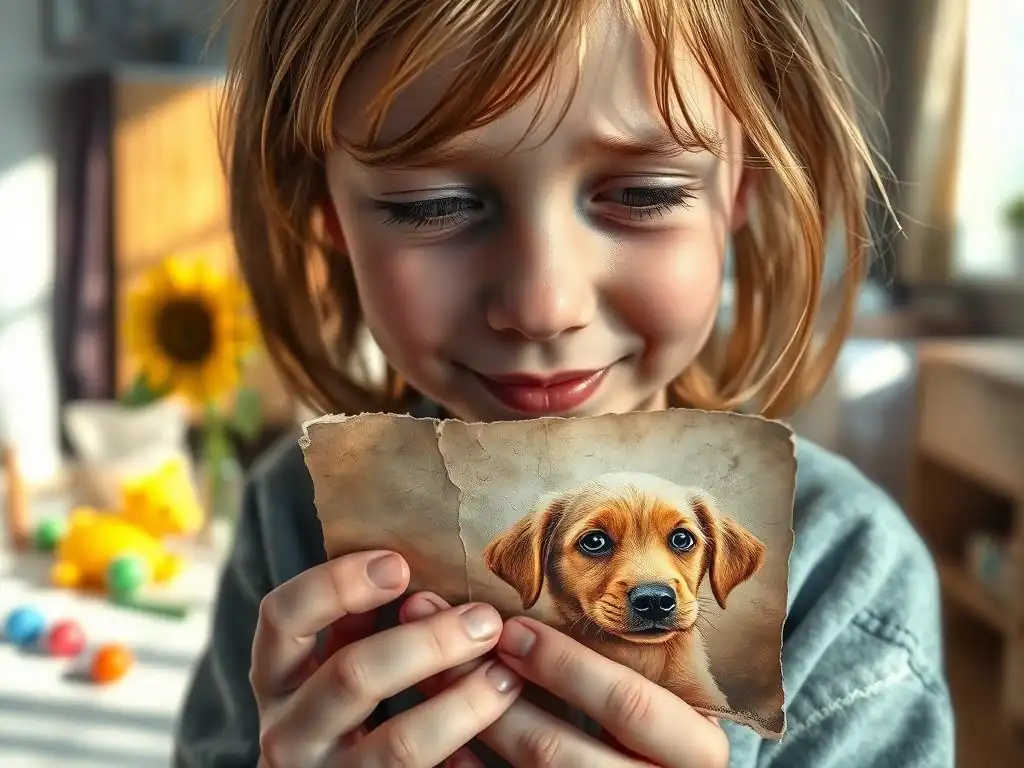
Welcome to PetCareWorld, your ultimate guide to a happier, healthier life for your beloved companions! We understand the profound bond between humans and animals, and that's why we're here to support you every step of the way. But what happens when that bond is unexpectedly broken?
This is particularly poignant when considering child grieving pet loss, a topic often overlooked but deeply impactful. Discover how to navigate this challenging time and help your child heal in our comprehensive guide, "The Lasting Impact of Pet Loss on Children: A Parent's Guide," found within our Pet Health & Nutrition section. Let's explore the path to understanding and support together.
- Understanding Child Grief After Pet Loss
- Helping Children Cope with Pet Loss: Practical Strategies
- Seeking Professional Support for Child Grieving Pet Loss
- Long-Term Support and Healing After Pet Loss
- Frequently Asked Questions
- Final Reflection: Healing Hearts, Growing Resilience
- Rediscovering Joy: Honoring Your Child's Pet
Understanding Child Grief After Pet Loss
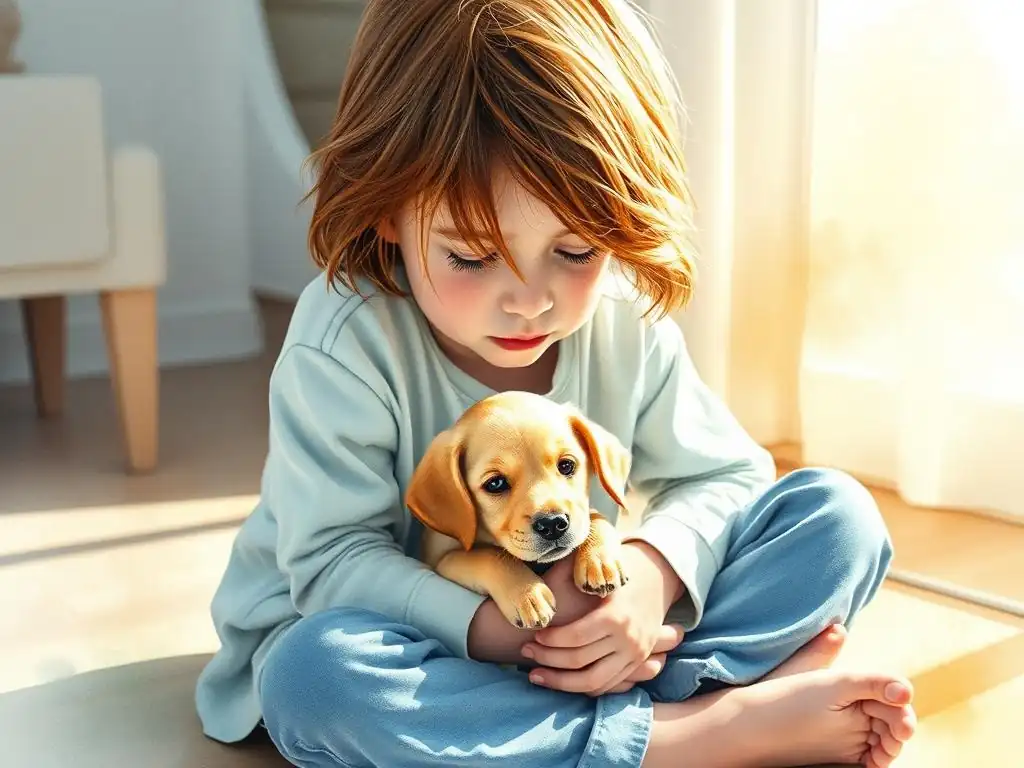
Losing a beloved pet is a deeply painful experience for anyone, but for children, the impact can be particularly profound and lasting. This comprehensive guide explores the unique ways children grieve the loss of a pet, offering parents and caregivers valuable insights and practical strategies to support their child through this difficult time.
Understanding the nuances of child grief, recognizing the signs of distress, and providing appropriate comfort are crucial steps in helping children navigate their sorrow and ultimately heal. This article will delve into the stages of grief as experienced by children, common emotional and behavioral responses, and the specific challenges that differentiate child grief from adult grief related to pet loss.
Successfully guiding a child through pet loss not only eases their immediate suffering but also fosters crucial emotional resilience and healthy coping mechanisms for future challenges. Learning to recognize and address the unique complexities of “child grieving pet loss” empowers parents to become effective sources of comfort and support during this sensitive period.
Recognizing the Stages of Grief in Children
While the five stages of grief (denial, anger, bargaining, depression, and acceptance) are a helpful framework, it's important to remember that children don't necessarily experience them in a linear fashion, or even experience all of them. Their grief may be characterized by unpredictable emotional shifts. For instance, a child might seem fine one moment and inconsolable the next. They may regress to earlier behaviors, such as thumb-sucking or bedwetting, or exhibit clinginess towards parents or caregivers.
The intensity and duration of each stage also vary greatly depending on factors like the child's age, personality, their relationship with the pet, and the circumstances of the pet's death. Younger children, for example, may struggle to understand the concept of death, often believing that the pet might return. Older children, while having a better grasp of death's finality, may still express their grief in ways that differ significantly from adults.
It's crucial for parents to be patient and understanding, allowing the child to express their grief in their own way and at their own pace. Providing a safe and supportive environment where open communication is encouraged is paramount. Understanding that there’s no “right” way to grieve is key to helping your child through this process.
Common Emotional and Behavioral Responses in Children Grieving a Pet
Children grieving a pet may display a wide range of emotional and behavioral responses. Some common emotional responses include sadness, anger, guilt, fear, and anxiety. They might express their sadness through crying, withdrawal, or changes in appetite. Anger could manifest as irritability, aggression towards others, or even lashing out at inanimate objects.
Guilt, often stemming from perceived responsibility for the pet's death, can lead to feelings of self-blame and low self-esteem. Fear of losing other loved ones might also surface. Behavioral changes can include changes in sleep patterns (insomnia or excessive sleeping), difficulty concentrating at school, clinginess, regression to earlier behaviors, and social withdrawal. These behaviors are normal expressions of grief and should not be dismissed or minimized.
It's crucial to validate the child's feelings, acknowledging the significance of their loss and providing reassurance and comfort. Openly discussing their emotions and feelings, without judgment, is vital in helping them process their grief. Providing a consistent routine and structure can offer a sense of security during this unsettling time.
The Unique Challenges of Pet Loss for Children Compared to Adult Grief
While adults also experience profound sadness when losing a pet, the grief process for children presents unique challenges. Children may lack the cognitive skills to fully understand the concept of death and its permanence. They may struggle to articulate their feelings, leading to frustration and difficulty in expressing their grief constructively.
Unlike adults, who often have a wider support network and coping mechanisms, children rely heavily on their parents or caregivers for emotional support and guidance. The loss of a pet can also impact a child's sense of security and stability, especially if the pet played a significant role in their daily life. The intensity of grief can be amplified if the child witnessed the pet's death or if the death was sudden or unexpected.
Moreover, children may lack the life experience to contextualize their loss within a broader perspective, making the grief feel overwhelming and insurmountable. Therefore, providing age-appropriate explanations about death and the grieving process, fostering open communication, and ensuring a supportive and empathetic environment is crucial in helping children navigate this challenging experience. Remember, patience, understanding, and consistent support are key ingredients in helping a child heal from the loss of a beloved pet.
Helping Children Cope with Pet Loss: Practical Strategies
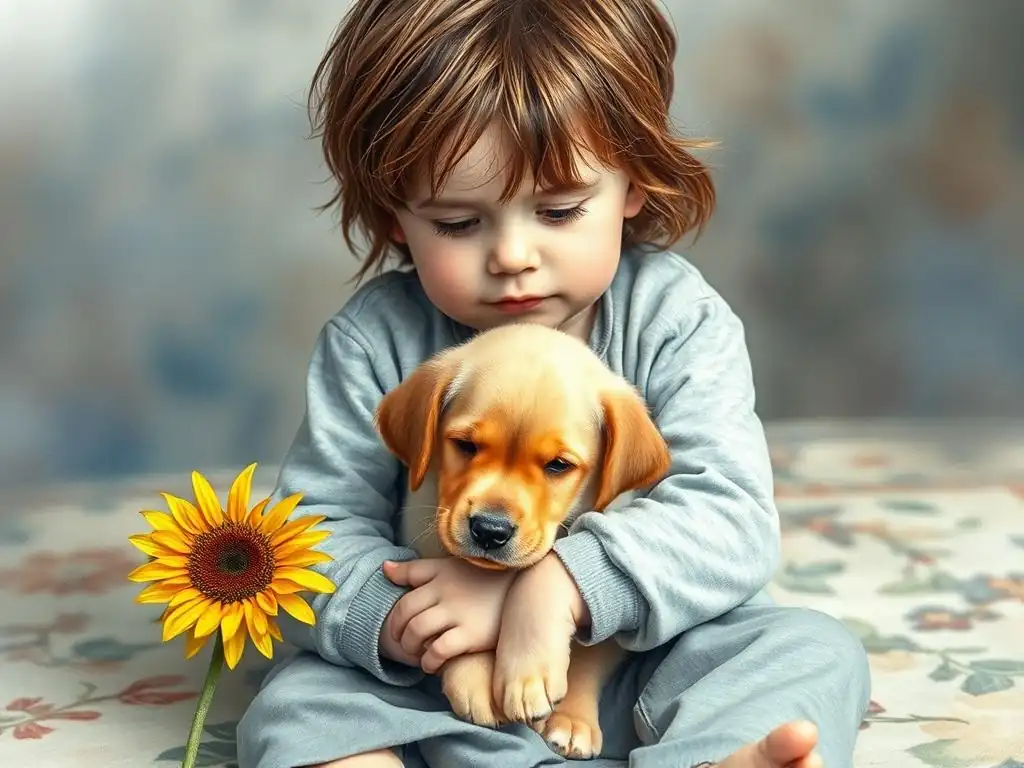
Children experience grief differently than adults. Understanding this nuanced process is crucial in effectively supporting a child grieving the loss of a pet. The intensity and duration of their grief can vary significantly depending on factors like the child's age, their relationship with the pet, and the family's coping mechanisms. While some children might exhibit outward displays of sadness, others may withdraw or show behavioral changes. Recognizing these diverse expressions of grief is the first step towards providing appropriate support.
The key is patience, empathy, and a consistent approach that validates their feelings without minimizing their loss. Remember, there is no "right" way to grieve; each child will process their emotions at their own pace. Providing a supportive and understanding environment is paramount in navigating this difficult period. This support system should include open communication, consistent routines where possible, and ample opportunities for the child to express their feelings.
Creating a Safe Space for Expression and Mourning
Creating a safe space for a child to express their grief is paramount. This isn't about forcing them to talk, but about creating an environment where they feel safe to do so. This might involve setting aside specific times for quiet reflection, perhaps near a cherished photo of the pet. Providing art supplies, like crayons, paints, or clay, can offer a non-verbal outlet for their emotions.
Journaling, even for younger children with the help of a parent, can also be a powerful tool. Avoid pressuring the child to "get over it" or compare their loss to others. Instead, validate their feelings by saying things like, "It sounds like you miss [pet's name] very much," or "It's okay to feel sad." Consider creating a memory box where they can keep cherished mementos like photos, toys, or even a lock of fur.
This tangible connection to their pet can provide comfort during difficult moments. Remember, the goal isn't to erase the pain but to provide a supportive environment where the child feels understood and safe to process their emotions. The process will be unique to each child and may involve periods of intense sadness interspersed with moments of relative calm.
Talking to Children About Death and Loss in Age-Appropriate Ways
Communicating about death with children requires sensitivity and age-appropriate language. For younger children (preschool to early elementary), simple, honest explanations are best. Avoid euphemisms like "sleeping" or "gone away," as these can be confusing and even frightening. Instead, use clear and direct language, such as, "[Pet's name] has died.
This means [pet's name]'s body has stopped working, and [he/she] is not coming back." For older children (late elementary and beyond), more complex explanations can be provided, addressing concepts like the finality of death and the grieving process. Answer their questions honestly and openly, even if the answers are difficult. It's crucial to adapt your language to their developmental stage and understanding.
Avoid providing false hope or unrealistic promises. Remember, honesty, even when painful, builds trust and fosters a healthy understanding of loss. The conversation should be tailored to the child's individual needs and maturity level, avoiding overwhelming them with information they cannot process. A gentle, reassuring tone is essential throughout the conversation.
Engaging in Meaningful Memorialization Activities
Memorializing a beloved pet can be a powerful way for children to process their grief and celebrate their pet's life. This could involve planting a tree or flower in the pet's memory, creating a photo album or scrapbook, writing a poem or story, or making a donation to an animal shelter in their name. These activities provide a constructive outlet for their emotions, allowing them to focus on positive memories and celebrate the unique bond they shared with their pet.
For younger children, a simple drawing or painting of their pet can be a meaningful way to express their feelings. For older children, creating a video montage of photos and videos of the pet can be a cherished keepsake. The key is to find activities that resonate with the child's personality and interests, allowing them to express their grief in a way that feels comfortable and meaningful.
These memorialization activities can also be a family affair, creating a shared experience that fosters a sense of unity and support during a difficult time. The lasting impact of these activities can provide comfort and solace in the months and years to come, helping to preserve the precious memories of their beloved companion.
Incorporating Pet Loss into Family Rituals
The death of a beloved pet can leave a significant void in a family's routine and emotional landscape. Children, especially, rely on the predictability and comfort of family rituals. Integrating the pet's memory into existing rituals, or creating new ones, can provide a powerful sense of continuity and healing during this difficult time. This helps children understand that while their pet is gone, their love and memories remain cherished.
For instance, if your family traditionally has a Sunday dinner, consider adding a small element to honor the pet. This could be as simple as lighting a candle in their memory, sharing a favorite story about the pet, or placing a photo of them on the table. The key is to make it a meaningful and consistent part of the routine, not a somber or overly emotional event. The goal is to remember, not to dwell on the loss.
Another approach is creating a new ritual specifically for the pet. This could involve visiting the pet's resting place (if applicable) on a specific day each month, planting a tree or flower in their memory, or even establishing a "pet remembrance day" where the family shares memories and photos. These new rituals can become valuable ways to connect with the pet's memory and offer a sense of closure.
The important aspect is to tailor the ritual to the child's age and understanding, ensuring it feels comforting and not overwhelming. A younger child might benefit from a simple drawing activity dedicated to their pet, while an older child might appreciate a more reflective journaling exercise.
Remember, the most effective rituals are those that feel authentic and meaningful to your family. Don't feel pressured to follow a specific template; instead, allow the process to be organic and guided by your family's unique needs and the child's emotional responses. Flexibility and open communication are key to creating a supportive environment where grief can be acknowledged and processed healthily.
The aim is to transform the pain of loss into a lasting tribute to the joy and companionship the pet brought to your lives. The rituals themselves become tangible symbols of love and remembrance, helping to ease the burden of grief over time.
Seeking Professional Support for Child Grieving Pet Loss
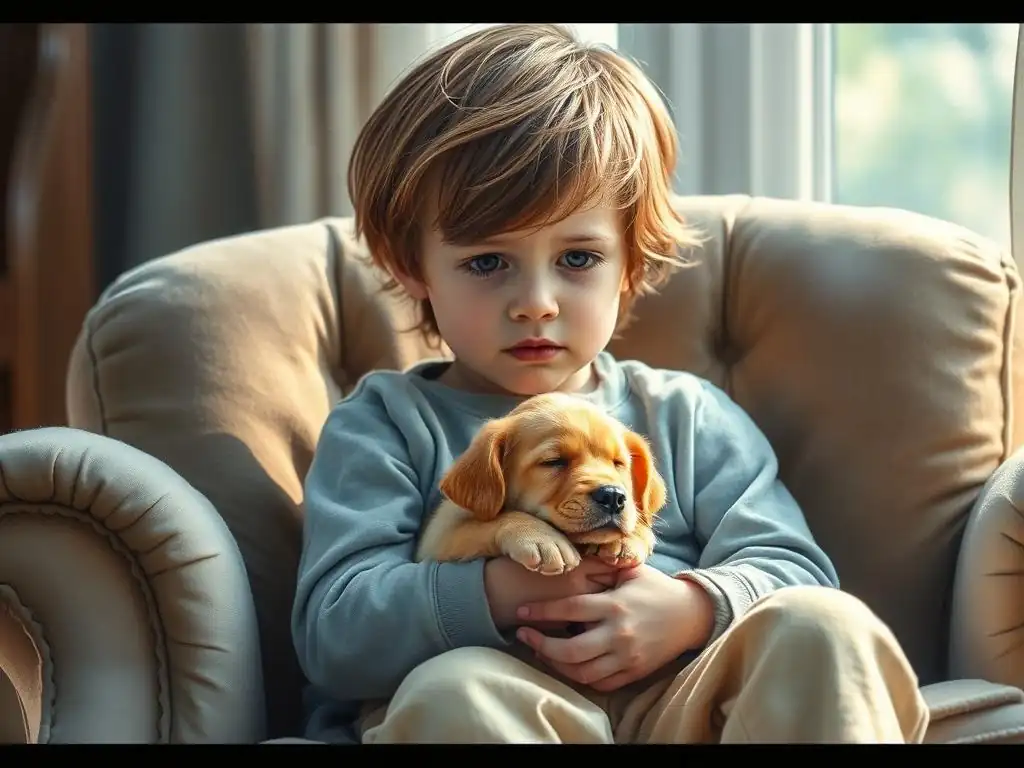
Losing a pet is a significant event for anyone, but children often experience grief differently than adults. While many children will process their grief naturally with the support of their family, some may require professional assistance to navigate their emotions and avoid prolonged or complicated grief. Understanding the signs and accessing appropriate resources is crucial for helping a child heal after the loss of a beloved pet.
This section will explore how to recognize when professional help is needed and where to find effective support for your child during this challenging time. The key is early intervention; addressing the child's grief proactively can prevent long-term emotional difficulties. Remember, seeking professional help is a sign of strength, not weakness.
Recognizing When Professional Help is Needed
Several indicators might suggest your child needs additional support beyond family and friends. These signs can manifest physically, emotionally, or behaviorally. It's vital to observe your child carefully and note any changes in their routine or demeanor. Persistent symptoms warrant a consultation with a child psychologist or grief counselor specializing in pet loss.
Some warning signs include:
- Prolonged sadness or depression: While sadness is expected after pet loss, persistent, overwhelming sadness lasting several weeks or more is cause for concern. This might include withdrawal from activities they previously enjoyed or a significant drop in their overall mood.
- Changes in sleep or appetite: Noticeable changes in sleep patterns (insomnia, nightmares) or appetite (significant weight loss or gain) can be indicators of underlying emotional distress. These physical manifestations often accompany intense grief.
- Regression in behavior: Younger children might regress to earlier developmental stages, such as bedwetting or thumb-sucking. Older children might exhibit behaviors they've outgrown, like clinging or tantrums.
- Difficulty concentrating or focusing: Academic performance might suffer as the child struggles to concentrate on schoolwork or other tasks. This can be a subtle but important sign of emotional turmoil.
- Anger or irritability: Increased anger, irritability, or difficulty managing emotions can be expressions of grief. These behaviors might be directed at family members, pets, or even inanimate objects.
- Somatic complaints: Children might report physical symptoms like headaches, stomachaches, or other ailments without a clear medical cause. These psychosomatic symptoms are often linked to underlying emotional distress.
Remember, every child grieves differently. What might be a normal reaction for one child could be a significant problem for another. If you have any concerns about your child's well-being after the loss of a pet, don't hesitate to seek professional guidance.
Finding Appropriate Grief Counseling Resources for Children
Finding the right grief counselor is crucial. Look for therapists with experience working with children and specifically with pet loss. Many therapists specialize in child psychology and grief counseling, offering tailored approaches to help children process their emotions in a healthy way. Some may utilize play therapy techniques, particularly effective for younger children who may struggle to express their feelings verbally. Others may employ art therapy or other creative modalities to help children externalize their grief.
When searching for a therapist, consider:
- Specialization in child grief: Ensure the therapist has experience working with children grieving the loss of a pet. This specialized knowledge is invaluable in understanding the unique dynamics of child grief in this context.
- Therapeutic approach: Different therapeutic approaches exist. Learn about the therapist's methods to ensure they align with your preferences and your child's needs.
- Insurance coverage: Check if your insurance covers the cost of therapy. This can significantly reduce the financial burden associated with seeking professional help.
- Reviews and referrals: Seek recommendations from other parents, pediatricians, or your child's school counselor. Online reviews can also provide insights into a therapist's experience and effectiveness.
Support Groups and Community Resources for Pet Loss
While professional counseling offers invaluable support, community resources can provide additional avenues for healing. Support groups specifically designed for children grieving pet loss offer a safe space to share feelings, connect with peers experiencing similar losses, and learn coping strategies. These groups provide a sense of belonging and validation, reminding children they are not alone in their grief.
Other community resources might include:
- Animal shelters or rescue organizations: Many shelters offer grief support programs or workshops for children who have lost pets. This can be a particularly helpful resource, providing a connection to the animal community and fostering compassion.
- Schools and community centers: Inquire with your child's school or local community centers about grief counseling services or support groups available to children. These resources might be offered through the school's counseling department or local organizations.
- Online support forums: While online resources should supplement, not replace, in-person support, some moderated online forums can offer a sense of community and allow children to connect with others experiencing similar losses. However, always supervise a child's online activity and prioritize professional support.
Remember, navigating the grief of pet loss requires patience, understanding, and often, professional guidance. By recognizing the signs of complicated grief and actively seeking appropriate resources, you can help your child heal and learn to cope with this significant loss. Providing a supportive and understanding environment is critical, ensuring your child feels safe expressing their emotions and receives the help they need during this difficult time.
Long-Term Support and Healing After Pet Loss

The death of a beloved pet can profoundly impact a child, and the grieving process isn't always a quick one. While the initial shock and sadness may subside, the long-term effects of pet loss on a child's emotional well-being require ongoing support and understanding. This long-term support is crucial for healthy development and preventing future emotional difficulties related to loss.
Understanding the child's unique grieving style is paramount; some children may outwardly express their grief intensely, while others might internalize their feelings, leading to subtle behavioral changes. A consistent and caring approach, tailored to the individual child, is key. This means actively listening to their expressions of grief, validating their feelings, and offering reassurance that their sadness is normal and acceptable.
Maintaining Open Communication about the Pet's Memory
Open communication is a cornerstone of helping children heal after pet loss. It's essential to create a safe space where children feel comfortable talking about their pet, sharing memories, and expressing their emotions without judgment. Avoid dismissing their feelings or minimizing the significance of their loss with phrases like "It's just a pet." Instead, actively encourage them to talk about their pet, sharing stories, looking at photos, or even watching videos.
This helps keep the pet's memory alive in a healthy and positive way. Creating a memory box or scrapbook can also be a therapeutic activity, allowing children to actively participate in preserving their pet's legacy. Consider involving them in choosing items to include, like favorite toys, photos, or handwritten notes.
This process can be a powerful tool for processing grief and fostering a sense of closure. Remember to be patient and understanding; the child might not want to talk about it every day, and that’s okay. Respect their pace and allow them to lead the conversation.
Helping Children Develop Healthy Coping Mechanisms
Children cope with grief in diverse ways. Some might withdraw, become clingy, or experience changes in appetite or sleep patterns. Others might exhibit anger, frustration, or even guilt. It's crucial to help children develop healthy coping mechanisms to navigate these complex emotions.
This includes teaching them techniques like deep breathing exercises, mindfulness, or engaging in creative activities such as drawing, painting, or writing. Encouraging participation in enjoyable activities, like playing with other children or engaging in hobbies, can provide a much-needed distraction and boost their mood. Professional guidance, such as therapy or counseling, might be beneficial if the child is struggling to cope with their grief or exhibiting significant behavioral changes.
Early intervention can make a significant difference in preventing long-term emotional difficulties. Remember that seeking professional help is not a sign of weakness but a proactive step towards ensuring the child's well-being. Consider a child-friendly grief counselor specializing in pet loss.
While we can't completely shield children from future loss, we can equip them with the emotional resilience to navigate such experiences more effectively. The experience of grieving a pet can be a significant learning opportunity, teaching children about loss, death, and the importance of cherishing relationships. By providing a supportive environment and fostering healthy coping mechanisms, we can help children develop emotional resilience, which can be invaluable in facing future challenges.
This includes teaching them the importance of expressing their feelings, seeking support from others, and understanding that grief is a natural process. Openly discussing the pet's life and death, celebrating their memories, and acknowledging the child's feelings are crucial steps in preventing future trauma.
Furthermore, integrating lessons about empathy, compassion, and respecting the life cycle of living beings into their education can help them understand the transient nature of life and prepare them for future losses. This proactive approach can significantly minimize the potential for future trauma associated with pet loss.
Frequently Asked Questions
How can I help my child cope with the loss of a pet?
Acknowledge their grief and allow them to express their feelings without judgment. Encourage them to talk about their pet and share memories. Consider creating a memorial for the pet.
What are the signs of unhealthy grieving in children after pet loss?
Look for prolonged sadness, withdrawal from activities, changes in sleep or appetite, or difficulty concentrating. If these symptoms are severe or persistent, seek professional help.
Is it okay to get a new pet right away after a loss?
This depends on the child and the family. There's no right or wrong answer. Some children find comfort in a new pet, while others need time to grieve before welcoming another animal.
How can I explain pet death to a young child?
Use age-appropriate language. Be honest but avoid overly graphic details. Focus on the positive memories and the love they shared with their pet.
What resources are available to help children grieve the loss of a pet?
Many online resources and books offer guidance. Consider contacting a child psychologist or grief counselor specializing in pet loss for support.
Final Reflection: Healing Hearts, Growing Resilience
The profound grief experienced by children after pet loss is often underestimated, yet its impact resonates deeply throughout their development. Understanding this unique form of bereavement is crucial, not just for parents navigating the difficult waters of comforting their child, but for building a more compassionate and supportive society that acknowledges the significance of animal companionship in a child's life.
The emotional bond between a child and their pet is often their first experience of unconditional love and responsibility, shaping their empathy and emotional intelligence. This bond, once broken, leaves a void that needs careful tending. The death of a pet can be a child's first experience with death and loss, and it's important to help them process their grief in a healthy way.
This quote highlights the formative nature of this experience, shaping not only their immediate emotional landscape but also their future capacity for coping with loss and building meaningful relationships. The ripple effect of this experience extends far beyond the immediate family, impacting their social interactions and understanding of the world.
You, as a parent, hold a unique position in guiding your child through this challenging time. Remember that validating their feelings, allowing them to grieve openly, and providing a safe space for expression are paramount. Take the time to reflect on your own experience with loss, and how you can best support your child's journey toward healing. Embrace this opportunity to foster resilience and empathy within your family, transforming a heartbreaking experience into a testament to the power of love and the enduring strength of the human spirit.
Rediscovering Joy: Honoring Your Child's Pet
Thank you for seeking ways to support your child through the difficult experience of losing a beloved pet. We hope this guide offers comfort and helpful strategies. Let's now focus on practical ways to help your child heal and remember their furry friend.
Here are some suggestions:
- Create a memory box together: Fill it with photos, favorite toys, and handwritten notes to capture the special bond your child shared with their pet. This tangible keepsake can provide comfort during difficult times.
- Encourage your child to write a letter to their pet, expressing their love, loss, and gratitude. This can be a powerful way to process their emotions and say goodbye.
- Connect with other families who have experienced pet loss. Sharing your child's story and coping methods can provide unexpected strength and support.
What small act of remembrance will you share today to celebrate the life of your child's beloved pet?