
Small Dog, Big Adventure: GPS Trackers for Tiny Breeds

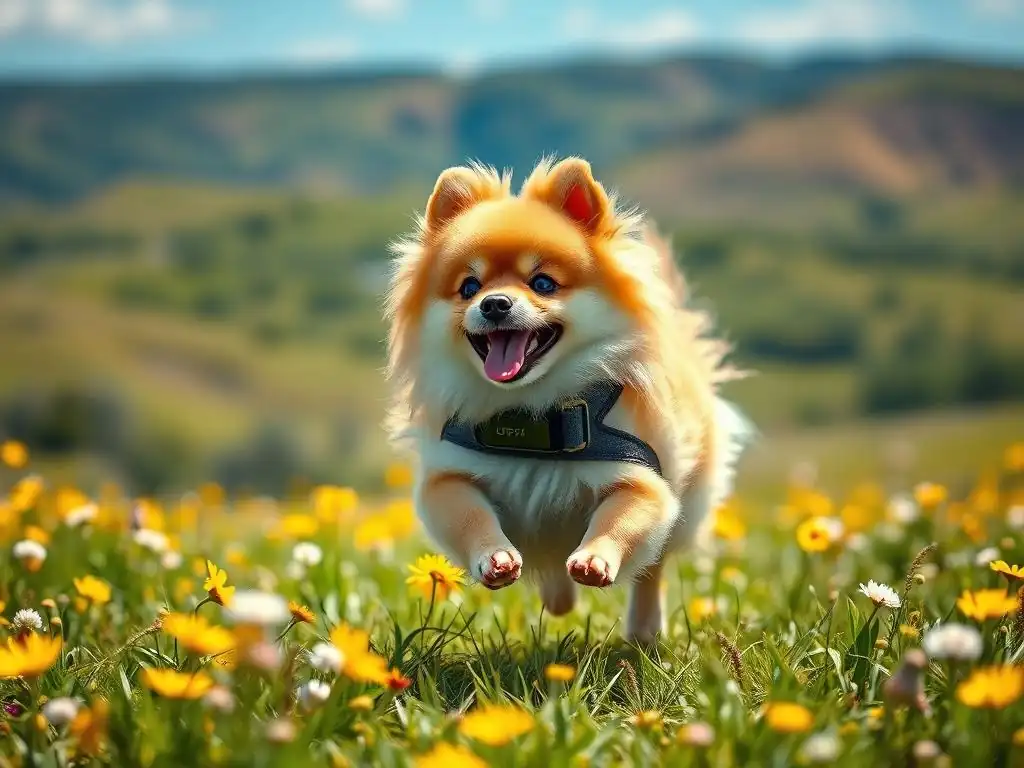
Welcome to PetCareWorld, your ultimate guide to a happier, healthier life for your beloved companion! Are you ready to ensure your furry friend's safety and well-being, no matter the adventure? Then discover the secrets to choosing the best GPS tracker for small dogs, and never worry about losing your little one again. Explore our expert advice and find the perfect solution to keep your small dog safe and sound, right here. Let's embark on this journey together!
- Finding the Best GPS Tracker for Small Dogs: A Comprehensive Guide
- GPS Tracker Accuracy and Reliability for Small Dogs: Factors Affecting Performance
- Safety Features and Considerations for Small Dog GPS Trackers
- Choosing the Right GPS Tracker for Your Small Dog Breed
- Beyond GPS Tracking: Additional Safety Measures for Small Dogs
- Frequently Asked Questions
- Final Reflection: The Unbreakable Bond, Digitally Secured
- Unlock Your Pup's Potential: Adventure Awaits!
Finding the Best GPS Tracker for Small Dogs: A Comprehensive Guide
Choosing the right GPS tracker for your small dog can feel overwhelming. The market is flooded with options, each promising unparalleled tracking capabilities. However, the "best" tracker isn't a one-size-fits-all solution; it depends heavily on your dog's specific needs and your lifestyle.
This comprehensive guide will help you navigate the world of GPS trackers, focusing specifically on the unique requirements of smaller breeds. We'll explore crucial factors to consider, from your dog's size and activity level to the key features of a high-performing tracker. By the end, you'll be equipped to make an informed decision and ensure your tiny adventurer stays safe and sound, wherever their paws may lead them.
Finding the perfect GPS tracker for your small dog is about more than just tracking; it's about peace of mind and ensuring the well-being of your beloved companion. This guide focuses on helping you find the best GPS tracker small dogs can rely on.
Understanding Your Small Dog's Needs: Breed, Activity Level, and Lifestyle
Before diving into the technical specifications of GPS trackers, it's crucial to understand your small dog's individual needs. Different breeds have different energy levels and tendencies. A high-energy Jack Russell Terrier will require a tracker with a longer battery life and a wider range than a more sedentary Cavalier King Charles Spaniel.
Consider these factors:
- Breed: Smaller breeds, like Chihuahuas, Yorkshire Terriers, and Pomeranians, often have unique needs. Their size might impact the suitability of certain tracker designs. Some trackers might be too bulky or heavy for smaller breeds, causing discomfort or even injury.
- Activity Level: Does your dog spend most of its time in the backyard, or does it accompany you on adventurous hikes and runs? A highly active dog needs a tracker with extended battery life and robust GPS capabilities to withstand rigorous activity.
- Lifestyle: How often is your dog left unsupervised? Do you frequently take your dog to dog parks, or does it mostly stay at home? Your dog's lifestyle significantly influences the tracking features you need. For instance, a dog that frequently escapes your yard will benefit from a tracker with real-time location updates and geofencing capabilities.
Understanding these aspects will help you narrow down the options and choose a tracker that seamlessly integrates with your dog's lifestyle and your peace of mind. Remember, a comfortable and reliable tracker is key to ensuring your small dog's safety and well-being. 🐶
Key Features to Consider in a GPS Tracker for Small Breeds: Weight, Battery Life, and Range
Choosing a GPS tracker for a small dog requires careful consideration of several key features. The weight, battery life, and range of the tracker are particularly important for smaller breeds. A tracker that's too heavy or bulky can cause discomfort and even restrict your dog's movement.
Let's delve into the details:
- Weight: The tracker should be lightweight and ergonomically designed to minimize discomfort for your small dog. Look for trackers specifically designed for small breeds, often featuring smaller and lighter designs. A heavy tracker might impede their movement and even cause injury.
- Battery Life: Battery life is crucial, especially for active dogs. A tracker with a short battery life will require frequent charging, which can be inconvenient. Aim for a tracker with a long battery life to ensure continuous monitoring, even during extended periods away from home. Consider the features that drain the battery the most (like constant location updates).
- Range: The GPS tracker's range determines how far your dog can wander before the signal becomes weak or lost. Consider your dog's typical roaming area and choose a tracker with a range that adequately covers it. For dogs with a tendency to roam, a tracker with a wider range is essential. Real-time tracking is vital for peace of mind.
Choosing a GPS tracker that balances these features is crucial for ensuring both your dog's comfort and your ability to track their location effectively. Remember, the best GPS tracker small dogs use is one that's both functional and comfortable for your furry friend. 🐾
Top 5 GPS Trackers for Small Dogs: Reviews and Comparisons
Choosing the best GPS tracker for your small dog requires careful consideration of several factors, including size, weight, battery life, accuracy, and features. The market offers a plethora of options, but not all are created equal, especially when it comes to the needs of smaller breeds. This section reviews five leading GPS trackers specifically tailored—or well-suited—for small dogs, comparing their strengths and weaknesses to help you make an informed decision. Remember, the "best" tracker depends entirely on your individual needs and your dog's lifestyle.
Some prioritize long battery life, while others emphasize precise location tracking. Consider your dog's size and activity level when making your selection. A tiny chihuahua will have different needs than a slightly larger Jack Russell Terrier.
Whistle GO Explore: Review and Specifications
The Whistle GO Explore is a popular choice known for its relatively long battery life and reliable GPS tracking. Its small size makes it suitable for many small breeds, although it's crucial to check the dimensions to ensure a comfortable fit on your specific dog. The device boasts a sleek design and is surprisingly durable. One key feature is its activity monitoring, which can provide insights into your dog's daily exercise levels. However, some users have reported occasional connectivity issues in areas with weak cellular signals.
| Feature | Specification |
|---|---|
| Size | [Specific dimensions pending] |
| Weight | [Specific weight pending] |
| Battery Life | Up to [Number] days |
| GPS Accuracy | [Accuracy specification pending] |
| Water Resistance | [Water resistance rating pending] |
| Subscription | Required |
| Activity Tracking | Yes |
Fi Series 2: Review and Specifications
The Fi Series 2 stands out for its stylish design and advanced features. It's designed to be lightweight and comfortable for even the smallest dogs. A standout feature is its impressive battery life, often exceeding that of competitors. The Fi app provides detailed location tracking and activity monitoring, including distance traveled and calories burned. However, the Fi Series 2 comes with a higher price tag than some alternatives. The subscription fee is also a significant ongoing cost to consider.
| Feature | Specification |
|---|---|
| Size | [Specific dimensions pending] |
| Weight | [Specific weight pending] |
| Battery Life | Up to [Number] days |
| GPS Accuracy | [Accuracy specification pending] |
| Water Resistance | [Water resistance rating pending] |
| Subscription | Required |
| Activity Tracking | Yes, very detailed |
Tractive IKATI: Review and Specifications
The Tractive IKATI is a strong contender, offering a balance between features, battery life, and price. It's available in various sizes, making it adaptable to different small dog breeds. The device boasts reliable GPS tracking and a user-friendly mobile app. While the battery life is decent, it might not match the longest-lasting options on the market. It also offers a virtual fence feature, allowing you to set up safe zones and receive alerts if your dog leaves the designated area. This is a valuable feature for safety-conscious pet owners.
| Feature | Specification |
|---|---|
| Size | [Specific dimensions pending] |
| Weight | [Specific weight pending] |
| Battery Life | Up to [Number] days |
| GPS Accuracy | [Accuracy specification pending] |
| Water Resistance | [Water resistance rating pending] |
| Subscription | Required |
| Virtual Fence | Yes |
Jiobit: Review and Specifications
Jiobit distinguishes itself with its incredibly small size and lightweight design, making it ideal for even the tiniest of dogs. Its compact form factor doesn't compromise on features, offering reliable location tracking and a long battery life. However, the Jiobit's range might be slightly limited compared to some other trackers relying on cellular networks. The lack of activity tracking might be a drawback for some users.
| Feature | Specification |
|---|---|
| Size | [Specific dimensions pending] |
| Weight | [Specific weight pending] |
| Battery Life | Up to [Number] days |
| GPS Accuracy | [Accuracy specification pending] |
| Water Resistance | [Water resistance rating pending] |
| Subscription | Required |
| Activity Tracking | No |
Link AKC Smart Collar: Review and Specifications
The Link AKC Smart Collar combines GPS tracking with other smart features, including activity monitoring and even basic training capabilities. It's designed for comfort and durability, making it a good choice for active small dogs. However, the collar's size might be less suitable for the absolute smallest breeds. The subscription service is comprehensive, offering a range of features beyond just location tracking. The integrated training tools could be a significant advantage for new pet owners.
| Feature | Specification |
|---|---|
| Size | [Specific dimensions pending] |
| Weight | [Specific weight pending] |
| Battery Life | Up to [Number] days |
| GPS Accuracy | [Accuracy specification pending] |
| Water Resistance | [Water resistance rating pending] |
| Subscription | Required |
| Training Tools | Yes |
Remember to always prioritize your dog's safety and comfort when selecting a GPS tracker. Consider factors like size, weight, and your dog's activity level before making a purchase. The "best" GPS tracker for small dogs is the one that best meets your needs and your dog's individual characteristics.
GPS Tracker Accuracy and Reliability for Small Dogs: Factors Affecting Performance
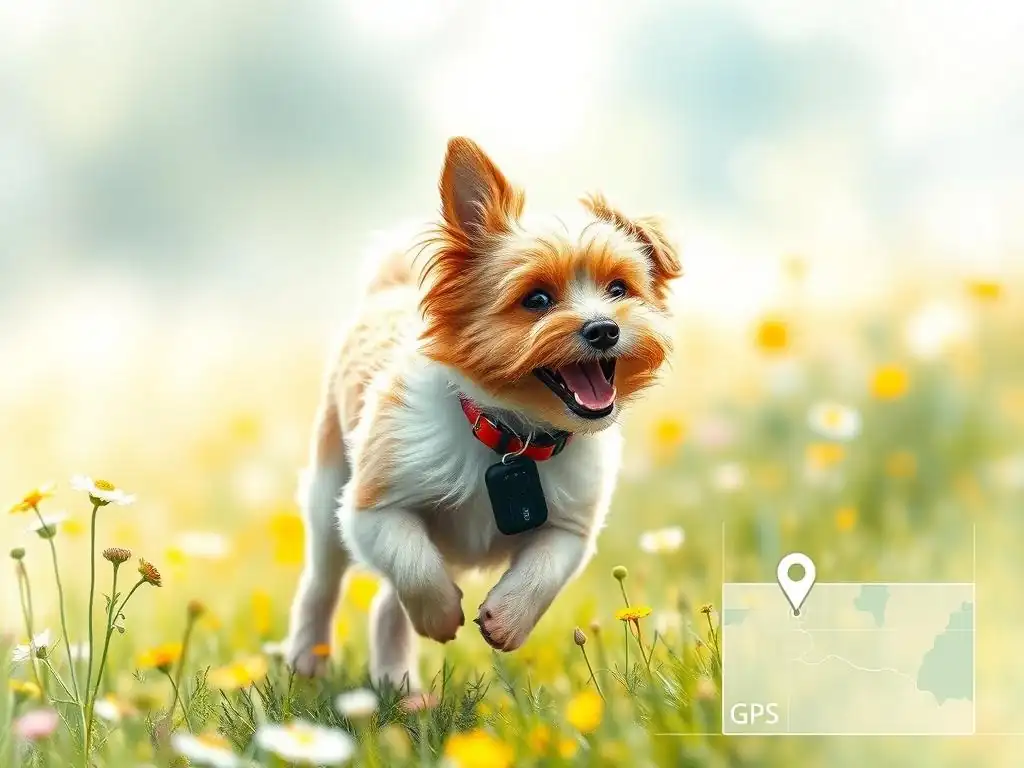
Finding the best GPS tracker small dogs can be challenging, as accuracy and reliability are paramount, especially with smaller breeds. Several factors significantly influence a GPS tracker's performance on a tiny canine companion. Understanding these nuances is crucial for making an informed purchasing decision. We'll delve into the key elements affecting the precision and dependability of these devices for your small dog. The size of your dog, surprisingly, plays a less significant role than the technology employed and the environmental factors involved.
GPS Signal Strength and Interference in Urban and Rural Environments
GPS trackers rely on signals from orbiting satellites. Signal strength and the presence of interference directly impact accuracy. In urban environments, tall buildings, dense foliage, and even atmospheric conditions can significantly weaken or block GPS signals. This can lead to less precise location data or even complete signal loss. Conversely, rural areas often offer better signal reception due to fewer obstructions. However, even in rural settings, challenges exist. For example, deep valleys or heavily wooded areas can still create signal dead zones.
The type of GPS technology used also plays a significant role. Some trackers utilize assisted GPS (A-GPS) which leverages cell towers to improve location accuracy and speed up initial location acquisition. This is particularly helpful in areas with weak GPS signals. However, A-GPS requires a cellular connection, meaning it won't work in areas with poor cellular reception.
Consider this example: A small terrier wearing a tracker might experience significant location inaccuracies in a bustling city center due to signal interference from skyscrapers. However, the same tracker in a wide-open rural field will likely provide far more precise and reliable location data. This difference underscores the importance of considering the typical environment your dog spends time in when choosing a GPS tracker. Choosing a tracker with A-GPS can be a valuable feature, improving the chances of obtaining reliable data in challenging environments.
Battery Life Optimization for Extended Tracking
Battery life is a critical consideration, especially for active small dogs. A tracker with a short battery life significantly limits its usefulness. Extended periods of inactivity, such as when your dog is resting, can help conserve power. However, the frequency of location updates directly impacts battery consumption. More frequent updates provide more precise tracking but drain the battery faster.
Many modern GPS trackers offer customizable update frequencies. You might opt for more frequent updates during periods of high activity or when your dog is in an unfamiliar area, and switch to less frequent updates when your dog is in a secure and familiar environment.
Let's examine a hypothetical scenario: A chihuahua wearing a tracker with a 24-hour battery life might require daily charging if set for frequent location updates (e.g., every minute). However, if the update frequency is reduced to every 10 minutes, the battery might last for several days. This illustrates the crucial trade-off between tracking frequency and battery life.
Understanding your dog's activity patterns and adjusting the update frequency accordingly is vital for maximizing the tracker's operational time. Features like low-power modes can also further extend battery life without drastically compromising location accuracy. Look for trackers that offer such features for optimal performance.
Safety Features and Considerations for Small Dog GPS Trackers

Choosing the best GPS tracker for small dogs requires careful consideration of features designed specifically for their size and needs. While many trackers boast impressive ranges and battery life, those features might not translate effectively to a tiny chihuahua or a petite Yorkie. A tracker that's too bulky can be uncomfortable or even dangerous for a small dog, potentially interfering with their movement or getting caught on things. Conversely, a tracker that's too small might be easily lost or damaged.
Geofencing and Alert Systems: Keeping Your Small Dog Safe
Geofencing is a crucial safety feature for any pet tracker, but it's especially important for small dogs. These tiny adventurers can easily slip through fences or dart into unexpected places. A good geofence system allows you to create a virtual boundary around your home or a designated area. If your small dog ventures beyond this boundary, the tracker immediately sends you an alert via your smartphone app. This real-time notification is paramount; the quicker you know your dog is outside their safe zone, the faster you can respond and prevent potential harm.
Consider these aspects when evaluating geofencing capabilities:
- Accuracy: The accuracy of the GPS signal directly impacts the reliability of the geofencing. Look for trackers with high-precision GPS technology to minimize false alerts. Some trackers utilize multiple technologies like GPS, GLONASS, and even cellular triangulation for enhanced accuracy, especially in areas with weak GPS signals.
- Customizable Geofences: The ability to create multiple, customizable geofences is a significant advantage. You might want to set a geofence for your home, your yard, and even a nearby park you frequently visit. Flexibility in defining these boundaries is key.
- Alert Customization: Effective alert systems go beyond simple notifications. The best systems offer customizable alert options, allowing you to specify the type of alert (e.g., email, text, push notification), the frequency of alerts, and even the sensitivity of the geofence. This allows for personalized monitoring tailored to your dog's behavior and your preferences.
Think of it this way: a poorly implemented geofence could lead to a constant barrage of unnecessary alerts, while a well-designed system provides peace of mind knowing you'll be alerted only when your small dog truly needs your attention. This is especially critical for small dogs, whose smaller size makes them more vulnerable to dangers.
Lost Dog Recovery Strategies with GPS Tracking
Even with careful attention, accidents happen. If your small dog goes missing, a GPS tracker significantly improves your chances of a successful recovery. However, effective use requires understanding the tracker's capabilities and employing smart recovery strategies.
Here's a breakdown of how GPS tracking aids in lost dog recovery:
- Real-time Location Tracking: The most obvious benefit is the ability to see your dog's location in real-time on a map via your smartphone app. This eliminates the need for frantic searching and allows for targeted rescue efforts.
- History Tracking: Many trackers also record your dog's movements over time. This "breadcrumb trail" can be invaluable in retracing their steps and identifying potential locations where they might be hiding or have been seen.
- Community Involvement: Some GPS tracker apps allow you to share your dog's location with trusted contacts, such as family, friends, or even local animal shelters. This collaborative approach significantly broadens the search effort.
- Battery Life Considerations: A crucial aspect often overlooked is battery life. Ensure your tracker has sufficient battery power to last throughout the search period. Consider carrying a portable charger for extended searches.
Remember, a GPS tracker is a tool, not a guarantee. While it significantly enhances your chances of finding a lost small dog, proactive measures like microchipping and responsible leash use remain essential components of responsible pet ownership. The combination of these strategies provides the best possible protection for your beloved companion. The best GPS tracker for small dogs is the one that combines reliable technology with features that address the specific vulnerabilities of these smaller breeds.
Choosing the Right GPS Tracker for Your Small Dog Breed

Selecting the best GPS tracker small dogs can feel overwhelming, given the variety of options available. However, focusing on key features tailored to your tiny companion simplifies the process significantly. This section delves into crucial considerations to ensure you choose a tracker that's not only effective but also comfortable and safe for your small dog. Remember, a well-chosen tracker provides peace of mind and enhances your bond with your furry friend.
Size and Weight Considerations for Different Breeds
The size and weight of your dog are paramount when choosing a GPS tracker. A tracker that's too bulky for a Chihuahua will be uncomfortable and potentially dangerous, while a tracker too small for a Cavalier King Charles Spaniel might easily be lost or damaged. Consider these points:
- Tiny Breeds (Chihuahuas, Yorkies, Pomeranians): These breeds require extremely lightweight and compact trackers. Look for trackers specifically designed for small dogs, often marketed as "mini" or "micro" trackers. Anything weighing more than a few ounces could be burdensome. The collar should also be considered—a lightweight, comfortable collar is essential to prevent irritation.
- Small Breeds (Miniature Poodles, Shih Tzus, Bichon Frises): These dogs can tolerate slightly larger and heavier trackers than tiny breeds, but still benefit from lightweight designs. Look for trackers with comfortable, adjustable straps.
- Weight Capacity: Always check the manufacturer's specifications for the maximum weight the tracker can comfortably withstand. Exceeding this limit can damage the device or cause discomfort to your pet.
| Breed Category | Weight Range (lbs) | Recommended Tracker Size | Notes |
|---|---|---|---|
| Tiny Breeds | < 5 | Micro/Mini | Extremely lightweight and compact are crucial. |
| Small Breeds | 5-15 | Small/Compact | Comfortable, adjustable straps are important. |
| Small-Medium Breeds | 15-25 | Standard | Balance size and features based on activity. |
Remember, even within breeds, individual dogs vary in size and build. Always prioritize comfort and safety when selecting a tracker. Regularly check the fit of the collar and tracker to ensure it remains comfortable and secure. A well-fitting tracker is less likely to be lost or damaged.
Budget-Friendly Options for Small Dog GPS Tracking
Finding the best GPS tracker small dogs doesn't necessarily mean breaking the bank. Several budget-friendly options offer reliable tracking capabilities without compromising essential features. While premium trackers often boast longer battery life and advanced features, several affordable alternatives provide excellent value.
Consider these factors when searching for budget-friendly options:
- Subscription Fees: Many GPS trackers require monthly or annual subscription fees for data services. Factor these costs into your budget. Some providers offer different tiers of service with varying price points. Carefully compare the features offered at each price level to determine the best fit for your needs.
- Battery Life: While premium trackers usually boast longer battery life, budget-friendly options often require more frequent charging. This might involve a trade-off between cost and convenience. Assess how often you're willing to recharge the device.
- Accuracy: Don't automatically assume that expensive trackers are always more accurate. Read reviews and compare specifications carefully. Look for trackers with proven accuracy in GPS tracking, especially in urban areas or environments with potential signal interference.
Remember to prioritize features that are essential for your needs. A basic tracker that provides accurate location data might be sufficient, while others may need additional features like geofencing or activity monitoring. By carefully comparing options and prioritizing your needs, you can find a reliable and affordable GPS tracker to keep your small dog safe. Don't forget to check user reviews to get a sense of real-world performance before making a purchase! 🐶
Beyond GPS Tracking: Additional Safety Measures for Small Dogs

While a GPS tracker offers invaluable peace of mind when it comes to locating your small dog, it shouldn't be your sole reliance for their safety. Think of a GPS tracker as one crucial piece of a larger safety puzzle. Combining it with other preventative measures significantly increases the chances of a safe return should your furry friend ever go missing. Proactive safety measures are key to preventing escapes and enhancing your dog's overall well-being. This section explores complementary strategies to maximize your small dog's protection.
Even with the most advanced GPS technology, there's always a chance the tracker could malfunction or its signal might be lost. That's why reliable identification is paramount. A well-placed and clearly visible ID tag is your first line of defense. Ensure the tag includes your current phone number and your dog's name. Consider engraving the tag instead of using a paper insert, as this is more durable and less likely to fall out.
Microchipping is another essential safety net. This tiny, permanent implant contains a unique identification number linked to your contact information in a national pet database. If your dog is found, a vet or animal shelter can scan the microchip and quickly reunite you with your beloved companion. Microchipping complements a GPS tracker, providing a backup identification method even if the tracker is lost or damaged. It’s a simple procedure with lasting benefits, significantly improving the odds of a successful reunion. Remember to regularly update your contact information in the pet database associated with your dog’s microchip.
Training Your Dog to Wear a GPS Tracker
Introducing a GPS tracker to your small dog requires patience and positive reinforcement. Forcing the device onto your dog can lead to negative associations and make them averse to wearing it. Instead, focus on making the tracker a comfortable and familiar part of their life.
Start by letting your dog sniff and explore the tracker. Reward them with treats and praise for showing curiosity rather than fear. Gradually attach the tracker for short periods, increasing the duration as they become more comfortable. Use high-value treats and positive verbal reinforcement throughout this process. Consider pairing the tracker with playtime or other enjoyable activities.
If your dog shows signs of discomfort or stress, such as excessive licking, whining, or attempts to remove the tracker, take a step back and allow them more time to adjust. Never force them to wear the tracker. Consult your veterinarian or a professional dog trainer if you encounter persistent difficulties. A well-trained dog is more likely to keep the tracker on securely, maximizing its effectiveness and minimizing the risk of losing it. Remember, a happy and comfortable dog is a safe dog.
Frequently Asked Questions
What makes a GPS tracker ideal for small dogs?
A GPS tracker for small dogs needs to be lightweight and comfortable to prevent discomfort or injury. It should also be durable enough to withstand the wear and tear of a playful pup and have reliable signal strength for accurate tracking.
How accurate are GPS trackers for small dogs?
Accuracy varies depending on the GPS technology and signal strength. Most trackers offer a high degree of accuracy, but factors like dense foliage or buildings can impact performance. Look for trackers with multiple positioning systems (GPS, GLONASS, etc.) for improved accuracy.
Are GPS trackers safe for my small dog?
Reputable trackers are designed with pet safety in mind. Ensure the tracker is securely attached but easily removable in case of emergencies. Consider the tracker's materials to ensure they are non-toxic and won't irritate your dog's skin.
What are the essential features of a good GPS tracker for small dogs?
Essential features include long battery life, a reliable app interface, geofencing capabilities, and various alert options (low battery, escape alerts). Consider features like activity tracking and history playback for added benefits.
How do I choose the best GPS tracker for my small dog's breed and size?
Consider your dog's size and activity level when choosing a tracker. Smaller trackers are better suited for tiny breeds. Read reviews and compare features to find the best fit for your pet's needs and your budget. Check the manufacturer's recommendations regarding weight and size suitability.
Final Reflection: The Unbreakable Bond, Digitally Secured
The unwavering loyalty of a small dog is matched only by the anxiety of losing them; GPS trackers are no longer a luxury, but a vital tool for responsible pet ownership in our increasingly mobile world. The convenience and peace of mind they offer are undeniable, especially for owners of smaller breeds who are more vulnerable to being lost or stolen. This technology bridges the gap between our busy lives and the constant need to ensure our furry companions' safety.
The impact of GPS trackers extends beyond simple location tracking; they represent a profound shift in our relationship with our pets. They allow us to participate more actively in their lives, even when we're not physically present. This constant connection fosters a deeper bond, reducing stress for both owner and pet. A dog is the only thing on earth that loves you more than he loves himself.
This sentiment, often quoted, is amplified by the security a GPS tracker provides, allowing us to better protect the love we share.
Consider the implications of this technology. Think about the countless hours of worry you can avoid, the swift reunions made possible, and the increased safety for your beloved companion. You have the power to safeguard your small dog's adventures, ensuring they remain safe and close, no matter where your paths may lead. Invest in a GPS tracker today; invest in peace of mind and a stronger bond with your furry friend.
Unlock Your Pup's Potential: Adventure Awaits!
Thank you for joining us on this journey into the world of GPS trackers for small dogs! We hope you feel more confident in keeping your furry friend safe and secure. Ready to take the next step?
- Invest in peace of mind: Research and purchase a GPS tracker that's the right size and features for your small dog's breed and activity level. Consider factors like battery life, tracking accuracy, and ease of use. This is crucial for your dog's safety.
- Share your experience! Tell us about your favorite tracker or any helpful tips in the comments below. Let's build a supportive community for small dog owners!
- Explore additional safety measures: Consider adding a personalized ID tag with your contact information and perhaps a small bell to help locate your dog more easily when off-leash.
Now that you're equipped with the right technology, what exciting adventures will you and your brave little explorer share?