
Essential Tips for Managing Resources in a Multiple Cat Household

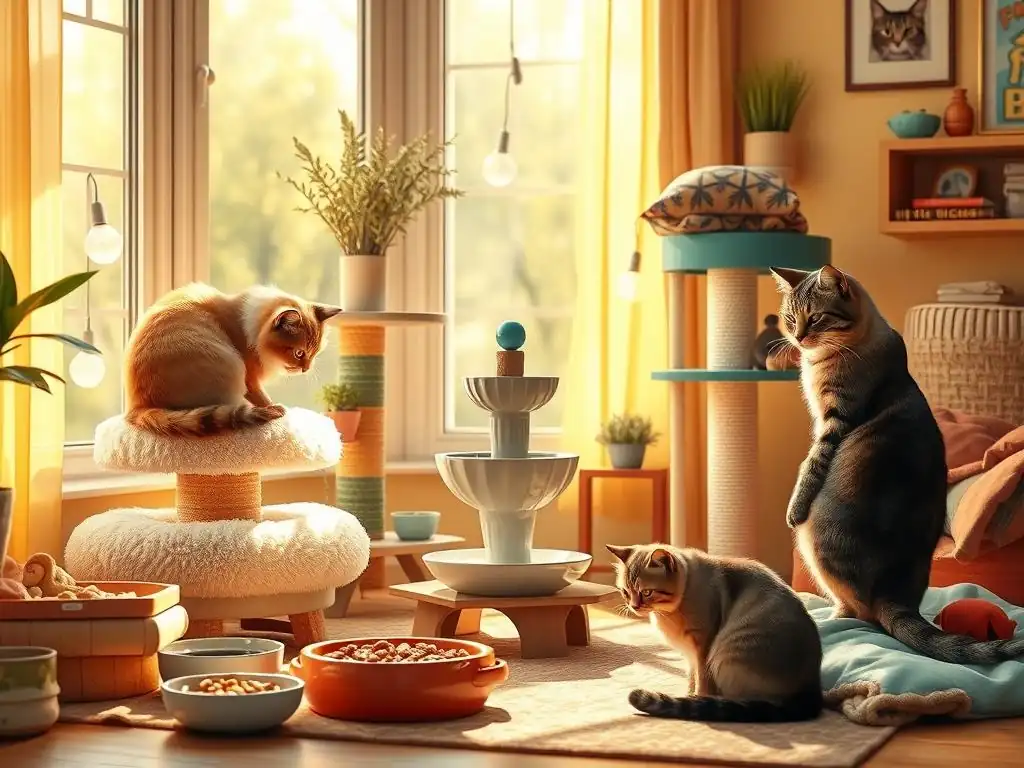
Welcome to PetCareWorld, your ultimate guide to a happier, healthier life for your beloved pets! Are you ready to unlock the secrets to a harmonious multi-cat household? Managing resources effectively is crucial for preventing conflict and ensuring each feline thrives. Discover essential Multiple Cat Resource Management tips that will transform your home into a feline paradise. Dive in and learn how to create a peaceful and enriching environment for your furry family!
- Understanding the Importance of Multiple Cat Resource Management
- Key Resources to Manage for Multiple Cats
- Optimizing Resource Distribution for Harmony
-
Advanced Techniques for Resource Management in Multi-Cat Households
- Using Feliway Diffusers to Reduce Stress and Anxiety
- Implementing Environmental Enrichment to Distract from Resource Competition
- Training Cats to Use Designated Feeding and Resting Areas
- Addressing Individual Cat Preferences and Needs in Resource Allocation
- Identifying and Addressing Underlying Medical Conditions Contributing to Resource Guarding
- When to Seek Professional Help for Multi-Cat Resource Issues
- Maintaining a Harmonious Multi-Cat Home: Ongoing Strategies
-
Frequently Asked Questions
- How can I prevent resource guarding in my multi-cat household?
- What's the ideal number of litter boxes for multiple cats?
- My cats constantly fight over food. What can I do?
- How can I tell if my cats are stressed due to resource competition?
- What is the best way to introduce a new cat to a multi-cat household?
- Final Reflection: The Harmony of Shared Resources
- Unlock Purrfect Harmony: Mastering Multi-Cat Resource Management
Understanding the Importance of Multiple Cat Resource Management
Living with multiple cats can be a rewarding experience, filled with purrs, cuddles, and playful antics. However, a harmonious multi-cat household requires careful planning and management, particularly regarding resources. Failing to adequately manage resources—food, water, litter boxes, resting places, and even attention from humans—can lead to stress, conflict, and even aggression among feline roommates.
This article provides essential tips for managing resources in a multiple cat household, focusing on preventing resource-guarded behavior, identifying signs of stress, and understanding the link between resource management and feline aggression. Effective resource management is crucial for creating a peaceful and enriching environment for all your cats, fostering a happy and healthy multi-cat family.
Ignoring these vital aspects can lead to significant behavioral problems, impacting the well-being of each cat and potentially disrupting the overall harmony of your home. This guide will equip you with the knowledge and strategies to ensure your feline companions thrive together.
Preventing Resource-Guarded Behavior in Multi-Cat Homes
Resource guarding, where a cat aggressively protects its resources from other cats, is a common problem in multi-cat households. Preventing this behavior starts with proactive resource management. The key is to provide ample resources for each cat, eliminating competition. This means:
- Multiple Food and Water Bowls: Provide at least one bowl per cat, plus one extra. Space them strategically throughout the house, ideally in different rooms or locations to minimize encounters.
- Sufficient Litter Boxes: The general rule is one litter box per cat, plus one extra. Consider the size and layout of your home; multiple floors might require additional boxes. Different types of litter and box styles can also be beneficial.
- Multiple Scratching Posts: Cats need to scratch, and competition for scratching posts can escalate tension. Offer a variety of scratching posts, placed in different locations and with various textures.
- Designated Resting Spots: Cats appreciate having their own safe spaces. Provide plenty of high perches, cat trees, beds, and other comfortable resting areas, ensuring each cat has easy access to its preferred spots.
Remember, the goal is to minimize the opportunity for competition. By providing plentiful resources, you dramatically reduce the likelihood of resource guarding. This proactive approach is far more effective than attempting to correct aggressive behavior after it has already developed. Early intervention is key!
Recognizing the subtle signs of resource-related stress in your cats is crucial for early intervention. These signs can range from subtle changes in behavior to more overt displays of aggression. Look out for:
- Increased Urination or Defecation Outside the Litter Box: This is a common sign of stress and can indicate a cat is feeling insecure or overwhelmed.
- Changes in Appetite: Either increased or decreased appetite can be a sign of stress.
- Increased Vocalization: Excessive meowing, hissing, or growling can indicate anxiety or frustration.
- Hiding or Avoiding Other Cats: A cat that suddenly becomes withdrawn or avoids interactions with other cats may be feeling stressed or threatened.
- Changes in Grooming Habits: Excessive grooming or matted fur can be indicative of stress.
- Tail Twitching or Puffing: These are clear signs of feline anxiety.
If you observe any of these signs, it's important to consult with a veterinarian or a certified cat behaviorist to rule out any underlying medical conditions and develop a tailored management plan. Early detection and intervention are key to preventing escalation and ensuring your cats' well-being.
The Link Between Resource Management and Cat Aggression
The relationship between inadequate resource management and cat aggression is undeniable. When cats compete for limited resources, aggression often arises as a way to secure access to necessities. This aggression can manifest in various ways, from hissing and swatting to more serious attacks. By implementing proper resource management strategies, you can significantly reduce the likelihood of these conflicts.
Providing ample resources minimizes competition, thereby reducing stress and preventing aggression. Furthermore, proactively addressing resource issues before aggression develops is a far more effective and humane approach than attempting to manage aggression once it has taken root. Remember, a proactive and well-planned approach to resource management is essential for building a peaceful and harmonious multi-cat home. Prioritize their needs, and reap the rewards of a happy and thriving feline family!
Key Resources to Manage for Multiple Cats
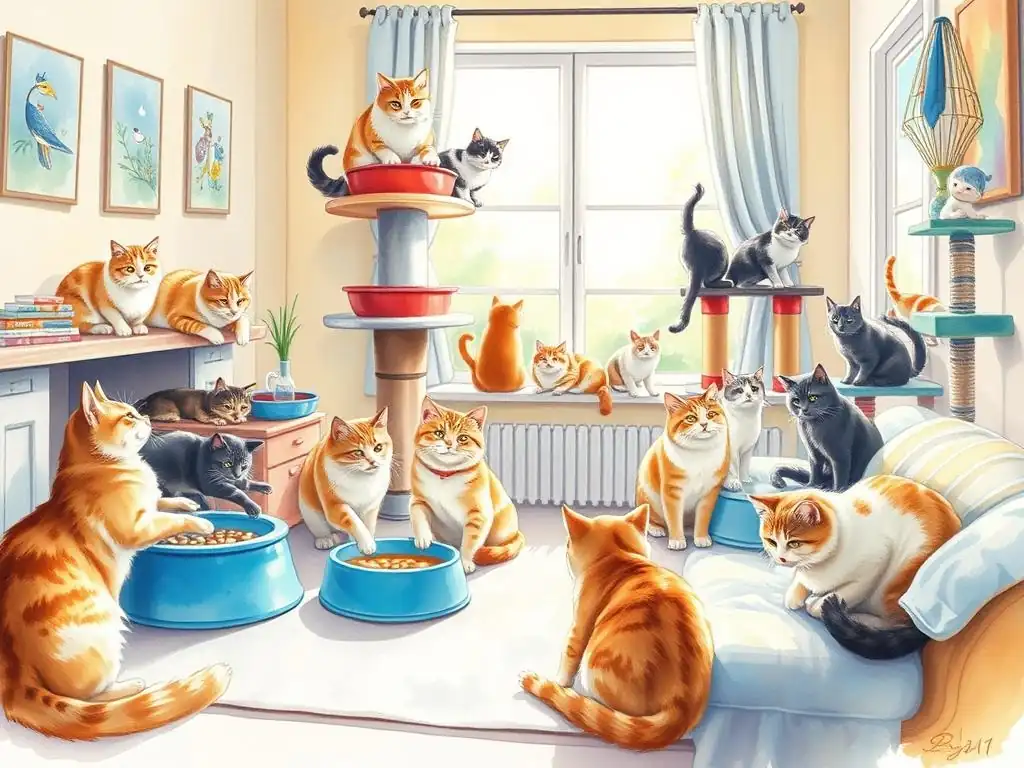
Successfully managing a multi-cat household hinges on understanding and addressing each cat's individual needs while fostering a harmonious environment. Resource management is paramount; ensuring each feline has sufficient access to essential resources minimizes competition and stress, leading to a happier, healthier household. This section delves into the critical resources requiring careful management and provides practical strategies for optimizing their distribution. Mastering these techniques is key to achieving a peaceful multi-cat coexistence and avoiding common behavioral problems often associated with resource scarcity. Remember, proactive resource management is a preventative measure, significantly reducing the likelihood of inter-cat aggression and territorial disputes.
Food and Water Bowl Placement Strategies for Multiple Cats
Strategic placement of food and water bowls is crucial for preventing conflict in a multi-cat household. The goal is to eliminate competition by providing ample space and minimizing the feeling of resource scarcity. Cats, being highly territorial, often view food and water as particularly valuable resources.
Multiple cats often exhibit distinct feeding styles; some are fast eaters, while others are more deliberate. This difference can lead to bullying at mealtimes, where a dominant cat might hog the food bowl, leaving others hungry and stressed. To counter this, consider the following:
- Multiple Bowls: Provide at least one food bowl and one water bowl per cat, plus one extra of each. This ensures sufficient resources for everyone, even during peak feeding times.
- Spatial Distribution: Place bowls in different locations throughout the home, ideally in quiet areas where cats feel safe and can eat undisturbed. Avoid placing bowls near litter boxes or high-traffic areas. Consider using raised food bowls to improve posture and comfort.
- Bowl Types: Experiment with various bowl types; some cats prefer shallow bowls, while others prefer deeper ones. Consider using slow feeders to encourage slower eating, particularly for cats prone to gulping their food.
- Elevated Feeders: Elevated feeders can reduce neck strain, particularly for senior or overweight cats. They can also create a sense of security and reduce competition if bowls are placed in separate locations.
Consider the size and personality of your cats when planning your feeding strategy. Observe their feeding behavior to identify any potential conflicts and adjust your approach accordingly. Regular observation is crucial for fine-tuning your resource management plan.
Litter Box Placement and Management for Multiple Cats
Litter box access is another critical aspect of multiple cat resource management. Insufficient litter boxes or poorly placed ones are a significant source of conflict and stress, often leading to inappropriate urination or defecation outside the litter box. The general rule is to have one litter box per cat, plus one extra. For example, three cats require four litter boxes.
The placement of litter boxes is just as important as the number. Cats prefer private, accessible, and clean spaces. Consider these factors:
- Location: Avoid placing litter boxes in high-traffic areas, near food and water bowls, or in areas where cats feel unsafe (e.g., near loud appliances). Ideally, locate litter boxes in quiet, easily accessible corners of the house.
- Box Type: Experiment with different types of litter boxes. Some cats prefer covered boxes for privacy, while others prefer open boxes. Consider offering a variety of box styles and materials.
- Litter Type: Different cats have different preferences for litter types. Experiment with various textures and scents to find what your cats prefer. Avoid scented litters, as these can be irritating to cats.
- Cleaning: Regular and thorough cleaning of litter boxes is essential. Scoop the litter at least once a day, and completely change the litter at least once a week. Failure to maintain litter box cleanliness can lead to avoidance and inappropriate elimination.
Implementing these strategies can significantly reduce litter box-related issues and contribute to a more harmonious multi-cat home. Regular monitoring and adjustments to the litter box setup based on your cats' behavior are essential.
Providing Sufficient Scratching Posts and Play Areas for Multiple Cats
Scratching posts and play areas are essential resources that cater to cats' natural instincts. Ignoring these needs can lead to destructive scratching on furniture and increased tension among cats vying for the same limited space. Cats use scratching posts to maintain their claws, mark their territory, and stretch their bodies. Providing ample scratching opportunities reduces the likelihood of them scratching furniture.
- Variety is Key: Offer a variety of scratching posts of different materials (sisal, cardboard, carpet), heights (vertical, horizontal), and textures. This allows each cat to find a scratching post that suits their preferences.
- Strategic Placement: Place scratching posts in various locations throughout the home, including areas where cats frequently spend time. This ensures that each cat has easy access to a post.
- Dedicated Play Areas: Creating designated play areas provides cats with a space to engage in their natural behaviors, reducing territorial tensions. This can be a simple cat tree or a dedicated area with toys and interactive puzzles.
- Enrichment: Provide a range of toys and interactive games to stimulate your cats mentally and physically. This can help reduce boredom and prevent destructive behaviors. Rotating toys regularly keeps them engaged.
By providing sufficient scratching posts and play areas, you're not only preventing damage to your furniture but also contributing to the overall well-being and harmonious coexistence of your feline companions. Observe your cats' preferences and adjust the arrangement of scratching posts and play areas accordingly. Remember, resource management extends beyond food and water; it encompasses all aspects of your cats' physical and mental needs.
Access to High Perches and Safe Spaces: Vertical Territory for Cats
Cats are naturally inclined to seek high vantage points. Providing ample vertical territory is crucial for managing resources in a multi-cat household, as it minimizes conflict over limited horizontal space. Think of it this way: each cat needs their own "personal penthouse." This isn't just about fun; it's about security and reducing stress. Cats feel safer and more in control when they can observe their surroundings from above, away from potential rivals. A cat feeling threatened or insecure is more likely to become aggressive or withdrawn.
Several strategies can be employed to ensure sufficient vertical space for each cat. Consider cat trees of varying heights and designs. A tall cat tree with multiple platforms, scratching posts, and hiding places provides excellent vertical space and allows for individual retreat.
Avoid placing the cat tree in a high-traffic area; cats need a sense of security and privacy in their chosen spots. Additionally, strategically placed shelves, window perches, and even cat hammocks can add to the available vertical space. These elevated areas provide escape routes, observation points, and personal spaces where cats can relax and feel secure without the pressure of sharing horizontal space with other felines.
The number of high perches needed depends on the number of cats and their individual personalities. For a household with three cats, for example, having at least three separate, easily accessible high perches, each in a different location, is advisable. This allows for individual space and reduces competition. Observe your cats' behavior; if you notice consistent competition for a particular perch, adding another similar perch in a different area can often alleviate the problem.
Remember, the goal is to create a sense of abundance, not scarcity, when it comes to vertical space. This proactive approach is a key component of successful multiple cat resource management and contributes significantly to a harmonious household. Failing to provide enough vertical space can lead to increased stress and conflict, potentially manifesting as hissing, fighting, or even spraying. Prioritize this aspect of resource management for a peaceful multi-cat home.
Optimizing Resource Distribution for Harmony
Successfully managing a multiple cat household hinges on understanding and addressing feline resource guarding behaviors. Cats, by nature, are territorial creatures, and competition for essential resources like food, water, and litter boxes can lead to stress, aggression, and overall disharmony. Effective resource management is crucial for creating a peaceful and enriching environment for all your feline companions. This section will delve into practical strategies for optimizing resource distribution to minimize conflict and foster a harmonious multi-cat household.
The key is to provide ample resources, strategically placed to reduce competition and ensure each cat feels secure and comfortable. Ignoring this can lead to serious behavioral issues, such as spraying, fighting, and even illness due to stress. Implementing these multiple cat resource management tips will significantly improve your cats' quality of life.
Implementing a Feeding Schedule to Minimize Competition
One of the most common sources of conflict among multiple cats is food. To mitigate this, a structured feeding schedule is essential. Instead of providing free-feeding, which can exacerbate competition, consider timed feeding sessions. This allows each cat dedicated time to eat without interruption from others.
Consider these strategies:
- Separate Feeding Stations: Place food bowls in different locations, ideally in areas where each cat feels safe and secure. This could be different rooms, or even different levels of the house if you have a multi-story home.
- Puzzle Feeders: These interactive feeders slow down eating, reducing the likelihood of one cat quickly gobbling up all the food before others can access it. This also provides mental stimulation for your cats.
- Elevated Food Bowls: Raising food bowls slightly off the ground can help reduce stress and competition, particularly for cats who are more submissive.
- Multiple Small Meals: Instead of one large meal, try dividing the daily food intake into several smaller meals throughout the day. This can be particularly helpful for kittens or senior cats.
Remember to observe your cats during feeding times to monitor their interactions and adjust your approach as needed. The goal is to create a calm and stress-free eating experience for all. Detailed observation will help you identify if any cat is being bullied or consistently unable to access food.
Utilizing Different Food and Water Bowls to Reduce Conflict
Just as with food, multiple water sources are equally important. Cats can be quite picky about their water, and having limited access can cause stress and conflict. Providing various water bowls in different locations and types can significantly improve access and reduce competition.
Consider these options:
- Variety of Bowl Types: Offer a range of bowl types, such as ceramic, stainless steel, and even fountains. Some cats prefer certain materials or types of bowls.
- Multiple Locations: Distribute water bowls throughout the house, similar to the food bowl strategy. Easy access in multiple locations decreases competition.
- Water Fountains: Circulating water fountains can encourage cats to drink more water, as many prefer moving water over still water. This is especially beneficial for cats prone to dehydration.
- Observe Water Preferences: Pay attention to which bowls your cats gravitate towards and adjust accordingly. If one bowl is consistently empty, consider adding another similar bowl to that area.
Providing sufficient water sources mirrors the importance of multiple food bowls. Adequate hydration is crucial for feline health, and reducing competition for this essential resource is vital.
Strategic Placement of Litter Boxes to Avoid Territorial Disputes
Litter box access is another critical area where resource management is crucial. Insufficient litter boxes or poorly placed boxes can lead to territorial disputes and inappropriate elimination. The general rule of thumb is to have one litter box per cat, plus one extra. Strategic placement is vital for promoting peaceful co-existence.
Consider these factors:
| Factor | Recommendation |
|---|---|
| Number of Boxes | One per cat + one extra |
| Location | Quiet, easily accessible areas, away from food and water |
| Type of Box | Offer a variety of box styles and sizes |
| Litter Type | Experiment with different litters to find preferences |
| Box Cleaning | Frequent and thorough cleaning is absolutely essential |
Additional Tips for Litter Box Management
Ensure litter boxes are scooped daily. A consistently clean litter box is essential to avoid territorial issues. Consider using covered litter boxes for cats who prefer privacy, but also provide open boxes for cats who may feel trapped or anxious in enclosed spaces.
By carefully considering the placement and type of litter boxes, you can minimize stress and territorial disputes among your cats, contributing to a more harmonious and healthy multi-cat household. Remember, regular observation and adjustment are key to success in managing these resources effectively. Proper resource management is a vital component of multiple cat resource management tips for a peaceful household.
Creating Multiple Play and Resting Zones for Each Cat
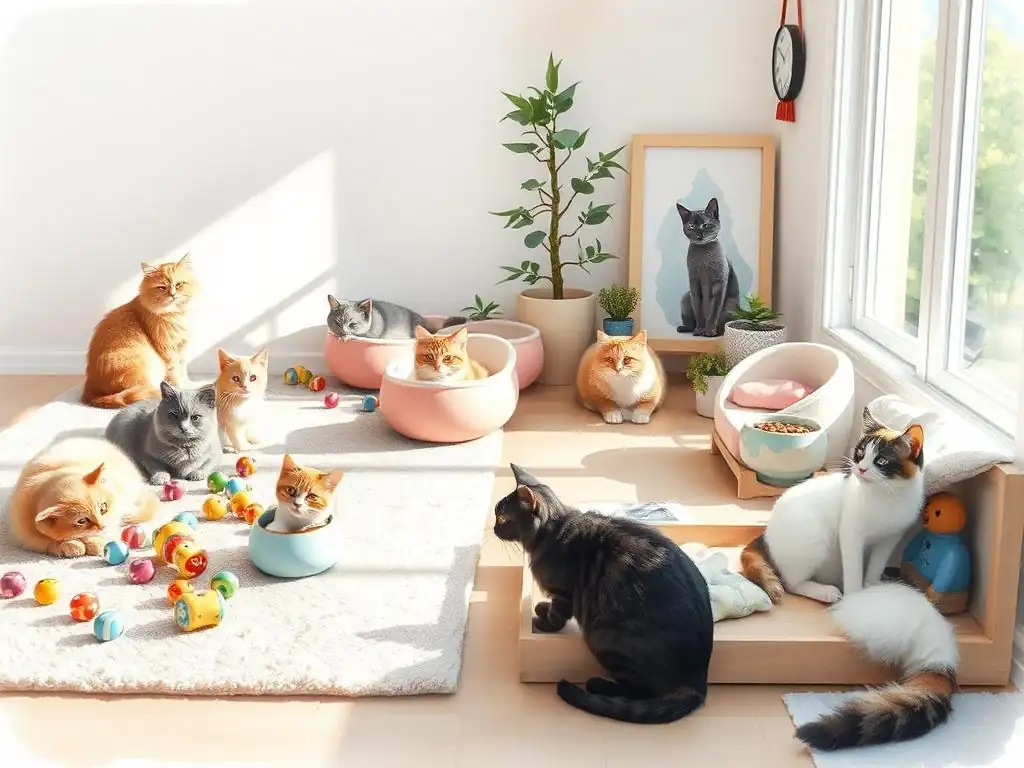
Cats, even those who appear friendly, often require their own personal space and resources to avoid conflict. Providing multiple play and resting zones significantly reduces competition and stress in a multi-cat household. This means strategically placing scratching posts, climbing structures, beds, and toys throughout your home. Think vertically! Cats love high perches offering a view of their territory, providing a sense of security and control. Consider placing cat trees near windows for sunbathing opportunities, or in quiet corners away from high-traffic areas for restful naps.
Ideally, each cat should have access to at least one dedicated resting spot in each room they frequently inhabit. This might include a cozy bed, a soft blanket on a shelf, or even a designated cardboard box. Remember, variety is key. Some cats prefer high perches, while others may prefer snug, enclosed spaces. Observe your cats' individual preferences and adjust accordingly.
For example, a shy cat might benefit from a secluded cat cave, while a more playful cat might appreciate a tall cat tree with multiple levels. Don't forget to include ample scratching surfaces in each zone to prevent territorial marking on furniture. Using different textures and materials (sisal, cardboard, carpet) can also cater to individual preferences. Failing to provide sufficient resting and play areas can lead to increased competition over limited resources, resulting in stress, aggression, and even health problems.
Rotating Toys and Enrichment Items to Maintain Interest
Maintaining a stimulating environment for your cats is crucial, especially in a multi-cat household. Rotating toys and enrichment items prevents boredom and reduces the likelihood of resource guarding. Cats can become easily habituated to their toys, losing interest after a while. By regularly rotating toys, you keep them engaged and prevent them from focusing their attention solely on the same limited resources. A simple strategy is to store toys in separate containers and swap them out every few days or weeks. This creates a sense of novelty and excitement, encouraging playful interactions.
Consider incorporating a variety of toy types – wand toys for interactive play, puzzle feeders for mental stimulation, and plush toys for cuddling. Include both commercially-available options and homemade enrichment items like cardboard boxes, toilet paper tubes, or even crumpled paper balls. Remember, enrichment doesn't just mean toys; it also involves providing opportunities for scent exploration, climbing, and hiding.
You can rotate these enrichment opportunities as well, such as hiding treats in different locations or changing the arrangement of furniture to provide new pathways and vantage points. Regular rotation keeps your cats mentally stimulated, reducing the likelihood of boredom-induced aggression or resource guarding. Furthermore, a constantly changing environment encourages playful interaction between cats and reduces the chance of them fixating on one particular toy or area as their exclusive territory.
Advanced Techniques for Resource Management in Multi-Cat Households
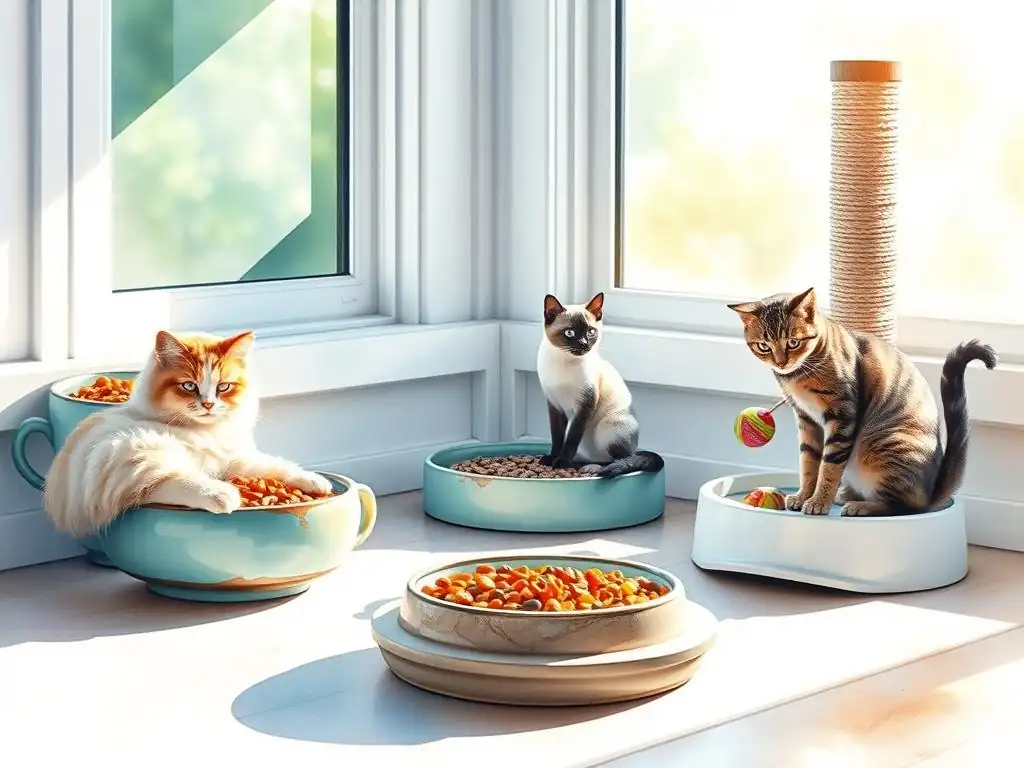
This section delves into more sophisticated strategies for managing resources in a multi-cat household, going beyond the basics of providing multiple food and water bowls. These techniques focus on proactively addressing potential conflict points and creating a more harmonious environment for your feline companions. Successful implementation of these strategies can significantly reduce stress and improve the overall well-being of your cats, leading to a happier, healthier multi-cat household. Remember, consistency is key when implementing these techniques.
Using Feliway Diffusers to Reduce Stress and Anxiety
Feline pheromones, like those emitted by Feliway diffusers, can significantly impact a cat's behavior and reduce stress, particularly in multi-cat households where competition for resources is a major stressor. Feliway mimics a cat's natural facial pheromones, which have a calming effect. Studies have shown that using Feliway diffusers can reduce inter-cat aggression, scratching, and urine marking – all common signs of resource-related stress in multi-cat homes. 1
Placing diffusers strategically throughout your home, especially in areas where cats frequently interact or spend time near resources, can help create a more relaxed atmosphere. Remember to follow the manufacturer's instructions for optimal usage. While Feliway isn't a magic bullet, it's a valuable tool in your arsenal for creating a more peaceful environment and minimizing resource-guarding behaviors. Consider using multiple diffusers in larger homes or homes with multiple floors to maximize coverage.
It's important to note that while Feliway can be highly effective, it's not a replacement for proper resource management. It should be used in conjunction with other strategies, such as providing ample resources, creating separate feeding and resting areas, and implementing environmental enrichment.
Implementing Environmental Enrichment to Distract from Resource Competition
Environmental enrichment is crucial for preventing resource-guarding behaviors in multi-cat households. By providing a stimulating and engaging environment, you can divert your cats' attention away from competing over resources. This involves creating a variety of activities and opportunities for exploration, play, and relaxation.
Think vertical space! Cats are naturally arboreal creatures. Providing cat trees, shelves, and window perches allows cats to escape from each other and reduces the feeling of being trapped or cornered. This is particularly important during feeding times, when cats may feel vulnerable.
Consider adding puzzle feeders to mealtimes. These interactive feeders require cats to work for their food, providing mental stimulation and slowing down eating, which can reduce competition. Examples include treat balls, puzzle mats, and food-dispensing toys. This is a great way to reduce stress and boredom, indirectly addressing resource competition.
Rotating toys regularly keeps things interesting and prevents boredom. Cats can become easily habituated to their surroundings, so providing new toys and changing their locations can stimulate their natural hunting instincts and provide a welcome distraction from resource competition. A variety of textures, sounds, and smells can also help.
Training Cats to Use Designated Feeding and Resting Areas
Training your cats to use specific feeding and resting areas can help minimize conflict and establish a predictable routine. This involves positive reinforcement techniques, such as rewarding desired behaviors with treats and praise.
Start by gradually introducing designated feeding stations for each cat. Place food and water bowls in separate, easily accessible locations. Initially, supervise feeding times to prevent bullying or resource guarding. Reward calm eating behavior with treats and praise. If one cat is consistently bullying another, consider using baby gates or other barriers to create temporary separation during feeding.
Similarly, create designated resting areas using comfortable beds, cat trees, or other quiet spaces. Encourage cats to use these areas by placing treats or toys there. Consistency is key; continue rewarding the use of these designated areas to reinforce the positive behavior. Over time, your cats will learn to associate these areas with safety and comfort, reducing the likelihood of conflict over resources.
Remember, patience and consistency are essential for successful training. It may take time for your cats to adjust to new routines and designated areas, but with persistence, you can create a more harmonious and stress-free environment for your multi-cat household.
1 [Specific study details pending]
Addressing Individual Cat Preferences and Needs in Resource Allocation
Understanding that each cat is an individual is paramount in successful multiple cat resource management. Ignoring individual preferences can lead to conflict and stress. Some cats are meticulous eaters, preferring small, frequent meals, while others might gulp down their food rapidly. Similarly, some cats prefer high-perched resting spots, while others favor cozy, low-to-the-ground spaces. Failing to cater to these preferences can exacerbate competition for resources.
For feeding, consider providing multiple, spatially separated feeding stations. This allows cats with different feeding styles and paces to eat without feeling pressured or threatened. Experiment with different food bowl types; some cats prefer shallow bowls, others deeper ones. Likewise, water sources should be plentiful and varied. Fountains, bowls, and even a dripping faucet can cater to diverse preferences and ensure hydration for all cats.
Beyond food and water, consider your cats' litter box preferences. The general rule of thumb is one litter box per cat, plus one extra. However, consider factors such as box size, type of litter, and location. Some cats prefer covered boxes, while others prefer uncovered ones. Placement is also key; avoid placing litter boxes near food or water sources.
Observe your cats' behavior to identify any preferences and adjust accordingly. A cat consistently avoiding a particular litter box might indicate a preference for a different location or box type. Addressing these preferences proactively prevents potential issues before they escalate into resource guarding behaviors. Regularly cleaning litter boxes is also crucial to maintain hygiene and minimize stress.
Finally, consider providing a variety of resting areas. Cat trees, shelves, window perches, and comfortable beds scattered throughout the house give cats options and reduce competition for prime spots. Observe where your cats naturally gravitate and provide additional options in similar locations. This caters to individual preferences and minimizes conflict over limited space. Remember, a thoughtful approach to resource allocation, taking each cat's unique personality and needs into account, is key to creating a harmonious multi-cat household.
Identifying and Addressing Underlying Medical Conditions Contributing to Resource Guarding
Resource guarding in cats isn't always a simple matter of competition; sometimes, underlying medical issues are at play. Pain, discomfort, or even subtle cognitive changes can make a cat more possessive of its resources. Identifying and addressing these conditions is vital for effective resource management.
For instance, a cat exhibiting aggressive behavior towards other cats while eating might have dental problems making chewing painful. This discomfort can make the cat more protective of its food, fearing that another cat might interfere. Similarly, arthritis or other mobility issues can make a cat less willing to share its resting spot, leading to territorial behavior. Hyperthyroidism, a common condition in older cats, can also increase anxiety and aggression, potentially leading to resource guarding.
Regular veterinary check-ups are crucial in identifying these underlying health problems. A thorough examination, including blood work and possibly X-rays, can uncover any medical issues contributing to the cat's behavior. Early diagnosis and treatment can significantly improve the cat's overall well-being and reduce its tendency to guard resources. Once a medical condition is identified and treated, behavioral modifications, such as providing multiple feeding stations and resting areas, can be more effective.
Furthermore, subtle changes in behavior, such as decreased appetite, lethargy, or changes in litter box habits, could indicate underlying health problems. Don't dismiss these seemingly minor changes; they could be warning signs. If you observe any changes in your cat's behavior, consult your veterinarian immediately. Early intervention is key to preventing more serious health issues and resolving resource-guarding behaviors stemming from medical conditions. A healthy cat is much less likely to exhibit aggressive resource-guarding behavior. Remember, proactive veterinary care is a crucial component of successful multiple cat household management.
When to Seek Professional Help for Multi-Cat Resource Issues
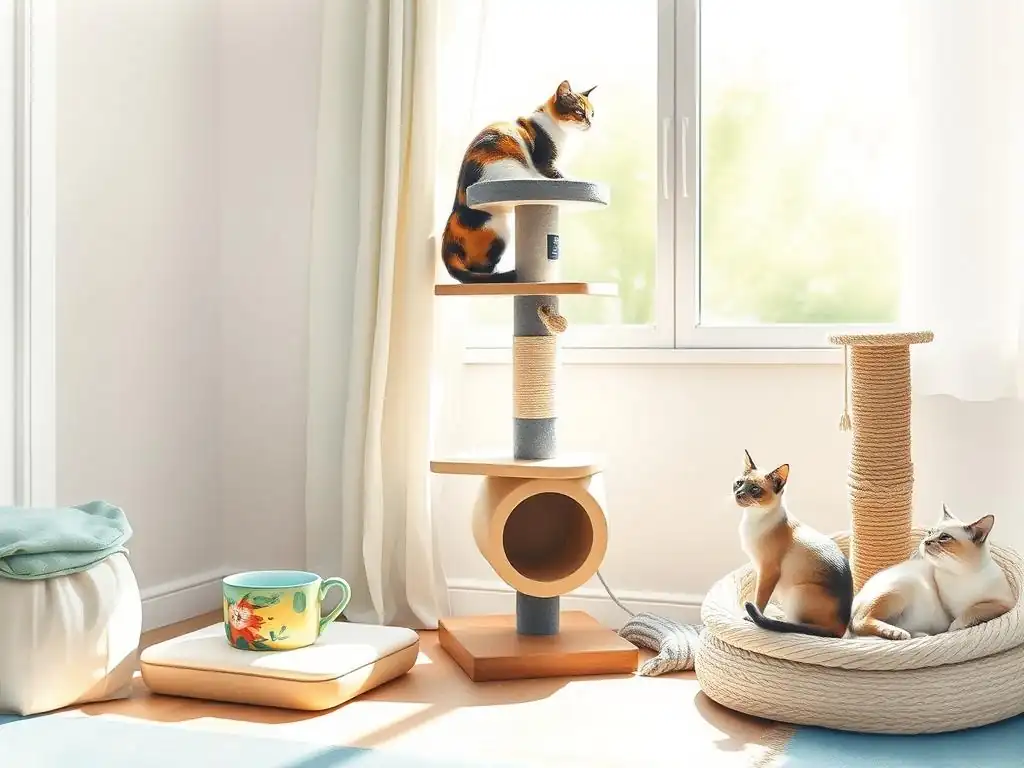
Managing resources in a multi-cat household can be challenging, even with careful planning and implementation of enrichment strategies. Sometimes, despite your best efforts, cats may continue to exhibit signs of stress, aggression, or unhealthy competition over resources. Recognizing when your efforts aren't sufficient is crucial for the well-being of your feline companions. Ignoring persistent conflict can lead to serious health problems, both physical and behavioral, including but not limited to urinary tract infections (UTIs), stress-induced vomiting, and chronic anxiety.
Proactive intervention is key to preventing these issues from escalating. This section will guide you in identifying situations requiring professional assistance. Early intervention is vital in improving the quality of life for your cats.
Recognizing When Resource Management Strategies Aren't Enough
Effective multiple cat resource management hinges on proactive measures. However, some signs indicate that your strategies aren't enough. Persistent fighting, even after implementing multiple food bowls, scratching posts, and litter boxes, is a major red flag. This isn't simply playful tussling; it's often a sign of serious resource guarding. Other warning signs include:
- Urinating or defecating outside the litter box: This is a common stress indicator in cats, suggesting underlying anxiety or conflict.
- Increased vocalization: Excessive meowing, hissing, or growling, especially in the presence of other cats, points to ongoing tension.
- Changes in appetite or grooming habits: A sudden decrease in food intake or excessive grooming can be indicative of stress.
- Withdrawal and hiding: A cat constantly hiding or avoiding interaction may be overwhelmed and fearful due to ongoing conflict.
- Changes in sleeping patterns: Disrupted sleep due to fighting or anxiety is a significant indicator of ongoing problems.
If you've implemented multiple feeding stations, ample scratching posts, and several litter boxes in readily accessible locations, and your cats still demonstrate these behaviors, it's time to seek professional help. Remember, your cats' well-being is paramount. Don't hesitate to seek guidance when home-based solutions prove insufficient. Ignoring these signs can lead to more serious behavioral problems down the line.
Finding a Qualified Veterinary Behaviorist or Certified Cat Trainer
Finding the right professional is crucial. Not all veterinarians or trainers have the specialized expertise to address complex multi-cat resource issues. You want someone experienced in feline behavior and conflict resolution. Look for a veterinarian specializing in animal behavior (a veterinary behaviorist) or a certified cat trainer with demonstrable experience in multi-cat households.
Here's what to look for when searching:
- Credentials: Verify their qualifications and certifications. Look for board certification in veterinary behavior (DACVB) or certification from reputable organizations like the International Association of Animal Behavior Consultants (IAABC).
- Experience: Seek professionals with proven experience in managing multi-cat households and resolving resource-guarding issues. Ask about their success rate and case studies.
- Approach: Choose a professional who uses positive reinforcement methods, avoiding punishment-based training. A humane and compassionate approach is essential for the well-being of your cats.
- References: Don't hesitate to ask for references from previous clients. Their feedback can offer valuable insights into the professional's effectiveness and approach.
Exploring Medication Options for Severe Resource-Guarded Behavior
In severe cases of resource-guarded aggression or chronic stress, medication may be considered as part of a comprehensive behavioral modification plan. Medication alone is rarely sufficient; it's most effective when combined with behavioral therapy provided by a qualified professional. A veterinary behaviorist can assess your cats' situation and determine if medication is appropriate.
Medication may help to:
- Reduce anxiety: Anti-anxiety medications can help alleviate stress and reduce the likelihood of aggressive behavior.
- Improve mood: Certain medications can improve overall mood and reduce irritability.
- Manage underlying medical conditions: Sometimes, underlying medical issues can contribute to behavioral problems. Medication can address these underlying conditions.
It's crucial to understand that medication is not a quick fix. It works best in conjunction with behavioral modification strategies implemented by a qualified professional. The goal is to address the underlying causes of the problem, not simply mask the symptoms. Regular monitoring by your veterinarian is essential to assess the medication's effectiveness and adjust the dosage as needed. Remember, always consult with your veterinarian before administering any medication to your cats. Never attempt to self-medicate your pets.
The Importance of Patience and Consistency in Multi-Cat Households
Patience and consistency are paramount when managing resources in a multi-cat household. Introducing new cats, adjusting feeding schedules, or implementing new resource management strategies requires a gradual approach. Rushing the process can exacerbate existing tensions and undermine your efforts to create a harmonious environment. Cats are creatures of habit, and sudden changes can trigger stress and anxiety, leading to increased competition for resources and potential aggression.
For instance, if introducing a new cat, a slow introduction process, allowing the cats to smell each other under the door for several days before visual contact, is crucial. This allows them to gradually acclimate to each other's scent, reducing the likelihood of immediate conflict. Similarly, changing feeding stations or introducing puzzle feeders should be done incrementally, allowing cats time to adapt to the new system. Sudden changes can lead to one cat dominating the new resources, leaving others feeling anxious and deprived.
Consistency is equally vital. Once you've established a routine and resource management strategy, stick to it as much as possible. Inconsistent application of rules can confuse cats and lead to renewed competition. For example, if you sometimes allow free-feeding and sometimes use timed feeding, cats will struggle to understand the rules and may become more aggressive in their pursuit of food. Maintaining a consistent schedule, whether it's for feeding, playtime, or grooming, provides a sense of security and predictability for your feline companions, reducing stress and the likelihood of resource-guarding behaviors.
This predictability is key to successful multiple cat resource management. Remember, building a harmonious multi-cat household is a marathon, not a sprint. Patience and consistent effort will yield the best results. The payoff is a calmer, happier household for both you and your cats.
Maintaining a Harmonious Multi-Cat Home: Ongoing Strategies
Successfully managing resources in a multi-cat household isn't a one-time fix; it's an ongoing process requiring consistent attention and adaptation. The dynamics within a feline family can shift subtly over time, influenced by factors like age, personality changes, and even seasonal variations. Therefore, a proactive and flexible approach is crucial for preventing resource-guarding behaviors and maintaining a peaceful coexistence among your cats. This section delves into the essential ongoing strategies for ensuring your multi-cat household remains a harmonious and stress-free environment. Effective multiple cat resource management necessitates consistent vigilance and a willingness to adjust your approach as needed.
Regularly Assessing and Adjusting Resource Management Plans
Regularly reviewing and adjusting your resource management plan is paramount to preventing future conflicts. This isn't just about adding more food bowls; it's about understanding your cats' individual needs and how those needs might change. Consider these key aspects:
- Frequency of Assessment: Aim to assess your resource allocation at least every three months, or more frequently if you notice changes in your cats' behavior. Key indicators include increased hissing, swatting, or avoidance behaviors between cats, especially around food, water, or litter boxes.
- Individual Needs: Cats have distinct personalities and preferences. What works for one cat might not work for another. For example, some cats prefer to eat in quiet corners, while others might feel more secure eating in a more open area. Observe your cats' behaviors carefully to identify their individual needs and adjust the placement and type of resources accordingly.
- Resource Types: This encompasses food bowls, water fountains, litter boxes, scratching posts, resting areas, and even high perches. Consider the number of resources available relative to the number of cats. A good rule of thumb is to have one more resource of each type than the number of cats you have. For example, if you have three cats, provide four food bowls, four litter boxes, and four resting spots.
- Resource Placement: Strategic placement is crucial. Avoid placing resources in high-traffic areas or near each other, especially if your cats show signs of resource guarding. Distribute resources throughout the house to minimize competition and maximize access for each cat.
- Data Tracking: Keep a simple log of your observations. Note any changes in cat behavior or resource usage patterns. This data will prove invaluable in identifying potential issues early and making informed adjustments to your management plan. For example, you can track daily food consumption, litter box usage, and any observed interactions between the cats.
Monitoring Cat Interactions and Body Language
Understanding feline body language is essential for proactive resource management. Subtle cues can indicate underlying tension or potential conflict long before it escalates into a full-blown fight. Pay close attention to:
- Tail Position: A puffed-up tail often signals aggression or fear. A rapidly twitching tail can also indicate anxiety. A low-slung tail tucked between the legs suggests fear or submission.
- Ears: Flattened ears usually indicate fear or aggression. Ears that are rotated slightly backward may suggest apprehension.
- Stance: A crouched posture with arched back and raised hackles indicates aggression. A low, flattened posture with ears back suggests fear or submission.
- Vocalizations: Hissing, growling, and spitting are obvious signs of aggression. A low, rumbling purr can sometimes be a sign of anxiety or stress.
- Avoidance: If one cat consistently avoids another, especially around resources, it could indicate a power imbalance or fear.
By carefully observing your cats' interactions and body language, you can identify potential problems early and implement preventative measures before they escalate into serious conflicts. Regular observation will allow you to anticipate and address potential issues, helping to maintain a harmonious environment. Remember, early detection is key to effective multiple cat resource management.
Proactive Measures to Prevent Future Resource Conflicts
Prevention is always better than cure. Proactive measures can significantly reduce the likelihood of resource-guarding behaviors and maintain a peaceful coexistence among your cats. Consider these strategies:
- Environmental Enrichment: Providing ample vertical space (cat trees, shelves), hiding places, and play opportunities can significantly reduce stress and competition. This minimizes the perceived scarcity of resources and provides each cat with a safe haven. Think of it as creating a "cat-friendly" environment.
- Scheduled Feeding: Feeding cats separately can reduce competition at mealtimes. This can involve using separate feeding stations in different rooms or even using puzzle feeders to extend feeding time.
- Rotating Resources: Regularly rotate the location of food and water bowls to prevent cats from claiming specific areas. This helps to disrupt established territories and reduce the likelihood of resource guarding.
- Positive Reinforcement: Reward positive interactions between your cats with treats or praise. This encourages friendly behavior and builds positive associations.
- Professional Help: If you're struggling to manage resource-guarding behaviors, consult a veterinarian or certified cat behaviorist. They can provide personalized guidance and address any underlying medical or behavioral issues that may be contributing to the problem. Professional intervention can be immensely beneficial in resolving complex multi-cat household challenges and ensuring a peaceful coexistence.
Implementing these strategies, coupled with consistent observation and adaptation, will significantly contribute to creating and maintaining a harmonious multi-cat household. Remember, patience and understanding are key to successful multiple cat resource management.
Celebrating Successes and Addressing Setbacks in Resource Management
Successfully managing resources in a multi-cat household is an ongoing process, not a one-time fix. Celebrating small victories and acknowledging setbacks are crucial for maintaining a harmonious environment. When you observe positive changes in your cats' interactions—reduced hissing, more relaxed body postures, or increased sharing of resources—take the time to acknowledge these achievements. This positive reinforcement encourages continued progress. Rewarding positive behaviors, such as peaceful coexistence near food bowls, with treats or gentle petting, strengthens the desired patterns.
However, it's important to remember that setbacks are inevitable. Cats, like humans, have good days and bad days. A sudden escalation in tension might occur due to various factors, including environmental changes, hormonal fluctuations (especially during mating season), or the introduction of a new pet or person. Don't despair if you experience a regression in your cats' resource management progress. Instead, analyze the situation calmly. Did a new element get introduced? Has there been a change in the household routine? Understanding the trigger helps you address the issue proactively.
For instance, if you notice increased aggression around feeding time after changing your cats' food, consider reverting to the previous food or gradually introducing the new food over a longer period. If a new pet has upset the established hierarchy, you might need to re-evaluate your resource allocation strategy, providing more separate feeding stations or litter boxes. Patience and consistent monitoring are key. Keep detailed records of your observations, noting any changes in behavior, resource usage, and environmental factors.
This detailed approach allows you to identify patterns and adjust your strategies accordingly, ensuring the long-term success of your multi-cat resource management plan. Remember, consistency in your approach and a proactive attitude will help you navigate any challenges that arise. The goal is not perfection, but continuous improvement in your cats' overall well-being and harmonious coexistence. 🎉
Frequently Asked Questions
How can I prevent resource guarding in my multi-cat household?
Providing multiple food and water bowls in separate locations, along with plenty of scratching posts, litter boxes, and resting areas, can significantly reduce competition and aggression. Consider elevated feeding stations to allow cats more personal space.
What's the ideal number of litter boxes for multiple cats?
The general rule is to have one litter box per cat, plus one extra. This ensures every cat has easy access to a clean and comfortable place to relieve themselves. Location is key; avoid placing boxes near food or water.
My cats constantly fight over food. What can I do?
Try slow feeders or puzzle feeders to extend mealtimes and reduce the feeling of competition. Feeding cats in separate areas or at different times can also help. Consider using automatic feeders.
How can I tell if my cats are stressed due to resource competition?
Look for signs of increased aggression, changes in eating habits, excessive grooming, urinating outside the litter box, or withdrawal. If you notice these, consult a veterinarian.
What is the best way to introduce a new cat to a multi-cat household?
Gradual introduction is crucial. Keep the new cat separated initially, allowing them to smell each other under the door. Then, supervise short, controlled interactions, with plenty of positive reinforcement. Focus on making each cat feel secure.
The well-being of multiple cats hinges entirely on effective resource management; a chaotic household translates directly to stressed felines and frustrated owners. Failing to provide adequate resources can lead to territorial disputes, stress-related illnesses, and a generally unhappy home environment for both cats and their humans. This isn't just about bowls and scratching posts; it's about creating a peaceful and enriching coexistence.
The impact of proper resource management extends far beyond simply avoiding fights. It's about understanding the unique personalities and needs of each cat, fostering a sense of security and independence, and ultimately strengthening the bond between pet and owner. A cat's happiness is a reflection of its environment.
This simple statement underscores the profound responsibility we have to create a harmonious space for our feline companions. Observing my own cats, I've witnessed firsthand the transformative effect of thoughtful resource allocation – from the relaxed purrs of a content cat to the playful interactions that blossom when competition is minimized.
Consider the lessons learned within these pages. Think about your own multi-cat household: Are your resources truly meeting the needs of each individual cat? Take a moment to observe their interactions, identify potential stressors, and implement the strategies discussed. You have the power to create a haven of peace and contentment for your feline family. By making conscious choices about resource distribution, you're not just managing resources; you're cultivating a thriving community of happy, healthy cats.
Unlock Purrfect Harmony: Mastering Multi-Cat Resource Management
Thank you for taking the time to learn about creating a happier, healthier home for your feline family! You now have the knowledge to transform potential cat conflicts into peaceful coexistence. Ready to put it into action?
- Prioritize a Key Strategy: Begin by implementing at least one new resource management technique from this article. Even a small change can significantly improve your cats' well-being. Start with the suggestion that best addresses your current situation.
- Share Your Experience: Share your results in the comments below – what worked well? What adjustments did you make? Connecting with other multi-cat owners provides invaluable support and shared learning.
- Enrich Your Cats' Environment: Consider additional ways to enrich your cats' environment. Think about creative feeding solutions, engaging playtime opportunities, or strategically placed scratching posts to prevent territorial disputes.
What's one small step you can take today to improve your multi-cat household?