
Creating a Safe Environment for Handling Exotic Pets: A StepbyStep Guide


Welcome to PetCareWorld, your ultimate guide to a happier, healthier life for your beloved companion! Are you ready to unlock the secrets to confident and safe exotic pet handling? Our comprehensive Safe exotic pet handling guide provides a step-by-step approach to ensuring both your safety and the well-being of your unique pet. Discover essential techniques and invaluable insights to build a strong, trusting bond – explore now and embark on this enriching journey together!
- Understanding the Risks of Exotic Pets
- Preparing for Safe Handling
-
Step-by-Step Guide to Safe Handling
- Step 1: Approaching Your Pet Calmly and Confidently
- Step 2: Using Proper Restraint Techniques for Different Species
- Step 3: Performing Routine Handling Tasks Safely (e.g., Cleaning, Feeding)
- Step 4: Handling During Veterinary Visits: Secure Transport and Preparation
- Step 5: Post-Handling Hygiene and Cleaning Procedures
- Maintaining a Safe Environment Long-Term
- Emergency Procedures for Handling Incidents
- Resources for Safe Exotic Pet Handling
- Frequently Asked Questions
- Final Reflection: The Enduring Responsibility of Exotic Pet Ownership
- Unlock Your Exotic Pet's Potential: A Safe & Happy Home Awaits
Understanding the Risks of Exotic Pets
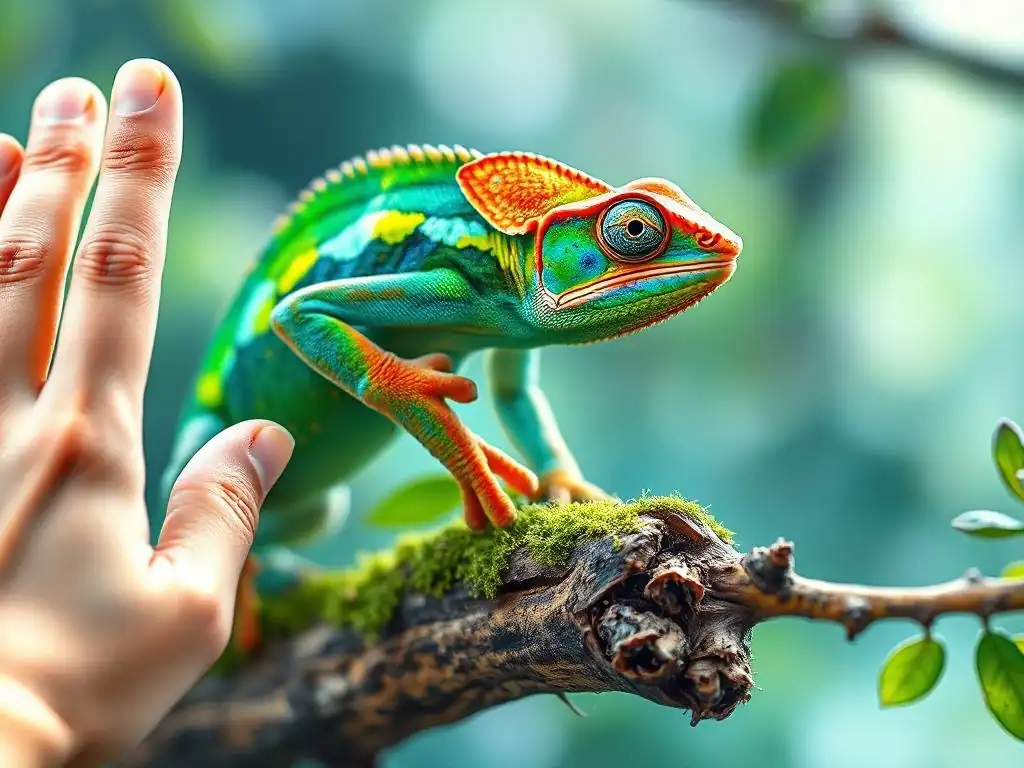
Owning an exotic pet can be a rewarding experience, offering unique companionship and a fascinating glimpse into the natural world. However, it's crucial to understand that these animals often present unique handling challenges and potential risks that differ significantly from caring for more common pets like cats and dogs.
This comprehensive guide will equip you with the knowledge and techniques necessary to create a safe environment and handle your exotic pet responsibly, minimizing risks for both you and your animal companion. We'll explore potential hazards, species-specific dangers, and the importance of understanding individual pet temperament to ensure a positive and safe experience for everyone involved.
This guide focuses on building a strong foundation of safety protocols for handling various exotic pets, from the seemingly docile to the potentially dangerous. Successfully navigating the world of exotic pet ownership requires meticulous preparation and a commitment to ongoing learning; this guide serves as your first step towards responsible exotic pet handling.
Assessing Potential Hazards from Reptiles, Amphibians, and Birds
Exotic pets encompass a wide range of species, each with its own set of potential hazards. Reptiles, for instance, may pose risks through bites, scratches, or the transmission of Salmonella bacteria. Amphibians, while often seemingly harmless, can secrete toxins through their skin, causing irritation or allergic reactions. Birds, particularly larger species, can inflict painful bites or scratches with their beaks and talons.
The severity of these hazards varies greatly depending on the species and the individual animal's size and temperament. For example, a small gecko's bite is unlikely to cause significant injury, while a large monitor lizard's bite can be incredibly dangerous. Similarly, the toxicity of amphibian secretions varies widely, with some species posing a much greater threat than others. Careful research into the specific needs and potential hazards of your chosen species is paramount before bringing it home.
It’s also crucial to understand the potential for zoonotic diseases – illnesses that can be transmitted between animals and humans. Regular veterinary checkups are essential for early detection and treatment. Appropriate hygiene practices, such as thorough handwashing after handling your pet, are also crucial in mitigating these risks.
Identifying Species-Specific Risks: Venomous Snakes, Poison Dart Frogs, and Aggressive Raptors
Some exotic pets present significantly higher risks than others. Venomous snakes, for example, pose a potentially life-threatening danger due to their venom. Even seemingly harmless snakes can inflict painful bites. Poison dart frogs, despite their small size, secrete potent toxins that can be absorbed through the skin.
Handling these frogs requires extreme caution and specialized equipment. Aggressive raptors, such as certain species of eagles or hawks, can inflict serious injuries with their sharp talons and beaks. These animals require specialized handling techniques and experienced keepers. The level of expertise and safety precautions required to handle these animals significantly exceeds that required for less dangerous species.
It is absolutely crucial to research the specific risks associated with these high-risk species extensively before acquiring them. Improper handling can lead to severe injury or even death for both the handler and the animal. Consider seeking professional guidance from experienced keepers or herpetologists before attempting to handle such animals. Remember, safety should always be the top priority.
Understanding Individual Pet Temperament and Behavior
Even within a single species, individual animals exhibit varying temperaments and behaviors. A seemingly docile snake may become aggressive if stressed or provoked, while a naturally aggressive bird may become more manageable with consistent, positive reinforcement training. Observing your pet's behavior is crucial in understanding its individual needs and predicting potential reactions. Recognizing signs of stress or aggression, such as hissing, puffing up, or striking, is vital for preventing dangerous situations.
Early identification of behavioral issues allows for proactive intervention through training or environmental modifications. Building a strong bond with your pet through consistent, positive interactions can also significantly improve its temperament and make handling safer and more enjoyable for both of you. Remember, patience and understanding are key to building a successful relationship with any exotic pet. Consistent, positive reinforcement training can help to mitigate behavioral issues and make handling your pet a safer experience.
Preparing for Safe Handling
This section focuses on the crucial preparatory steps before directly interacting with your exotic pet. Failing to adequately prepare can lead to dangerous situations for both you and your animal companion. A safe exotic pet handling guide emphasizes proactive measures, minimizing risks before they arise. Remember, even the most docile animal can react unpredictably, so thorough preparation is paramount.
Creating a Safe Handling Environment: Dedicated Workspace, Secure Containment
Establishing a dedicated workspace is the cornerstone of safe exotic pet handling. This isn't just about convenience; it's about minimizing escape risks and ensuring a controlled environment. Your workspace should be:
- Clean and uncluttered: A clear workspace prevents accidental injuries from tripping or knocking over objects. Disinfect the area before and after handling to maintain hygiene and prevent the spread of pathogens.
- Well-lit: Adequate lighting allows for clear visibility of your pet and any potential hazards. Poor lighting can increase stress for both you and your pet.
- Escape-proof: This is critical. Ensure all doors and windows are securely closed, and consider using specialized enclosures or containers designed for your specific species. Double-check all latches and locks. A simple oversight can lead to a stressful and potentially dangerous situation. For example, a small snake could easily escape through a seemingly insignificant gap.
- Species-specific: The environment should cater to the animal's needs. A reptile might need a heat lamp and a specific temperature gradient. Amphibians need higher humidity levels. Always prioritize the well-being of the animal.
Consider the size and temperament of your exotic pet when selecting a containment area. A larger, more active animal may require a larger and more robust enclosure than a smaller, less active one. Remember, prevention is always better than cure when it comes to exotic pet handling.
Gathering Necessary Equipment: Species-Appropriate Restraints, Protective Clothing
Appropriate equipment is essential for safe and controlled handling. Improper tools can lead to injury for both you and your pet. The type of equipment needed varies greatly depending on the species.
- Species-appropriate restraints: Never use restraints designed for one species on another. A poorly fitting restraint can cause injury or stress. Research the specific needs of your pet and choose restraints that are both safe and effective. Examples include specialized hooks for reptiles, appropriately sized nets for birds, and sturdy gloves for handling potentially aggressive animals.
- Protective clothing: This is not optional. Always wear protective clothing when handling exotic pets, even those perceived as docile. This includes:
- Heavy-duty gloves: These should be puncture-resistant and made of a material that won't easily tear. The thickness should be appropriate for the size and species of the animal.
- Long sleeves and pants: This protects exposed skin from bites or scratches.
- Closed-toe shoes: This protects your feet from accidental bites or drops.
A well-stocked first-aid kit should also be readily available in your workspace, specifically equipped to handle potential injuries from bites, scratches, or stings.
Choosing Appropriate Protective Gear: Heavy-duty gloves, Eye protection, and Face shields
Beyond basic protective clothing, certain situations call for additional specialized gear. This is particularly true when handling larger or more aggressive species.
- Heavy-duty gloves: As mentioned above, these are crucial. Consider gloves made from materials like Kevlar or reinforced leather, depending on the animal's size and potential for inflicting harm. The gloves should fit snugly to prevent the animal from getting its claws or teeth caught.
- Eye protection: Many exotic pets, particularly reptiles and birds, can inflict eye injuries. Safety glasses or goggles are essential to protect your eyes from scratches, bites, or even accidental spraying of fluids.
- Face shields: For particularly aggressive or large species, a face shield provides an additional layer of protection for your face and neck. This is especially important when handling animals with strong jaws or sharp claws.
Remember, the safety of both you and your pet is paramount. By following these guidelines and using appropriate equipment, you can significantly reduce the risk of accidents and injuries. Always prioritize responsible pet ownership and seek professional advice when necessary.
Step-by-Step Guide to Safe Handling
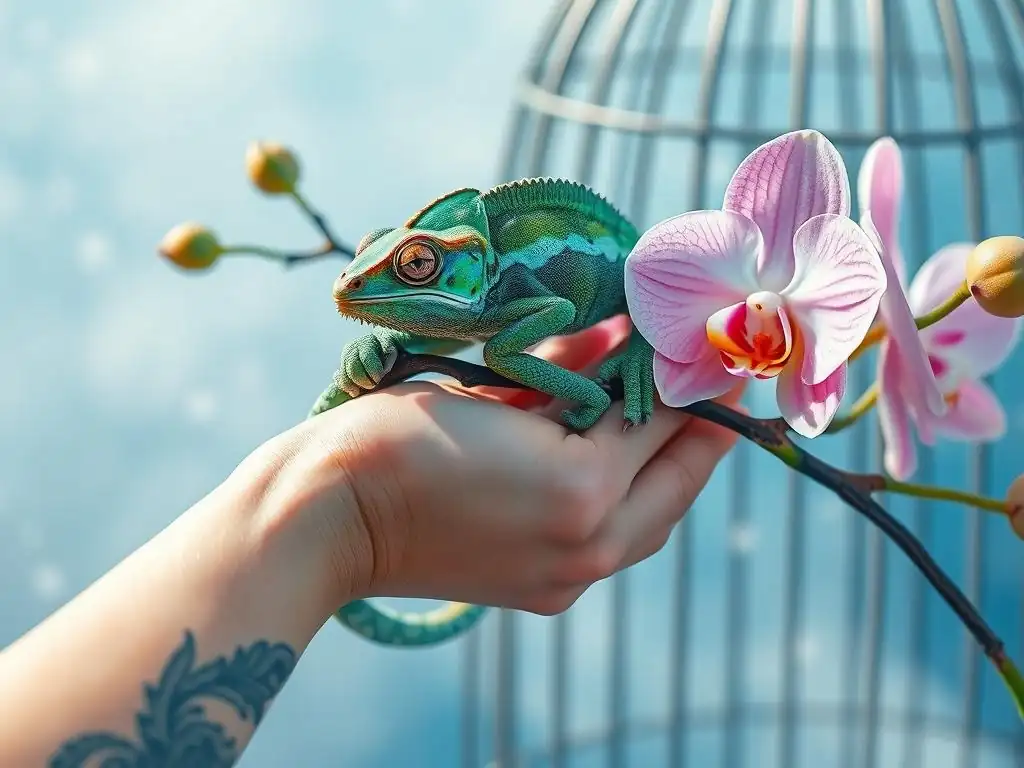
This section details the crucial steps involved in safely handling exotic pets. Remember, each species has unique needs and handling requirements. This guide provides general principles; always research your specific pet's needs and consult with a veterinarian or experienced reptile handler for species-specific advice. Prioritizing safety ensures both your well-being and the well-being of your exotic companion. This safe exotic pet handling guide emphasizes proactive measures to minimize risk.
Step 1: Approaching Your Pet Calmly and Confidently
Approaching your exotic pet calmly and confidently is paramount. Sudden movements or aggressive behavior can startle your pet, leading to defensive actions like biting or scratching. Before handling, observe your pet's behavior. Is it active, lethargic, or showing signs of stress? A stressed pet is more likely to react defensively.
Avoid loud noises or sudden movements. Speak softly and gently, using a reassuring tone. Approach slowly and deliberately, allowing your pet to see and smell you before making physical contact. Give your pet the opportunity to acclimate to your presence. This reduces the likelihood of a negative reaction. Patience is key, especially when dealing with nervous or unfamiliar animals. Respect your pet's personal space. Don't force interaction; let your pet initiate contact if it feels comfortable.
Step 2: Using Proper Restraint Techniques for Different Species
Proper restraint techniques are crucial for both your safety and the safety of your exotic pet. Improper handling can injure both you and your animal. The methods vary significantly depending on the species. For example, handling a small lizard requires a gentler approach than handling a large snake.
- Snakes: Support the snake's body along its entire length, preventing it from coiling or constricting. Avoid sudden movements or squeezing.
- Lizards: Gently support the lizard's body, avoiding pressure on its delicate limbs and tail. Some lizards may bite, so approach cautiously.
- Turtles and Tortoises: Support their shells firmly, avoiding sudden movements that could cause injury.
- Birds: Approach birds calmly, offering your hand gently. Avoid sudden movements or loud noises. Many birds require specialized cages and handling techniques.
- Other Exotics: The safe handling of other exotic pets (e.g., spiders, insects) requires specific knowledge and often specialized tools. Always research the proper handling procedures for your specific animal.
Consider using appropriate tools like gloves (especially when handling potentially venomous or aggressive animals), and appropriately sized containers for transport or temporary confinement. Always prioritize safety and avoid unnecessary risks. Remember, consistent and gentle handling from a young age can significantly reduce stress and improve the ease of handling for both you and your pet.
Step 3: Performing Routine Handling Tasks Safely (e.g., Cleaning, Feeding)
Routine handling tasks, such as cleaning the enclosure and feeding, require careful planning and execution. These tasks present opportunities for interaction, but also potential risks. Always prioritize safety during these procedures.
Before cleaning the enclosure, ensure your pet is safely secured in a separate, secure container. This prevents accidental escapes or injuries during the cleaning process. Use appropriate cleaning solutions that are safe for your pet and its environment. Avoid harsh chemicals that could harm your pet's health. After cleaning, ensure the enclosure is thoroughly rinsed and dried before returning your pet.
When feeding your pet, always use appropriate feeding utensils. Avoid handling food items with your bare hands, to prevent accidental bites or scratches. Observe your pet's feeding behavior to detect any issues. Regular handling during feeding can help build trust and improve the handling experience. Always follow species-specific dietary recommendations.
A balanced diet is crucial for your pet's health and well-being. Remember to always wash your hands thoroughly before and after handling your pet and its enclosure. This simple step significantly reduces the risk of spreading pathogens and ensures a safe handling environment. The safe exotic pet handling guide emphasizes the importance of proactive measures and consistent routines for a safe and positive relationship with your pet.
Step 4: Handling During Veterinary Visits: Secure Transport and Preparation
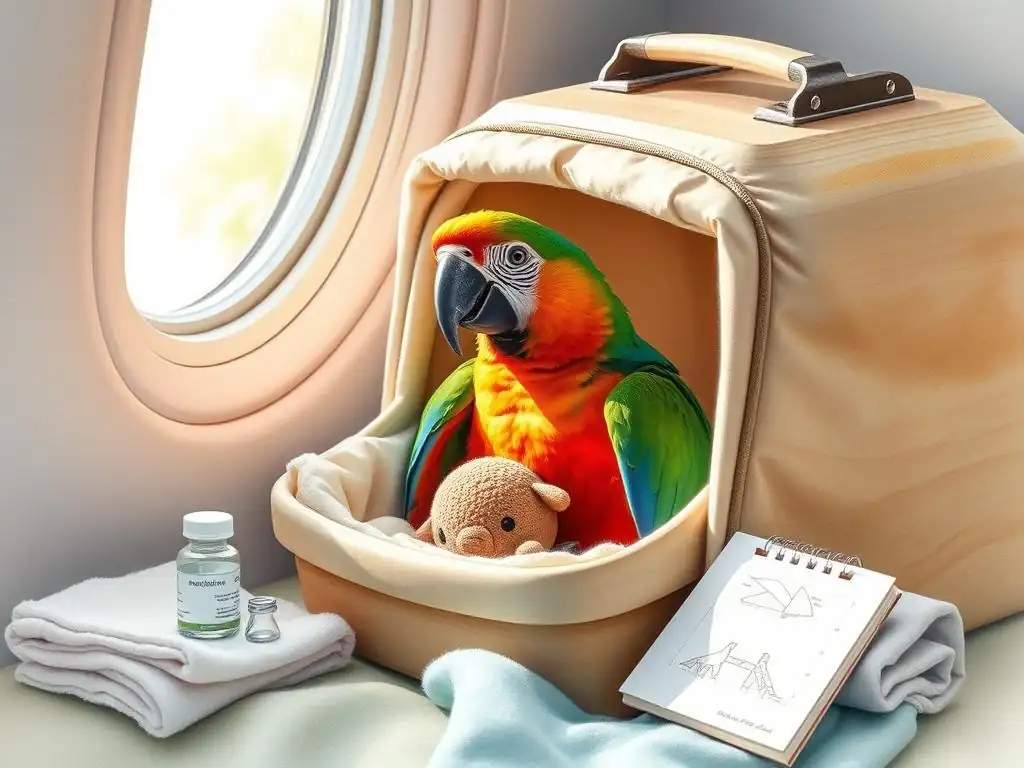
Veterinary visits are crucial for maintaining the health of your exotic pet. However, transporting and handling your pet during these visits requires extra care to ensure both your safety and your pet's well-being. Proper preparation is key to a stress-free and safe experience for everyone involved. Begin by selecting an appropriate carrier.
The carrier should be sturdy, escape-proof, well-ventilated, and appropriately sized for your specific animal. For example, a reptile may need a secure enclosure with proper temperature and humidity control, while a small primate might require a cage with secure latches and ample space to avoid injury. Never underestimate the escape artistry of some exotic pets; double-check all latches and secure any potential escape routes.
Before transporting your pet, ensure the carrier is clean and comfortable. Line it with absorbent material to absorb any waste and provide a soft surface. If your exotic pet requires specific temperature or humidity levels, consider using a heating pad or humidifier within the carrier (always ensuring safety precautions are in place to prevent burns or overheating). For temperature-sensitive species, a thermometer inside the carrier can help monitor conditions during transport. Remember to provide any necessary food and water, but avoid overfeeding before the visit to prevent accidents during transit.
Once at the veterinary clinic, communicate clearly with the veterinary staff about your pet's species, temperament, and any specific handling requirements. This information is crucial for the veterinary team to ensure a safe and efficient examination. Allow the veterinarian to handle your pet, as they are trained to do so safely and effectively. Never force your pet to interact with the veterinarian or staff if it shows signs of distress.
Patience and understanding are vital during this process. A stressed animal is more likely to bite or scratch, so a calm and reassuring approach is essential. Finally, after the visit, carefully return your pet to its carrier and transport it back home following the same safety protocols used for the outbound journey.
Step 5: Post-Handling Hygiene and Cleaning Procedures
Maintaining proper hygiene after handling your exotic pet is critical for preventing the transmission of zoonotic diseases – diseases that can spread from animals to humans. This is especially important when handling reptiles, amphibians, and other exotic animals that may carry Salmonella or other bacteria. Thorough handwashing is the most important step.
Wash your hands thoroughly with soap and warm water for at least 20 seconds, paying close attention to the areas between your fingers and under your nails. Using an antibacterial soap is recommended. If soap and water are unavailable, use an alcohol-based hand sanitizer with at least 60% alcohol.
Beyond handwashing, disinfecting any surfaces that came into contact with your pet is equally crucial. This includes cages, enclosures, feeding bowls, and any other equipment used during handling. A solution of diluted bleach (follow the manufacturer's instructions carefully) is often effective, but always check for compatibility with your pet's enclosure materials to avoid damage or chemical reactions.
Alternatively, you can use commercial pet-safe disinfectants. Allow the disinfectant to sit on the surfaces for the recommended contact time before rinsing thoroughly with clean water. Always wear gloves when cleaning and disinfecting to protect your skin from exposure to potentially harmful substances or pathogens.
Remember, proper hygiene is not just about your own health; it's also crucial for your pet's well-being. Regular cleaning and disinfection of your pet’s enclosure will help prevent the buildup of harmful bacteria and parasites, contributing to a healthier and safer environment for your exotic companion. Regular cleaning schedules should be established and adhered to, tailored to the specific needs of your exotic pet and its enclosure. This proactive approach to hygiene minimizes the risk of illness for both you and your beloved pet. 🧼 A clean environment means a happy and healthy pet!
Maintaining a Safe Environment Long-Term
Creating a safe environment for your exotic pet isn't a one-time task; it's an ongoing commitment. Consistent effort in maintaining a secure and stimulating habitat is crucial for your pet's well-being and your own safety. Neglecting these long-term aspects can lead to stressed animals, escape attempts, and potentially dangerous situations. This section focuses on the key elements of long-term safe exotic pet handling and environment management, offering practical advice for responsible ownership. A proactive approach to safety ensures a harmonious coexistence between you and your exotic companion.
Regular Enclosure Cleaning and Maintenance
Regular cleaning is paramount in preventing the buildup of bacteria, parasites, and disease. The frequency depends on the species and type of enclosure. For example, a reptile enclosure with a substrate like aspen shavings might require weekly spot cleaning and a full substrate change every 3-6 months, while a bioactive terrarium might need less frequent substrate changes but more regular spot cleaning. Always use appropriate cleaning solutions – avoid harsh chemicals that could harm your pet. Here's a sample cleaning schedule:
| Task | Frequency (Example for a Leopard Gecko) | Notes |
|---|---|---|
| Spot cleaning (waste) | Daily | Remove feces and urates immediately. |
| Water bowl cleaning | Daily | Replace with fresh, clean water. |
| Full enclosure cleaning | Every 2-4 weeks | Disinfect with a reptile-safe solution; allow to dry completely before returning the pet. |
| Substrate change | Every 3-6 months | Use fresh, appropriate substrate for your species. |
Remember to always wash your hands thoroughly before and after handling your pet and its enclosure. Ignoring hygiene can lead to the spread of diseases, both for you and your pet. This diligent approach to cleanliness is a cornerstone of a safe exotic pet handling guide.
Providing Enrichment to Reduce Stress and Aggression
A boring environment can lead to stressed and aggressive exotic pets. Enrichment aims to stimulate natural behaviors, reducing stress and improving overall well-being. This is a crucial element of a comprehensive safe exotic pet handling guide, as a stressed animal is more likely to bite or exhibit other undesirable behaviors. Examples of enrichment include:
- Environmental complexity: Providing hiding places, climbing structures, and varied textures within the enclosure.
- Thermal gradients: Ensuring a range of temperatures within the enclosure to allow your pet to thermoregulate effectively.
- Sensory stimulation: Offering different scents, sounds, and visual stimuli (but avoid overwhelming your pet).
- Interactive toys: Species-appropriate toys can provide mental and physical stimulation. For example, a puzzle feeder for a reptile or a foraging toy for a small mammal.
- Social interaction (if appropriate): Some species benefit from interaction with conspecifics (animals of the same species), but this must be done carefully and only with compatible individuals.
Providing adequate enrichment is not just about improving your pet's quality of life; it directly contributes to a safer handling experience. A happy, stimulated pet is less likely to feel threatened and react defensively.
Ongoing Training and Behavior Modification for Specific Species
While not all exotic pets are easily trained like dogs or cats, many species can benefit from positive reinforcement training. This is particularly important for species that might exhibit aggressive behaviors or are difficult to handle. The goal isn't to make your pet perform tricks, but to build trust and predictability in interactions. This is a vital component of any safe exotic pet handling guide.
Remember that training requires patience, consistency, and an understanding of your pet's specific needs and behaviors. Avoid punishment-based methods, as these can increase fear and aggression. Positive reinforcement, using rewards and praise, is far more effective and humane. For example:
- Target training: Teaching your pet to touch a target stick can help with handling and veterinary visits.
- Desensitization and counter-conditioning: Gradually exposing your pet to stimuli that cause fear or anxiety, while pairing them with positive experiences.
- Positive reinforcement for calm behavior: Rewarding your pet for remaining calm during handling sessions.
The specific training techniques will vary greatly depending on the species. Researching species-specific behavior and training methods is essential for a successful and safe outcome. A well-trained exotic pet is a safer pet, contributing significantly to a positive and secure relationship. This aspect of responsible ownership underscores the importance of a comprehensive and species-specific approach to safe exotic pet handling.
Recognizing Signs of Stress or Illness in Your Exotic Pet
Recognizing the subtle signs of stress or illness in your exotic pet is crucial for their well-being and can significantly impact their lifespan. Many exotic pets are masters of disguise, hiding their discomfort until the problem becomes severe. Early intervention is key to preventing minor issues from escalating into major health crises. Therefore, daily observation is paramount. Look for changes in their normal behavior, appetite, and physical appearance.
A change in eating habits can be a significant indicator. A normally ravenous reptile suddenly refusing food, or a bird significantly reducing its intake, could signal illness or stress. Similarly, changes in defecation patterns, such as frequency, consistency, or color, warrant attention. Note the details – any unusual smells, changes in volume, or the presence of blood or mucus. Keep a detailed log to assist your veterinarian in diagnosis.
Behavioral changes are equally important. Lethargy, hiding excessively, or a lack of interest in their usual activities are all potential warning signs. Conversely, unusually aggressive or frantic behavior can also indicate underlying problems. Changes in posture, such as a hunched back or difficulty moving, should also raise concerns. For example, a normally active gecko that is constantly hiding and refusing food might be suffering from a respiratory infection or parasites.
Physical changes are often more easily spotted. Look for any unusual swellings, lesions, or changes in skin color or texture. Examine their eyes for discharge, cloudiness, or abnormal appearance. Monitor their breathing—is it labored, rapid, or shallow? These subtle physical changes can indicate a range of issues from minor infections to more serious conditions.
Remember that what constitutes "normal" behavior and appearance will vary depending on the species. Research your specific pet's needs and behaviors thoroughly to better identify any deviations from their norm. Regular veterinary checkups, even when your pet appears healthy, are essential for proactive healthcare. This allows for early detection of potential issues before they become severe, giving you and your veterinarian the best chance of positive outcomes. Prevention is always better than cure when it comes to the health and well-being of your exotic companion.
Emergency Procedures for Handling Incidents
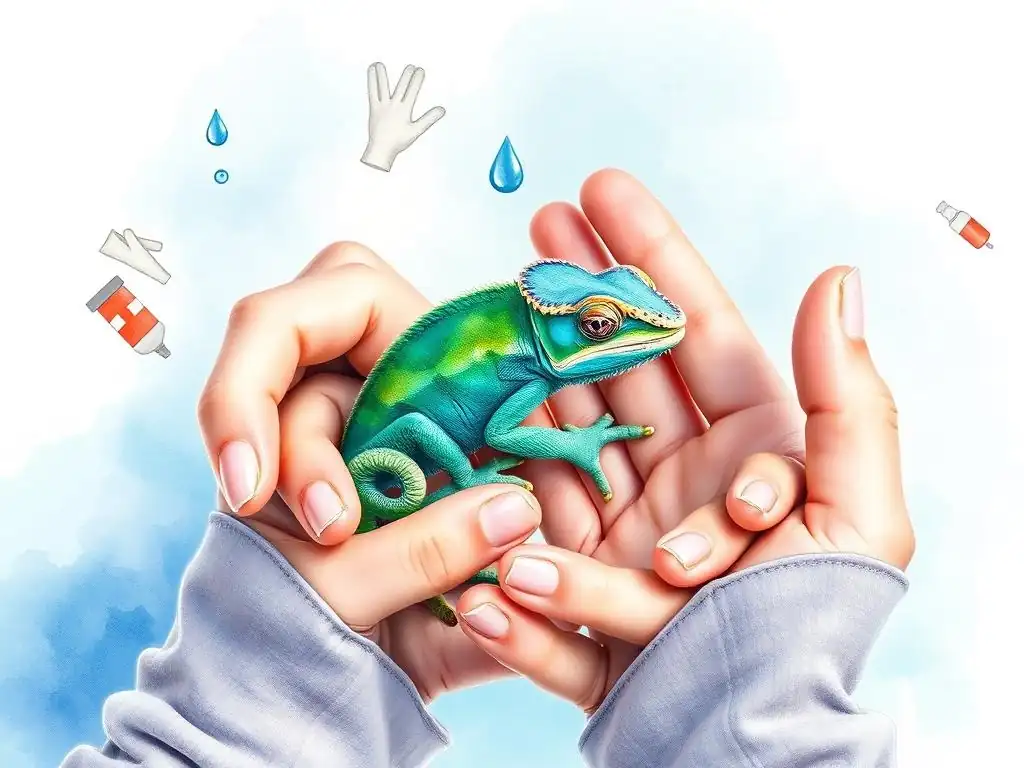
Accidents can happen, even with careful planning and preparation. Knowing how to react swiftly and effectively in an emergency is crucial for both your safety and the well-being of your exotic pet. This section outlines essential emergency procedures to help you navigate unexpected situations. A well-rehearsed emergency plan can significantly reduce stress and improve the outcome of any incident involving your exotic pet. Remember, proactive preparation is key to safe exotic pet handling.
Handling Bites and Scratches: First Aid and Prevention Strategies
Exotic pets, while often captivating, possess natural defense mechanisms, including bites and scratches. These can range from minor irritations to serious injuries, depending on the species and the animal's temperament. Prevention is always the best approach. Understanding your pet's body language—signs of stress, fear, or aggression—is paramount. Avoid sudden movements or actions that might startle your pet. Always handle your exotic pet in a calm and controlled manner, providing a secure and comfortable environment.
Handling bites and scratches requires immediate action. First, thoroughly wash the affected area with soap and water for at least 5 minutes. Apply an antiseptic solution to prevent infection. Monitor the wound closely for signs of infection, such as redness, swelling, increased pain, or pus.
If you observe any of these symptoms, seek veterinary care immediately. For deeper wounds or bites from venomous species, immediate professional medical attention is crucial. Consider keeping a well-stocked first-aid kit readily accessible, specifically designed for handling pet-related injuries. This kit should include antiseptic wipes, bandages, antibiotic ointment, and tweezers for removing any embedded materials.
Dealing with Escaped Exotic Pets: Safe Retrieval and Containment
An escaped exotic pet can be a stressful and potentially dangerous situation. A secure enclosure is fundamental to safe exotic pet handling. Regularly check for any potential escape routes, such as gaps in the enclosure, loose locks, or compromised mesh. Always supervise interactions with your pet, especially during handling or cleaning the enclosure.
If your pet escapes, remain calm and assess the situation. Identify the last known location of your pet. Quietly and systematically search the area, avoiding sudden movements that could frighten the animal further. If possible, use a net or a container to safely recapture your pet.
Avoid cornering the animal, as this can trigger defensive behavior. If you are unable to safely retrieve your pet, contact a qualified exotic animal handler or your veterinarian for assistance. Consider creating a safe, temporary containment area with a secure enclosure to prevent further escapes. Implementing a reliable escape-prevention protocol is crucial for maintaining both your safety and your pet's well-being.
When to Seek Veterinary Care: Recognizing Serious Injuries or Illnesses
Recognizing the signs of serious injury or illness in your exotic pet is essential for timely intervention. Prompt veterinary care can significantly improve the chances of a positive outcome. Some indicators requiring immediate veterinary attention include:
- Lethargy or unusual inactivity: A significant change in your pet's behavior, such as prolonged periods of inactivity or lack of appetite, could signal an underlying health problem.
- Visible injuries: Obvious wounds, bleeding, broken bones, or other physical trauma necessitate immediate veterinary care.
- Respiratory distress: Difficulty breathing, gasping for air, or abnormal respiratory sounds are serious warning signs.
- Changes in elimination: Changes in bowel movements, urination patterns, or the presence of blood in urine or feces warrant veterinary attention.
- Neurological signs: Seizures, paralysis, tremors, or changes in behavior, such as disorientation or aggression, may indicate a neurological issue.
Maintaining detailed records of your pet's behavior, eating habits, and any observed abnormalities can be invaluable in assisting your veterinarian in diagnosing and treating any health issues. Proactive monitoring and prompt veterinary care are vital components of responsible exotic pet ownership. Remember, early intervention often leads to better outcomes. A proactive approach to your pet's health is a key element of a safe exotic pet handling guide.
Resources for Safe Exotic Pet Handling
This section provides invaluable resources to further enhance your knowledge and skills in safely handling exotic pets. Building a strong foundation of knowledge is crucial for responsible exotic pet ownership. Remember, safe handling practices are paramount to both your well-being and the well-being of your exotic companion. This isn't just about avoiding injury; it's about building a trusting and positive relationship with your pet.
Recommended Books and Websites on Safe Exotic Pet Handling
Investing in reputable resources is a cornerstone of responsible exotic pet ownership. Many excellent books and websites offer detailed guidance on species-specific handling techniques, safety protocols, and emergency procedures. The quality of information varies significantly, so careful selection is key. Look for resources authored by qualified herpetologists, veterinarians specializing in exotic animals, or experienced and reputable breeders.
Here's what to look for when choosing your resources:
- Author Credentials: Verify the author's expertise. Are they a veterinarian, herpetologist, or experienced breeder with a proven track record?
- Publication Date: Ensure the information is up-to-date. Veterinary practices and best practices evolve, so recent publications are preferable.
- Species Specificity: A general guide might not be sufficient. Seek out resources that specifically address the needs and handling requirements of your exotic pet species.
- Reviews and Recommendations: Check online reviews and seek recommendations from other experienced exotic pet owners and breeders.
Remember to critically evaluate the information you find. Not all sources are created equal, and some may contain outdated or even inaccurate information. Always cross-reference information from multiple reliable sources.
Finding Qualified Exotic Pet Veterinarians
Access to a qualified exotic pet veterinarian is non-negotiable for responsible exotic pet ownership. Finding a vet experienced in caring for your specific species is crucial for preventative care, prompt treatment of illnesses, and handling emergencies. A general practitioner may not possess the specialized knowledge required for exotic animals.
Locating a suitable veterinarian may involve some research. Here's how to proceed:
- Online Search: Use search engines to find "exotic animal veterinarians near me" or specify your pet's species (e.g., "avian veterinarian near me," "reptile veterinarian near me").
- Association Websites: Check the websites of professional veterinary organizations. Many associations maintain directories of veterinarians specializing in exotic animals.
- Local Breeders and Pet Shops: Experienced breeders and reputable pet shops often have established relationships with qualified exotic animal veterinarians. They can provide valuable recommendations.
- Veterinary Referral Services: Some veterinary referral services specialize in connecting pet owners with veterinarians experienced in treating specific animal types.
It's essential to schedule a preliminary consultation even if your pet appears healthy. This allows you to establish a relationship with the veterinarian, discuss preventative care, and address any immediate concerns. Remember to ask about their experience with your specific species and their approach to handling. A comfortable and confident veterinarian is vital for your pet's well-being.
Joining Exotic Pet Owner Communities and Support Groups
Connecting with other exotic pet owners can provide invaluable support, advice, and a wealth of shared experiences. These communities offer opportunities to learn from others, ask questions, and share best practices for safe handling. They can also be a source of emotional support, particularly during challenging times.
Consider joining:
- Online Forums: Numerous online forums and social media groups cater to specific exotic pet species. These platforms offer a wealth of information and allow you to connect with others who share your passion. However, always exercise caution and critically evaluate the information you receive.
- Local Clubs and Associations: Many local clubs and associations focus on specific exotic pet species. These groups often organize meetings, workshops, and educational events. They provide opportunities for in-person networking and learning.
- Breed-Specific Organizations: Some organizations focus on specific breeds or types of exotic pets. These groups can provide breed-specific information and support.
Remember that while these communities offer valuable resources, they should not replace professional veterinary advice. Always consult with a qualified veterinarian for any concerns regarding your pet's health or well-being. The combination of professional guidance and peer support will help you create a safe and enriching environment for your exotic pet.
Frequently Asked Questions
What are the biggest risks associated with handling exotic pets?
Handling exotic pets carries risks like bites, scratches, and exposure to bacteria or parasites. Some exotic pets also possess venomous capabilities. Prioritize safety precautions.
How can I prepare myself before handling an exotic pet?
Always research your specific pet's needs and temperament. Wear protective gear such as gloves and long sleeves. Ensure you have a secure enclosure nearby in case of escape.
What's the best way to approach an exotic pet?
Approach slowly and calmly, avoiding sudden movements. Observe your pet's body language for signs of stress or aggression. Never force interaction.
What should I do if my exotic pet bites or scratches me?
Wash the wound immediately with antiseptic soap and water. Seek professional medical attention if necessary, especially if the bite is deep or from a venomous animal.
Are there specific resources available for safe exotic pet handling?
Yes! PetCareWorld offers a comprehensive "Safe exotic pet handling guide" with detailed instructions and safety tips. Consult with a veterinarian specializing in exotic animals for personalized advice.
Final Reflection: The Enduring Responsibility of Exotic Pet Ownership
The safe handling of exotic pets is not merely a matter of technique; it's a fundamental ethical responsibility. Failing to prioritize safety endangers not only the animal but also ourselves and the wider community. The increasing popularity of exotic pets necessitates a renewed focus on responsible ownership, ensuring the well-being of these unique creatures and the safety of those who interact with them.
The impact of irresponsible exotic pet ownership extends far beyond individual incidents. It contributes to the illegal wildlife trade, threatens biodiversity, and can lead to the spread of zoonotic diseases. The greatest threat to our planet is the belief that someone else will save it.
– Robert Swan. This quote underscores the individual responsibility we all bear in ensuring the ethical and safe handling of exotic animals. We must actively participate in shaping a future where these animals are treated with respect and their welfare is paramount.
You, the reader, now hold the knowledge to make a difference. Consider the steps outlined in this guide, and actively integrate safe handling practices into your interactions with exotic animals. Remember, responsible ownership isn't just about providing food and shelter; it's about fostering a relationship built on respect, understanding, and unwavering commitment to safety. Let's work together to create a world where both humans and exotic animals can thrive.
Unlock Your Exotic Pet's Potential: A Safe & Happy Home Awaits
Thank you for learning how to create a safe and enriching environment for your unique companion! You now have the knowledge to build a thriving home for your exotic pet. Let's put that knowledge into action.
- Prioritize Your Pet's Needs: Carefully consider your pet's individual needs when setting up their habitat. This is the first step towards a happier, healthier pet. Refer to the checklist in the article to ensure you've addressed all essential aspects of their care.
- Share Your Success! Tell us about your pet's favorite enrichment activity or share a photo of their new habitat in the comments below. Let's inspire other exotic pet owners!
- Explore Further: Learn more about exotic pet care by exploring our other articles on specialized diets and veterinary care.
What small change will you make today to improve your exotic pet's environment and well-being?