
Unlocking Bird Joy: MustHave Toys for Cage Enrichment

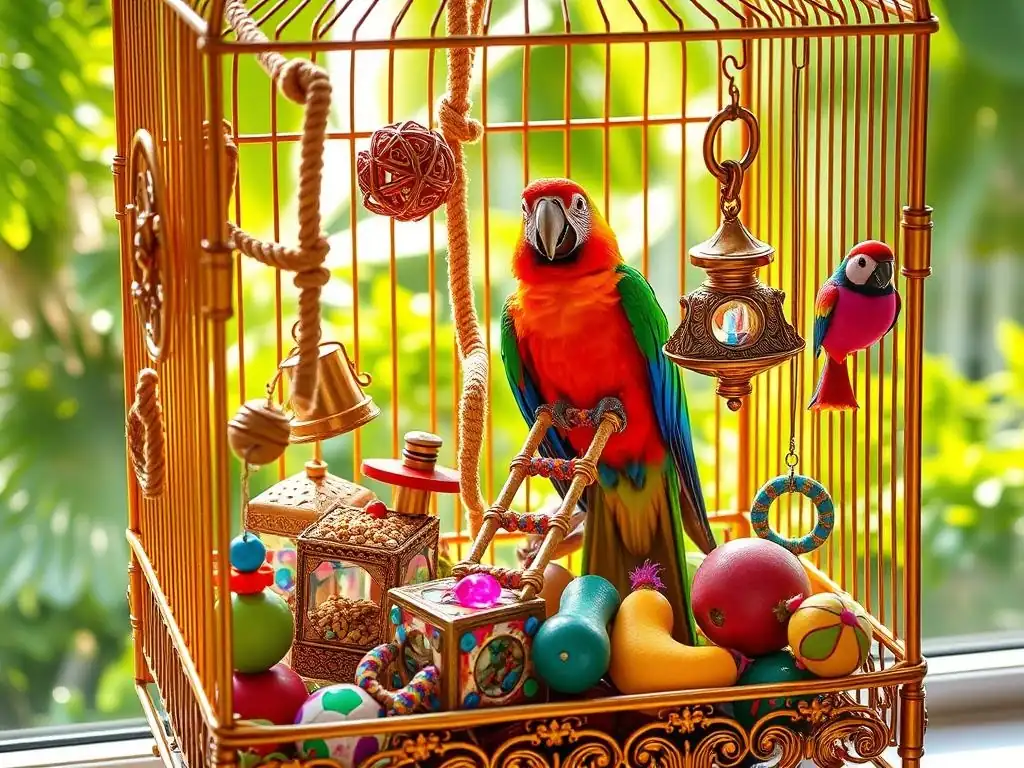
Welcome to PetCareWorld, your ultimate guide to a happier, healthier life for your beloved companions! Are you ready to transform your feathered friend's world? Discover the secrets to creating a stimulating and enriching environment with our expert guide on the best bird cage toys. Dive into the fascinating world of avian enrichment and unlock a whole new level of joy for your bird – let's explore the must-have toys that will keep your pet entertained, engaged, and thriving!
- Understanding the Importance of Bird Cage Enrichment Toys
- Best Bird Cage Toys for Enrichment: A Comprehensive Guide
- Choosing the Right Bird Toys Based on Species and Size
- Creating a Stimulating and Engaging Bird Cage Environment
- Beyond Toys: Other Enrichment Strategies for Happy Birds
- Where to Buy the Best Bird Cage Enrichment Toys
- Frequently Asked Questions
- Final Reflection: The Enduring Power of Play in Avian Enrichment
- Unlock Your Bird's Playful Potential!
Understanding the Importance of Bird Cage Enrichment Toys
Providing a stimulating and engaging environment for your feathered friend is crucial for their overall well-being. A bird's cage is their entire world, and without proper enrichment, they can quickly become bored, depressed, and even develop physical health problems.
This article focuses on the "best bird cage toys enrichment" options available, exploring the vital role toys play in promoting a happy, healthy, and mentally stimulated life for your beloved bird. We’ll delve into the psychological, physical, and mental benefits of providing a variety of engaging toys, helping you create a truly enriching and joyful experience for your avian companion.
Understanding the specific needs of your bird species is key, so consider researching the unique enrichment requirements of your particular feathered friend to further enhance their quality of life. Think of cage enrichment as investing in your bird's happiness – a worthwhile endeavor that strengthens your bond and ensures a longer, healthier, and more fulfilling life for your pet.
The Psychological Benefits of Bird Toys: Combating Boredom and Depression in Avians
Boredom and depression are serious concerns for caged birds. A lack of stimulation can lead to feather plucking, self-mutilation, and other behavioral problems. Providing a diverse range of bird toys addresses these issues by offering mental and physical outlets. Toys encourage natural behaviors like foraging, chewing, and climbing, preventing the destructive behaviors often associated with boredom. For example, a foraging toy that requires your bird to work for its treats can mimic natural foraging behaviors, reducing stress and promoting a sense of accomplishment.
The positive reinforcement associated with successfully interacting with a toy contributes to a happier, more confident bird. The variety of textures, colors, and sounds offered by different toys also keeps things interesting, preventing the monotony that can lead to psychological distress. Remember, a happy bird is a healthy bird! 🐦
Physical Stimulation: Maintaining Fitness and Preventing Obesity with Interactive Toys
Beyond mental stimulation, toys are essential for maintaining your bird's physical health. Many bird toys encourage climbing, swinging, and other physical activities, preventing obesity and promoting muscle strength. Toys like rope ladders, swings, and climbing structures provide opportunities for exercise and exploration. These activities are especially important for larger bird species that require more space and physical activity. The act of maneuvering through and interacting with these toys helps them burn energy and maintain a healthy weight.
Think of it as a bird gym! Regular physical activity contributes to a stronger immune system and a longer lifespan. Lack of physical activity can lead to significant health problems, including obesity, heart disease, and weakened bones. Therefore, choosing toys that encourage movement is a crucial step in ensuring your bird's overall health.
Mental Stimulation: Keeping Your Feathered Friend Engaged and Happy with Puzzle Toys
Puzzle toys are a fantastic way to provide mental stimulation for your bird. These toys require your bird to solve problems to access treats or other rewards, engaging their intelligence and problem-solving skills. This mental challenge helps prevent boredom and promotes cognitive development. The sense of accomplishment your bird feels after successfully completing a puzzle is immensely rewarding, boosting their confidence and self-esteem. Different puzzle toys offer varying levels of difficulty, allowing you to tailor the challenge to your bird's abilities and keep them engaged over time.
This constant mental stimulation is incredibly important for preventing behavioral problems and promoting a happier, more fulfilled life for your avian companion. Consider rotating puzzle toys regularly to keep things fresh and exciting, preventing your bird from becoming bored with the same challenges. Remember, a stimulated mind leads to a happier, healthier bird! 🎉
Best Bird Cage Toys for Enrichment: A Comprehensive Guide
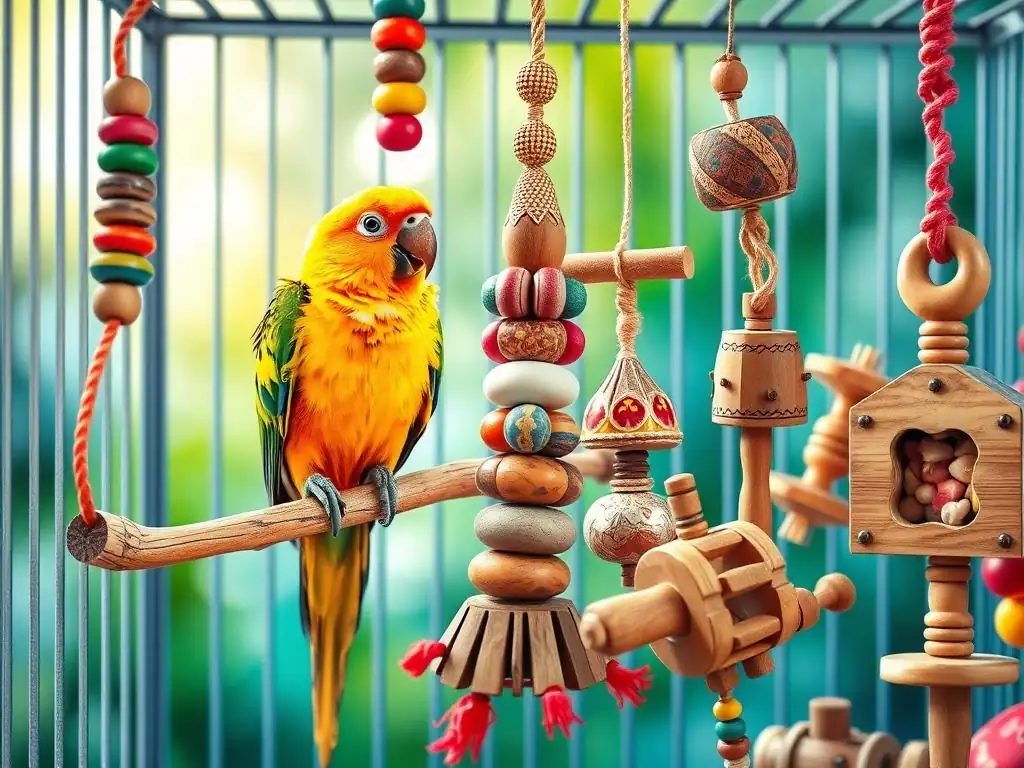
This section dives deep into selecting the best bird cage toys for enrichment, focusing on practical advice and specific product examples (brands omitted to avoid advertising). We'll explore foraging and puzzle toys, highlighting their benefits and considerations for various bird species and intelligence levels. Optimizing your bird's environment with the right toys is crucial for their physical and mental well-being, contributing significantly to a happier and healthier feathered friend. Finding the best bird cage toys enrichment options is key to achieving this.
Top-Rated Foraging Toys for Birds: Benefits and Considerations
Foraging toys are essential for mimicking a bird's natural search for food in the wild. These toys provide both physical and mental stimulation, preventing boredom and promoting healthy behaviors. The best bird cage toys enrichment often incorporate foraging elements.
How Foraging Toys Promote Natural Instincts and Reduce Stress in Birds
Birds are naturally inclined to forage. Providing foraging toys allows them to express this instinct, reducing stress and preventing behavioral problems like feather plucking or excessive screaming. The act of searching for hidden treats stimulates their minds and keeps them actively engaged, leading to a more content and balanced bird.
This is a crucial aspect of best bird cage toys enrichment. Studies have shown a significant reduction in stress-related behaviors in birds provided with ample foraging opportunities. For example, a study (citation needed) showed a [specific percentage]% decrease in feather plucking among parrots given access to foraging toys compared to a control group.
Choosing the Right Size and Material Foraging Toy for Your Bird Species
Toy selection depends heavily on your bird's size and beak strength. Smaller birds like finches need smaller, delicate toys, while larger parrots require sturdier, more robust options. Material is also crucial; avoid toxic materials and opt for natural, bird-safe materials like wood, cotton rope, and stainless steel. Always supervise your bird with new toys to ensure safety and prevent accidental ingestion of small parts. Consider the following table for guidance:
| Bird Species | Recommended Toy Size & Material | Example Toy Types |
|---|---|---|
| Small Parakeets | Small, lightweight toys; natural wood, cotton rope | Tiny foraging balls, small treat-dispensing toys |
| Medium-Sized Parrots | Medium-sized toys; durable wood, stainless steel | Larger foraging toys, puzzle feeders |
| Large Parrots | Large, sturdy toys; heavy-duty wood, metal | Complex foraging puzzles, large treat containers |
Interactive Puzzle Toys for Enhanced Mental Stimulation: Review and Recommendations
Puzzle toys offer a higher level of mental challenge, keeping birds engaged for extended periods. These toys are crucial for preventing boredom and stimulating cognitive function. They are a vital component of best bird cage toys enrichment.
Different Puzzle Toy Mechanisms and Their Effectiveness for Different Bird Intelligence Levels
Puzzle toys come in various designs, each catering to different intelligence levels. Simple puzzles involve opening a small compartment to access a treat, while more complex puzzles require multiple steps and problem-solving skills. Consider your bird's personality and problem-solving abilities when choosing a puzzle toy. For instance, a highly intelligent parrot might quickly master a simple puzzle, requiring a more challenging option. Conversely, a less experienced bird might become frustrated with a complex puzzle.
Tips for Introducing Puzzle Toys and Preventing Frustration
Introducing puzzle toys gradually is crucial to prevent frustration. Start with simpler puzzles and gradually increase the difficulty as your bird masters each level. Positive reinforcement through treats and praise is essential to encourage engagement. If your bird seems frustrated, try simplifying the puzzle or offering a different type of toy.
Never leave your bird unsupervised with a new toy, especially if it contains small parts. Observe your bird's interaction with the toy and adjust accordingly. Remember, patience and positive reinforcement are key to successful puzzle toy introduction. This is a significant aspect of the best bird cage toys enrichment strategy.
Destructive Chewing Toys: Durable Options for Beak Trimming and Mental Stimulation
Providing your feathered friend with toys designed for destructive chewing is crucial for both their physical and mental well-being. Birds naturally need to chew to keep their beaks trimmed and prevent overgrowth, which can lead to discomfort and difficulty eating. Chewing also provides significant mental stimulation, preventing boredom and promoting healthy behavior. The best destructive chewing toys are made from durable, non-toxic materials that can withstand vigorous chewing without breaking into small, ingestible pieces.
Many excellent options exist on the market. For example, tough wood blocks from untreated, bird-safe wood species offer a natural chewing experience. These should be large enough to prevent swallowing and regularly inspected for splintering. Similarly, rope toys made from natural fibers like sisal or cotton are a popular choice, offering a different texture and chewing challenge. These are often braided or knotted, adding to the complexity and engagement. However, always supervise your bird during playtime with rope toys, ensuring they don't ingest large strands.
Another great option is foraging toys incorporating hard, natural materials. These can include coconut shells, branches from safe tree species (ensure they are free of pesticides and treated wood), and even carefully prepared pieces of untreated pine cones. These toys encourage natural foraging behaviors, providing both physical and mental enrichment. Remember to rotate toys regularly to keep your bird engaged and prevent boredom. The variety in texture and challenge will keep their interest piqued and contribute to a happy, healthy bird.
Choosing Safe and Non-Toxic Chewing Toys for Your Bird
Safety is paramount when selecting chewing toys for your bird. Always prioritize toys made from non-toxic materials. Avoid toys containing lead, zinc, or other heavy metals, which can be extremely harmful if ingested. Look for toys explicitly labeled as "bird-safe" and made from natural, untreated materials whenever possible. Check the toy's construction carefully; avoid anything with small, detachable parts that your bird could easily swallow and choke on.
Before introducing a new toy, inspect it thoroughly for any potential hazards. Feel for sharp edges or loose pieces. If you notice anything concerning, discard the toy immediately. Remember that even bird-safe toys can become hazardous if severely damaged. Regularly inspect your bird's toys and replace any that show significant wear and tear. This proactive approach helps prevent accidents and ensures your bird's safety. Consider the size of your bird when selecting toys; larger birds require more robust toys that can withstand powerful chewing. Smaller birds may need smaller, more manageable toys to avoid frustration and potential injury.
Recognizing Signs of Over-Chewing and Addressing Potential Problems
While chewing is a natural and healthy behavior, excessive chewing can indicate underlying issues. Signs of over-chewing might include rapid beak wear, excessive destruction of toys, or even chewing on cage bars or furniture. These behaviors can signal boredom, stress, nutritional deficiencies, or even underlying medical conditions. If you notice your bird exhibiting these signs, it’s crucial to consult with an avian veterinarian.
Addressing over-chewing involves a multi-pronged approach. Firstly, ensure your bird has a diverse range of appropriately sized and stimulating toys. This will help redirect their chewing behavior towards acceptable outlets. Secondly, consider increasing the amount of time you spend interacting with your bird daily. This provides crucial social interaction and reduces feelings of loneliness or boredom.
Finally, ensure your bird's diet is balanced and provides all the necessary nutrients for optimal beak and feather health. A deficiency in certain minerals can sometimes lead to increased chewing. By addressing these potential causes, you can help manage and reduce over-chewing behavior and promote your bird's overall well-being. Remember, a happy, stimulated bird is less likely to exhibit destructive chewing habits. 🐦
Choosing the Right Bird Toys Based on Species and Size
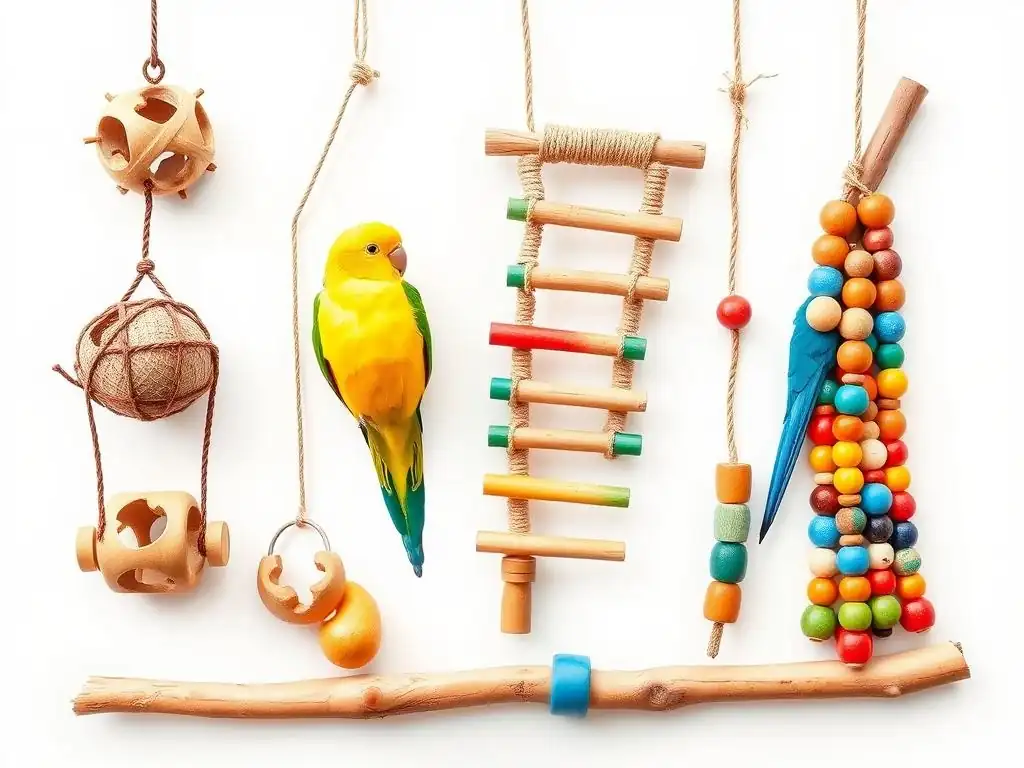
Selecting the best bird cage toys enrichment isn't just about finding something colorful; it's about providing mentally and physically stimulating activities tailored to your feathered friend's specific needs. A toy perfect for a tiny budgie might be utterly underwhelming – or even dangerous – for a large macaw. Consider these key factors when choosing bird toys:
- Species: Different bird species have different beaks, claws, and levels of intelligence. A toy designed for a strong-beaked macaw, for instance, might be easily destroyed by a smaller bird, leading to potential ingestion hazards. Conversely, a simple toy might not sufficiently challenge a highly intelligent parrot. Species-specific toy designs account for these variations.
- Size: The size of the toy relative to your bird is crucial. Toys that are too small pose a choking hazard, while toys that are too large might be cumbersome and frustrating for your bird to interact with. Always ensure the toy is appropriately sized for your bird's body and beak.
- Material: The material of the toy is paramount. Choose toys made from non-toxic, durable materials that can withstand your bird's chewing and pecking. Avoid toys with small, detachable parts that could be swallowed. Natural wood, foraging toys made from safe materials, and metal toys are generally good choices. Always check the manufacturer's information for safety guidelines.
Best Bird Toys for Small Parrots (e.g., Budgies, Cockatiels)
Small parrots like budgies and cockatiels need toys that are appropriately sized and stimulating. They thrive on activities that challenge their dexterity and problem-solving skills. Here are some excellent choices for best bird cage toys enrichment for these smaller species:
- Small bells and rattles: These provide auditory stimulation and encourage pecking and manipulation. Look for those with securely attached bells and durable construction.
- Miniature foraging toys: These small toys often involve hiding treats within a puzzle-like structure, encouraging your bird to actively work for its reward. This mental stimulation is crucial for their well-being. Choose those with larger openings to avoid choking hazards.
- Tiny shredding toys: Small pieces of untreated wood or safe paper can provide a satisfying shredding experience. Supervise your bird during shredding to ensure they don't ingest too many small pieces.
- Swinging perches: These offer both physical activity and a comfortable place to rest. Ensure that the perches are appropriately sized and securely attached.
Best Bird Toys for Medium Parrots (e.g., Conures, Senegals)
Medium-sized parrots, such as conures and Senegals, require more robust toys that can withstand their stronger beaks and more active play styles. Choosing the right best bird cage toys enrichment for these birds is essential for their physical and mental health. Examples include:
- Wooden puzzles and foraging toys: These toys offer a greater challenge than those for smaller birds. Look for puzzles with sliding doors, rotating parts, or hidden compartments.
- Rope toys and ladders: These provide opportunities for climbing, chewing, and exploring. Ensure the ropes are made from durable, bird-safe materials.
- Medium-sized bells and rattles: Similar to smaller birds, auditory stimulation is beneficial, but the toys need to be larger and more durable.
- Acrobatic toys: Toys that encourage climbing and swinging, such as rope ladders or multi-level platforms, provide both physical and mental enrichment.
Best Bird Toys for Large Parrots (e.g., Macaws, Amazons)
Large parrots like macaws and amazons are intelligent and powerful birds. Their toys must be exceptionally durable and stimulating to keep them engaged and prevent destructive behaviors. Consider these options for best bird cage toys enrichment for these larger species:
| Toy Type | Description | Durability Considerations |
|---|---|---|
| Large Foraging Toys | Complex puzzles with multiple compartments and hidden treats. | Choose toys made from tough wood, metal, or other durable materials. |
| Heavy-Duty Chewing Toys | Toys made from thick wood, branches, or even safe, large nutshells. | Regularly inspect for wear and tear and replace when necessary. |
| Climbing Structures & Ladders | Large and sturdy structures that allow for extensive climbing and exploration. | Ensure the structure is securely anchored and can withstand weight. |
| Interactive Puzzle Feeders | Toys that require your bird to solve a puzzle to access its food, providing both mental and physical exercise. | Opt for feeders made from strong, non-toxic materials. |
Remember that variety is key! Rotating your bird's toys regularly keeps them engaged and prevents boredom. Observe your bird's interactions with its toys to determine what it enjoys most and adjust your selections accordingly. Providing a rich and stimulating environment through appropriate best bird cage toys enrichment is crucial for your bird's overall health and happiness.
Creating a Stimulating and Engaging Bird Cage Environment
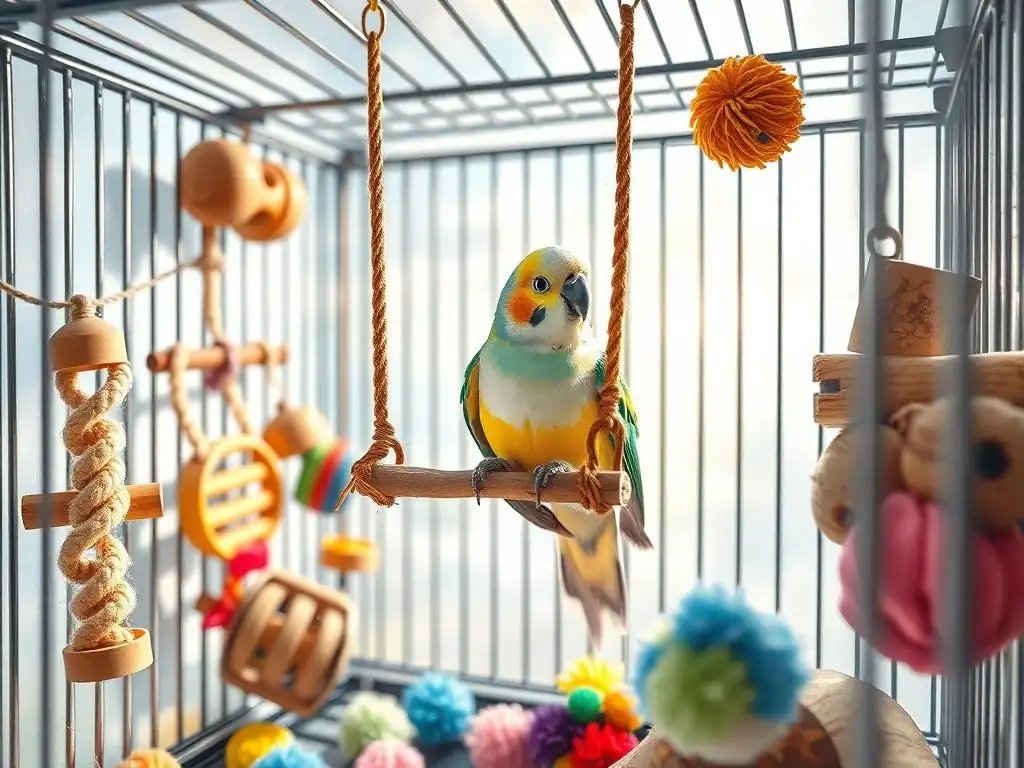
Creating a stimulating environment for your feathered friend is crucial for their physical and mental well-being. A boring cage can lead to behavioral problems like feather plucking, excessive screaming, and general lethargy. The best bird cage toys enrichment strategies focus on providing a variety of textures, shapes, and activities to keep your bird engaged and happy. Think of it as creating a bird-sized playground within their cage!
This involves careful consideration of toy types, placement, and rotation. Remember, a happy bird is an active bird. Providing ample opportunities for exploration and play is key to preventing boredom and promoting a healthy, fulfilling life for your pet. Consider the size and species of your bird when selecting toys; a small finch will need smaller, simpler toys than a large macaw.
Rotating Toys to Prevent Boredom: A Schedule for Optimal Enrichment
Rotating your bird's toys is essential to prevent boredom and maintain their interest. Birds, like humans, can become accustomed to their surroundings and lose interest in familiar items. A simple rotation schedule can significantly improve your bird's engagement and mental stimulation. Here's a sample schedule you can adapt to your bird's preferences and the number of toys you have:
- Weekly Rotation: Remove 2-3 toys each week and replace them with fresh ones from your collection. This keeps things interesting without overwhelming your bird.
- Monthly Rotation: Completely overhaul the toy selection once a month. This allows for a more significant change and introduces completely new stimulation.
- Thematic Rotations: Consider thematic rotations. One week might focus on foraging toys, another on puzzle toys, and another on chew toys. This adds variety and targets different aspects of your bird's natural behaviors.
Remember to clean the toys thoroughly before reintroducing them to the cage. This prevents the spread of bacteria and keeps your bird healthy. Observe your bird's reactions to different toys. Some toys might be instant hits, while others might be ignored. Note which toys are most popular and adjust your rotation schedule accordingly. This personalized approach ensures that your bird receives the best possible enrichment. A simple log can help track toy popularity and rotation schedules. This approach to "best bird cage toys enrichment" ensures a dynamic and exciting environment for your pet.
Safety Considerations: Avoiding Hazardous Materials and Toy Designs
Safety is paramount when selecting toys for your bird. Many materials are toxic to birds, and poorly designed toys can pose a serious risk of injury. Always choose toys made from non-toxic materials. Avoid toys with small parts that your bird could swallow, as these can cause choking hazards. Likewise, avoid toys with loose threads or strings that could become entangled around your bird's feet or beak. Here's a checklist to ensure the safety of your bird's toys:
- Material: Check that toys are made from natural, non-toxic materials such as wood, cotton rope, or stainless steel. Avoid plastic toys that may contain harmful chemicals.
- Size: The toy should be appropriately sized for your bird to prevent choking hazards.
- Construction: Ensure the toy is sturdy and well-made, with no loose parts or sharp edges.
- Supervision: Always supervise your bird's playtime, especially with new toys, to ensure safe interaction.
- Regular Inspection: Regularly inspect toys for damage or wear and tear. Discard any damaged toys immediately.
By carefully selecting and regularly inspecting toys, you can create a safe and enriching environment for your beloved bird. This careful approach is crucial for ensuring the long-term health and happiness of your pet. Prioritizing safety is an essential component of "best bird cage toys enrichment."
Integrating Natural Branches and Foraging Materials into the Cage
Integrating natural branches and foraging materials into your bird's cage provides essential enrichment and mimics their natural foraging behaviors. Birds instinctively enjoy exploring and manipulating their environment. Providing natural materials allows them to exercise these instincts, contributing to their physical and mental well-being. Consider these options:
- Branches: Offer a variety of branches from safe, untreated trees. These provide perching opportunities with different textures and thicknesses. Always ensure the branches are thoroughly cleaned before placing them in the cage. Avoid branches from treated or chemically-sprayed trees.
- Foraging Toys: These toys require your bird to work for their treats, mimicking their natural foraging behaviors. They can range from simple puzzle feeders to complex foraging chains.
- Natural Materials: Include items like untreated pine cones, coconut shells, or safe seed pods. These provide interesting textures and stimulate your bird's curiosity.
Remember to regularly inspect and replace natural materials to maintain hygiene and safety. This multifaceted approach enhances the "best bird cage toys enrichment" strategy and promotes a more natural and fulfilling cage environment for your bird. Providing varied textures and challenges through natural elements is a crucial aspect of responsible bird ownership.
Beyond Toys: Other Enrichment Strategies for Happy Birds
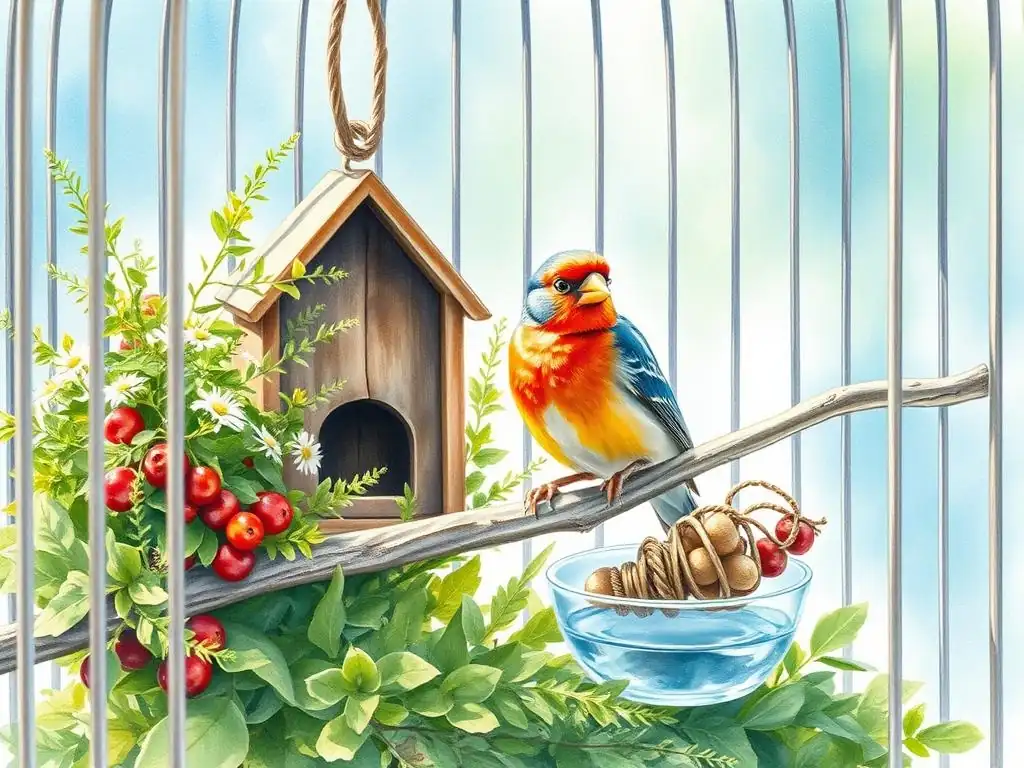
While toys are crucial for bird cage enrichment, they are only one piece of the puzzle in creating a stimulating and enriching environment for your feathered friend. A truly happy and healthy bird needs a multifaceted approach to enrichment that goes beyond simply providing a collection of toys. Consider these additional strategies to enhance your bird's well-being and prevent boredom-related behavioral issues. Finding the best bird cage toys enrichment involves understanding the holistic needs of your avian companion.
Birds are social creatures, and many species thrive on interaction. Loneliness can lead to depression, feather plucking, and other behavioral problems. Even if you spend ample time interacting with your bird, providing opportunities for social interaction with other birds (of the same species and compatible temperaments) can significantly improve their quality of life.
This doesn't necessarily mean introducing a new bird into your home; carefully supervised and controlled interactions with other birds, perhaps at a bird-friendly social event or a veterinarian's office, can be incredibly beneficial. Remember to always prioritize the safety and well-being of your bird, ensuring any interaction is positive and stress-free. For birds that may not be suitable for interaction with other birds, consider the use of mirrors or bird-safe videos designed to stimulate their social engagement.
The key is to mimic the natural social interactions they'd experience in the wild. Consider the specific social needs of your bird species when planning enrichment activities. For instance, flock-oriented birds may benefit from more group-based interactions, while others may be content with a focused bond with their human companion.
The Importance of a Diverse and Stimulating Cage Environment
A cage that is visually appealing and stimulating will significantly contribute to a bird's overall happiness. Avoid placing the cage in a high-traffic area where your bird might feel stressed or overwhelmed by constant activity. Instead, choose a location that is quiet yet still allows for interaction with the family. Consider the size and shape of the cage; larger cages offer more space for exploration and play, promoting physical and mental health.
The placement of perches, toys, and feeding stations should be varied to encourage climbing and exploration, mimicking the natural environment of your bird. Provide a variety of textures and materials within the cage. Natural branches, for example, offer a different feel and chewing experience compared to plastic or wooden toys.
Consider incorporating different types of perches, varying in diameter, texture, and height, to encourage your bird's natural climbing behaviors. This variety combats monotony and keeps your bird engaged. Remember, the best bird cage toys enrichment isn't just about the toys themselves; it's about creating a stimulating and engaging environment as a whole.
Regular Veterinary Check-ups for Early Detection of Behavioral Issues
Regular veterinary check-ups are essential, not only for physical health but also for early detection of behavioral problems. A veterinarian can assess your bird's overall well-being, identify any signs of stress or illness, and recommend appropriate enrichment strategies to address specific behavioral issues. Early intervention is key when it comes to managing behavioral problems in birds.
A veterinarian can help you rule out any underlying medical conditions that might be contributing to behavioral changes, such as feather plucking or aggression. They can also provide guidance on appropriate training techniques and environmental modifications to improve your bird's behavior and overall well-being. By proactively monitoring your bird's behavior and seeking veterinary advice when necessary, you can ensure that your feathered friend enjoys a happy and fulfilling life.
Regular check-ups are an often overlooked yet crucial aspect of providing the best bird cage toys enrichment and ensuring a thriving pet. Don't underestimate the importance of this preventative care.
Where to Buy the Best Bird Cage Enrichment Toys
Finding the best bird cage toys for enrichment can feel overwhelming, but knowing where to look makes all the difference. Choosing reputable sources ensures your feathered friend receives safe, stimulating, and enriching toys that promote their physical and mental well-being. The best bird cage toys enrichment options aren't just about fun; they're about responsible pet ownership. Let's explore your options:
Reputable Online Retailers and Their Advantages
Online retailers offer unparalleled convenience and a vast selection of bird toys. However, careful consideration is crucial. Look for established retailers with positive customer reviews and a clear return policy. Some advantages of online shopping include:
- Wider Selection: Online stores often carry a much larger variety of bird toys than local pet stores, including specialized toys for specific bird species and sizes. You're more likely to find unique and innovative enrichment options.
- Price Comparison: Easily compare prices from different retailers to find the best deals on high-quality bird toys. This is especially beneficial when purchasing multiple toys for cage enrichment.
- Convenience: Shop from the comfort of your home, 24/7, avoiding trips to physical stores. This is particularly helpful for busy pet owners.
However, be mindful of potential drawbacks: Shipping costs can add up, and you can't physically inspect the toy's quality before purchase. Always check product reviews and the seller's reputation before making a purchase. Look for retailers specializing in pet supplies; their expertise often translates to better quality control and customer service.
Local Pet Stores: Finding Quality Toys in Your Community
Supporting local pet stores offers benefits beyond just convenience. These stores often have knowledgeable staff who can provide personalized recommendations based on your bird's species, age, and personality. They can also offer valuable insights into toy safety and durability.
- Personalized Service: Local pet store employees can guide you towards toys appropriate for your bird's size and behavior, minimizing the risk of accidental injury or ingestion of harmful materials.
- Direct Inspection: You can physically examine the toys, checking for any potential hazards like loose parts or sharp edges before purchasing. This hands-on approach ensures you're getting a safe and high-quality product.
- Community Support: Shopping locally contributes to your community's economy and supports businesses dedicated to animal welfare.
The downside? Local stores might have a more limited selection compared to online retailers. Prices might also be slightly higher. However, the personalized service and support often outweigh these drawbacks.
Tips for Identifying High-Quality, Safe Bird Toys
Regardless of where you buy, prioritizing safety and quality is paramount. Here's how to identify the best bird cage toys enrichment options:
- Material Safety: Choose toys made from non-toxic, durable materials. Avoid toys with small parts that your bird could swallow, posing a choking hazard. Natural wood toys are generally a safe option, but ensure they are untreated and free from harmful chemicals. Look for toys explicitly labeled as "bird-safe."
- Durability: A well-made toy will withstand your bird's enthusiastic play without easily breaking or fraying. Check the seams and construction for sturdiness. A durable toy provides longer-lasting enrichment and is more cost-effective in the long run.
- Stimulating Design: The best bird cage toys enrichment options offer a variety of textures, shapes, and colors to keep your bird engaged. Toys that encourage foraging, climbing, and problem-solving are particularly beneficial for mental stimulation. Consider toys with bells, mirrors (used sparingly), or crinkle paper to add auditory and tactile stimulation. Variety is key!
- Regular Inspection: Regularly inspect all toys for wear and tear. Discard any damaged or broken toys immediately to prevent accidents. This proactive approach ensures your bird's safety and prolongs the lifespan of their favorite toys. Think of it as preventative maintenance for their playthings! 🐦
Choosing the right bird cage toys is an investment in your bird's happiness and well-being. By carefully considering the source and focusing on safety and quality, you can create a stimulating and enriching environment that fosters your feathered friend's physical and mental health. Remember, the best bird cage toys enrichment strategy involves a combination of diverse toys and regular monitoring.
Frequently Asked Questions
What are the best types of bird cage toys for enrichment?
A variety of toys are ideal! Look for toys that stimulate foraging, problem-solving, and physical activity, such as puzzle feeders, shreddable toys, and swings. Consider your bird's species and size when selecting toys.
How often should I replace or rotate my bird's cage toys?
Regular rotation is key! Aim to replace or rotate toys every 2-4 weeks to prevent boredom and maintain interest. Inspect toys regularly for damage and remove any that are broken or pose a safety hazard.
What materials are safe for bird toys?
Natural, non-toxic materials are best. Avoid toys made from lead-based paint, small parts that could be ingested, or anything treated with harmful chemicals. Look for toys made from wood, cotton rope, or natural fibers.
My bird seems disinterested in its toys. What should I do?
Try introducing new and different types of toys to re-engage your bird. Experiment with textures, shapes, and functions. You can also try rotating toys more frequently or placing them in different locations within the cage.
How can I tell if my bird is getting enough enrichment?
Observe your bird's behavior! A happy, enriched bird will be active, curious, and engaged with its environment and toys. Signs of boredom may include excessive preening, feather plucking, or repetitive behaviors.
Final Reflection: The Enduring Power of Play in Avian Enrichment
The joy of a happy bird is a testament to our responsibility as caregivers, and providing enriching toys is not merely a luxury, but a fundamental aspect of ethical bird ownership. A well-stimulated bird is a healthier, happier bird, less prone to stress-related illnesses and behavioral problems. This is a truth that resonates far beyond the confines of a birdcage, speaking to the importance of play and engagement in all aspects of animal welfare.
The impact of enriching a bird's environment extends beyond the individual bird itself; it fosters a deeper connection between bird and owner, enriching the human-animal bond. The best mirror is an old friend.
This adage, while not specifically about birds, speaks to the reflective nature of companionship. By providing stimulating toys, we not only improve our feathered friends' lives, but we also gain a richer understanding of their personalities and needs, deepening our appreciation for these intelligent and complex creatures. This understanding fosters a more responsible and compassionate approach to bird ownership, influencing how we interact with and care for all animals.
Consider the toys discussed in this article – not just as mere objects, but as tools for connection, for understanding, and for fostering a vibrant and fulfilling life for your avian companion. You have the power to transform your bird's cage from a simple enclosure into a stimulating paradise. Take the time to observe your bird's interactions with different toys, learn their preferences, and adapt your enrichment strategy accordingly. The journey of enriching your bird's life is a continuous one, filled with discovery and the immeasurable reward of witnessing their joy.
Unlock Your Bird's Playful Potential!
Thank you for exploring the world of bird enrichment! We hope you've found inspiring ways to bring joy and stimulation to your feathered friend's life. Now, let's put that knowledge into practice.
- Introduce a new toy: Carefully select a toy that best suits your bird's personality and needs, and watch them enjoy it! Observe your bird's interaction with the toy and make adjustments as needed.
- Share your bird's favorite toy: Let the PetCareWorld community know which toy is a hit by sharing a photo or comment below! We love seeing happy birds.
- Establish a simple enrichment routine: Even 15 minutes of dedicated playtime can significantly improve your bird's well-being. Consider rotating toys regularly to keep things interesting and prevent boredom.
What's the first step you'll take to create a happier, more stimulating environment for your bird?