
The Importance of Early Intervention in Pet Wound Care

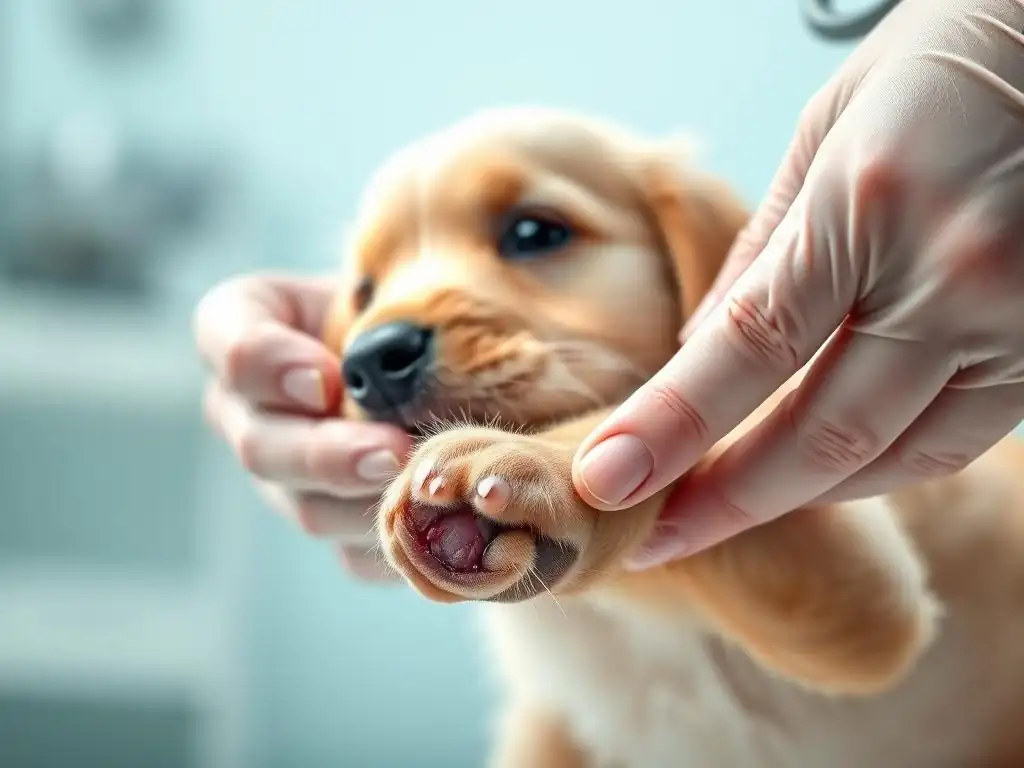
Welcome to PetCareWorld, your ultimate guide to a happier, healthier life for your beloved companion! Are you prepared for every scenario? We delve into the crucial aspects of pet ownership, and today, we're focusing on early pet wound care treatment. Discover the critical steps to take when your furry, feathered, or scaled friend sustains an injury – knowledge that could mean the difference between a minor setback and a major health crisis. Dive in and learn how proactive care can make all the difference!
Understanding the Urgency of Early Pet Wound Care Treatment

Early pet wound care treatment is crucial for preventing infection, minimizing scarring, and ensuring your pet's swift recovery. Ignoring even seemingly minor injuries can lead to serious complications, impacting your pet's overall health and well-being. This article will delve into the importance of prompt action, outlining the steps you can take to provide immediate and effective first aid, ultimately contributing to a faster healing process and a happier, healthier pet.
We'll explore various wound types, the signs of infection, and the best practices for early intervention, empowering you to become a more confident and prepared pet owner. Remember, timely treatment for "early pet wound care treatment" can significantly improve your pet's prognosis and reduce the need for extensive veterinary intervention.
Recognizing Different Types of Pet Wounds
Pet wounds vary widely in severity and type. Understanding these differences is vital for appropriate early intervention. We can categorize them broadly as follows:
- Minor Wounds: These include superficial scrapes, minor cuts, and small abrasions. They often bleed minimally and don't penetrate deeply into the skin. While seemingly insignificant, even minor wounds require cleaning to prevent infection.
- Moderate Wounds: These are deeper cuts or lacerations that may bleed more profusely and potentially involve muscle or underlying tissues. They often require more thorough cleaning and may necessitate veterinary attention.
- Severe Wounds: These are deep, penetrating wounds that may involve significant blood loss, broken bones, or internal organ damage. They require immediate veterinary care and should be treated as emergencies. Examples include deep puncture wounds from animal bites or severe lacerations from accidents.
Signs of Infection in Pet Wounds
Recognizing the signs of infection is paramount in ensuring timely treatment. Delaying treatment can lead to significant complications, potentially requiring more extensive and costly veterinary intervention. Key indicators of infection include:
- Increased Swelling: Noticeable swelling around the wound site exceeding the initial trauma.
- Redness and Heat: The area surrounding the wound becomes noticeably red and feels warmer than the surrounding skin.
- Pus or Discharge: A thick, yellowish or greenish discharge emanating from the wound.
- Pain and Sensitivity: Your pet displays significant pain or discomfort when the wound is touched.
- Fever: An elevated body temperature is a strong indicator of systemic infection.
- Lethargy and Loss of Appetite: Changes in your pet's behavior, such as decreased energy levels or refusal to eat.
Immediate First Aid for Pet Wounds
Prompt first aid is critical in the early stages of wound care. Follow these steps to provide immediate assistance before seeking professional veterinary care:
- Control Bleeding: Apply gentle, direct pressure to the wound using a clean cloth. Do not use hydrogen peroxide or other harsh chemicals as these can damage the tissues and hinder healing.
- Clean the Wound: Gently clean the wound with lukewarm, clean water and a soft cloth. Avoid scrubbing, as this can further damage the tissues. If debris remains lodged in the wound, seek professional veterinary assistance.
- Apply a Protective Dressing: Once the bleeding has stopped and the wound is cleaned, apply a clean, sterile bandage to protect the wound from further contamination.
- Monitor for Infection: Carefully observe your pet for any signs of infection, as described above. Contact your veterinarian immediately if you notice any concerning symptoms.
- Seek Veterinary Care: Even minor wounds should be examined by a veterinarian, particularly if bleeding is profuse, the wound is deep, or you observe any signs of infection. This is especially crucial for "early pet wound care treatment."
The Importance of Veterinary Consultation
While providing immediate first aid is important, veterinary intervention is often essential, particularly for moderate to severe wounds. A veterinarian can properly assess the wound's depth, clean it thoroughly, potentially stitch it closed (suturing), and prescribe appropriate antibiotics or pain medication. Early veterinary intervention significantly reduces the risk of complications and ensures your pet receives the best possible care. Remember, early diagnosis and treatment are key to successful "early pet wound care treatment."
Frequently Asked Questions
What constitutes a pet wound requiring immediate attention?
Any wound that is deep, bleeding profusely, or shows signs of infection (swelling, redness, pus) needs immediate veterinary attention. Minor scrapes can often be treated at home, but consult a vet if unsure.
How can I clean a minor pet wound at home?
Gently cleanse the area with warm, soapy water, removing any debris. Apply a thin layer of antibiotic ointment and cover with a clean bandage. Monitor for signs of infection.
When should I take my pet to the vet for a wound?
Seek veterinary care if the wound is deep, wide, involves a joint or bone, shows signs of infection, or if your pet is lethargic or in pain. Early intervention is crucial.
What are the signs of infection in a pet wound?
Look for increased swelling, redness, pus, foul odor, or excessive heat around the wound. Your pet may also show signs of lethargy, loss of appetite, or fever.
What is the importance of early treatment in preventing complications from pet wounds?
Early treatment minimizes the risk of infection, scarring, and other complications. It also ensures a faster recovery and prevents potential long-term health issues for your pet.
Final Reflection: The Unseen Impact of Early Pet Wound Care
The timely treatment of pet wounds isn't just about preventing infection; it's about safeguarding the unbreakable bond we share with our animal companions. A seemingly minor scratch or cut can quickly escalate into a serious, even life-threatening, condition if left untreated. This underscores the critical importance of proactive, informed pet ownership.
The emotional toll of witnessing a pet suffer is immeasurable, a burden amplified when preventable complications arise from delayed wound care. This resonates deeply with me, having witnessed firsthand the difference early intervention can make. The best medicine is often prevention,
a sentiment that holds particularly true in veterinary care. The impact of early wound care extends beyond the individual pet; it influences our understanding of responsible pet ownership, fostering a culture of preparedness and proactive care within the pet-owning community.
Now, consider your own furry friend. Imagine the peace of mind that comes with knowing you have the knowledge and resources to address a wound effectively and promptly. Take the time to learn the signs of infection, understand basic first aid techniques, and build a strong relationship with your veterinarian. Empower yourself to be your pet's best advocate, ensuring their well-being and strengthening the bond you share. The future of your pet's health begins with your commitment to early intervention.
Unlock Your Pet's Healing Potential
Thank you for learning about the crucial role of early intervention in pet wound care! You've gained valuable knowledge to protect your furry friend. Now let's put that knowledge into action.
- Prioritize a vet visit: Don't delay! Schedule an appointment immediately if your pet has any concerning wounds, no matter how insignificant they may seem. Early treatment dramatically improves healing.
- Build a pet first-aid kit: Gather essential supplies such as antiseptic wipes, gauze, and non-stick bandages. Being prepared for a pet emergency can save valuable time.
- Share your knowledge: Help other pet owners be prepared by sharing this article on social media. Let's create a community of informed pet caregivers!
What's one step you'll take today to ensure your pet receives the best possible wound care?