
Maintaining a Healthy Bioactive Terrarium: Tips and Tricks

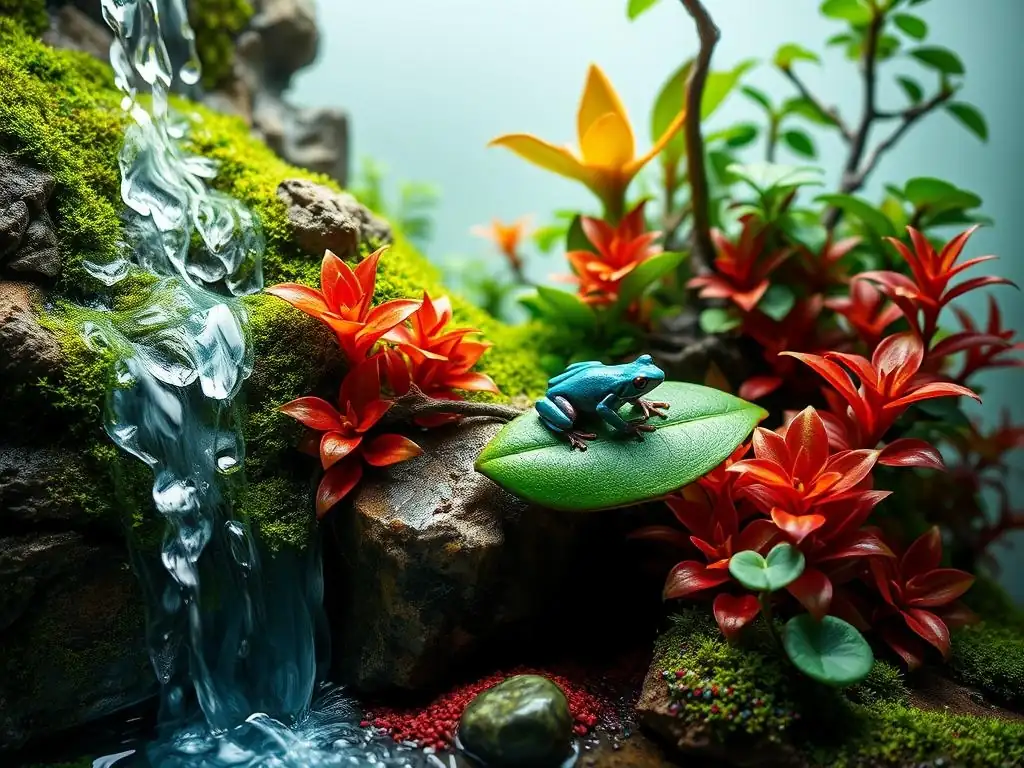
Welcome to PetCareWorld, your ultimate guide to a happier, healthier life for your beloved companions! Are you ready to transform your reptile's living space into a thriving ecosystem? Our comprehensive Bioactive Terrarium Setup Guide reveals the secrets to creating a self-sustaining environment that mimics your pet's natural habitat, leading to a thriving, stress-free life for your scaly friend. Discover the simple yet effective techniques that will dramatically improve your pet's well-being – let's dive in!
- Understanding Bioactive Terrarium Ecosystems: A Setup Guide
-
Maintaining Your Bioactive Terrarium: A Step-by-Step Guide
- Regular Monitoring of Your Bioactive Terrarium Ecosystem
- Watering and Humidity Control in Your Bioactive Setup
- Feeding Your Cleanup Crew: Maintaining the Waste Cycle
- Addressing Issues: Troubleshooting Common Bioactive Terrarium Problems
- Replanting and Substrate Replacement: Maintaining a Healthy Environment
-
Advanced Bioactive Terrarium Techniques: Optimizing Your Setup
- Enhancing Humidity and Ventilation in Your Bioactive Terrarium
- Advanced Cleanup Crew Management for a Balanced Ecosystem
- Creating a Realistic Terrarium Landscape: Aesthetic and Functional Design
- Bioactive Terrarium Lighting and Heating: Essential Considerations
- Long-Term Maintenance of your Bioactive Terrarium
-
Troubleshooting Common Bioactive Terrarium Issues
- Dealing with Mold and Mildew in Your Bioactive Environment
- Addressing Pest Infestations in Your Bioactive Terrarium
- Managing Excess Moisture or Dryness in Your Bioactive Setup
- Signs of an Unhealthy Bioactive Terrarium and How to Address Them
- Maintaining the Health of Your Cleanup Crew: Early Detection of Problems
- Resources for Bioactive Terrarium Enthusiasts
- Frequently Asked Questions
- Final Reflection: Cultivating Thriving Ecosystems, One Terrarium at a Time
- Unleash Your Inner Terrarium Architect!
Understanding Bioactive Terrarium Ecosystems: A Setup Guide
Creating a thriving bioactive terrarium isn't just about providing a pretty home for your reptile; it's about mimicking a natural ecosystem within a contained space. This comprehensive guide will walk you through the essential steps of setting up a bioactive terrarium, focusing on the principles of balance and sustainability.
A properly functioning bioactive terrarium significantly reduces maintenance, creating a healthier and more enriching environment for your pet. This guide will help you understand the key components – from substrate selection and the crucial role of the cleanup crew to the overall importance of maintaining a balanced ecosystem – to successfully build and maintain a bioactive terrarium for your reptile, ultimately providing a superior habitat that closely mirrors its natural environment and contributes to its overall well-being.
This guide focuses on providing a practical, step-by-step approach to setting up a bioactive terrarium, targeting those seeking a comprehensive "bioactive terrarium setup guide." We'll delve into the details, ensuring you have the knowledge and confidence to create a thriving environment for your scaled companion.
The Importance of a Balanced Bioactive Terrarium
A balanced bioactive terrarium replicates a natural environment, minimizing the need for constant cleaning and creating a self-sustaining ecosystem. The core principle lies in establishing a symbiotic relationship between the plants, substrate, and the "cleanup crew" – beneficial organisms that break down waste. This process naturally cleans the terrarium, reducing odors and maintaining a healthy environment for your reptile. Think of it as a miniature, self-regulating rainforest!
A well-balanced system requires careful consideration of several factors. For example, the type of plants chosen needs to be compatible with your reptile's needs and the terrarium's humidity levels. Insufficient plant life can lead to an imbalance, while overcrowding can restrict air circulation and create areas of high humidity or stagnant air. The correct substrate choice is also critical for supporting the microbial life necessary for waste decomposition.
An unbalanced system, on the other hand, can lead to problems like ammonia buildup, unpleasant odors, and potential health issues for your reptile. Therefore, understanding and achieving balance is paramount to success. Maintaining this balance requires regular monitoring and occasional adjustments, ensuring the health and longevity of your bioactive terrarium.
Choosing the Right Substrate for Your Bioactive Setup
The substrate forms the foundation of your bioactive terrarium, providing a habitat for beneficial microorganisms and plants. The choice of substrate significantly impacts the overall success of your bioactive setup. Inappropriate substrate can lead to issues such as poor drainage, ammonia buildup, or an inability to support the cleanup crew. Several options exist, each with its advantages and disadvantages.
For example, a blend of topsoil, coco coir, and leaf litter is a popular choice, providing excellent drainage and a suitable environment for microbial life. However, other options like a specifically formulated bioactive substrate mix are commercially available and can provide a more controlled and consistent environment. The key is to select a substrate that retains moisture but also allows for adequate drainage to prevent waterlogging. The chosen substrate should also be appropriate for the specific plants you intend to incorporate into the terrarium, ensuring their proper growth and health.
It's crucial to avoid substrates that are potentially harmful to your reptile, such as those containing pesticides or other chemicals. Proper research and selection of substrate are essential for creating a thriving and healthy bioactive terrarium. Consider factors like your reptile's species and its specific needs when making your decision.
Selecting Appropriate Cleanup Crew for your Bioactive Terrarium
The cleanup crew is the heart of a successful bioactive terrarium, responsible for breaking down waste products and maintaining cleanliness. These are the unsung heroes of your miniature ecosystem! A well-chosen cleanup crew comprises various invertebrates that work together to decompose waste, preventing ammonia buildup and maintaining a healthy environment for your reptile. Different species play different roles, for example, springtails are excellent at consuming decaying organic matter, while isopods are more adept at breaking down larger waste particles.
The number of cleanup crew members you need will depend on the size of your terrarium and the amount of waste produced. Overpopulation can lead to competition for resources, while underpopulation can result in inefficient waste management. Careful consideration must be given to the compatibility of the chosen species, ensuring they don't prey on each other or negatively impact the plants.
Regular observation is critical to ensure the cleanup crew is thriving and performing its vital role. Observing their activity will provide valuable insight into the overall health and balance of your bioactive terrarium. A healthy cleanup crew is a clear indicator of a well-functioning ecosystem.
Plant Selection for a Thriving Bioactive Environment
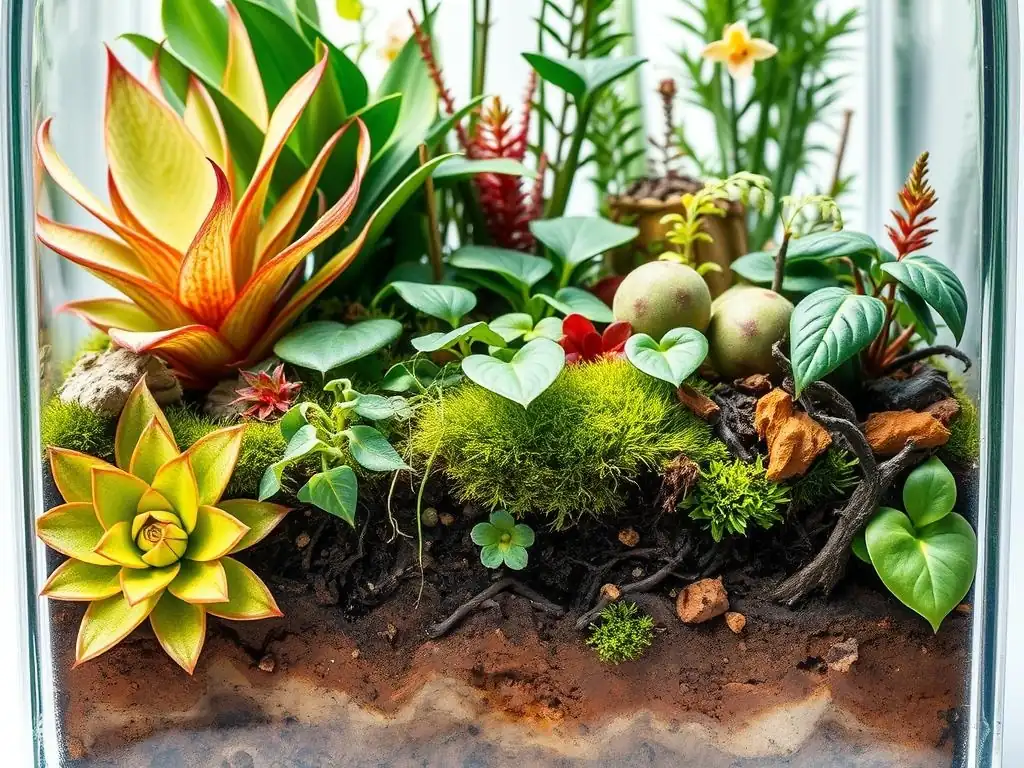
Choosing the right plants is crucial for a successful bioactive terrarium setup. Your plant selection should consider several factors, including the specific needs of your reptile or amphibian, the terrarium's humidity levels, and the overall aesthetic you're aiming for. Avoid plants toxic to your pet; thorough research is paramount. For example, many Dieffenbachia species are popular houseplants but are highly toxic to many reptiles and amphibians. Similarly, certain ferns, while aesthetically pleasing, may require specific humidity levels that might not be suitable for your chosen pet.
You'll want a mix of plants with varying heights and textures to create visual interest and provide ample cover for your pet. Consider a combination of taller plants to create a backdrop, medium-sized plants to fill in the middle ground, and smaller plants to add ground cover. This layered approach mimics a natural environment and provides your pet with a sense of security. The plants you choose should also be appropriate for the size of your terrarium. Overcrowding can stifle air circulation and lead to fungal growth, which can negatively impact both the plants and your pet.
Resilient, low-maintenance plants are ideal for beginners. Consider species known for their adaptability and tolerance to varying humidity levels. Some good options include Fittonia (nerve plant), Peperomia, and certain types of bromeliads. These plants are relatively easy to care for and can tolerate the fluctuating humidity levels typical of a bioactive terrarium.
However, remember that even hardy plants require appropriate lighting and watering. Research the specific light and water requirements for your chosen plants and adjust accordingly. Regularly inspect your plants for signs of disease or pest infestations, as these can quickly spread and affect the entire ecosystem. A healthy plant selection is foundational to a thriving bioactive terrarium.
Essential Equipment for a Successful Bioactive Terrarium
Setting up a bioactive terrarium requires specific equipment to ensure its proper functioning. The core components are crucial for maintaining a stable and healthy environment for both your pet and the cleanup crew. Ignoring any of these elements can severely compromise the terrarium's ecosystem and the well-being of its inhabitants.
Firstly, you'll need a suitable terrarium enclosure. The size and type of terrarium will depend on the size and species of your pet. Ensure adequate ventilation to prevent the build-up of humidity and carbon dioxide, while simultaneously preventing excessive moisture loss. Proper ventilation is critical for maintaining a healthy balance within the terrarium. The material of the enclosure should also be considered; glass terrariums are commonly used, but some reptiles and amphibians may benefit from enclosures made of other materials.
Beyond the enclosure, you'll need a substrate suitable for the cleanup crew. This is usually a mixture of topsoil, coco coir, and activated charcoal. The specific ratio will depend on the species of your cleanup crew and the overall humidity requirements of the terrarium.
The substrate needs to retain moisture but also allow for proper drainage to prevent waterlogging. A drainage layer beneath the substrate is also crucial, usually composed of gravel or lava rock, to prevent water accumulation at the bottom of the terrarium. This drainage layer prevents root rot and maintains a healthy environment for the beneficial microorganisms.
Finally, appropriate lighting and heating are essential. The type of lighting and heating will depend on the species of your reptile or amphibian. Some species require specific UVB and UVA lighting to support their health and well-being. Heating can be provided through heat mats placed underneath the terrarium or through specialized heat lamps. The temperature gradient within the terrarium should be carefully monitored and maintained using a thermometer and hygrometer. Regular monitoring of these parameters is essential to ensure the terrarium's health. Neglecting any of this essential equipment can lead to a failed bioactive terrarium setup.
Maintaining Your Bioactive Terrarium: A Step-by-Step Guide
This section delves into the practical aspects of maintaining a thriving bioactive terrarium, ensuring a healthy environment for your reptile and its cleanup crew. A well-maintained bioactive terrarium mimics a natural ecosystem, reducing the need for frequent manual cleaning and providing a more enriching habitat for your pet. Remember, a successful bioactive terrarium setup guide emphasizes proactive care.
Regular Monitoring of Your Bioactive Terrarium Ecosystem
Regular observation is crucial for a healthy bioactive terrarium. Think of yourself as a wildlife biologist, carefully studying the interactions within your miniature ecosystem. Daily checks are recommended, focusing on several key areas:
- Substrate Condition: Examine the substrate for any signs of compaction, excessive dryness, or foul odors. Compaction can hinder drainage and aeration, potentially leading to anaerobic conditions harmful to the beneficial bacteria and your reptile. Dryness indicates a need for increased watering, while foul odors suggest a potential problem with waste breakdown or an overpopulation of the cleanup crew.
- Plant Health: Monitor the plants for signs of wilting, yellowing, or pest infestations. Adjust watering schedules as needed and promptly address any pest issues to prevent damage to the plants and the overall ecosystem. Healthy plants are essential for oxygen production and provide visual enrichment for your reptile.
- Cleanup Crew Activity: Observe the activity levels of your springtails, isopods, and other cleanup crew members. A healthy population will be actively foraging and contributing to waste decomposition. A decline in their numbers might indicate environmental problems (e.g., insufficient food, unfavorable humidity) or the need for replenishment. Note the distribution of the cleanup crew – a concentration in one area might suggest a localized waste buildup requiring attention.
- Waste Breakdown: Assess the rate of waste decomposition. In a well-functioning system, waste should be processed efficiently, leaving minimal visible debris. Slow decomposition could signal an imbalance in the ecosystem, possibly due to insufficient cleanup crew, insufficient moisture, or an issue with the substrate's composition.
Watering and Humidity Control in Your Bioactive Setup
Maintaining the correct humidity levels is paramount for a bioactive terrarium's success. Overwatering can lead to root rot in plants and anaerobic conditions in the substrate, harming the beneficial bacteria and potentially causing health problems for your reptile. Underwatering, conversely, will dry out the plants and inhibit the activity of the cleanup crew.
The ideal watering technique involves misting the plants and substrate, rather than directly pouring water onto the surface. This allows for gradual absorption and prevents waterlogging. The frequency of misting depends on several factors, including the size of the terrarium, the type of substrate, and the ambient temperature. Consider incorporating a humidity gauge to monitor levels accurately. Remember, a bioactive terrarium setup guide should always prioritize gradual changes in humidity to avoid shocking the ecosystem.
- Monitoring Tools: A hygrometer is essential for accurate humidity monitoring. Regular checks, ideally twice daily, will provide insights into the effectiveness of your watering strategy.
- Adjusting Watering: Adjust your watering schedule based on the humidity readings and the visual observation of the substrate and plants. If the humidity is consistently too low, increase the frequency of misting. If it's consistently too high, reduce the frequency or use a dehumidifier, if necessary.
Feeding Your Cleanup Crew: Maintaining the Waste Cycle
The cleanup crew is the heart of a successful bioactive terrarium, responsible for breaking down waste and enriching the soil. Providing an adequate food source is crucial for maintaining a healthy and active population. A balanced diet for your cleanup crew typically consists of decaying organic matter. However, supplementing their diet can be beneficial, especially during periods of low waste production.
- Waste as Food: The primary food source for your cleanup crew should be the waste produced by your reptile. This includes feces and uneaten food. Ensure that the waste is properly distributed throughout the terrarium to encourage even foraging by the cleanup crew.
- Supplemental Feeding: Consider supplementing the cleanup crew's diet with small amounts of decaying leaves, fruits (like sliced apples or bananas), or commercially available reptile food. Avoid overfeeding, as excess food can lead to foul odors and potentially harm the ecosystem. Introduce supplemental food gradually and monitor the cleanup crew's response. Overfeeding can lead to a buildup of organic matter and potentially negative impacts on the terrarium's environment.
- Observation is Key: Regularly observe your cleanup crew's feeding habits. Their activity and the rate of waste decomposition are good indicators of whether they have enough food. Adjust your supplemental feeding strategy based on your observations. A thriving, diverse cleanup crew is a cornerstone of a successful bioactive terrarium setup guide.
Addressing Issues: Troubleshooting Common Bioactive Terrarium Problems
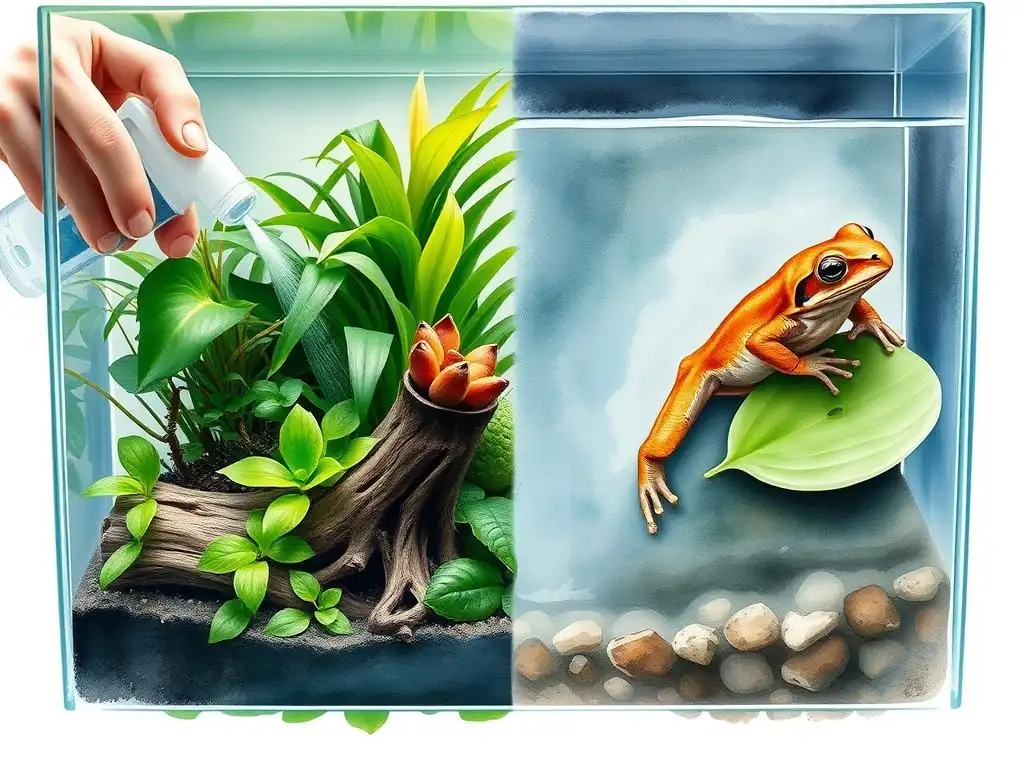
A bioactive terrarium, while self-sustaining, isn't entirely maintenance-free. Several issues can arise, requiring prompt attention to prevent larger problems. One common problem is odor. A foul smell often indicates a buildup of waste products, suggesting an imbalance in the cleaning crew.
This might require increasing the number of cleanup crew members like isopods or springtails, or ensuring adequate ventilation within the terrarium. Insufficient ventilation can also lead to high humidity, potentially causing mold growth and impacting the health of your reptile. Regularly monitor humidity levels using a reliable hygrometer and adjust ventilation as needed. You might need to increase airflow by adding small fans or adjusting the lid’s ventilation openings.
Another potential issue is pest infestations. While the cleanup crew helps maintain cleanliness, other unwanted insects or mites can sometimes appear. Regular visual inspections are crucial. If you spot an infestation, carefully identify the pest and research appropriate, safe treatment methods. Avoid using harsh chemicals that could harm your reptile or the beneficial organisms in your bioactive terrarium. Consider using natural pest control methods first, such as introducing beneficial nematodes or adjusting the terrarium's environment to make it less hospitable to pests.
Finally, plant health is a critical aspect to monitor. Yellowing leaves or wilting plants might indicate insufficient light, improper watering, or nutrient deficiencies. Ensure your plants receive adequate light, adjust watering schedules based on the plants' needs and the terrarium's humidity, and consider supplementing with appropriate fertilizers designed for terrarium plants. Remember to always research the specific needs of the plants you choose for your bioactive terrarium to ensure their long-term health and contribution to the ecosystem. Addressing these issues promptly maintains the health and balance of your bioactive terrarium, ensuring a thriving environment for your reptile.
Replanting and Substrate Replacement: Maintaining a Healthy Environment
Over time, the substrate in your bioactive terrarium will compact, decompose, and lose its ability to support plant growth and the beneficial microbes. This necessitates periodic replanting and substrate replacement. The frequency depends on factors like the type of substrate used, the size of the terrarium, and the number of plants. However, a general guideline is to replace a portion of the substrate annually, and to completely replace it every 2-3 years.
Before starting, carefully remove your reptile and any plants. Gently remove the old substrate, taking care to avoid damaging the beneficial microfauna. You can separate the old substrate and try to salvage some of the beneficial organisms for reintroduction to the new substrate.
When selecting a new substrate, consider the needs of your plants and your reptile. Some popular choices include a mix of topsoil, coco coir, and activated charcoal. Always research the specific requirements of your reptile species to ensure the substrate is safe and appropriate. After adding the fresh substrate, carefully replant your existing plants. If you're adding new plants, ensure they are suitable for a bioactive environment and won't outgrow the terrarium quickly. Remember to reintroduce a portion of the old substrate if possible to help reestablish the beneficial microbial community. This process ensures the long-term health of your bioactive terrarium, maintaining a thriving ecosystem for years to come. Properly managing substrate replacement is a key component of maintaining a healthy and aesthetically pleasing bioactive terrarium setup. Don't forget to monitor the environment closely after replanting and replacing the substrate to ensure all organisms are adapting well to the changes.
Advanced Bioactive Terrarium Techniques: Optimizing Your Setup
This section delves into advanced techniques to elevate your bioactive terrarium from a functional setup to a thriving, self-regulating ecosystem. We'll explore methods to fine-tune humidity and ventilation, manage your cleanup crew effectively, and create a visually stunning and biologically sound landscape. Mastering these techniques is crucial for long-term success in maintaining a healthy and aesthetically pleasing bioactive terrarium – a true testament to your commitment to responsible reptile keeping. This guide will help you achieve a truly flourishing bioactive terrarium setup.
Enhancing Humidity and Ventilation in Your Bioactive Terrarium
Maintaining optimal humidity and ventilation is paramount in a bioactive terrarium. Inadequate ventilation can lead to mold growth and stagnant air, while insufficient humidity can negatively impact your reptile's health and the thriving of the beneficial microorganisms. The ideal balance is crucial for a self-sustaining environment.
Finding this balance often involves experimentation. Different species have different humidity requirements. For example, a Dendrobates tinctorius (a type of poison dart frog) requires significantly higher humidity than a Pogona vitticeps (bearded dragon).
Several techniques can help you achieve this balance:
- Strategic Placement of Ventilation: Avoid placing vents directly above the substrate, as this can lead to excessive drying. Instead, consider side or top vents with adjustable covers to control airflow.
- Substrate Choice: Different substrates retain varying levels of moisture. A mix of coco coir, sphagnum moss, and leaf litter offers good moisture retention while allowing for sufficient drainage. Experiment to find the right blend for your specific needs.
- Humidity Monitoring: Regularly monitor humidity levels using a reliable digital hygrometer. Aim for the specific range recommended for your reptile species. Adjust ventilation or misting frequency as needed to maintain the optimal range.
- Misting Systems: Automated misting systems provide consistent humidity levels, particularly beneficial for species requiring high humidity. Consider the frequency and duration of misting cycles based on your specific setup and reptile needs. Over-misting can lead to problems, so careful monitoring is essential.
- Water Features: Small water features, such as a shallow water dish or a small waterfall, can contribute to humidity and provide a drinking source for your cleanup crew.
Remember, consistent monitoring and adjustment are key to maintaining a balanced humidity level. Don't be afraid to experiment and fine-tune your approach to suit the specific needs of your bioactive terrarium.
Advanced Cleanup Crew Management for a Balanced Ecosystem
The success of a bioactive terrarium hinges on a well-managed cleanup crew. This isn't just about waste removal; it's about maintaining a balanced ecosystem. A diverse and thriving cleanup crew will help prevent the buildup of harmful bacteria and fungi, keeping your terrarium clean and healthy.
The composition of your cleanup crew should be tailored to the size and type of terrarium, as well as the waste production of your reptile. A larger terrarium with a larger reptile will require a more robust cleanup crew.
Here are some advanced considerations for cleanup crew management:
- Species Diversity: A diverse cleanup crew is more resilient and efficient. Consider including a variety of species such as springtails, isopods, and millipedes. Each species plays a unique role in the decomposition process.
- Population Control: Monitor the population of your cleanup crew regularly. Overpopulation can lead to resource depletion and competition. Adjust the number of individuals as needed to maintain a balanced ecosystem.
- Feeding Supplements: Supplementing your cleanup crew's diet with additional organic matter can encourage their growth and activity. Consider adding small amounts of decaying leaves, fruits, or vegetables.
- Quarantine New Arrivals: Always quarantine new cleanup crew members before introducing them to your established terrarium to prevent the introduction of parasites or diseases.
- Identifying Potential Problems: Learn to recognize signs of an unbalanced cleanup crew, such as a buildup of waste or a decline in the population of a particular species. Address these issues promptly to prevent larger problems.
Creating a Realistic Terrarium Landscape: Aesthetic and Functional Design
The aesthetic appeal of your bioactive terrarium is as important as its functionality. A visually engaging landscape not only enhances the enjoyment of your setup, but it also provides enrichment for your reptile. Creating a realistic and functional landscape requires careful planning and attention to detail.
Consider these points when designing your terrarium's landscape:
- Substrate Depth: Sufficient substrate depth is crucial for a thriving cleanup crew and proper drainage. At least 4 inches is generally recommended, but deeper substrates might be necessary depending on the size of the terrarium and the species of reptile.
- Plants: Select plants that are appropriate for the humidity and temperature conditions of your terrarium. Consider a variety of plants with different textures, sizes, and colors to create a visually appealing and diverse ecosystem. Include plants that offer hiding places and climbing opportunities for your reptile.
- Hardscape: Incorporate hardscape elements, such as rocks, wood, and cork bark, to create a natural and visually interesting environment. These elements can also provide additional hiding places and climbing opportunities.
- Backgrounds: Using a 3D background can add depth and realism to your terrarium. Consider using natural materials or commercially available backgrounds.
- Water Features: Integrating a water feature, like a small pond or waterfall, not only enhances humidity but also adds a dynamic element to the landscape.
Remember, the design of your bioactive terrarium should reflect the natural habitat of your reptile, providing a stimulating and enriching environment. A well-designed landscape will contribute significantly to the overall health and well-being of your reptile and the success of your bioactive terrarium. This attention to detail will make your bioactive terrarium setup guide a success.
Bioactive Terrarium Lighting and Heating: Essential Considerations
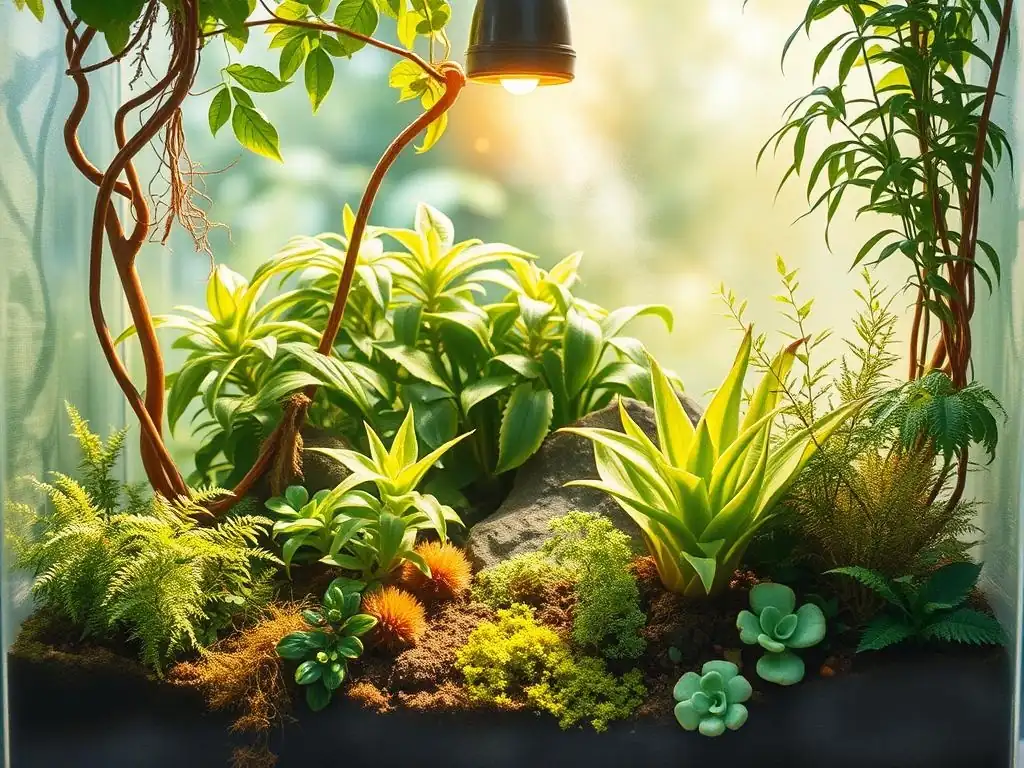
Providing the correct lighting and heating is crucial for a thriving bioactive terrarium and the well-being of its inhabitants. A successful bioactive terrarium setup guide must address this aspect thoroughly. Insufficient or incorrect lighting can lead to metabolic bone disease in reptiles, while improper heating can disrupt the delicate balance of the ecosystem.
The type of lighting required depends entirely on the species housed within the terrarium. For example, diurnal reptiles like leopard geckos need UVB lighting to aid in calcium absorption and overall health. The UVB bulb should be of the appropriate strength and positioned correctly to ensure proper irradiation. Many pet owners underestimate the importance of replacing UVB bulbs regularly, as their effectiveness diminishes over time. It is recommended to replace UVB bulbs every 6-12 months, depending on the manufacturer's recommendations and the observed intensity. Failure to do so can lead to health problems for your reptile.
Heating is equally critical. The temperature gradient within the terrarium is vital, providing basking spots for thermoregulation and cooler areas for retreat. This gradient can be achieved using a combination of heat mats, heat lamps, or ceramic heat emitters. The specific method and the desired temperature range will depend on the species housed. For instance, a desert species will require significantly higher temperatures than a species from a tropical rainforest environment.
Using a reliable thermometer with a probe placed inside the terrarium is essential to monitor temperatures accurately and adjust heating accordingly. Remember, consistent monitoring is key to preventing thermal stress or overheating. Furthermore, understanding the specific needs of your chosen reptile species is paramount when designing your bioactive terrarium lighting and heating system. Consulting with a herpetologist or experienced reptile keeper can provide invaluable advice.
Long-Term Maintenance of your Bioactive Terrarium
Maintaining a bioactive terrarium is an ongoing commitment, but the rewards of a self-sustaining ecosystem far outweigh the effort. A comprehensive bioactive terrarium setup guide must emphasize the importance of consistent monitoring and proactive care. Long-term success hinges on understanding the delicate balance within the system and responding appropriately to any changes.
Regular cleaning is essential, but it should be minimal and focused on removing only waste products. Avoid over-cleaning, which can disrupt the beneficial bacterial colonies crucial for decomposition. Spot cleaning of fecal matter and uneaten food is sufficient in most cases. Larger cleanings, involving partial substrate replacement, should be performed only as needed, typically every 6-12 months or when a significant build-up of waste is observed. Always use appropriate cleaning tools and avoid harsh chemicals that could harm the beneficial bacteria and the terrarium's inhabitants.
Monitoring the plant life is another crucial aspect of long-term maintenance. Regularly inspect plants for signs of disease or pest infestations. Replanting or trimming as needed will help maintain a healthy and aesthetically pleasing environment. Consider the growth rate of your chosen plants when initially setting up the terrarium to avoid overcrowding. A well-maintained bioactive terrarium should require minimal intervention, with the cleaning crew (isopods, springtails, etc.)
efficiently managing waste. However, periodic checks for any imbalances, such as a sudden decrease in the cleaning crew population or an excessive build-up of waste, are essential for early intervention. Addressing such issues promptly can prevent major problems and ensure the long-term health and stability of your bioactive terrarium. Remember, proactive monitoring and careful maintenance are the keys to a thriving and self-sustaining bioactive ecosystem.
Troubleshooting Common Bioactive Terrarium Issues
Maintaining a thriving bioactive terrarium requires careful attention to detail. Even with meticulous setup, problems can arise. This section addresses common issues and provides practical solutions to keep your bioactive ecosystem balanced and healthy, contributing to a successful bioactive terrarium setup guide. Understanding these potential problems is crucial for long-term success in bioactive terrarium keeping. Proactive monitoring and swift intervention are key to preventing minor issues from escalating into major problems.
Dealing with Mold and Mildew in Your Bioactive Environment
Mold and mildew are unwelcome guests in any bioactive terrarium. Their presence indicates an imbalance of moisture and potentially poor ventilation. The appearance of fuzzy, often dark-colored growths on substrate or decorations is a clear sign. Several factors contribute to mold and mildew growth:
- Excessive Moisture: Overwatering is a primary culprit. Ensure your drainage layer is functioning correctly and avoid overly frequent misting. Observe the substrate's moisture level; it should be damp, not soggy.
- Poor Ventilation: Inadequate airflow traps moisture, creating a breeding ground for fungi. Ensure proper ventilation with appropriate vents or fans.
- Contaminated Substrate: Using contaminated substrate can introduce mold spores from the outset. Always source your substrate from reputable suppliers and consider sterilizing it before use.
Addressing the Problem:
- Identify and Remove: Carefully remove any visible mold or mildew using a clean, dry brush or paper towel. Avoid using harsh chemicals that could harm your terrarium's inhabitants.
- Improve Ventilation: Check and adjust ventilation to ensure adequate airflow. You might need to add more vents or adjust existing ones.
- Adjust Watering: Reduce watering frequency and amount. Monitor the substrate's moisture level closely.
- Replace Substrate (if necessary): If the infestation is severe or recurring, replacing the substrate might be necessary. Thoroughly clean the terrarium before adding new, sterilized substrate.
- Prevention: Regular monitoring is key. Check your terrarium frequently for signs of mold or mildew, addressing any issues promptly. Consider using a dehumidifier in particularly humid environments.
Addressing Pest Infestations in Your Bioactive Terrarium
While a bioactive terrarium is designed to support beneficial organisms, unwelcome pests can sometimes appear. These can include springtails, mites, fungus gnats, or even fruit flies, threatening the delicate balance of your ecosystem. Early detection and swift action are crucial to prevent infestations from spreading.
Common Pest Sources:
- Contaminated Substrate: As with mold, contaminated substrate can introduce pests.
- Infected Plants: Introducing plants with hidden pests can quickly lead to a widespread infestation.
- Improper Hygiene: Poor hygiene practices, such as infrequent cleaning, can provide breeding grounds for pests.
Pest Control Strategies:
- Identification: Proper identification of the pest is the first step. This helps determine the most effective control method.
- Natural Predators: Introducing natural predators, such as certain species of mites, can help control pest populations. Research carefully to ensure compatibility with your terrarium's inhabitants.
- Targeted Treatments: For severe infestations, targeted treatments might be necessary. These should be chosen carefully to minimize harm to your terrarium's inhabitants and beneficial organisms. Always research the safety and effectiveness of any treatment before use. Some options include insecticidal soaps or neem oil, but use with caution and always follow the instructions carefully.
- Prevention: Quarantine new plants before introducing them to the terrarium. Maintain good hygiene and regularly inspect your terrarium for signs of pests.
Managing Excess Moisture or Dryness in Your Bioactive Setup
Maintaining the correct moisture level is paramount for a healthy bioactive terrarium. Both excess moisture and dryness can negatively impact the plants, the cleanup crew, and your reptile. The ideal moisture level depends on the specific species inhabiting your terrarium.
Signs of Excess Moisture:
- Soggy substrate
- Condensation on the glass
- Mold and mildew growth
- Lethargy or illness in terrarium inhabitants
Signs of Dryness:
- Dry, brittle substrate
- Wilting plants
- Stress in terrarium inhabitants
Moisture Control Techniques:
- Watering: Adjust your watering schedule based on the substrate's moisture level. Use a moisture meter to gauge the substrate's dampness.
- Ventilation: Proper ventilation helps regulate moisture levels. Ensure adequate airflow to prevent excessive humidity.
- Drainage Layer: A well-functioning drainage layer is essential for preventing waterlogging.
- Misting: Misting can help increase humidity, but avoid over-misting.
- Substrate Choice: Choose a substrate that retains the appropriate amount of moisture for your terrarium's inhabitants.
Remember, consistent monitoring and adjustments are key to maintaining the ideal moisture balance in your bioactive terrarium. Regular observation and timely interventions will help prevent problems and ensure a thriving ecosystem. This attention to detail is a vital part of any successful bioactive terrarium setup guide.
Signs of an Unhealthy Bioactive Terrarium and How to Address Them
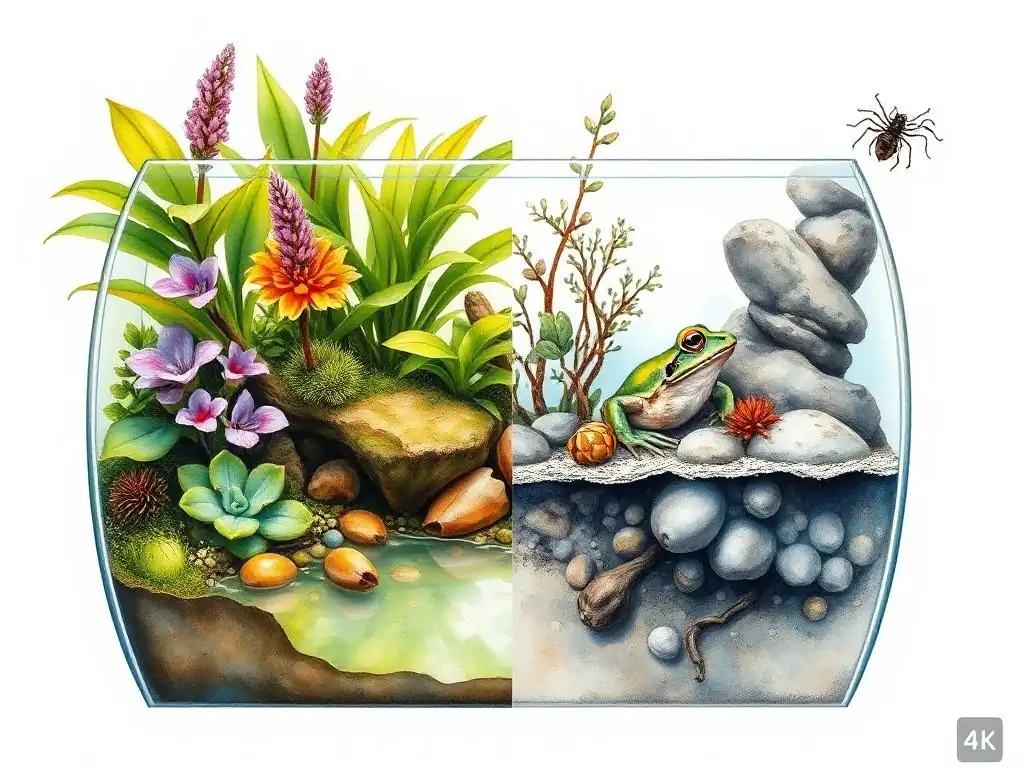
An unhealthy bioactive terrarium often displays several telltale signs. One of the most obvious is an unpleasant odor. A healthy terrarium should smell earthy and slightly damp, not foul or pungent. A strong ammonia smell, for example, indicates a buildup of waste products and an urgent need for intervention.
This often stems from an overpopulation of cleanup crew, insufficient substrate depth, or inadequate ventilation. Addressing this requires immediate action: increasing ventilation, potentially reducing the number of cleanup crew members, and ensuring proper substrate depth for efficient waste breakdown. Regular substrate checks are crucial; if you notice a significant accumulation of waste in one area, it might indicate a need for spot cleaning or a redistribution of the cleanup crew.
Another warning sign is the presence of mold or fungus. While some minor fungal growth might be natural, excessive mold indicates a problem with humidity levels, substrate quality, or insufficient ventilation. This necessitates immediate attention to improve ventilation, possibly reducing humidity, and ensuring the substrate is appropriate for the terrarium's inhabitants. In severe cases, replacing sections or all of the substrate might be necessary. Remember, prevention is key; maintaining proper humidity levels and good ventilation goes a long way in preventing mold growth. Regular observation is vital for early detection.
Finally, a lack of thriving plant life is another critical indicator. Wilting or dying plants, despite adequate watering, suggest issues with substrate health, nutrient levels, or the balance of the ecosystem. This could mean the cleanup crew isn't managing waste efficiently, or there's a deficiency in the substrate's nutrient content.
Testing the substrate's pH and nutrient levels might be necessary, and adjustments to the cleanup crew population or the addition of organic matter could be beneficial. Observe plant growth carefully; if you notice a consistent decline, it’s a clear sign that your bioactive terrarium needs attention. Providing adequate lighting is also crucial for healthy plant growth.
Maintaining the Health of Your Cleanup Crew: Early Detection of Problems
The success of a bioactive terrarium hinges heavily on the health of its cleanup crew. Early detection of problems is crucial to prevent cascading issues within the entire ecosystem. One key indicator is a noticeable decrease in the cleanup crew population.
If you observe a significant drop in the number of isopods, springtails, or other beneficial invertebrates, it suggests a problem. Possible causes include the introduction of pesticides, a sudden change in environmental conditions (like temperature or humidity fluctuations), or the presence of parasites or diseases. Investigate carefully: check for any unusual substances in the terrarium, monitor temperature and humidity levels, and closely examine the remaining cleanup crew for signs of illness or infestation.
Another warning sign is changes in the cleanup crew's behavior. If they appear lethargic, less active, or congregated in unusual areas, it could signal distress. This might be due to a lack of food sources, unfavorable environmental conditions, or the presence of predators (even unintended ones like mites). Examine the terrarium carefully for any such issues. Insufficient food sources might require supplementing with additional organic matter, while environmental issues might need adjustments to temperature, humidity, or ventilation. A careful observation of their behavior patterns can offer crucial insights into potential problems.
Finally, the appearance of the cleanup crew themselves is a valuable indicator. Look for any signs of disease or injury, such as unusual discoloration, deformities, or unusual markings. If you notice such symptoms, it's advisable to isolate affected individuals and carefully monitor the rest of the population. Consider consulting with a reptile specialist or an expert in invertebrate care for appropriate treatment or advice. Regular monitoring is essential to ensure the long-term health and success of your bioactive terrarium ecosystem. Remember, a healthy cleanup crew is the backbone of a thriving bioactive environment.
Resources for Bioactive Terrarium Enthusiasts
This section provides invaluable resources to help you on your bioactive terrarium journey. Whether you're a beginner setting up your first bioactive enclosure or a seasoned keeper looking to expand your knowledge, these resources will prove indispensable. We'll cover trusted suppliers, vibrant online communities, and informative reading material to support your bioactive terrarium setup guide.
Recommended Suppliers for Bioactive Terrarium Supplies
Choosing the right supplier is crucial for a successful bioactive terrarium. Reputable suppliers offer high-quality materials, ensuring the health and well-being of your terrarium's inhabitants and the overall ecosystem. Look for suppliers who prioritize sustainability and ethical sourcing.
Here's a breakdown of what to look for in a quality supplier:
- Wide Selection: A good supplier will offer a diverse range of products, including substrate blends (e.g., topsoil, coco coir, leaf litter), plants suitable for bioactive environments (avoiding toxic species! ), drainage layers, decorations (like rocks and wood), and appropriate equipment (like misting systems and thermometers).
- Detailed Product Information: Reliable suppliers provide thorough descriptions of their products, including their composition, origin, and suitability for bioactive terrariums. This transparency helps you make informed decisions based on your specific needs.
- Excellent Customer Service: A responsive and helpful customer service team can address your questions and concerns, guiding you through the selection process and ensuring you receive the right products for your setup.
- Positive Reviews and Reputation: Check online reviews and testimonials to gauge the supplier's reliability and the quality of their products. Look for consistent positive feedback regarding product quality, shipping, and customer service.
Finding a reliable supplier will significantly contribute to the success of your bioactive terrarium setup guide, ensuring you start with the best possible materials.
Online Communities and Forums for Bioactive Terrarium Keepers
Connecting with other bioactive terrarium enthusiasts is a fantastic way to learn, share experiences, and troubleshoot any problems you might encounter. These online communities offer a wealth of collective knowledge and support.
Here are some benefits of joining these communities:
- Access to Expert Advice: Experienced keepers often share their insights and tips, helping you avoid common mistakes and optimize your terrarium's ecosystem. You can ask questions and receive personalized advice tailored to your specific setup.
- Problem-Solving Support: When challenges arise (e.g., pest infestations, plant diseases), you can leverage the collective knowledge of the community to find effective solutions. Many experienced keepers have faced similar issues and can offer practical advice.
- Inspiration and Ideas: Seeing the diverse setups and creative approaches of other keepers can inspire you to refine your own terrarium and explore new possibilities. You'll discover new plant combinations, substrate blends, and decorative elements.
- Building a Network: Connecting with like-minded individuals fosters a sense of community and provides opportunities to share your passion for bioactive terrariums.
Remember to actively participate in these communities by sharing your own experiences and contributing to the collective knowledge base. This reciprocal engagement enriches the community and helps everyone learn and grow.
Books and Articles on Bioactive Terrarium Maintenance
While online resources are readily available, dedicated books and articles provide a more structured and in-depth understanding of bioactive terrarium maintenance. These resources often delve into the scientific principles behind bioactive systems, offering a deeper understanding of the complex interactions within your terrarium.
Consider looking for materials that cover:
- Substrate Selection and Preparation: Understanding the different types of substrate, their properties, and how to prepare them correctly is fundamental to a successful bioactive setup.
- Plant Selection and Care: Choosing appropriate plants that thrive in a bioactive environment and providing proper care is crucial for maintaining a balanced ecosystem.
- Cleanup Crew Selection and Management: Understanding the roles of different cleanup crews (e.g., isopods, springtails) and managing their populations is essential for waste decomposition and nutrient cycling.
- Troubleshooting Common Problems: Reliable resources should address common issues such as pest infestations, mold growth, and maintaining humidity and temperature levels.
By combining the knowledge gained from these diverse resources with your own observations and experimentation, you'll be well-equipped to create and maintain a thriving bioactive terrarium for years to come. This comprehensive approach to your bioactive terrarium setup guide ensures a successful and enriching experience.
Frequently Asked Questions
What is a bioactive terrarium?
A bioactive terrarium is a self-sustaining ecosystem mimicking a natural habitat. It includes live plants, beneficial bacteria and invertebrates that break down waste, reducing the need for frequent cleaning. This creates a healthier and more enriching environment for your pet.
Why should I choose a bioactive terrarium setup?
A bioactive setup offers a more natural and enriching environment for your pet, promoting their physical and mental well-being. It also significantly reduces maintenance compared to traditional terrariums, as the system cleans itself.
What animals are suitable for bioactive terrariums?
Many reptiles and amphibians thrive in bioactive terrariums, including geckos, frogs, and some snakes. The specific species will depend on the terrarium's size and climate control capabilities. Research your pet's specific needs before setting up a bioactive terrarium.
What are the essential components of a bioactive terrarium?
Essential components include a suitable substrate, live plants, beneficial cleanup crew (isopods, springtails), and a drainage layer. You'll also need appropriate lighting, heating, and humidity control to match your pet's needs.
How difficult is it to maintain a bioactive terrarium?
While initial setup requires some effort, ongoing maintenance is relatively low. The self-cleaning nature of the system minimizes the need for frequent cleaning. However, regular monitoring of humidity, temperature, and the cleanup crew is still essential.
Final Reflection: Cultivating Thriving Ecosystems, One Terrarium at a Time
The meticulous art of bioactive terrarium creation isn't just a hobby; it's a microcosm reflecting the delicate balance of our planet's ecosystems. Understanding these intricate relationships, from the symbiotic interplay of plants and clean-up crews to the crucial role of humidity and substrate, is more relevant than ever in a world facing environmental challenges. Creating a thriving bioactive terrarium is a powerful statement about our responsibility to nurture and protect the natural world.
The journey of building and maintaining a bioactive terrarium is a deeply rewarding one. It's a constant learning process, demanding patience, observation, and a genuine appreciation for the interconnectedness of life. The earth provides enough to satisfy every man's needs but not every man's greed.
- Mahatma Gandhi. This quote resonates deeply with the principles of bioactive terrariums; a sustainable, self-regulating system is possible, but only with mindful management and respect for its delicate balance. The success of a bioactive terrarium mirrors our own ability to live sustainably within the larger ecosystem of our planet.
Now, consider your own role in this delicate balance. Will you embrace the challenge of creating a thriving miniature ecosystem? Will you apply the principles of careful observation, sustainable practices, and mindful intervention learned here to other aspects of your life? The knowledge gained from building a bioactive terrarium extends far beyond the glass walls; it's a powerful metaphor for the responsibility we all share in nurturing the health and beauty of our world. Let your terrarium be a testament to your commitment to a more sustainable and harmonious future.
Unleash Your Inner Terrarium Architect!
Thanks for exploring the fascinating world of bioactive terrariums! You now have the knowledge to create a thriving environment for your pet. Ready to put your expertise to the test?
- Design your dream bioactive terrarium: Begin by sketching your ideal terrarium, considering the specific needs of your chosen animal and plants. Let your creativity flourish!
- Share your terrarium journey: Post a picture of your progress (or your finished masterpiece!) on social media and tag us @PetCareWorld – we'd love to see it!
- Refine your bioactive techniques: Research different substrate blends and plant selections to fine-tune your terrarium's microclimate. Experiment with unusual plants or explore various humidity control methods.
What exciting addition will you make to your bioactive terrarium next? Let us know in the comments below!