
Bird Cage Stand Safety: Ensuring Stability and Preventing Falls

Welcome to PetCareWorld, your ultimate guide to happy and healthy pets! Are you ready to ensure the safety and well-being of your feathered friend? Then discover the crucial information you need on safe bird cage stand choices. Learn how to select the perfect stand to prevent accidents and keep your bird secure – because their safety is our priority. Explore our expert advice and make informed decisions to create a thriving and safe environment for your beloved companion. Let's dive into the world of responsible bird ownership!
- Choosing a Safe Bird Cage Stand: A Comprehensive Guide
- Safe Bird Cage Stand Choices: Material Considerations
- Preventing Bird Cage Stand Accidents: Practical Tips
- Maintaining Bird Cage Stand Safety: Long-Term Strategies
- Common Mistakes to Avoid When Choosing a Bird Cage Stand
-
Frequently Asked Questions
- What are the most important safety features to consider when choosing a bird cage stand?
- How do I ensure my bird cage stand is the right height for my bird?
- What materials are best for a safe and durable bird cage stand?
- Are there any specific dangers I should be aware of when using a bird cage stand?
- My bird keeps trying to climb the legs of the stand – how can I prevent this?
- Final Reflection: The Enduring Importance of Bird Cage Safety
- Unlock Your Bird's Safe Flight: Secure Their Stand Today!
Choosing a Safe Bird Cage Stand: A Comprehensive Guide
Owning a bird brings immense joy, but responsible ownership includes ensuring their safety and well-being. A seemingly insignificant detail like the bird cage stand can significantly impact your feathered friend's security. This comprehensive guide delves into the crucial aspects of selecting a safe bird cage stand, focusing on stability and fall prevention.
We'll explore the potential dangers of unstable stands, the importance of considering weight capacity and materials, and how to choose the optimal stand height for both your bird and its cage. Choosing the right stand isn't just about aesthetics; it's a critical step in creating a secure and enriching environment for your beloved avian companion. Understanding the factors involved in selecting a safe bird cage stand is paramount for preventing accidents and ensuring your bird's safety.
This guide will empower you to make informed decisions, ultimately contributing to a happier and healthier life for your pet. Making safe bird cage stand choices is crucial for responsible bird ownership.
Understanding the Risks of Unstable Bird Cage Stands
An unstable bird cage stand presents several significant risks to your bird's safety and well-being. The most obvious danger is the risk of the cage tipping over, which can lead to serious injuries for your bird. Falls from even moderate heights can cause broken bones, internal injuries, and even death. Furthermore, an unstable stand can also create a stressful environment for your bird.
Constant wobbling or swaying can cause anxiety and fear, impacting their overall health and behavior. Consider the potential for damage to the cage itself; a fall could damage the cage bars, creating escape routes or injuring your bird in the process. Finally, an unstable stand can also pose a hazard to you, as you might accidentally knock it over while cleaning or interacting with your bird.
Therefore, choosing a sturdy and stable stand is not merely a matter of convenience; it's a vital aspect of responsible bird ownership. Prioritizing a stable stand dramatically reduces the risk of accidents and contributes significantly to your bird's safety and peace of mind. 🐦
Evaluating Stand Stability: Weight Capacity and Materials
Selecting a safe bird cage stand requires careful consideration of its weight capacity and the materials used in its construction. The stand must be able to comfortably support the combined weight of the cage, its contents (food, water, toys), and your bird. Always check the manufacturer's specifications for the maximum weight capacity and ensure it exceeds the total weight. Avoid stands that are flimsy or feel unstable even when empty.
The materials used play a crucial role in stability. Sturdy materials like heavy-duty metal, solid wood, or high-quality composite materials are generally safer than lighter, less durable options. Look for stands with a wide base for increased stability. A wider base provides a larger surface area, improving balance and reducing the likelihood of tipping.
Furthermore, consider the stand's height; taller stands may be less stable than shorter ones, especially if they have a narrow base. Finally, inspect the stand for any signs of damage or wear before purchasing or using it. A damaged stand is significantly more likely to fail and cause an accident. Careful evaluation of weight capacity and materials is essential for selecting a safe and reliable bird cage stand.
Selecting the Right Stand Height for Your Bird and Cage
The height of the bird cage stand is another critical factor to consider for your bird's safety and well-being. An improperly chosen height can impact your bird's comfort and increase the risk of falls. A stand that is too low might restrict your bird's movement and limit its interaction with its environment.
Conversely, a stand that is too high can make it difficult for you to interact with your bird and can increase the risk of the cage tipping over, especially if the stand is not sufficiently sturdy. The ideal height allows for easy access for both you and your bird, while ensuring the cage is stable and secure. Consider the size and weight of your bird and cage when selecting a stand.
Larger birds and heavier cages require sturdier stands with a lower center of gravity for optimal stability. Ensure the stand is appropriate for the size and weight of your setup to minimize the risk of accidents. The right height promotes a safe and comfortable environment for your bird, enhancing its overall well-being.
Stand Base Considerations: Size, Shape, and Non-Slip Features
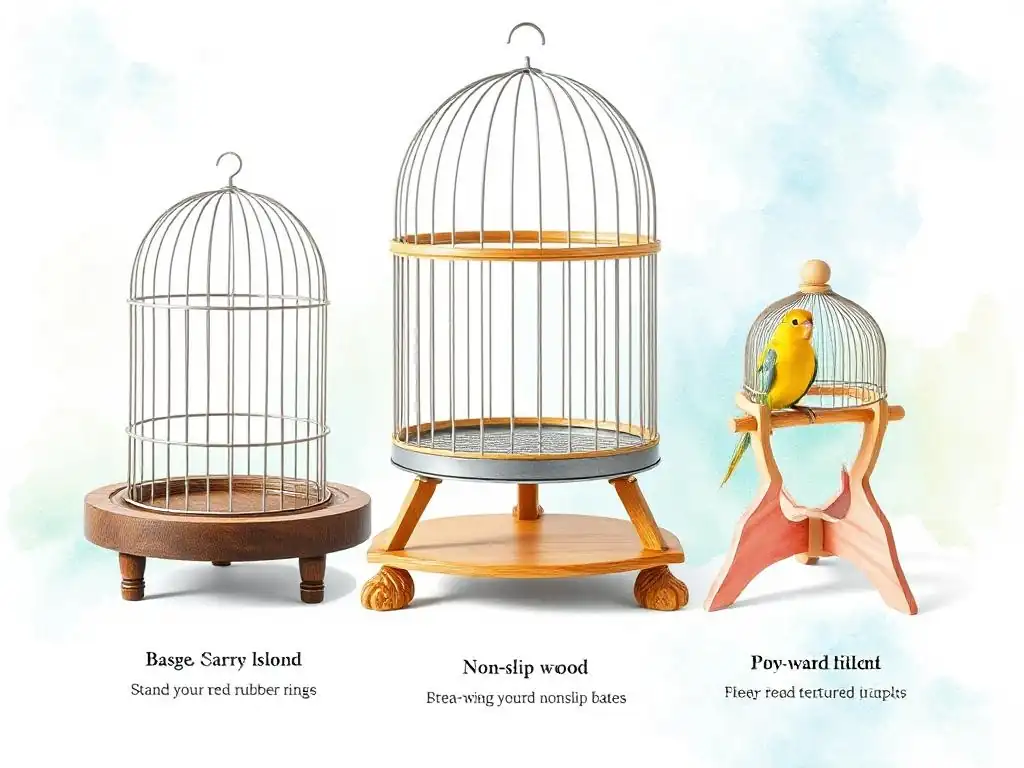
Choosing the right stand base is crucial for a safe and stable bird cage setup. The base's size and shape directly impact stability. A larger base provides a wider footprint, significantly reducing the risk of tipping, especially with heavier cages or more active birds.
Consider the weight and dimensions of your bird cage; the stand's base should be proportionally larger to ensure adequate support. For example, a large macaw cage requires a substantially larger and heavier base than a small finch cage. A square or rectangular base generally offers superior stability compared to a circular or triangular one, as it distributes weight more evenly.
Furthermore, the material and design of the base play a vital role in preventing accidents. Non-slip features are essential; look for stands with rubber feet, textured surfaces, or other anti-slip mechanisms. These features prevent the stand from sliding on smooth floors, particularly hardwood or tile, which significantly reduces the risk of the cage tipping over. Some high-quality stands even incorporate weighted bases for added stability.
Avoid stands with small, flimsy bases or those made from materials that are easily scratched or damaged, as these compromise the stand's overall structural integrity. Always check the weight capacity of the stand before purchasing to ensure it can safely support your bird cage and its contents. Remember, a sturdy base is the cornerstone of a safe bird cage stand. Investing in a high-quality, well-designed base is an investment in your bird's safety.
Secure Mounting and Assembly: Preventing Wobbles and Tilts
Once you've selected a stand with a suitable base, proper assembly and mounting are equally important for ensuring stability. Carefully follow the manufacturer's instructions, paying close attention to each step. Many stands require specific assembly sequences to guarantee structural integrity. Skipping steps or rushing the process can lead to weak points or wobbly areas, increasing the chances of the cage tipping. Use all the provided hardware; don't substitute parts or use makeshift solutions. Using incorrect screws or bolts can weaken the connections and compromise the stand's overall stability.
Furthermore, inspect the assembled stand thoroughly before placing your bird cage on it. Check for any wobbles or loose parts. If any instability is detected, immediately rectify the issue before proceeding. Tighten any loose screws or bolts, and if necessary, consult the manufacturer's instructions or seek assistance from a qualified technician. Avoid using the stand if you're unsure about its stability or if any parts appear damaged.
For stands with adjustable height, make sure the adjustment mechanism is secure and properly locked before placing the cage. A poorly adjusted stand can easily become unstable, potentially leading to a dangerous fall. Remember, a few minutes spent ensuring secure mounting and assembly can save you from a potentially disastrous accident. Prioritizing safety during the assembly process is crucial for safe "safe bird cage stand choices".
Safe Bird Cage Stand Choices: Material Considerations
Choosing the right bird cage stand is crucial for your feathered friend's safety and well-being. A wobbly or unstable stand can lead to accidents, potentially causing injury to your bird or damage to your home. This section focuses on evaluating the safety and suitability of different materials commonly used in bird cage stands, helping you make informed "safe bird cage stand choices". Consider the pros, cons, and specific safety precautions associated with each material type to ensure your bird's environment is secure and enriching.
Wood Stands: Pros, Cons, and Safety Precautions
Wood stands offer a natural aesthetic appeal and can add warmth to a room. However, they present unique safety considerations.
Pros:
- Aesthetically pleasing: Wood often complements various home décor styles.
- Potentially quieter: Wood tends to dampen the vibrations from a bird's activity more effectively than metal.
- Easy to customize: You can often stain, paint, or add decorative elements to a wooden stand.
Cons:
- Susceptibility to chewing: Birds, especially those prone to chewing, can damage wooden stands, potentially ingesting splinters or paint chips. This poses a significant health risk.
- Durability concerns: Wood can be less durable than metal, especially with constant weight and potential moisture exposure. It may warp, crack, or become unstable over time.
- Weight capacity limitations: Some wooden stands may not support heavier cages, leading to instability.
Safety Precautions:
- Choose hardwoods known for their strength and durability, such as oak or maple. Avoid softwoods like pine.
- Ensure the wood is treated with non-toxic, bird-safe finishes. Always verify the product's safety for birds before purchasing.
- Regularly inspect the stand for signs of damage, such as cracks, splinters, or loose screws. Replace or repair damaged stands immediately.
- Consider adding rubber feet or non-slip pads to improve stability on various floor surfaces. This is especially important on smooth floors.
- Select a stand with a wide, sturdy base appropriate for the weight of the cage and its contents.
Metal Stands: Durability, Stability, and Potential Hazards
Metal stands, often made of steel or iron, are known for their durability and stability. However, they also present potential hazards if not chosen carefully.
Pros:
- High durability: Metal stands are generally robust and can withstand significant weight.
- Excellent stability: A well-designed metal stand provides a secure and stable base for a bird cage.
- Easy to clean: Metal stands are typically easier to clean and maintain than wooden counterparts.
Cons:
- Potential for rust: Metal stands can rust, especially in damp environments. Rust can be harmful to birds if ingested.
- Cold to the touch: Metal conducts heat and cold, potentially making the cage environment less comfortable for your bird.
- Noise: Metal stands can amplify the sounds of the cage and your bird's activity.
Safety Precautions:
- Choose powder-coated or rust-resistant metal stands to prevent corrosion.
- Regularly inspect the stand for signs of rust or damage.
- Consider placing a protective mat or rug underneath the stand to dampen sound and provide insulation.
- Ensure the stand has a wide, sturdy base suitable for the weight of the cage.
- Avoid stands with sharp edges or points that could injure your bird.
Plastic Stands: Affordability, Maintenance, and Limitations
Plastic stands are often the most affordable option, but their durability and safety features should be carefully considered.
Pros:
- Affordability: Plastic stands are generally less expensive than wood or metal stands.
- Lightweight: They are easy to move and reposition.
- Variety of colors and designs: Plastic stands are available in various colors and styles.
Cons:
- Limited durability: Plastic stands can be prone to cracking, breaking, or warping, especially under heavy weight or with exposure to extreme temperatures.
- Chewing hazard: Some birds may chew on plastic stands, potentially ingesting harmful pieces.
- Stability concerns: Plastic stands may not offer the same level of stability as metal or wood stands, increasing the risk of tipping.
Safety Precautions:
- Choose a sturdy plastic stand with a wide, stable base. Look for reinforced construction and a high weight capacity.
- Inspect the stand regularly for cracks, breaks, or other damage. Replace damaged stands immediately.
- Avoid stands made from recycled plastic, as these may contain harmful chemicals.
- Supervise your bird closely when they are near the stand to prevent chewing. Consider using bird-safe chew toys to redirect chewing behaviors.
- Choose a non-porous material to prevent the accumulation of bacteria.
Remember, a secure and stable bird cage stand is essential for your bird's safety. Careful consideration of the material and adherence to safety precautions are vital for creating a safe and enriching environment for your feathered companion. Regular inspection and maintenance are key to preventing accidents and ensuring your bird's long-term well-being.
Multi-Tiered Stands: Benefits, Risks, and Safe Setup
Multi-tiered bird cage stands offer a visually appealing and space-saving solution for bird owners with multiple cages or larger birds requiring more vertical space. However, their added height and complexity introduce unique safety considerations that require careful attention. The benefits are undeniable: they maximize vertical space, allowing for multiple cages without cluttering the floor, and can create a more engaging environment for your feathered friend by offering different levels for exploration and perching. This can be particularly beneficial for larger parrots who appreciate a variety of heights and vantage points.
However, the increased height significantly increases the risk of tipping. A multi-tiered stand loaded with heavy cages and accessories becomes inherently unstable, especially if unevenly weighted or placed on an unstable surface. The weight distribution is crucial; a top-heavy stand is a recipe for disaster. Consider the weight capacity of each tier individually and the overall weight capacity of the entire stand.
Never exceed these limits. Furthermore, the added complexity of multiple tiers and connecting parts presents potential points of failure. Worn or damaged components can lead to collapse, posing a serious threat to both your bird and your home.
Safe setup is paramount. Begin by carefully selecting a stand with a wide, sturdy base. Look for stands with non-slip feet or rubber pads to enhance stability on various floor surfaces. Ensure that all parts are securely fastened and regularly check for any signs of wear or looseness.
Distribute the weight of the cages evenly across the tiers, avoiding placing the heaviest cages on the topmost tier. Consider using heavier stands made from robust materials like steel or hardwood to better support the weight. Position the stand away from areas with high traffic or potential hazards like open windows or electrical cords. Regularly inspect the stand for any damage and replace any worn or broken parts immediately.
Proactive maintenance is key to preventing accidents and ensuring the safety of your beloved bird. Remember, a safe and stable bird cage stand is an essential component of responsible bird ownership. Prioritizing safety ensures your bird can thrive in a secure and enriching environment.
Preventing Bird Cage Stand Accidents: Practical Tips
Accidents involving bird cages and their stands can lead to injuries for your feathered friend and damage to your home. Choosing a safe bird cage stand is crucial for your bird's well-being and peace of mind. This section focuses on practical steps you can take to minimize risks and ensure a secure environment for your avian companion. Remember, proactive measures are far better than reactive solutions when it comes to pet safety.
Let's explore some key strategies for selecting and maintaining safe bird cage stands. The proper selection and maintenance of your bird's cage stand is paramount for ensuring a safe and enriching environment for your pet. Careful consideration of various factors will contribute to the overall safety and well-being of your bird. Prioritizing "safe bird cage stand choices" is an investment in the health and happiness of your feathered friend.
Anchoring Your Bird Cage Stand to the Wall or Floor
A seemingly stable bird cage stand can become a hazard if not properly secured, especially if you have a larger, heavier bird or a particularly active one. Consider these anchoring methods to significantly reduce the risk of tipping:
- Wall Anchors: For stands that allow it, use heavy-duty wall anchors designed for the weight of the cage and its contents. Ensure the anchors are firmly embedded into a stud in the wall for maximum stability. Using drywall anchors alone is insufficient for larger cages and heavier birds. Consider the weight of the fully stocked cage – food, water, toys, and your bird – when selecting anchors.
- Floor Anchors: Some stands offer the option of securing them to the floor using bolts or straps. This is particularly beneficial if you have a particularly active bird or a stand with a wider base. Ensure the floor anchors are compatible with your flooring type (e.g., concrete, wood).
- Additional Support: Even with anchoring, consider adding extra support, such as strategically placed weight bags or heavy objects at the base of the stand. This provides an additional layer of security, preventing any potential toppling.
- Regular Checks: Regularly check the anchor points to ensure they remain secure and haven't loosened over time. Tighten or replace as needed. A loose anchor is just as dangerous as no anchor at all.
Regularly Inspecting Your Bird Cage Stand for Damage
Regular inspections are vital for identifying potential problems before they escalate into accidents. Your bird's safety depends on your vigilance.
- Visual Inspection: Conduct a thorough visual inspection of the stand at least once a month. Look for any signs of wear and tear, such as cracks, loose screws, wobbly legs, or damaged welds. Pay close attention to the areas that bear the most weight.
- Stress Testing: Gently rock the stand to check for stability. Any significant wobble indicates a problem that needs addressing. Do not put excessive pressure on the stand during this inspection.
- Material Degradation: Be aware that certain materials degrade over time. Wood can rot, metal can rust, and plastic can become brittle. Replace stands showing signs of significant degradation immediately.
- Documentation: Keep records of your inspections. This helps you track the condition of the stand over time and identify any recurring issues. Note any repairs or replacements made. This record can be valuable if you need to make an insurance claim.
Choosing a Suitable Location for Your Bird's Cage and Stand
The placement of your bird's cage is just as crucial as the stand itself. Consider these factors when choosing a location:
- Stability: Avoid placing the cage in areas prone to drafts, vibrations (like near washing machines or speakers), or excessive sunlight or heat. These factors can destabilize the stand or create an uncomfortable environment for your bird.
- Accessibility: Select a location that allows easy access for cleaning, feeding, and interacting with your bird. However, ensure the location is out of reach of children and other pets who might unintentionally cause the cage to topple.
- Safety: Keep the cage away from open windows, curtains, and other potential hazards. Avoid placing it near electrical cords or appliances that could pose a risk of electrocution or fire.
- Environmental Factors: Consider the overall environment. A stable, secure location minimizes the chance of accidents. Prioritize a location that is safe and comfortable for your bird. Remember, a safe and stable environment contributes to a happy and healthy bird. 🐦
Supervising Your Bird, Especially During Playtime
Careful supervision is paramount to preventing accidents involving your bird and its cage stand. Birds are naturally curious and active creatures, and playtime often involves exploring their surroundings with considerable enthusiasm. This inquisitiveness can lead to precarious situations if they attempt to climb or perch on unstable areas of the stand, or if they become entangled in the stand's structure. Never leave your bird unattended, especially when it's out of its cage.
Even a moment's lapse in supervision can result in a fall, potentially leading to injuries. Regularly inspect the stand for any signs of wear and tear, loose screws, or wobbly components that could compromise its stability. A proactive approach to maintenance is crucial for ensuring a safe environment for your feathered friend. Consider creating a designated playtime area that is free from hazards and provides ample space for your bird to safely explore.
This could involve a play gym attached to the cage or a supervised area on the floor with bird-safe toys. Remember, a well-supervised playtime is a safe playtime. Prioritize your bird's safety by actively engaging with them during playtime and removing any potential hazards. This attentive approach significantly reduces the risk of accidents related to the bird cage stand.
Educating Children on Safe Interactions with the Bird Cage and Stand
Children and birds can be a wonderful combination, but it's crucial to teach children the importance of safe interactions with the bird and its cage stand to prevent accidents. Young children may not always understand the fragility of birds and the potential dangers associated with unstable surfaces or sudden movements around the cage. Explain to children that the bird cage stand is not a climbing frame or a toy. Emphasize the importance of gentle handling and avoiding any actions that could destabilize the stand, such as pulling on it or leaning on it heavily.
Supervise all interactions between children and the bird cage, ensuring that children understand the need for calm and respectful behavior around the bird. Teach them to observe the bird from a safe distance, appreciating its beauty and behavior without putting the bird or the stand at risk. Regularly reinforce these safety guidelines to ensure that children understand and follow the rules. Establishing clear expectations and consistently monitoring their interactions will help create a safe and harmonious environment for both the bird and the child.
Consider using age-appropriate language and visual aids to explain the potential consequences of unsafe behavior and emphasize the importance of protecting the bird. By proactively educating children, you'll significantly reduce the risk of accidents and promote a positive relationship between children and their feathered companions. Remember, patience and consistent reinforcement are key to teaching children responsible interactions with birds and their cage stands.
Maintaining Bird Cage Stand Safety: Long-Term Strategies
This section focuses on proactive measures to ensure the longevity and safety of your bird's cage stand, going beyond the initial setup and encompassing regular maintenance and timely replacements. Choosing a safe bird cage stand is only the first step; consistent upkeep is crucial for preventing accidents and ensuring your feathered friend's well-being. We'll explore practical strategies to maintain a secure and hazard-free environment for your bird.
Regular Cleaning and Maintenance of the Stand
Regular cleaning is paramount not only for hygiene but also for identifying potential safety issues early on. A dirty or neglected stand can harbor bacteria and become structurally unsound. Depending on the material of your stand (wood, metal, etc. ), cleaning methods will vary. For example, a wooden stand might require gentle wiping with a damp cloth and a mild, pet-safe cleaner, while a metal stand could tolerate a more thorough cleaning with a disinfectant suitable for pet environments.
Remember to always check for any signs of damage or wear and tear during the cleaning process. Look for:
- Cracks or splinters in wooden stands.
- Rust or corrosion on metal stands.
- Loose screws, bolts, or other fasteners.
- Weakening or instability in the stand's structure.
Addressing these issues promptly prevents minor problems from escalating into major safety hazards. A regular cleaning schedule – perhaps once a week or bi-weekly – coupled with a careful inspection, is an effective way to ensure your bird’s cage remains securely and safely supported. This proactive approach to maintenance is key to making safe bird cage stand choices a long-term reality.
Addressing Potential Hazards: Loose Parts, Sharp Edges, and Chewing
Birds, especially those known for their chewing habits, can pose a significant risk to the structural integrity of their cage stands. Loose parts, such as screws, bolts, or even small decorative elements, can become dislodged and ingested, leading to potential health problems. Sharp edges or corners can also cause injuries. Therefore, regular inspections are crucial.
Here's a checklist for identifying and mitigating these hazards:
- Loose Parts: Tighten any loose screws, bolts, or other fasteners immediately. Consider using appropriate locking mechanisms to prevent future loosening.
- Sharp Edges: If your stand has sharp edges or corners, consider covering them with protective material like rubber or silicone tubing. This is particularly important for stands made of metal.
- Chewing: If your bird displays a tendency to chew on the stand, choose a stand made of bird-safe materials like sturdy, untreated wood (ensure it's non-toxic and free of harmful chemicals) or heavy-duty metal. Avoid stands made of materials that can easily be chipped or broken, such as plastic. You may also need to provide alternative chewing toys to redirect their chewing behavior.
Replacing Damaged or Worn-Out Stands
Even with regular maintenance, bird cage stands will eventually show signs of wear and tear. Continuing to use a damaged stand is inherently risky and could lead to a catastrophic cage fall, potentially injuring your bird. Signs that indicate it's time for a replacement include:
- Significant cracks or splintering in wooden stands.
- Extensive rust or corrosion on metal stands.
- Wobbling or instability, even after tightening fasteners.
- Visible weakening of the stand's structural integrity.
- Extensive chewing damage beyond simple surface marks.
Replacing a damaged stand is not merely a matter of convenience; it's a crucial safety precaution. Investing in a new, high-quality stand ensures the continued safety and well-being of your bird. Remember, choosing safe bird cage stand choices is an ongoing process that includes regular assessment and timely replacement when necessary. Prioritizing safety ensures a happy and healthy environment for your avian companion.
Selecting Appropriate Toys and Accessories to Prevent Stand Stand Damage
Choosing the right toys and accessories for your feathered friend is crucial not only for their enrichment but also for the longevity and safety of your bird cage stand. Overly aggressive chewers can quickly damage a stand's structure, leading to instability and potential falls. Avoid toys made of materials your bird can easily shred and dismantle, which could then become entangled in the stand's legs or create unstable piles. Wooden toys, while popular, should be carefully selected; opt for hardwoods known for their durability, avoiding softwoods that splinter easily.
Consider the size and weight of your bird when choosing toys. Larger birds require sturdier toys that can withstand more vigorous play. Toys that are too small present a choking hazard, and those that are too large might be difficult for your bird to manipulate, potentially leading to frustrated chewing on the stand itself. Regularly inspect toys for damage and replace any that show signs of wear and tear to prevent your bird from using damaged pieces as tools to compromise the stand's integrity. This proactive approach is a key element of ensuring "safe bird cage stand choices."
Furthermore, the placement of food and water dishes is important. Heavy bowls placed precariously on the stand's surface can easily shift the stand's center of gravity, increasing the risk of tipping. Opt for bowls with non-slip bases or use mats to secure them. Avoid overcrowding the stand with accessories; a cluttered stand is more likely to be unstable. Remember, a well-maintained and appropriately accessorized stand contributes significantly to a safe environment for your bird.
Upgrading to a More Stable Stand as Your Bird Grows
As your bird grows, its size and activity level will change, potentially impacting the stability of its current cage stand. A stand that was perfectly adequate for a juvenile bird might prove insufficient for a larger, more active adult. Larger birds exert more force when climbing, playing, and generally interacting with their environment. This increased force can put undue stress on a smaller or less robust stand, increasing the likelihood of tipping or collapse. Therefore, regularly assessing your bird's growth and activity level is crucial for maintaining safe bird cage stand choices.
Consider the stand's weight capacity. Many stands clearly specify their maximum weight limit. If your bird's weight, combined with the weight of the cage and its contents, approaches or exceeds this limit, it's time for an upgrade. Look for stands with wider bases, multiple support legs, and heavier construction materials for increased stability.
A stand with adjustable height can also be beneficial, allowing you to accommodate your bird's growing size while maintaining a safe and comfortable environment. Don't underestimate the importance of proactive stand upgrades; a seemingly minor change in your bird's weight can significantly increase the risk of accidents. Prioritizing "safe bird cage stand choices" as your bird matures is paramount to its safety and well-being.
Common Mistakes to Avoid When Choosing a Bird Cage Stand
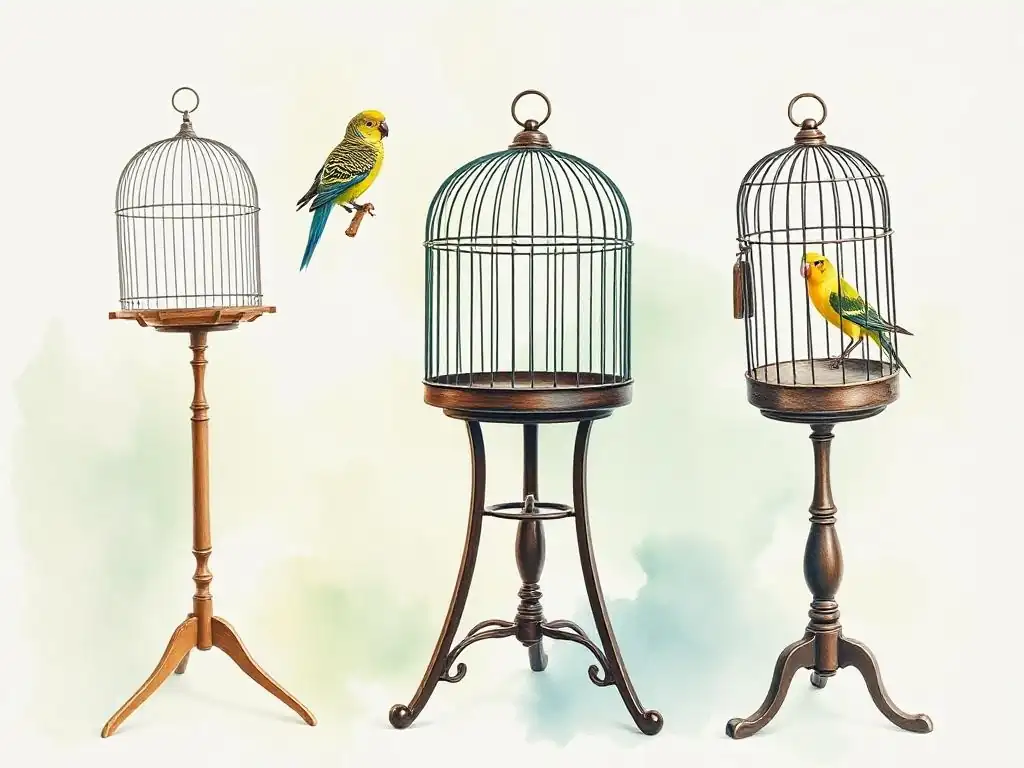
Choosing the right bird cage stand is crucial for both your feathered friend's safety and your peace of mind. A poorly chosen or improperly used stand can lead to accidents, injuries, and even the loss of your beloved pet. Understanding common mistakes will help you make informed decisions and select a safe and stable stand for your bird's cage.
This section focuses on the most frequent errors pet owners make when selecting a bird cage stand, providing practical advice to ensure your bird's safety. Remember, a secure stand is a crucial component of responsible bird ownership, contributing significantly to a safe and enriching environment for your avian companion. Selecting "safe bird cage stand choices" requires careful consideration of several key factors.
Overlooking Weight Capacity Limitations
One of the most prevalent mistakes is neglecting the weight capacity of the bird cage stand. Many owners focus solely on the aesthetic appeal or price, forgetting to check whether the stand can adequately support the combined weight of the cage, its contents (food, water, toys), and, most importantly, the bird itself. This oversight can have disastrous consequences, leading to the collapse of the stand and potential injury to the bird.
Consider this scenario: You purchase a seemingly sturdy stand for a relatively small bird cage. However, you later add several heavy perches, toys, and a large water dish. The cumulative weight exceeds the stand's capacity, causing it to become unstable and potentially topple over. This could result in a serious injury to your bird, such as broken bones or internal injuries.
Always check the manufacturer's specifications for weight capacity before purchasing any stand. It's advisable to select a stand with a capacity significantly higher than the anticipated total weight to ensure a wide margin of safety. Remember, it is better to err on the side of caution when it comes to your bird's well-being. Don't underestimate the weight of your bird's cage and its contents!
Ignoring Material Weaknesses and Potential Hazards
The material of the bird cage stand is another critical factor often overlooked. While seemingly strong materials might appear suitable, certain materials pose hidden dangers. For instance, stands made from cheap, brittle plastics can crack or break under stress, causing the cage to fall. Similarly, stands with sharp edges or protruding screws can injure your bird.
Choosing stands constructed from robust and durable materials, such as high-quality wood or heavy-gauge metal, is essential. Inspect the stand carefully for any sharp edges, splinters, or loose components that could pose a hazard to your bird. Prioritize stands with smooth, rounded edges and secure fastenings to prevent accidental injuries. Always opt for a reputable brand that prioritizes safety and uses high-quality, non-toxic materials in their manufacturing process. Avoid stands with intricate designs that have many small, easily breakable parts. A simple, sturdy design is generally the safest option. Remember, your bird's safety is paramount!
Neglecting Proper Assembly and Mounting Procedures
Even the most robust stand can become a hazard if improperly assembled or mounted. Many stands require assembly, and skipping steps or failing to follow instructions meticulously can compromise stability. Similarly, improper mounting on uneven surfaces can also lead to instability.
Always follow the manufacturer's assembly instructions precisely. Do not rush the process, and ensure all components are securely fastened. Before placing the cage on the stand, inspect the entire structure for stability. Gently rock the stand to check for any wobble or instability. If you find any, carefully re-tighten all fasteners or contact customer support for assistance.
Additionally, ensure the surface on which you place the stand is level and stable. Avoid placing the stand on uneven or sloping surfaces, as this can significantly reduce its stability. Regularly inspect the stand for any signs of wear and tear or loose components, and address any issues promptly to maintain the stand's stability and ensure the continued safety of your bird. This proactive approach to maintenance is an essential part of responsible bird ownership and contributes to a secure environment for your pet.
Failing to Regularly Inspect the Stand for Wear and Tear
Regular inspection of your bird cage stand is crucial for ensuring its continued safety and preventing accidents. Over time, even the sturdiest stands can suffer from wear and tear. This can manifest in various ways, from loose screws and wobbly legs to cracks in the material, especially if the stand is made of wood or plastic.
These seemingly minor issues can significantly compromise the stand's stability, increasing the risk of a dangerous fall. For example, a small crack in a wooden leg might go unnoticed until it suddenly breaks under the weight of the cage, potentially injuring your bird or damaging your home.
Regular inspections should be a part of your routine bird care. Aim for a weekly visual check, looking for any signs of damage, loose parts, or instability. Gently rock the stand to check for wobble. Pay close attention to the areas that experience the most stress, such as the joints, legs, and the points where the cage rests on the stand.
If you notice any damage, no matter how minor it may seem, address it immediately. Tighten loose screws, repair small cracks (if possible), or replace damaged parts. Proactive maintenance is far better than reacting to a catastrophic failure.
Remember, a seemingly small problem can quickly escalate into a major safety hazard for your feathered friend. Prioritizing regular inspections is a simple yet effective way to ensure the longevity and safety of your bird cage stand, contributing to a safe and secure environment for your beloved pet. This proactive approach contributes significantly to safe bird cage stand choices.
Underestimating the Importance of Stand Stability in Preventing Accidents
The stability of your bird cage stand is paramount to your bird's safety. A wobbly or unstable stand is an accident waiting to happen. Birds, especially larger species, can be quite active within their cages, and their movements can easily destabilize a poorly chosen or poorly maintained stand. This can lead to tipping, resulting in the cage falling and your bird potentially suffering serious injuries, such as broken bones or internal bleeding. Furthermore, a falling cage can also cause significant damage to your home, including broken furniture, chipped walls, or even shattered windows.
Choosing a stand with a wide, stable base is crucial. The base should be appropriately sized for the weight of the cage and its contents. Consider the overall height of the stand as well; taller stands are generally less stable than shorter ones. Look for stands with sturdy construction, using robust materials like heavy-gauge metal or solid hardwood. Avoid stands made from lightweight or flimsy materials, as these are more prone to tipping.
Moreover, ensure the stand's feet are designed to provide adequate grip on your floor surface. Rubber feet or non-slip pads can significantly enhance stability, especially on smooth floors. By prioritizing stability when selecting a bird cage stand, you're significantly reducing the risk of accidents and contributing to a safer environment for your bird. This careful consideration is key to making safe bird cage stand choices.
Frequently Asked Questions
What are the most important safety features to consider when choosing a bird cage stand?
The most crucial features are stability, a wide base, and sufficient height. Avoid stands that are wobbly or too tall, potentially leading to tipping. Ensure the stand is sturdy enough to hold the weight of the cage and its contents.
How do I ensure my bird cage stand is the right height for my bird?
The ideal height prevents your bird from jumping or falling and allows for easy access for cleaning and interaction. Consider your bird's size and your own comfort level when reaching into the cage. A stand that is too high or too low can be problematic.
What materials are best for a safe and durable bird cage stand?
Metal stands, particularly those made of heavy-duty steel, are usually the most durable and stable. Avoid materials that are easily damaged or that could pose a chewing hazard to your bird. Always check for sharp edges.
Are there any specific dangers I should be aware of when using a bird cage stand?
Be cautious of wobbly stands, unstable surfaces, and placing the stand in high-traffic areas. Ensure the stand is on a level surface and away from potential hazards like open windows or electrical cords.
My bird keeps trying to climb the legs of the stand – how can I prevent this?
Consider using smooth, non-climbable materials for the stand's legs or adding protective covers. You can also try placing the stand against a wall to limit access to the legs. Supervise your bird to prevent falls.
Final Reflection: The Enduring Importance of Bird Cage Safety
The stability of a bird cage stand is not merely a matter of convenience; it's a fundamental aspect of responsible bird ownership, directly impacting the well-being and safety of our feathered companions. A seemingly small detail like a wobbly stand can lead to devastating consequences, highlighting the crucial need for careful consideration when selecting and using these essential pieces of equipment.
The impact of safe bird cage stand choices extends beyond the immediate safety of the bird; it reflects a broader commitment to animal welfare and responsible pet ownership. It's a quiet testament to our understanding of a pet's needs, moving beyond simply providing food and water to creating a truly secure and enriching environment. The greatness of a nation and its moral progress can be judged by the way its animals are treated.
- Mahatma Gandhi. This quote, while broad in scope, speaks directly to the ethical responsibility we bear towards our animal companions, and the seemingly small choices, like selecting a sturdy bird cage stand, contribute to this larger picture.
Consider the implications of your choices. Do you prioritize convenience over safety? Are you actively seeking out stands that meet the highest safety standards? Take a moment to examine your own practices and consider how you can improve the safety of your bird's environment. You have the power to create a safer, more secure home for your beloved bird, simply by making informed choices about the seemingly insignificant details. Let's work together to ensure the well-being of our feathered friends, one secure bird cage stand at a time.
Unlock Your Bird's Safe Flight: Secure Their Stand Today!
Thank you for learning about bird cage stand safety! You now have the knowledge to create a safer, more secure environment for your feathered friend. Let's put that knowledge into action!
- Secure your bird's stand immediately: Check its stability and make any necessary adjustments. This simple step can significantly reduce the risk of accidents.
- Share your safety tips: Do you have a unique way to secure your bird's cage stand? Share your insights in the comments below – we'd love to hear them!
- Explore further: Consider researching other ways to improve your pet's safety to ensure a truly safe and enriching home environment for your beloved bird.
What simple adjustment will you make today to improve your bird's safety?