
Innovative Scratching Solutions: Thinking Outside the Box for Your Feline's Enjoyment

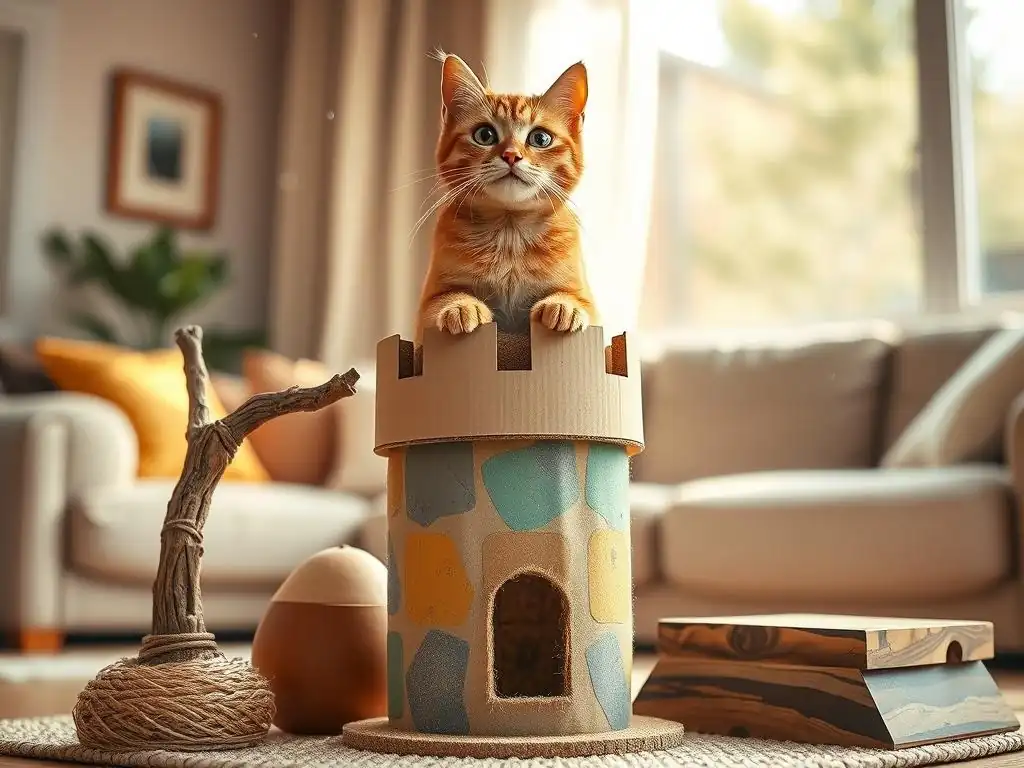
Welcome to PetCareWorld, your ultimate guide to a happier, healthier life for your beloved pets! Are you tired of shredded furniture and searching for a solution that both protects your home and satisfies your cat's natural scratching instincts? Discover innovative alternatives to traditional scratching posts in our latest article, "Innovative Scratching Solutions: Thinking Outside the Box for Your Feline's Enjoyment," and unlock the secret to a harmonious home life with your feline friend. Dive in and explore the world of creative cat scratching solutions!
- Understanding Your Cat's Scratching Behavior: Why They Scratch and What It Means
- Cat Scratching Post Alternatives: Beyond the Traditional Post
- Innovative Scratching Post Designs for Modern Homes
- DIY Cat Scratching Post Alternatives: Budget-Friendly Solutions
- Choosing the Right Scratching Solution for Your Cat's Needs and Your Home's Aesthetic
- Maintaining Your Chosen Scratching Solution: Ensuring Longevity and Hygiene
-
Frequently Asked Questions
- What are some good alternatives to traditional cat scratching posts?
- My cat ignores the scratching post I bought. Why?
- Are there any DIY cat scratching post alternatives I can make at home?
- How can I deter my cat from scratching my furniture if they won't use a scratching post alternative?
- What materials are best for making or buying cat scratching post alternatives?
- Final Reflection: Reimagining the Scratching Post: A Purrfect Partnership
- Unleash Your Cat's Inner Explorer: Boost Their Playtime Today!
Understanding Your Cat's Scratching Behavior: Why They Scratch and What It Means
Cats scratching isn't just a random act; it's a complex behavior driven by instinct and essential for their well-being. Understanding why cats scratch is the first step to providing them with appropriate and enriching scratching alternatives that satisfy their natural needs. This article delves into the reasons behind feline scratching, exploring the multifaceted nature of this behavior and offering innovative solutions beyond the traditional scratching post.
We'll examine the various signals your cat communicates through scratching, explore potential underlying causes of excessive scratching, and ultimately present creative alternatives to meet your cat's needs and protect your furniture. Finding the right solution not only safeguards your belongings but also contributes to a happier, healthier, and less stressed cat. This guide will help you navigate the world of "Cat scratching post alternatives," ensuring your feline companion gets the scratching satisfaction they crave.
Deciphering Scratching Signals: More Than Just Claw Maintenance
Scratching is far more than simply sharpening claws. For cats, it's a multi-sensory experience involving several crucial aspects of their physical and mental well-being. Consider these key elements:
- Claw Maintenance: This is the most obvious function. Scratching helps cats shed the outer layers of their claws, keeping them sharp and healthy. Think of it as their natural manicure! 💅
- Stretching and Exercise: The act of stretching and extending their bodies during scratching provides a valuable form of exercise, contributing to their overall physical health and flexibility.
- Scent Marking: Cats possess scent glands in their paws. When they scratch, they leave behind their scent, marking their territory and providing a sense of security and ownership. This is a crucial aspect of their communication and social behavior.
- Sensory Stimulation: The texture of the scratching surface provides tactile stimulation, satisfying their natural desire to explore different textures. This sensory input contributes to their mental enrichment.
- Stress Relief: Scratching can be a self-soothing behavior, helping cats relieve stress and anxiety. A satisfying scratch can be a form of stress reduction.
It's important to observe how your cat scratches. Is it a quick, casual scratch, or a prolonged, vigorous session? The intensity and frequency of scratching can offer clues about their underlying needs and potential underlying issues. For example, excessive scratching might indicate stress, boredom, or a medical problem.
Identifying the Root Causes of Excessive Scratching: Stress, Boredom, and Territory Marking
Excessive scratching can be a symptom of underlying issues. Identifying the root cause is crucial for implementing effective solutions. Let's explore some common factors:
- Stress: Changes in the household, new pets, or even moving furniture can stress a cat, leading to increased scratching as a way to self-soothe. Observe your cat's behavior for other signs of stress, such as changes in appetite, litter box habits, or increased vocalization.
- Boredom: A bored cat is a destructive cat. Lack of environmental enrichment and insufficient playtime can lead to increased scratching as a way to alleviate boredom and seek stimulation. Cats need mental and physical stimulation to thrive.
- Territory Marking: Cats are naturally territorial. Increased scratching, particularly in specific locations, might be an attempt to reinforce their territory and scent mark their environment. This is especially common in multi-cat households or when new objects are introduced.
Understanding these potential root causes is key to developing a holistic approach to managing your cat's scratching habits. By addressing the underlying reasons behind the behavior, you can effectively redirect their scratching to appropriate and enriching alternatives, ensuring both your furniture and your feline friend remain happy and healthy.
Cat Scratching Post Alternatives: Beyond the Traditional Post
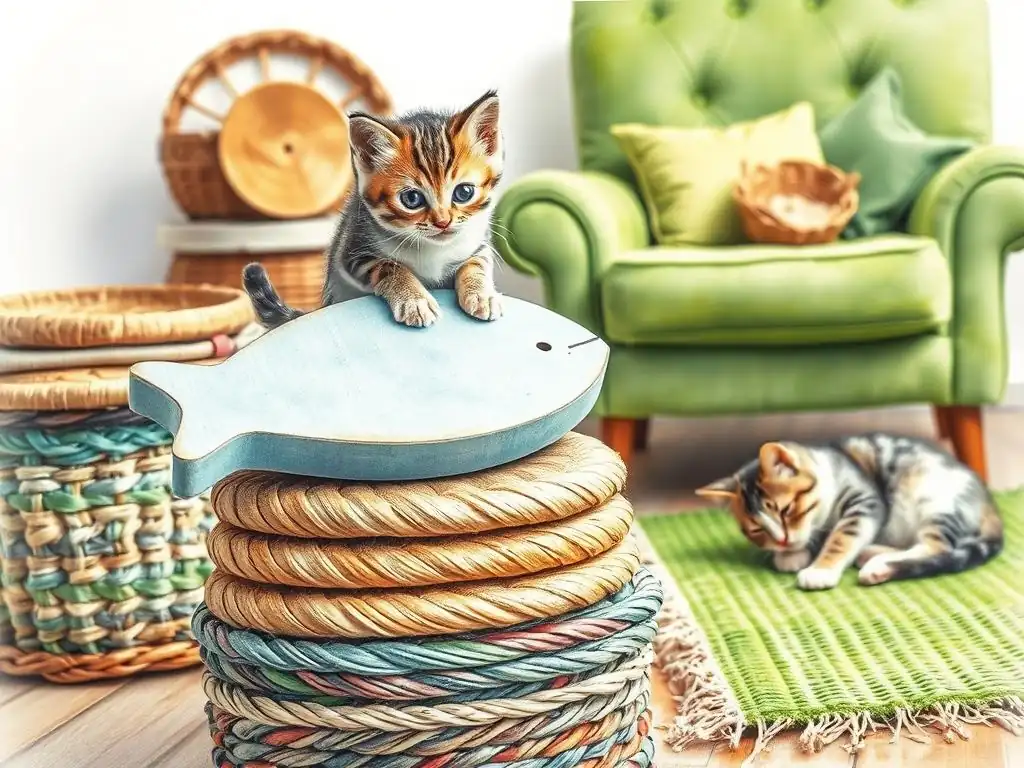
This section explores innovative and engaging alternatives to traditional cat scratching posts, addressing the needs of discerning feline companions and their owners. We'll delve into creative, cost-effective, and durable solutions that cater to various scratching preferences and home aesthetics. Finding the perfect scratching solution is key to preventing unwanted furniture damage and promoting your cat's natural scratching behavior.
Remember, a happy cat is a healthy cat, and providing appropriate scratching surfaces contributes significantly to their overall well-being. This exploration of cat scratching post alternatives will highlight the diverse options available, transforming the mundane task of scratching into an enriching experience for your furry friend.
Creative Cardboard Scratching Solutions: Repurposing Everyday Materials
Cardboard, a readily available and inexpensive material, offers a surprisingly effective and environmentally friendly alternative to traditional scratching posts. Cats are naturally drawn to the texture and sound of cardboard, making it an ideal material for satisfying their scratching instincts.
Several creative approaches can transform simple cardboard boxes into engaging scratching surfaces:
- Corrugated Cardboard Scratchers: Simply lay a large piece of corrugated cardboard on the floor or prop it against a wall. The textured surface provides excellent scratching opportunities. You can even make it more enticing by sprinkling catnip on it!
- Cardboard Tube Creations: Empty toilet paper or paper towel rolls can be bundled together with twine or glue to create a unique scratching post.
- Decorated Cardboard Castles: Get crafty! Decorate a sturdy cardboard box with non-toxic paints, felt, or even cat-safe fabrics to create a fun and personalized scratching structure. This option provides both scratching satisfaction and a playful hideaway.
Remember to supervise your cat initially with any new cardboard scratching surface to ensure they are using it appropriately and to prevent ingestion of cardboard pieces. Replace the cardboard regularly as it wears down to maintain hygiene and provide a consistently appealing texture. This simple yet effective approach to cat scratching post alternatives provides a sustainable and enjoyable scratching experience for your cat.
Durable Sisal Rope Alternatives: Crafting Custom Scratching Surfaces
While sisal rope is a popular material for scratching posts, exploring alternatives offers opportunities for customization and unique design. Several durable materials can provide a similarly satisfying scratching experience:
- Jute Rope: Jute offers a similar texture to sisal but with a slightly softer feel, which some cats may prefer. You can wrap jute rope around sturdy posts or create custom scratching pads.
- Seagrass Matting: Seagrass mats provide a unique texture and are surprisingly durable. They can be easily attached to a base using strong adhesive or staples.
- Burlap Fabric: Burlap's rough texture provides a satisfying scratching surface, and it can be easily fashioned into various shapes and sizes, making it a versatile option for cat scratching post alternatives.
When crafting custom scratching surfaces using these materials, ensure the base is strong and stable to prevent tipping. Consider using environmentally friendly adhesives and secure all materials to prevent loose fibers that could be ingested by your cat. The key to success with these DIY solutions is to select a material that offers sufficient texture and durability to withstand your cat's enthusiastic scratching sessions.
Upcycled Furniture as Scratching Posts: Giving Old Items New Life
Repurposing old furniture provides both a cost-effective and environmentally conscious approach to creating unique scratching surfaces. Items destined for the trash can be transformed into engaging scratching posts, adding character to your home while satisfying your cat's natural instincts.
- Old Wooden Chair Legs: Sturdy wooden chair legs, stripped of their varnish or paint, can be repurposed as vertical scratching posts. Simply secure them to a stable base.
- Wooden Dowels: Wooden dowels of various diameters can be bundled together and affixed to a base to create a multi-textured scratching post.
- Repurposed Cardboard Boxes (Advanced): Larger sturdy cardboard boxes can be transformed into elaborate scratching structures. Consider reinforcing the corners with wood or other durable materials for extra longevity.
Remember to always sand down any rough edges on repurposed wood to prevent injuries to your cat. Use non-toxic finishes or stains if you choose to apply them. This approach to cat scratching post alternatives not only provides a functional scratching post but also demonstrates a creative and sustainable approach to pet care. The possibilities are endless with a little imagination and some basic DIY skills!
Innovative Scratching Post Designs for Modern Homes
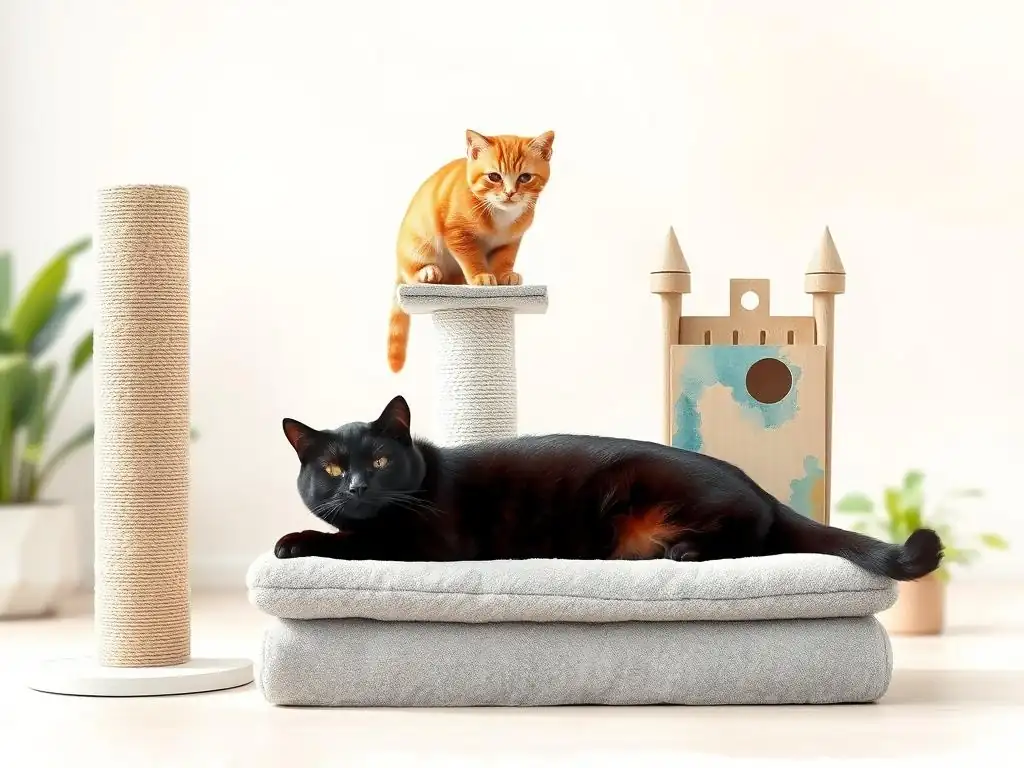
This section explores innovative cat scratching post designs that seamlessly integrate into modern homes, offering stylish and functional solutions to satisfy your feline friend's scratching needs while enhancing your interior decor. We'll move beyond the traditional post and explore alternatives that are both aesthetically pleasing and effective in preventing unwanted scratching on your furniture. Finding the right balance between functionality and style is key to ensuring your cat's happiness and maintaining a harmonious home environment. The key here is to think of "cat scratching post alternatives" not as replacements, but as enhancements.
Stylish and Functional Scratching Posts: Blending Form and Function
Gone are the days of bulky, unattractive scratching posts. Today's market offers a wide array of stylish designs that blend seamlessly with modern interiors. Consider scratching posts disguised as furniture pieces. For example, some manufacturers create scratching posts that resemble sleek, modern floor lamps, incorporating sisal rope or cardboard into the design.
Others offer posts integrated into stylish furniture, like sofas or ottomans, providing both comfort for you and a satisfying scratching surface for your cat. The key is choosing a material your cat prefers – sisal, cardboard, or even carpet scraps can be effective. Remember to consider the size and weight of your cat when choosing a post; it should be sturdy enough to withstand their enthusiastic scratching. Think about the overall aesthetic of your home and select a scratching post that complements your existing décor, rather than clashing with it.
Data shows that cats are more likely to use scratching posts that are appropriately sized and placed in convenient locations. A study [specific information pending] indicated that cats preferred posts placed near their favorite resting areas. This highlights the importance of strategic placement, transforming a simple scratching post into a valuable part of your cat's daily routine and environment. This strategic placement is a crucial element in the success of your "cat scratching post alternatives" strategy.
Wall-Mounted Scratching Solutions: Space-Saving Designs for Small Apartments
For those living in smaller apartments or spaces with limited floor space, wall-mounted scratching solutions provide a practical and space-saving alternative. These designs often feature sleek, vertical scratching surfaces that attach directly to the wall, maximizing vertical space and keeping the floor clear. Many wall-mounted options are available in various materials, including sisal, carpet, and even corrugated cardboard. The advantage of wall-mounted scratching posts is their ability to fit into any room without taking up precious floor space.
They are particularly useful in apartments or studios where floor space is a premium. Furthermore, they can be easily positioned to redirect your cat's scratching away from vulnerable areas, such as sofas and curtains. Consider the wall's material and the scratching post's mounting mechanism to ensure secure attachment.
Choosing the right location for a wall-mounted scratching post is crucial. Observe your cat's behavior to determine their preferred scratching spots. Mounting the post near a frequently used area, such as a window or their favorite resting place, will encourage its use. Remember, the goal is to provide a convenient and appealing alternative to scratching your furniture. A well-placed wall-mounted scratching post can significantly reduce unwanted scratching behaviors and protect your belongings.
Cat Trees with Integrated Scratching Posts: Multifunctional Furniture for Feline Fun
Cat trees offer a multifaceted solution to scratching, climbing, and playing needs. Many cat tree designs incorporate scratching posts into their structure, providing a variety of textures and angles for your cat to explore. These multi-level structures often include platforms, perches, and hiding spots, creating an engaging and stimulating environment for your cat. This is a more comprehensive approach to addressing your cat's scratching and play needs.
Opt for cat trees made from durable materials, such as sisal, carpet, and wood, to ensure longevity and safety. The size and layout of the cat tree should be appropriate for your cat's size and activity level. Consider a larger cat tree if you have multiple cats or a particularly active feline companion.
The integration of scratching posts into the cat tree encourages natural scratching behaviors while providing additional benefits such as exercise and mental stimulation. This holistic approach is a great example of a superior "cat scratching post alternative," addressing several aspects of feline behavior and well-being. The diverse range of designs allows for customization to suit both your cat's preferences and your home's aesthetic.
A well-designed cat tree can be a beautiful and functional addition to any home, promoting your cat's physical and mental health while preventing furniture damage. This is a win-win situation for both you and your furry friend! 😻
DIY Cat Scratching Post Alternatives: Budget-Friendly Solutions
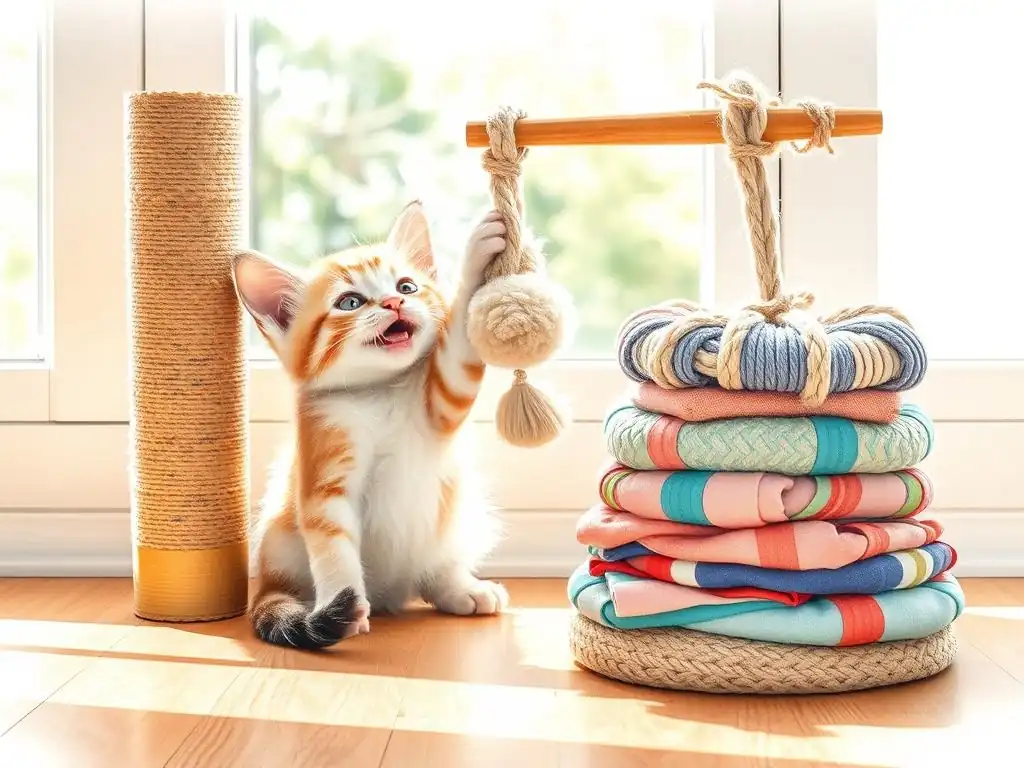
This section explores creative and cost-effective ways to satisfy your cat's scratching needs without breaking the bank. Many readily available household items can be repurposed into engaging scratching surfaces, providing a fun and enriching experience for your feline companion. These alternatives offer a fantastic way to prevent unwanted scratching on your furniture while providing your cat with a much-needed outlet for their natural instincts. Remember, a happy cat is a cat that can scratch to their heart's content!
Simple and Effective DIY Projects: Using Cardboard, Carpet Remnants, and More
Let's start with some incredibly easy projects that require minimal materials and effort. Even the most novice DIY enthusiast can tackle these!
- Cardboard Creations: Large cardboard boxes (like appliance boxes) are a fantastic starting point. Simply cover the surface with sturdy carpet remnants (using staples or strong adhesive) for added durability and texture. Cats love the feel of the carpet against their claws and the cardboard provides excellent scratching resistance. Consider adding catnip to further entice them. This is a particularly great solution for kittens, as they often enjoy playing and scratching on boxes anyway.
- Carpet Remnants: The Unsung Hero: Leftover carpet from home renovations? Don't throw it away! Cut it into strips or rectangles and attach it securely to a sturdy base (a piece of wood, a thick piece of cardboard, or even an old door). Vary the texture by using different types of carpet for increased interest. Some cats prefer a coarser texture, while others prefer a smoother feel. Experiment to see what your cat enjoys most!
- Sisal Rope Wonders: Sisal rope is a popular material for commercial scratching posts, and for good reason! It's durable, provides excellent scratching resistance, and cats generally find it appealing. You can wrap sisal rope around sturdy posts (wooden dowels, PVC pipes) to create a simple and effective scratching post. Secure the rope with strong glue or staples for a long-lasting solution.
- Repurposed Wood: Old wooden planks or pallets (ensure they are treated and safe for your cat!) can be transformed into unique scratching surfaces. Sand the wood smoothly, and then add carpet, sisal rope, or even a thick layer of burlap for added texture and appeal.
Advanced DIY Scratching Posts: Creating Unique and Engaging Designs
For those seeking a more ambitious challenge, these projects offer greater design flexibility and visual appeal. While requiring slightly more skill and materials, the result is a bespoke scratching post perfectly tailored to your cat's preferences and your home décor.
- The Cardboard Castle: Combine multiple cardboard boxes of varying sizes to create a multi-level scratching complex. This provides your cat with a stimulating environment for climbing, hiding, and scratching. Remember to secure all parts firmly to prevent collapse. Add tunnels, platforms, and different textures to maximize engagement.
- Upcycled Furniture: Give old furniture a new life by transforming it into a scratching post. A sturdy stool or small table can be easily modified. Simply cover the top with durable scratching material (carpet, sisal, etc.) and you have a unique and stylish scratching solution.
- The "Catio" Scratching Post: If you have the space and skills, consider integrating a scratching post into an outdoor cat enclosure ("catio"). This could be a sturdy post wrapped in sisal rope or a section of the wall covered in cat-friendly material. This provides a safe and enriching outdoor scratching experience.
Remember to always supervise your cat when introducing new scratching posts or surfaces, and monitor their interaction with them to ensure safety. By providing a variety of scratching options, you can cater to your cat's individual preferences and encourage appropriate scratching behavior, keeping both your cat and your furniture happy! 😻
Choosing the Right Scratching Solution for Your Cat's Needs and Your Home's Aesthetic
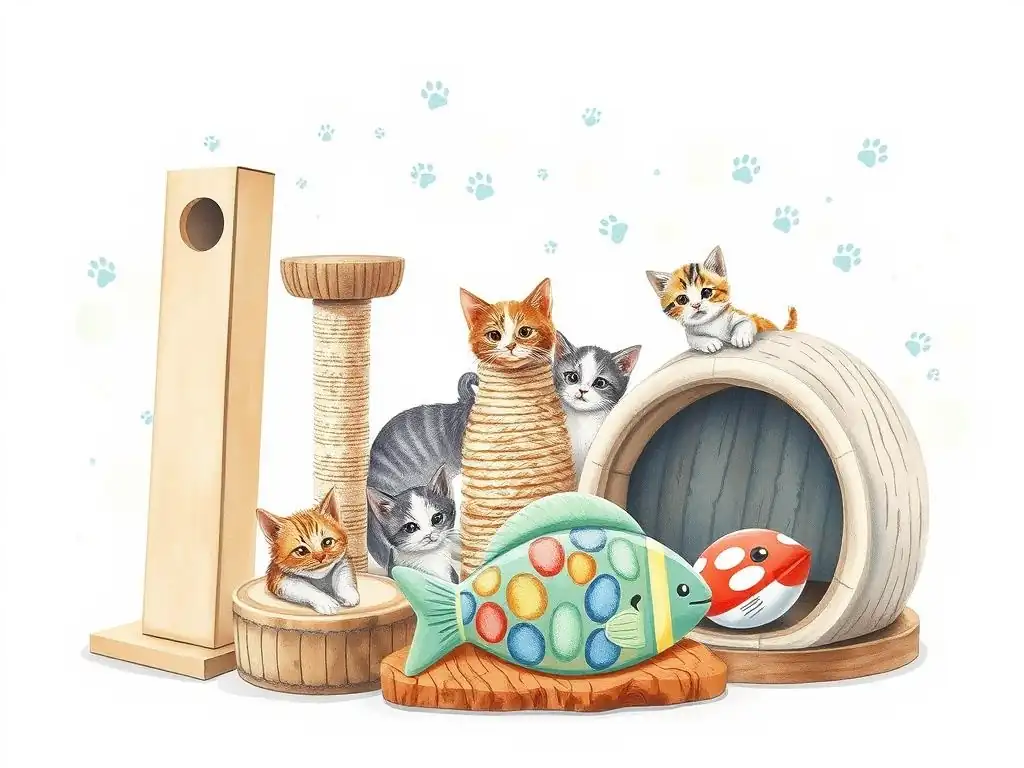
Finding the perfect scratching solution isn't just about preventing shredded furniture; it's about understanding your cat's individual needs and integrating a functional scratching post into your home's aesthetic. This section delves into the crucial aspects of choosing a scratching post alternative that works for both you and your feline companion. We'll explore how to select the ideal material, size, and placement, ensuring your cat enjoys using it while complementing your interior design. Finding the right balance between functionality and aesthetics is key to successful cat scratching post alternative implementation.
Considering Your Cat's Personality and Preferences: Tailoring the Solution
Understanding your cat's individual preferences is paramount when selecting a scratching post alternative. Some cats prefer vertical scratching, others horizontal. Some love sisal, while others are drawn to cardboard. Consider these factors:
- Scratching Style: Does your cat prefer to stretch and scratch vertically, or do they prefer a more horizontal approach? Observe your cat's natural scratching behavior to determine their preference. A kitten's scratching style might differ from that of an adult cat.
- Material Preference: Cats have different textures they prefer. Some love the rough texture of sisal, while others prefer the softer feel of cardboard or carpet. Experimentation is key! You might even find your cat prefers an unexpected material like a sturdy piece of wood.
- Size and Height: The size of the scratching post alternative should be appropriate for your cat's size and breed. A large cat will need a more substantial post than a small kitten. The height should allow your cat to fully stretch out while scratching. Consider adding a cat tree with various heights and scratching surfaces for varied scratching options.
- Placement: Placement is crucial. Cats often prefer to scratch in locations where they feel secure and can survey their surroundings. Avoid placing the scratching post near their food or water bowls.
Matching Scratching Posts to Your Home Decor: Style and Functionality Combined
Integrating a cat scratching post alternative seamlessly into your home's decor is essential. Gone are the days of bulky, unattractive scratching posts! There are now many stylish options available that blend functionality with aesthetic appeal.
| Material | Style Examples | Pros | Cons |
|---|---|---|---|
| Sisal | Traditional posts, wrapped furniture legs | Durable, long-lasting, good for strong scratchers | Can look somewhat utilitarian |
| Cardboard | Flat scratchers, corrugated tubes, furniture pads | Inexpensive, easily replaceable, environmentally friendly | Less durable than sisal, may not be suitable for aggressive scratchers |
| Carpet | Custom-covered scratching posts, rugs | Soft texture, many color/pattern options | Can become matted or worn down quickly |
| Wood | Custom-built scratching posts, reclaimed wood pieces | Unique, can be integrated into furniture, durable | May need regular maintenance, can be expensive depending on wood type |
Consider these tips for stylish integration:
- Camouflage: Disguise a scratching post by placing it behind a plant or integrating it into a larger piece of furniture.
- Upcycling: Repurpose old furniture pieces into cat scratching posts. A sturdy, old wooden chair leg could become a unique scratching post.
- Matching Colors and Textures: Choose a scratching post that complements your existing furniture and color scheme.
- Strategic Placement: Place the scratching post in a visible, but not obtrusive, location. A corner often works well.
By considering both your cat's individual needs and your home's style, you can find the perfect scratching solution that keeps your furniture safe and your cat happy. Remember, finding the right fit is an iterative process; observing your cat's interaction with the chosen alternative will help refine your approach.
Maintaining Your Chosen Scratching Solution: Ensuring Longevity and Hygiene
Maintaining your cat's chosen scratching surface is crucial not only for its longevity but also for the hygiene of your home and, most importantly, your cat's health. A neglected scratching post, regardless of its material, can quickly become a breeding ground for bacteria and unpleasant odors. This section provides essential tips to keep your cat's scratching solution fresh, clean, and functional for years to come.
Proper maintenance will extend the life of your investment and ensure your feline friend continues to enjoy its use. Remember, a happy cat is a healthy cat, and a clean scratching post contributes significantly to their overall well-being.
Regular Cleaning and Maintenance Tips: Keeping Your Cat's Scratching Surface Fresh
Regular cleaning is paramount to maintaining a hygienic scratching surface for your cat. The frequency of cleaning depends on the material of your chosen alternative and your cat's scratching habits. For example, a cardboard scratching pad will require more frequent replacement than a sturdy sisal-wrapped post.
Here's a breakdown of cleaning recommendations based on common cat scratching post alternatives:
- Cardboard Scratchers: These are generally inexpensive and readily replaceable. Once significantly worn or soiled, simply discard and replace with a fresh one. Minor surface cleaning can be achieved with a damp cloth.
- Sisal Scratching Posts: These durable posts can last for years with proper care. Regular vacuuming to remove loose fibers and dirt is essential. For deeper cleaning, use a damp cloth and mild pet-safe detergent, ensuring the post is thoroughly dried afterward to prevent mildew.
- Carpet or Rug Alternatives: These require more frequent cleaning due to their tendency to trap debris and cat hair. Regular vacuuming is crucial, and spot cleaning with a pet-safe enzymatic cleaner is recommended for accidents or stubborn stains.
- Wooden Scratching Posts: These require careful cleaning to prevent damage. Use a damp cloth and mild detergent, avoiding excessive moisture. Regular dusting will help to prevent the accumulation of dirt and allergens.
Remember to always use pet-safe cleaning products, avoiding harsh chemicals that could be harmful to your cat. Consider using a natural enzymatic cleaner to effectively remove odors and bacteria. Always allow the scratching surface to dry completely before allowing your cat to use it again. This will prevent the growth of mold and mildew. Regular maintenance, even if it's just a quick brush or vacuum, will significantly extend the lifespan of your chosen alternative and ensure a healthier environment for your furry friend. A clean scratching post is a happy scratching post! 😻
Replacing Worn-Out Surfaces: Extending the Life of Your Chosen Solution
Even with regular cleaning and maintenance, all scratching surfaces will eventually wear out. The lifespan varies greatly depending on the material and your cat's scratching intensity. Recognizing the signs of wear and tear is crucial to prevent damage to your furniture and ensure your cat continues to have a suitable outlet for its natural scratching behavior.
Here are some indicators that it's time for a replacement:
- Significant Wear and Tear: If the scratching surface is significantly frayed, thinned, or damaged to the point where the underlying material is exposed, it's time for a replacement. This is particularly important for cardboard and carpet alternatives.
- Loss of Interest: If your cat has stopped using the scratching post, it might be due to boredom or the surface becoming less appealing. Consider replacing it with a new one of a different material or design.
- Unpleasant Odors: Persistent unpleasant odors, despite regular cleaning, indicate a need for replacement. This suggests that the material may be harboring bacteria or other contaminants that are difficult to remove.
- Structural Instability: If the base of the scratching post is wobbly or unstable, it poses a safety hazard and should be replaced immediately.
Replacing a worn-out scratching surface is an essential aspect of responsible cat ownership. It ensures your cat maintains a healthy and satisfying scratching experience, while protecting your furniture from damage. By proactively replacing worn-out surfaces, you're investing in your cat's well-being and creating a harmonious home environment. Choosing a durable and appropriately sized replacement will minimize the frequency of replacements and maximize your investment in cat scratching post alternatives.
Frequently Asked Questions
What are some good alternatives to traditional cat scratching posts?
Many alternatives exist! Consider cardboard scratchers, sisal rugs, or even strategically placed wooden furniture pieces treated with catnip. These offer variety and can be more aesthetically pleasing.
My cat ignores the scratching post I bought. Why?
Cats have preferences! Try different textures (sisal, carpet, cardboard), heights (vertical, horizontal), and locations (near their favorite napping spot). Catnip can also encourage use.
Are there any DIY cat scratching post alternatives I can make at home?
Absolutely! A sturdy cardboard box covered in carpet scraps or a wrapped piece of wood makes a great, cheap alternative. Get creative and tailor it to your cat's preferences!
How can I deter my cat from scratching my furniture if they won't use a scratching post alternative?
Positive reinforcement is key. Reward scratching on appropriate surfaces with treats and praise. Use deterrents like sticky tape or citrus scents on furniture, but never punish your cat.
What materials are best for making or buying cat scratching post alternatives?
Durable and rough-textured materials are ideal. Sisal, carpet, and cardboard are all popular choices. Avoid materials that are too soft or easily damaged by claws.
Final Reflection: Reimagining the Scratching Post: A Purrfect Partnership
The age-old battle of protecting furniture from feline claws is far from over, but the arsenal of solutions is expanding. We've explored creative and effective alternatives to the traditional scratching post, demonstrating that a little ingenuity can transform the way we coexist with our furry friends. This isn't just about saving our sofas; it's about enriching the lives of our cats and strengthening the bond we share.
The journey of discovering and implementing these alternative scratching solutions has been deeply rewarding, highlighting the importance of understanding feline behavior and adapting our environments to meet their needs. The cat, who walks by himself, will not be happy with a house cat.
This quote, while seemingly unrelated at first glance, speaks to the inherent wildness within our domestic companions and the need to provide stimulating outlets for their natural instincts. By providing engaging and appropriate scratching surfaces, we're not just preventing damage, we're fostering a happier, healthier, and more fulfilled feline companion.
Now, it's your turn. Consider your cat's personality, their preferred scratching styles, and the aesthetic of your home. Don't be afraid to experiment! Try repurposing old items, incorporating natural materials, or even collaborating with your cat to design the purrfect scratching solution. Remember, the most effective solution is the one that works best for both you and your beloved feline friend, fostering a harmonious and enriching relationship built on mutual understanding and respect.
Unleash Your Cat's Inner Explorer: Boost Their Playtime Today!
Thank you for exploring innovative scratching solutions for your feline friend! We hope you've found some inspiring ideas to keep your cat happy and your furniture safe. Ready to put them into practice?
- Craft a custom scratching post: Get creative! Use recycled materials and cater to your cat's preferences to build the ultimate scratching paradise.
- Share your creation: Post a picture of your DIY scratching post on social media and inspire other cat owners! Use #PetCareWorldDIY.
- Observe your cat's scratching habits: Pay close attention to where and how your cat scratches—this will help you create a truly irresistible scratching spot.
What ingenious scratching solution will you create for your beloved kitty? Let's hear your ideas in the comments below!