
Finch Foraging Instincts: How to Provide Enrichment for Happy Birds

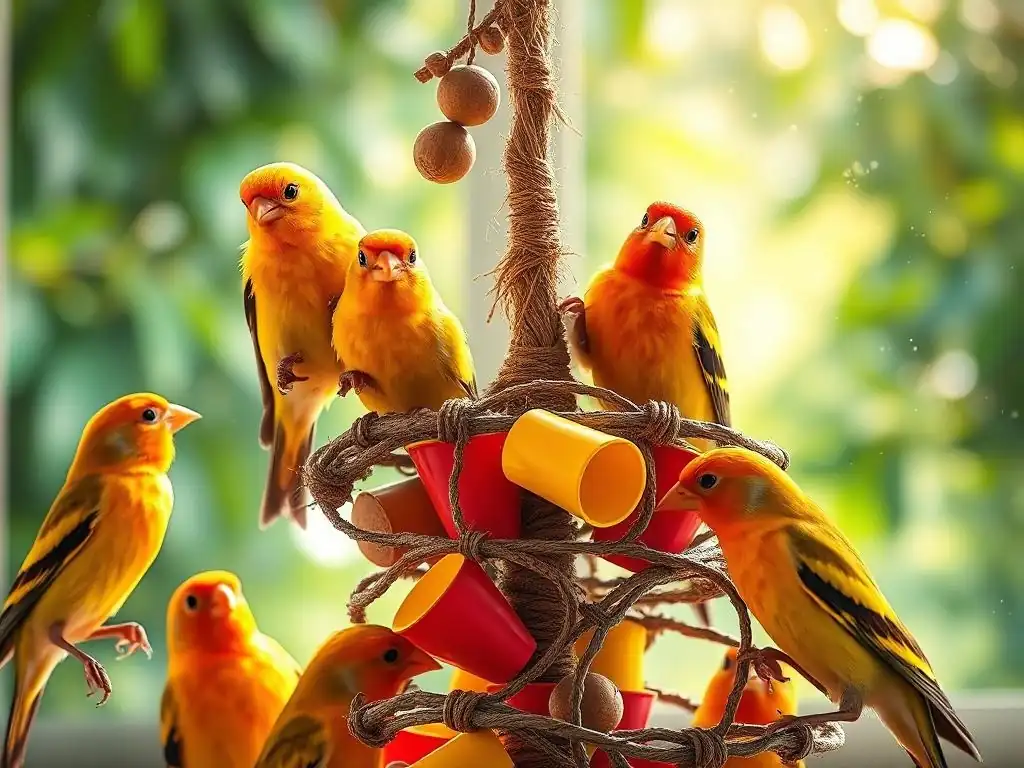
Welcome to PetCareWorld, your ultimate guide to a happier, healthier life for your beloved pets! Are you ready to unlock the secrets to a thriving, enriched environment for your feathered friends? Discover the fascinating world of finch foraging and learn how providing the right foraging toy enrichment can transform your bird's well-being. Dive in and uncover the simple yet powerful strategies to stimulate your finch's natural instincts—and prepare for a happier, more engaging companion.
- Understanding Finch Foraging Behavior and its Importance
- Finch Foraging Toy Enrichment: A Guide to Stimulating Natural Instincts
- Advanced Finch Foraging Enrichment Techniques
- Finch Foraging Toy Enrichment: Benefits and Considerations
- Troubleshooting Common Issues with Finch Foraging Enrichment
- Resources for Finch Owners: Finding More Enrichment Ideas
- Frequently Asked Questions
- Final Reflection: Cultivating Joy: The Enduring Power of Enrichment
- Unleash Your Finch's Inner Explorer!
Understanding Finch Foraging Behavior and its Importance
Finches, those vibrant and captivating little birds, possess a strong innate foraging instinct crucial to their physical and mental well-being. Understanding and catering to these natural behaviors is paramount for responsible bird ownership, leading to happier, healthier, and more engaging pets. This article delves into the fascinating world of finch foraging, exploring their natural habits and the detrimental effects of boredom, while providing practical advice on how to implement enriching activities, specifically focusing on the use of foraging toys for finch enrichment.
We'll examine how providing stimulating environments that mimic their natural foraging experiences can significantly improve the quality of life for your finch companion. Ignoring these instincts can lead to various behavioral and health problems, making enrichment a cornerstone of responsible finch care.
By actively engaging your finch's natural foraging drive, you're not just providing entertainment; you're contributing to their overall health and happiness. The right Finch foraging toy enrichment can make all the difference.
Natural Foraging Habits of Finches
In the wild, finches spend a significant portion of their day foraging for food. Their natural environment presents a constant challenge, requiring them to search, peck, and manipulate their environment to find seeds, insects, and other food sources. This process isn't merely about sustenance; it's a vital part of their daily routine, stimulating their minds and bodies.
They utilize their beaks and feet with precision, exploring various textures and crevices in their search for food. Consider the diverse landscapes they inhabit – from grassy fields to dense shrubbery – each offering a unique set of foraging challenges. These challenges are incredibly stimulating, keeping finches mentally alert and physically active.
This natural foraging behavior directly impacts their physical health, preventing obesity and promoting muscle development. For example, a wild finch might spend hours meticulously searching through tall grasses for scattered seeds, exercising its muscles and sharpening its cognitive skills. Understanding this inherent need is the first step towards providing adequate enrichment in captivity.
The Impact of Boredom on Finch Wellbeing
A lack of mental and physical stimulation can have profoundly negative consequences for finches. Boredom, a common problem in captive birds, can manifest in various ways, from lethargy and feather plucking to aggression and repetitive behaviors. These behaviors are often signs of frustration and a lack of engagement, directly linked to the absence of opportunities to express their natural foraging instincts.
A bored finch is a stressed finch, and chronic stress can weaken their immune system, making them more susceptible to illnesses. Obesity is another common consequence, as a lack of activity leads to weight gain and associated health problems. Imagine a finch confined to a small cage with limited access to stimulating activities – the lack of mental and physical challenge can be incredibly detrimental.
The absence of the natural foraging process leads to a decline in overall fitness and an increased risk of behavioral issues. Providing appropriate enrichment is essential to mitigate these risks.
Recognizing Signs of Boredom in Your Finch
Recognizing signs of boredom in your finch is crucial for implementing effective enrichment strategies. While not exhaustive, here are some key indicators:
| Sign of Boredom | Description |
|---|---|
| Lethargy and inactivity | Your finch spends most of its time perched, showing little interest in its surroundings. |
| Feather plucking or chewing | Self-mutilation, often a sign of stress and frustration. |
| Repetitive behaviors | Engaging in the same action repeatedly, such as swaying or pacing. |
| Aggression towards cage mates | Increased aggression or territorial behavior towards other finches. |
| Loss of appetite or weight loss | Changes in eating habits, indicating a potential underlying health issue. |
| Lack of interest in toys | Ignoring previously enjoyed toys or activities. |
If you observe any of these signs, it's crucial to reassess your finch's environment and introduce enriching activities, such as foraging toys, to stimulate their natural instincts and improve their overall well-being. Remember, a happy finch is an active finch! Providing the right enrichment can transform a lethargic bird into a vibrant and engaged companion. The key is to understand their natural behaviors and provide opportunities for them to express those instincts in a safe and stimulating environment.
Finch Foraging Toy Enrichment: A Guide to Stimulating Natural Instincts
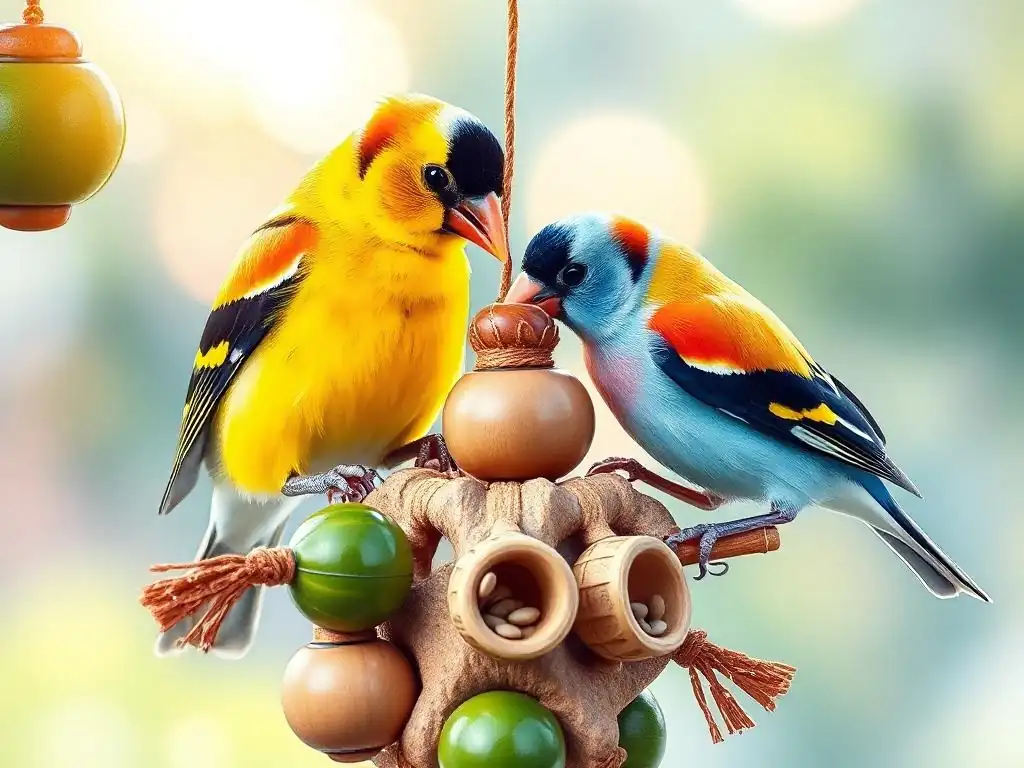
Finches, like all birds, possess strong foraging instincts honed over millennia. In the wild, they spend a significant portion of their day searching for food, a behavior that provides crucial mental and physical stimulation. Providing adequate finch foraging toy enrichment in captivity is therefore essential for their well-being and prevents boredom, which can lead to behavioral problems such as feather plucking or excessive aggression.
This section delves into creating a stimulating environment that caters to your finch's natural foraging behaviors, promoting a happier, healthier bird. Understanding the importance of foraging enrichment contributes directly to a finch's overall wellness and longevity. We'll explore various options, from commercially available toys to creative DIY projects, ensuring your finch enjoys a fulfilling and enriching life.
Choosing the Right Finch Foraging Toys
Selecting appropriate foraging toys for your finch requires careful consideration of size, material safety, and the complexity of the challenge presented. Too simple a toy won't provide sufficient mental stimulation, while one that's too complex may frustrate your bird. Here's a breakdown of key factors:
- Size and Material: Toys should be appropriately sized for your finch species. Avoid anything with small, detachable parts that could be ingested, posing a choking hazard. Opt for natural materials like wood, sisal, or untreated cotton rope. Avoid using painted or treated wood, as these can contain toxins harmful to your bird.
- Complexity: Start with simpler foraging toys and gradually introduce more challenging options as your finch masters them. This gradual increase in difficulty keeps your bird engaged and prevents boredom. Consider variations in the difficulty of retrieval – some toys should offer easy access to seeds, while others should require more effort.
- Variety: Offer a diverse range of foraging toys to keep your finch stimulated. Rotate toys regularly to prevent them from becoming predictable and losing their appeal. This variety mimics the unpredictable nature of foraging in the wild, keeping your finch mentally sharp.
- Examples of Suitable Toys:
- Small foraging cups with holes
- Puzzle feeders with different opening mechanisms
- Toys that require your finch to manipulate small levers or buttons
- Hanging foraging balls filled with seeds
- Woven foraging toys made from natural fibers
| Toy Type | Difficulty Level | Material | Benefits |
|---|---|---|---|
| Foraging Cups | Easy | Wood, ceramic | Simple seed access, easy to master |
| Puzzle Feeders | Medium | Plastic, wood | Increased problem-solving skills |
| Hanging Foraging Balls | Medium-Hard | Natural fibers | Promotes climbing and manipulation |
| Woven Foraging Toys | Hard | Sisal, cotton rope | Complex manipulation, extended foraging time |
Remember, observation is key. Monitor your finch's interaction with the toys to gauge their level of engagement and adjust accordingly. A bored finch is a sign that you need to introduce new challenges.
DIY Finch Foraging Toys: Simple and Effective Ideas
Creating your own foraging toys is a cost-effective and rewarding way to provide enrichment for your finch. These DIY options allow you to tailor the difficulty and materials to your finch's specific needs and preferences. Here are a few simple ideas:
- Toilet Paper Roll Puzzle: Simply stuff a toilet paper roll with seed and shred some paper towel inside for added texture. Your finch will have to work to extract the seeds.
- Pine Cone Feeder: Attach a small, clean pine cone to a sturdy branch or perch using a bird-safe glue. Place seeds between the cone's scales. This provides both foraging and climbing opportunities.
- Cardboard Box Maze: Create a small maze using a cardboard box, cutting various holes and tunnels for your finch to navigate to find hidden treats. Ensure there are no sharp edges or small pieces that could be ingested.
Remember to always supervise your finch while they are interacting with any new toy, whether store-bought or homemade, to ensure their safety.
Introducing New Foraging Toys to Your Finch
Introducing a new foraging toy shouldn't be a sudden event. Finches, like many animals, can be hesitant to approach unfamiliar objects. A gradual introduction helps to ease your finch into using the new toy and prevents unnecessary stress.
- Initial Placement: Place the new toy near familiar items and food sources to encourage exploration.
- Positive Reinforcement: If your finch doesn't immediately engage with the new toy, gently encourage them with small treats placed near or inside the toy.
- Observation: Observe your finch's interaction with the toy. If they show signs of fear or avoidance, remove the toy and try again later.
- Gradual Progression: Once your finch shows interest, gradually increase the complexity of the toy or introduce new challenges. This gradual approach fosters confidence and ensures a positive experience.
Remember, patience is key. Some finches may take longer than others to adapt to new toys. By providing a variety of stimulating toys and employing a gradual introduction, you can ensure that your finch enjoys a happy and enriching life, fulfilling their natural foraging instincts. This contributes to their overall physical and mental well-being, making them healthier and happier companions.
Advanced Finch Foraging Enrichment Techniques
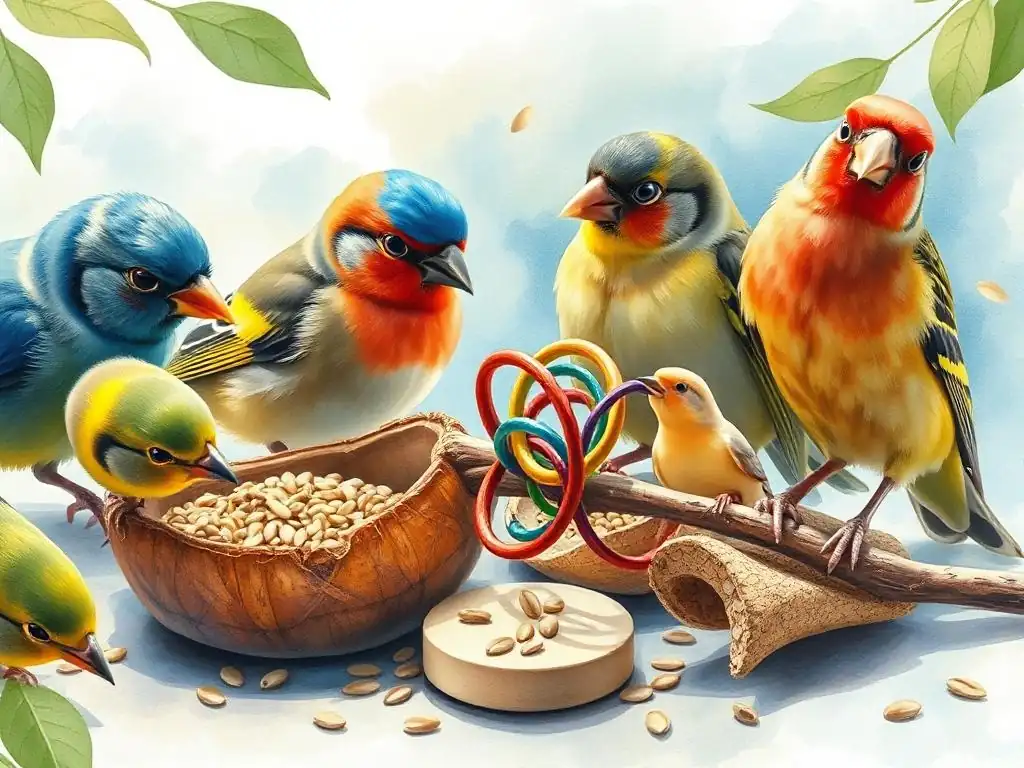
This section delves into more sophisticated methods of providing foraging enrichment for your finches, moving beyond simple food scattering. Remember, stimulating your finch's natural foraging instincts is crucial for their physical and mental well-being. A bored finch is a stressed finch, and a stressed finch is more susceptible to illness. Providing enriching activities combats this. We'll explore techniques that challenge your bird and keep them engaged for longer periods. The key is to gradually increase the difficulty of the foraging tasks as your finch masters them. This prevents boredom and maintains a stimulating environment.
Creating a Foraging Environment for Your Finch
Creating a stimulating foraging environment for your finch involves more than just throwing in a few seeds. Think about replicating their natural habitat as much as possible within the confines of their cage. This means incorporating vertical space, varying textures, and hiding places.
Consider these elements:
- Vertical Space: Finches are naturally adept at climbing and exploring. Provide branches of varying thickness and height for them to perch on and explore. Avoid smooth surfaces; birds prefer textured perches for better grip.
- Textured Surfaces: Include materials like woven rope, sisal, or even small, safe pieces of wood that your finch can climb on and explore. This provides tactile stimulation and encourages natural foraging behaviors.
- Hiding Places: Finches love to hide! Provide small, safe containers, such as small coconut shells or woven baskets (ensure there are no loose threads or small parts that could be ingested), where they can stash food and feel secure.
Remember to supervise your finches initially with any new additions to their cage to ensure they interact safely with the materials. Regularly inspect the environment for any signs of damage or potential hazards. A safe and stimulating environment is paramount for your finch's happiness and health.
Food Puzzles and Hiding Spots for Finches
Moving beyond simple food scattering, you can introduce food puzzles and hiding spots to significantly enhance your finch's foraging experience. These puzzles provide a mental challenge, mimicking the effort required to find food in the wild. This is crucial for finch foraging toy enrichment.
Here are some examples:
- DIY Puzzles: Simple puzzles can be easily created at home. Try stuffing seeds into small, safe containers with small holes for your finch to extract the seeds. You could use empty toilet paper rolls (ensure they are thoroughly cleaned and free of chemicals) or small cardboard boxes with strategically placed holes.
- Commercial Puzzles: Many pet stores offer commercially available foraging toys specifically designed for finches. These often incorporate various materials and challenges, making them a worthwhile investment for stimulating your finch's foraging instincts.
- Hiding Spots: Strategically place seeds and treats in different areas of the cage, both in plain sight and hidden within the foliage or amongst the branches. This encourages exploration and problem-solving.
Remember to observe your finch's interaction with the puzzle to ensure it is neither too easy nor too difficult. Adjust the complexity based on their ability to solve the puzzle. The goal is to provide a challenge that is engaging but not frustrating.
Rotating Toys and Maintaining Enrichment
Variety is key when it comes to finch foraging toy enrichment. Just like humans, finches can get bored with the same old toys. Rotating toys regularly prevents boredom and keeps your finch mentally stimulated.
Here's a practical approach:
| Toy Type | Rotation Frequency | Notes |
|---|---|---|
| Food Puzzles | Every 2-3 days | Change the difficulty or type of puzzle to maintain interest. |
| Hiding Spots | Weekly | Relocate hiding spots and vary the type of container used. |
| Perches & Branches | Monthly | Replace worn or damaged perches. Introduce new textures and shapes. |
| Foraging Toys (Commercial) | Every 1-2 weeks | Choose a variety of different types of foraging toys. |
By regularly rotating your finch's toys and providing a diverse range of foraging challenges, you can ensure that their environment remains stimulating and engaging, promoting both their physical and mental well-being. This contributes significantly to a happy and healthy finch, enriched by the experience of actively foraging for its food. 🐦
Finch Foraging Toy Enrichment: Benefits and Considerations
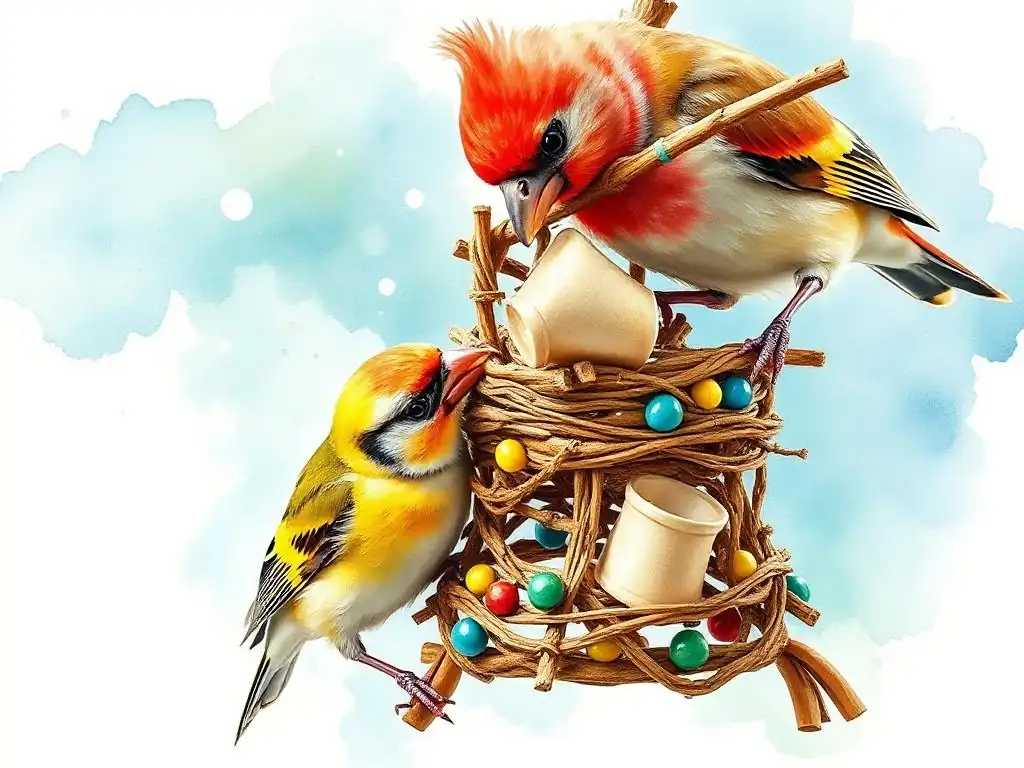
This section delves into the crucial role of foraging toys in enriching the lives of finches. We'll explore the significant benefits these toys offer and address important safety considerations to ensure your feathered friends thrive. Understanding finch foraging instincts is key to providing them with a stimulating and fulfilling environment. Providing appropriate Finch foraging toy enrichment is not just about entertainment; it's about promoting their natural behaviors and overall well-being.
Improved Physical and Mental Health in Finches
Finches, by nature, are active birds that spend a considerable amount of their time foraging for food in their natural habitat. Providing foraging toys mimics this natural behavior, offering several crucial benefits for their physical and mental health. The act of foraging itself provides significant exercise. Instead of passively waiting for food to be presented, finches must actively work for their meals, leading to increased physical activity. This helps maintain a healthy weight, improves muscle tone, and prevents obesity, a common problem in captive finches.
Furthermore, the mental stimulation provided by foraging toys is equally important. Solving puzzles to access food challenges their intelligence and keeps their minds sharp. Studies have shown that environmental enrichment, including foraging opportunities, significantly reduces stress and anxiety in birds. A bored finch is more likely to exhibit undesirable behaviors, such as feather plucking or excessive vocalization.
Enrichment, however, promotes a sense of accomplishment and reduces boredom, leading to a happier and healthier bird. Think of it as mental gymnastics for your finch! The positive impact on their mental health is undeniable. Observe your finch's behavior; you'll likely notice a more alert and engaged bird after introducing foraging toys.
Preventing Behavioral Problems Through Enrichment
Adequate Finch foraging toy enrichment is a powerful tool in preventing a range of behavioral problems commonly observed in captive finches. As mentioned earlier, boredom is a major contributor to undesirable behaviors. A finch lacking sufficient mental and physical stimulation may resort to self-destructive behaviors such as feather plucking or excessive preening. They might also become aggressive towards cage mates or exhibit repetitive, stereotyped movements.
By providing a variety of foraging toys, you offer your finch a way to express their natural instincts. This helps channel their energy into productive activities, reducing the likelihood of developing these problematic behaviors. The act of foraging provides a sense of accomplishment and control over their environment, reducing stress and anxiety. Consider rotating toys regularly to maintain interest and prevent boredom. A diverse range of challenges will keep your finch mentally stimulated and engaged. This proactive approach to enrichment is far more effective than trying to address behavioral problems after they've developed.
Safety Precautions When Using Foraging Toys
While foraging toys are beneficial, it's crucial to prioritize safety. Always select toys made from non-toxic materials that are specifically designed for birds. Avoid toys with small parts that could be ingested and cause choking hazards. Regularly inspect toys for any signs of wear and tear and replace them if necessary. Damaged toys pose a significant risk to your finch's safety.
Furthermore, consider the size and shape of the toy in relation to your finch's size and abilities. The toy should present a challenge, but not an insurmountable one. Overly complex toys might frustrate your finch, while overly simple ones might not provide sufficient mental stimulation. Observe your finch's interaction with the toy and adjust accordingly. Remember, the goal is to provide enrichment, not stress. A happy and healthy finch is a testament to responsible and informed pet ownership. Prioritizing safety ensures the long-term benefits of Finch foraging toy enrichment are fully realized.
Troubleshooting Common Issues with Finch Foraging Enrichment
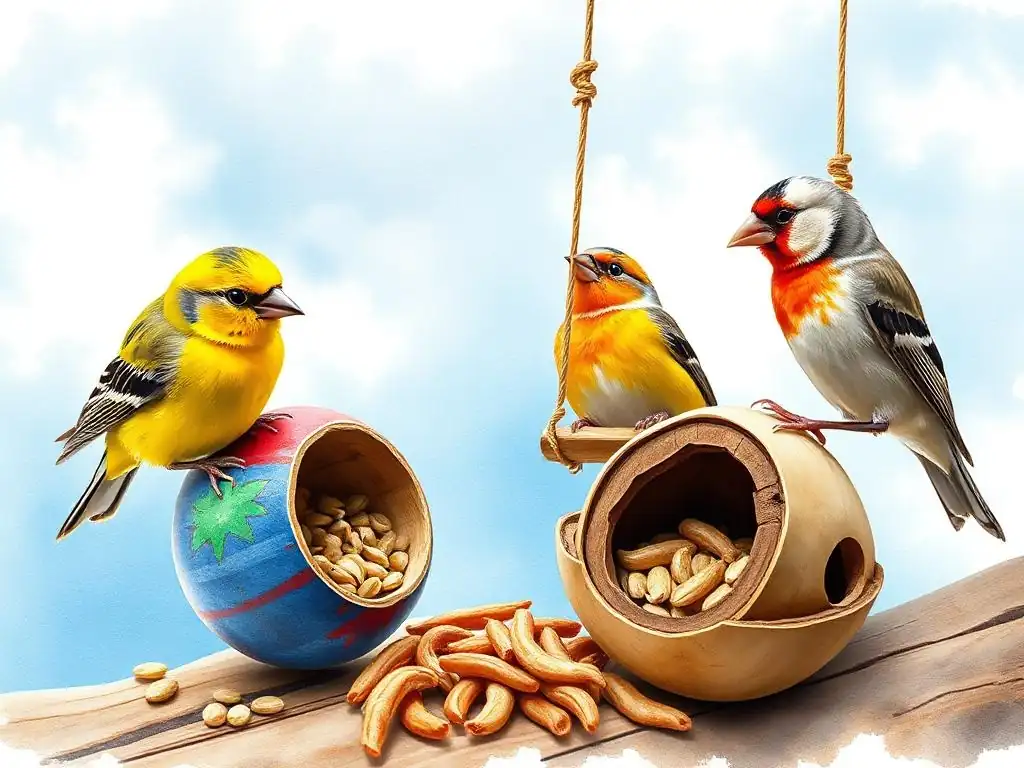
Providing enriching foraging opportunities for your finches is crucial for their physical and mental well-being. However, sometimes even the most thoughtfully designed setup can encounter challenges. This section addresses common problems and offers practical solutions to ensure your finches are happily engaged with their foraging toys. Understanding these potential issues and their solutions will significantly improve your finches' quality of life and enhance their finch foraging toy enrichment.
Finches Ignoring Foraging Toys: Possible Reasons and Solutions
Finches, like any pet, can be picky! If your finches are ignoring their new foraging toys, several factors might be at play. It's not necessarily a sign of failure; it's an opportunity for adjustment.
- Novelty Factor: New toys often take time for finches to investigate and accept. Don't be discouraged if they don't immediately flock to it. Patience is key. Try placing the toy near their food or water dish to encourage initial exploration.
- Difficulty Level: The toy might be too challenging or too easy. Finches need a balance of mental stimulation. If the toy is too difficult, they might become frustrated and give up. If it's too easy, they might quickly lose interest. Observe your finches' interaction with the toy to gauge the appropriate difficulty level. Consider offering a variety of foraging toys with varying levels of complexity.
- Material Preferences: Finches have preferences regarding materials. They might prefer natural materials like wood and straw over plastic. Experiment with different materials to discover what your finches find most appealing.
- Placement: The location of the foraging toy is critical. Ensure the toy is placed in a visible, accessible, and safe area within the cage. Avoid placing it in a crowded or stressful location.
- Lack of Hunger: If your finches are already well-fed, they might be less motivated to forage. Try offering the foraging toy at times when they are naturally more hungry, such as just before their usual feeding time. You could also try using high-value treats within the foraging toy itself.
Here's a table summarizing potential solutions:
| Problem | Possible Solution |
|---|---|
| Ignoring new toys | Patience, strategic placement near food/water, introduce gradually |
| Toy too difficult | Choose simpler toys, offer smaller, easier tasks |
| Toy too easy | Choose more complex toys, add more challenges (e.g., more hiding spots) |
| Material dislike | Try natural materials (wood, straw), different textures |
| Poor placement | Relocate the toy to a more visible and accessible area |
| Lack of hunger | Offer the toy when finches are hungry, incorporate high-value treats |
Remember, consistent observation is paramount. Note their reactions and adjust accordingly. The goal is to create a stimulating and enjoyable foraging experience. This ongoing process of refinement is crucial for successful finch foraging toy enrichment.
While foraging is beneficial, some finches might exhibit destructive behavior while interacting with their toys. This could involve shredding toys excessively or chewing on inappropriate parts of the cage.
This destructive behavior often stems from boredom, frustration, or an inappropriate toy choice. To address this:
- Provide a Variety of Toys: Offer a diverse range of foraging toys, rotating them regularly to prevent boredom. This provides continuous novelty and prevents them from focusing their destructive energy on a single item.
- Choose Durable Toys: Opt for toys made from sturdy, non-toxic materials that can withstand vigorous chewing. Avoid toys with small, detachable parts that could pose a choking hazard.
- Supervise Interactions: Monitor your finches' interaction with their toys to identify any patterns of destructive behavior. This allows you to intervene early and prevent damage.
- Offer Alternative Chewing Materials: Provide safe and appropriate chewing materials, such as natural wood perches or mineral blocks, to satisfy their instinctual need to chew.
- Address Underlying Issues: If destructive behavior persists despite these measures, consider consulting an avian veterinarian to rule out any underlying medical or behavioral issues. This proactive approach ensures the well-being of your finches.
Maintaining Hygiene and Safety of Foraging Toys
Maintaining the cleanliness and safety of foraging toys is vital to prevent the spread of diseases and ensure the well-being of your finches.
- Regular Cleaning: Clean foraging toys regularly, ideally once a week, using a bird-safe disinfectant. Rinse thoroughly with clean water and allow to dry completely before returning to the cage.
- Material Selection: Choose toys made from materials that are easy to clean and disinfect. Avoid toys with complex designs that are difficult to clean thoroughly.
- Inspect for Damage: Regularly inspect foraging toys for any signs of damage or wear and tear. Discard any damaged toys immediately to prevent potential hazards.
- Rotation and Replacement: Rotate and replace foraging toys periodically to maintain interest and prevent the buildup of bacteria or germs.
By following these guidelines, you can effectively manage potential issues, ensuring your finches benefit fully from the enrichment provided by finch foraging toy enrichment. Remember, a happy, stimulated finch is a healthy finch! 🐦
Resources for Finch Owners: Finding More Enrichment Ideas
This section explores various avenues for discovering further enrichment ideas to stimulate your finch's natural foraging instincts and enhance their overall well-being. Providing a stimulating environment is crucial for preventing boredom and promoting both physical and mental health in your feathered friend. Remember, a happy finch is an active finch! Finding the right resources can significantly impact your bird's quality of life. Let's delve into some excellent options.
Recommended Suppliers of Finch Foraging Toys
Finding high-quality, safe, and stimulating foraging toys specifically designed for finches can sometimes feel like a challenge. However, several reputable suppliers cater to the specific needs of these small birds. When selecting a supplier, prioritize those that use non-toxic materials, offer varied designs to prevent boredom, and provide detailed product descriptions. Look for toys that challenge your finch's problem-solving skills, encouraging them to work for their treats.
Here's what to look for in a good supplier:
- Variety of Toy Types: Avoid suppliers that only offer a limited selection. A good range ensures you can rotate toys regularly, preventing your finch from becoming accustomed to a single type of challenge.
- Material Safety: Ensure the materials used are bird-safe and non-toxic. Check for certifications or clear statements regarding the absence of harmful chemicals.
- Durability: Finches can be surprisingly strong for their size! Choose toys known for their durability to avoid frequent replacements and potential hazards from broken pieces.
- Size Appropriateness: Finches are small birds. Make sure the toys are sized appropriately to prevent accidental injury or choking hazards.
- Customer Reviews: Before purchasing, always check customer reviews to gauge the quality and durability of the toys and the reputation of the supplier.
Online Communities and Forums for Finch Owners
Connecting with other finch owners through online communities and forums is an invaluable resource. These platforms offer a wealth of shared experiences, tips, and recommendations on enrichment ideas. You can learn about innovative foraging toy designs, discover new treat combinations, and receive advice on addressing specific behavioral challenges related to foraging.
Engaging with these communities provides several benefits:
- Sharing Experiences: Learn from other owners' successes and challenges in providing enrichment.
- Finding New Ideas: Discover creative foraging toy designs and ideas you might not have considered.
- Seeking Advice: Get personalized advice from experienced finch owners on addressing specific behavioral issues.
- Building a Support Network: Connect with other enthusiasts who share your passion for finches.
- Staying Updated: Learn about the latest trends and innovations in finch care and enrichment.
Remember to be discerning and critical when reviewing information online. Always prioritize advice from reputable sources and experienced finch keepers.
Books and Articles on Finch Enrichment and Behavior
While online resources are readily available, dedicated books and articles provide a more in-depth understanding of finch behavior and enrichment techniques. These resources often offer detailed explanations of natural foraging behaviors, the importance of mental stimulation, and practical guidance on designing a stimulating environment for your finch.
When searching for relevant literature, look for:
- Author Credentials: Ensure the author has relevant expertise in avian behavior and finch care.
- Scientific Backing: Prefer resources that cite scientific studies and research to support their claims.
- Practical Advice: Look for books and articles that offer concrete, actionable steps for implementing enrichment strategies.
- Up-to-Date Information: Choose resources that reflect current best practices in finch care.
- Specific Focus on Foraging: Prioritize resources that specifically address foraging behaviors and enrichment techniques for finches.
By utilizing these resources, you can create a stimulating and enriching environment for your finch, promoting their happiness, health, and longevity. Remember that consistent effort and observation are key to understanding your finch's individual needs and preferences. Happy finch keeping! 🐦
Frequently Asked Questions
What are the benefits of using foraging toys for finches?
Foraging toys provide mental stimulation, preventing boredom and reducing stress in finches. This leads to happier, healthier birds with improved behavioral well-being.
How do I choose the right foraging toy for my finch?
Select toys appropriate for your finch's size and abilities. Look for toys made from safe, non-toxic materials and offer a variety of challenges to keep your finch engaged. Consider different types of foraging toys to prevent boredom.
What types of food are suitable for use in foraging toys?
Use small seeds, millet sprays, chopped fruits, and vegetables appropriate for finches. Avoid anything that could be a choking hazard. Always supervise your finch while it forages.
How often should I change my finch's foraging toys?
Vary the toys regularly to prevent boredom and provide novelty. Aim to change toys every few days or weeks, or when they become damaged or soiled.
My finch isn't interested in the foraging toy. What should I do?
Try different types of toys and food. Start with easier foraging challenges and gradually increase the difficulty. Positive reinforcement with treats can encourage your finch to interact with the toy.
Final Reflection: Cultivating Joy: The Enduring Power of Enrichment
Understanding finch foraging instincts is not just about providing food; it's about fostering a thriving, joyful life for these captivating creatures. The simple act of offering stimulating foraging opportunities profoundly impacts their well-being, mirroring the enriching activities that contribute to our own happiness and fulfillment. This connection between environmental enrichment and overall well-being transcends species.
The impact of providing engaging environments for our feathered friends extends beyond the individual bird; it reflects a growing awareness of animal welfare and a deeper understanding of the importance of natural behaviors. The greatest good you can do for another is not just to share your riches, but to reveal to him his own.
This quote, while not directly about finches, speaks to the profound impact of unlocking potential, whether in a bird or a person, through thoughtful engagement and enrichment. We, as caretakers, have a responsibility to provide the tools for our finches to thrive, mirroring our own need for stimulating environments and meaningful activities.
Now, consider your own life. What enriching activities bring you joy and a sense of purpose? Just as a cleverly designed foraging toy sparks curiosity and activity in your finch, actively seek out opportunities to engage your own senses, challenge your mind, and nurture your spirit. Embrace the lessons learned from these tiny birds: a life filled with stimulation, exploration, and purpose is a life truly lived. Let the simple act of providing for your finch inspire you to cultivate joy and enrichment in your own life, and in the lives of those around you.
Unleash Your Finch's Inner Explorer!
Thanks for exploring the fascinating world of finch foraging! You've learned how enriching your bird's environment can lead to a happier, healthier pet. Now it's time to put that knowledge into practice.
- Design a foraging challenge: Create a stimulating environment for your finch by hiding its favorite seeds and treats in puzzle feeders, toilet paper tubes, or small, safe containers around its cage. This will help unlock your finch's natural foraging instincts!
- Share your success (or challenges!): Tell us about your finch's reaction to its new foraging activities in the comments below. We'd love to hear your stories!
- Explore more enriching activities: Discover other ways to stimulate your feathered friend by browsing PetCareWorld.org for more articles on bird enrichment.
Ready to see your finch thrive with a renewed zest for life? What creative foraging puzzle will you design for your little explorer?