
DIY Bird Treat Guide: Simple, Healthy Recipes Using Kitchen Staples

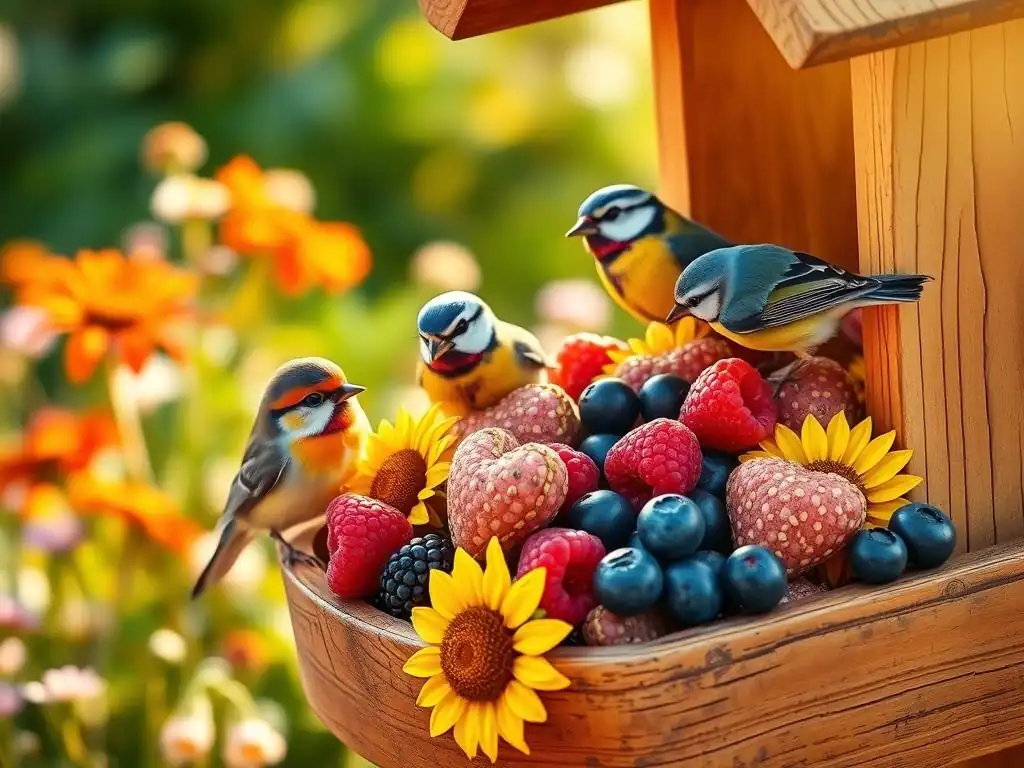
Welcome to PetCareWorld, your ultimate guide to a happier, healthier life for your beloved companions! Are you ready to spoil your feathered friend with delicious and nutritious treats, all made with ingredients you probably already have in your kitchen? Discover our collection of DIY bird treat healthy recipes, simple enough for any pet owner yet packed with goodness to keep your bird chirping with joy. Dive in and unlock the secrets to crafting amazing homemade bird treats!
- Introduction: Why Homemade Bird Treats are Best
- Simple DIY Bird Treat Recipes: Easy-to-Make Delights
- Advanced DIY Bird Treat Recipes: More Complex, Yet Rewarding Creations
- Troubleshooting Common DIY Bird Treat Problems
- Conclusion: Enriching Your Bird's Life with Homemade Treats
-
Frequently Asked Questions about DIY Bird Treats (FAQ)
- Are store-bought treats better than homemade treats?
- How often should I give my bird homemade treats?
- What are some common mistakes to avoid when making DIY bird treats?
- Can I freeze leftover homemade bird treats?
- Are there any ingredients I should avoid using in homemade bird treats?
- How can I make sure my homemade bird treats are safe for my bird?
- Frequently Asked Questions
- Final Reflection: Nurturing Nature, One Bird Treat at a Time
- Unleash Your Inner Bird Chef: Delight Your Feathered Friend!
Introduction: Why Homemade Bird Treats are Best
Providing your feathered friend with nutritious and delicious treats is a rewarding aspect of bird ownership. While commercially available bird treats are convenient, opting for homemade options offers significant advantages. This comprehensive guide will walk you through creating simple, healthy, and delicious DIY bird treats using common kitchen staples.
We'll explore the numerous benefits of homemade treats, delve into the essential nutritional needs of various bird species, and provide you with safe and nutritious ingredient choices to ensure your bird enjoys a balanced and exciting diet. Creating DIY bird treats is not only a fun activity that strengthens your bond with your pet, but also a cost-effective way to provide superior nutrition tailored to your bird's specific needs, contributing to their overall health and happiness.
This guide focuses on providing you with the knowledge and recipes to confidently craft healthy and delicious treats that your bird will adore. Let's embark on this journey of creating the perfect, healthy, and delicious DIY bird treats!
Benefits of DIY Bird Treats: Healthier Options and Cost Savings
Making your own bird treats offers a multitude of benefits compared to store-bought options. Firstly, you have complete control over the ingredients, ensuring you're providing your bird with only the highest quality, natural, and healthy components. This allows you to avoid artificial colors, preservatives, and unhealthy additives often found in commercially produced treats, which can negatively impact your bird's health.
Secondly, DIY bird treats are often significantly more cost-effective. Many store-bought treats are surprisingly expensive, while homemade alternatives utilize readily available and affordable kitchen staples. Finally, making treats yourself allows for customization based on your bird's specific dietary needs and preferences.
You can adjust the ingredients and recipes to cater to any allergies or sensitivities, ensuring your bird receives optimal nutrition. This personalized approach contributes to a stronger bond between you and your feathered companion. For example, a bird with a sensitivity to certain seeds can enjoy a customized treat free from those allergens.
Understanding Your Bird's Dietary Needs: Essential Nutrients for a Healthy Diet
Before diving into recipes, it's crucial to understand your bird's specific dietary requirements. Different bird species have varying nutritional needs. For instance, smaller birds like finches have different energy requirements than larger parrots. A balanced bird diet should consist of a variety of nutrients, including:
- Proteins: Essential for growth, feather maintenance, and overall health. Good sources include cooked beans, lentils, and small amounts of cooked lean meats (chicken or turkey, always cooked thoroughly).
- Carbohydrates: Provide energy. Good sources include cooked sweet potatoes, oats, and small amounts of fruits (in moderation).
- Fats: Necessary for hormone production and insulation. Good sources include small amounts of nuts and seeds (always in moderation, as these are high in fat).
- Vitamins and Minerals: Crucial for various bodily functions. These can be supplemented through a variety of fruits and vegetables (in moderation, as some can be toxic to birds).
Remember to consult an avian veterinarian to determine the precise nutritional needs of your specific bird species and to rule out any potential allergies or sensitivities. Providing a balanced and varied diet is key to maintaining your bird's health and well-being. Avoid relying solely on treats; they should supplement, not replace, a complete and balanced bird feed.
Choosing the Right Ingredients: Safe and Nutritious Options for Your Feathered Friend
Selecting the right ingredients is paramount when making DIY bird treats. Always prioritize fresh, high-quality, and bird-safe ingredients. Some excellent choices include:
| Ingredient Category | Safe Options | Ingredients to Avoid |
|---|---|---|
| Fruits | Berries (blueberries, raspberries), banana slices (in moderation) | Avocado, chocolate, caffeine-containing foods |
| Vegetables | Cooked carrots, cooked sweet potato, broccoli florets | Onions, garlic, rhubarb |
| Grains & Legumes | Cooked brown rice, cooked quinoa, lentils | Raw beans, uncooked rice |
| Nuts & Seeds (in moderation) | Unsalted sunflower seeds, pumpkin seeds | Salty nuts, processed nut butters |
| Other | Cooked pasta (plain), cooked sweetcorn | Anything moldy or spoiled |
Remember to always thoroughly cook any vegetables or grains before including them in your bird's treats to ensure digestibility and eliminate potential bacteria. Never use processed foods, artificial sweeteners, or anything containing chocolate, caffeine, or alcohol. Always research the safety of any new ingredients before introducing them to your bird's diet. A little research and careful ingredient selection will guarantee safe and healthy treats for your feathered friend.
Simple DIY Bird Treat Recipes: Easy-to-Make Delights
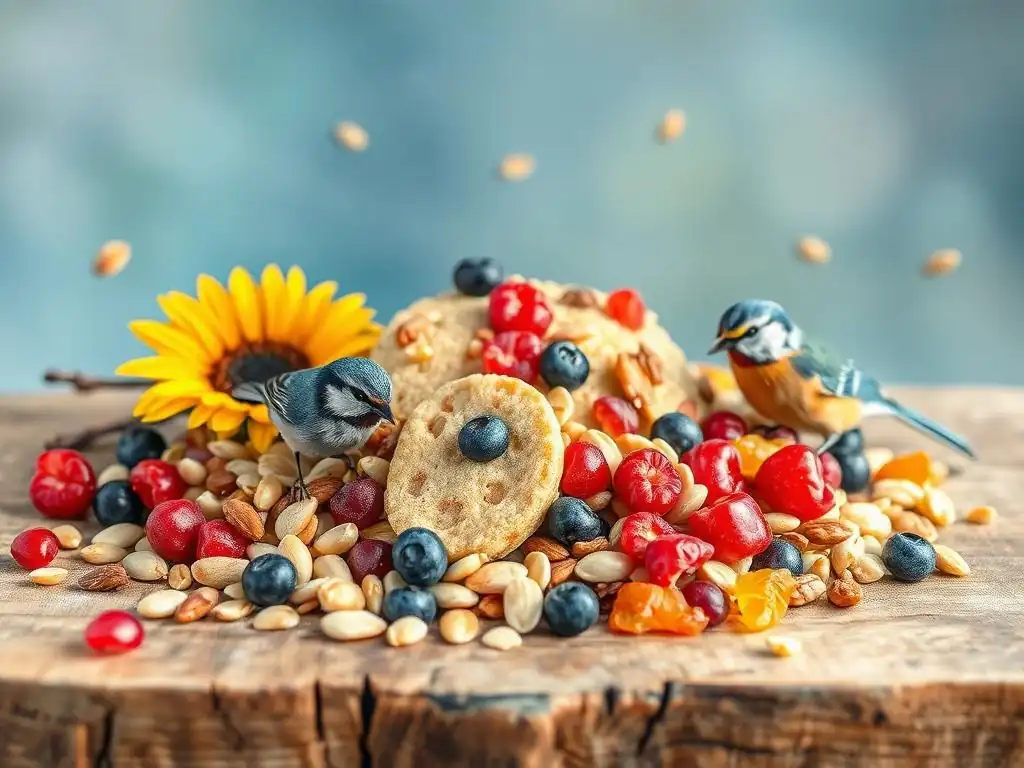
This section provides simple, healthy, and delicious DIY bird treat recipes using common kitchen staples. These recipes are designed to supplement your bird's regular diet, offering nutritional variety and enrichment. Remember to always introduce new foods gradually to monitor for any allergic reactions. These recipes are perfect for smaller birds, but portions can be adjusted for larger species. Always supervise your bird while they are enjoying their treats to prevent choking hazards.
No-Bake Birdseed Energy Balls: A Quick and Easy Recipe Using Oats and Seeds
This recipe is a fantastic source of energy and essential nutrients for your feathered friends. It's quick, easy, and requires minimal ingredients, making it perfect for busy pet owners. The combination of oats, seeds, and a touch of honey provides a delicious and nutritious treat.
Ingredient List: Rolled Oats, Sunflower Seeds, Kaytee Forti-Diet Pro Health Birdseed Blend, Honey
- Rolled Oats (1 cup): Provides fiber and complex carbohydrates for sustained energy.
- Sunflower Seeds (½ cup): Excellent source of healthy fats and vitamin E.
- Kaytee Forti-Diet Pro Health Birdseed Blend (½ cup): Adds a variety of seeds and grains for balanced nutrition. (Note: Substitute with your bird's preferred seed blend).
- Honey (2 tablespoons): Acts as a binder and provides natural sweetness (use sparingly).
Instructions: Step-by-Step Guide with Images
- In a medium bowl, combine rolled oats, sunflower seeds, and Kaytee Forti-Diet Pro Health Birdseed Blend.
- Gradually add honey, mixing thoroughly until all ingredients are evenly moistened. The mixture should hold its shape when squeezed gently.
- Roll the mixture into small balls (approximately ½ inch in diameter).
- Place the energy balls on a baking sheet lined with parchment paper and allow them to dry completely at room temperature (approximately 2-3 hours).
Tip: For a fun variation, you can add finely chopped nuts (ensure they are bird-safe) or dried cranberries (in moderation).
Storage Tips: Keeping Your Treats Fresh and Preventing Spoilage
Store the no-bake birdseed energy balls in an airtight container in a cool, dry place. They should remain fresh for approximately one week. Discard any treats that show signs of mold or spoilage. Always monitor your bird's consumption and adjust the amount of treats given accordingly. Avoid overfeeding, as treats should only be a small part of their overall diet.
Fruit and Veggie Delights: Preparing Safe and Healthy Fruit and Vegetable Treats
Fruits and vegetables offer essential vitamins and minerals that can complement your bird's diet. However, it's crucial to select bird-safe options and prepare them correctly to avoid digestive issues. Always introduce new fruits and vegetables gradually and in small quantities.
Safe Fruits for Birds: Apples, Bananas, Blueberries
- Apples: Offer fiber and antioxidants. Remove seeds and core before serving.
- Bananas: Good source of potassium and fiber. Offer in moderation due to their sugar content.
- Blueberries: Packed with antioxidants. Small quantities are ideal.
Safe Vegetables for Birds: Carrots, Broccoli, Sweet Potatoes
- Carrots: Rich in beta-carotene, which converts to vitamin A. Offer in small pieces.
- Broccoli: Excellent source of vitamins C and K. Steam or lightly roast for better digestibility.
- Sweet Potatoes: Provide vitamin A and fiber. Cook until soft before serving.
Preparation Methods: Steaming, Roasting, and Freezing for Optimal Nutrition
| Preparation Method | Advantages | Disadvantages | Suitable Vegetables/Fruits |
|---|---|---|---|
| Steaming | Retains nutrients, softens texture | Can be time-consuming | Broccoli, carrots, sweet potatoes |
| Roasting | Enhances flavor, adds a crunchy texture | Can reduce some nutrient content if overcooked | Carrots, sweet potatoes |
| Freezing | Preserves nutrients, extends shelf life | Requires pre-preparation and freezing space | Most fruits and vegetables (after preparation) |
Important Note: Always wash fruits and vegetables thoroughly before preparing them for your bird. Avoid using pesticides or chemical treatments. Observe your bird for any signs of digestive upset after introducing new foods. If you have any concerns about your bird's diet, consult with an avian veterinarian. 🐦
Homemade Bird Crackers: A Nutritious and Crunchy Treat
These homemade bird crackers offer a delightful crunchy texture and a nutritional boost to your feathered friend's diet. They are surprisingly simple to make using common kitchen ingredients, providing a healthy and tasty alternative to commercially available treats. The recipe is easily adaptable to your bird's specific dietary needs and preferences, allowing for creative customization with different seeds and spices. Remember to always supervise your bird while they enjoy their treats, ensuring they don't consume more than recommended.
Overfeeding can lead to health problems, so moderation is key. This recipe provides a foundation for creating a variety of delicious and healthy cracker options. The best part? You'll know exactly what's going into your bird's treat, avoiding any potentially harmful additives or preservatives found in store-bought options.
Recipe Using Whole Wheat Flour, Eggs, and Seeds
This recipe provides a basic framework for creating delicious and nutritious bird crackers. Feel free to adjust the quantities based on your bird's size and appetite. Remember to always use organic ingredients whenever possible to minimize exposure to pesticides and other harmful chemicals.
Ingredients:
- 1 cup whole wheat flour (you can substitute with oat flour for a different texture)
- 1/4 cup water
- 1 egg (lightly beaten)
- 1 tablespoon sunflower seeds
- 1 tablespoon pumpkin seeds
- 1/2 tablespoon finely chopped parsley (optional, for added vitamins and flavor)
Instructions:
- Preheat your oven to 350°F (175°C).
- In a large bowl, combine the flour, water, and egg. Mix until a smooth dough forms. If the dough is too dry, add a teaspoon of water at a time until it reaches the desired consistency. If it's too wet, add a bit more flour.
- Gently stir in the sunflower seeds, pumpkin seeds, and parsley (if using).
- Roll out the dough on a lightly floured surface to about 1/8 inch thickness.
- Use cookie cutters (bird-shaped ones would be adorable!) or a knife to cut the dough into small, bite-sized pieces.
Baking Instructions and Temperature Control for Perfect Crackers
Proper baking is crucial for creating crispy, delicious bird crackers. Overbaking can result in burnt, hard crackers, while underbaking will leave them soft and potentially moldy. Always monitor the crackers closely during baking to achieve the perfect texture.
Baking Instructions:
- Place the cut crackers onto a baking sheet lined with parchment paper. This prevents sticking and makes cleanup easier.
- Bake for 15-20 minutes, or until the edges are golden brown and the crackers are firm to the touch. Keep a close eye on them during the last few minutes to prevent burning.
- Remove the baking sheet from the oven and let the crackers cool completely on a wire rack before serving them to your bird. This allows them to crisp up further and prevents them from becoming soggy.
Adding Variety: Incorporating different seeds and spices for flavor
One of the best aspects of making homemade bird treats is the ability to experiment with different flavors and ingredients. This not only keeps things interesting for your bird but also allows you to tailor the treats to their specific dietary needs and preferences. Always introduce new ingredients gradually to monitor for any allergic reactions.
Flavor Variations:
- Seed variations: Experiment with different types of seeds, such as chia seeds, flax seeds, hemp seeds, and even finely crushed nuts (in small quantities). Each seed offers a unique nutritional profile.
- Spice additions: A tiny pinch of cinnamon or turmeric can add a touch of flavor and potential health benefits (always research the safety of spices for birds before adding them).
- Fruit and vegetable additions: Finely grated carrots or a tiny amount of pureed fruits like apples or bananas can add moisture and nutrients (again, introduce new fruits and vegetables gradually). Remember to remove any seeds or pits before adding fruits.
- Herbs: Finely chopped herbs like parsley, dill, or cilantro can add flavor and vitamins, but use them sparingly.
Remember to always consult with an avian veterinarian before making significant changes to your bird's diet, especially if they have any pre-existing health conditions. Enjoy the process of creating healthy and delicious treats for your feathered companion! Providing homemade treats is a great way to show your love and care for your bird while ensuring they receive nutritious and delicious food.
Advanced DIY Bird Treat Recipes: More Complex, Yet Rewarding Creations
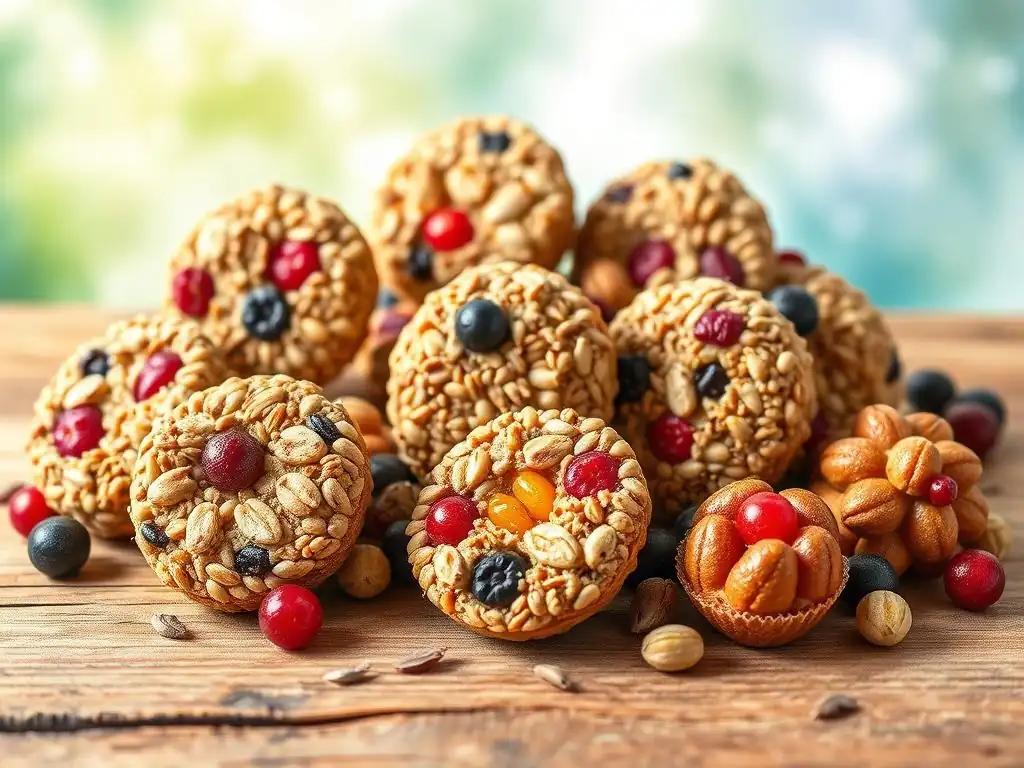
This section explores more intricate DIY bird treat recipes, perfect for experienced bird owners looking to create truly nutritious and engaging culinary experiences for their feathered friends. These recipes require a bit more preparation but offer significant rewards in terms of nutritional value and the sheer joy of crafting personalized treats. Remember to always supervise your bird while they enjoy their treats and adjust quantities based on your bird's size and specific dietary needs. These recipes are designed to complement, not replace, a balanced birdseed diet.
Nutrient-Packed Bird Cakes: A Recipe Using Nuts, Seeds, and Dried Fruits
This recipe focuses on creating a delicious and nutritious bird cake packed with essential vitamins and minerals. The key is selecting high-quality ingredients and employing proper baking techniques to ensure a moist and appealing treat. This recipe is particularly suitable for larger birds like parrots and cockatoos, but smaller portions can be given to smaller birds.
Ingredient Selection: Choosing High-Quality Nuts and Seeds
The quality of your ingredients directly impacts the nutritional value and palatability of your bird cakes. Avoid nuts and seeds that are rancid or show signs of mold. Opt for unsalted and unflavored varieties. Here's a breakdown:
- Nuts: Almonds (sliced or chopped), walnuts (crumbled), pecans (chopped) – remember to remove any shells completely. Avoid macadamia nuts, which are toxic to birds.
- Seeds: Sunflower seeds (both black oil and striped), pumpkin seeds, hemp seeds. Choose seeds that are whole and plump.
- Dried Fruits: Cranberries (unsweetened), chopped apricots (unsweetened), raisins (used sparingly due to sugar content). Make sure these are free from added sugars or preservatives. Avoid grapes, which can be toxic to birds.
- Binder: A small amount of honey or unsweetened applesauce can be used as a binder to hold the ingredients together. Use sparingly to avoid excessive sugar.
| Ingredient | Quantity (adjust based on your bird's needs) | Notes |
|---|---|---|
| Almonds (sliced) | 1/4 cup | Unsalted, high quality |
| Sunflower Seeds | 1/2 cup | Black oil or striped, whole and plump |
| Pumpkin Seeds | 1/4 cup | Shelled, unsalted |
| Dried Cranberries | 1 tablespoon | Unsweetened |
| Unsweetened Applesauce | 1-2 tablespoons | Use as a binder, add gradually |
Baking Techniques for a Perfectly Moist Bird Cake
The baking process is crucial for achieving a moist and appealing bird cake. Overbaking can result in a dry and crumbly treat.
- Preheat your oven to 300°F (150°C). Use a low temperature to prevent burning.
- Combine ingredients: Gently mix all the ingredients in a bowl until well combined. Avoid over-mixing.
- Prepare the baking dish: Line a small baking dish (approximately 8x8 inches) with parchment paper for easy removal.
- Bake: Bake for 20-25 minutes, or until the edges are lightly golden brown. Check frequently to prevent overbaking. A toothpick inserted into the center should come out with only a few moist crumbs attached.
- Cool completely: Allow the bird cake to cool completely before cutting into smaller pieces.
Storage and Serving Suggestions
Once cooled, cut the bird cake into bite-sized pieces appropriate for your bird's size. Store the treats in an airtight container in the refrigerator for up to a week. You can also freeze portions for longer storage. Always supervise your bird while they are eating the treats. Offer these as occasional treats, not a regular part of their diet. Observe your bird for any adverse reactions. Remember to always prioritize a balanced and species-appropriate diet for your bird. Enjoy watching your feathered friend savor these delicious and healthy homemade treats! 🎉
Troubleshooting Common DIY Bird Treat Problems
Creating homemade bird treats is a rewarding experience, offering you the chance to control the ingredients and ensure your feathered friend receives nutritious snacks. However, even with the best intentions, some challenges may arise. This section addresses common issues encountered when making DIY bird treats, providing solutions to ensure your avian companion enjoys their healthy, homemade snacks. We'll cover ingredient selection, storage techniques, and addressing picky eaters.
My Bird Won't Eat My Homemade Treats: Identifying and Addressing Pickiness
Many bird owners encounter the frustrating situation of their bird refusing homemade treats. This isn't necessarily a reflection of your culinary skills! Birds, like humans, have preferences. Several factors can contribute to a bird's refusal of homemade treats:
- Texture: Some birds prefer softer textures, while others enjoy a crunch. Experiment with different cooking methods – steaming, baking, air-drying – to achieve varied textures. For example, try offering finely grated vegetables instead of larger chunks.
- Ingredients: Just because a recipe calls for an ingredient doesn't mean your bird will like it. Introduce new ingredients gradually and observe your bird's reaction. If they consistently reject a particular ingredient, remove it from future recipes. A bird's dietary needs also vary by species; what works for a cockatiel might not appeal to an amazon parrot.
- Presentation: Birds are visual creatures. Try presenting the treats in different ways: on a foraging toy, scattered in their cage, or hand-fed. The novelty might entice a hesitant bird.
- Timing: Offer the treats at different times of the day. Birds may be more receptive to treats when they're hungry or feeling playful.
Consider keeping a detailed "treat diary" noting the ingredients, preparation methods, and your bird's response. This will help identify patterns and preferences over time. Remember, patience is key; it may take several attempts before your bird accepts a new treat. Don't give up!
Storing Homemade Treats Properly: Preventing Mold and Spoilage
Proper storage is crucial to prevent mold growth and spoilage in homemade bird treats. Improper storage can lead to health issues for your bird. Here's a guide to safe storage practices:
| Storage Method | Suitable for | Duration | Notes |
|---|---|---|---|
| Airtight Container | Most dry treats | 1-2 weeks (refrigerate) | Ensure the container is completely sealed to prevent moisture absorption. |
| Freezer | Most treats | 2-3 months | Freeze in individual portions for easy thawing. |
| Refrigerated Container | Moist treats, fruits | 3-5 days | Monitor for signs of spoilage regularly. |
Remember to always check for signs of mold (fuzzy growth) or spoilage (off-odor, discoloration) before feeding any treats to your bird. Discard any treats that show signs of deterioration. It's better to err on the side of caution and prevent potential health problems. Always label your containers with the date of preparation.
Understanding Bird Allergies and Sensitivities: Choosing Safe Ingredients
Before introducing any new ingredient into your bird's diet, it's crucial to understand potential allergies and sensitivities. Some common bird allergies include:
- Avocado: Contains persin, which is toxic to birds.
- Chocolate: Contains theobromine, which is toxic to birds.
- Caffeine: Found in coffee, tea, and some sodas, can be harmful.
- Alcohol: Extremely toxic to birds.
- Onions and Garlic: Can damage red blood cells.
Furthermore, certain fruits and vegetables can cause digestive upset or allergic reactions in some birds. Start by introducing small quantities of a new ingredient, carefully monitoring your bird's reaction for several days. Look for signs of digestive issues (diarrhea, vomiting), lethargy, or respiratory problems. If you observe any adverse reactions, discontinue use immediately and consult an avian veterinarian. Remember, a healthy and balanced diet is essential for your bird's well-being. Always prioritize safety and consult an avian vet for any concerns regarding your bird's diet. This proactive approach ensures your feathered friend remains healthy and happy.
Conclusion: Enriching Your Bird's Life with Homemade Treats
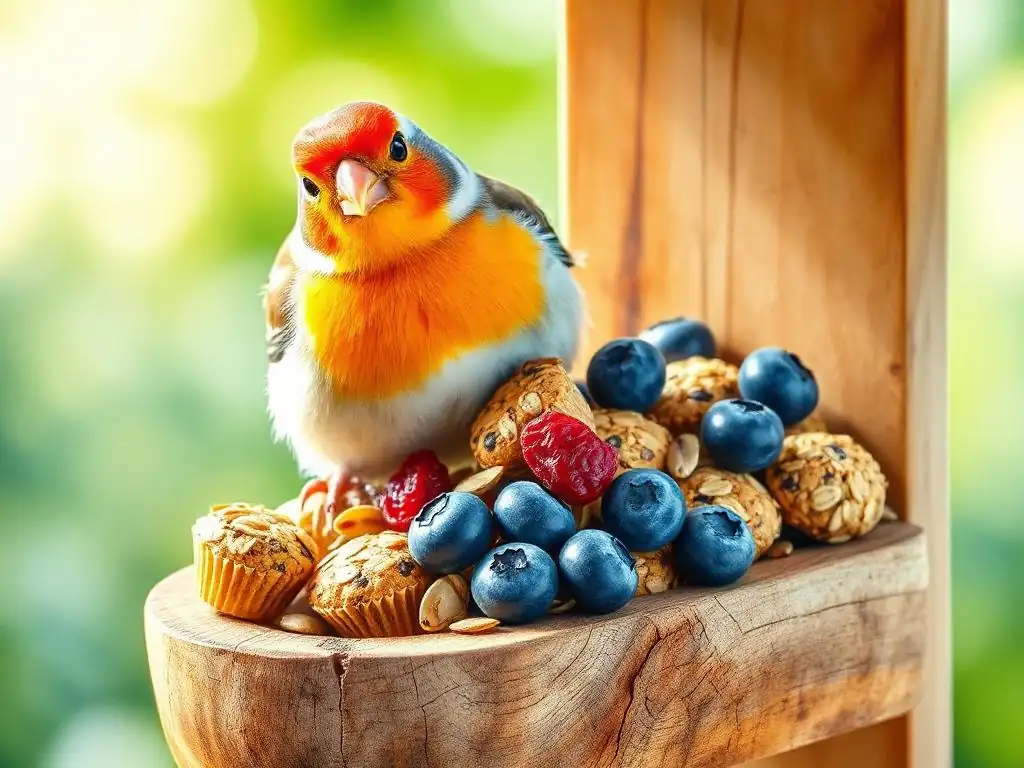
Creating DIY bird treats isn't just a fun weekend project; it's a powerful way to demonstrate your love and care for your feathered friend. By taking control of your bird's diet, you gain a deeper understanding of their nutritional needs and can tailor their treats to their specific preferences and health requirements. Remember, these recipes are a supplement to a balanced commercial birdseed diet, not a replacement. The key is moderation and a conscious effort to provide a varied and enriching culinary experience for your bird.
This approach fosters a stronger bond and contributes significantly to their overall well-being. Making homemade treats allows you to avoid potentially harmful additives and preservatives often found in commercially produced snacks, ensuring your bird receives only the best. The joy of watching your bird happily enjoy a treat you've made yourself is truly priceless.
The Importance of Variety in Your Bird's Diet
A varied diet is crucial for a healthy and happy bird. Monotony can lead to nutritional deficiencies and a lack of interest in food. While a good quality commercial seed mix provides a base, supplementing with DIY bird treats offers the opportunity to introduce a wide range of flavors, textures, and nutrients.
Think of it like a human's diet – we wouldn't survive on just one type of food! Birds need a similar diversity to thrive. For example, incorporating treats made with different fruits (berries, apples, bananas), vegetables (cooked carrots, sweet potato), and grains (cooked quinoa, oats) provides a spectrum of vitamins, minerals, and antioxidants.
Experiment with different combinations to discover your bird's favorites, ensuring they receive a complete nutritional profile. Remember to always introduce new foods gradually to avoid digestive upset. A good rule of thumb is to offer a small amount of a new treat and monitor your bird for any adverse reactions.
Long-Term Benefits of Homemade Treats: Improved Health and Wellbeing
The long-term advantages of providing your bird with homemade treats extend beyond simply satisfying their cravings. A well-planned diet, incorporating these healthy DIY options, can significantly improve your bird's overall health and well-being. By avoiding artificial colors, flavors, and preservatives often present in commercial treats, you minimize the risk of allergies and digestive problems. This can lead to a stronger immune system, increased energy levels, and a brighter, more vibrant plumage.
Furthermore, the act of preparing these treats strengthens the bond between you and your bird, providing enriching interaction and mental stimulation. The process of selecting ingredients, preparing the treats, and presenting them to your bird fosters a deeper connection, enriching your relationship and improving their overall quality of life. Careful monitoring of your bird's response to different treats also allows for early detection of any potential health issues.
Resources and Further Reading: Links to Reputable Sources
[Specific information pending: This section would ideally include links to reputable avian veterinary websites, nutritional guides for birds, and other relevant resources. This information will be added later.] Meanwhile, remember to always consult with an avian veterinarian before making significant changes to your bird's diet, especially if they have any pre-existing health conditions. They can provide personalized advice tailored to your bird's specific needs and ensure you are providing the best possible nutrition.
Thorough research and professional guidance are key components in ensuring your bird receives optimal care. Remember, responsible pet ownership involves ongoing learning and a commitment to providing the best possible care for your feathered companion. 🐦
Frequently Asked Questions about DIY Bird Treats (FAQ)
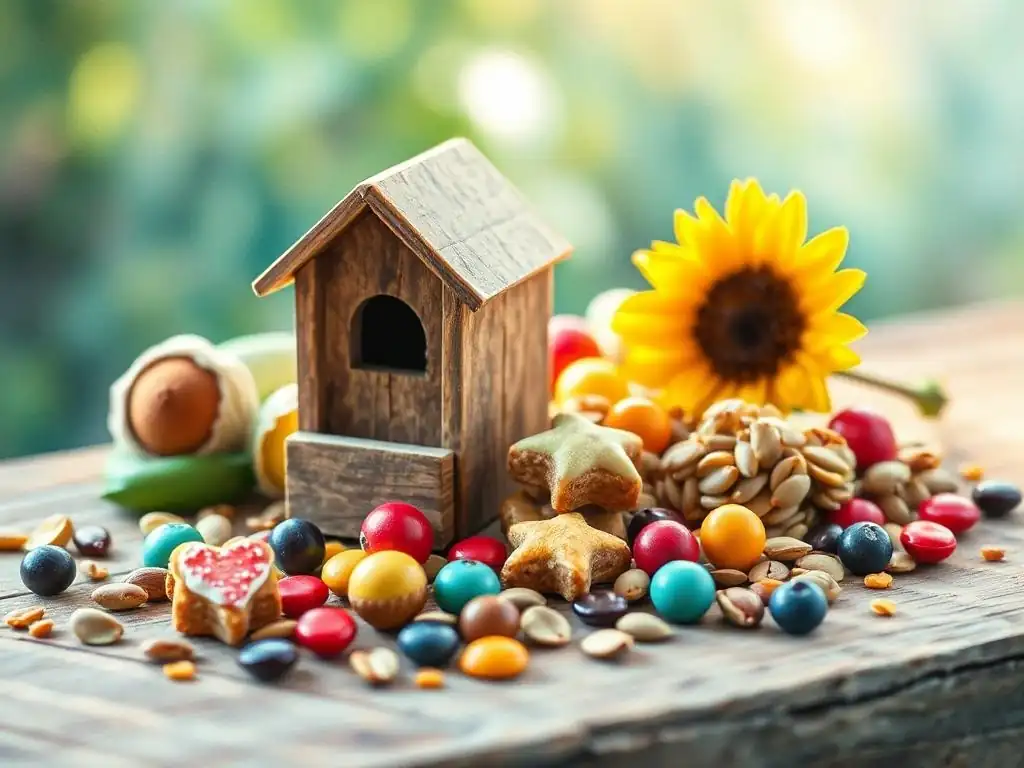
This section addresses common queries regarding the preparation and use of homemade bird treats, focusing on safety, frequency, and potential pitfalls to avoid. Creating healthy and delicious DIY bird treats is rewarding, but understanding best practices is crucial for your feathered friend's well-being.
Are store-bought treats better than homemade treats?
The "better" option between store-bought and homemade bird treats depends entirely on several factors. Store-bought treats offer convenience; they are readily available and require no preparation. However, ingredients lists often contain artificial colors, flavors, and preservatives that may not be ideal for your bird's long-term health. Many commercial treats are also high in sugar and fat, contributing to obesity and other health problems.
Homemade treats, on the other hand, allow for complete control over ingredients. You can ensure your bird receives only wholesome, natural components, tailoring the recipe to their specific dietary needs and preferences. This offers a significant advantage in terms of nutritional value and avoiding potential allergens. However, homemade treats require time and effort for preparation and careful consideration of appropriate ingredients to ensure they are safe and nutritious.
Ultimately, a balanced approach is often best. A small amount of carefully selected store-bought treats can supplement a primarily homemade treat diet, providing variety and enrichment. Always carefully examine the ingredient list of commercial treats, opting for those with minimal artificial additives and high-quality, recognizable ingredients.
How often should I give my bird homemade treats?
Treats should never replace a bird's primary diet of high-quality seeds, pellets, and fresh fruits and vegetables. Think of homemade treats as a supplementary reward, enrichment, or occasional special indulgence, not a staple food source.
The frequency of giving homemade treats depends on your bird's species, size, overall health, and activity level. A good rule of thumb is to limit treats to no more than 10% of your bird's daily caloric intake. For a small bird, this might translate to a tiny piece of a treat once or twice a week. Larger birds might tolerate slightly more, but moderation is key.
Observe your bird's weight and overall health. If you notice any weight gain or changes in behavior, adjust the frequency of treats accordingly. Always prioritize a balanced and nutritious primary diet. Remember, too many treats, even healthy ones, can lead to nutritional imbalances and health problems.
What are some common mistakes to avoid when making DIY bird treats?
Several common pitfalls can compromise the safety and effectiveness of homemade bird treats. Avoiding these mistakes is crucial to ensure you’re providing your bird with a healthy and enjoyable snack.
- Using toxic ingredients: Many common kitchen staples are toxic to birds. These include avocado, chocolate, caffeine, onions, garlic, and salt. Always thoroughly research the safety of any ingredient before incorporating it into a bird treat recipe. Even seemingly harmless ingredients, if consumed in large quantities, can be harmful.
- Improper cooking techniques: Incorrect cooking temperatures or methods can create potentially harmful compounds. Always follow recipes carefully and ensure that treats are cooked thoroughly to eliminate harmful bacteria.
- Insufficiently small treat sizes: Birds can easily choke on large pieces of food. Always ensure that treats are appropriately sized for your bird's beak and swallowing capabilities. Small, bite-sized pieces are ideal.
- Ignoring individual dietary needs: Not all birds have the same dietary requirements. Some birds may have allergies or sensitivities to certain foods. Consider your bird's specific species and any known health conditions when creating treats.
- Overfeeding: As mentioned previously, treats should be given sparingly. Overfeeding can lead to obesity, digestive problems, and other health issues. Moderation is key to maintaining your bird's health and well-being. Remember the 10% rule! 🐦
By avoiding these common mistakes and following safe preparation practices, you can create delicious and nutritious homemade treats that your bird will love, contributing to their overall happiness and health. Remember, a little bit of preparation goes a long way in ensuring the safety and enjoyment of your pet.
Can I freeze leftover homemade bird treats?
Yes, you can absolutely freeze leftover homemade bird treats! Freezing is a fantastic way to preserve your hard work and ensure your feathered friends have access to delicious, nutritious snacks for weeks to come. However, proper freezing techniques are crucial to maintain the quality and safety of the treats.
To freeze your DIY bird treats effectively, allow them to cool completely before placing them in airtight, freezer-safe containers. Avoid using flimsy plastic bags, as these can tear and expose the treats to freezer burn, impacting their texture and flavor. Rigid containers, like those designed for ice cubes or small portions of food, work best. Label each container clearly with the date and the type of treat it contains, to avoid confusion later.
Remember that freezing can alter the texture of some treats. For instance, softer, wetter treats might become slightly icy upon thawing. This is perfectly normal and doesn't necessarily indicate spoilage.
However, it's important to thaw the treats completely before serving them to your birds, ensuring they are safe and palatable. Always supervise your birds when they are eating thawed treats, and discard any uneaten portions after a reasonable amount of time to prevent bacterial growth. The shelf life of frozen bird treats will vary depending on the ingredients used, but generally, they will remain safe and palatable for 2-3 months when stored properly.
Are there any ingredients I should avoid using in homemade bird treats?
Absolutely! While crafting healthy and delicious DIY bird treats is rewarding, it's crucial to be aware of certain ingredients that can be toxic or harmful to your feathered companions. Avoid anything containing chocolate, caffeine, alcohol, avocado, onions, garlic, salt, and processed sugars. These ingredients can cause significant digestive upset, organ damage, or even be fatal to birds. Even seemingly harmless ingredients like xylitol (an artificial sweetener) should be strictly avoided, as it is extremely toxic to many animals, including birds.
Furthermore, be mindful of the size and shape of the treats. Avoid making treats that are too small, as these pose a choking hazard. Similarly, avoid making treats that are too large or hard, as these can damage your bird's beak or cause digestive problems. Always prioritize safety and choose ingredients appropriate to your bird's size and species. Research specific dietary needs and sensitivities for your bird species to ensure the treats you're making are suitable. For example, the nutritional requirements of a small finch will differ vastly from those of a large parrot.
How can I make sure my homemade bird treats are safe for my bird?
Ensuring the safety of your homemade bird treats is paramount. Here's a comprehensive guide to help you create safe and enjoyable treats for your feathered friends:
- Ingredient Selection: Always opt for fresh, high-quality ingredients. Avoid using expired or spoiled food. Carefully review the ingredients list to ensure no toxic substances are present.
- Hygiene: Maintain meticulous hygiene throughout the preparation process. Wash your hands thoroughly before handling ingredients and equipment. Clean and disinfect all surfaces and utensils used in preparation.
- Cooking Methods: Ensure all treats are cooked thoroughly to eliminate any potential bacterial contamination. Follow recipes carefully and monitor cooking temperatures.
- Storage: Store homemade treats properly to prevent spoilage. Use airtight containers and refrigerate or freeze leftover treats as appropriate. Always label containers with the date of preparation.
- Portion Control: Never overfeed your bird. Offer treats in moderation as part of a balanced diet. Observe your bird for any signs of digestive upset or allergic reactions after introducing new treats.
- Species-Specific Diets: Consult with an avian veterinarian to determine the appropriate types and amounts of treats for your specific bird species. Nutritional needs vary widely between species.
Frequently Asked Questions
What makes these bird treat recipes "healthy"?
These recipes prioritize whole, natural ingredients like fruits, vegetables, and grains, avoiding processed foods, added sugars, and artificial ingredients that can be harmful to birds. They focus on providing nutritional benefits alongside deliciousness.
Are these recipes suitable for all types of birds?
While many recipes are versatile, it's crucial to consider your bird's specific dietary needs and size. Always research your bird's species to ensure the ingredients are safe and appropriate. Consult an avian vet if unsure.
How long can I store these homemade bird treats?
Store treats in an airtight container in the refrigerator for up to 3-5 days. For longer storage, consider freezing them in portions for future use. Always check for freshness and discard any moldy or spoiled treats.
What kitchen staples are commonly used in these recipes?
Many recipes utilize readily available ingredients such as oats, seeds, fruits (apples, berries), vegetables (cooked sweet potato, carrots), and nuts. The exact staples will vary depending on the specific recipe.
Can I use leftover human food to make bird treats?
While some human foods can be incorporated, avoid giving your bird anything seasoned, salty, sugary, or containing caffeine, chocolate, or avocado. Always prioritize ingredients specifically safe for avian consumption to prevent illness.
Final Reflection: Nurturing Nature, One Bird Treat at a Time
Providing our feathered friends with healthy, homemade treats isn't just a fun hobby; it's a vital act of environmental stewardship. The simple act of crafting nutritious food for birds directly impacts their well-being, contributing to healthier populations and thriving ecosystems. This is especially crucial in a world facing increasing habitat loss and environmental challenges.
Creating these DIY bird treats has profoundly shifted my perspective on our relationship with nature. It's a small gesture, yes, but it fosters a deeper connection and appreciation for the wildlife around us. The smallest act of kindness is worth more than the grandest intention.
– Oscar Wilde. This quote resonates deeply, highlighting how even seemingly insignificant actions, like providing nutritious food for birds, can have a significant positive impact. The joy of watching birds enjoy these treats, knowing I contributed to their health and survival, is incredibly rewarding.
Now, it's your turn. Consider the birds in your neighborhood—what simple ingredients could you use to create healthy and delicious treats? Take a moment to reflect on how you can contribute to the well-being of these creatures, even in small ways. Let's work together to create a more vibrant and nourishing environment for our avian friends, one homemade bird treat at a time.
Unleash Your Inner Bird Chef: Delight Your Feathered Friend!
Thanks for exploring our simple, healthy bird treat recipes! You now have the tools to create delicious and nutritious snacks your bird will love. Ready to try them out?
- Create a batch of your bird's new favorite treat today! Adapt the recipes to suit your bird's individual needs and preferences.
- Share your creations and experiences with other bird lovers in the comments below! Let's build a thriving community of passionate bird keepers.
- Share a photo of your happy bird enjoying their homemade treat on social media using #PetCareWorldBirdTreats! Inspire other bird owners with your creations.
What creative flair will you add to these recipes to make them extra special for your feathered companion?