
The Ultimate Guide to Exotic Pet Habitats: Creating the Perfect Home

Welcome to PetCareWorld, your ultimate destination for everything pet-related! Are you ready to delve into the fascinating world of exotic pet care? Then prepare to be captivated by our comprehensive guide to setting up the perfect habitat for your unique companion. Discover the secrets to creating a thriving environment for your exotic pet, ensuring their health, happiness, and longevity. Dive into our "Exotic Pet Habitat Setup Guide" now and unlock the key to a flourishing relationship with your extraordinary animal.
- Understanding Your Exotic Pet's Habitat Needs: A Comprehensive Guide
- Designing the Ideal Exotic Pet Habitat Setup: Substrate, Enrichment, and Accessories
- Maintaining a Healthy Exotic Pet Habitat: Cleaning, Monitoring, and Prevention
- Creating a Safe and Stimulating Environment for Your Exotic Pet: A Step-by-Step Guide
- Common Mistakes to Avoid When Setting Up an Exotic Pet Habitat
- Frequently Asked Questions
- Final Reflection: Building Bridges to a Better Future for Exotic Pets
- Unlock Your Pet's Paradise: Design Their Dream Habitat Today!
Understanding Your Exotic Pet's Habitat Needs: A Comprehensive Guide
Choosing an exotic pet is a significant decision, demanding a commitment not only to their daily care but also to the creation of a thriving, species-appropriate habitat. This comprehensive guide will delve into the essential aspects of designing and maintaining the perfect environment for your exotic companion, ensuring their health, happiness, and longevity.
Successfully replicating your pet's natural environment is crucial; neglecting this can lead to stress, illness, and even death. We'll explore everything from assessing your pet's individual needs to the practical considerations of habitat construction and maintenance, empowering you to become a responsible and knowledgeable exotic pet owner.
This guide focuses on providing a practical, step-by-step approach to setting up an exotic pet habitat, covering key aspects that often get overlooked, making it a valuable resource for both novice and experienced exotic pet owners. Let's embark on this journey together, ensuring your exotic pet thrives in a stimulating and enriching environment.
Assessing Your Exotic Pet's Specific Requirements: Size, Species, and Temperament
Before even considering the physical construction of your exotic pet's habitat, thorough research into your specific species is paramount. The size, temperament, and natural environment of your chosen pet will dictate every aspect of their enclosure. For example, a large arboreal reptile like a green iguana will require a significantly larger, taller enclosure than a small terrestrial gecko. Understanding your pet's natural habitat – whether it's a rainforest, desert, or grassland – will guide your choices regarding temperature, humidity, substrate, and enrichment.
Consider these crucial factors:
- Species-Specific Needs: Researching your pet's specific species is crucial. Different species have vastly different needs regarding temperature, humidity, lighting, and substrate. For instance, a bearded dragon requires basking spots with significantly higher temperatures than a leopard gecko.
- Adult Size: Ensure your enclosure is large enough to accommodate your pet's full adult size. A cramped habitat can lead to stress and health problems. Always opt for an enclosure that is larger than the minimum recommended size.
- Temperament and Behavior: A shy, retiring species will require a different habitat design than a more active and explorative one. Provide ample hiding places for shy animals to reduce stress.
- Social Needs: Some exotic pets are solitary creatures, while others thrive in groups. Understanding your pet's social structure is critical for creating a harmonious environment.
This detailed assessment is the cornerstone of a successful exotic pet habitat setup; neglecting it can lead to serious problems down the line. Remember, a well-informed decision at this stage will prevent countless issues later.
Essential Considerations for Exotic Pet Habitat Design: Space, Temperature, and Humidity
Creating a suitable environment involves carefully managing several critical factors. The size of the enclosure should always exceed the minimum recommended size for the species. Temperature and humidity are two of the most important aspects to control, as they directly impact your pet's health and well-being. Incorrect temperature gradients can lead to metabolic bone disease, while improper humidity levels can cause respiratory problems or skin issues.
Let’s break down these key elements:
- Space: Provide ample space for your pet to move, explore, and exhibit natural behaviors. Consider the pet's size, activity level, and climbing abilities when determining the enclosure's dimensions. Think about providing multiple levels, branches, or rocks for climbing and basking.
- Temperature: Maintaining the correct temperature gradient is crucial. Use appropriate heating devices, such as heat lamps or under-tank heaters, to create a basking area with a higher temperature and a cooler area where your pet can regulate its body temperature. Always use a reliable thermometer to monitor the temperature accurately.
- Humidity: The required humidity level varies greatly depending on the species. Use a hygrometer to monitor humidity and adjust it using misting, water bowls, or humidifiers. Improper humidity can cause severe skin and respiratory problems.
- Lighting: Appropriate lighting is essential, particularly for species that require UVB and UVA light for vitamin D synthesis and overall well-being. Research your pet's specific lighting requirements and choose appropriate bulbs.
Failure to accurately control these environmental factors can have severe consequences for your exotic pet's health and well-being. Accurate monitoring and adjustment are key to ensuring a thriving habitat.
Choosing the Right Enclosure: Types of Habitats for Exotic Pets
Selecting the appropriate enclosure is paramount when setting up an exotic pet habitat. The type of enclosure will depend heavily on the specific needs of your pet. For example, arboreal animals like certain geckos or tree frogs require tall enclosures with ample climbing branches, while terrestrial species like snakes or tortoises need larger floor space. Amphibians often necessitate enclosures with both aquatic and terrestrial areas, creating a semi-aquatic environment.
Consider the natural habitat of your exotic pet – are they burrowers, climbers, or swimmers? This will significantly influence your enclosure choice. Different materials also offer varying levels of humidity retention, crucial for many exotic pets.
Glass terrariums are popular due to their visibility and ease of cleaning, but screen enclosures offer superior ventilation, often preferred for species needing drier conditions. For reptiles and amphibians, the choice often comes down to a balance between visibility, humidity control, and safety. Remember that an improperly sized or designed enclosure can lead to stress, illness, and even death for your pet.
Selecting the Appropriate Size Enclosure for Your Exotic Pet
The size of the enclosure is not simply a matter of convenience; it's a critical factor in your pet's well-being. A cramped habitat can lead to stress, aggression, and health problems. A good rule of thumb is to aim for an enclosure that's significantly larger than what you might initially think necessary. Research your specific species' adult size and activity levels.
A young animal will quickly outgrow a small enclosure, requiring a costly and stressful upgrade later. Consider the pet's behavior; a highly active animal will need more space to explore and exercise than a less active one. For example, a large arboreal gecko will require a tall enclosure with ample branches, while a small, slow-moving tortoise might need a larger floor space to roam.
Insufficient space can also hinder proper thermoregulation, as the animal may not be able to easily move between temperature gradients. Always prioritize providing enough space for your pet to thrive, even if it means investing in a larger and potentially more expensive enclosure. Remember, a happy and healthy pet is a worthwhile investment.
Material Considerations: Safety and Durability for Your Pet's Habitat
The material of your exotic pet's enclosure is crucial for both their safety and the longevity of the habitat. Glass terrariums are popular for their visibility, making it easy to monitor your pet, and they are relatively easy to clean. However, they can be heavy and prone to breakage. Screen enclosures offer excellent ventilation but may not retain humidity as well and can be more challenging to clean.
Plastic enclosures are lightweight and inexpensive, but they can scratch easily and may not be as durable as glass. Regardless of the material, ensure the enclosure is escape-proof. Small gaps or weak points can allow even surprisingly agile creatures to escape. Avoid using materials that are toxic to your pet.
Some plastics, paints, and woods may release harmful chemicals. Choose materials that are easy to clean and disinfect, as maintaining a hygienic environment is essential for your pet's health. Durability is another key factor; you want an enclosure that will last for years, minimizing the need for replacements. Prioritizing safety and durability ensures a secure and healthy environment for your exotic companion.
Ventilation: Ensuring Proper Air Circulation in Your Exotic Pet Enclosure
Proper ventilation is critical for maintaining a healthy environment for your exotic pet. Poor ventilation can lead to a buildup of harmful gases like ammonia and carbon dioxide, resulting in respiratory problems and other health issues. The level of ventilation needed will vary depending on the species and its specific needs. Some species require high humidity and may need less ventilation, while others need more airflow to prevent the buildup of moisture.
The enclosure should be well-ventilated, but also prevent drafts, which can cause temperature fluctuations and stress your pet. Adequate ventilation can be achieved through vents located on the top and sides of the enclosure. The size and number of vents should be carefully considered based on the species and the size of the enclosure.
Regularly check the air quality within the habitat to ensure it remains suitable for your pet. Never completely seal an enclosure, as this can quickly lead to dangerous conditions. Providing adequate ventilation is a fundamental aspect of responsible exotic pet ownership, contributing significantly to the health and well-being of your animal.
Designing the Ideal Exotic Pet Habitat Setup: Substrate, Enrichment, and Accessories
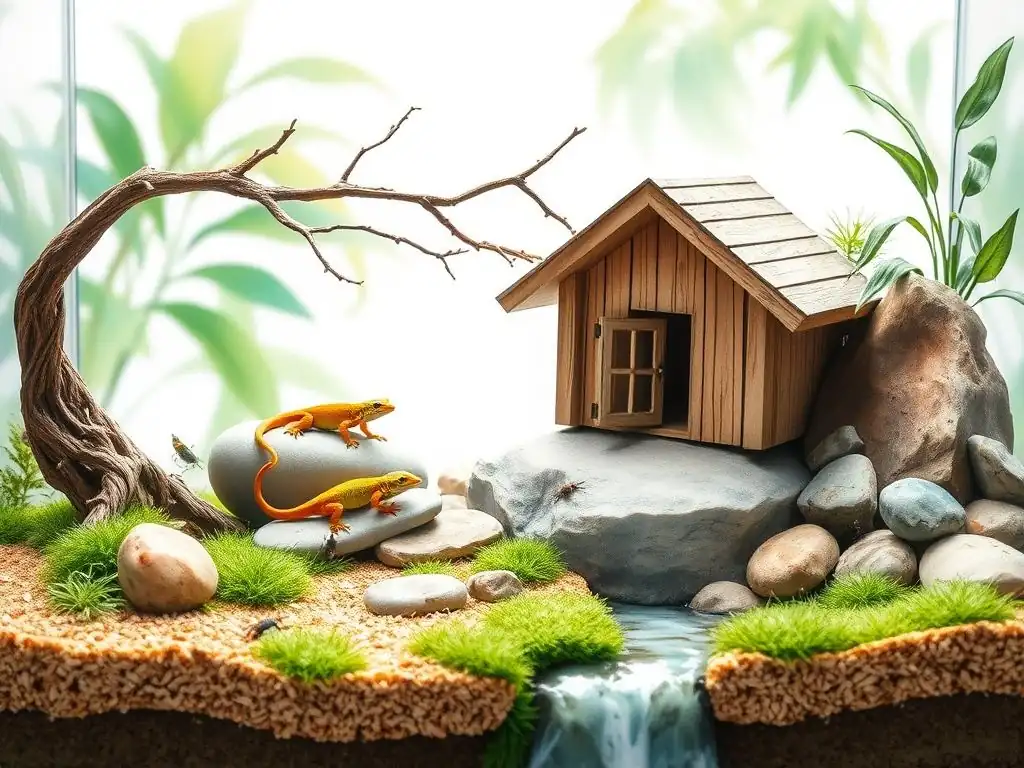
This section delves into the crucial aspects of designing a thriving and enriching habitat for your exotic pet. A well-designed enclosure isn't just a cage; it's a carefully crafted ecosystem mimicking your pet's natural environment, promoting both physical and mental well-being. We'll explore substrate selection, enrichment strategies, and essential accessories to ensure your exotic companion thrives. Remember, proper habitat setup is paramount for the long-term health and happiness of your exotic pet, contributing significantly to their overall well-being and lifespan. This guide focuses on creating an optimal exotic pet habitat setup, a critical element in responsible exotic pet ownership.
Substrate Selection: Choosing the Right Bedding for Your Exotic Pet
Substrate, or bedding, forms the base of your exotic pet's habitat and plays a vital role in maintaining hygiene and providing a suitable environment. The wrong substrate can lead to health issues, such as respiratory problems or impaction. The ideal substrate depends heavily on the specific needs of your pet species.
For example, a desert reptile like a bearded dragon thrives in a dry, sandy substrate. Avoid substrates that retain excessive moisture, as this can lead to bacterial or fungal growth. Reputable pet stores often offer specialized reptile sands designed to prevent impaction. On the other hand, a species requiring higher humidity, such as a dart frog, might need a substrate that holds moisture effectively, such as a mix of coconut fiber and sphagnum moss. Always research the specific requirements of your exotic pet's species before selecting a substrate.
| Substrate Type | Suitable for | Pros | Cons |
|---|---|---|---|
| Aspen shavings | Many reptiles and amphibians | Affordable, readily available | Can be dusty, less absorbent than other options |
| Coconut fiber (coco coir) | Reptiles, amphibians, invertebrates | Good moisture retention, relatively clean | Can be messy, requires proper preparation |
| Paper towels | Temporary use, quarantine situations | Sterile, easily replaceable | Not aesthetically pleasing, lacks enrichment |
| Repti Bark | Some reptiles, arboreal species | Good drainage, natural look | Can splinter, may harbor parasites |
| Sand (specifically designed) | Desert reptiles | Natural look, provides digging opportunity | Impaction risk if ingested, can be messy |
Remember to regularly clean and replace the substrate to maintain hygiene and prevent the buildup of harmful bacteria or parasites. Consider using a substrate that's easily cleaned and replaced to minimize the risk of disease.
Essential Habitat Enrichment: Providing Stimulation and Natural Behaviors
Enrichment is crucial for the physical and mental well-being of your exotic pet. A stimulating environment prevents boredom, encourages natural behaviors, and reduces stress. This section explores various enrichment techniques. Providing a rich and stimulating environment for your exotic pet is a key component of responsible exotic pet ownership. It goes beyond simply providing food and water; it's about creating a habitat that allows your pet to express its natural behaviors.
Providing Hiding Places and Safe Spaces for Your Exotic Pet
Hiding places are essential for reducing stress and providing a sense of security. Exotic pets often instinctively seek refuge when feeling threatened or stressed. Offer a variety of hiding spots, such as caves, hollow logs, or commercially available hides. The number and type of hides will depend on the size and temperament of your pet. For example, a shy gecko might need several small hiding places, while a more outgoing species might only need one or two larger shelters. The placement of these hides should also be strategic, providing both dark and well-lit options.
Incorporating Climbing Structures and Branches for Enhanced Enrichment
Many exotic pets are naturally arboreal, meaning they spend a significant amount of time climbing and exploring in their natural environments. Providing climbing structures, such as branches, vines, or rocks, allows them to engage in these natural behaviors, preventing boredom and promoting physical fitness. The type of climbing structures will depend on the species and size of your pet.
For larger reptiles, sturdy branches are necessary, while smaller species might appreciate thinner vines or cork bark. Ensure that all climbing structures are securely fastened to prevent accidents. The placement of these structures is key; create vertical space to encourage climbing and exploration.
Creating a Natural Environment with Realistic Scenery
Mimicking your pet's natural environment can significantly reduce stress and promote natural behaviors. Incorporate realistic scenery, such as artificial plants, rocks, and backgrounds, to create a visually stimulating and enriching habitat. Choose decorations that are safe, non-toxic, and appropriate for your pet's species. Avoid using materials that could be ingested or cause injury. Remember, the goal is to create an environment that is both visually appealing and functionally enriching for your exotic pet. The use of natural-looking backgrounds and decorations can significantly enhance the overall aesthetic appeal of your exotic pet's habitat.
Choosing the Right Accessories: Food and Water Dishes, Heat Lamps, and More
Creating a thriving exotic pet habitat requires careful consideration of various accessories beyond the basic enclosure. The right accessories significantly impact your pet's health, well-being, and overall quality of life. From the seemingly simple food and water dishes to specialized heating and lighting equipment, each choice plays a crucial role in replicating your pet's natural environment. Neglecting this aspect can lead to stress, illness, and even death for your exotic companion. This section will guide you through selecting the most appropriate accessories to ensure your pet thrives.
Selecting Safe and Appropriate Food and Water Dishes
The seemingly mundane task of choosing food and water dishes for your exotic pet actually requires careful consideration. The material, size, and design of these dishes can directly influence your pet's eating and drinking habits, and even their safety. Avoid using materials that can leach harmful chemicals into the food or water, such as certain plastics. Opt for durable, non-toxic materials like ceramic, stainless steel, or heavy-duty glass.
The size of the dish should be appropriate for your pet's size and eating habits; a dish that's too small can lead to spillage and frustration, while one that's too large might be difficult to clean thoroughly. For reptiles, consider dishes that are shallow and wide, preventing them from accidentally drowning. For arboreal species, you might need to hang the water dish or place it in a secure location to avoid spills. Always ensure the dishes are easy to clean and disinfect regularly to prevent the build-up of bacteria and parasites.
Remember, clean water is essential for the health of any exotic pet, so regular cleaning and fresh water changes are paramount. Consider using multiple water sources for larger enclosures to encourage hydration. For example, a bearded dragon enclosure might benefit from both a shallow water dish and a misting system.
Choosing the Right Heating and Lighting Equipment for Your Pet's Habitat
Maintaining the correct temperature and lighting is crucial for the health and survival of many exotic pets. Different species have specific requirements, and failing to meet these needs can lead to serious health problems, including metabolic bone disease (MBD) in reptiles. Research your specific pet's needs thoroughly before purchasing any heating or lighting equipment. This involves understanding their preferred temperature gradient (variations in temperature within the enclosure), basking spot temperatures, and the type of UVB and UVA lighting they require.
Heat sources can include ceramic heat emitters (CHEs), heat rocks, heat lamps, or under-tank heaters (UTHs). CHEs are a popular choice as they don't emit visible light, allowing for a natural night cycle. However, always use a thermostat to regulate the temperature accurately and prevent overheating. UVB lighting is essential for many reptiles and amphibians to synthesize vitamin D3, which is crucial for calcium absorption and bone health.
Choose UVB bulbs appropriate for the size of your enclosure and replace them regularly as their effectiveness diminishes over time. Remember to always follow the manufacturer's instructions for all heating and lighting equipment. Regularly monitor the temperature and lighting levels within the enclosure using accurate thermometers and light meters to ensure they remain within the optimal range for your pet's species. Incorrect temperatures can lead to serious health problems, while insufficient UVB can cause MBD.
Selecting Appropriate Accessories to Improve Your Pet's Quality of Life
Beyond the essentials, various accessories can significantly enhance your exotic pet's quality of life and provide opportunities for natural behaviors. These accessories contribute to environmental enrichment, reducing stress and promoting physical and mental well-being. For arboreal species, branches, vines, and climbing structures are essential. These provide opportunities for climbing, exploring, and basking in different locations. Consider the size and weight of your pet when choosing these items, ensuring they are sturdy enough to support them.
Hiding places are crucial for providing a sense of security and reducing stress. These can include caves, logs, or artificial structures. The number and type of hiding places should be appropriate for your pet's species and temperament. Some species, particularly those with more shy or reclusive personalities, may require more hiding places than others. Substrate choice also plays a role in enrichment.
Reptiles and amphibians need substrates that are appropriate for their natural environment and allow for burrowing, digging, or climbing. Sand, soil, coconut fiber, and bark are all commonly used substrates, but the choice will depend on the specific needs of your pet. Regular cleaning is crucial to prevent the build-up of waste and maintain a healthy environment. Remember, a stimulating and enriching environment contributes significantly to the overall health and well-being of your exotic pet, mimicking their natural habitat as closely as possible. Consider rotating accessories periodically to keep your pet engaged and prevent boredom.
Maintaining a Healthy Exotic Pet Habitat: Cleaning, Monitoring, and Prevention
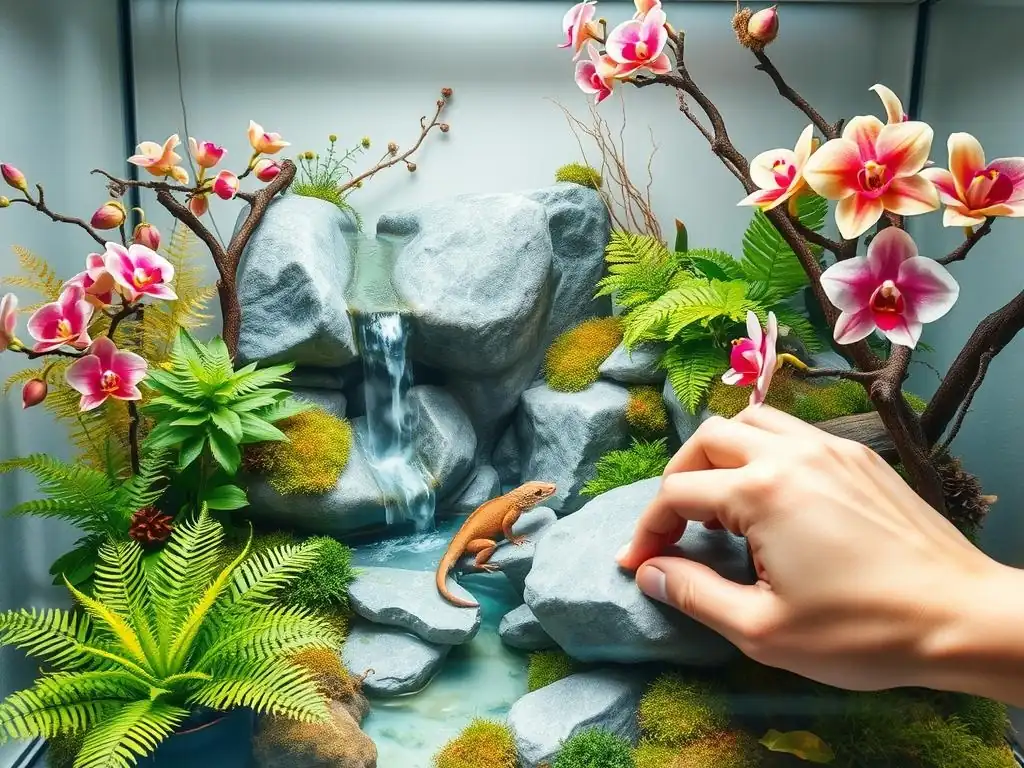
Maintaining a thriving exotic pet habitat requires consistent effort and attention to detail. A clean, properly monitored environment is crucial for preventing disease and ensuring your pet's well-being. Neglecting these aspects can lead to significant health problems, impacting your pet's quality of life and potentially shortening its lifespan. This section delves into the essential practices for keeping your exotic pet's habitat healthy and safe.
Regular Cleaning and Maintenance of Your Exotic Pet's Habitat: Hygiene and Safety
Regular cleaning is paramount in preventing the buildup of harmful bacteria, parasites, and other pathogens that can threaten your pet's health. The frequency of cleaning depends on the species and the type of habitat. For example, a reptile terrarium might require daily spot cleaning of waste and weekly full substrate changes, while an insect enclosure may need more frequent cleaning due to faster waste accumulation.
Here's a breakdown of essential cleaning tasks:
- Daily: Remove uneaten food, fecal matter, and any visible debris. Spot clean soiled areas immediately.
- Weekly: Depending on the pet and habitat type, perform a partial substrate change, replacing soiled areas with fresh substrate. Clean water dishes and feeding bowls thoroughly.
- Monthly: Conduct a thorough habitat cleaning. This involves removing all substrate, thoroughly scrubbing the enclosure with a pet-safe disinfectant (ensure it's completely rinsed and dried before returning your pet), and replacing the substrate with fresh material. Disinfect all accessories like branches, hides, and water features.
Remember to always use pet-safe cleaning products. Harsh chemicals can be toxic to your exotic pet and damage the enclosure. Always rinse thoroughly and allow the enclosure to dry completely before returning your pet to its habitat. Gloves should be worn during cleaning to protect yourself from potential pathogens. Proper hygiene is essential for both your pet and your own safety.
Monitoring Your Pet's Environment: Temperature, Humidity, and Behavior
Consistent monitoring of your pet's environment is crucial for maintaining optimal conditions. Temperature and humidity are critical factors for many exotic pets, and fluctuations can lead to stress, illness, and even death. Regular observation of your pet's behavior is equally important, as changes in activity levels or appetite can signal underlying health issues.
Here's what to monitor:
- Temperature: Use accurate thermometers to monitor the temperature gradient within the enclosure. Ensure the temperature is within the recommended range for your specific species. Consider using both digital and analog thermometers for redundancy.
- Humidity: Employ a reliable hygrometer to monitor humidity levels. Maintain the appropriate humidity range, again specific to your pet's species. Misting the enclosure or using a humidifier may be necessary, depending on your pet's needs.
- Behavior: Observe your pet's behavior daily. Look for changes in appetite, activity levels, shedding patterns (for reptiles), defecation, and overall alertness. Any significant deviations from the norm should prompt a veterinary check-up. Note any unusual lethargy, hiding behavior, or changes in skin or scales.
Table 1: Example Temperature and Humidity Ranges for Common Exotic Pets
| Pet Type | Temperature (°F) | Humidity (%) |
|---|---|---|
| Leopard Gecko | 75-85 (warm side), 70-75 (cool side) | 30-40 |
| Crested Gecko | 72-80 | 60-80 |
| Bearded Dragon | 90-100 (warm side), 75-80 (cool side) | 30-40 |
| Corn Snake | 75-85 | 40-60 |
Regularly checking and recording these parameters in a logbook can help you identify trends and potential problems early on. This proactive approach is vital for ensuring your pet's long-term health and happiness.
Preventing Disease and Illness in Your Pet's Habitat: Hygiene and Sanitation
Proactive measures are key to preventing disease and illness in your exotic pet's habitat. Maintaining impeccable hygiene and sanitation practices minimizes the risk of exposure to pathogens and parasites. Quarantine new pets before introducing them to your existing collection to prevent the spread of disease.
Here are some crucial preventative measures:
- Quarantine: Newly acquired pets should be quarantined for at least 30 days in a separate enclosure to observe them for any signs of illness before introducing them to other animals. This helps prevent the rapid spread of diseases within your collection.
- Substrate Selection: Choose an appropriate substrate that is easy to clean and doesn't harbor bacteria or parasites. Avoid substrates that can become excessively damp and promote mold growth.
- Proper Ventilation: Ensure adequate ventilation in the enclosure to prevent the buildup of ammonia and other harmful gases. Poor ventilation can increase humidity and create a breeding ground for bacteria.
- Regular Parasite Checks: Regularly check your pet for external and internal parasites. Consult your veterinarian for appropriate preventative measures and treatment options if necessary.
- Handwashing: Always wash your hands thoroughly before and after handling your pet and its enclosure. This simple practice minimizes the risk of transferring pathogens.
By diligently following these guidelines, you significantly reduce the risk of disease and create a safe and healthy environment for your beloved exotic pet. Remember, prevention is always better than cure when it comes to exotic pet health. Regular veterinary check-ups are also crucial for early detection and treatment of any potential health issues.
Creating a Safe and Stimulating Environment for Your Exotic Pet: A Step-by-Step Guide
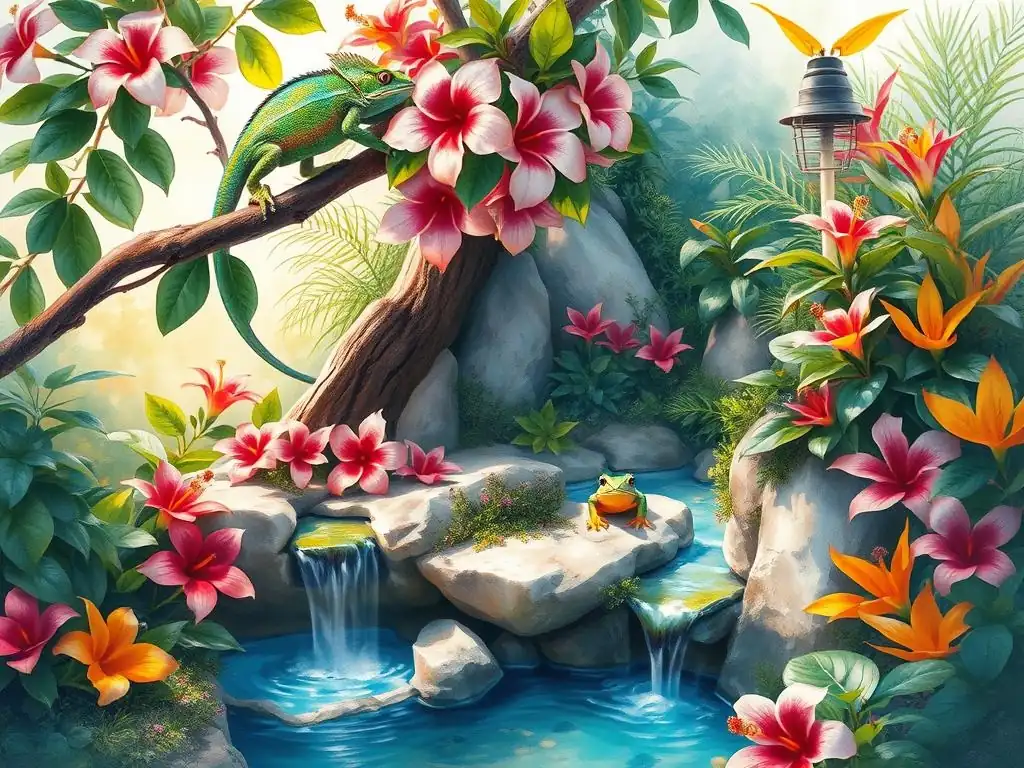
This section delves into the crucial aspects of setting up a thriving habitat for your exotic pet. A well-designed enclosure is paramount to your pet's health, happiness, and longevity. Remember, creating the perfect environment for an exotic pet requires meticulous planning and a deep understanding of their specific needs. This guide will walk you through the process, providing you with the knowledge to build a safe and stimulating home for your unique companion. Proper exotic pet habitat setup is key to responsible exotic pet ownership.
Step 1: Researching Your Exotic Pet's Specific Needs
Before even thinking about purchasing an enclosure, thorough research is absolutely essential. The success of your exotic pet habitat setup guide hinges on this initial step. Different species have drastically different requirements regarding temperature, humidity, lighting, and space. Failing to meet these needs can lead to serious health problems, even death.
Consider these key factors when researching your specific pet:
- Species-Specific Requirements: What are the precise temperature and humidity ranges your pet needs? Do they require specific UVB or UVA lighting? What is their ideal enclosure size? These details are non-negotiable and should be meticulously researched using reputable sources such as veterinary websites, scientific journals, and experienced breeder websites. Avoid relying solely on anecdotal information found on less credible forums.
- Natural Habitat: Understanding your pet's natural environment provides invaluable insights. What kind of terrain do they inhabit in the wild? What are their typical hiding places? Mimicking these natural conditions as closely as possible in captivity is crucial for their psychological well-being. For example, a desert tortoise requires a very different setup than a rainforest tree frog.
- Dietary Needs: While this section focuses on habitat, understanding your pet's dietary requirements is directly linked to enclosure setup. For instance, a species that requires live insects will necessitate a different enclosure design than one that eats commercially prepared food. This impacts the cleanliness and maintenance of the enclosure.
- Social Behavior: Some exotic pets are solitary creatures, while others thrive in groups. Incorrect social housing can lead to stress, aggression, and injury. Knowing whether your pet prefers solitary confinement or enjoys the company of others is vital for appropriate enclosure design and size.
Step 2: Selecting and Setting Up the Enclosure
The type of enclosure you choose will depend entirely on your pet's specific needs, as determined in Step 1. The size, material, and features of the enclosure are all critical considerations.
Here's a breakdown of common enclosure types and their suitability:
| Enclosure Type | Suitable for | Pros | Cons |
|---|---|---|---|
| Glass Terrarium | Reptiles, amphibians, small invertebrates | Easy to clean, good visibility | Can be expensive, difficult to maintain humidity |
| Wooden Enclosure | Reptiles, amphibians | Customizable, good insulation | Requires regular sealing and maintenance |
| Screen Enclosure | Some reptiles, insects | Good ventilation | Less secure, harder to maintain humidity |
| Specialized Vivariums | Specific species with complex needs | Highly customizable, optimal environmental control | Expensive, requires specialized knowledge |
Remember, the enclosure must be large enough to allow your pet to move freely and engage in natural behaviors. A cramped environment can lead to stress and health problems. Always prioritize size over cost. Ensure adequate ventilation to prevent the buildup of harmful gases. Proper ventilation is crucial for maintaining optimal humidity levels.
Step 3: Choosing the Right Substrate and Accessories
The substrate forms the base of your pet's enclosure and plays a vital role in maintaining humidity and providing enrichment. The wrong substrate can be harmful, leading to impaction or other health issues.
- Substrate Selection: Consider the species' natural environment when choosing the substrate. Reptiles and amphibians from arid environments might thrive on paper towels, reptile carpet, or sand, while those from humid environments might prefer cypress mulch or coconut fiber. Avoid substrates that are dusty or could be ingested by your pet.
- Accessories for Enrichment: Enrichment is key to a happy and healthy exotic pet. Provide appropriate hides, branches, rocks, and other accessories that allow your pet to explore, climb, hide, and express natural behaviors. Consider adding live plants (if appropriate for your species) to enhance the aesthetic appeal and provide additional hiding spots. Remember, the goal is to create an environment that mimics the pet's natural habitat as closely as possible. The more naturalistic and stimulating the environment, the healthier and happier your pet will be. This is a vital part of your exotic pet habitat setup guide.
Remember, consistent monitoring and maintenance are essential to ensure your exotic pet's habitat remains safe and suitable. Regular cleaning, temperature checks, and humidity monitoring are all crucial aspects of responsible pet ownership. Careful planning and ongoing attention to detail will reward you with a thriving and happy exotic pet.
Step 4: Creating an Enriching Environment
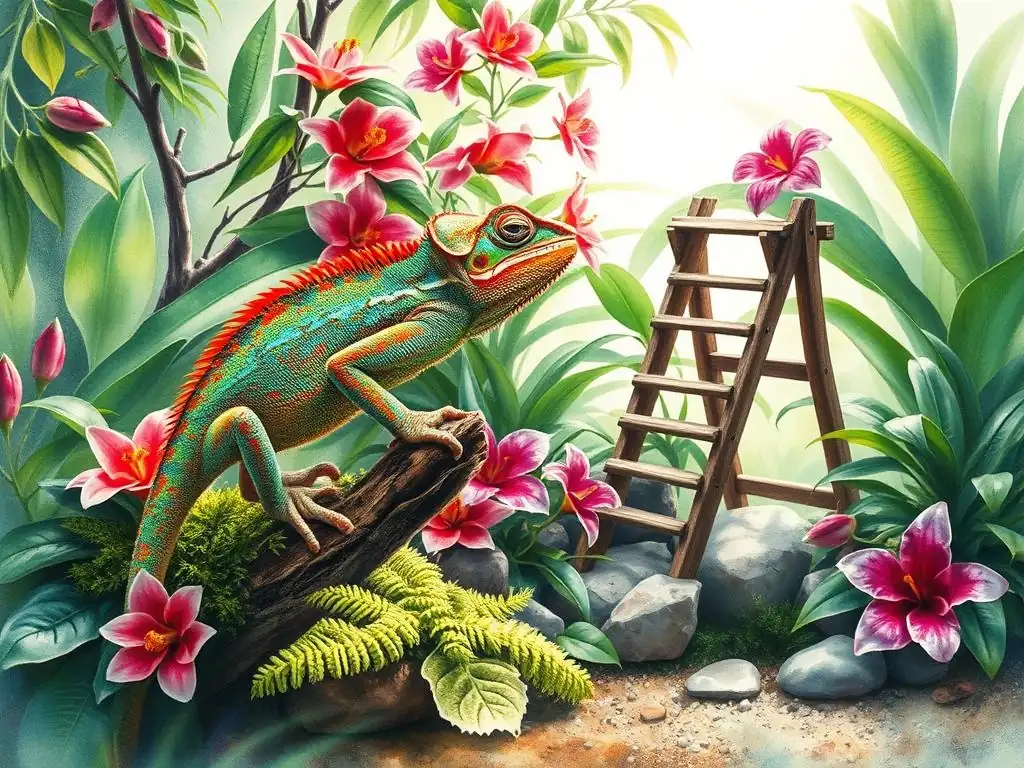
Providing a stimulating environment is crucial for the well-being of your exotic pet. A boring habitat can lead to stress, lethargy, and even illness. Enrichment focuses on replicating aspects of your pet's natural environment to encourage natural behaviors. This might involve different elements depending on the species.
For example, a bioactive terrarium for a reptile might include live plants, hiding places amongst rocks and branches, and substrate that allows for burrowing. This allows your reptile to express its natural behaviors such as foraging, exploring, and hiding. Similarly, a bird might benefit from a variety of perches of different textures and sizes, toys that encourage foraging and problem-solving, and ample space for flight (if applicable).
For arboreal species, climbing structures are essential, while terrestrial species need ample floor space for exploration. Remember to research the specific needs of your exotic pet species; what stimulates a gecko won't necessarily stimulate a sugar glider. Consider incorporating things like:
- Vertical Space: Many exotic pets are arboreal and require height to climb and explore.
- Hiding Places: Secure and comfortable hiding places reduce stress and provide a sense of security.
- Environmental Enrichment: This can include puzzles, foraging toys, or interactive feeders to stimulate natural foraging behaviors. These can be tailored to the specific species. For instance, a puzzle feeder for a lizard might involve scattering food amongst substrate or hiding it in small crevices, mimicking their natural hunting behavior.
- Substrate Selection: Choose an appropriate substrate that is safe, comfortable, and suitable for your pet's needs. For example, some reptiles thrive in a specific type of soil that allows for burrowing, while others prefer a more arid environment. Never use materials that are toxic or may be ingested by your pet.
Remember, enrichment is an ongoing process. Regularly rotate toys and introduce new elements to keep your pet engaged and prevent boredom. The goal is to create a dynamic and stimulating environment that promotes both physical and mental well-being.
Step 5: Implementing a Regular Cleaning Schedule
Maintaining a clean habitat is paramount for preventing disease and ensuring the health of your exotic pet. The frequency of cleaning will depend on the species and the type of habitat. However, regular cleaning should be a non-negotiable part of exotic pet ownership. For example, a bioactive terrarium might require less frequent overall cleaning, but spot cleaning of waste should be done daily. However, a standard terrarium or enclosure will need more frequent cleaning. Here's a breakdown of essential cleaning tasks:
| Task | Frequency | Importance |
|---|---|---|
| Spot Cleaning (waste) | Daily | Prevents the buildup of harmful bacteria and parasites. |
| Partial Enclosure Cleaning | Weekly (or as needed) | Removing uneaten food, shedding skin, and other debris. |
| Full Enclosure Cleaning | Monthly (or as needed) | Thorough cleaning and disinfection of the entire enclosure. Requires complete removal of all contents. |
Always use pet-safe disinfectants and thoroughly rinse all surfaces before returning your pet to the enclosure. Never use harsh chemicals or cleaners that could be harmful to your pet. Ensure the enclosure is completely dry before replacing your pet. Failure to maintain a hygienic environment can lead to various health problems, including bacterial and parasitic infections, respiratory issues, and skin diseases. Regular cleaning is a crucial aspect of responsible exotic pet ownership and directly impacts your pet's health and longevity.
Step 6: Monitoring Your Pet's Health and Behavior
Regular monitoring of your pet's health and behavior is essential for early detection of any potential problems. Observe your pet daily for any changes in appetite, activity levels, droppings, shedding, and overall demeanor. Any significant changes should be cause for concern and warrant a visit to an exotic animal veterinarian. Keep detailed records of your pet's eating habits, shedding cycles, and any medications or supplements administered. This information is invaluable in helping your veterinarian diagnose and treat any health issues. Signs to watch out for include:
- Changes in Appetite: A sudden decrease or increase in appetite can indicate illness or stress.
- Lethargy or Inactivity: A significant decrease in activity levels could be a symptom of various health problems.
- Changes in Droppings: Changes in the consistency, color, or frequency of droppings can be indicative of digestive issues.
- Respiratory Problems: Wheezing, gasping for air, or unusual nasal discharge can signal respiratory infection.
- Skin Issues: Scaling, redness, or lesions on the skin may indicate a skin infection or parasite infestation.
- Behavioral Changes: Changes in behavior, such as aggression, hiding excessively, or self-mutilation, could indicate stress, illness, or underlying health problems.
Early detection and intervention are key to successful treatment. Regular veterinary checkups, even for seemingly healthy pets, are recommended. Establishing a good relationship with an experienced exotic animal veterinarian is crucial for ensuring the well-being of your pet. Proactive monitoring and prompt veterinary care can significantly improve your exotic pet's quality of life and longevity.
Common Mistakes to Avoid When Setting Up an Exotic Pet Habitat
Setting up a thriving habitat for your exotic pet requires meticulous planning and attention to detail. Many well-meaning owners unintentionally make mistakes that can severely impact their pet's health and well-being. This section will highlight some common pitfalls to avoid, ensuring your exotic companion thrives in its new home. Understanding these crucial aspects of exotic pet habitat setup is key to providing optimal care and preventing potential problems. Remember, a properly designed habitat is fundamental for the successful long-term care of any exotic pet.
Overlooking Species-Specific Requirements: Avoiding Fatal Errors
One of the most significant errors novice exotic pet owners make is failing to thoroughly research the specific needs of their chosen species. Generic advice simply won't suffice. Each species, even within the same family, has unique requirements regarding temperature, humidity, substrate, lighting, and enclosure size. For example, a leopard gecko requires a temperature gradient within its enclosure, with basking spots significantly warmer than cooler areas, while a bearded dragon necessitates much higher temperatures overall. Ignoring these nuances can lead to serious health issues, including metabolic bone disease (MBD) in reptiles, which is often fatal.
Consider the following table illustrating the drastically different needs of two common exotic pets:
| Species | Temperature (°C) | Humidity (%) | Substrate Type | Lighting Requirements |
|---|---|---|---|---|
| Leopard Gecko | 24-32 (gradient) | 30-40 | Sand, paper towels | UVB and heat lamps |
| Bearded Dragon | 30-40 (gradient) | 30-40 | Tile, reptile carpet | UVB and heat lamps |
Failing to meet these precise needs can result in illness, stress, and ultimately, premature death. Always consult reputable sources, such as veterinary specialists and experienced breeders, to ensure you fully understand your pet's specific needs before bringing it home. Remember, proper research is the cornerstone of responsible exotic pet ownership.
Neglecting Proper Ventilation and Temperature Control
Maintaining appropriate ventilation and temperature control is paramount for the health of your exotic pet. Poor ventilation can lead to a buildup of harmful ammonia, a byproduct of waste, creating a toxic environment. Inadequate temperature control can cause stress, illness, and even death. Temperature fluctuations can be particularly problematic for reptiles, whose metabolic rates are directly influenced by ambient temperature.
Maintaining the correct temperature often involves a combination of heating elements, such as heat lamps or under-tank heaters (UTHs), and thermostats to regulate the temperature precisely. The thermostat is crucial; it prevents overheating, which can be just as dangerous as insufficient heat. Similarly, appropriate ventilation is achieved through strategically placed vents or mesh panels in the enclosure. The type and size of ventilation will depend on the species and the size of the enclosure. Insufficient ventilation can lead to respiratory problems and other health complications. Always monitor temperature and humidity levels regularly using accurate measuring devices, and adjust accordingly.
Inadequate Enrichment: Leading to Boredom and Stress
Providing adequate environmental enrichment is often overlooked, yet it's crucial for the physical and psychological well-being of your exotic pet. A barren enclosure can lead to boredom, stress, and even self-mutilating behaviors. Enrichment involves providing opportunities for natural behaviors such as climbing, hiding, exploring, and foraging. For example, a reptile enclosure should include climbing branches, hiding places (such as caves or cork bark), and varied substrate textures. A lack of enrichment can manifest as lethargy, repetitive behaviors (stereotypies), and a weakened immune system, making your pet more susceptible to illness.
Consider these enrichment ideas for different exotic pets:
- Reptiles: Provide a variety of hides, climbing structures, and foraging opportunities (e.g., scattering food items within the enclosure).
- Birds: Offer a variety of perches, toys, and opportunities for flight.
- Insects: Ensure a spacious enclosure with climbing structures and hiding places.
Remember, enrichment is not just about adding "stuff" to the habitat. It's about creating a stimulating and engaging environment that allows your pet to express its natural behaviors. Regularly rotate and change enrichment items to prevent boredom and keep your pet mentally stimulated. A happy and enriched pet is a healthy pet. Investing time and effort into creating a stimulating environment is a vital part of responsible exotic pet ownership.
Insufficient Cleaning: Risks of Disease and Parasites
Insufficient cleaning of an exotic pet habitat is a significant oversight with potentially devastating consequences. A dirty enclosure rapidly becomes a breeding ground for harmful bacteria, viruses, fungi, and parasites. These pathogens can lead to a wide array of diseases in your pet, ranging from mild skin irritations to life-threatening infections.
For example, inadequate substrate cleaning in reptile enclosures can foster the growth of Salmonella bacteria, posing a serious risk to both the reptile and its owner. Similarly, neglecting to clean food and water bowls regularly can contribute to bacterial contamination, leading to gastrointestinal issues and compromised immunity in your pet.
The build-up of waste products also significantly impacts air quality within the enclosure. Poor ventilation, combined with ammonia and other noxious gases produced by decaying organic matter, can cause respiratory problems and other health complications in your exotic pet. This is particularly crucial for species sensitive to air quality, such as amphibians and certain invertebrates. Ignoring regular cleaning can lead to a vicious cycle: a weakened immune system in your pet makes it more susceptible to further infections, potentially requiring expensive veterinary intervention and causing significant distress to both the animal and its owner.
The longer you delay a thorough cleaning, the greater the risk of irreversible health damage or even death. Remember, proactive cleaning is a cornerstone of responsible exotic pet ownership. A clean and well-maintained habitat is not just about aesthetics; it is crucial for the health and well-being of your exotic companion.
Regular, thorough cleaning is an essential part of providing proper care and significantly reduces the risks associated with disease and parasites. Failing to do so can lead to unnecessary suffering and potentially high veterinary bills. Prioritize preventative measures; a clean habitat is a healthy habitat.
Frequently Asked Questions
What makes a good exotic pet habitat?
A good habitat mimics the pet's natural environment. This includes appropriate temperature, humidity, lighting, and substrate, as well as space for exploration and enrichment. Consider your specific pet's needs when designing the habitat.
What are the essential components of an exotic pet habitat?
Essential components vary depending on the species, but generally include secure enclosure, appropriate substrate, heating and lighting systems, water source, hiding places, and enrichment items. Always research your specific pet's requirements.
How important is proper ventilation in an exotic pet habitat?
Proper ventilation is crucial to maintain a healthy environment and prevent the buildup of harmful gases and bacteria. Poor ventilation can lead to respiratory problems and other health issues for your pet. Ensure adequate airflow.
What types of enrichment are beneficial for exotic pets?
Enrichment is vital for mental and physical stimulation. Provide climbing structures, toys, and opportunities for exploration depending on your pet's species and natural behaviors. This reduces stress and promotes natural behaviors.
Where can I find more information on specific exotic pet habitat needs?
PetCareWorld offers in-depth guides on various exotic pets. You can also consult with a veterinarian specializing in exotic animals or reputable breeders for species-specific advice. Thorough research is essential before acquiring an exotic pet.
Final Reflection: Building Bridges to a Better Future for Exotic Pets
The responsible ownership of exotic pets is not merely a trend; it's a crucial commitment to the well-being of these unique creatures. Failing to provide appropriate habitats directly impacts their health, happiness, and ultimately, their survival. This guide has explored the multifaceted nature of creating thriving environments, highlighting the importance of species-specific needs and the ethical considerations involved.
The journey of understanding and providing for exotic pets is a continuous learning process, constantly evolving with new research and discoveries. It's a journey that demands empathy, patience, and a deep respect for the lives we are entrusted with. The greatness of a nation and its moral progress can be judged by the way its animals are treated.
- Mahatma Gandhi. This quote, while broad, speaks to the core responsibility we bear when choosing to share our lives with animals outside the conventional pet spectrum. The impact of our choices extends beyond the individual animal, influencing the conservation efforts and public perception of exotic species.
Now, consider your own role in this evolving landscape. Are you ready to take the next step in responsible exotic pet ownership? Perhaps you'll delve deeper into researching the specific needs of your chosen species, or maybe you'll advocate for better regulations and ethical breeding practices. Whatever path you choose, remember that every action, no matter how small, contributes to a future where exotic pets thrive not just in captivity, but also in the wild. Let's build a future where responsible ownership is the norm, not the exception.
Unlock Your Pet's Paradise: Design Their Dream Habitat Today!
Thank you for exploring the world of exotic pet habitats! We hope you've gained valuable insights into creating a thriving environment for your unique companion. Now it's time to put that knowledge into practice.
Here's how you can proceed:
- Design your pet's perfect habitat: Use what you've learned to sketch a plan, considering your pet's specific needs such as temperature, humidity, and environmental enrichment. Don't be afraid to get creative and personalize it to reflect your pet's unique personality!
- Source the necessary materials: Begin researching where to find the appropriate plants, substrate, and hiding places your pet needs to thrive. Consider visiting local pet stores or browsing reputable online retailers.
- Share your progress: Tell us about your habitat design journey! Post pictures of your progress on PetCareWorld's social media and inspire other pet owners. We'd love to see what you create!
Ready to transform your pet's living space into a vibrant and enriching paradise? What exciting feature are you most looking forward to building into your pet's new home?