
A Beginner's Guide to Caring for a Russian Tortoise: Habitat, Diet, and Health

Welcome to PetCareWorld, your ultimate guide to a happier, healthier life for your beloved companion! Are you ready to embark on an enriching journey into the fascinating world of reptile care? Then dive into our comprehensive Russian tortoise care guide, packed with expert advice on creating the perfect habitat, ensuring a balanced diet, and maintaining the well-being of your shelled friend. Discover the secrets to thriving tortoise ownership – your adventure starts now!
-
Setting Up the Perfect Habitat for Your Russian Tortoise
- Choosing the Right Enclosure Size for Your Russian Tortoise
- Substrate Selection: Ensuring Proper Drainage and Hygiene for Russian Tortoises
- Temperature and Humidity Control: Maintaining Ideal Conditions for Russian Tortoise Health
- Providing Essential Hiding Places and Enrichment for Your Russian Tortoise
- Lighting Requirements: UVB and Heat Lamps for Russian Tortoises
-
Understanding the Russian Tortoise Diet: Nutrition and Feeding
- Essential Foods for a Healthy Russian Tortoise: Vegetables, Fruits, and Supplements
- Creating a Balanced Diet for Your Russian Tortoise: A Sample Feeding Schedule
- Avoiding Harmful Foods: Toxic Plants and Foods to Avoid for Russian Tortoises
- Hydration is Key: Ensuring Adequate Water Intake for Your Russian Tortoise
- Supplementing Your Russian Tortoise's Diet: Calcium and Other Essential Nutrients
-
Maintaining Your Russian Tortoise's Health: Prevention and Care
- Common Health Problems in Russian Tortoises: Prevention and Early Detection
- Recognizing Signs of Illness: Respiratory Infections, Metabolic Bone Disease, and More
- Regular Veterinary Check-ups: Ensuring Your Russian Tortoise's Well-being
- Hygiene and Sanitation: Cleaning and Maintaining a Healthy Enclosure
- Handling Your Russian Tortoise Safely and Responsibly
- Frequently Asked Questions
- Final Reflection: The Enduring Legacy of a Tiny Tortoise
- Unlock Your Tortoise's Thriving Potential!
Setting Up the Perfect Habitat for Your Russian Tortoise
Embarking on the journey of caring for a Russian tortoise ( Testudo horsfieldii) is a rewarding experience, but it requires diligent preparation and a deep understanding of their specific needs. This comprehensive guide will equip you with the essential knowledge to provide optimal care for your shelled companion, covering everything from habitat setup and dietary requirements to health maintenance and potential issues. Successfully caring for a Russian tortoise involves creating a stimulating and safe environment that closely mimics their natural habitat.
This beginner's guide focuses on the crucial aspects of Russian tortoise care, providing practical advice and actionable steps to ensure your tortoise thrives under your care. Mastering these fundamentals will pave the way for a long and healthy life for your Russian tortoise, helping you become a responsible and informed owner.
Let's delve into the essential elements of creating the perfect habitat for your new pet. This guide will help you rank highly for "Russian tortoise care guide" by addressing all key aspects of their care, making it a comprehensive resource for aspiring and current owners.
Choosing the Right Enclosure Size for Your Russian Tortoise
The size of your Russian tortoise's enclosure is paramount. A cramped environment can lead to stress, impacting their overall health and well-being. Adult Russian tortoises, reaching an average carapace length of 6-8 inches, require a minimum enclosure size of 4ft x 2ft for a single tortoise. For multiple tortoises, significantly larger enclosures are necessary – a good rule of thumb is to add 2 square feet per additional tortoise. Remember, bigger is always better!
Providing ample space allows for natural foraging behavior and prevents territorial disputes. The enclosure should be constructed of materials that are easy to clean and maintain, such as wood or sturdy plastic. Avoid materials that can be easily chewed or damaged by your active tortoise. Consider the enclosure's height as well; while they don't climb extensively, sufficient height prevents potential injuries from attempting to escape.
Substrate Selection: Ensuring Proper Drainage and Hygiene for Russian Tortoises
Choosing the appropriate substrate is crucial for maintaining a healthy and hygienic environment. Avoid using sand alone, as it can cause impaction if ingested. A well-draining mix is essential to prevent bacterial growth and maintain appropriate humidity levels. A suitable substrate blend could consist of a mix of topsoil, play sand, and cypress mulch in a ratio of approximately 2:1:1.
This combination provides excellent drainage while offering a natural texture for digging and foraging. Regular cleaning is vital; spot clean daily and completely change the substrate every 2-3 months, or more frequently if necessary, to prevent the buildup of harmful bacteria and parasites. Always ensure the substrate is dry to the touch to avoid creating a damp environment conducive to the growth of harmful microorganisms. This meticulous approach to substrate management is key to preventing health issues in your Russian tortoise.
Temperature and Humidity Control: Maintaining Ideal Conditions for Russian Tortoise Health
Maintaining the correct temperature and humidity levels is critical for the health and well-being of your Russian tortoise. Russian tortoises are ectothermic, meaning they rely on external sources to regulate their body temperature. A basking spot with a temperature gradient is essential. The basking area should reach temperatures between 85-95°F (29-35°C), while the cooler side of the enclosure should remain between 70-75°F (21-24°C).
This gradient allows your tortoise to thermoregulate effectively. Achieve this using a combination of a heat lamp and a thermostatically controlled heat mat placed underneath a portion of the enclosure. Humidity levels should be moderate, around 40-50%. You can monitor humidity levels using a hygrometer and adjust ventilation as needed.
Excessive humidity can lead to respiratory problems, while excessively dry conditions can cause dehydration. Providing a shallow water dish allows your tortoise to hydrate and bathe. Remember, consistent monitoring and adjustment are key to creating and maintaining the ideal environment for your Russian tortoise.
Providing Essential Hiding Places and Enrichment for Your Russian Tortoise
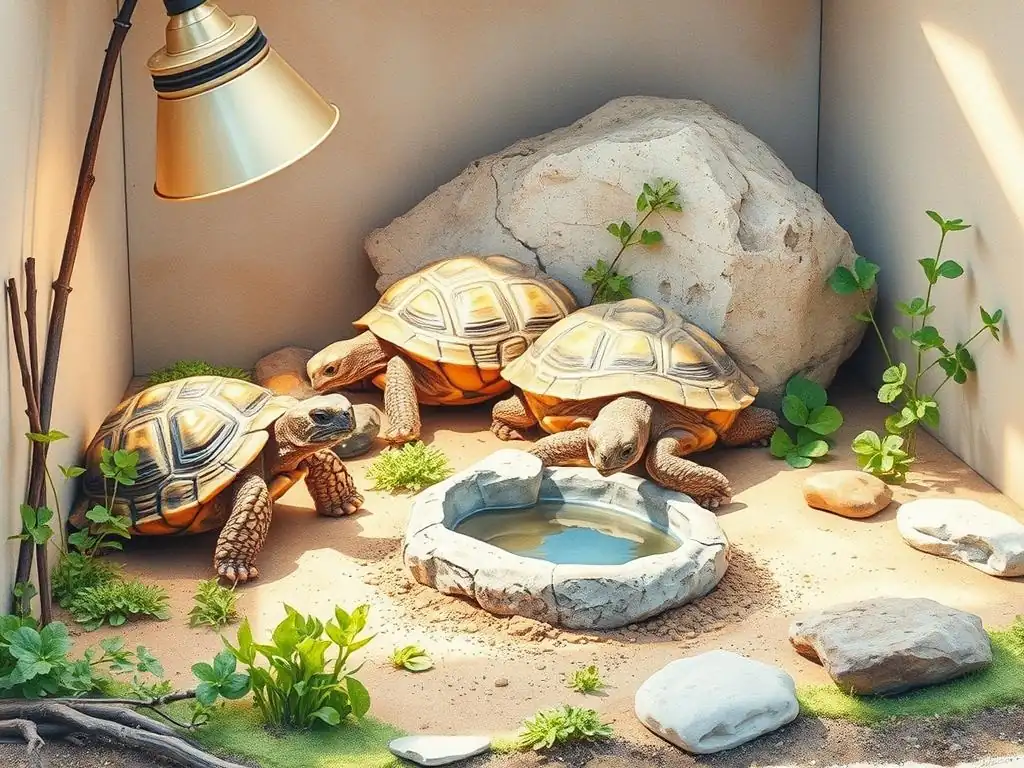
Russian tortoises, like many reptiles, require a sense of security and opportunities for exploration within their enclosure. Providing adequate hiding places is crucial for their well-being, reducing stress, and encouraging natural behaviors. These hiding spots should be strategically placed throughout the enclosure, offering a variety of options and sizes. Consider using:
- Half logs: These provide excellent cover and allow the tortoise to retreat fully into a shaded, enclosed area. Ensure the log is large enough for the tortoise to comfortably fit inside without feeling cramped. Avoid using treated wood, opting instead for untreated, naturally sourced wood.
- Rocks and stones: Larger, flat rocks can serve as both hiding places and basking areas. Make sure the rocks are securely positioned to prevent them from collapsing on the tortoise. Avoid sharp-edged stones that could potentially injure the reptile.
- Commercial hides: Many pet stores offer commercially-produced hides made from terracotta, plastic, or resin. These often mimic natural environments, providing a safe and comfortable space for your tortoise to retreat.
- Live plants: While not strictly a hide, sturdy, non-toxic plants like succulents or certain grasses can provide visual barriers and create a more natural and stimulating environment. Always research plant toxicity before introducing any plants into the enclosure.
Beyond hiding places, enrichment is key to preventing boredom and promoting natural behaviors. This can include:
- Substrate variation: Instead of a uniform substrate, provide a mix of soil types and textures to encourage digging and exploration. This mimics their natural environment and provides opportunities for foraging.
- Shallow water dish: A shallow dish filled with fresh water allows the tortoise to drink and soak, which is essential for hydration and shedding.
- Small rocks and pebbles: These can be scattered throughout the enclosure, providing a textured surface for the tortoise to walk on and explore. Avoid anything too sharp or that could be swallowed.
- Rotating the enclosure's contents: Periodically rearranging the enclosure's contents, moving hiding places and adding new elements, keeps the tortoise mentally stimulated and prevents boredom. This is particularly important for maintaining a stimulating environment for juvenile tortoises.
Remember, a stimulating and secure habitat significantly contributes to a happy and healthy Russian tortoise. Prioritizing both hiding places and enrichment ensures your pet thrives.
Lighting Requirements: UVB and Heat Lamps for Russian Tortoises
Proper lighting is paramount for the health and well-being of Russian tortoises. These reptiles require specific types of light to support their metabolism, vitamin D3 synthesis, and overall health. Two key components are essential: UVB lighting and heat lamps.
UVB Lighting: UVB (ultraviolet B) light is crucial for the synthesis of vitamin D3. Vitamin D3 is vital for calcium absorption, which is essential for strong bones and shell development in tortoises. A deficiency in UVB can lead to metabolic bone disease (MBD), a severe and potentially fatal condition.
Choose a UVB bulb specifically designed for reptiles, with a rating of 5-10%. Replace the bulb every 6-12 months, even if it still appears to be working, as its effectiveness diminishes over time. The UVB bulb should be positioned appropriately in the enclosure to ensure adequate exposure for your tortoise, but avoid direct exposure for extended periods to prevent overheating.
Heat Lamps: Russian tortoises are ectothermic, meaning they rely on external sources of heat to regulate their body temperature. A heat lamp provides the necessary warmth for digestion, activity, and overall well-being. The ideal basking spot temperature should range between 85-95°F (29-35°C). You can monitor the temperature using a reliable thermometer placed within the basking area. A ceramic heat emitter is a good option as it doesn't produce light, allowing for a natural day/night cycle, and it’s safer than traditional incandescent bulbs. Ensure the heat lamp is positioned securely to prevent accidents.
The placement of both the UVB and heat lamps is critical. The ideal setup includes a basking area with both UVB and heat lamps, creating a thermal gradient within the enclosure, allowing your tortoise to move between warmer and cooler areas as needed to thermoregulate. It's crucial to monitor the temperature gradient regularly to ensure it remains within the appropriate range. Incorrect lighting can lead to numerous health problems, emphasizing the importance of providing the correct UVB and heat for your Russian tortoise. Consider using a timer to simulate a natural day-night cycle, promoting healthy behavior patterns.
Understanding the Russian Tortoise Diet: Nutrition and Feeding
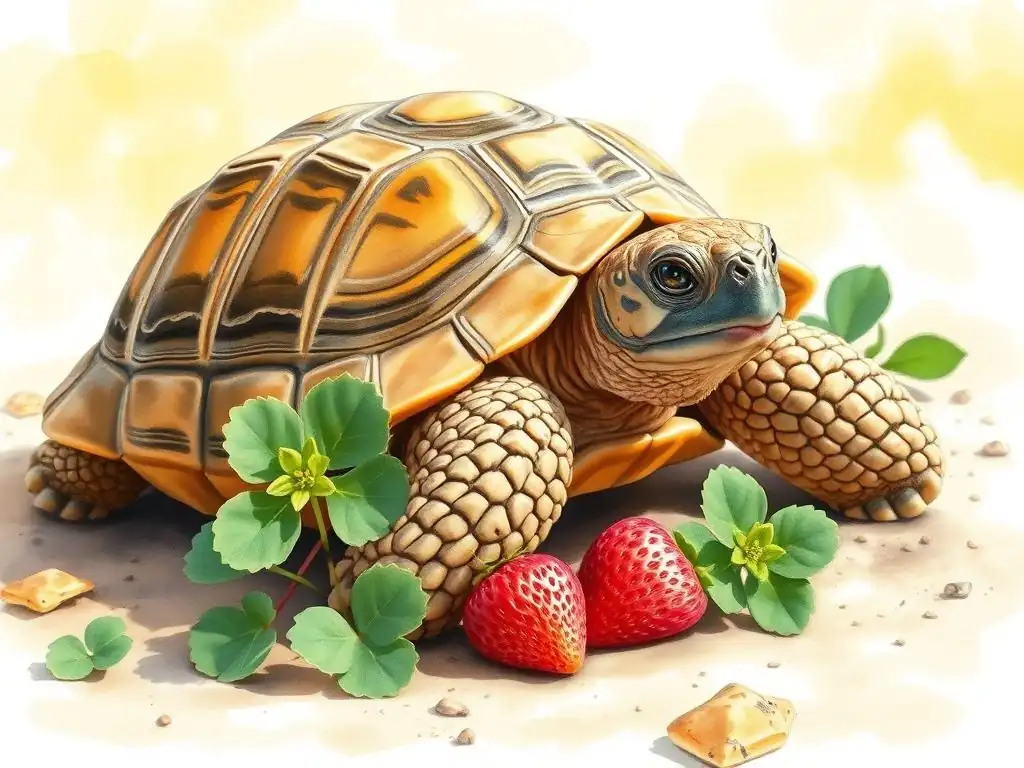
The cornerstone of successful Russian tortoise care lies in providing a nutritionally balanced diet. These herbivores require a diet mimicking their natural habitat, which consists primarily of low-fiber, high-calcium, low-oxalate plants. Understanding their dietary needs is crucial for preventing metabolic bone disease (MBD), a common and serious condition in captive Russian tortoises.
A deficient diet can lead to shell deformities, weakened bones, and ultimately, death. Therefore, meticulous attention to their diet is paramount for a long and healthy life for your Russian tortoise. This section will detail the essential components of a healthy Russian tortoise diet, providing you with the knowledge to create a balanced feeding plan that supports your pet's well-being.
Remember, consistency is key! Sticking to a regular feeding schedule will help ensure your tortoise receives the nutrients it needs to thrive. Providing a variety of foods will help prevent nutritional deficiencies and keep your tortoise engaged with its meals.
Essential Foods for a Healthy Russian Tortoise: Vegetables, Fruits, and Supplements
A Russian tortoise's diet should primarily consist of a variety of leafy greens and other vegetables. The focus should be on high-calcium, low-oxalate options. Here's a breakdown of ideal food choices:
- High-Calcium Vegetables: These are the foundation of their diet. Examples include:
- Dandelion greens (leaves and flowers)
- Clover (red and white)
- Turnip greens
- Mustard greens
- Collard greens
- Kale (in moderation, due to higher oxalates)
- Beet greens
- Other Suitable Vegetables: These can be offered in smaller quantities to add variety:
- Carrot tops
- Zucchini (sliced thinly)
- Squash (thinly sliced)
- Bell peppers (occasionally, in small amounts)
- Fruits (in very small amounts): Fruits should be offered sparingly, as they are high in sugar. Suitable options include:
- Strawberries
- Blueberries
- Raspberries (in moderation)
- Supplements: A high-quality reptile calcium supplement, often containing Vitamin D3, is crucial, especially for young, growing tortoises. Always follow the manufacturer's instructions carefully for dosage. Cuttlebone should also be provided to allow your tortoise to self-supplement calcium.
It's important to note that the specific nutritional requirements may vary slightly depending on the age and health of your tortoise. Consulting with a veterinarian specializing in reptiles is always recommended for personalized dietary advice.
Creating a Balanced Diet for Your Russian Tortoise: A Sample Feeding Schedule
A typical feeding schedule for an adult Russian tortoise might look like this:
| Day of the Week | Morning Meal | Afternoon Meal |
|---|---|---|
| Monday | Dandelion greens, carrot tops | Turnip greens, clover |
| Tuesday | Clover, mustard greens | Zucchini slices, dandelion flowers |
| Wednesday | Kale (small amount), beet greens | Collard greens |
| Thursday | Dandelion greens, carrot tops | Turnip greens, clover |
| Friday | Clover, mustard greens | Zucchini slices, dandelion flowers |
| Saturday | Kale (small amount), beet greens | Collard greens |
| Sunday | Rest Day | Rest Day |
Remember to always wash all vegetables thoroughly before feeding them to your tortoise. The amount of food offered should be adjusted based on your tortoise's size and appetite. Remove any uneaten food after a few hours to prevent spoilage and bacterial growth. Providing fresh water daily in a shallow dish is also essential.
Avoiding Harmful Foods: Toxic Plants and Foods to Avoid for Russian Tortoises
Many common household plants and foods are toxic to Russian tortoises. It is crucial to keep these items out of reach to prevent accidental ingestion. Here are some examples of foods to absolutely avoid:
- Toxic Plants: Rhubarb, spinach, lettuce, and many other common garden plants contain high levels of oxalates, which can interfere with calcium absorption. Avoid all plants unless you are absolutely certain they are safe for Russian tortoises. When in doubt, leave it out!
- Other Harmful Foods: Avoid feeding your tortoise any processed foods, such as bread, meat, dairy products, or sugary treats. These foods offer no nutritional value and can be detrimental to their health. Avoid anything high in oxalates, such as rhubarb leaves.
- Pesticides and Herbicides: Always ensure that any plants you feed your tortoise are pesticide and herbicide-free. These chemicals can be highly toxic and can cause serious health problems.
By following these guidelines and paying close attention to your tortoise's dietary needs, you can contribute significantly to its overall health and longevity. Remember, a healthy diet is a fundamental aspect of responsible Russian tortoise care. Always consult with a veterinarian experienced in reptile care for any questions or concerns about your tortoise's diet.
Hydration is Key: Ensuring Adequate Water Intake for Your Russian Tortoise
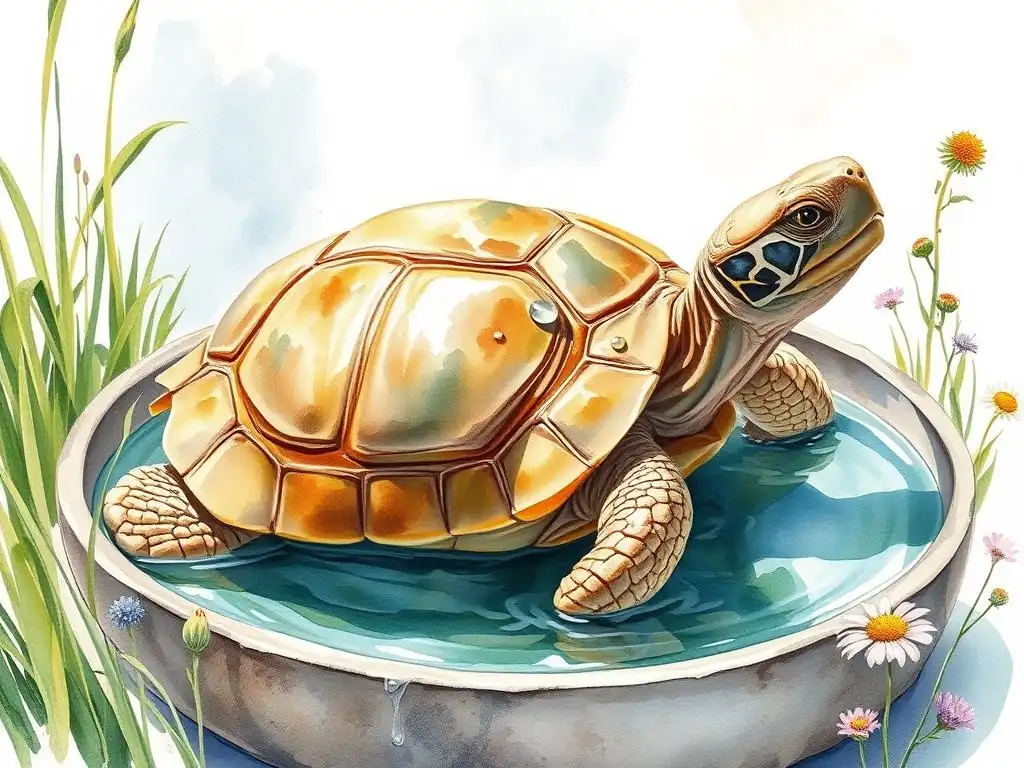
Russian tortoises, despite their desert-dwelling origins, require regular access to fresh water. Dehydration can quickly become a serious problem, leading to health complications and even death. Unlike many other reptiles, Russian tortoises don't readily drink from a standing water bowl. Therefore, providing water in a way that encourages drinking is crucial for their well-being. A shallow dish, slightly wider than their shell, filled with fresh, clean water is a good starting point. However, many owners find success with soaking their tortoises in lukewarm water a few times a week.
This allows them to drink and also helps keep their skin and shell hydrated. The soaking sessions should last for about 15-20 minutes, ensuring the water is shallow enough that they can easily breathe. Observe your tortoise during these soaks; some may be hesitant at first, but with consistent gentle encouragement, they'll learn to associate the water with a positive experience. Always supervise your tortoise during soaking to prevent accidental drowning. Regularly monitor the water level and change it daily to maintain cleanliness and prevent the growth of harmful bacteria.
Signs of dehydration include sunken eyes, lethargy, and a dry shell. If you notice these symptoms, immediately increase the frequency of soaks and contact a veterinarian specializing in reptiles. Providing consistent access to water is a cornerstone of responsible Russian tortoise care. Remember, a healthy, hydrated tortoise is a happy tortoise! 💧
Supplementing Your Russian Tortoise's Diet: Calcium and Other Essential Nutrients
While a diet consisting primarily of high-fiber grasses and weeds provides a good foundation for a Russian tortoise's nutritional needs, supplementation is often necessary to ensure optimal health and prevent metabolic bone disease (MBD). MBD is a serious condition resulting from a calcium deficiency, leading to skeletal deformities and other health problems. To prevent this, providing a consistent source of calcium is paramount. Cuttlebone, a readily available and inexpensive supplement, is an excellent source of calcium that tortoises can readily access and consume as needed. Place a cuttlebone in the enclosure, allowing your tortoise to self-regulate its intake.
In addition to calcium, a balanced diet should also incorporate other essential nutrients. Commercial reptile supplements, specifically formulated for tortoises, can provide a broader range of vitamins and minerals. These supplements usually come in powder form and can be lightly dusted onto the tortoise's food once or twice a week. However, it's crucial to follow the instructions on the packaging carefully, as over-supplementation can also be harmful. Avoid using human multivitamins or other supplements not specifically designed for reptiles, as these may contain ingredients toxic to tortoises.
Regular veterinary checkups are essential to monitor your tortoise's overall health and ensure its nutritional needs are being met. A veterinarian can perform blood tests to assess calcium levels and recommend appropriate supplementation if necessary. A well-planned diet, combined with appropriate supplementation, is a crucial aspect of providing optimal care for your Russian tortoise. Remember, a healthy diet contributes significantly to a long and happy life for your shelled companion! 🐢
Maintaining Your Russian Tortoise's Health: Prevention and Care
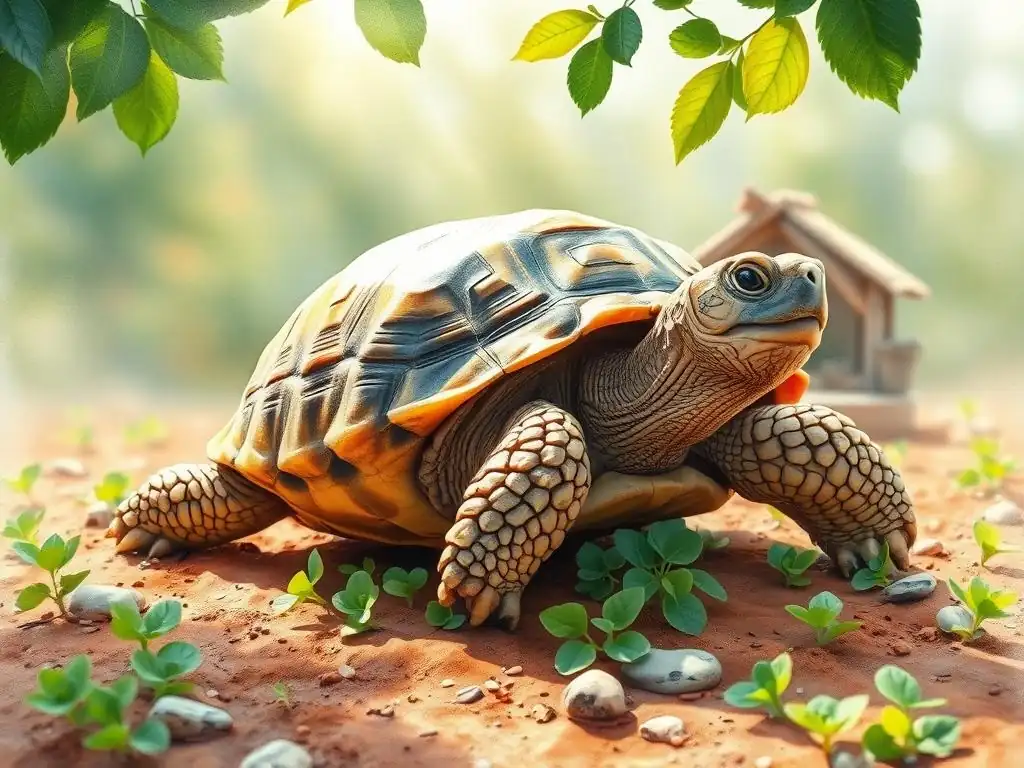
A healthy Russian tortoise is a happy Russian tortoise! Proactive care is crucial for preventing common ailments and ensuring a long, fulfilling life for your shelled companion. This involves understanding their specific needs and implementing preventative measures. This section delves into the key aspects of maintaining your Russian tortoise's health, focusing on proactive strategies and early detection of potential problems. Remember, early intervention is key to successful treatment. A well-cared-for Russian tortoise can live for 50 years or more, making preventative care a significant investment in their longevity and quality of life.
Common Health Problems in Russian Tortoises: Prevention and Early Detection
Russian tortoises, despite their hardy reputation, are susceptible to several health issues. Understanding these common problems allows for proactive prevention and early detection, significantly improving the chances of successful treatment. Some of the most prevalent health concerns include:
- Metabolic Bone Disease (MBD): This debilitating condition results from a calcium deficiency, often linked to improper diet and insufficient UVB lighting. Prevention involves providing a diet rich in calcium (e.g., cuttlebone) and ensuring access to full-spectrum UVB lighting for at least 12 hours daily. Early signs include lethargy, soft shell, and skeletal deformities.
- Respiratory Infections: These infections, often caused by bacteria or viruses, can be life-threatening if left untreated. Symptoms include sneezing, nasal discharge, and labored breathing. Prevention focuses on maintaining a clean and dry environment, avoiding temperature fluctuations, and minimizing stress.
- Parasites: Internal and external parasites can significantly weaken a Russian tortoise. Regular fecal examinations can detect internal parasites, while visual inspection helps identify external parasites like mites or ticks. Prompt veterinary intervention is essential for effective treatment.
- Shell Rot: This bacterial infection causes damage to the shell, often appearing as soft, discolored areas. Maintaining a clean and dry environment and promptly treating any injuries are crucial preventative measures.
- Dehydration: Dehydration is a serious concern, especially in hot climates. Providing fresh water daily and monitoring your tortoise's hydration levels is critical. Signs of dehydration include sunken eyes and lethargy.
The table below summarizes the common health problems, their causes, preventative measures, and early warning signs:
| Health Problem | Cause | Prevention | Early Warning Signs |
|---|---|---|---|
| Metabolic Bone Disease | Calcium deficiency, insufficient UVB | Calcium-rich diet, full-spectrum UVB lighting | Lethargy, soft shell, skeletal deformities |
| Respiratory Infections | Bacteria, viruses | Clean environment, stable temperature, low stress | Sneezing, nasal discharge, labored breathing |
| Parasites | Internal/external parasites | Regular fecal exams, visual inspection | Lethargy, weight loss, skin irritation |
| Shell Rot | Bacterial infection | Clean environment, prompt injury treatment | Soft, discolored areas on the shell |
| Dehydration | Insufficient water intake | Fresh water daily, monitoring hydration levels | Sunken eyes, lethargy |
Regular observation is key. Any deviation from normal behavior or appearance warrants immediate attention.
Recognizing Signs of Illness: Respiratory Infections, Metabolic Bone Disease, and More
Early detection of illness is paramount in ensuring successful treatment for your Russian tortoise. Recognizing subtle changes in behavior and physical appearance can make all the difference. Let's delve deeper into specific conditions and their characteristic signs:
Respiratory Infections: Beyond the previously mentioned symptoms (sneezing, nasal discharge, labored breathing), observe for lethargy, loss of appetite, and unusual noises during breathing. A veterinarian can diagnose the infection and prescribe appropriate antibiotics or other treatments.
Metabolic Bone Disease (MBD): In addition to the soft shell and skeletal deformities, look for swollen joints, difficulty moving, and a general weakness. Severe cases can lead to paralysis. Treatment focuses on correcting the calcium imbalance through dietary changes, supplementation, and UVB therapy.
Other Signs of Illness: Beyond respiratory infections and MBD, watch out for:
- Loss of appetite: A significant decrease or complete loss of appetite is a serious warning sign.
- Lethargy and inactivity: A normally active tortoise becoming unusually sluggish or inactive should prompt concern.
- Changes in defecation: Changes in the frequency, consistency, or appearance of feces can indicate underlying issues.
- Shell abnormalities: Any cracks, discoloration, or unusual growths on the shell require veterinary attention.
- Eye problems: Swollen, cloudy, or watery eyes could suggest infection or injury.
Remember, even seemingly minor changes can be indicators of a larger problem. Don't hesitate to seek professional veterinary care if you notice any unusual symptoms. Early intervention significantly increases the chances of a positive outcome.
Regular Veterinary Check-ups: Ensuring Your Russian Tortoise's Well-being
Preventative care extends beyond home management; regular veterinary check-ups are essential for maintaining your Russian tortoise's health. These check-ups allow for early detection of potential problems, even before symptoms appear. A veterinarian can perform a thorough physical examination, assess the tortoise's overall condition, and recommend appropriate preventative measures. Schedule annual check-ups, or more frequently if needed, to ensure your tortoise receives the best possible care. During these visits, your veterinarian will:
- Assess your tortoise's weight and body condition.
- Examine their shell for any abnormalities.
- Check for signs of parasites or other infections.
- Evaluate their hydration levels.
- Discuss dietary concerns and provide nutritional guidance.
- Review your husbandry practices (housing, temperature, lighting, etc.) and offer suggestions for improvement.
Think of these check-ups as a proactive investment in your Russian tortoise's health and longevity. It's far better to address potential problems early on rather than waiting for symptoms to develop. A healthy Russian tortoise is a testament to responsible ownership and diligent care. By combining proactive home care with regular veterinary check-ups, you'll be well on your way to ensuring a long and happy life for your shelled companion. 🐢
Hygiene and Sanitation: Cleaning and Maintaining a Healthy Enclosure
Maintaining a clean and sanitary enclosure is paramount for your Russian tortoise's health. Neglecting hygiene can lead to bacterial infections, parasitic infestations, and respiratory problems. A crucial aspect of this is regular cleaning and disinfection. Aim to spot clean the enclosure daily, removing any feces, uneaten food, and soiled substrate. This prevents the buildup of ammonia and other harmful byproducts. A more thorough cleaning should be undertaken at least once a week, or more frequently if necessary.
This involves removing all substrate, scrubbing down the enclosure with a reptile-safe disinfectant, and replacing the substrate with fresh, dry material. Avoid using harsh chemicals, as these can be toxic to your tortoise. Opt for diluted bleach solutions (always rinse thoroughly! ), or commercially available reptile disinfectants. Remember to thoroughly dry the enclosure before returning your tortoise.
The type of substrate you choose also plays a significant role in hygiene. Avoid substrates that retain moisture, as this can promote bacterial growth. Paper towels, reptile carpet, or a mix of topsoil and play sand are good options. The substrate should be deep enough to allow for natural burrowing behavior, but not so deep that it becomes difficult to clean.
Regularly checking for and removing any mold or mildew is essential. The presence of mold or mildew indicates a problem with humidity or cleanliness and needs immediate attention. A consistently damp enclosure is a breeding ground for harmful bacteria and parasites, so proper ventilation is vital.
Handling Your Russian Tortoise Safely and Responsibly
Handling your Russian tortoise should be done carefully and responsibly, both for the tortoise's safety and yours. Improper handling can cause stress, injury, or even salmonella transmission. Before handling, wash your hands thoroughly with soap and water. This minimizes the risk of transferring bacteria or parasites to your tortoise. Support your tortoise's entire body when picking it up, preventing accidental drops or injuries. Avoid squeezing or applying excessive pressure, as this can harm its shell or internal organs. Gentle, firm support is key. Never lift your tortoise by its legs or shell.
Young tortoises are particularly delicate and require extra care during handling. Their shells are still developing, and improper handling could lead to damage or deformities. The same cautious approach applies to older, potentially more fragile tortoises. Limit handling sessions to short periods, and observe your tortoise's behavior closely.
If it shows signs of stress (such as retracting into its shell or hissing), immediately cease handling and return it to its enclosure. Introduce children to handling tortoises under strict adult supervision, emphasizing gentle and respectful treatment. Educate them about the importance of hygiene and the potential risks associated with improper handling. Remember, regular, gentle handling can help your tortoise become more comfortable with human interaction, but always prioritize its well-being.
Frequently Asked Questions
What is the ideal habitat for a Russian tortoise?
A Russian tortoise needs a large enclosure with a substrate like topsoil and sand. Maintain a temperature gradient using a heat lamp, ensuring a basking area of around 85-90°F. Proper ventilation is crucial.
What should I feed my Russian tortoise?
Their diet should consist primarily of high-fiber grasses, such as orchard grass and ryegrass. Supplement with dark leafy greens in moderation. Avoid fruits and high-protein foods.
How often should I mist my Russian tortoise's enclosure?
Regular misting is not necessary, but you should provide a shallow water dish for drinking and soaking. Over-misting can lead to respiratory problems.
What are some common health problems in Russian tortoises?
Metabolic bone disease (MBD) is a common issue due to improper diet and lack of UVB light. Respiratory infections can also occur from poor hygiene or temperature fluctuations. Regular vet checkups are essential.
How long do Russian tortoises typically live?
With proper care, a Russian tortoise can live for 50-80 years, making them a long-term commitment. Be prepared to provide consistent care throughout their lifespan.
Final Reflection: The Enduring Legacy of a Tiny Tortoise
The responsible care of a Russian tortoise is not merely a hobby; it's a commitment to the well-being of a sentient creature and a testament to our capacity for empathy and stewardship. Understanding their unique needs, from basking spots to calcium-rich diets, is crucial for ensuring their long and healthy lives. This knowledge, once considered niche, is increasingly vital as more people discover the joys of tortoise companionship.
Witnessing the quiet grace of a Russian tortoise, observing its deliberate movements and ancient wisdom reflected in its eyes, profoundly impacts our understanding of the natural world. The smallest things often have the greatest power.
This holds true for these seemingly unassuming creatures, whose well-being reflects our own capacity for compassion and responsible action. Their care is a microcosm of our broader responsibility to protect and cherish the biodiversity of our planet. The increasing popularity of these reptiles highlights a growing interest in responsible pet ownership, a trend that must be nurtured and supported through continued education and ethical practices.
Now, consider your own relationship with the natural world. Have you ever felt a connection to a creature, however small? This guide is not just a collection of facts; it's an invitation to engage with the wonder of nature and to embrace the responsibility that comes with caring for a living being.
Take the lessons learned here, apply them to your own life, and become a champion for responsible pet ownership. Let the quiet wisdom of the Russian tortoise inspire you to cultivate a deeper appreciation for the delicate balance of life, and to act as a steward of the natural world, one tiny tortoise at a time.
Unlock Your Tortoise's Thriving Potential!
Thank you for learning about Russian tortoise care! We hope you've gained valuable insights into creating a happy and healthy home for your shelled friend. Now let's put that knowledge into action.
- Prioritize your tortoise's needs: Start by evaluating your tortoise's enclosure. Make any necessary adjustments to its habitat, diet, or enrichment activities based on what you've learned. Even small changes can significantly improve your tortoise's well-being!
- Share your tortoise's journey: Show off your amazing pet! Share a picture of its improved habitat or a video of it happily eating its nutritious greens on our PetCareWorld social media!
- Become part of our community: Do you have questions or success stories about Russian tortoise care? Connect with other enthusiasts in the comments below. Let's learn from each other!
Ready to see your Russian tortoise thrive? What's the first improvement you'll make to enhance its life?