
Reptile Feeding Frequency: How to Avoid Common Digestive Issues

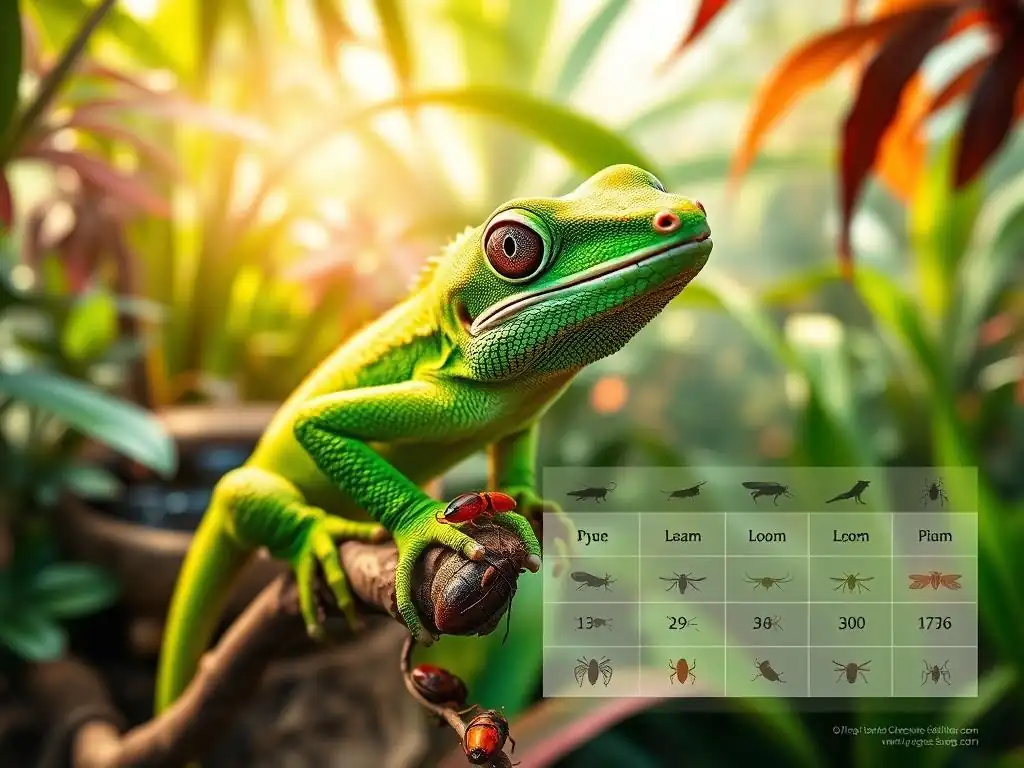
Welcome to PetCareWorld, your ultimate guide to a happier, healthier life for your beloved companions! Are you ready to unlock the secrets to thriving reptile ownership? Our expert guide on Reptile feeding schedule guide reveals the crucial feeding frequencies that prevent common digestive problems and ensure your scaly friend thrives. Dive in and discover the key to a long and healthy life for your reptile!
- Understanding Your Reptile's Dietary Needs: A Reptile Feeding Schedule Guide
- Common Digestive Issues in Reptiles and Their Prevention
- Creating the Perfect Reptile Feeding Schedule
- Troubleshooting Digestive Problems in Reptiles
- Maintaining a Healthy Gut Microbiome for Your Reptile
- Case Studies: Reptile Digestive Issues and Successful Resolutions
- Frequently Asked Questions
- Final Reflection: The Enduring Importance of Responsible Reptile Care
- Unlock Your Reptile's Health Potential!
Understanding Your Reptile's Dietary Needs: A Reptile Feeding Schedule Guide
Maintaining the health and well-being of your reptile companion hinges significantly on understanding and adhering to a proper feeding schedule. This comprehensive guide, designed to serve as your ultimate Reptile feeding schedule guide, will delve into the crucial aspects of reptile nutrition, helping you avoid common digestive problems and ensure your scaly friend thrives. We'll explore how species, age, size, and even individual temperament influence feeding frequency, providing you with the knowledge to create a tailored feeding plan.
Improper feeding can lead to a range of issues, from obesity and malnutrition to metabolic bone disease and organ damage. By following the guidelines outlined here, you'll be well-equipped to provide optimal nutrition and prevent these potentially serious health complications. Remember, a healthy diet is a cornerstone of a long and happy life for your reptile.
Determining the Right Food for Your Reptile Species
The foundation of a successful reptile feeding schedule lies in selecting the appropriate diet for your specific species. Each reptile has unique nutritional requirements, and feeding the wrong food can have severe consequences. For example, a herbivorous reptile fed a diet primarily consisting of insects will suffer from malnutrition, while a carnivorous reptile fed only plants will similarly experience health problems. Understanding your reptile's natural diet is paramount.
Consider these factors when selecting appropriate food:
- Insectivores: These reptiles, such as many geckos and smaller lizards, require a diet rich in insects like crickets, mealworms, and dubia roaches. The size and type of insect should be adjusted according to the reptile's size and age.
- Carnivores: Snakes and some lizards are carnivores, requiring a diet primarily consisting of rodents, birds, or fish. The size and type of prey should be appropriately sized to prevent injury or choking.
- Herbivores: Certain species, like many tortoises and iguanas, are herbivores and require a diet composed mainly of plants, fruits, and vegetables. Providing a diverse selection of plant matter is crucial for their nutritional needs.
- Omnivores: Some reptiles are omnivores, consuming both plants and animals. A balanced diet incorporating both plant and animal matter is necessary for these species.
Remember to supplement your reptile's diet with necessary vitamins and minerals, particularly calcium and vitamin D3, as deficiencies can lead to serious health problems. Consult with a veterinarian specializing in reptiles to determine the best supplementation strategy for your specific pet.
Age and Size Considerations in Reptile Feeding Schedules
A reptile's age and size directly impact its feeding frequency and the amount of food it needs. Young, growing reptiles require more frequent feedings and larger portions than adult reptiles. This is because they need more energy to support their rapid growth.
- Juveniles: Young reptiles typically require daily or every-other-day feedings. The size of the food items should be appropriately sized to their mouth and digestive capabilities.
- Adults: Adult reptiles generally require less frequent feedings, often ranging from several times a week to once a week, depending on the species and individual needs. Overfeeding adult reptiles can lead to obesity and related health complications.
- Size: The size of the reptile also dictates the size and quantity of food. Larger reptiles require larger food items and greater quantities than smaller reptiles. Always ensure that the food is appropriately sized to avoid choking hazards.
It's important to monitor your reptile's weight and body condition regularly to ensure that it's receiving adequate nutrition without becoming overweight. Consult with a veterinarian if you have concerns about your reptile's weight or eating habits. Regular weigh-ins and visual assessments can help you adjust the feeding schedule as needed.
Frequency Based on Species: Lizards, Snakes, Turtles, and More
Feeding frequency varies significantly across different reptile species. What's suitable for a bearded dragon might be detrimental to a corn snake. Here's a general overview, but remember: always consult with a reptile veterinarian for species-specific guidance. This information serves as a starting point and should be adjusted based on individual needs and veterinary recommendations.
| Reptile Type | Feeding Frequency (Adults) | Food Type Examples | Notes |
|---|---|---|---|
| Bearded Dragon | Every other day to every 2-3 days | Insects, greens, fruits | Adjust based on age and activity level. |
| Leopard Gecko | Every 2-3 days | Insects (crickets, mealworms) | Avoid overfeeding. |
| Corn Snake | Once a week | Frozen/thawed mice | Size of prey should be appropriate to the snake's size. |
| Ball Python | Once a week to every 10 days | Frozen/thawed mice or rats | Size of prey should be appropriate to the snake's size. |
| Red-eared Slider | Once or twice a day | Commercial turtle pellets, greens, occasional insects | Provide a varied diet. |
| Russian Tortoise | Daily | Fresh greens, vegetables, occasional fruits | Ensure access to fresh water at all times. |
This table provides a basic framework. Individual needs may vary based on age, size, activity level, and overall health. Careful observation of your reptile's behavior and appetite, coupled with expert veterinary advice, is key to establishing an optimal feeding schedule. Remember, consistent monitoring and adjustments are crucial for maintaining your reptile's health and well-being.
Assessing Your Reptile's Body Condition: A Visual Guide
Regularly assessing your reptile's body condition is crucial for determining the appropriate feeding frequency and preventing digestive issues. A healthy reptile will exhibit a body shape and weight that reflects a balanced diet and good overall health. Visual inspection is a key component of this assessment, allowing you to quickly identify potential problems before they escalate. Ignoring subtle changes in your reptile's physique can lead to serious health complications down the line, highlighting the importance of regular monitoring.
One of the most effective methods for assessing body condition is the "visual assessment" technique. This involves carefully observing your reptile's overall body shape and looking for any deviations from the ideal. For example, a healthy reptile will typically have a slightly tucked waist, visible ribs (but not excessively prominent), and a rounded body shape.
Obesity, on the other hand, is characterized by an excessively rounded body, a lack of visible waist, and potentially difficulty moving. Conversely, a reptile suffering from malnutrition will appear thin, with prominent ribs and bony structures clearly visible. Their spine may also be excessively pronounced.
The best way to perform a visual assessment is with a consistent approach. Take photos of your reptile from multiple angles (top, side, and front) at regular intervals, ideally monthly. This allows you to track changes in body shape over time and catch subtle shifts that may indicate a need to adjust the feeding schedule.
Comparing these photos to images of healthy reptiles of the same species can also be helpful in identifying potential problems. Remember, each species has its own ideal body condition, so it is important to research what is considered healthy for your specific reptile. Online resources and veterinary professionals can provide valuable guidance in this area.
Remember to consider your reptile's age and life stage. Young, growing reptiles will require more frequent feeding than adults. Furthermore, pregnant females will have increased nutritional requirements and may need more food to support the development of their eggs. These factors should be considered when establishing your reptile's feeding schedule and assessing their body condition.
Neglecting these factors can lead to improper feeding, affecting their overall health and well-being. Regular veterinary check-ups are also recommended to ensure your reptile is maintaining a healthy weight and to address any concerns regarding their digestive health. Your veterinarian will be able to provide personalized advice and guidance based on your reptile's specific needs. Don't hesitate to seek professional help if you notice any significant changes in your reptile's appearance or behavior.
Common Digestive Issues in Reptiles and Their Prevention
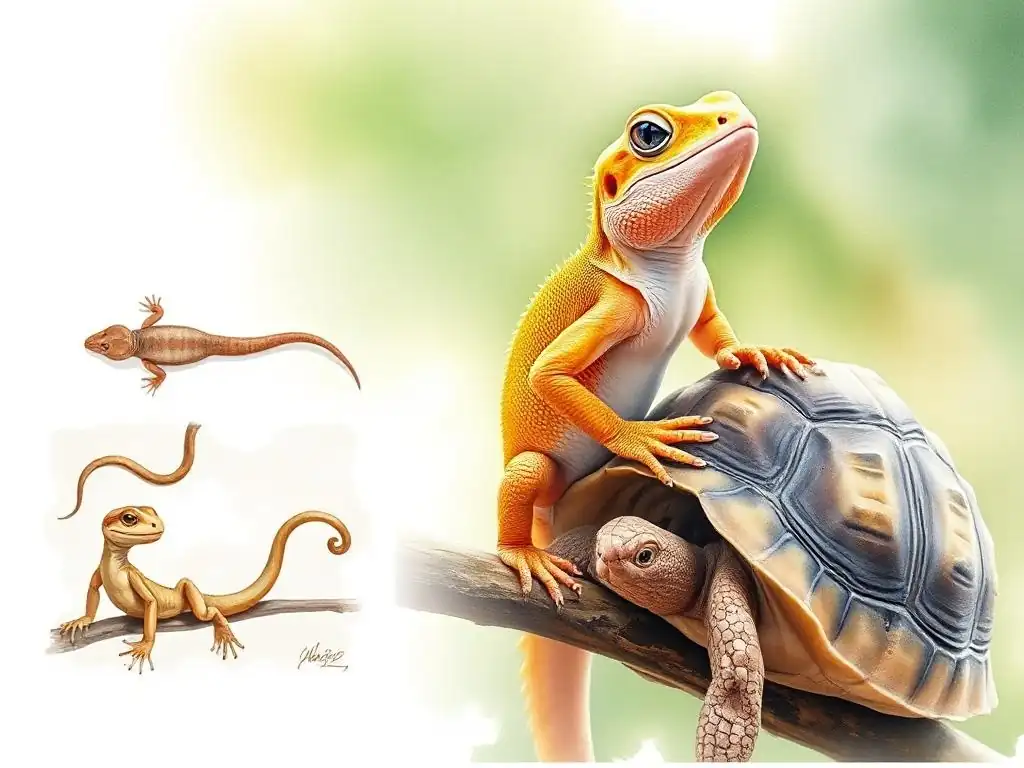
Reptiles, unlike mammals, have unique digestive systems and metabolic rates. Understanding their specific needs is crucial for preventing common digestive problems. Incorrect feeding schedules and inadequate nutrition are major contributors to these issues. This section details some of the most prevalent digestive problems and offers preventative measures to ensure your reptile thrives. A well-structured reptile feeding schedule guide is essential for optimal health.
Metabolic Bone Disease (MBD) and Nutritional Deficiencies
Metabolic Bone Disease (MBD) is a debilitating condition stemming from calcium and vitamin D3 deficiencies. These deficiencies directly impact bone development and strength, leading to skeletal deformities, fractures, and weakened bones. The condition is often preventable with proper nutrition. Insufficient calcium in a reptile's diet, particularly in rapidly growing juveniles, can lead to MBD. The lack of UVB light also plays a significant role, as it's essential for the synthesis of Vitamin D3, which aids in calcium absorption.
A well-designed reptile feeding schedule guide should incorporate appropriate calcium supplementation. Dusting insects or other food items with a high-quality calcium powder is crucial. The ratio of calcium to phosphorus in the diet should be carefully monitored; a ratio of 2:1 or higher is generally recommended. Moreover, ensuring access to a full-spectrum UVB light source is paramount.
The UVB light should be appropriately sized for the enclosure and replaced regularly according to manufacturer recommendations, as their effectiveness diminishes over time. Regular veterinary check-ups are also essential for early detection and treatment of MBD. Early intervention significantly improves the prognosis. Ignoring MBD can lead to severe complications and even death.
Impaction: Causes and Prevention in Reptile Feeding
Impaction, a blockage in the digestive tract, is another serious concern in reptiles. It occurs when undigested food material accumulates, preventing normal bowel movements. This can be caused by various factors including:
- Inappropriate diet: Feeding inappropriate food items, like those that are too large or too hard to digest.
- Dehydration: Insufficient water intake can lead to harder stools, increasing the risk of impaction.
- Lack of substrate for digestion: Some reptiles require specific substrates to aid in the digestive process.
- Insufficient fiber: A diet lacking in fiber can result in slower digestion and compaction of waste material.
Preventing impaction requires a carefully planned reptile feeding schedule guide that considers the specific needs of your reptile species. Feeding appropriately sized prey items is vital. Always ensure your reptile has access to fresh, clean water. The type of substrate used in the enclosure should also be considered. Some substrates can cause impaction if ingested, while others can help with the digestive process. Incorporating foods rich in fiber can also promote healthy digestion and prevent impaction. Observe your reptile's bowel movements regularly. Any changes in frequency or consistency should be addressed promptly by a veterinarian.
Parasites and Internal Infections: Recognizing the Symptoms
Internal parasites and infections are common in reptiles, often stemming from contaminated food or water sources. These infections can manifest in various ways, including:
- Lethargy and weight loss: A significant decrease in activity levels and noticeable weight loss are often early indicators.
- Diarrhea or abnormal feces: Changes in the frequency, consistency, or color of feces are important signs.
- Loss of appetite: A sudden or gradual decline in food intake should be monitored closely.
- Regurgitation: The expulsion of undigested food is a serious symptom requiring immediate veterinary attention.
Early detection is key to successful treatment. Regular veterinary check-ups, including fecal examinations, are crucial for identifying parasites and infections. Maintaining a clean and hygienic enclosure is essential in preventing parasitic infestations. Careful sourcing of food items and providing clean water are also important preventative measures.
A reptile feeding schedule guide should also include information on preventative measures against parasites and infections, such as regular deworming, if necessary, and proper hygiene practices. Ignoring these symptoms can lead to severe health complications and potentially death. Remember, a healthy reptile is a happy reptile, and a well-structured reptile feeding schedule guide is a crucial component of maintaining their well-being.
Regurgitation and Vomiting: Identifying Underlying Issues
Regurgitation and vomiting are common digestive problems in reptiles, often indicating underlying health issues that require immediate veterinary attention. Understanding the difference is crucial for proper diagnosis. Regurgitation typically involves the effortless expulsion of undigested food, often appearing relatively undigested and only partially processed. This often occurs soon after feeding and may be caused by factors such as overfeeding, improper feeding techniques, or stress. In contrast, vomiting is a more forceful expulsion of partially digested or digested food, sometimes accompanied by bile or other stomach contents. This usually indicates a more serious problem.
Several factors can contribute to regurgitation and vomiting in reptiles. Overfeeding is a primary culprit; reptiles lack the same digestive capabilities as mammals and birds, and excessive food intake overwhelms their system. Improper feeding techniques, such as feeding too large of prey items or offering food at the wrong temperature, can also lead to digestive distress. Stress, whether from environmental factors like improper enclosure temperature or humidity or from handling stress, can significantly impact a reptile's digestive system, leading to regurgitation or vomiting.
Underlying medical conditions, such as infections, parasites, or metabolic bone disease (MBD), can also manifest as digestive problems. Infections can cause inflammation and discomfort, while parasites can directly interfere with nutrient absorption. MBD, often stemming from inadequate calcium and vitamin D3 levels, weakens the digestive system.
Identifying the underlying cause requires careful observation and veterinary examination. Keep detailed records of your reptile's feeding habits, including the type and amount of food offered, the frequency of feeding, and any observed changes in behavior or appetite. Note the consistency and appearance of the regurgitated or vomited material. A veterinarian can perform a thorough physical examination, conduct fecal tests to detect parasites, and run blood tests to assess overall health and identify potential infections or metabolic disorders. Radiographs (X-rays) may be necessary to rule out obstructions or other internal problems.
Early intervention is key to successful treatment and improving your reptile's prognosis. Ignoring these symptoms can lead to severe dehydration, malnutrition, and potentially death. Therefore, prompt veterinary consultation is essential when dealing with regurgitation or vomiting in your reptile. The earlier the problem is addressed, the higher the chances of a full recovery.
Creating the Perfect Reptile Feeding Schedule
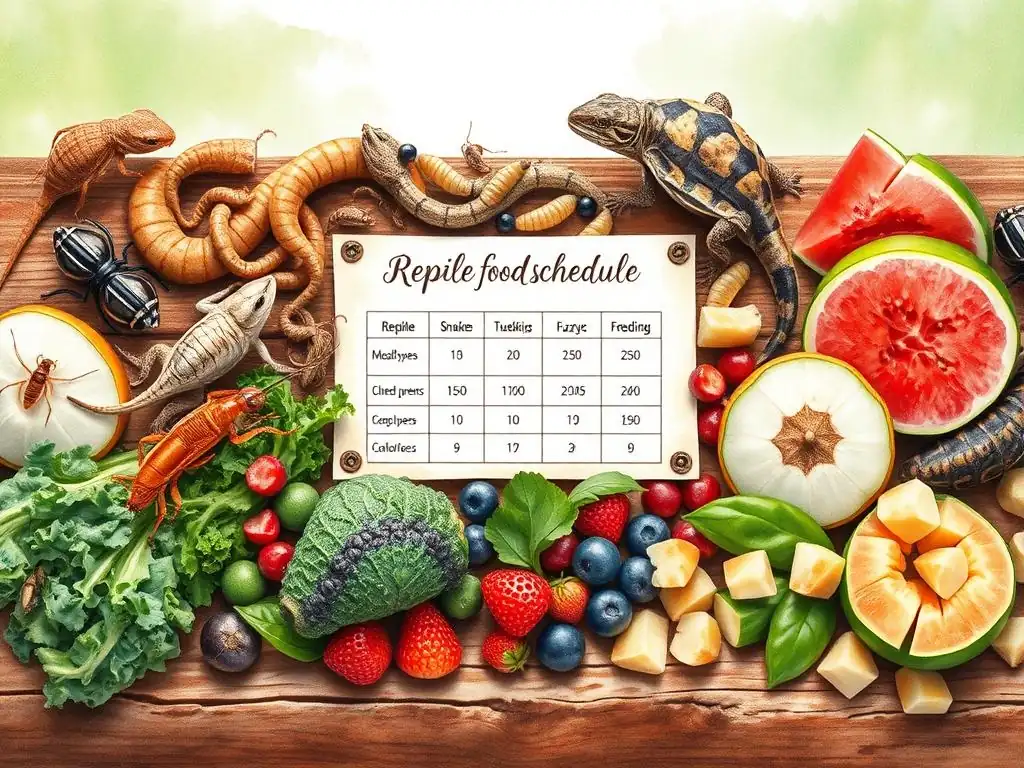
This section focuses on developing a reptile feeding schedule tailored to your specific reptile's needs. A well-structured feeding plan is crucial for preventing digestive problems and ensuring your reptile thrives. Remember, the optimal feeding frequency varies dramatically depending on the species, age, and size of your reptile.
This guide offers a framework; always research your specific reptile's requirements to ensure you're providing the best possible care. Ignoring species-specific needs can lead to malnutrition or obesity, both detrimental to your pet's health. This is a crucial aspect of responsible reptile ownership and a key element of any effective Reptile feeding schedule guide.
Establishing a Regular Feeding Routine for Optimal Digestion
Establishing a consistent feeding routine is paramount for your reptile's digestive health. Irregular feeding can disrupt their natural digestive processes, potentially leading to indigestion, constipation, or other gastrointestinal issues. For juvenile reptiles, particularly, consistent feeding is vital for proper growth and development. Think of it like a human child needing regular meals to grow; your reptile is no different.
For many species, daily feeding is appropriate for young, growing reptiles. However, as they mature, their feeding frequency can be reduced to every other day or even several times a week, depending on the species. Always monitor your reptile's weight and body condition to gauge if the feeding schedule is appropriate. A healthy reptile should have a good body condition score (BCS), neither too thin nor too overweight. Signs of poor digestion might include lethargy, regurgitation, or changes in bowel movements.
These signals warrant a review of your feeding schedule and a potential consultation with a reptile veterinarian. Accurate record-keeping is vital. A simple log of feeding dates, food type, and quantity can be invaluable in identifying any patterns or potential problems. This careful attention to detail contributes to a comprehensive Reptile feeding schedule guide.
Portion Control and Avoiding Overfeeding in Reptiles
Overfeeding is a common mistake among reptile owners and a significant contributor to digestive problems. Obesity in reptiles can lead to a range of health issues, including liver disease, heart disease, and arthritis. Portion control is therefore critical for maintaining your reptile's health and well-being.
Determining the correct portion size requires careful consideration of several factors, including the reptile's species, age, size, and activity level. A general guideline is to offer a portion size that your reptile can consume within 15-30 minutes. Any leftover food should be removed to prevent bacterial growth and maintain a clean environment. Visual cues, such as a slightly visible waistline, can indicate a healthy weight. Conversely, excessive fat deposits around the body and tail are clear indicators of overfeeding.
Regularly weighing your reptile can provide objective data to track weight changes and adjust portions accordingly. Remember, it’s better to slightly underfeed than overfeed. The benefits of a well-managed diet far outweigh the risks associated with overfeeding. This is a fundamental aspect of any reliable Reptile feeding schedule guide.
Supplementing Your Reptile's Diet with Essential Vitamins and Minerals
While a varied diet provides many essential nutrients, supplementation is often necessary to ensure your reptile receives the optimal balance of vitamins and minerals. Specific vitamin and mineral needs depend on the reptile species, their diet, and their age. Deficiencies can lead to metabolic bone disease (MBD) or other health problems.
A reptile veterinarian can help you determine the appropriate type and frequency of supplementation. They can advise on the appropriate calcium-to-phosphorus ratio for your specific reptile, which is crucial for bone health. Many commercially available supplements are designed to meet the specific needs of different reptile species. Always follow the instructions on the supplement label carefully. Over-supplementation can be just as harmful as under-supplementation.
Moreover, the method of administration is important. Dusting insects with calcium powder before feeding is common practice for many reptile species. However, other species might require liquid supplements. Regular veterinary check-ups and blood tests can help monitor vitamin and mineral levels, ensuring your reptile remains healthy and strong. This element is crucial for any comprehensive Reptile feeding schedule guide.
Monitoring Your Reptile's Weight and Body Condition
Regularly monitoring your reptile's weight and body condition is crucial for ensuring they receive the right amount of food and are maintaining a healthy weight. This is especially important because underfeeding can lead to malnutrition and weakness, while overfeeding can cause obesity and related health problems, such as liver disease and fatty deposits. Many reptile owners underestimate the importance of this seemingly simple step in reptile care. A healthy reptile will exhibit a body condition score that falls within a normal range, indicating neither excessive thinness nor excessive fat.
To accurately monitor your reptile's weight, invest in a gram scale designed for small animals. Weigh your reptile at least once a month, preferably on the same day and time each month to minimize variations caused by hydration levels. Record these measurements in a journal or spreadsheet to track changes over time. Sudden weight loss or gain can indicate underlying health issues, requiring immediate veterinary attention. For example, a significant drop in weight might signal parasitic infection, while rapid weight gain could point towards overfeeding or a metabolic disorder.
Beyond weight, assess your reptile's body condition visually. A healthy reptile will have visible ribs, but they shouldn't be overly prominent. Their spine should be slightly visible, but not excessively so. The reptile should have a good muscle tone, and their abdomen should not appear distended or bloated.
A visual assessment should be conducted alongside weight measurements for a complete picture of your reptile's health. Consult online resources or your veterinarian for images and descriptions of ideal body condition scores for your specific reptile species. Learning to accurately assess your reptile's body condition is a critical skill for responsible reptile ownership, allowing for early detection of potential problems and proactive adjustments to their feeding schedule. Remember, even small changes in weight or body condition can be significant indicators of your reptile's well-being.
Troubleshooting Digestive Problems in Reptiles
Digestive issues are a common concern among reptile owners. Understanding the nuances of a reptile's digestive system and recognizing the signs of trouble are crucial for ensuring their health and well-being. This section provides practical advice on identifying and addressing digestive problems in your reptile, helping you create the optimal reptile feeding schedule guide for your scaly companion. A properly implemented reptile feeding schedule is paramount to avoiding many digestive problems.
Identifying Signs of Digestive Distress in Your Reptile
Recognizing the early warning signs of digestive distress is key to preventing more serious complications. While symptoms can vary depending on the species and the severity of the problem, some common indicators include:
- Lethargy and inactivity: A significant decrease in your reptile's usual activity level is a major red flag. A normally active lizard suddenly refusing to bask or a snake showing little interest in its surroundings warrants immediate attention. This could be a symptom of various digestive problems, from impaction to infection.
- Changes in appetite: A sudden loss of appetite or refusal to eat can indicate digestive upset. Conversely, excessive begging or attempts to eat even when recently fed might suggest a problem. Pay close attention to any changes from their normal feeding patterns, as established by your reptile feeding schedule guide.
- Regurgitation or vomiting: The expulsion of undigested or partially digested food is a clear sign of digestive trouble. Note the frequency, volume, and consistency of the regurgitated material. This information is crucial for veterinary diagnosis.
- Diarrhea or abnormal stool: Changes in the frequency, consistency, color, or odor of your reptile's feces are important indicators. Diarrhea, often accompanied by dehydration, can be a sign of infection or other digestive problems. Normal stool should be firm and formed, with the color varying depending on the diet.
- Abdominal swelling or distension: A bloated or swollen abdomen can suggest impaction (a blockage in the digestive tract). This is a serious condition requiring immediate veterinary intervention. Gentle palpation (feeling the abdomen) can help detect swelling, but avoid excessive pressure.
- Dehydration: Dehydration is often associated with digestive issues. Signs include sunken eyes, dry skin, and lethargy. This is a serious condition that needs immediate attention. Proper hydration is crucial for optimal digestion.
When to Seek Veterinary Care for Your Reptile
While some minor digestive upsets might resolve on their own, others require immediate veterinary attention. Always consult a veterinarian experienced with reptiles if you observe any of the following:
- Persistent vomiting or regurgitation: If your reptile continues to vomit or regurgitate food despite dietary adjustments, it's crucial to seek veterinary care to rule out underlying medical conditions.
- Severe lethargy or weakness: Prolonged lethargy accompanied by other symptoms suggests a serious problem requiring professional assessment and treatment.
- Abdominal swelling or distension: A bloated abdomen indicates a potential impaction, a life-threatening condition needing immediate veterinary intervention.
- Bloody or severely abnormal feces: Blood in the stool or extremely abnormal fecal consistency requires immediate veterinary attention.
- Dehydration: Severe dehydration is a medical emergency that needs immediate veterinary care. Prompt treatment is crucial for survival.
- Lack of improvement after home management: If you have tried basic home management techniques (like adjusting the reptile feeding schedule guide) and your reptile shows no improvement, it's time to consult a veterinarian.
Dietary Adjustments for Digestive Issues
Dietary adjustments can often help resolve minor digestive problems. However, it's crucial to understand your reptile's specific dietary needs and to make gradual changes. Sudden dietary shifts can further upset their digestive system. Always consult your veterinarian or a reptile specialist before making significant changes to your reptile's diet, especially if they are already experiencing digestive problems. Some strategies include:
- Fasting: A short-term fast (under veterinary supervision) may be beneficial in some cases to allow the digestive tract to rest. Never fast a reptile without consulting a vet, as it can worsen dehydration and other health complications.
- Dietary simplification: Reducing the variety of food items offered can help identify potential allergens or indigestible components in their diet. Focus on easily digestible foods.
- Smaller, more frequent meals: Smaller, more frequent meals can be easier on the digestive system than large, infrequent meals. This is especially important when adjusting a reptile feeding schedule guide.
- Temperature regulation: Maintaining the correct environmental temperature is crucial for proper digestion. Ensure your reptile's enclosure is properly heated and has appropriate basking spots.
- Hydration: Ensure your reptile has access to fresh, clean water at all times. Dehydration can exacerbate digestive issues. Consider misting or providing shallow water dishes.
- Enzyme supplements: In some cases, your veterinarian might recommend enzyme supplements to aid digestion. These supplements must be used under veterinary supervision.
Remember, prevention is always better than cure. A well-planned reptile feeding schedule guide, tailored to your reptile's species and age, is the cornerstone of maintaining their digestive health. Always consult a veterinarian for any concerns regarding your reptile's health.
The Importance of Cleanliness and Hygiene in Reptile Care
Maintaining impeccable cleanliness and hygiene is paramount in preventing digestive issues in reptiles. A dirty enclosure is a breeding ground for bacteria and parasites, which can directly impact your reptile's gut health, leading to infections and digestive upset. This is especially crucial for reptiles with compromised immune systems or those already exhibiting signs of digestive problems. Failing to maintain a clean environment can exacerbate existing conditions and even trigger new ones.
Regular cleaning goes beyond simply spot-cleaning; it involves a thorough disinfection of the enclosure. This includes removing all fecal matter, uneaten food, and substrate debris. The frequency of cleaning depends on the species and the size of the enclosure, but a weekly deep clean is often recommended for most reptiles. This involves removing all items from the enclosure, scrubbing all surfaces with a reptile-safe disinfectant, and replacing the substrate. Remember to always rinse thoroughly and allow the enclosure to dry completely before returning your reptile. Failing to do so can expose your reptile to harmful chemical residues.
The type of disinfectant used is also crucial. Avoid harsh chemicals that could harm your reptile or damage the enclosure. Opt for reptile-safe disinfectants specifically formulated for use in terrariums. These are readily available at pet stores and online retailers. Always follow the manufacturer's instructions carefully, ensuring adequate ventilation during and after application. Improper use of disinfectants can be just as detrimental to your reptile's health as neglecting hygiene altogether.
Furthermore, the quality of the water source is critical. Stagnant or contaminated water can introduce harmful bacteria and parasites into your reptile's digestive system. Provide fresh, clean water daily, ensuring the water bowl is cleaned and refilled regularly. Using filtered water can further minimize the risk of contamination.
The importance of hygiene extends beyond the enclosure; it also includes proper handwashing before and after handling your reptile to prevent the transfer of bacteria from your hands to your pet. This simple practice can significantly reduce the risk of infection and subsequent digestive problems. Careful attention to detail in maintaining a clean and sanitary environment is a cornerstone of responsible reptile ownership and a key factor in promoting optimal digestive health.
Maintaining a Healthy Gut Microbiome for Your Reptile
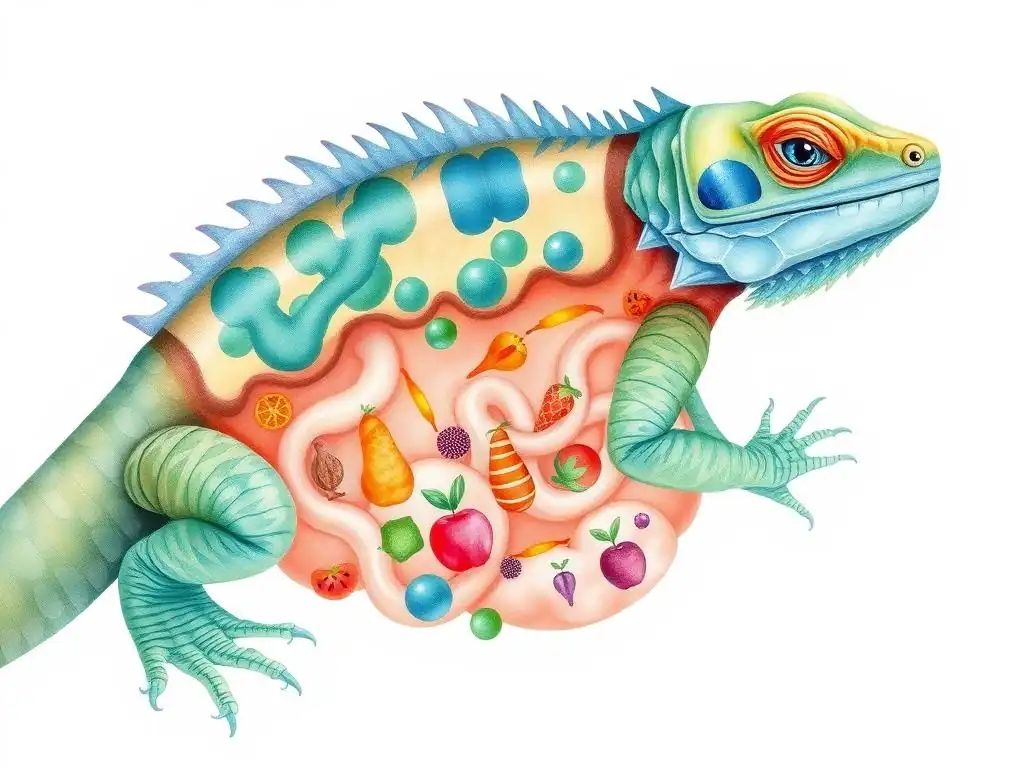
A healthy gut microbiome is crucial for your reptile's overall health and well-being. A balanced gut flora aids in nutrient absorption, boosts the immune system, and helps prevent the proliferation of harmful bacteria that can lead to digestive issues. Understanding the factors that influence your reptile's gut microbiome is key to establishing a proper reptile feeding schedule guide and avoiding common digestive problems. A disrupted microbiome can manifest in various ways, including lethargy, poor appetite, weight loss, and even more severe health complications.
Therefore, proactive measures to support gut health are essential for responsible reptile ownership. This section will explore several key strategies to optimize your reptile's digestive system and create a thriving gut environment. Remember, consulting with a reptile veterinarian is crucial for personalized advice tailored to your specific reptile species and its individual needs.
The Role of Probiotics in Reptile Digestion
Probiotics, live microorganisms that confer a health benefit on the host, are increasingly recognized for their potential in supporting reptile digestive health. These beneficial bacteria help to re-establish a balanced gut microbiome, competing with pathogenic bacteria and preventing digestive upset. While research on reptile-specific probiotic strains is still ongoing, some studies suggest that certain strains of Lactobacillus and Bifidobacterium, commonly used in human and other animal probiotics, may offer benefits. However, it's crucial to choose reptile-specific probiotic formulations or consult a veterinarian before introducing any probiotic supplement to your reptile's diet. Incorrect administration or use of inappropriate strains can potentially disrupt the gut flora instead of improving it. Always follow the manufacturer’s instructions carefully, and monitor your reptile for any adverse reactions. The appropriate dosage and frequency will vary depending on the species and size of your reptile. Introducing probiotics gradually is also recommended to minimize any potential digestive distress.
Prebiotics and Their Benefits for Reptile Gut Health
Prebiotics, unlike probiotics, are non-digestible food ingredients that act as a food source for beneficial bacteria in the gut. They stimulate the growth and activity of these beneficial microorganisms, further enhancing the balance of the gut microbiome. Common prebiotic fibers include inulin, fructooligosaccharides (FOS), and mannanoligosaccharides (MOS). These can be incorporated into your reptile's diet through various means, depending on their species and dietary preferences. For example, some commercially available reptile foods already include prebiotics in their formulation.
Others may benefit from the addition of prebiotic-rich vegetables or fruits, such as certain leafy greens or squash. However, it’s important to note that not all reptiles will readily accept or benefit from prebiotics. It is vital to research the dietary needs of your specific reptile species and introduce any new food items gradually and cautiously. Monitoring your reptile's stool consistency and overall health after the introduction of prebiotics is crucial.
Avoiding Stressful Situations That Affect Digestion
Stress significantly impacts a reptile's digestive system. Stressful situations, such as improper handling, overcrowding, temperature fluctuations, or changes in environment, can disrupt the delicate balance of the gut microbiome, potentially leading to digestive problems. Creating a calm and stable environment for your reptile is therefore paramount. This includes maintaining consistent temperature and humidity levels, providing adequate space, and handling your reptile gently and only when necessary.
Sudden changes in diet can also be highly stressful and should be avoided. Any dietary modifications should be introduced gradually over several days to allow your reptile's digestive system to adapt. Regular veterinary check-ups are also essential for early detection and management of any underlying health issues that may contribute to stress and digestive problems.
A healthy and stress-free reptile is more likely to have a healthy gut and a robust immune system. Remember, a well-structured reptile feeding schedule guide is only one component of overall reptile care. A holistic approach encompassing environmental enrichment and stress reduction is crucial for maintaining optimal digestive health.
Choosing the Right Substrate for Your Reptile Enclosure
The substrate you choose for your reptile's enclosure plays a surprisingly significant role in maintaining a healthy gut microbiome. The wrong substrate can harbor harmful bacteria and parasites, leading to digestive upset and impacting the delicate balance of beneficial gut flora. Conversely, a well-chosen substrate can promote a cleaner environment, reducing the risk of bacterial or parasitic infections that can compromise your reptile's digestive health.
Several factors need consideration when selecting a substrate. Firstly, consider your reptile's species and its natural habitat. A desert-dwelling reptile will have different substrate needs compared to a reptile from a humid rainforest environment.
For instance, a bearded dragon thriving in a desert-like environment will benefit from a substrate that promotes proper drainage and prevents excessive moisture buildup, which can lead to bacterial growth and subsequent digestive problems. Conversely, a species requiring higher humidity might need a substrate that retains moisture more effectively, but this must be carefully managed to prevent the substrate from becoming overly wet and harboring harmful microorganisms.
Secondly, the substrate's absorbency is crucial. Highly absorbent substrates can retain fecal matter and excess moisture, creating a breeding ground for harmful bacteria. This can directly impact your reptile's digestive system through exposure and ingestion. Less absorbent substrates, such as paper towels or reptile carpet, are easier to clean and maintain a hygienic environment, thereby indirectly supporting a healthy gut microbiome. However, some reptiles may not find these substrates stimulating, potentially impacting their natural behaviors and overall well-being.
Finally, the substrate's particle size matters. Larger particles, like wood chips or bark, can pose a risk of impaction if ingested by smaller reptiles. This is a serious digestive issue that can have fatal consequences. Smaller particles, or even paper-based substrates, minimize this risk.
Always research the specific needs of your reptile species to ensure the substrate is appropriately sized and safe. Regular and thorough cleaning of the enclosure, regardless of substrate choice, remains paramount in maintaining a healthy environment for your reptile and preventing digestive issues. A clean enclosure is the first line of defense against a compromised gut microbiome.
Case Studies: Reptile Digestive Issues and Successful Resolutions
This section presents real-world examples illustrating the consequences of improper reptile feeding schedules and successful interventions. Understanding these case studies can help you avoid common pitfalls and ensure the health and well-being of your reptile companion. Remember, a consistent and appropriate reptile feeding schedule guide is crucial for preventing digestive problems.
Case Study 1: Bearded Dragon with Impaction
A young bearded dragon, "Spike," presented with lethargy, decreased appetite, and a swollen abdomen. His owner, concerned about Spike's condition, brought him to a veterinarian. Initial examination revealed a severe case of impaction. Spike's diet had consisted primarily of large, hard insects fed infrequently, leading to the blockage.
He was receiving insufficient calcium and fiber, further exacerbating the issue. The veterinarian diagnosed impaction due to improper feeding frequency and inadequate dietary composition. The treatment involved administering fluids subcutaneously, providing a softened diet of finely chopped vegetables and small insects, and administering medication to stimulate bowel movements. Spike's recovery was slow but successful.
He was gradually reintroduced to a more appropriate feeding schedule, focusing on smaller, more frequent meals with a balanced diet rich in calcium and fiber. This case highlights the importance of a tailored reptile feeding schedule guide based on the species, age, and size of the reptile. The frequency and size of feedings must be adjusted as the reptile grows. Insufficient fiber and calcium also played a significant role in Spike's impaction.
Case Study 2: Leopard Gecko with Metabolic Bone Disease (MBD)
"Luna," a female leopard gecko, showed signs of MBD, including skeletal deformities, weakness, and lethargy. Her owner had been feeding her infrequently, primarily with large crickets, without any supplemental calcium or UVB lighting. This resulted in a severe calcium deficiency, leading to the development of MBD. The veterinarian confirmed the diagnosis through X-rays, revealing weakened bones. Luna's treatment involved a complete dietary overhaul, including the introduction of a calcium-rich diet with appropriate insect dusting, regular UVB exposure, and careful monitoring.
The recovery process was lengthy, requiring consistent management of her feeding schedule and environmental conditions. Luna’s case underscores the critical role of proper nutrition and environmental enrichment in preventing MBD. A consistent reptile feeding schedule guide that includes appropriate calcium supplementation and UVB exposure is essential for the healthy development and maintenance of leopard geckos. Ignoring these factors can lead to severe and irreversible health complications.
Case Study 3: Corn Snake with Parasite Infestation
"Copper," an adult corn snake, exhibited weight loss, lethargy, and intermittent diarrhea. Following veterinary examination, a parasitic infestation was diagnosed. Although not directly caused by an improper feeding schedule, the weakened condition due to the parasites made Copper more susceptible to digestive issues. The inadequate nutrition resulting from the parasitic infestation hampered his ability to properly digest his food, further compounding the problem.
The veterinarian prescribed medication to eliminate the parasites. Concurrent with the medication, Copper's owner adjusted his feeding schedule to smaller, more frequent meals of appropriately sized rodents, ensuring proper nutrition to support his recovery and improve his immune system. This case highlights that even with a seemingly appropriate reptile feeding schedule guide, underlying health issues can disrupt normal digestion.
Regular veterinary check-ups are crucial for early detection and treatment of such problems, ensuring that your reptile can thrive. A healthy reptile is better equipped to handle minor irregularities in their diet. Regular fecal exams are recommended as part of preventative care.
This analysis of these cases demonstrates the importance of a well-structured reptile feeding schedule guide tailored to individual needs. Failure to provide proper nutrition and care can lead to severe health problems. Regular veterinary check-ups and careful monitoring of your reptile's behavior and physical condition are crucial for maintaining their overall health and well-being. Remember, a happy and healthy reptile is a well-fed reptile! 🦎
Frequently Asked Questions
How often should I feed my reptile?
The frequency depends on your reptile's species, age, and size. Young, growing reptiles generally need to eat more frequently than adults. Check reliable sources for species-specific guidelines.
What are the signs of an improper feeding schedule?
Signs include weight loss or gain, lethargy, regurgitation, and changes in bowel movements. Consult a veterinarian if you notice any of these issues.
Can I overfeed my reptile?
Yes, overfeeding can lead to obesity and other health problems, such as liver disease. Follow a recommended feeding schedule and monitor your reptile's weight.
What types of food are best for my reptile?
The best food will depend on your reptile's specific dietary needs. Research your reptile's species to determine appropriate food items like insects, vegetables, or commercially prepared diets.
My reptile refuses to eat; what should I do?
First, ensure the food is appropriate for your reptile's species and age. If the problem persists, consult a veterinarian to rule out any underlying health issues.
Final Reflection: The Enduring Importance of Responsible Reptile Care
Understanding the intricacies of reptile feeding schedules is not merely a hobbyist's concern; it's a crucial element of ensuring the health and well-being of these fascinating creatures. A seemingly simple act like feeding can have profound consequences, impacting the longevity and quality of life for your scaled companion. Ignoring the specific dietary needs of your reptile can lead to serious, even fatal, digestive problems.
The impact of responsible reptile ownership extends far beyond the individual animal. It contributes to a broader understanding of animal welfare and conservation efforts. By educating ourselves and others on proper feeding practices, we actively participate in the responsible stewardship of these often misunderstood creatures. The greatness of a nation and its moral progress can be judged by the way its animals are treated.
- Mahatma Gandhi. This quote highlights the interconnectedness of our treatment of animals and our overall societal values. The knowledge gained from understanding reptile digestive systems and feeding schedules translates to a deeper appreciation for the delicate balance of life within their ecosystems.
Now, consider your own reptile, or the reptiles you've encountered. Reflect on the information presented in this guide. Are you confident in your ability to provide the optimal feeding schedule for your pet? If not, take the time to review the key points, consult additional resources, and make the necessary adjustments to your feeding practices. Remember, the well-being of your reptile hinges on your commitment to learning and adapting your care. Let's work together to ensure a healthy and thriving future for these captivating creatures.
Unlock Your Reptile's Health Potential!
Thanks for exploring reptile digestion with us! You've gained valuable knowledge to keep your scaly friend happy and healthy. Ready to put this knowledge into practice?
- Create a personalized feeding schedule: Tailor your reptile's meals to its specific age, species, and activity level, using the guidelines above. This is crucial for optimal digestion.
- Share your feeding success stories: Let our community learn from your experience! Share your tips and tricks in the comments below.
- Explore further: Learn more about reptile care by reading our articles on species-specific diets and enrichment activities.
What small change will you make to your reptile's feeding routine today to improve its health?