
Kidney Disease in Cats: When to Consider Euthanasia


Welcome to PetCareWorld, your ultimate guide to a happier, healthier life for your beloved pets! Are you facing the heartbreaking challenge of cat kidney disease? We understand the difficult decisions involved, and our in-depth article on "Cat kidney disease euthanasia timing" offers compassionate guidance and expert advice to help you navigate this sensitive time. Discover crucial insights and resources to make informed decisions for your feline companion. Continue reading to learn more.
- Understanding Chronic Kidney Disease (CKD) in Cats
- The Difficult Decision: Assessing Your Cat's Quality of Life
- Cat Kidney Disease Euthanasia Timing: When is it the Kindest Option?
- Alternatives to Euthanasia: Palliative Care for Cats with CKD
- Supporting You Through This Difficult Time: Resources and Guidance
-
Frequently Asked Questions
- How can I tell if my cat is suffering from kidney disease?
- What are the treatment options for feline kidney disease?
- When is euthanasia a humane option for a cat with kidney disease?
- What factors influence the decision to euthanize a cat with kidney disease?
- How can I prepare myself emotionally for the possibility of euthanasia?
- Final Reflection: Navigating the Heartbreak: The Timing of Euthanasia in Feline Kidney Disease
- Rediscovering Hope: Guiding Your Next Steps
Understanding Chronic Kidney Disease (CKD) in Cats
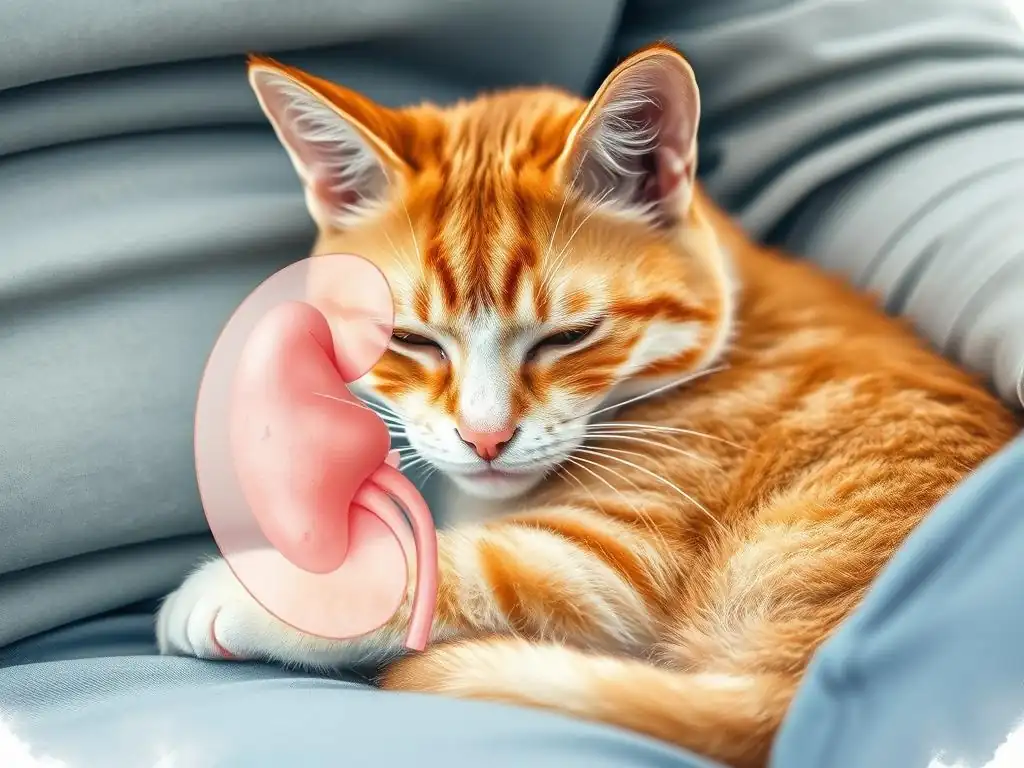
Chronic kidney disease (CKD), also known as chronic renal failure, is a progressive and often irreversible condition affecting cats' kidneys. This heartbreaking illness gradually diminishes the kidneys' ability to filter waste products from the blood, leading to a buildup of toxins and ultimately impacting the cat's overall health and well-being.
This article serves as a guide for cat owners facing this difficult challenge, focusing on understanding the progression of CKD and determining when euthanasia may become the most humane and compassionate option. We will explore the various stages of the disease, diagnostic procedures, treatment options, and the crucial decision of timing regarding end-of-life care for your beloved feline companion.
Navigating this complex situation requires careful consideration of your cat's quality of life, and this guide aims to provide you with the information you need to make informed decisions during this challenging time. The information presented here is intended to be informative and supportive; however, it is crucial to consult with your veterinarian for personalized advice and guidance tailored to your cat's specific circumstances.
Stages of Chronic Kidney Disease and Their Symptoms
Chronic kidney disease in cats typically progresses through several stages, each characterized by specific symptoms and severity. Early stages often show subtle signs, making early detection challenging. As the disease advances, symptoms become more pronounced and impact the cat's overall health significantly.
The progression is not always linear, and some cats may experience rapid deterioration, while others may have a slower decline. It's vital to monitor your cat closely and report any changes to your veterinarian immediately.
| Stage | Estimated Glomerular Filtration Rate (GFR) (ml/min/kg) | Symptoms |
|---|---|---|
| Stage 1 | > 60 | Often asymptomatic; subtle changes in bloodwork may be detected. |
| Stage 2 | 30-59 | Increased thirst (polydipsia), increased urination (polyuria), weight loss. |
| Stage 3 | 15-29 | Lethargy, loss of appetite, oral ulcers, vomiting, diarrhea, bad breath. |
| Stage 4 | <15 | Severe lethargy, anemia, significant weight loss, dehydration, neurological signs. |
It's important to remember that these are general guidelines, and individual cats may exhibit variations in symptom presentation and progression. Regular veterinary checkups, including blood and urine tests, are crucial for early detection and effective management of CKD. Early intervention can significantly improve a cat's quality of life and prolong its lifespan.
Diagnosing CKD in Cats: Tests and Procedures
Diagnosing CKD requires a combination of clinical examination, blood tests, and urine analysis. Your veterinarian will assess your cat's overall health, including hydration status, weight, and any visible symptoms. Blood tests are essential for evaluating kidney function, measuring blood urea nitrogen (BUN) and creatinine levels, which are indicators of kidney damage. Furthermore, electrolyte imbalances, anemia, and other associated problems can be identified through bloodwork.
Urine analysis helps assess kidney filtration capacity and identify any abnormalities in urine concentration and composition. Additional tests, such as ultrasound imaging, may be used to visualize the kidneys and evaluate their size and structure. Early and accurate diagnosis is critical for initiating appropriate treatment and managing the disease effectively. The earlier CKD is diagnosed, the better the chances of slowing its progression and improving the cat's quality of life. 😻
Managing CKD: Treatment Options and Supportive Care
Managing CKD involves a multifaceted approach aimed at slowing disease progression, alleviating symptoms, and improving your cat's quality of life. Treatment strategies are tailored to the individual cat's stage of disease and overall health. Options include dietary modifications, fluid therapy (subcutaneous or intravenous), medication to control blood pressure, phosphorus binders to reduce phosphorus absorption, and supportive care to address secondary complications.
Dietary management plays a critical role, with specialized diets formulated to reduce protein intake, phosphorus, and sodium while providing essential nutrients. Fluid therapy helps flush out toxins and maintain hydration. Medication can control blood pressure, a common complication of CKD. Pain management is also important, as CKD can cause discomfort.
Regular monitoring of your cat's health through blood tests and veterinary checkups is crucial to assess the effectiveness of treatment and make necessary adjustments. The goal is to provide the best possible quality of life for your cat, even during the later stages of CKD. Remember, compassionate care extends beyond medical intervention and includes providing a loving and supportive environment for your feline friend.
The Difficult Decision: Assessing Your Cat's Quality of Life

Facing the potential need for euthanasia for a beloved cat with kidney disease (CKD) is incredibly challenging. The decision isn't about giving up, but rather about ensuring your cat's comfort and dignity during their final stages. This requires a careful and compassionate assessment of their quality of life. The goal isn't to prolong life at all costs, but to provide the best possible care until the end, which may involve recognizing when continued suffering outweighs the benefits of continued treatment.
This assessment should be a collaborative effort between you, your veterinarian, and potentially other trusted individuals. Remember, there is no right or wrong answer – the best decision is the one that prioritizes your cat's well-being. Understanding the subtle signs of declining quality of life is crucial in making this difficult choice. This section will help guide you in identifying those critical indicators.
Recognizing Signs of Suffering in Cats with CKD
Chronic kidney disease (CKD) in cats progressively diminishes their kidney function, leading to a range of symptoms that can significantly impact their quality of life. Recognizing these subtle signs is crucial in determining the appropriate timing for euthanasia. These signs go beyond simply the measurable indicators your vet tracks, delving into the subjective aspects of your cat's experience.
Many cats with advanced CKD exhibit a noticeable decline in their overall demeanor. They might become lethargic, spending significantly more time sleeping than usual and showing decreased interest in their surroundings. This lethargy can manifest as a reluctance to play, interact, or even respond to familiar stimuli. Look for changes in their typical behavior; are they less playful, less affectionate, or more withdrawn? These behavioral shifts often indicate underlying discomfort and pain.
Furthermore, observe your cat's interactions with you. Do they seem to actively avoid being touched or handled? Are they flinching or exhibiting other signs of discomfort when you attempt to pet them? These are subtle but important signals that their quality of life is diminishing. Pain isn't always obvious; it can manifest as subtle changes in behavior, such as increased vocalization or restlessness.
It's also important to consider their grooming habits. A well-groomed cat suddenly neglecting their fur might suggest a loss of energy or a worsening of their condition. Keep a detailed journal of these observations to help you and your veterinarian track their progress and make informed decisions.
Evaluating Your Cat's Appetite, Hydration, and Energy Levels
Monitoring your cat's appetite, hydration, and energy levels provides objective indicators of their overall health and well-being. Significant changes in these areas can strongly suggest a decline in their quality of life, particularly in the context of advanced CKD. While some fluctuation is normal, sustained negative trends warrant careful consideration.
A persistent loss of appetite is a serious concern in cats with CKD. Reduced food intake leads to weight loss, muscle wasting, and overall weakness, further compromising their comfort. Similarly, inadequate hydration can result in dehydration, leading to lethargy, weakness, and potential organ damage. Observe your cat's water intake; a decrease in drinking might indicate discomfort or difficulty swallowing.
Energy levels are another crucial factor. While some lethargy is common with CKD, a dramatic drop in energy levels, where your cat is mostly sleeping and unable to engage in even minimal activity, strongly indicates a significant decline in their quality of life. This reduced energy can severely limit their ability to enjoy the things they once loved, highlighting the need for a serious conversation about their well-being. Quantifying these changes – tracking daily food and water intake, recording hours of sleep and activity – can be invaluable in discussing your cat's condition with your veterinarian.
Assessing Pain and Discomfort in Cats with Advanced CKD
Pain management is a critical aspect of caring for a cat with advanced CKD. Unfortunately, pain is often under-recognized and under-treated in feline CKD. The chronic nature of the disease can lead to various types of pain, including gastrointestinal discomfort, muscle aches, and pain associated with secondary complications such as ulcers or infections. Recognizing and managing this pain is crucial in maintaining your cat's quality of life.
Pain in cats with CKD can manifest subtly. It might not be expressed through obvious vocalizations, but rather through behavioral changes such as restlessness, changes in posture (hunched back), reluctance to move, or increased vocalization. Observe your cat for signs of discomfort during routine activities like eating, drinking, or using the litter box. Changes in their litter box habits, such as straining or crying while urinating, can indicate pain or discomfort in their urinary tract.
Regular veterinary examinations are essential for detecting and managing pain. Your veterinarian can assess your cat's condition, evaluate their pain levels, and recommend appropriate pain management strategies such as medication or other supportive therapies. Don't hesitate to discuss your concerns about pain with your veterinarian, even if the signs are subtle. Effective pain management is crucial in ensuring your cat's comfort and dignity during their final stages of life. Remember, even if a cure isn't possible, effective pain management can significantly improve your cat's quality of life in their final days.
Cat Kidney Disease Euthanasia Timing: When is it the Kindest Option?

Facing the difficult decision of euthanasia for a beloved cat with chronic kidney disease (CKD) is heartbreaking. Determining the optimal timing requires careful consideration of your cat's quality of life and a compassionate understanding of their suffering. This section will explore key indicators, the crucial role of veterinary guidance, and practical steps to prepare for this deeply personal decision. Understanding the nuances of cat kidney disease euthanasia timing is paramount to ensuring your feline companion experiences the most peaceful and dignified end possible. The goal is not to hasten death, but to prevent prolonged and unnecessary suffering.
Indicators that Euthanasia May Be Necessary for Cats with CKD
Recognizing when a cat's suffering outweighs the benefits of continued treatment is crucial. While veterinary advice is paramount, several indicators suggest that euthanasia may be the kindest option for your cat battling CKD. These aren't necessarily individual triggers, but a combination often points towards the end stage.
Several clinical signs can indicate that your cat's quality of life is significantly compromised:
- Persistent and Unrelieved Pain: Pain management in CKD cats can be challenging. If your cat exhibits persistent signs of pain despite medication – such as vocalization, restlessness, reluctance to move, or changes in posture – it's a strong indicator. The inability to effectively manage pain warrants serious consideration.
- Severe Anorexia and Weight Loss: Cats with advanced CKD often experience a significant loss of appetite, leading to substantial weight loss and muscle wasting (cachexia). This can be incredibly debilitating and indicates a failure to thrive. A cat unable to maintain adequate nutrition is suffering.
- Severe Dehydration and Weakness: CKD affects the kidneys' ability to regulate fluid balance, often resulting in severe dehydration. This manifests as lethargy, weakness, and a loss of skin elasticity. A persistently dehydrated cat is experiencing significant discomfort.
- Recurring Vomiting and Diarrhea: Gastrointestinal issues are common in CKD. However, persistent vomiting and diarrhea, despite treatment, can lead to significant discomfort, dehydration, and malnutrition, significantly impacting quality of life.
- Urinary Incontinence: Loss of bladder control can be distressing for both the cat and the owner, leading to hygiene issues and potential skin problems, adding to their overall discomfort.
- Inability to Groom: A well-groomed cat is a happy cat. Significant changes in grooming habits, particularly matting or soiling of the fur, can be a sign of declining mobility and overall well-being.
- Behavioral Changes: Cats with advanced CKD may exhibit behavioral changes such as hiding, increased aggression, or vocalization due to discomfort or disorientation. These changes can be subtle but significant indicators of distress.
It's important to note that each cat is an individual, and the threshold for considering euthanasia varies. Regular monitoring and close communication with your veterinarian are crucial in making this difficult decision.
The Role of Veterinary Advice in End-of-Life Decisions for Cats with Kidney Failure
Your veterinarian plays a vital role in guiding you through this challenging period. They can assess your cat's condition comprehensively, considering not only the clinical signs but also their overall response to treatment. Open and honest communication with your veterinarian is essential. Discuss your concerns, observations, and your personal values regarding your cat's quality of life.
Your vet will:
- Conduct a thorough physical examination: Assessing your cat's hydration status, body condition, and overall demeanor.
- Review bloodwork and urinalysis results: Monitoring kidney function and electrolyte imbalances.
- Evaluate the effectiveness of current treatments: Determining whether they are adequately managing symptoms and improving your cat's quality of life.
- Discuss palliative care options: Exploring strategies to manage pain and discomfort even if curative treatment is no longer feasible.
- Help you establish realistic expectations: Providing clear information about the progression of CKD and the likely prognosis.
- Offer compassionate support: Guiding you through the emotional aspects of this difficult decision.
Don't hesitate to ask your veterinarian any questions you have, no matter how small they may seem. Their expertise and empathy are invaluable during this emotionally challenging time. Remember, the goal is to make the most humane decision for your cat, prioritizing their comfort and dignity.
Preparing for Euthanasia: Emotional and Practical Considerations
Euthanasia is a deeply personal and emotional decision. Planning ahead can help make the process more peaceful for both you and your cat. Consider these aspects:
- Choosing a Location: Many pet owners prefer to have euthanasia performed at home, in a familiar and comforting environment for their cat. However, veterinary clinics offer a controlled and professional setting. Discuss the best option with your veterinarian.
- Saying Goodbye: Spend quality time with your cat, offering comfort and affection. This may involve gentle petting, soft words, or their favorite treats. Consider having close family members present for support and to share this final moment.
- Post-Euthanasia Arrangements: Discuss cremation or burial options with your veterinarian or a pet funeral home in advance. This allows you to focus on your grieving process without immediate logistical concerns.
- Emotional Support: Seek support from friends, family, or support groups specializing in pet loss. Allow yourself time to grieve and process your emotions. Remember that your feelings are valid, and seeking support is a sign of strength.
The decision to euthanize a cat with CKD is never easy. However, by carefully considering the indicators of suffering, seeking professional veterinary advice, and planning ahead, you can ensure your beloved companion experiences a peaceful and dignified end, minimizing distress and maximizing compassion. This process, while difficult, is an act of profound love and respect for your feline friend.
Alternatives to Euthanasia: Palliative Care for Cats with CKD

Chronic kidney disease (CKD) in cats progresses gradually, and while euthanasia is a compassionate option when suffering becomes unbearable, palliative care offers a valuable alternative for extending comfort and quality of life. This approach focuses on managing symptoms and improving your cat's well-being, rather than curing the underlying disease. The goal is to make your cat as comfortable as possible during their final stages.
Many cat owners find that palliative care allows them precious extra time with their beloved companions, creating positive memories during a difficult period. This is especially pertinent when considering the keyword phrase "Cat kidney disease euthanasia timing," as palliative care helps determine the most appropriate time for euthanasia.
Providing Comfort and Pain Management for Cats in Their Final Stages
Pain management is a crucial aspect of palliative care for cats with advanced CKD. Many cats experience discomfort from various symptoms associated with kidney failure, including nausea, vomiting, and loss of appetite. Veterinarians can prescribe medications to alleviate these symptoms and improve your cat's comfort. These may include anti-nausea drugs, appetite stimulants, and pain relievers tailored specifically to cats. Regular monitoring of your cat's condition is vital to adjust medication dosages as needed.
For instance, a cat experiencing severe vomiting might require a stronger anti-emetic. Furthermore, maintaining hydration is paramount. Subcutaneous fluids administered at home can significantly improve a cat's comfort and overall well-being, combating dehydration often associated with CKD. The frequency of fluid administration will depend on your cat's individual needs and should be determined in consultation with your veterinarian.
Making Your Cat Comfortable at Home: End-of-Life Care Tips
Providing a comfortable and supportive home environment is essential during your cat's final stages. This includes creating a quiet and stress-free space where your cat can rest peacefully. Consider providing soft bedding, a warm blanket, and easy access to food and water. Regular grooming can help soothe your cat and remove any mats or tangles that may cause discomfort.
Monitor your cat's litter box habits closely; changes in urination or defecation can indicate further complications requiring veterinary attention. Small, frequent meals may be better tolerated than large ones, helping to maintain your cat's nutritional intake. Remember that even minor adjustments to your cat's environment can significantly improve their comfort and quality of life. Maintaining a calm and loving atmosphere is crucial during this sensitive time, ensuring your cat feels secure and loved until the very end.
This holistic approach to end-of-life care allows you to make informed decisions regarding the timing of euthanasia, aligning with your cat's comfort and your emotional well-being. The goal is to allow your cat to pass peacefully and with dignity. The decision about "Cat kidney disease euthanasia timing" becomes less about a specific date and more about recognizing the signs that your cat’s quality of life is deteriorating to the point where euthanasia is the most compassionate choice.
Supporting You Through This Difficult Time: Resources and Guidance
Facing the potential need for euthanasia for your beloved cat due to kidney disease is incredibly difficult. This decision is deeply personal and should never be taken lightly. Understanding the resources available to you during this challenging time can make a significant difference in navigating this emotional journey. This section aims to provide you with information on where to find support and guidance as you consider your options. Remember, you are not alone.
Finding Emotional Support for Pet Owners Facing Difficult Decisions
The emotional toll of dealing with a terminally ill pet is immense. Many pet owners experience a range of feelings, including grief, guilt, anxiety, and helplessness. It's crucial to acknowledge these emotions and seek support to cope effectively. Several avenues can provide the emotional support you need during this challenging period:
- Support Groups: Connecting with other pet owners who have faced similar situations can be incredibly comforting. Sharing experiences and receiving empathy from those who understand can alleviate feelings of isolation. Online forums and local support groups dedicated to pet loss often provide a safe space for sharing emotions and gaining valuable insights.
- Veterinary Staff: Your veterinarian and their team are valuable resources. They can offer practical advice, answer your questions, and provide compassionate support as you navigate this difficult decision. Don't hesitate to reach out to them – they are there to help you through this process.
- Pet Loss Hotlines and Grief Counselors: Specialized hotlines and grief counselors provide professional support tailored to pet loss. These services offer a confidential space to discuss your emotions and develop coping strategies. They can help you process your grief and find healthy ways to move forward.
- Friends and Family: Lean on your support network. Sharing your feelings with trusted friends and family members can provide comfort and emotional release. Allowing them to offer support can significantly ease the burden you are carrying.
Grief and Loss: Coping with the Death of a Beloved Pet
Saying goodbye to a cherished pet is a profound loss. The grieving process is unique to each individual and can manifest in various ways. It's important to allow yourself time to grieve and to acknowledge the depth of your connection with your cat. The following strategies can help you cope with the loss:
- Memorialization: Creating a memorial for your cat can be a healing process. This could involve planting a tree, creating a photo album, writing a letter expressing your love and gratitude, or holding a small ceremony to remember their life.
- Self-Care: During this difficult time, prioritizing self-care is essential. Engage in activities that bring you comfort and peace, such as spending time in nature, listening to calming music, practicing mindfulness, or pursuing hobbies. Remember to prioritize your physical and mental well-being.
- Professional Help: If you find yourself struggling to cope with your grief, seeking professional help is crucial. A therapist or counselor specializing in pet loss can provide guidance and support during the grieving process. They can help you develop healthy coping mechanisms and navigate the emotional challenges you are facing.
Remember, there is no right or wrong way to grieve. Allow yourself the time and space you need to process your emotions and honor the memory of your beloved cat. The bond you shared was special and deserves to be remembered with love and respect. The pain of loss will eventually lessen, but the memories of your cat will remain forever. Navigating the difficult decision regarding cat kidney disease euthanasia timing requires both careful consideration of medical factors and compassionate attention to your emotional well-being.
Frequently Asked Questions
How can I tell if my cat is suffering from kidney disease?
Symptoms of chronic kidney disease (CKD) in cats can be subtle at first, including increased thirst and urination, lethargy, weight loss, and changes in appetite. A veterinary examination with blood and urine tests is crucial for diagnosis.
What are the treatment options for feline kidney disease?
Treatment focuses on managing symptoms and slowing disease progression. This may include fluid therapy, dietary changes (e.g., prescription renal diets), medications to control nausea and vomiting, and supportive care. Early intervention is key.
When is euthanasia a humane option for a cat with kidney disease?
Euthanasia should be considered when managing the cat's pain and suffering becomes impossible, despite optimal veterinary care. This point is reached when the cat's quality of life is severely compromised and they are experiencing untreatable pain or distress.
What factors influence the decision to euthanize a cat with kidney disease?
The decision is highly individualized and depends on the cat's overall health, the severity of their symptoms, their response to treatment, and their owner's preferences. Open communication with your veterinarian is essential.
How can I prepare myself emotionally for the possibility of euthanasia?
This is a difficult decision. Talking to your veterinarian, friends, family, or a support group can help. Consider creating cherished memories with your cat and focusing on providing the best possible care during their remaining time. Remember that euthanasia is an act of compassion and love.
The agonizing decision of when to say goodbye to a beloved feline companion battling kidney disease is a reality many cat owners face. This heartbreaking journey requires careful consideration, a deep understanding of the disease's progression, and a profound connection with your pet's quality of life. It's a decision that should never be taken lightly, but rather approached with compassion and informed understanding.
The emotional toll of chronic kidney disease (CKD) in cats extends far beyond the animal itself; it profoundly impacts the human-animal bond. The gradual decline, the subtle changes in behavior, and the increasing reliance on medical intervention all contribute to a complex emotional landscape for the owner. The bond with a pet is as powerful as any human relationship. Losing a pet is like losing a member of the family.
This quote encapsulates the profound grief and difficult choices faced by those navigating this challenging path. The information presented in this article aims to provide a framework for making informed decisions, allowing owners to honor their cat's dignity and their own emotional well-being throughout this process.
You, the loving caregiver, are at the heart of this journey. Take the time to reflect on your cat's individual personality, their responses to treatment, and their overall comfort level. Remember that euthanasia is not an act of giving up, but rather an act of profound love and compassion, ensuring a peaceful passing for your cherished friend. By understanding the signs and symptoms, and by openly communicating with your veterinarian, you can make the most informed and compassionate decision, ensuring your cat's final moments are filled with love and dignity.
Rediscovering Hope: Guiding Your Next Steps
Thank you for taking the time to learn about this difficult yet crucial topic. Understanding end-of-life decisions for your beloved cat speaks volumes about your love and dedication. Now, let's focus on how to navigate this challenging journey with compassion and clarity.
- Talk to your veterinarian: Schedule an appointment to discuss your cat's specific situation and explore all available options, including palliative care and quality-of-life assessments. This is crucial for making informed decisions.
- Lean on your support network: Share your experience with trusted friends, family, or other pet owners who have faced similar challenges. Their understanding and empathy can be invaluable during this difficult time.
- Keep a journal: Writing down your feelings and observations can be a powerful way to process your emotions and cherish your cat's unique personality and your bond. It can also be helpful when discussing your cat's care with your veterinarian.
Have you considered creating a memory box to treasure the moments you shared with your beloved companion?