
The Secret Language of Cat Purrs: What Your Feline Friend Is Really Trying to Tell You


Welcome to PetCareWorld, your ultimate guide to a happier, healthier life for your beloved pets! Are you curious about the intricate communication of your feline companion? Unlock the mysteries behind that comforting purr with our insightful article, "Understanding Cat Purr Meaning", and discover what your cat is really trying to tell you. Dive in and learn the secrets to deciphering the subtle nuances of your cat's purrs – it's more complex than you might think!
- Understanding Cat Purr Meaning: More Than Just Contentment
- Cat Purrs and Pain: When a Purr Means Something Else
- Beyond Contentment: Other Reasons for Cat Purrs
-
Myths and Realities of Cat Purrs: Debunking Common Misconceptions
- Myth 1: All purrs signify happiness. Reality: Purring can indicate pain or distress.
- Myth 2: A loud purr always means a happy cat. Reality: Purr loudness doesn't always correlate with happiness.
- Myth 3: Only contented cats purr. Reality: Cats purr for various reasons, including self-soothing and communication.
- Improving Communication with Your Cat Through Purr Understanding
- Frequently Asked Questions
- Final Reflection: Unlocking the Whispers of a Purr
- Unlock Your Cat's Purrfect Communication!
Understanding Cat Purr Meaning: More Than Just Contentment
Cats are masters of subtle communication, and their purrs are no exception. While often associated with contentment and relaxation, the truth is that a cat's purr is a multifaceted vocalization that can convey a surprisingly wide range of emotions and intentions.
Understanding the nuances of a cat's purr – its frequency, duration, intensity, and the accompanying body language – is crucial for truly understanding your feline friend and strengthening your bond. This article delves into the complexities of cat purrs, helping you decipher what your furry companion is really trying to tell you, providing a comprehensive guide to understanding cat purr meaning and improving your relationship with your cat.
We will explore how to interpret different purr characteristics and how to combine this knowledge with observation of your cat's overall behavior for a more complete understanding. This is more than just a guide to understanding cat purrs; it's a key to unlocking a deeper connection with your beloved cat.
Deciphering the Frequency: High-Pitched vs. Low-Pitched Purrs
The frequency of a cat's purr can offer valuable clues about its emotional state. A high-pitched purr, often characterized by a faster vibration, is frequently associated with contentment and comfort. Think of a kitten contentedly nursing, or a grown cat happily basking in a sunbeam. This type of purr often signifies a feeling of security and well-being.
However, a high-pitched purr can also be used as a self-soothing mechanism during times of stress or pain. A cat might purr at a high frequency when injured or feeling anxious to self-soothe and regulate its own emotional state. This is a crucial distinction to remember: while a high-pitched purr often indicates happiness, it's not always the case.
Conversely, a low-pitched purr, with a slower, deeper vibration, can sometimes suggest a different emotional landscape. While it can still indicate contentment, a low purr might also accompany a cat feeling unwell or attempting to self-heal. Some research suggests that the low frequency vibrations produced during purring have therapeutic benefits for cats, potentially aiding in bone repair and pain management. Therefore, a low purr, while sometimes indicating contentment, warrants paying close attention to the cat's overall body language for a complete understanding. The frequency alone isn't a definitive indicator, but rather a piece of the puzzle.
Duration and Intensity: A Purr's Tale
The duration and intensity of a purr provide further context to its meaning. A short, quiet purr might simply be a fleeting expression of contentment, perhaps in response to a gentle touch or a tasty treat. Conversely, a prolonged, loud purr can indicate a stronger emotional response, possibly reflecting deep satisfaction or, in some cases, a plea for attention or comfort. Consider the intensity; a soft, gentle purr might signify relaxation, while a forceful, vibrant purr could indicate a more urgent need, such as pain relief or a desire for interaction.
Think of it like human speech: a brief "hello" differs significantly from a lengthy, heartfelt conversation. Similarly, a cat's purr's length and volume can dramatically alter its meaning. Observing these variations, coupled with other behavioral cues, allows for a more accurate interpretation of your cat's communication. For example, a persistent, loud purr from a cat hiding under furniture could signal distress, whereas the same purr from a cat cuddling on your lap likely signifies contentment.
Context is Key: Reading the Body Language Alongside the Purr
Perhaps the most important aspect of understanding a cat's purr is considering the context. The purr itself is only one piece of the communication puzzle. Always observe the cat's overall body language: its posture, facial expression, tail position, and ear orientation. A purring cat with dilated pupils, flattened ears, and a swishing tail might be expressing fear or anxiety, despite the purr. Conversely, a purring cat with relaxed posture, slow blinks, and a gently wagging tail is likely feeling content and secure.
The combination of the purr and the body language provides a much richer and more accurate interpretation of your cat's emotional state. Learning to read these subtle cues is key to truly understanding your feline companion. Remember, a purr is not a standalone signal; it's part of a broader communication system that requires careful observation and interpretation. 😻
The Purr as a Self-Soothing Mechanism: Healing and Comfort
Cats, much like humans, utilize various methods to cope with stress and discomfort. Interestingly, the purr plays a significant role in a cat's self-soothing behavior. Studies suggest that the frequency of a cat's purr (around 25-150 Hz) has therapeutic properties, promoting healing and reducing pain. This frequency range is believed to stimulate bone growth and repair, potentially accelerating the healing process from injuries. Think of it as the feline equivalent of a comforting hug or a soothing mantra.
When a cat is injured or feeling unwell, a purr might be their way of self-medicating, promoting a sense of calm and encouraging physical recovery. This isn't to say that all purring indicates pain or injury; context is crucial. However, observing a purring cat who is also exhibiting signs of illness or discomfort warrants careful attention and a potential veterinary visit. The purr, in these instances, might be a subtle cry for help, a quiet way of communicating their need for care. Understanding this aspect of feline communication allows pet owners to be more attentive to their cat's overall well-being and respond appropriately.
It highlights the importance of observing not only the purr itself, but also the cat's overall body language and behavior to gain a holistic understanding of their condition. The ability to recognize a purr as a potential indicator of underlying distress is key to providing timely and effective care for your beloved feline companion. Recognizing this subtle communication allows for a deeper bond between cat and owner, fostering a more empathetic and caring relationship. Early identification of problems, aided by understanding the nuances of a cat's purr, can lead to better health outcomes and a longer, happier life for your cat.
Cat Purrs and Pain: When a Purr Means Something Else
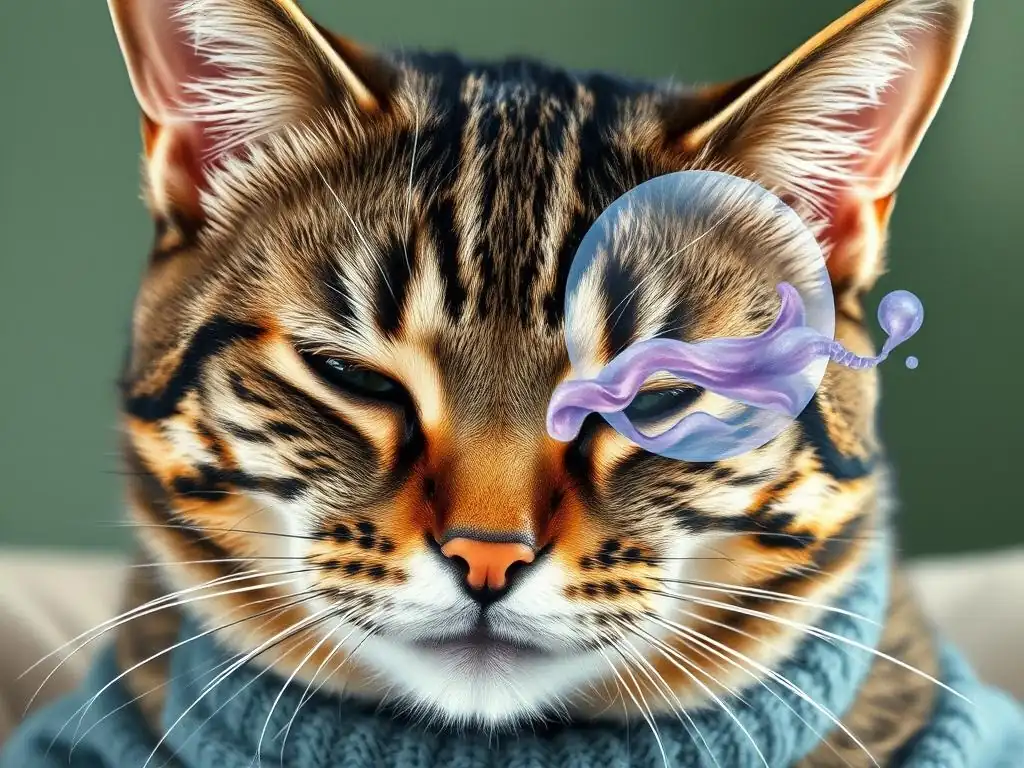
Understanding the nuances of feline communication is crucial for responsible pet ownership. While a purr often signifies contentment, it's vital to recognize that cats may also purr when experiencing pain, stress, or illness. This seemingly contradictory behavior is a complex aspect of feline vocalization and requires careful observation to interpret correctly. Understanding cat purr meaning in these contexts can be the difference between timely intervention and a worsening condition. This section delves into the situations where a purr might actually signal distress rather than happiness.
Understanding Distress Purring in Cats
Cats, unlike humans, don't always express pain with obvious vocalizations like cries or yelps. Instead, they might utilize subtle cues, and a purr can be one of them. Distress purring, often quieter and lower-pitched than a contented purr, is a self-soothing mechanism. Think of it as a cat's way of coping with an unpleasant situation. This type of purr is often accompanied by other indicators of discomfort, such as:
- Changes in posture: A hunched back, tucked tail, flattened ears, or avoidance of touch.
- Changes in behavior: Lethargy, loss of appetite, hiding, or changes in litter box habits.
- Physical signs: Lameness, difficulty breathing, excessive grooming of a specific area, or vocalizations other than the typical purr.
A cat might purr while receiving veterinary treatment, not because they are enjoying the experience, but because the purring helps them manage the anxiety and pain. Similarly, a cat suffering from a chronic illness, such as kidney disease or hyperthyroidism, may purr even when exhibiting other symptoms of discomfort. This highlights the importance of considering the context of the purr, not just the sound itself.
Pain and Purring: Differentiating Signs
Differentiating between a purr of contentment and a purr masking pain requires careful observation and a holistic understanding of your cat's behavior. A happy purr is usually accompanied by relaxed body language: a soft, supple body; a slow blink; and a relaxed tail. A cat exhibiting these behaviors alongside a purr is likely content.
Conversely, a cat purring while exhibiting signs of pain or distress should raise concerns. Consider the following comparison:
| Feature | Content Purr | Distress Purr |
|---|---|---|
| Sound | Loud, rhythmic, even-toned | Softer, less rhythmic, potentially strained |
| Body Language | Relaxed, slow blinks, soft body, tail up | Hunched, flattened ears, tucked tail, avoidance |
| Context | Following petting, mealtimes, naps | During or after injury, illness, veterinary visit |
| Other Symptoms | None | Lethargy, loss of appetite, changes in behavior |
It's crucial to remember that subtle differences in purring can be difficult to discern. If you are unsure, err on the side of caution.
When to Seek Veterinary Attention for Purring Cats
If your cat is purring but also showing any signs of illness or distress, it's vital to seek veterinary attention. Don't dismiss the purr as a sign of contentment; it could be a coping mechanism masking a serious underlying issue. Prompt veterinary care is essential for diagnosing and treating the root cause of the discomfort. Early detection significantly improves the chances of successful treatment and a positive outcome for your feline companion. Some situations that warrant immediate veterinary care include:
- Sudden onset of lethargy or loss of appetite accompanied by a quiet purr.
- Visible injuries or wounds coupled with purring.
- Persistent purring despite obvious signs of pain, such as limping or vocalization.
- Changes in litter box habits combined with a quieter, less rhythmic purr.
Remember, a purr is not always an indicator of happiness. By paying close attention to your cat's overall behavior and seeking veterinary advice when necessary, you can ensure their health and well-being. Understanding cat purr meaning in its entirety – the happy purrs and the distressed purrs – is key to responsible cat ownership.
Beyond Contentment: Other Reasons for Cat Purrs

While the comforting rumble of a purring cat often signifies contentment and relaxation, understanding cat purr meaning goes far beyond this simple interpretation. A cat's purr is a multifaceted vocalization, a complex communication tool used for a variety of reasons, not all of them related to simple happiness. Veterinary studies have shown that purring frequency and intensity can vary significantly depending on the cat's emotional and physical state.
This section delves into the nuances of feline purring, exploring the subtle differences that can help you decipher what your furry friend is truly trying to tell you. Learning to interpret these subtle cues is key to strengthening your bond and ensuring your cat's well-being. This is crucial for understanding cat purr meaning in its entirety, moving beyond the simplistic view of purring as just a sign of happiness.
The social purr is a key element in understanding cat purr meaning within the context of cat-to-cat and cat-to-human interaction. This type of purr is often softer and lower in frequency than the purr associated with contentment alone. It's used to establish and maintain social bonds, particularly between mother cats and kittens, but also between adult cats living in the same household.
Think of it as a friendly greeting or a way of saying, "Hey, I'm here, and everything's okay." Observations in multi-cat households show a higher incidence of these softer purrs during interactions, particularly during grooming or close physical proximity. The frequency and duration of these purrs often correlate with the strength of the bond between the cats.
For example, a mother cat will use this type of purr extensively with her kittens, while adult cats may use it less frequently, reserving it for close companions. This subtle difference in purr characteristics highlights the complexity of feline communication and the importance of paying attention to the context in which the purr occurs.
Soliciting Attention and Affection: The Demand Purr
Understanding cat purr meaning also involves recognizing the "demand purr." This purr is often louder and more insistent than the social purr. It's frequently accompanied by other behaviors such as rubbing against legs, meowing, or staring intently at their human.
The cat is actively seeking attention, food, or playtime. This type of purr is a clear indication that your feline companion wants something from you. For example, a cat might employ a demand purr while sitting by an empty food bowl, or while rubbing against your legs after a long day at work.
The intensity of this purr can vary depending on the urgency of the cat's needs. A low, soft demand purr might indicate a gentle request for a cuddle, while a louder, more insistent purr could signify a more pressing need, such as an empty water bowl or a desire for immediate playtime. Analyzing the accompanying body language alongside the purr is crucial for accurate interpretation.
Mother-Kitten Communication: A Special Purr
The purr of a mother cat caring for her kittens is unique and essential to understanding cat purr meaning in its entirety. This purr is typically low-pitched and continuous, acting as a soothing signal for the kittens. It provides a sense of security and comfort, regulating the kittens' heart rate and promoting relaxation.
Studies have shown that kittens respond positively to their mother's purr, exhibiting reduced stress and increased calmness. This purr serves not just as a communication tool but also as a vital component in the kittens' development and well-being. Unlike the other purr types, this purr is less about explicit communication and more about providing a calming, nurturing environment for the vulnerable kittens.
The frequency and intensity of this purr often increase during feeding or when the kittens are distressed, highlighting its crucial role in maternal care. Observing this type of purr provides valuable insights into the intricate bond between mother and offspring within the feline world.
Anxiety and Fear: Purring as a Coping Mechanism
Cats, despite their often independent nature, experience anxiety and fear just like any other animal. Interestingly, purring can serve as a self-soothing mechanism in these stressful situations. When a cat is feeling anxious, whether due to a loud noise, a change in environment, or a perceived threat, the act of purring can release endorphins, natural pain relievers and mood elevators. This self-medication through purring helps the cat manage its stress response and cope with the overwhelming feelings of anxiety.
The low-frequency vibrations produced during purring are thought to have a calming effect on the cat's nervous system, promoting relaxation and reducing the physical manifestations of anxiety, such as trembling or rapid breathing. Observing a cat purring in a seemingly stressful situation doesn't necessarily indicate contentment; it could be a sign that the cat is actively trying to manage its fear. Understanding this nuance is crucial for responsible pet ownership, allowing owners to better support their anxious feline companions.
For example, a cat hiding under a bed during a thunderstorm might be purring not out of happiness, but as a way to self-soothe and cope with the frightening sounds. Providing a safe, quiet space and minimizing stressors during these times can greatly benefit the cat's well-being. In cases of severe or persistent anxiety, consulting a veterinarian is recommended to explore potential underlying medical conditions or behavioral therapies.
It's important to note that the purr itself isn't always a reliable indicator of the cat's emotional state. While a purr often signifies contentment, it can also mask underlying anxiety or pain. A cat might purr while receiving veterinary treatment, for example, not because it enjoys the experience, but as a coping mechanism to deal with the discomfort and fear.
Therefore, it's crucial to consider the context of the purr – the cat's overall body language, behavior, and environment – to gain a more accurate understanding of its emotional state. Paying attention to subtle cues such as flattened ears, dilated pupils, or a tucked tail, in conjunction with the purr, can provide a more complete picture of the cat's feelings.
By learning to interpret these combined signals, pet owners can develop a deeper understanding of their cat's communication style and provide more effective support. This holistic approach to understanding feline communication is key to building a strong and trusting bond with your pet.
Myths and Realities of Cat Purrs: Debunking Common Misconceptions

Understanding cat purr meaning is crucial for building a strong bond with your feline companion. Many misconceptions surround cat purrs, leading to misinterpretations of their behavior. Let's dispel some common myths and uncover the truth behind these fascinating vocalizations.
Myth 1: All purrs signify happiness. Reality: Purring can indicate pain or distress.
It's a common belief that a purring cat is a happy cat. While this is often true, it's a significant oversimplification. Cats purr in a wide range of emotional states, and a purr doesn't always equate to pure joy. In fact, a cat experiencing pain, injury, or even stress might purr as a self-soothing mechanism.
Think of it like a human humming a tune to calm themselves during a stressful situation. The purr, in this case, acts as a coping mechanism, not necessarily an indication of contentment. Studies have shown that cats injured in accidents or suffering from illnesses may purr, potentially as a way to self-regulate their physiological response to pain. This is a fascinating example of how cats use purring as a complex communication tool, even under difficult circumstances.
Observing other behavioral cues alongside the purr – such as body language, posture, and overall demeanor – is essential for accurate interpretation. A cat purring while also exhibiting signs of discomfort, such as flattened ears or a tucked tail, may be expressing distress rather than happiness. Always consider the context!
Myth 2: A loud purr always means a happy cat. Reality: Purr loudness doesn't always correlate with happiness.
The volume of a cat's purr is not a reliable indicator of its emotional state. While a loud, rumbling purr can signify contentment and pleasure, especially when combined with other positive body language like a relaxed posture and slow blinks, it's not a guarantee. A cat might purr loudly when feeling anxious or even in pain, as previously mentioned. The frequency and intensity of the purr might also vary depending on the underlying cause.
For example, a low-frequency purr might indicate relaxation and contentment, while a higher-frequency purr, especially if accompanied by other stress signals, may suggest a different emotional state altogether. Further research is needed to fully understand the nuances of purr frequency and amplitude in relation to feline emotional states. Therefore, relying solely on the loudness of the purr to gauge your cat's happiness is inaccurate and can lead to misinterpretations of their needs.
Myth 3: Only contented cats purr. Reality: Cats purr for various reasons, including self-soothing and communication.
The reality is far more nuanced than this simple assumption. Cats purr for a multitude of reasons beyond simple happiness. As discussed, purring serves as a self-soothing mechanism during times of stress, pain, or illness. It's a way for them to regulate their own physiological state and cope with challenging situations.
Beyond self-soothing, purring also plays a crucial role in communication. Kittens purr to signal their need for maternal care, and adult cats might purr to solicit attention, comfort, or even food from their human companions. It's a complex form of communication that encompasses a wide spectrum of emotions and intentions. Understanding the context surrounding the purr, including the cat's body language, environment, and overall behavior, is essential for accurately deciphering its meaning.
By paying close attention to these details, you can gain valuable insights into your cat's emotional well-being and strengthen your bond. The cat's purr is not just a sound; it's a window into their inner world, offering a glimpse into their thoughts and feelings. Consider it a secret language waiting to be understood.
Improving Communication with Your Cat Through Purr Understanding
Understanding your cat's purr is a crucial step in improving your relationship and ensuring their well-being. While often associated with contentment, a cat's purr is a complex vocalization with a nuanced range of meanings. Learning to decipher these subtle differences can significantly enhance your ability to understand your feline friend's needs and desires, leading to a stronger bond and a happier cat. This section will explore how to interpret various purr types and respond appropriately, ultimately improving communication and strengthening your connection. Mastering the art of "Understanding cat purr meaning" is key to better cat ownership.
Observing Your Cat's Behavior: Paying Attention to the Details
Understanding a cat's purr requires more than just listening to the sound itself. You need to observe the entire context – the cat's body language, facial expressions, and overall situation. A purr accompanied by relaxed posture, slow blinks, and a gently swishing tail usually indicates contentment and well-being. This is the classic "happy purr" most people associate with cats.
However, a purr can also mask pain or distress. A cat experiencing pain or discomfort might purr as a self-soothing mechanism. In these situations, you might notice other signs, such as:
- Strained posture: The cat might be hunched over or tense.
- Dilated pupils: Enlarged pupils can indicate stress or fear.
- Flattened ears: This is a sign of anxiety or aggression.
- Rapid breathing: This could be a sign of pain or discomfort.
- Vocalizations other than purring: A combination of purring with meows or hisses suggests a more complex emotional state.
Consider this scenario: Your cat is purring while you pet them, but their tail is twitching rapidly, and their ears are slightly back. While the purr might initially suggest contentment, the other signals suggest they might be slightly overwhelmed or uncomfortable with the level of interaction. Paying attention to these subtle cues is vital to accurately interpret the meaning of their purr. Learning to differentiate these subtle nuances is critical to truly Understanding cat purr meaning.
Responding Appropriately to Different Purrs
Once you've learned to observe your cat's behavior and context, you can begin to respond appropriately to their various purrs. A happy, content purr warrants continued affection and positive interaction. However, a purr accompanied by signs of stress or pain requires a different approach.
Here's a table summarizing appropriate responses:
| Purr Type | Accompanying Behavior | Appropriate Response |
|---|---|---|
| Contentment Purr | Relaxed posture, slow blinks, gentle tail swishing | Continue petting, interacting, and providing comfort. |
| Anxious/Stressed Purr | Tense posture, dilated pupils, flattened ears | Reduce stimulation, offer a safe space, and speak softly. |
| Pain/Discomfort Purr | Hunched posture, rapid breathing, vocalizations | Seek veterinary attention immediately. |
| Soliciting Purr | Rubbing against legs, meowing softly | Provide food, water, or attention as needed. |
Remember, each cat is unique, and their communication style may vary. Consistent observation and interaction are key to understanding your individual cat's purr language. The more you learn about Understanding cat purr meaning, the better you can respond to their needs.
Building a Stronger Bond Through Understanding
By diligently observing your cat's behavior and learning to interpret their purrs in context, you can build a significantly stronger bond with your feline companion. This improved communication leads to a more harmonious relationship, characterized by mutual understanding and trust. This understanding extends beyond simple affection; it allows you to anticipate your cat's needs and respond proactively, contributing to a happier and healthier life for your pet.
Understanding your cat's purr isn't just about deciphering a code; it's about building empathy and connection. It's about recognizing that your cat, despite their seemingly aloof nature, is communicating with you in their own unique way. By paying attention to the subtleties of their purrs and accompanying body language, you unlock a deeper understanding of your cat's emotional world, enriching your relationship and fostering a stronger, more loving bond. This journey of Understanding cat purr meaning will ultimately reward you with a closer, more fulfilling relationship with your beloved feline friend. 😻
Frequently Asked Questions
What does it mean when my cat purrs?
A cat's purr can mean many things! It's often associated with contentment and happiness, but can also indicate pain, stress, or even illness. Context is key to understanding your cat's purr.
My cat purrs while I'm petting them. Is this always a good sign?
While often a sign of enjoyment and affection, a purring cat might also be self-soothing if they are feeling slightly anxious or insecure. Pay attention to other body language cues to be sure.
Can a cat purr when they are in pain?
Yes, absolutely. Cats may purr as a self-soothing mechanism even when injured or unwell. It's important to observe your cat's overall behavior for other signs of distress.
My cat purrs loudly, is that different?
The volume of a purr doesn't necessarily indicate a specific emotion. A loud purr might simply mean your cat is feeling very content or relaxed, but it could also be a sign of discomfort or illness.
How can I better understand my cat's purrs?
Pay close attention to your cat's body language alongside the purr. Combine this with observing their overall behavior and health to decipher the true meaning behind their purr.
Final Reflection: Unlocking the Whispers of a Purr
Understanding the nuances of a cat's purr is not merely a quirky pursuit; it's a key to unlocking a deeper connection with our feline companions and appreciating the intricate communication within the animal kingdom. The seemingly simple rumble holds a wealth of information, far beyond the simplistic notion of contentment. This article has explored the multifaceted nature of the purr, revealing its potential roles in healing, self-soothing, and even communication of distress.
The journey of understanding cat communication has profoundly impacted my own relationship with my cats. It's shifted from a purely human-centric perspective to one of genuine curiosity and empathy. The greatest gift that one can give another is the gift of unconditional love.
While not explicitly about cats, this quote perfectly encapsulates the profound bond we can forge by truly listening – or in this case, truly hearing – what our feline friends are trying to tell us, even through the subtle vibrations of a purr. This understanding fosters a deeper respect for their complex emotional lives.
Now, I invite you to consider your own relationship with your cat, or even with other animals. Take a moment to observe their subtle cues, listen attentively to their vocalizations, and try to decipher the unspoken messages. By embracing a more empathetic and attentive approach, you can unlock a richer, more meaningful connection with the creatures who share our lives. The secret language of the purr awaits – are you ready to listen?
Unlock Your Cat's Purrfect Communication!
Thanks for exploring the fascinating world of cat purrs! You've gained valuable insights into understanding your feline friend's communication. Ready to apply this new knowledge?
- Pay close attention to your cat's purrs. Notice the pitch, volume, and the situation. Does the purr change depending on what's happening? Keep a journal to track your observations!
- Share your most interesting observations about your cat's purrs with fellow cat lovers on our PetCareWorld forum—let's build a community dedicated to understanding cat communication!
- Consider further researching cat body language to enhance your understanding of your cat's behavior.
What unique purr patterns have you noticed in your cat? Let's discuss!