
The Ultimate Guide to Clicker Training for Birds: A StepbyStep Approach

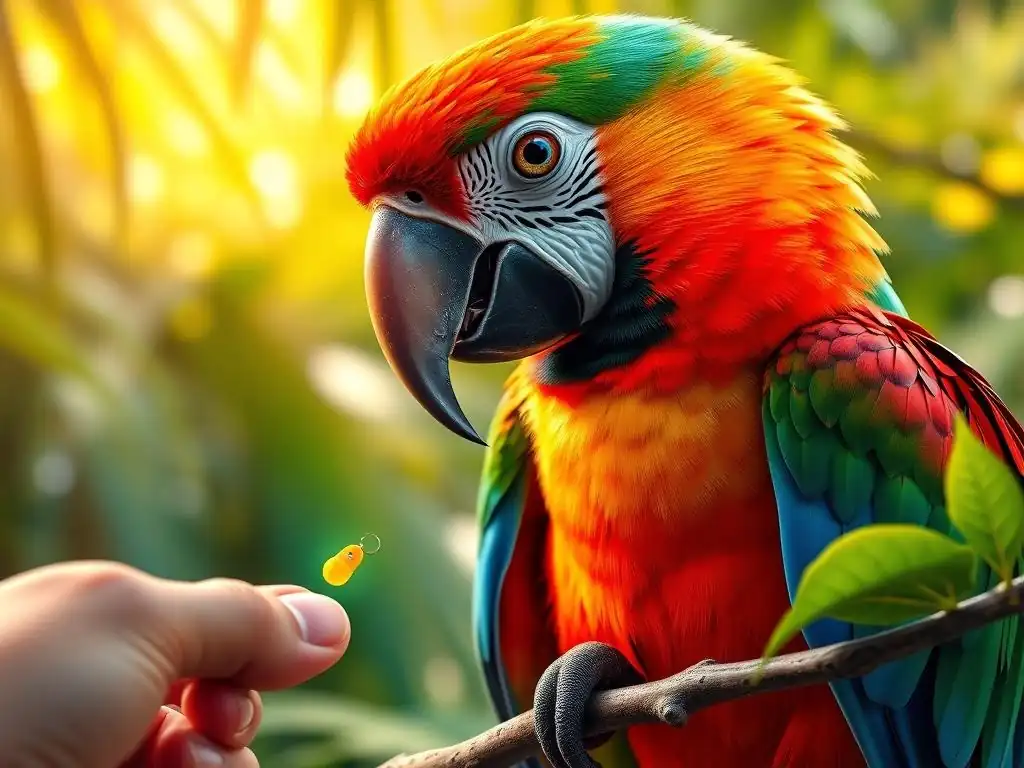
Welcome to PetCareWorld, your ultimate destination for everything pet-related! Are you ready to unlock the secrets of effective communication with your feathered friend? Our comprehensive guide on "Clicker Train Birds Stepbystep" will equip you with the knowledge and techniques to build a stronger bond with your bird through positive reinforcement training. Discover a world of possibilities as you embark on this rewarding journey – let's begin!
- Understanding Clicker Training for Birds: A Foundation for Success
- Preparing Your Bird for Clicker Training
- Step-by-Step Clicker Training for Basic Behaviors
- Advanced Clicker Training Techniques for Birds
- Maintaining Your Bird's Training and Preventing Regression
- Clicker Training and Avian Enrichment: A Holistic Approach
- Frequently Asked Questions
- Final Reflection: Unlocking Avian Potential Through Clicker Training
- Unlock Your Bird's Potential: Start Clicker Training Today!
Understanding Clicker Training for Birds: A Foundation for Success
Clicker training is a humane and highly effective method for teaching birds a wide range of behaviors, from simple tricks to complex commands. This comprehensive guide provides a step-by-step approach to clicker training your feathered friend, focusing on positive reinforcement techniques that build a strong bond between you and your bird while promoting their overall well-being. We'll cover everything from choosing the right equipment to troubleshooting common challenges, ultimately empowering you to successfully train your bird using this rewarding method.
This guide is specifically designed to help you master the art of clicker training your bird, addressing common concerns and misconceptions often encountered by new bird owners. By the end, you'll possess the knowledge and confidence to build a positive and enriching relationship with your avian companion through effective, enjoyable training. This approach is particularly beneficial for building trust and understanding, crucial elements in responsible bird ownership.
What is Clicker Training and How Does it Work with Birds?
Clicker training utilizes a small handheld device called a clicker, which emits a distinct clicking sound. This sound acts as a marker, signaling to your bird that they have performed the desired behavior exactly at the moment the click occurs. Immediately following the click, your bird receives a reward, typically a highly palatable treat. This pairing of the click (marker) and the treat (reinforcer) creates a powerful association: the click predicts the reward.
Over time, your bird learns to associate the click with positive reinforcement, making it a highly effective tool for shaping behavior. For birds, whose learning styles often involve visual and auditory cues, the combination of the click and the treat proves particularly effective. It's important to note that the clicker is not a punishment device; it's solely a marker that precisely identifies the desired behavior.
The process is all about positive reinforcement, building confidence, and strengthening the bond between you and your bird. Think of it as a clear communication system between you and your avian companion. The timing is crucial; the click must occur precisely when the bird performs the desired action.
Benefits of Clicker Training for Birds: Positive Reinforcement Techniques
The advantages of clicker training for birds are numerous and extend beyond simply teaching tricks. This method fosters a positive and trusting relationship, based on mutual respect and understanding. Instead of relying on coercion or punishment, clicker training leverages positive reinforcement, rewarding desired behaviors and ignoring or redirecting undesired ones. This approach significantly reduces stress for both the bird and the owner, creating a more harmonious and enjoyable training experience.
Furthermore, clicker training enhances problem-solving skills in birds, encouraging them to actively participate in the learning process. It also helps to improve focus and concentration, which can be particularly beneficial for birds prone to distraction. The consistent positive reinforcement builds confidence and self-esteem in your bird, leading to a more well-adjusted and happy companion. Real-world examples show that clicker trained birds are often more relaxed and less prone to behavioral issues compared to those trained using aversive methods.
The positive reinforcement aspect is key; it encourages participation and makes the learning process enjoyable for both bird and owner. This positive experience strengthens the bond, leading to a more trusting relationship overall. Consider the difference between forcing a bird to step up versus rewarding it for willingly stepping up – the latter approach fosters a much more positive interaction.
Choosing the Right Clicker and Treats for Your Bird
Selecting the appropriate clicker and treats is crucial for successful clicker training. The clicker should be lightweight and easy to handle, producing a clear, distinct sound that is easily audible to your bird. Avoid clickers with excessively loud or jarring sounds, as these may frighten or startle your bird. Many different clickers are available, so it's worth trying a few to find one that suits both your needs and your bird's preferences. The sound should be consistent and easily distinguishable from other sounds in your environment.
The choice of treats is equally important. You'll need highly motivating treats that your bird absolutely loves and will readily work for. These could include small pieces of fruit (such as berries or melon), vegetables (like cooked sweet potato or finely chopped carrots), seeds, or commercially available bird treats. Experiment with different options to find what your bird finds most rewarding.
The treats should be small enough to easily administer during training sessions and should not pose a health risk to your bird. Remember to keep training sessions short and rewarding to maintain your bird's enthusiasm and prevent overstimulation. Variety in treats can also help maintain interest and prevent your bird from becoming bored. The key is finding treats that are highly valued by your bird, thus maximizing the effectiveness of the training.
Essential Supplies for Successful Bird Clicker Training
Before embarking on your bird's clicker training journey, gathering the right supplies is crucial for a smooth and effective learning process. The good news is that you won't need a lot of expensive equipment; a few key items will suffice. Let's delve into the specifics:
First and foremost, you'll need a clicker. These small, handheld devices emit a distinct clicking sound that marks the precise moment your bird performs the desired behavior. The consistency of the click is paramount; it signals to your bird that they've done something correctly. Opt for a clicker with a clear, crisp sound that is easily distinguishable in your bird's environment. Avoid clickers with a weak or muffled sound, as these may not be effective in capturing your bird's attention.
Next, you need high-value rewards. This is where understanding your individual bird's preferences comes into play. While some birds might go crazy for millet sprays, others might prefer a small piece of fruit, a specific type of seed, or even a short period of playtime. Experiment to find what truly motivates your feathered friend. The reward should be something your bird finds incredibly desirable and is given immediately after the click. Avoid using large portions of treats, as this can lead to your bird becoming satiated and less responsive to the training. Small, frequent rewards are key.
Finally, consider the training environment. A quiet, distraction-free space is ideal. This minimizes potential interruptions and allows your bird to focus solely on the training session. Ensure the area is comfortable and safe for your bird, with no potential hazards. A perch at a suitable height for your bird is also essential.
The environment should be positive and encouraging, fostering a relaxed atmosphere conducive to learning. Remember, a calm and patient trainer is just as crucial as the right supplies! A stressed bird will not learn effectively. Establishing a comfortable and positive training environment is fundamental to success in clicker training your bird. This sets the stage for a rewarding experience for both you and your avian companion.
Preparing Your Bird for Clicker Training
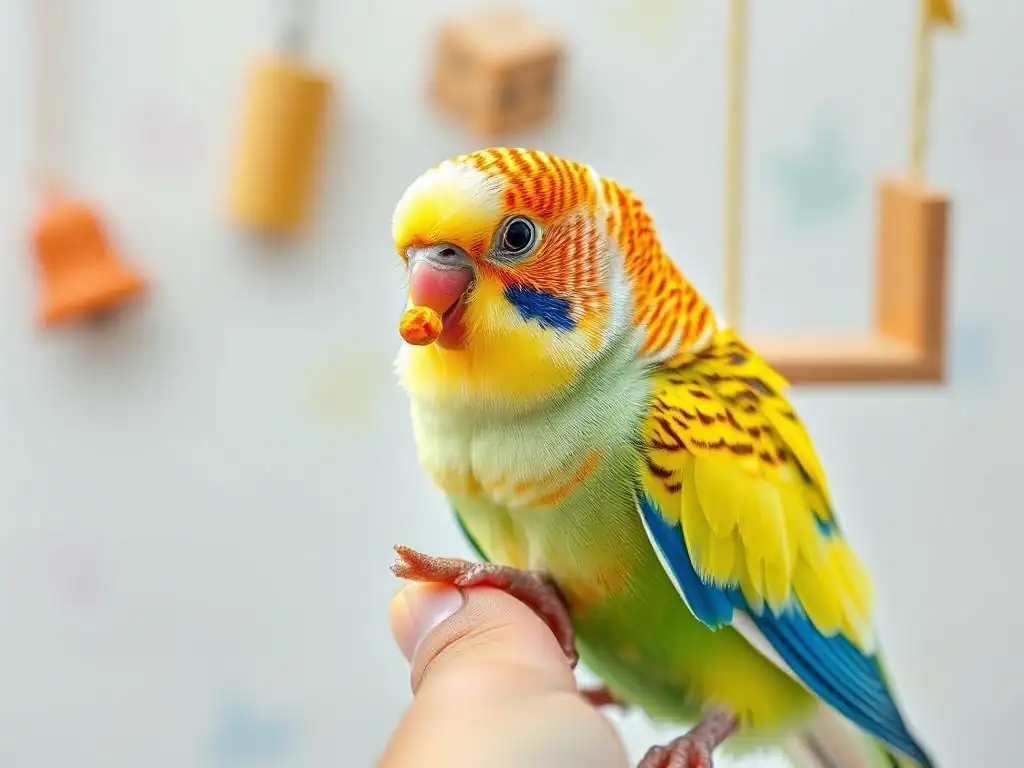
Before embarking on clicker training, ensuring your bird is receptive and comfortable is paramount. This involves understanding your bird's personality, creating a positive training atmosphere, and gradually introducing the clicker. Success hinges on patience and positive reinforcement; rushing the process can lead to frustration for both you and your feathered friend. Remember, building trust is key to effective bird training. This section focuses on setting the stage for a successful clicker training journey. Proper preparation significantly increases the likelihood of achieving your training goals.
Creating a Positive Training Environment for Your Bird
A calm and predictable environment is crucial for successful clicker training. Birds are sensitive creatures and react negatively to chaotic or stressful situations. Before you begin, ensure your bird's cage is clean, comfortable, and in a quiet area of your home, away from loud noises and sudden movements. The training sessions themselves should take place in a quiet, distraction-free space. Avoid training when your bird is tired, hungry, or otherwise unwell. Optimal training times are often when your bird is most alert and receptive, typically after a meal or a period of rest.
Consider the timing of your sessions. Short, frequent sessions (5-10 minutes) are more effective than long, infrequent ones. This prevents your bird from becoming overwhelmed or bored. Positive reinforcement, such as praise and small treats, should be liberally used to maintain a positive association with training. Remember to observe your bird's body language closely. Signs of stress, such as ruffled feathers, rapid breathing, or avoidance behavior, indicate you need to stop and reassess the environment or training method. A relaxed and happy bird is a learning bird!
Introducing the Clicker to Your Bird: Gradual Desensitization
Many birds are initially wary of new sounds and objects. Introducing the clicker gradually minimizes fear and builds positive associations. Start by simply placing the clicker near your bird's cage, allowing it to become accustomed to its presence without making a sound. Over several days, gradually move the clicker closer, clicking it softly at a distance. Observe your bird's reaction closely. If it shows signs of fear, increase the distance and try again later. The goal is to make the clicker a neutral stimulus, not a source of anxiety.
Once your bird seems comfortable with the clicker's presence, you can start clicking it intermittently while offering your bird a favorite treat. This helps to associate the clicker with something positive. The process of desensitization is crucial; avoid overwhelming your bird with the sound or the proximity of the clicker. Remember, patience is key. If your bird displays any signs of distress, immediately stop and try again another time. Consistency and a gradual approach are far more effective than forceful introduction.
Pairing the Clicker with a Reward: Establishing the Association
The crucial next step is pairing the clicker sound with a positive reinforcement, typically a small, highly valued treat. The clicker becomes a marker, indicating the exact moment your bird performed the desired behavior. This precise timing is essential for effective learning. Immediately after the click, deliver the reward. The timing should be nearly instantaneous – within a fraction of a second. This creates a strong association between the click and the reward in your bird's mind. The click becomes a predictor of a positive experience.
Experiment with different types of treats to determine what your bird finds most rewarding. Small pieces of fruits, vegetables, seeds, or commercially available bird treats work well. Avoid giving large portions of treats at once, as this can lead to overfeeding and other health issues. It's crucial to maintain a consistent pairing of click and reward during the initial training sessions.
This will solidify the association and lay the foundation for future training success. Consistency in both timing and reward type is essential for effective clicker training. Observe your bird's reactions; if it seems uninterested or frustrated, reassess the reward and the training environment. A motivated bird is a learning bird!
Identifying Your Bird's Favorite Treats and Rewards
Choosing the right rewards is crucial for successful clicker training. Your bird needs to be highly motivated to participate, and the reward should be something they truly crave. This isn't just about any old seed; it's about identifying those special treats that make their eyes light up. Start by observing your bird's eating habits. What does he or she gobble down first? What treats do they seem to hoard or become particularly excited about?
Experiment with a variety of options. Try offering small pieces of different fruits (berries, melon, apple slices), vegetables (cooked sweet potato, finely chopped carrots), cooked pasta, or even small, nutritious pellets specifically formulated for your bird's species. Keep the portions tiny to avoid overfeeding and to maintain the high-value reward aspect. Remember that even a small amount of a highly-preferred treat is far more effective than a large amount of something less desirable.
Keep a detailed record of your observations. Note down the bird's reaction to each treat—how quickly they eat it, whether they show any signs of excitement, and whether they seem to actively seek it out. This systematic approach will help you identify the top contenders for your training sessions. You might find that your bird is particularly fond of a specific type of seed, a particular fruit, or perhaps a combination of treats.
The best rewards are small, easy to handle, and deliver a quick burst of positive reinforcement. Don’t underestimate the power of a carefully chosen treat! A truly delicious reward will significantly enhance your training success and build a positive association with the clicker itself.
Consider also the nutritional value of the rewards. While highly palatable treats are essential for motivation, it's important to choose healthy options that won't negatively impact your bird's diet. Avoid sugary or high-fat treats, opting instead for nutritious options that complement their regular food. A balanced approach to rewarding your bird will ensure both training success and their overall well-being. Remember, consistency is key; once you've identified a few top-tier rewards, stick to them during your training sessions to maintain a consistent level of motivation.
Step-by-Step Clicker Training for Basic Behaviors
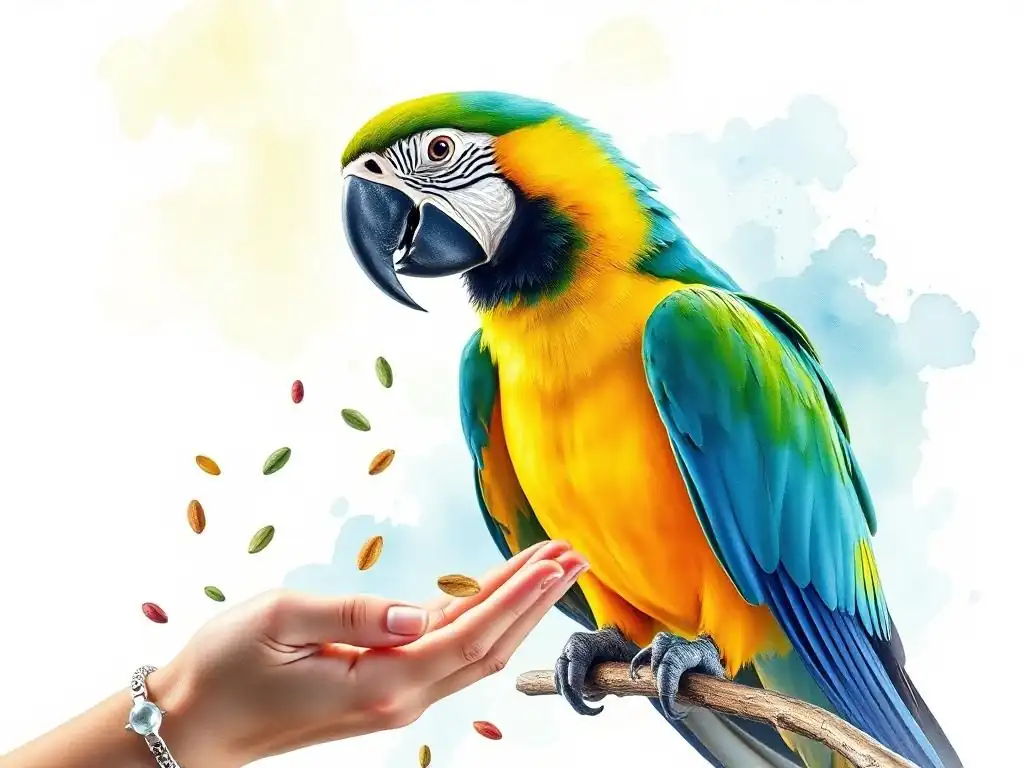
This section details a step-by-step approach to clicker training for birds, focusing on three fundamental behaviors: stepping up, targeting, and coming. Consistent, positive reinforcement is key to success in clicker training your avian companion. Remember, patience and understanding are crucial—every bird learns at its own pace. This method utilizes the principles of operant conditioning, rewarding desired behaviors to encourage repetition. The ultimate goal is to build a strong bond with your bird while teaching valuable commands that improve their safety and well-being.
Step 1: Teaching Your Bird to "Step Up"
Teaching your bird to "step up" onto your hand or a perch is a foundational behavior. It ensures safe handling and facilitates other training endeavors. This process involves associating a specific verbal cue ("Step up!") with the physical action of stepping onto your hand or perch. The clicker will signal the exact moment the desired behavior occurs, followed by a tasty reward.
First, select a high-value reward. This could be a favorite seed, nut, or small piece of fruit. Your bird's preferences will guide your choice. Hold the treat close to your hand or perch, enticing your bird to approach. The moment their foot touches your hand or perch, click the clicker immediately, followed by giving them the treat. Repeat this several times in a short session, maintaining a positive and encouraging tone.
Next, start incorporating the verbal cue, "Step up!" before presenting your hand or perch. Click and reward immediately upon the desired behavior. Gradually increase the time between the cue and presenting your hand, ensuring your bird continues to associate the word with the action. Consistency is paramount. Aim for several short training sessions daily, lasting only a few minutes to prevent your bird from becoming overwhelmed or bored.
Observe your bird's body language. If they seem stressed or hesitant, end the session immediately and try again later. Remember to celebrate even small successes; positive reinforcement is the cornerstone of effective clicker training. Remember to vary the hand you use to train your bird to step up to. In order to avoid your bird only stepping up to one hand.
Pro Tip: Use a consistent hand position. Keeping your hand in the same position each time will help your bird understand what's expected.
Step 2: Teaching Your Bird to "Target"
Targeting involves teaching your bird to touch a specific object with their beak or foot. This behavior is highly versatile and can be used to guide your bird during handling, teach other behaviors, and even provide mental stimulation. A simple target stick (a dowel or chopstick) is ideal for this training.
Begin by holding the target stick close to your bird's beak. The moment their beak touches the stick, click the clicker and immediately reward them with their favorite treat. Repeat this many times, gradually moving the target stick to different positions and angles. Your bird will start to associate touching the target with receiving a reward.
Once your bird reliably touches the target stick, introduce the verbal cue "Target!" Say the cue just before presenting the stick. Click and reward only when they touch the stick after hearing the cue. This helps your bird understand the connection between the word and the action.
Progress to more challenging aspects. You can use the target stick to guide your bird to specific locations, such as their cage or a perch. This skill enhances your control and makes interacting with your bird safer and more enjoyable.
| Training Phase | Description | Key Considerations |
|---|---|---|
| Initial Targeting | Bird touches target stick | Immediate clicker and reward |
| Cue Introduction | "Target!" before presenting stick | Consistent timing and reward |
| Advanced Targeting | Guiding bird with stick | Gradual increase in distance and complexity |
Step 3: Teaching Your Bird to "Come"
Teaching your bird to come when called is crucial for safety and strengthens the bond between you and your feathered friend. This behavior requires patience and consistency, but the rewards are well worth the effort.
Start by placing your bird in a safe, confined area. Hold a high-value treat close to your body, and clearly say "Come!" When your bird moves towards you, click the clicker and immediately reward them. Repeat this process multiple times, gradually increasing the distance between you and your bird.
As your bird becomes more reliable, try using a less confined area, still ensuring their safety. Continue to use the verbal cue "Come!" and provide immediate positive reinforcement with the clicker and treat. Remember, short, frequent sessions are more effective than long, infrequent ones. This will prevent your bird from becoming frustrated or losing interest.
It's important to note that some birds may require more time and patience than others to master this skill. Avoid forcing your bird to come; instead, focus on positive reinforcement and building a trusting relationship. The "Come" command is a vital safety tool, ensuring you can retrieve your bird safely should they escape their cage or fly out of their play area. 🎉
Important Note: Always supervise your bird, especially during training. Ensure their safety and well-being throughout the process. If your bird shows signs of stress or frustration, stop the training session immediately and try again later. Positive reinforcement is key!
Step 4: Teaching Your Bird to "Stay"
Teaching your bird to "stay" involves reinforcing their ability to remain in a designated spot for increasing durations. This is a valuable command for managing your bird's behavior and ensuring their safety. Start by choosing a perch or a small, safe area where your bird feels comfortable. Hold a treat near your bird's beak, and say "Stay." If they remain on the perch or in the designated area for even a second, immediately click and reward them with the treat.
Gradually increase the duration of the "stay" before clicking and rewarding. Start with one second, then two, then five, and so on. If your bird moves before you click, calmly guide them back to the designated spot and try again. Remember to keep training sessions short and positive, ending on a successful "stay." Consistency is key; practice several short sessions throughout the day to reinforce the command.
You'll notice significant improvement if you dedicate just a few minutes each day. Remember to use positive reinforcement; never punish your bird for not staying. Instead, focus on rewarding the desired behavior. This gradual approach will help build your bird's understanding and confidence. 🎉
Step 5: Teaching Your Bird to "Speak" or Perform Other Tricks
Once your bird masters basic commands, you can move on to more complex tricks. Teaching a bird to "speak" (mimicking sounds or words) requires patience and consistency. Begin by selecting a simple word or sound. Repeat the word clearly and repeatedly while simultaneously presenting a treat. The clicker should sound immediately after the bird makes even the slightest attempt to mimic the sound. Remember, consistency is crucial; repeat the process multiple times throughout the day.
Positive reinforcement is paramount; praise and reward any progress, no matter how small. Don't be discouraged if it takes time; each bird learns at its own pace. For other tricks, like stepping up onto your finger, use similar methods. Start with the bird on a perch, lure it towards your finger with a treat, click when it steps up, and then reward it. Gradually increase the distance between your finger and the perch. Consider teaching tricks that are naturally appealing to your bird's species.
For example, some parrots naturally enjoy manipulating small objects, so teaching them to pick up or move objects could be a fun and engaging exercise. Remember to always keep training sessions short, fun, and rewarding. 🎈 A frustrated bird is less likely to learn. Maintain a positive and encouraging environment, and celebrate every small success. This process requires patience, but the rewarding bond you'll create with your bird will be worth the effort. Remember to vary the tricks you teach to keep your bird engaged and prevent boredom.
Advanced Clicker Training Techniques for Birds

This section delves into more sophisticated applications of clicker training for birds, moving beyond basic commands. We'll explore how to build upon the foundation you've established to teach complex behaviors and address potential challenges. Mastering these techniques will significantly enhance your bond with your feathered friend and unlock a world of engaging interaction.
Shaping Complex Behaviors Using Clicker Training
Shaping is a powerful clicker training technique that allows you to teach complex behaviors by rewarding successive approximations. Instead of expecting your bird to perform the entire behavior perfectly from the start, you break it down into smaller, manageable steps. Each successful step closer to the final behavior is reinforced with a click and a reward. For example, let's say you want to teach your bird to retrieve a toy.
You wouldn't expect it to immediately pick up the toy and bring it to you. Instead, you'd start by clicking and rewarding any movement towards the toy, then picking it up, then carrying it a short distance, and finally, bringing it to you. This gradual process makes learning less stressful and more rewarding for your bird.
Consider this example with a cockatoo learning to "dance":
- Step 1: Click and reward any head bobbing.
- Step 2: Click and reward head bobbing that's more pronounced.
- Step 3: Click and reward head bobbing combined with a slight step.
- Step 4: Click and reward more pronounced steps and head bobbing, building towards a full "dance" sequence.
Remember to use high-value rewards, such as favorite treats or a favorite toy, to maintain your bird's motivation throughout the shaping process. Consistency is key; regular, short training sessions are more effective than infrequent, long ones. Always end on a positive note, leaving your bird wanting more. Patience and positive reinforcement are crucial for success in shaping complex behaviors. The process may seem slow at times, but the results are well worth the effort.
Troubleshooting Common Clicker Training Challenges with Birds
Even with careful planning, you might encounter obstacles during clicker training. Understanding common challenges and their solutions is vital for maintaining a positive learning experience.
| Challenge | Potential Cause | Solution |
|---|---|---|
| Bird ignores the clicker | Clicker not consistently paired with reward | Re-pair the clicker with a reward by clicking immediately before offering the treat. |
| Bird becomes disinterested | Rewards are not motivating enough | Try different treats or rewards. Vary the training sessions to keep it interesting. |
| Bird anticipates the reward | Inconsistent timing of click and reward | Work on improving your timing. Click immediately when the desired behavior occurs. |
| Bird exhibits fear or anxiety | Overwhelming training environment or methods | Create a calm and comfortable training environment. Shorten sessions if needed. |
| Bird exhibits frustration | Task is too difficult | Break down the task into smaller, more manageable steps (shaping). |
Remember that each bird is an individual, and their learning styles and personalities will vary. Be patient and adapt your approach as needed. If you're facing persistent challenges, consider seeking guidance from an experienced avian behaviorist. They can provide tailored advice and support.
Maintaining Consistency and Motivation During Bird Training
Consistency is paramount in clicker training. Regular, short training sessions are far more effective than infrequent, lengthy ones. Aim for several short sessions per day rather than one long session. This prevents your bird from becoming overwhelmed or bored.
Maintaining motivation is equally crucial. Variety is key! Use a variety of rewards to keep your bird engaged. Rotate treats, toys, and even praise to prevent boredom. Always end the training session on a positive note, leaving your bird wanting more. If your bird seems disinterested, take a break and try again later.
Never force your bird to participate. A positive and enjoyable learning experience is key to success. Celebrate successes, no matter how small. The bond you build through positive reinforcement is a rewarding experience for both you and your feathered companion. Remember, patience and persistence are key to long-term success in clicker training your bird. 🎉
Troubleshooting Common Problems: Addressing Resistance or Lack of Engagement
Clicker training, while highly effective, isn't always smooth sailing. Sometimes, your feathered friend might exhibit resistance or a lack of engagement. Understanding the reasons behind these behaviors is crucial for successful training. Several factors can contribute to these issues, and addressing them requires patience and a nuanced approach. Let's explore some common problems and effective solutions.
One frequent challenge is inconsistent clicking. If you're not consistently clicking at the exact moment your bird performs the desired behavior, they won't make the connection between the action and the reward. This inconsistency can lead to frustration and a decrease in engagement. To remedy this, practice your clicking timing meticulously. Use a metronome or a recording of consistent clicks to refine your technique. Remember, precision is key in clicker training.
Another common issue stems from reward inconsistency. Birds are highly intelligent creatures and quickly learn to associate the clicker with a reward. If the reward isn't consistently delivered after a click, they'll lose faith in the process. This can manifest as decreased engagement or even resistance. Always ensure you follow each click with a highly valued reward – be it a favorite treat, a head scratch, or a moment of playtime. The consistency of the reward is as vital as the consistency of the click.
Sometimes, the problem lies in the difficulty of the task. If the behavior you're asking your bird to perform is too complex or beyond their current capabilities, they'll likely become frustrated and disengaged. Break down complex behaviors into smaller, more manageable steps. For example, instead of immediately trying to teach your bird to fetch a toy, start with teaching them to simply touch the toy with their beak. Gradually increase the difficulty as they master each step. Celebrate small victories and maintain a positive training environment.
Environmental factors also play a significant role. A noisy or distracting environment can hinder your bird's concentration and lead to poor performance. Choose a quiet, calm location for training sessions. Minimize distractions, and ensure your bird feels safe and comfortable. This will allow them to focus on the task at hand and respond more positively to your training cues. A stressed bird is far less likely to engage in training.
Finally, consider the bird's overall health and well-being. If your bird is unwell, stressed, or tired, they'll be less receptive to training. Ensure your bird is healthy, well-rested, and in a positive mood before starting a training session. Pay attention to their body language; if they seem unwell or unwilling, postpone the session and address any underlying concerns. A healthy and happy bird is a trainable bird. Remember, patience and understanding are vital components of successful clicker training. By addressing these common problems, you can ensure a positive and rewarding learning experience for both you and your feathered companion.
Maintaining Your Bird's Training and Preventing Regression
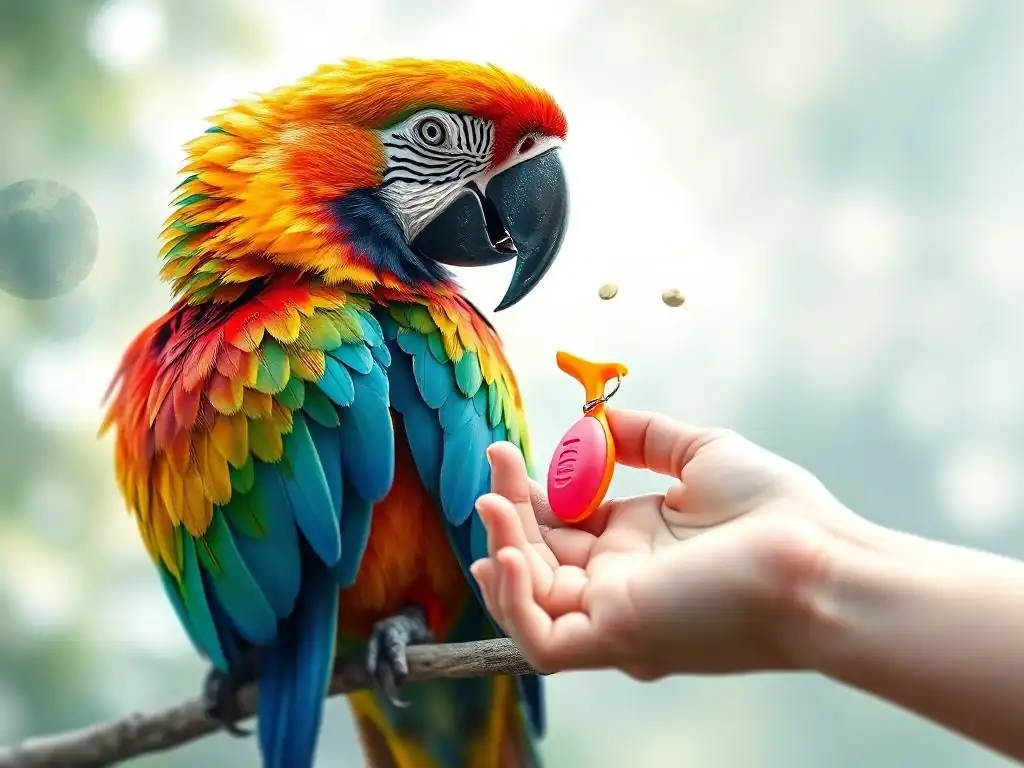
Clicker training your bird, while initially rewarding, requires consistent effort to maintain progress and prevent regression. Think of it like learning a new language – you need regular practice to avoid forgetting what you've learned. Consistency is key to solidifying the learned behaviors and building a strong bond with your feathered friend. Without consistent reinforcement, your bird might revert to old habits, making the entire training process more challenging in the long run. This section will explore strategies to maintain your bird's newly acquired skills and avoid setbacks.
The Importance of Regular Training Sessions for Birds
Regular training sessions are crucial for maintaining your bird's clicker training progress. Aim for short, frequent sessions rather than long, infrequent ones. Think of it as "quality over quantity." For instance, two 10-minute sessions per day are far more effective than one 20-minute session once a week. This approach keeps your bird engaged and prevents boredom, which can lead to decreased motivation and potential regression.
Short sessions also help prevent your bird from getting overwhelmed or frustrated, leading to a more positive training experience for both you and your bird. The frequency of these sessions can vary depending on your bird's species, age, and personality. Some birds may thrive with multiple short sessions, while others might prefer fewer, longer sessions. Observe your bird's responses and adjust accordingly. Remember, consistency is more important than the specific duration or frequency.
Rewarding Desired Behaviors and Ignoring Undesired Ones
Maintaining a strong clicker training program hinges on consistently rewarding desired behaviors and completely ignoring undesired ones. This is where patience and consistency really shine. If your bird performs a desired action, immediately click and reward with a highly valued treat. This positive reinforcement strengthens the association between the action and the reward, making the bird more likely to repeat the behavior. Conversely, if your bird engages in an undesired behavior, do not react. No attention, positive or negative, is crucial.
Reacting, even negatively, can unintentionally reinforce the undesired behavior. For example, if your bird bites you, simply calmly remove your hand and ignore the behavior. Ignoring, however, doesn't mean neglecting your bird's needs; it simply means not rewarding unwanted actions. This differential reinforcement technique is instrumental in shaping your bird's behavior. It requires vigilance and self-control, but the results are worth the effort.
Adjusting Training Based on Your Bird's Individual Needs and Personality
Every bird is an individual, with unique personalities, learning styles, and attention spans. What works for one bird might not work for another. Flexibility and adaptability are paramount. Observe your bird closely during training sessions. Notice its energy levels, focus, and overall mood.
If your bird seems tired or uninterested, shorten the session or take a break. If a particular technique isn't working, try a different approach. Perhaps your bird responds better to visual cues than verbal commands, or vice versa. Consider using different types of rewards—some birds may prefer certain treats or toys over others. Remember, successful clicker training is a partnership, requiring mutual understanding and respect between you and your bird.
The goal is to create a positive and rewarding experience for both of you. Regularly reassessing your training methods and adapting them to your bird’s individual needs is crucial for long-term success and prevents training plateaus or regression. This personalized approach will significantly enhance the effectiveness and longevity of your bird's training. 🐦
Knowing When to Seek Professional Guidance for Bird Training
Even with diligent effort and a step-by-step approach, some bird training challenges may prove insurmountable for the average owner. Understanding when to seek professional help is crucial for both your bird's well-being and your own sanity. Persistent aggression, despite consistent application of positive reinforcement techniques, is a significant red flag. This could stem from underlying medical issues, fear-based behaviors, or deeply ingrained habits. A certified avian veterinarian can rule out any physical causes and an experienced avian behaviorist can offer tailored strategies to address the root of the problem.
For example, a cockatoo persistently biting despite positive reinforcement training might be exhibiting hormonal imbalances or stress related to its environment. A professional can assess the bird's behavior, living conditions, and overall health to determine the best course of action, which might involve hormone regulation, environmental enrichment, or specialized behavioral modification techniques beyond the scope of typical clicker training. Don't hesitate to seek professional help if you notice a significant decline in your bird's overall well-being alongside the training challenges. This could manifest as feather plucking, decreased appetite, or changes in vocalizations.
Another critical scenario warranting professional intervention is if your bird exhibits self-harming behaviors. This could include excessive preening that leads to feather loss or other self-mutilating actions. These behaviors are often indicative of deeper emotional or psychological distress and require the expertise of an avian behaviorist to diagnose and address effectively. They can assess the bird's environment, social interactions, and overall health to identify the underlying causes and recommend suitable interventions, potentially including medication in conjunction with behavioral modification.
Remember, seeking professional help is not a sign of failure but a testament to your commitment to your bird's well-being. A professional can provide valuable insights and specialized techniques to overcome stubborn behavior challenges that may be beyond your current skillset. Early intervention is often key to preventing further behavioral issues and ensuring a happy and healthy life for your feathered friend.
Clicker Training and Avian Enrichment: A Holistic Approach
Clicker training for birds isn't just about teaching tricks; it's a powerful tool for enriching their lives and strengthening your bond. Avian species, particularly intelligent parrots and other companion birds, require significant mental stimulation to prevent boredom and behavioral issues. Clicker training provides this stimulation, acting as a form of cognitive exercise that challenges and engages your bird. This method leverages positive reinforcement, focusing on rewarding desired behaviors rather than punishing unwanted ones.
This positive approach reduces stress for both you and your feathered friend, leading to a more harmonious and enjoyable relationship. By incorporating clicker training into your bird's daily routine, you contribute significantly to their overall well-being and prevent the development of destructive behaviors often stemming from under-stimulation. The key is consistency and patience; remember, every bird learns at its own pace.
Clicker Training as a Form of Mental Stimulation for Birds
Clicker training presents a unique challenge for a bird's brain. It requires them to focus, observe, and associate a sound (the clicker) with a reward (typically a favorite treat). This process activates various cognitive functions, preventing mental stagnation and promoting problem-solving skills. For example, teaching a bird to target a stick, step up onto your finger, or retrieve a specific toy necessitates concentration and the ability to understand cause and effect. Studies have shown that mentally stimulated birds exhibit improved problem-solving skills and reduced instances of feather plucking and other self-destructive behaviors.
The act of learning itself is a rewarding experience, fostering a sense of accomplishment and confidence in your bird. This boosts their self-esteem and contributes to a happier, healthier pet. Furthermore, the process inherently encourages interaction, strengthening the human-animal bond. The consistent positive reinforcement reinforces the positive association between you and the training process.
Combining Clicker Training with Other Enrichment Activities
While clicker training is incredibly beneficial, it's most effective when integrated with a broader enrichment strategy. Think of it as one piece of a larger puzzle. Combining clicker training with other activities keeps your bird engaged and prevents them from becoming bored with the training itself. Consider incorporating foraging toys, puzzle feeders, and interactive play sessions into your bird's daily routine.
For example, you could use clicker training to teach your bird to retrieve a toy from a puzzle feeder, adding an extra layer of challenge and reward. This multi-faceted approach ensures your bird receives a well-rounded experience, preventing boredom and promoting mental and physical well-being. Variety is key; regularly rotating toys and introducing new challenges keeps your bird stimulated and engaged. The goal is to create a stimulating environment that mimics their natural habitat as closely as possible.
Strengthening Your Bond with Your Bird Through Training
The process of clicker training fosters a unique bond between you and your bird. The consistent positive interactions, the shared successes, and the mutual understanding that develops strengthen your relationship in profound ways. As your bird masters new skills, you build trust and confidence in each other. This trust transcends the training sessions, permeating all aspects of your interaction. The positive reinforcement inherent in clicker training avoids the negative associations that can arise from punishment-based training methods.
This makes the training process more enjoyable for both of you. The shared experience of learning and accomplishment creates a stronger emotional connection. You'll observe increased affection and a greater willingness to interact on your bird's part. Remember, the reward isn't just the treat; it's the strengthening of your special bond with your avian companion. This positive reinforcement translates to a happier, healthier, and more well-adjusted bird.
Frequently Asked Questions
What is clicker training, and how does it work with birds?
Clicker training uses a clicker as a marker signal to indicate the exact moment a bird performs a desired behavior. This is followed by a reward, creating a positive association. It's highly effective for birds due to their intelligence and responsiveness to rewards.
What kind of rewards are best for clicker training birds?
Positive reinforcement is key. Use small, high-value treats your bird loves, such as small pieces of fruit, seeds, or pellets. Vary the rewards to keep your bird engaged.
How long does it take to clicker train a bird?
The time it takes varies greatly depending on the bird's species, age, and individual personality. Some birds learn quickly, while others may require more patience and time. Consistency is crucial for success.
What if my bird doesn't seem interested in clicker training?
Try different types of rewards to find what motivates your bird. Keep training sessions short and fun, and end on a positive note. Patience and positive reinforcement are essential. Consult a veterinarian or avian specialist if you suspect underlying problems.
Are there any potential downsides to clicker training my bird?
While generally safe and effective, clicker training requires consistency and patience. Improper use could lead to frustration for both you and your bird. Always focus on positive reinforcement and end sessions before your bird becomes overwhelmed.
Final Reflection: Unlocking Avian Potential Through Clicker Training
The gentle click of a clicker, once a niche training tool, is rapidly becoming a cornerstone of positive reinforcement for avian companions worldwide. This shift signifies a growing understanding of our feathered friends' intelligence and capacity for learning, moving beyond simple tricks to fostering genuine connection and enriching their lives. This understanding is crucial for responsible bird ownership and conservation efforts alike.
The journey of learning to clicker train my own birds has been profoundly rewarding. It's not just about teaching them to perform specific behaviors; it's about building trust, understanding their communication, and deepening the bond we share. The best way to find yourself is to lose yourself in the service of others,
a quote often attributed to Gandhi, resonates deeply here. By dedicating time to understanding and responding to our birds' needs, we discover a richness in the relationship that transcends simple obedience. This process fosters a deeper appreciation for their unique personalities and cognitive abilities, challenging preconceived notions about animal intelligence.
Now, it's your turn. Consider the potential within your own avian companion. Pick up a clicker, dedicate some time, and embark on this enriching journey of mutual learning and understanding. Don't just train your bird; build a relationship based on respect, trust, and a shared language of positive reinforcement. The rewards – a stronger bond, a happier bird, and a deeper appreciation for the wonders of the avian world – are immeasurable.
Unlock Your Bird's Potential: Start Clicker Training Today!
Thank you for learning about clicker training! We hope you feel confident in building a stronger bond with your bird through positive reinforcement. Ready to begin?
- Start training your bird today! Even five minutes of daily practice can make a significant difference. Begin with simple commands and gradually increase the difficulty.
- Share your progress and any questions with our supportive community on PetCareWorld.org. We love hearing your success stories and helping you overcome challenges.
- Challenge your bird with a new trick! Don't be afraid to get creative and discover your bird's amazing potential.
What exciting trick will you and your bird learn first?