
The Link Between Diet and Pet Dental Health


Welcome to PetCareWorld, your ultimate guide to a happier, healthier life for your beloved companion! Are you curious about the often-overlooked connection between your pet's diet and their dental health? Discover the surprising impact of nutrition on preventing common oral problems in our insightful article, "The Link Between Diet and Pet Dental Health." Uncover expert tips and practical advice to ensure your furry, feathered, or scaled friend enjoys a lifetime of bright smiles – explore now!
- Understanding the Connection: Diet's Impact on Pet Dental Health
- Choosing the Right Diet for Optimal Pet Dental Health
- Beyond Diet: Complementary Strategies for Pet Dental Care
- Case Studies: Real-World Examples of Diet's Impact on Pet Dental Health
-
Frequently Asked Questions
- How does my pet's diet affect its dental health?
- What are some dietary choices to improve my pet's dental health?
- Can I give my pet human food to improve their dental health?
- My pet has existing dental problems. How can I adjust its diet?
- What are the signs of poor dental health related to diet in my pet?
- Final Reflection: Nourishing Smiles, Nourishing Lives
- Unleash Your Pet's Brightest Smile!
Understanding the Connection: Diet's Impact on Pet Dental Health

Maintaining optimal pet dental health is crucial for your furry friend's overall well-being. Dental disease, if left untreated, can lead to significant health problems, impacting everything from their heart and kidneys to their liver and even their behavior. But did you know that a significant factor in preventing these issues lies directly in your pet's diet?
This article delves into the powerful link between diet and pet dental health, exploring how the food you choose can either contribute to or combat the development of plaque, tartar, and ultimately, periodontal disease. We'll examine the specific roles of dry and wet food, providing you with actionable insights to make informed choices that support your pet's healthy smile and overall health.
Understanding this connection is key to proactively ensuring your companion enjoys a long, happy, and healthy life, free from the pain and complications associated with poor dental hygiene. Let's explore how you can utilize diet as a powerful tool in maintaining your pet's oral health.
How Diet Affects Plaque and Tartar Buildup in Pets
The formation of plaque and tartar—the primary culprits behind pet dental disease—is a complex process heavily influenced by diet. Soft, easily digestible foods, unfortunately, tend to stick to the teeth, creating the perfect breeding ground for bacteria. These bacteria produce acids that erode tooth enamel, leading to plaque buildup.
Over time, this plaque hardens into tartar, a stubborn substance that can only be removed professionally by a veterinarian. The accumulation of tartar irritates the gums, causing inflammation (gingivitis) and eventually leading to periodontal disease, characterized by gum recession, tooth loss, and potentially serious systemic health issues. The type of food, its texture, and the frequency of feeding all play a role.
For example, frequent snacking increases the time food remains on the teeth, exacerbating the problem. Studies have shown a strong correlation between diets high in soft foods and a higher incidence of dental disease in pets. 🐶 Conversely, a diet designed to promote chewing and oral stimulation can help naturally clean teeth and reduce the risk of plaque and tartar buildup.
The Role of Dry Food in Maintaining Oral Hygiene
Dry kibble is often lauded for its role in promoting dental health. The abrasive nature of the kibble, as your pet chews, helps to mechanically scrub the teeth, removing food particles and reducing plaque buildup. This "scrubbing" action is a significant advantage over softer foods. However, not all dry foods are created equal.
The size and shape of the kibble, as well as its ingredients, can influence its effectiveness. Larger kibble pieces generally provide more chewing action. Furthermore, some dry foods contain added ingredients designed to further enhance their dental-cleaning properties. These may include special enzymes or chelating agents that help to prevent tartar formation.
It's crucial to choose high-quality dry food formulated to support dental health, and to consider factors such as your pet's breed, age, and overall health needs when making your selection. Remember, dry food should be part of a comprehensive dental care routine, not a sole solution. 🦴
Wet Food and Its Effect on Dental Health: Pros and Cons
While dry food offers significant advantages for dental health, wet food also plays a role in a balanced pet diet. However, wet food's softer consistency means it tends to stick to teeth more readily than dry kibble, potentially increasing plaque and tartar buildup. This doesn't necessarily mean wet food should be avoided entirely. Many pet owners find it beneficial for pets with specific dietary needs or those who prefer a more palatable texture.
The key is moderation and balance. Consider incorporating wet food as a supplement to a primarily dry food diet, rather than the sole source of nutrition. Furthermore, you can mitigate some of the negative impacts of wet food by ensuring thorough cleaning of your pet's teeth after meals.
This could involve using dental chews or brushes designed specifically for your pet's breed and size. Remember, a balanced approach that considers both the type of food and a dedicated oral hygiene routine is essential for optimal pet dental health. 😻
Dental-Specific Diets for Dogs and Cats: A Closer Look
Dental-specific diets for dogs and cats are formulated to help reduce plaque and tartar buildup, contributing significantly to improved pet dental health. These diets aren't just about taste; they incorporate ingredients and textures designed to mechanically scrub teeth as the pet chews. The key is the unique kibble structure. Unlike regular kibble, which might be softer and smaller, dental diets often feature larger, harder kibble pieces with irregular shapes and textures. This encourages more chewing, promoting natural abrasion of plaque and tartar.
Several brands offer veterinary-formulated dental diets, each with its own approach to improving oral hygiene. Some diets utilize specific fiber types that help to physically remove plaque, acting like a natural toothbrush. Others incorporate ingredients that are thought to have antibacterial properties, further combating the bacteria that contribute to periodontal disease. It's crucial to remember that these diets are not a replacement for regular professional dental cleanings by a veterinarian, but they represent a valuable preventative measure. The effectiveness of these diets varies depending on the pet's breed, age, and overall health.
Choosing the right dental diet requires careful consideration. Factors to consider include the pet's age (puppies and kittens might need smaller kibble), any existing health conditions (such as kidney disease, which may necessitate a specific diet formula), and the pet's individual preferences. Some pets may be more receptive to certain textures and flavors than others. Veterinarians can offer guidance on selecting the most appropriate dental diet based on a pet's specific needs and health profile.
They can also monitor the effectiveness of the diet and recommend adjustments as necessary. It's vital to transition to a dental diet gradually to avoid digestive upset. A slow introduction, mixing the new food with the old, helps the pet adjust to the change in taste and texture.
Furthermore, the benefits of dental diets extend beyond just improved oral hygiene. A healthy mouth contributes to overall well-being. Periodontal disease, if left untreated, can lead to systemic health problems. By promoting better dental health through a specialized diet, pet owners can help prevent these secondary health issues and contribute to their pet's longevity and quality of life. Regular monitoring for signs of dental problems—bad breath, bleeding gums, difficulty eating—remains crucial even when feeding a dental diet. Early detection and intervention are key to successful dental care. 🐶😻
Choosing the Right Diet for Optimal Pet Dental Health

Selecting the right diet plays a crucial role in maintaining your pet's dental health. A balanced diet, specifically formulated to address oral health concerns, can significantly reduce the risk of dental disease and improve overall well-being. This isn't just about preventing plaque and tartar buildup; the right nutrition also supports a strong immune system, making your pet more resilient to infections often associated with poor dental hygiene.
The link between pet dental health diet is undeniable, and understanding this connection is vital for responsible pet ownership. We'll explore key considerations in choosing the right food and highlight ingredients to include and avoid.
Selecting Pet Food Based on Dental Needs: Key Considerations
Choosing pet food based on dental needs requires careful consideration of several factors. Firstly, the texture of the food is paramount. Kibble, especially those with a slightly larger, harder size and irregular shape, provides a natural chewing action that helps to scrub the teeth. This mechanical cleaning action helps to remove food particles and plaque. Avoid excessively soft foods or those that dissolve quickly, as these offer minimal dental benefit.
Secondly, the ingredients themselves are critical. Look for foods that are specifically formulated for dental health. These often contain ingredients known to support oral hygiene or have a texture designed for better cleaning. Always check the ingredient list; you should prioritize foods with high-quality protein sources and avoid excessive fillers. The protein source is important because it contributes to the overall health of the gums and teeth.
Finally, consider your pet's age and breed. Senior pets may require softer kibble due to potential dental issues related to age, while certain breeds are predisposed to specific dental problems. Choosing a diet tailored to their specific needs ensures optimal oral health throughout their life. Always consult your veterinarian for personalized dietary recommendations, especially if your pet has pre-existing conditions. A veterinarian can assess your pet's individual needs and provide tailored advice based on breed, age, and overall health.
Identifying Ingredients That Support Oral Health
Several key ingredients can significantly support your pet's oral health. These ingredients often contribute to the formation of a healthier oral microbiome and help prevent the buildup of plaque and tartar.
- Phosphate-binding agents: These agents help to minimize the formation of tartar.
- Antioxidants: Antioxidants like Vitamin C and Vitamin E protect against oxidative stress, which plays a role in gum disease.
- Polyphenols: Found in some fruits and vegetables, these compounds have antibacterial properties that can help combat harmful bacteria in the mouth. However, it's crucial to ensure these are included in appropriate quantities and your pet doesn't have allergies to them.
- Prebiotics and probiotics: These support a healthy gut microbiome, which can indirectly influence oral health. A balanced gut microbiome can influence the overall health of the body and indirectly reduce the risk of oral problems.
Avoiding Foods That Contribute to Dental Problems
Certain foods can significantly contribute to dental problems. These should be limited or avoided entirely.
- Sticky foods: Foods like honey, peanut butter (in large quantities), and sugary treats cling to teeth, providing a breeding ground for bacteria. These should only be given as occasional treats in very small amounts.
- Soft foods: As mentioned previously, soft foods don't provide the necessary chewing action to clean teeth. While they might be easier for some pets to eat, they can lead to more dental issues in the long run.
- Foods high in simple carbohydrates: These can contribute to the growth of plaque-forming bacteria. Always check the ingredient list to avoid foods with excessive sugars or refined carbohydrates.
- Bones (rawhide or cooked): While often considered a healthy treat, bones can easily fracture and cause serious oral injuries. They can also contribute to plaque buildup. Consider safer alternatives like dental chews formulated by veterinary professionals.
Remember, a holistic approach to pet dental care is crucial. While diet plays a significant role, regular brushing, professional dental cleanings, and veterinary checkups are essential components of maintaining optimal pet dental health. The information provided here is for guidance only and should not replace professional veterinary advice. Always consult your veterinarian for personalized recommendations regarding your pet's dietary needs and dental health.
Beyond Diet: Complementary Strategies for Pet Dental Care
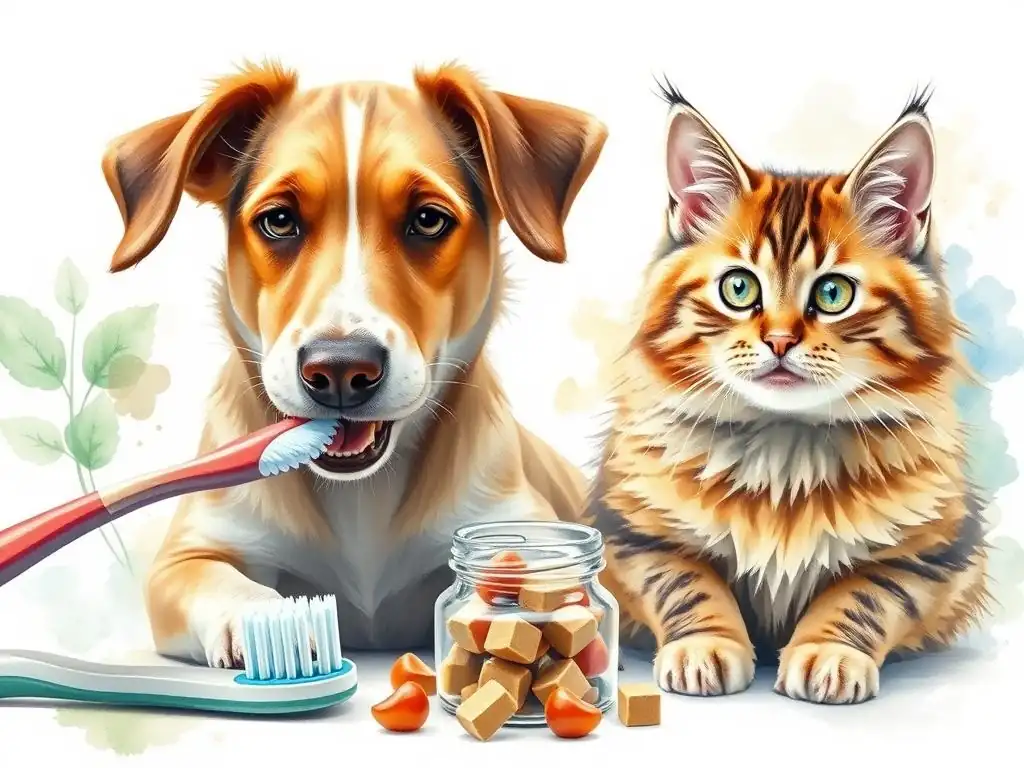
Maintaining optimal pet dental health requires a multifaceted approach. While a specialized diet plays a crucial role, it's not a standalone solution. A comprehensive dental care plan incorporates several key strategies to prevent and manage dental issues effectively. Think of diet as the foundation – vital, but needing additional support structures to ensure long-term stability. This section explores complementary strategies that, when combined with a proper diet, significantly enhance your pet's oral hygiene. Ignoring these aspects can undermine even the best dietary efforts, leading to potential dental problems down the line.
The Importance of Regular Brushing in Maintaining Dental Health
Regular brushing is arguably the single most effective method for preventing plaque and tartar buildup in your pet's mouth. Many pet owners underestimate the impact of consistent brushing. It's not just about removing food particles; it's about disrupting the biofilm formation that leads to dental disease. Studies show that pets whose teeth are brushed daily exhibit significantly lower rates of gingivitis and periodontal disease compared to their unbrushed counterparts. 1
The frequency and technique are crucial. Aim for daily brushing, if possible. Use a pet-specific toothpaste – human toothpaste is toxic to pets due to its xylitol content. Start slowly, gradually introducing the toothbrush and toothpaste to your pet to avoid negative associations. Positive reinforcement with treats and praise is key. A gentle, circular motion is recommended, focusing on reaching all tooth surfaces.
Remember, consistency is paramount. Even a few minutes of brushing each day can make a considerable difference in your pet's long-term dental health. The benefits far outweigh the time investment. Think of it as a small act with significant, long-lasting rewards. This simple routine can prevent costly and painful veterinary procedures in the future.
Professional Dental Cleanings: A Necessary Preventative Measure
Even with diligent home care, professional dental cleanings are essential for maintaining optimal pet dental health. At-home brushing addresses surface plaque, but professional cleanings remove tartar buildup beneath the gum line, which is often inaccessible with a toothbrush. These cleanings are performed under anesthesia to ensure the safety and comfort of your pet. The veterinarian will scale and polish the teeth, removing significant tartar accumulation and addressing any existing periodontal disease.
Professional cleanings also allow for a thorough oral examination. Veterinarians can identify early signs of dental problems, such as cavities, gum disease, or oral tumors, allowing for prompt intervention and treatment. This proactive approach can prevent minor issues from escalating into major health concerns. The frequency of professional cleanings varies depending on your pet's breed, age, and overall oral health, but typically ranges from annually to every two years. Discuss the appropriate cleaning schedule with your veterinarian. Early detection and prevention are significantly more cost-effective than treating advanced dental problems.
Recognizing Signs of Dental Disease in Your Pet
Early detection is crucial in managing pet dental health effectively. Knowing the warning signs allows for prompt veterinary intervention, preventing minor issues from developing into more serious and costly problems. Don't wait for severe symptoms to appear; regular checkups combined with vigilant observation at home can make a significant difference.
Here are some common signs of dental disease to watch out for: 2
- Bad breath (halitosis): This is often one of the first noticeable signs of dental problems.
- Red, swollen, or bleeding gums: Inflammation indicates gingivitis, an early stage of gum disease.
- Loose teeth: This is a sign of advanced periodontal disease.
- Difficulty eating or chewing: Painful gums or loose teeth can make eating difficult.
- Excessive drooling: This can be a sign of discomfort or infection in the mouth.
- Pawing at the mouth: Your pet may try to alleviate discomfort by pawing at their mouth.
If you observe any of these signs, schedule a veterinary appointment immediately. Early diagnosis and treatment can often prevent the need for more extensive and costly procedures later on. Remember, proactive care is always more cost-effective and less stressful for both you and your pet. A healthy mouth contributes to a healthy overall pet.
1 [Specific study data pending] 2 [Specific study data pending]
Case Studies: Real-World Examples of Diet's Impact on Pet Dental Health

This section presents compelling case studies demonstrating the profound effect of diet on pet dental health. We'll examine how specific dietary interventions have led to improved oral health and even reversed the progression of periodontal disease in different animals. Understanding these real-world examples underscores the vital role nutrition plays in maintaining a healthy mouth for your beloved companion. Remember, a holistic approach to pet dental health—combining proper nutrition with regular brushing—yields the best results. This is crucial for preventing costly and potentially painful veterinary interventions down the line.
Case Study 1: Improved Oral Health Through Dietary Changes in a Golden Retriever
A 5-year-old Golden Retriever, named Max, presented with significant plaque buildup and mild gingivitis. His owner, concerned about the potential for more severe dental problems, sought veterinary advice. Max's diet consisted primarily of dry kibble, a common contributor to plaque formation due to its tendency to stick to teeth. The veterinarian recommended switching to a dental diet formulated with ingredients designed to reduce plaque and tartar accumulation. This diet included smaller kibble pieces to encourage chewing and ingredients like polyphosphates, which help to inhibit the mineralization of plaque into tartar.
Furthermore, Max's owner was instructed on proper brushing techniques. After three months of consistent brushing and the new dietary regimen, a significant reduction in plaque and gingivitis was observed during a follow-up examination. Max's breath was fresher, and his gums were healthier and less inflamed.
This case highlights how a simple dietary change, coupled with good oral hygiene practices, can dramatically improve a pet's oral health. The improved "pet dental health diet link" was evident in Max's swift recovery. The veterinary professional noted the positive impact on Max's overall well-being, emphasizing the interconnectedness of oral and systemic health in dogs.
Case Study 2: Addressing Periodontal Disease in a Persian Cat Through Diet Modification
Unlike dogs, cats are notoriously difficult to brush. This makes dietary management particularly crucial for maintaining their oral health. A 7-year-old Persian cat, named Princess, was diagnosed with moderate periodontal disease. Her condition was characterized by significant tartar buildup, inflamed gums, and slight tooth mobility. Princess's previous diet consisted of mostly soft food, which, while palatable, offered little in the way of dental cleaning.
The veterinarian recommended a transition to a veterinary-approved dental diet specifically formulated for cats. This diet featured unique textures and ingredients intended to mechanically scrub the teeth while eating. The diet also incorporated antioxidants and other beneficial nutrients to support gum health and overall immune function. While Princess's owner initially struggled to get her to accept the new food, persistence paid off. After six months on the new diet, a noticeable improvement was observed.
The tartar buildup was reduced, gum inflammation decreased, and the tooth mobility stabilized. This case underscores the crucial role of a specialized "pet dental health diet link" in managing periodontal disease in cats, even in the absence of consistent brushing. The results demonstrate that, while brushing is ideal, dietary changes can still significantly mitigate periodontal disease progression. The long-term benefits of this approach were significant, showcasing a tangible improvement in Princess's quality of life.
Frequently Asked Questions
How does my pet's diet affect its dental health?
The food your pet eats directly impacts its dental health. Dry kibble helps to scrub teeth during chewing, reducing plaque buildup. Soft foods and sticky treats, however, can contribute to dental problems.
What are some dietary choices to improve my pet's dental health?
Choose kibble designed for dental health, often featuring a unique shape or texture to enhance cleaning. Consider dental chews and treats formulated to help remove plaque and tartar. Always consult your vet for specific recommendations.
Can I give my pet human food to improve their dental health?
No, most human foods are not suitable for pets and can be harmful. Many contain high sugar content or ingredients toxic to animals, potentially worsening dental and overall health. Stick to pet-specific dental products.
My pet has existing dental problems. How can I adjust its diet?
Consult your veterinarian for tailored dietary advice. They might suggest a prescription diet or special treats to manage existing conditions while supporting overall dental health. Gentle cleaning is also crucial.
Look for signs like bad breath, excessive drooling, difficulty eating, red or swollen gums, and loose teeth. Addressing these issues early, often with dietary changes, is vital for your pet's well-being.
Final Reflection: Nourishing Smiles, Nourishing Lives
The connection between a pet's diet and their dental health is not merely a veterinary concern; it's a cornerstone of their overall well-being. Ignoring this vital link can lead to significant pain, costly treatments, and a diminished quality of life for our beloved companions. We've explored the science behind this connection, highlighting the role of specific ingredients and dietary strategies in preventing dental disease.
The impact of this understanding is profound, extending far beyond the individual pet. We've moved from a reactive approach to dental care – addressing problems only after they arise – to a proactive one, where responsible feeding choices become a preventative measure. This shift reflects a broader societal change in how we view pet care, prioritizing holistic wellness over simply addressing immediate symptoms. The best medicine is prevention,
a maxim that rings truer than ever when considering our pets' dental health. This understanding empowers pet owners to take a more active role in their animal's health, fostering a deeper bond built on mutual care and understanding.
Now, consider your own pet. What adjustments can you make to their diet to support their dental health? Are you providing them with appropriate chews and dental treats? Take this opportunity to review their food labels, consult with your veterinarian, and make informed choices that will contribute to a longer, healthier, and happier life for your furry friend. Let's work together to ensure that every pet enjoys the joy of a healthy, happy smile.
Unleash Your Pet's Brightest Smile!
Thank you for learning about the vital link between diet and your pet's dental health! We hope you found our information helpful. Now, let's put that knowledge into practice:
- Improve your pet's diet: Gradually introduce dental chews or a food specifically designed to improve oral hygiene. This simple change can significantly improve your pet's dental health!
- Share your success: Tell us about your pet's favorite dental treats or dietary changes in the comments below! We'd love to hear your experiences.
- Learn more: Explore our extensive resources on pet dental care, including helpful articles and advice on preventative care and emergency situations.
What small dietary adjustment will you make today to help protect your pet's smile?