
AllergyFriendly Pet Food: Identifying Problem Ingredients on Labels


Welcome to PetCareWorld, your ultimate guide to a happier, healthier life for your beloved companion! Are you struggling to decipher pet food labels and uncover the hidden culprits behind your pet's allergies? Our expert Pet food allergy ingredient guide will equip you with the knowledge to identify problem ingredients and choose the perfect allergy-friendly diet for your furry, feathered, or scaled friend. Discover the secrets to a thriving pet, and embark on a journey towards better pet health – start exploring now!
- Understanding Pet Food Allergies and Sensitivities
- Deciphering Pet Food Labels: A Step-by-Step Guide
- The Pet Food Allergy Ingredient Guide: Focusing on Specific Ingredients
- Finding Allergy-Friendly Pet Food: Brands and Options
- When to Consult a Veterinarian About Pet Food Allergies
- Frequently Asked Questions
- Final Reflection: Decoding the Pet Food Label: A Journey Towards Healthier Companions
- Unlock Your Pet's Allergy-Free Future!
Understanding Pet Food Allergies and Sensitivities
Pet food allergies are a significant concern for many pet owners, often leading to discomfort and impacting their beloved companion's overall health and well-being. This comprehensive guide will equip you with the knowledge to identify potential allergens in your pet's food, helping you navigate the often-confusing world of pet food labels and make informed choices to support your pet's health. We'll delve into common allergens, differentiate between allergies and intolerances, and provide a practical guide to recognizing allergy symptoms.
Understanding these aspects is crucial for selecting the right allergy-friendly pet food and ensuring your furry friend thrives. This guide serves as an essential resource in your journey to providing optimal nutrition while addressing potential allergic reactions, directly addressing the need for a reliable "Pet food allergy ingredient guide". We will focus on practical advice and actionable steps to help you manage your pet's dietary needs effectively.
Common Allergens in Pet Food: A Comprehensive List
Many ingredients found in commercially available pet food can trigger allergic reactions. Identifying these potential allergens is the first step towards creating a suitable diet for your pet. The most common culprits include proteins derived from various sources. Below is a list of frequently identified allergens, categorized for clarity. Remember, individual sensitivities can vary, and some pets may react to ingredients not listed here. Always consult with your veterinarian for a proper diagnosis and personalized dietary recommendations.
| Protein Source | Specific Allergens | Notes |
|---|---|---|
| Beef | Beef protein, beef fat, beef broth | Often a primary ingredient in many pet foods. |
| Poultry (Chicken, Turkey) | Chicken protein, turkey protein, chicken fat, turkey fat | Extremely common in pet food; various forms can cause reactions. |
| Dairy | Milk protein (casein), whey, lactose | Can cause digestive upset and skin issues. |
| Fish | Various fish proteins (salmon, tuna, cod, etc.) | Reactions can vary depending on the specific type of fish. |
| Eggs | Egg white, egg yolk | A common ingredient in many pet foods and treats. |
| Soy | Soy protein, soy lecithin | Often used as a filler or protein source; a common allergen. |
| Wheat | Gluten, wheat protein | A prevalent allergen in both human and pet food. |
| Corn | Corn protein, corn gluten | Frequently used as a filler; can trigger digestive problems and allergies. |
This list is not exhaustive, and other ingredients such as certain grains (rice, barley, oats), vegetables (potatoes, peas), and preservatives can also trigger reactions in sensitive pets. Always carefully scrutinize the ingredient list.
Differentiating Allergies from Intolerances in Pets
It's crucial to distinguish between allergies and intolerances. A true allergy involves the pet's immune system, triggering a potentially severe reaction. Food intolerances, on the other hand, involve digestive issues without an immune system response. Symptoms of food allergies are often more intense and can include:
- Severe itching and scratching
- Vomiting and diarrhea
- Swelling of the face, lips, or paws
- Difficulty breathing
- Hives or rash
Intolerances, while causing discomfort, typically manifest as less severe digestive problems like gas, bloating, and loose stools. A proper veterinary diagnosis is essential to determine the exact nature of your pet's problem, enabling appropriate treatment and dietary adjustments. 🐶
Recognizing Allergy Symptoms in Your Pet: A Guide for Owners
Early detection is vital in managing pet food allergies. Knowing the signs can make a significant difference in your pet's comfort and overall health. Pay close attention to any changes in your pet's behavior or appearance, particularly after consuming specific foods. Common symptoms include:
- Skin Issues: Excessive scratching, licking, chewing, hot spots, redness, and hair loss are frequent indicators.
- Digestive Upset: Persistent vomiting, diarrhea, gas, or changes in stool consistency can signal a problem.
- Respiratory Problems: Sneezing, coughing, and wheezing could be related to food allergies, especially if they occur consistently.
- Ear Infections: Recurrent ear infections might be linked to food allergies in some pets.
- Behavioral Changes: Restlessness, lethargy, or changes in appetite should also be noted.
If you suspect your pet is experiencing food allergies, keeping a detailed food diary can be helpful. Record everything your pet eats, noting any subsequent symptoms. This information will be invaluable in discussing your pet's condition with your veterinarian. Remember, a professional diagnosis is crucial for effective management and treatment. 🐾
Deciphering Pet Food Labels: A Step-by-Step Guide
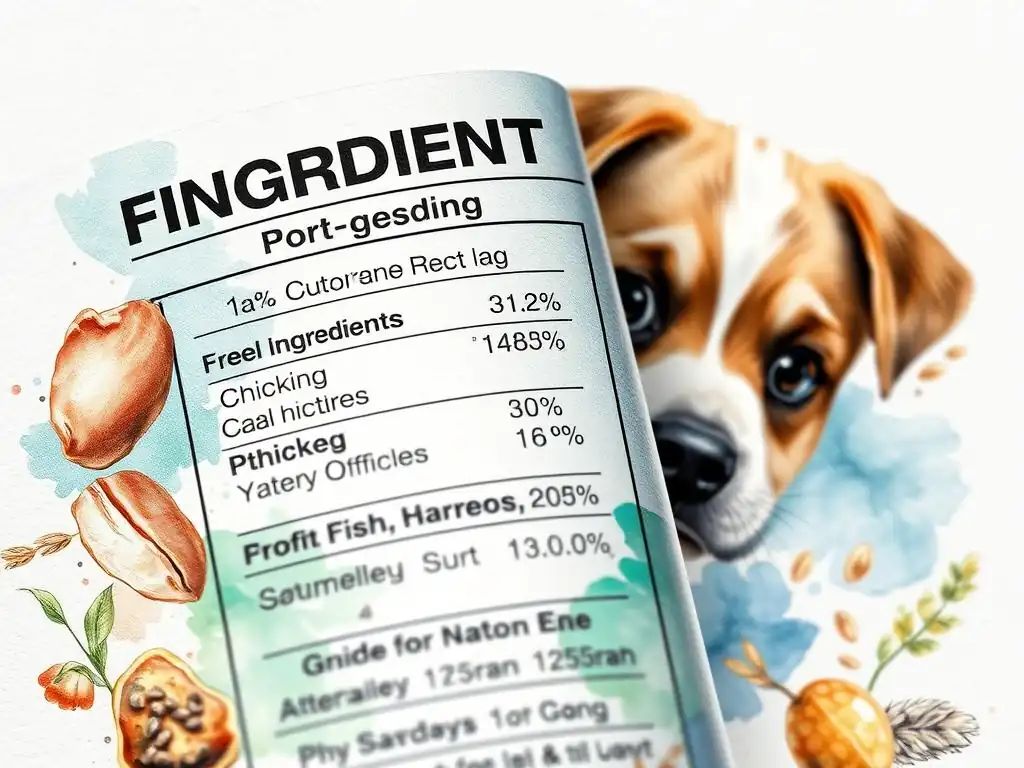
This section provides a detailed walkthrough of how to effectively interpret pet food labels, focusing on identifying potential allergens. Understanding these labels is crucial for selecting allergy-friendly pet food and ensuring your pet's health and well-being. This guide acts as your comprehensive pet food allergy ingredient guide.
Reading the Ingredient List: Key Points to Consider
The ingredient list is the most important part of a pet food label. It's listed in descending order by weight, meaning the ingredient listed first makes up the largest proportion of the food. Pay close attention to the first few ingredients, as these constitute the bulk of your pet's diet.
When scrutinizing the ingredient list for potential allergens, be meticulous. Look beyond the common names. Many ingredients are listed using technical terms or might be hidden within complex mixtures. For example, instead of simply stating "chicken," a label might use "chicken by-product meal," which may contain lower-quality ingredients and potential allergens.
Here's a checklist to guide your review:
- [ ] Look for specific proteins: Identify the primary protein source (e.g., chicken, beef, lamb, fish). Note any variations like "chicken meal" or "hydrolyzed chicken protein". These can indicate different processing methods and potential allergenic components.
- [ ] Check for grains: Common grain allergens include wheat, corn, soy, and barley. These are often listed by their common names, but sometimes appear as "corn gluten meal" or "wheat middlings."
- [ ] Identify dairy products: Milk and milk derivatives are frequent culprits. Look for terms like "whey," "casein," or "milk solids."
- [ ] Note added sugars and artificial flavors: These can be inflammatory and may exacerbate allergies. Look for terms like "sugar," "corn syrup," "artificial flavors," or "caramel coloring."
- [ ] Examine preservatives: Certain preservatives can trigger reactions. Familiarize yourself with common preservatives (e.g., BHA, BHT, ethoxyquin) and their potential impact.
Remember, even if a food is labeled "hypoallergenic," it's still crucial to carefully review the ingredient list to ensure it aligns with your pet's specific allergies.
Understanding Ingredient Order and Quantity
The order of ingredients on a pet food label directly reflects their quantity in the product. The ingredient listed first is the most prevalent, followed by the second most prevalent, and so on. This information is crucial when determining the potential allergenic load of a particular food.
For example, a food with "chicken" listed first, followed by "brown rice" and "chicken fat," indicates a chicken-based diet with a significant portion of chicken protein. Conversely, a food listing "corn" first, followed by "chicken by-product meal," suggests a corn-heavy diet with a smaller proportion of chicken.
Understanding this sequential arrangement helps you make informed decisions about whether the food is appropriate for your pet, especially considering potential allergies. It allows you to quickly assess the concentration of potential allergens and compare different products effectively. Analyzing the order and quantity of ingredients is a key element in utilizing this pet food allergy ingredient guide.
Pet food manufacturers sometimes use less obvious terms or complex ingredient names to mask potential allergens. This can make it challenging for pet owners to identify problematic ingredients. This section focuses on understanding common disguises for allergens.
Here are some examples of hidden allergens and how to identify them:
| Allergen | Common Disguises | How to Spot Them |
|---|---|---|
| Beef | Beef tallow, beef broth, hydrolyzed beef protein | Look for "beef" as a root word in the ingredient list |
| Soy | Soy lecithin, soy protein isolate, textured soy protein | Look for "soy" in any form |
| Dairy | Whey protein concentrate, casein, milk solids | Look for "whey," "casein," or "milk" |
| Wheat | Wheat gluten, wheat bran, wheat germ | Look for "wheat" in any form |
| Chicken | Chicken by-product meal, poultry fat, hydrolyzed poultry protein | Look for "chicken" or "poultry" as a root word |
Understanding these common disguises will significantly improve your ability to effectively use this pet food allergy ingredient guide and select appropriate food for your pet. Remember, if you are unsure about an ingredient, consulting your veterinarian is always recommended. Thorough label reading combined with veterinary guidance is the best approach to managing pet food allergies.
Spotting Potential Allergens: Grains, Proteins, and Additives
Pet food allergies can stem from a variety of sources, making careful label reading crucial. Understanding common allergens is the first step in choosing allergy-friendly pet food. This section will guide you through identifying potential allergens within the three main categories: grains, proteins, and additives.
Grains are a frequent source of allergic reactions in pets. Common culprits include corn, wheat, soy, and barley. These grains are often used as fillers in pet food, and even small amounts can trigger an allergic response in sensitive animals. Look for labels that explicitly state "grain-free" or list specific grains that your pet has shown a reaction to in the past.
Remember that "whole grain" doesn't necessarily mean it's allergy-friendly; the type of grain remains a critical factor. For instance, a dog with a wheat allergy will still react to whole wheat, even if it's marketed as a healthier option. Always check the ingredient list carefully, as some manufacturers may use less common grains like oats or rice, which can also be problematic for some pets. A thorough understanding of your pet's specific sensitivities is key to navigating this aspect of pet food labels.
Proteins are another major category of allergens in pet food. While many pet owners focus on meat sources, even common meats like beef, chicken, and lamb can cause reactions. Less common protein sources, such as fish (salmon, tuna), poultry (turkey, duck), or even exotic meats like venison or kangaroo, can also trigger allergies. Pay close attention to the order of ingredients; the ingredient listed first is present in the highest concentration.
If your pet has a known allergy to chicken, for example, and chicken is listed early in the ingredient list, that food is likely unsuitable. Furthermore, hydrolyzed proteins, while often used in hypoallergenic diets, can still cause reactions in some animals, highlighting the importance of monitoring your pet's response even to specialized formulas. Always consult your veterinarian if you suspect a protein allergy. They can perform allergy testing to pinpoint the exact culprit and recommend appropriate dietary changes.
Additives, while often present in smaller amounts, can also contribute to allergic reactions. Artificial colors, flavors, and preservatives are common suspects. These additives are frequently used to enhance the appearance, smell, and shelf life of the food, but they can cause skin irritation, digestive upset, and other allergic symptoms in sensitive pets. Look for labels that highlight "natural flavors" or "no artificial colors/preservatives." However, be aware that "natural" doesn't always guarantee allergy-free.
Some natural ingredients, like certain spices or extracts, can still trigger allergic reactions. It's beneficial to choose pet foods with minimal additives, regardless of whether they're natural or artificial, to reduce the risk of allergic reactions. Carefully reviewing the full ingredient list, including the additives, is crucial for selecting allergy-friendly options. The more transparent the labeling, the better you can make informed decisions for your pet's health.
The Pet Food Allergy Ingredient Guide: Focusing on Specific Ingredients

This section delves into the specifics of identifying potential allergens in your pet's food, acting as your comprehensive pet food allergy ingredient guide. Understanding ingredient lists is crucial for managing pet allergies effectively. We'll examine common protein sources, grain-free alternatives, and potentially irritating additives. Remember, always consult your veterinarian before making significant dietary changes for your pet.
Protein Sources: Beef, Chicken, Fish, and More
Protein is a cornerstone of pet food, but it's also a frequent allergy trigger. Let's examine some common protein sources and their potential allergenic properties:
-
Beef: A popular choice, beef allergies aren't as prevalent as chicken, but they do occur. Look for specific beef derivatives like "beef by-products" or "beef liver" which might be more allergenic than simply "beef." The processing methods can also influence allergenicity; rendered beef may cause more issues than fresh beef.
-
Chicken: This is arguably the most common protein source in pet food and a leading allergen. Chicken allergies can manifest in various ways, from skin irritation to digestive upset. Be aware of variations like "chicken meal," "chicken fat," and "hydrolyzed chicken protein," all of which can trigger reactions in sensitive pets.
Understanding Hydrolyzed Protein
Hydrolyzed protein is protein that has been broken down into smaller peptides. This process is sometimes used to make the protein less allergenic, but it's not a guarantee. Some pets may still react to hydrolyzed chicken protein.
-
Fish: Fish, including salmon, tuna, and cod, are often touted as hypoallergenic, but this is not always true. While some pets tolerate fish well, others can experience allergic reactions. Always check for specific fish types, as allergies can be specific to a certain species. For example, a cat allergic to tuna may tolerate salmon.
-
Lamb & Other Proteins: Lamb, turkey, duck, and rabbit are often considered less allergenic than beef or chicken. However, they are still potential allergens, and individual sensitivities vary greatly. Always introduce new proteins gradually to monitor your pet's reaction.
| Protein Source | Common Allergenic Forms | Less Allergenic Alternatives (Often) |
|---|---|---|
| Beef | Beef by-products, beef liver, rendered beef | Venison, Bison |
| Chicken | Chicken meal, chicken fat, hydrolyzed chicken protein | Turkey, Duck |
| Fish | Tuna, salmon, cod | (Limited alternatives, individual tolerance varies) |
| Lamb | Lamb meal, lamb fat | (Relatively less allergenic, but still possible) |
Grain-Free Options and Potential Alternatives
The "grain-free" trend has gained popularity, but it doesn't automatically translate to "allergy-free." While removing common grains like wheat, corn, and soy can be beneficial for some pets, grain-free diets often substitute with other ingredients that can cause allergies. These might include:
- Legumes: Peas, lentils, and chickpeas are common grain-free alternatives, but they can also be allergenic. Pay close attention to the ingredient list for these.
- Potatoes: Potato protein and potato starch are often used in grain-free diets. While generally well-tolerated, some pets show sensitivity.
- Sweet Potatoes: Similar to regular potatoes, sweet potatoes can cause allergic reactions in some pets.
It's crucial to remember that "grain-free" doesn't equal "hypoallergenic." A pet with food allergies might still react to a grain-free diet. The best approach is to carefully examine all ingredients, not just the absence of grains.
Common Additives and Preservatives: Potential Irritants
Additives and preservatives, even in small amounts, can trigger allergic reactions or sensitivities in some pets. Keep an eye out for:
- Artificial Colors and Flavors: These are often unnecessary and can irritate sensitive digestive systems. Look for foods with natural colorings and flavorings.
- Preservatives (BHA, BHT, Ethoxyquin): These preservatives are used to extend shelf life, but they are known to cause issues in some pets. Choose foods with natural preservatives or minimal preservatives.
- Artificial Sweeteners (Xylitol): Xylitol is extremely toxic to dogs and should be avoided completely. Always double-check the ingredient list for this dangerous additive.
Always prioritize pet foods with minimal artificial additives and preservatives. Opt for clearly labeled, simple ingredient lists, focusing on whole foods. Remember, a thorough understanding of your pet's food label is key to managing allergies effectively. 🐕🦺🐈⬛🦜
Artificial Colors, Flavors, and Sweeteners: Risks for Sensitive Pets
Artificial colors, flavors, and sweeteners are frequently added to pet foods to enhance their appeal, particularly to human owners. However, these additives can pose significant risks for pets, especially those with allergies or sensitivities. Many artificial colors, such as Red 40, Yellow 5, and Yellow 6, are known to cause hyperactivity, skin irritation, and digestive upset in some animals. The long-term effects of continuous exposure to these chemicals are still being researched, but preliminary studies suggest a potential link to more serious health problems. Choosing pet foods without artificial colors is a crucial step in mitigating these risks.
Flavors, similarly, are often synthetic compounds that can trigger allergic reactions. While the specific flavoring agents used vary widely between brands and products, many are derived from sources that can be problematic for sensitive pets. For example, some artificial meat flavors may contain byproducts that trigger adverse reactions. A careful review of the ingredient list is essential to identify and avoid potentially problematic artificial flavors. Look for pet foods that emphasize natural flavoring derived from real meat or vegetables.
Artificial sweeteners, while often marketed as healthier alternatives to sugar, can also be harmful to pets. Xylitol, for instance, is a common artificial sweetener found in some human foods and, unfortunately, sometimes makes its way into pet treats. Xylitol is extremely toxic to dogs, even in small amounts, leading to hypoglycemia (low blood sugar) and potentially liver failure. Cats, while less susceptible, can still experience negative effects.
Always carefully check the ingredient list for any mention of xylitol and avoid products containing this dangerous sweetener. Opt for pet foods sweetened naturally, if at all, with fruits or vegetables. The avoidance of artificial sweeteners is an essential part of a responsible pet food allergy ingredient guide. Remember that even seemingly small amounts of these artificial additives can accumulate over time and contribute to significant health issues.
Finding Allergy-Friendly Pet Food: Brands and Options

Finding the right allergy-friendly pet food can feel like navigating a maze. The market offers a plethora of options, but discerning which truly caters to your pet's sensitivities requires careful scrutiny. This section focuses on identifying brands and types of food that commonly cater to allergy-prone pets. Understanding the nuances of ingredient labeling is paramount to successfully navigating this process. Remember, always consult your veterinarian before making significant dietary changes for your pet.
Choosing the Right Food for Your Pet's Specific Needs
A key aspect of selecting allergy-friendly pet food is understanding your pet's specific allergies. Is your pet allergic to chicken, beef, dairy, soy, wheat, or perhaps a less common protein source like lamb or fish? The precise identification of the allergen is crucial. Once identified, you can search for foods that exclude that specific ingredient.
Many brands now specialize in limited-ingredient diets. These diets typically feature a single animal protein source and a single carbohydrate source, minimizing the risk of triggering allergic reactions. For example, a food might list only salmon and sweet potato as its main ingredients. This simplicity makes it easier to pinpoint potential allergens.
Consider also the pet's age and activity level. Puppies and kittens require different nutritional profiles than adult pets, and highly active animals need more calories. Look for formulas that cater to your pet's life stage and energy demands while remaining free of known allergens.
Here's a sample table illustrating the variety available:
| Brand Name | Protein Source | Carbohydrate Source | Suitable for | Potential Allergens to Avoid |
|---|---|---|---|---|
| Brand A | Salmon | Sweet Potato | Adult Dogs | Chicken, Beef, Dairy |
| Brand B | Rabbit | Brown Rice | Adult Cats | Fish, Chicken, Wheat |
| Brand C | Turkey | Pea | Puppies | Beef, Lamb, Soy |
| Brand D (Novel Protein) | Kangaroo | Potato | Adult Dogs & Cats | Common proteins (Chicken, Beef, Lamb, etc) |
Remember, this is not an exhaustive list, and new brands and formulations emerge frequently. Always check the ingredient list for any potential allergens, even within brands known for allergy-friendly options. 🐶
Where to Buy Allergy-Friendly Pet Food: Online and Offline Resources
Access to allergy-friendly pet food is improving, but locating it may require some research. Both offline and online retailers offer various options, each with its own advantages and disadvantages.
Offline, you'll find allergy-friendly choices at:
- Veterinary Clinics: Veterinarians often stock or can order specialized diets tailored to specific allergies. The personal consultation makes this a reliable option.
- Specialty Pet Stores: These stores often carry a wider selection of premium and hypoallergenic pet foods than general pet supply stores.
- Larger Pet Supply Chains: While selection might be limited, larger chains are increasingly carrying more allergy-friendly options.
Online retailers offer convenience and often a broader selection:
- Online Pet Food Stores: Many online retailers specialize in pet food and offer a vast array of allergy-friendly options, including brands not readily available locally. They frequently offer competitive pricing and convenient home delivery.
- Major Online Marketplaces: These marketplaces offer a wide range of products, including pet food, from various sellers. However, careful review of product descriptions and seller ratings is crucial.
Choosing your purchase method depends on your preferences and needs. If personalized advice is important, your vet is a good starting point. If convenience and wider selection are priorities, online retailers may be preferable.
Transitioning to a New Diet: A Gradual Approach
Switching your pet to a new allergy-friendly diet should be a gradual process to avoid digestive upset. A sudden change can lead to vomiting, diarrhea, and other issues. The key is to introduce the new food slowly over 7-10 days.
Follow these steps:
- Day 1-3: Mix a small amount (25%) of the new food with the current food.
- Day 4-7: Increase the proportion of the new food to 50%.
- Day 8-10: Increase to 75% new food, 25% old food.
- Day 11 onwards: Transition completely to the new food.
Monitor your pet closely throughout the transition period. If you observe any adverse reactions such as vomiting, diarrhea, or skin irritation, consult your veterinarian immediately. A gradual approach greatly increases the chances of a smooth transition and minimizes the risk of digestive problems. Remember, patience and observation are key to ensuring your pet adapts well to their new, allergy-friendly diet. 🐾
Monitoring Your Pet's Response to New Food: Observing for Improvements
Introducing a new, hypoallergenic pet food is a crucial step in managing allergies, but it's not a one-time fix. Careful monitoring of your pet's response is essential to ensure the food is truly effective and to catch any potential adverse reactions early. This process involves more than just looking for immediate improvements; it requires consistent observation over a period of several weeks, even months, depending on the severity of the allergy.
Pay close attention to the symptoms your pet exhibited before switching food. Make a detailed list, noting the frequency and intensity of each symptom. This could include anything from skin issues like itching, redness, or flaky skin, to gastrointestinal problems such as vomiting, diarrhea, or gas. Even seemingly minor changes, such as excessive licking or paw-biting, should be documented. Keeping a pet allergy journal can be immensely helpful in tracking progress. 🗓️
Once you've started the new food, maintain a consistent feeding schedule and avoid introducing any other dietary changes or treats. This ensures that any observed improvements can be directly attributed to the new food. Begin recording observations daily, noting the presence and severity of each symptom. Are the symptoms diminishing? Are they completely absent? Or is there no change at all? A gradual improvement is often a positive sign, indicating that the new food is having a beneficial effect. However, it's important to remember that some allergies may take time to fully resolve. Patience and consistent monitoring are key.
Remember, a single day of improvement doesn't necessarily mean the allergy is cured. You need to see a consistent trend of improvement over a significant period. If you notice any worsening of symptoms, or if improvements plateau after a few weeks, consult your veterinarian immediately. They can help determine the next steps, which may involve further dietary adjustments, allergy testing, or other medical interventions.
Don't hesitate to seek professional advice – your pet's health is paramount. 🐾 Early intervention can prevent more serious complications. Early detection of a lack of improvement also allows you to explore alternative solutions more quickly.
When to Consult a Veterinarian About Pet Food Allergies
Pet food allergies can manifest in various ways, making it crucial to understand when professional veterinary intervention is necessary. While some mild symptoms might seem manageable, delaying a vet visit can lead to more severe health complications. This section serves as a guide to help you determine when to seek professional help for your pet's suspected food allergies. Early intervention is key to effective management of pet food allergies and improving your pet's overall well-being.
Severe Allergic Reactions: Recognizing Emergency Situations
Severe allergic reactions, also known as anaphylaxis, are life-threatening and require immediate veterinary attention. These reactions can present as sudden swelling of the face, lips, or tongue; difficulty breathing; vomiting; diarrhea; and collapse. Time is of the essence in these situations. If you observe any of these severe symptoms, do not hesitate; contact your veterinarian or an emergency animal hospital immediately.
Anaphylaxis requires prompt treatment, often involving epinephrine injections and supportive care. Remember, recognizing the signs of a severe allergic reaction and acting quickly can save your pet's life. Keep a detailed record of your pet's reactions, including the timing and severity of symptoms, to aid your veterinarian in diagnosis and treatment.
Diagnosing Pet Food Allergies: Tests and Procedures
Diagnosing pet food allergies often involves a process of elimination and careful observation guided by your veterinarian. They will likely start by taking a thorough history of your pet's diet, symptoms, and overall health. This initial assessment is crucial for narrowing down potential allergens.
Your vet may recommend an elimination diet, where your pet is fed a novel protein diet (a protein source they haven't consumed before) for several weeks to see if symptoms improve. This process helps identify the culprit ingredient. Further diagnostic tests might include blood tests to measure IgE antibodies (indicators of allergic reactions) or skin tests to identify specific allergens.
These tests, while not always conclusive, can provide valuable insights. Remember that accurate diagnosis is vital for effective treatment; therefore, close collaboration with your veterinarian is essential throughout the diagnostic process. The cost of these tests can vary depending on the specific procedures involved, and your veterinarian can provide a detailed estimate.
Working with Your Vet to Create a Personalized Diet Plan
Once your veterinarian has identified the allergen(s) causing your pet's food allergy, they'll work with you to create a personalized diet plan. This plan will involve eliminating the identified allergens and replacing them with suitable alternatives. This might involve transitioning to a hypoallergenic pet food specifically formulated to avoid common allergens, or a homemade diet carefully designed to meet your pet's nutritional needs while avoiding problematic ingredients. Your veterinarian will provide guidance on appropriate portion sizes, feeding schedules, and monitoring your pet's response to the new diet.
Regular check-ups are crucial to assess your pet's progress and make adjustments to the plan as needed. This collaborative approach ensures your pet receives the optimal nutrition while managing their allergies effectively. Maintaining open communication with your veterinarian is essential for long-term success in managing your pet's food allergies. Remember, a carefully managed diet can significantly improve your pet's quality of life.
Long-Term Management of Pet Food Allergies: Ongoing Care
Managing pet food allergies is a long-term commitment that requires vigilance and proactive care. Once an allergen has been identified, the focus shifts to maintaining a strict diet that avoids that specific ingredient. This often means sticking to a veterinary-recommended hypoallergenic diet, which is carefully formulated to minimize the risk of allergic reactions.
These diets typically utilize novel protein sources – proteins your pet hasn't encountered before – and often contain limited ingredients to reduce the chances of exposure to common allergens. It's crucial to understand that even small amounts of the offending allergen can trigger a reaction, so careful attention to ingredient lists is paramount. Always double-check labels, even on seemingly safe treats or medications, as hidden allergens can lurk in unexpected places.
Beyond diet, long-term management may involve regular veterinary check-ups to monitor your pet's health and assess the effectiveness of the allergy management plan. Your veterinarian may recommend blood tests or other diagnostic tools to assess the severity of the allergy and track its progression. They might also suggest additional supportive therapies, such as medications to manage symptoms like itching or inflammation.
These might include antihistamines, corticosteroids, or other anti-inflammatory drugs. The frequency and type of these check-ups will depend on the individual pet and the severity of their allergies. Some pets may require frequent monitoring, while others may need less frequent evaluations.
It's also vital to be aware of potential changes in your pet's allergies over time. What triggered a reaction last year might not be a problem this year, or vice-versa. New sensitivities can develop, and previously tolerated ingredients might suddenly become problematic.
Therefore, it's essential to remain observant and report any changes in your pet's skin condition, digestive issues, or behavior to your veterinarian promptly. This proactive approach ensures timely adjustments to the management plan, helping to maintain your pet's overall health and well-being. Remember, consistent monitoring and communication with your veterinarian are key to successful long-term management of pet food allergies.
This commitment translates to a happier, healthier life for your beloved companion. Don't hesitate to ask your vet any questions you may have; their expertise is invaluable in navigating this complex issue. A collaborative approach, built on open communication and careful observation, is the cornerstone of effective allergy management.
Frequently Asked Questions
What are common pet food allergy ingredients?
Common pet food allergens include beef, chicken, dairy, wheat, soy, corn, and eggs. Many pets also react to certain preservatives and artificial colors. Always check your pet's specific sensitivities.
How can I identify potential allergens on a pet food label?
Carefully examine the ingredient list, which is ordered by weight. Look for any ingredients your pet has previously reacted to. Consult your veterinarian if you suspect a food allergy.
My pet has a food allergy, what should I do?
First, eliminate the suspected allergen from their diet. Introduce a novel protein source under your vet's guidance. Keep a detailed food diary to track reactions. Consult your vet for further diagnosis and treatment.
Are there hypoallergenic pet foods available?
Yes, many brands offer hypoallergenic or limited-ingredient diets, often featuring novel protein sources like venison or rabbit. These are designed to minimize allergy risks. Always consult your veterinarian before switching your pet's food.
How can I be sure my pet's allergy is from their food?
Food allergies can mimic other conditions. Your veterinarian will conduct a thorough examination and may recommend elimination trials or allergy testing to confirm the diagnosis and identify the specific allergen.
Final Reflection: Decoding the Pet Food Label: A Journey Towards Healthier Companions
Understanding pet food allergies is no longer a niche concern; it's a critical aspect of responsible pet ownership impacting millions of animals and their families. The rising prevalence of allergies necessitates a deeper understanding of ingredient labeling and the potential triggers hidden within seemingly innocuous pet foods. This knowledge empowers pet owners to make informed choices that directly impact their furry friends' health and well-being.
The journey to decipher pet food labels, as explored in this guide, highlights the significant influence of corporate transparency (or lack thereof) on pet health. The sheer volume of confusing terminology and hidden allergens underscores the need for greater regulation and clearer labeling standards. The best thing we can do for our pets is to understand what we are feeding them.
This simple truth underscores the importance of this ongoing conversation and the need for continuous vigilance in protecting our animal companions. My own experience with my allergic dog, Charlie, fueled my passion for this topic and solidified the importance of this research.
Now, it's your turn. Take the knowledge gained from this guide and actively engage in your pet's dietary choices. Scrutinize those labels, don't hesitate to ask your veterinarian questions, and advocate for clearer labeling practices. By becoming informed consumers, we can collectively create a healthier and safer future for our beloved pets, ensuring they live long, happy, and allergy-free lives.
Unlock Your Pet's Allergy-Free Future!
Thank you for learning about identifying allergy-causing ingredients in pet food! We hope this guide empowers you to make healthier choices for your furry friend. Let's put this knowledge into action:
- Prioritize ingredient lists: Carefully examine the pet food labels in your home. Identify potential allergens and compare them to the information in this guide. This is the most effective way to improve your pet's diet.
- Share your findings: Discuss your discoveries with your veterinarian or other pet owners. This will help spread awareness and support others in their quest for allergy-friendly pet food.
- Explore alternative brands: Discover new brands that cater to specific dietary needs; you might find a new favorite for your pet!
Ready to give your pet the gift of a happy, healthy tummy? What allergy-causing ingredient are you most surprised to find frequently in pet food?