
DustFree Cat Litter: The Breath of Fresh Air for You and Your Cat

Welcome to PetCareWorld, your ultimate guide to a happier, healthier life for your beloved pet! Are you tired of sneezing fits and dusty messes caused by your cat's litter box? Discover the secret to cleaner air and a purrfectly happy feline with our in-depth guide on the best dust-free cat litter. Learn how to choose the ideal litter for your cat's needs and your home's environment – your journey to cleaner, healthier living starts here!
-
Understanding the Benefits of Dust-Free Cat Litter for Cats and Owners
- Reduced Respiratory Issues: Protecting Your Cat's and Your Health
- Minimizing Allergic Reactions: A Cleaner Home Environment
- Improved Air Quality: Breathing Easier in Your Home
- Easier Cleanup: Less Dust Means Less Mess
- Healthier Living Environment for Your Cat: Reduced Respiratory Issues
- Improved Air Quality for You and Your Family: Fewer Allergens
- Finding the Best Dust-Free Cat Litter for Your Cat's Needs
- Top-Rated Dust-Free Cat Litters: A Detailed Review
- Making the Switch to Dust-Free Cat Litter: A Step-by-Step Guide
- Maintaining a Dust-Free Environment with Your New Litter
- Addressing Common Concerns about Dust-Free Cat Litter
- Frequently Asked Questions
- Final Reflection: Breathing Easier, Living Better with Dust-Free Cat Litter
- Breathe Easier: Unleash a Fresher Home with Your Cat!
Understanding the Benefits of Dust-Free Cat Litter for Cats and Owners
Choosing the right cat litter is crucial for maintaining a clean, healthy, and happy home environment for both you and your feline companion. While traditional clay-based litters offer absorbency, they often come with a significant drawback: dust.
This dust can lead to respiratory problems for both cats and their owners, trigger allergies, and generally contribute to poorer air quality within the home. This article explores the numerous advantages of dust-free cat litter, highlighting why it's considered by many to be the best dust free cat litter option available for creating a cleaner and healthier living space.
We'll delve into the specific benefits, offering a comprehensive guide to help you make an informed decision for your cat's well-being and your own. Choosing the right litter can significantly impact your daily life and the health of your beloved pet, so let's explore the reasons why dust-free options are becoming increasingly popular amongst discerning cat owners.
Reduced Respiratory Issues: Protecting Your Cat's and Your Health
Dust from traditional cat litter is a major irritant. Inhaling fine dust particles can lead to respiratory problems in both cats and humans. Cats, with their sensitive respiratory systems, are particularly vulnerable. Symptoms can range from mild coughing and sneezing to more serious conditions like asthma and bronchitis. Similarly, humans, especially those with pre-existing respiratory conditions like asthma or allergies, can experience exacerbated symptoms when exposed to significant amounts of cat litter dust. Dust-free litters, on the other hand, minimize this risk, creating a healthier breathing environment for everyone in the household. The reduction in airborne particles translates directly to a reduction in respiratory irritation and discomfort, leading to improved overall health and well-being for both you and your cat. Studies have shown a significant decrease in respiratory symptoms among both cats and their owners after switching to dust-free litter options. 1
Minimizing Allergic Reactions: A Cleaner Home Environment
Beyond respiratory issues, cat litter dust is a common allergen. Many individuals are allergic to the dust itself, or to the dust carrying other allergens such as mold spores or cat dander. This can manifest in various symptoms, including itchy eyes, sneezing, runny nose, and skin rashes. Dust-free litter significantly reduces the allergen load in your home, creating a cleaner and more comfortable environment for allergy sufferers.
The reduction in airborne allergens contributes to fewer allergy-related symptoms, allowing for a more peaceful and enjoyable cohabitation with your cat. Choosing a dust-free litter can be a game-changer for individuals with sensitivities, offering a palpable improvement in their quality of life. This makes dust-free litter a worthwhile investment for many households.
Improved Air Quality: Breathing Easier in Your Home
The overall air quality in your home is directly impacted by the type of cat litter you use. Dust-free litters contribute to cleaner air, making your home a more pleasant and healthier space to live in. This is particularly beneficial for individuals with respiratory problems or allergies, but everyone benefits from improved air quality.
A cleaner, fresher-smelling home is a more enjoyable home, and switching to a dust-free litter is a simple step towards creating that environment. The noticeable difference in air quality is often reported by users, emphasizing the significant impact this seemingly small change can have on your overall home comfort and health. Consider the long-term benefits of improved air quality for your entire family and your pet.
1 [Specific study data pending]
Easier Cleanup: Less Dust Means Less Mess
Dust-free cat litter significantly simplifies the cleaning process. Traditional clay litters, known for their dustiness, create a fine powder that spreads easily throughout the house, settling on furniture, floors, and even in the air. This dust can trigger allergic reactions in sensitive individuals and requires more frequent and thorough cleaning. With dust-free litter, however, cleanup is a breeze.
The lack of airborne particles means less mess to deal with, resulting in less time spent cleaning and a cleaner home environment overall. You'll find yourself spending less time sweeping, vacuuming, and wiping down surfaces, freeing up valuable time for more enjoyable activities with your feline friend. The reduced mess also minimizes the risk of tracking litter throughout the house, keeping your floors and carpets cleaner for longer.
This is especially beneficial for homes with multiple pets or those who have mobility challenges that make cleaning more difficult. The convenience factor alone makes dust-free litter a worthwhile investment for many cat owners. Consider the time saved each week – that adds up to significant time savings over the course of a year!
Healthier Living Environment for Your Cat: Reduced Respiratory Issues
The fine dust particles in traditional clay litters can irritate your cat's sensitive respiratory system, potentially leading to coughing, sneezing, and other respiratory problems. Dust-free litter options, formulated with alternative materials like silica gel or plant-based materials, minimize this risk. This is particularly important for cats with pre-existing respiratory conditions like asthma or allergies. By choosing a dust-free litter, you are proactively protecting your cat's health and well-being, creating a cleaner and safer environment for them to relieve themselves.
While some cats may be more sensitive than others, the reduction in airborne particles significantly improves the air quality within the home, contributing to a healthier living environment for both you and your pet. This proactive approach to pet care is invaluable, ensuring your cat can maintain optimal respiratory health and enjoy a comfortable life. The long-term benefits of investing in a healthier litter far outweigh the initial cost.
Improved Air Quality for You and Your Family: Fewer Allergens
Dust-free cat litter contributes significantly to improved air quality in your home, benefiting not only your cat but also you and your family. The fine dust particles in traditional clay litters are known allergens, triggering respiratory issues and allergic reactions in many people. These particles can easily become airborne, spreading throughout the house and settling on surfaces.
Dust-free litters, on the other hand, minimize the release of these allergens, resulting in cleaner air and a healthier home environment. This is particularly beneficial for individuals with allergies or asthma, who may experience a noticeable reduction in symptoms when using dust-free litter. Creating a healthier home environment is crucial for the overall well-being of everyone living there.
The investment in dust-free litter is an investment in the health and comfort of your entire household. By reducing the amount of airborne allergens, you can contribute to a healthier and more comfortable living space for everyone.
Finding the Best Dust-Free Cat Litter for Your Cat's Needs
Finding the best dust-free cat litter can significantly improve both your and your feline friend's quality of life. Dust-free options minimize respiratory irritation for you and reduce the likelihood of your cat developing allergies or breathing problems from inhaling dust particles during litter box use. The market offers a variety of choices, each with its own pros and cons, making the selection process crucial.
This section will guide you through the key factors to consider when choosing a dust-free litter that perfectly suits your cat's needs and your household environment. Remember, a happy, healthy cat starts with a comfortable and clean litter box experience.
Types of Dust-Free Cat Litter: Clay, Silica Gel, and Plant-Based Options
The market for dust-free cat litter is surprisingly diverse. Understanding the different types available is the first step towards finding the perfect match. Here's a breakdown of the most popular options:
- Clay Litters: While traditional clay litters are notorious for dust, some manufacturers now offer low-dust or dust-free versions. These are often processed differently to minimize dust particles. They generally provide good odor control and are usually a cost-effective choice. However, they can be heavier than other options and may not be as absorbent.
- Silica Gel Litters: Known for their exceptional absorbency and odor control, silica gel litters are a popular choice among cat owners seeking convenience. They are typically lightweight and clump well, making scooping easy. These litters are often marketed as dust-free, but some cats may be sensitive to the texture. Furthermore, disposal can be a consideration, as some silica gel litters are not biodegradable.
- Plant-Based Litters: These eco-friendly options are gaining popularity due to their biodegradable nature. They are usually made from materials like corn, wheat, or paper. They are often marketed as dust-free and hypoallergenic, making them a good choice for cats with sensitive respiratory systems. However, they may not be as effective at odor control as clay or silica gel litters, and they can be more expensive.
| Litter Type | Pros | Cons | Odor Control | Dust Level | Cost |
|---|---|---|---|---|---|
| Low-Dust Clay | Cost-effective, good odor control | Heavier, less absorbent than other options | Good | Low | Low |
| Silica Gel | Highly absorbent, lightweight, clumps well | Not biodegradable, some cats dislike texture | Excellent | Very Low | Medium |
| Plant-Based | Biodegradable, hypoallergenic | May not control odor as effectively, pricier | Moderate | Very Low | High |
Choosing the right litter is a balancing act between cost, effectiveness, and your cat's preferences. Consider testing small samples of different types before committing to a large bag.
Choosing the Right Litter Based on Your Cat's Preferences and Lifestyle
Your cat's individual preferences and your lifestyle significantly impact litter selection. Some cats are more sensitive to texture than others. Some prefer a fine, soft litter, while others don't mind a coarser texture. Observe your cat's behavior around the litter box. Does it avoid using the box?
Does it seem uncomfortable or irritated? These are signs that the litter may not be suitable. Also, consider your lifestyle. If you're busy and prefer minimal maintenance, a highly absorbent and clumping litter like silica gel might be the best option. If you prioritize eco-friendliness, a plant-based litter might be a better fit.
Considering Litter Box Size and Cat's Age and Health
The size of the litter box and your cat's age and health are often overlooked but equally important factors. A larger litter box provides more space for your cat to comfortably eliminate, especially for larger breeds or multiple cats. Senior cats or cats with arthritis may benefit from a low-sided litter box for easier access. Cats with mobility issues may also prefer a softer, less abrasive litter to minimize discomfort.
Similarly, kittens may need a finer, less abrasive litter to avoid irritation. Remember, a comfortable and accessible litter box encourages proper litter box habits and contributes to a healthier, happier cat. Always ensure the litter box is appropriately sized for your cat and easily accessible for its age and physical condition. Regularly monitoring your cat's litter box habits can help identify potential health issues or preferences that might require changes in your litter selection.
Factors to Consider When Choosing a Dust-Free Cat Litter Brand
Choosing the best dust-free cat litter involves more than just looking for the words "dust-free" on the packaging. Several crucial factors influence a litter's effectiveness and suitability for both your cat and your home environment. A thoughtful approach ensures you select a product that meets your specific needs and preferences, contributing to a cleaner, healthier home and a happier cat.
One key consideration is clumping ability. Dust-free litters vary significantly in their clumping strength. A highly clumping litter makes scooping easier and more efficient, minimizing the amount of litter disturbed and reducing dust generation during cleaning. Look for litters that form solid, easily removable clumps, preventing the scattering of dust particles. Poorly clumping litters can lead to more frequent cleaning and potentially more dust in the air.
Another critical factor is odor control. Even dust-free litters need to effectively neutralize unpleasant smells. The effectiveness of odor control often depends on the litter's ingredients and its absorbency. Some litters utilize activated charcoal or baking soda to absorb odors, while others rely on natural ingredients with similar properties. Consider your cat's habits and the intensity of their odor production when selecting a litter. For cats prone to stronger odors, a litter with superior odor control is essential. Choosing a litter with excellent odor control can significantly improve your home's air quality.
The litter's texture and absorbency are also important. Some cats prefer a finer texture, while others may prefer a coarser one. Absorbency directly impacts how well the litter handles moisture and prevents odors. A highly absorbent litter will reduce the frequency of cleaning and minimize the potential for ammonia build-up, a common cause of unpleasant odors. Consider your cat's preferences and the level of moisture they typically produce when choosing a litter. Observing your cat's reaction to different textures during the trial period can help determine their preference.
Finally, consider the price and availability of the dust-free litter. While some high-quality options may be more expensive, the long-term cost-effectiveness should also be evaluated. Consider the litter's absorbency and clumping ability, which directly influence how frequently you need to replace it. A more expensive litter with superior performance may ultimately prove more economical in the long run.
Furthermore, check the availability of the litter in your local stores or online retailers to ensure convenient and consistent access. This avoids the inconvenience of running out of litter unexpectedly. Choosing a readily available brand ensures you can consistently maintain a clean and comfortable litter box for your cat.
Top-Rated Dust-Free Cat Litters: A Detailed Review
Finding the best dust-free cat litter can significantly improve the air quality in your home and reduce allergy symptoms for both you and your feline friend. Many litters marketed as "low-dust" still produce a noticeable amount of particulate matter. This section dives deep into three top contenders for the title of "best dust-free cat litter," examining their features, advantages, and disadvantages to help you make an informed decision. Remember, even the best dust-free options might produce some dust, but these are designed to minimize it considerably.
World's Best Cat Litter: Features, Pros, and Cons
World's Best Cat Litter is a popular choice known for its natural, clay-free composition. Made from entirely natural, biodegradable corn, it boasts excellent clumping properties and is specifically marketed as low-dust.
- Features: 100% corn, biodegradable, low dust, excellent clumping, readily flushable (check local regulations before flushing).
- Pros: Environmentally friendly, naturally deodorizing (due to the corn's absorbency), generally well-tolerated by cats, produces less dust than many clay-based litters. Many users report a noticeable improvement in air quality compared to traditional clay litters.
- Cons: Can be more expensive than clay-based alternatives. The texture is different from traditional clay litter, so some cats may take time to adjust. It's also heavier than some other options, making it less convenient to transport. While advertised as flushable, excessive flushing could contribute to plumbing issues. The level of dust reduction can vary depending on the cat's scooping habits and the humidity level.
Dr. Elsey's Precious Cat Ultra Clumping Litter: Features, Pros, and Cons
Dr. Elsey's Precious Cat Ultra Clumping Litter is another strong contender in the low-dust arena. It's known for its superior clumping ability and minimal dust production.
- Features: Ultra-clumping formula, low-dust, silica-based.
- Pros: Excellent odor control, forms tight, solid clumps, minimizes dust significantly, lightweight. Users often praise the ease of scooping and the long-lasting odor control. The lightweight nature makes it easy to handle and transport.
- Cons: Can be more expensive than traditional clay litters. Some cats may be sensitive to the silica particles, potentially causing irritation. While generally low-dust, some users still report a small amount of dust, particularly during pouring. It is not biodegradable and should not be flushed.
Tidy Cats 24/7 Performance Clumping Litter: Features, Pros, and Cons
Tidy Cats 24/7 Performance Clumping Litter is designed for consistent performance and odor control, and it's promoted as a low-dust option.
- Features: Clumping formula, low-dust, fragrance-free options available, long-lasting odor control.
- Pros: Effective odor control, forms solid clumps, relatively affordable compared to some other low-dust options. The long-lasting odor control reduces the frequency of litter box cleaning. Many users find it a good balance between cost and dust reduction.
- Cons: While marketed as low-dust, some users still report noticeable dust, especially during pouring. The clumping strength might not be as superior as some other high-end options. Some fragrance options might be overpowering for sensitive noses.
Choosing the "best" dust-free cat litter ultimately depends on your cat's preferences and your budget. Consider carefully the pros and cons of each option before making a purchase. Careful observation of your cat's reaction and your own comfort level with the dust levels are key factors in finding the perfect fit for your household. Remember to always check the packaging for specific details and potential allergens. 😻
Purina Yesterday's News Cat Litter: Features, Pros, and Cons
Purina Yesterday's News is a popular choice among cat owners seeking a dust-free litter option. This litter distinguishes itself from traditional clay-based litters by using recycled newspaper as its primary ingredient. This unique composition contributes significantly to its dust-free nature, a major selling point for many allergy-sufferers and those sensitive to airborne particles. The manufacturing process involves a careful selection and processing of the newspaper, ensuring that the final product is absorbent, clumping, and remarkably low in dust.
One of the key features of Purina Yesterday's News is its excellent absorbency. The recycled paper fibers effectively soak up liquids, preventing unpleasant odors and keeping your cat's litter box cleaner for longer. This reduces the frequency of litter box changes, saving you time and effort in the long run. Many users report that they find the litter's clumping ability to be quite effective, making scooping a relatively easy task. The clumps are generally firm and easily removed, preventing messy spills and ensuring efficient waste disposal. This aspect is crucial for maintaining a hygienic and odor-free environment.
However, like any cat litter, Purina Yesterday's News has its drawbacks. While marketed as dust-free, some users report experiencing a small amount of dust, particularly when pouring the litter into the box. This is usually minimal compared to clay litters, but it's a factor to consider if you have extremely sensitive allergies. Another point to consider is the litter's texture.
Some cats may find the slightly coarser texture less appealing than finer clay litters. It's advisable to introduce the litter gradually to allow your cat to adjust to the new feel. Finally, the price point can be slightly higher than some traditional clay litters, though this is often offset by the longer intervals between litter changes due to its superior absorbency. Ultimately, the cost-effectiveness depends on individual usage and your cat's litter box habits.
The overall effectiveness of Purina Yesterday's News as a dust-free litter is generally well-received. Many owners praise its low-dust properties, excellent absorbency, and efficient clumping. However, potential buyers should weigh the pros and cons carefully, considering their cat's preferences and their own sensitivity to even minimal amounts of dust before making a purchase.
The best way to determine if it's the right choice for you and your feline friend is to try a smaller bag first and observe your cat's reaction and your own experience with the litter's dust level. This will allow you to make an informed decision about whether Purina Yesterday's News is the 🥇 best dust free cat litter for your needs.
Making the Switch to Dust-Free Cat Litter: A Step-by-Step Guide
Switching your cat to a dust-free litter can significantly improve the air quality in your home and reduce allergy symptoms for both you and your feline friend. However, a sudden change can sometimes lead to litter box avoidance. Therefore, a gradual transition is crucial for a smooth and successful switch to the best dust free cat litter. This section outlines a step-by-step process to minimize disruption and ensure your cat's continued happiness.
Gradual Transition to Minimize Disruption
The key to a successful transition is patience and a gradual introduction of the new dust-free litter. Abrupt changes can confuse cats and lead to them refusing to use the litter box. We recommend a blending process over 7-10 days.
Start by mixing a small amount (approximately 20%) of the new dust-free litter with the existing litter in the litter box. Monitor your cat's behavior closely. If they use the litter box without issue, gradually increase the proportion of new litter over the next few days. Increase the ratio by about 10-20% daily.
Remember, every cat is different. Some cats might adapt quicker than others. If you notice any hesitation or avoidance of the litter box, slow down the transition process. It’s better to take your time and ensure a stress-free experience for your cat. Consistency is key! 😻
It's also important to consider your cat's personality. Some cats are more sensitive to change than others. For particularly sensitive cats, you might need to extend the transition period to two weeks or even longer. Observe your cat's behavior carefully and adjust the transition timeline accordingly.
Cleaning the Litter Box Thoroughly
Before you begin the transition to dust-free litter, thoroughly clean the litter box. This step is crucial to eliminate any lingering scents from the old litter that might deter your cat from accepting the new one. A clean litter box is essential for maintaining good hygiene and encouraging your cat to use it.
Remove all the old litter completely. Wash the litter box with warm water and a pet-safe detergent. Avoid using harsh chemicals, as the residual scent might upset your cat. Rinse the box thoroughly and allow it to dry completely before adding the new litter. You can even consider using a pet-safe disinfectant to kill any lingering bacteria.
Introducing the New Litter Gradually
Once the litter box is clean and dry, start introducing the new dust-free litter. As mentioned previously, begin by mixing a small amount of the new litter (approximately 20%) with the old litter. Observe your cat’s reaction. If they seem hesitant, slow down the process. If they use the litter box without any problems, gradually increase the amount of new litter each day.
Here's a sample schedule you can adapt:
| Day | Percentage of New Litter | Percentage of Old Litter | Notes |
|---|---|---|---|
| 1 | 20% | 80% | Monitor closely for any changes in behavior |
| 2 | 30% | 70% | |
| 3 | 40% | 60% | |
| 4 | 50% | 50% | |
| 5 | 60% | 40% | |
| 6 | 70% | 30% | |
| 7 | 80% | 20% | |
| 8 | 90% | 10% | |
| 9 | 100% | 0% | Complete transition! 🎉 |
Remember, the ultimate goal is to find the best dust free cat litter that your cat happily uses. If, after a complete transition, your cat still seems unhappy, consider trying a different brand or type of dust-free litter. There are many excellent options on the market, so don't be afraid to experiment to find the perfect fit for your furry friend.
Monitoring Your Cat's Reaction
Switching to a new litter can sometimes cause a bit of upheaval for your feline friend. Cats are creatures of habit, and a change in litter texture, scent, or even the feel under their paws can lead to reluctance or even avoidance. Therefore, careful monitoring of your cat's reaction during the transition is crucial. Observe their behavior closely for the first few days, paying particular attention to their litter box usage.
Do they seem hesitant to enter the box? Are they eliminating outside the designated area? A slight decrease in litter box usage might be normal initially, but a significant change or complete avoidance warrants further investigation.
Consider keeping a small notebook or using a phone app to track your cat's litter box visits. Note the frequency of visits, the amount of waste produced, and any unusual behaviors. This detailed record will help you identify any potential problems early on.
For example, if you notice your cat is straining to urinate or defecate, this could indicate a medical issue, and you should consult your veterinarian immediately. Don't dismiss seemingly minor changes; they could be early warning signs of something more serious. A decrease in appetite or lethargy alongside litter box issues could also point to a health problem.
Remember, every cat is an individual. Some cats adapt to new litter seamlessly, while others might require a longer adjustment period. Be patient and understanding. If your cat seems unhappy or stressed, try gradually mixing the new dust-free litter with their old litter over a week or two, slowly increasing the proportion of the new litter each day. This gradual introduction can ease the transition and reduce the likelihood of negative reactions.
If, despite your best efforts, your cat continues to avoid the new litter, you might need to consider reverting to their previous type or trying a different brand of dust-free litter. Don't hesitate to seek advice from your veterinarian if concerns persist. They can help you identify any underlying medical conditions or provide additional guidance on managing your cat's transition. Your cat's comfort and well-being are paramount.
Maintaining a Dust-Free Environment with Your New Litter
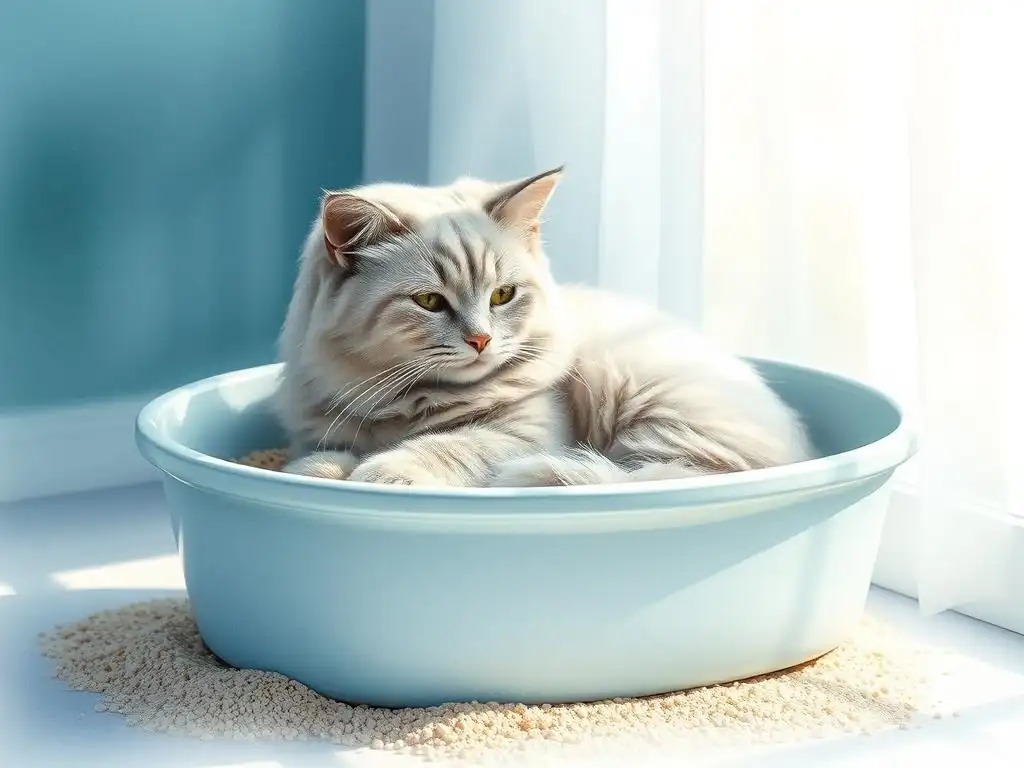
Choosing the best dust free cat litter is only half the battle. Maintaining a clean and dust-free environment requires consistent effort and the right techniques. A pristine litter box and responsible disposal practices are crucial not only for your cat's comfort and health but also for minimizing airborne dust particles in your home. This section will delve into practical strategies to ensure a dust-free home, even with regular litter box use. Remember, even the best dust-free litter will still produce some dust if not managed properly.
Regular Litter Box Cleaning: Preventing Odor and Bacteria Build-up
Regular cleaning is paramount to preventing the build-up of ammonia and bacteria, which contribute to unpleasant odors and can negatively impact your cat's respiratory health. More importantly for a dust-free environment, regular scooping prevents the clumped litter from becoming a source of airborne dust. Aim to scoop the litter box at least once a day, removing solid waste and any noticeably wet clumps. This simple act significantly reduces odor and prevents the release of dust particles when your cat uses the box.
Consider this schedule:
| Day | Task | Importance |
|---|---|---|
| Daily | Scoop solid waste and wet clumps | Minimizes odor and prevents bacterial growth, reduces dust generation |
| Weekly | Partial litter change (1/3 to 1/2) | Refreshes litter, removes embedded dust and debris, maintains cleanliness |
| Monthly | Complete litter box cleaning | Thorough cleaning prevents build-up of harmful bacteria and reduces dust |
A complete monthly cleaning involves emptying the litter box, washing it thoroughly with warm water and a pet-safe disinfectant (avoid harsh chemicals), and allowing it to dry completely before refilling with fresh litter. This comprehensive approach contributes significantly to a dust-free and healthier environment for you and your feline friend. Remember to always wash your hands thoroughly after handling the litter and cleaning the box.
Proper Litter Disposal: Environmental Considerations
The disposal of used cat litter is another crucial aspect of maintaining a dust-free home and minimizing environmental impact. Simply throwing used litter in the trash can create dust clouds and potentially spread litter particles around your home.
Here's how to minimize dust during disposal:
- Use a liner: Using a plastic bag liner inside the litter box makes disposal much cleaner and easier. Simply tie the bag securely before removing it.
- Double bagging: For added precaution, especially with dusty litters, double bag the used litter before discarding it. This minimizes the risk of leakage and dust escaping during transport to the trash.
- Proper sealing: Ensure the garbage bag is tightly sealed to prevent dust from escaping.
- Outdoor disposal: If possible, dispose of the litter outdoors in a sealed container to further reduce the risk of dust spreading indoors.
Choosing biodegradable or flushable litter options can also contribute to a more environmentally friendly approach, although always check with your local regulations before flushing litter. Remember, responsible disposal is key to managing dust and protecting the environment.
Additional Tips for Keeping Your Home Dust-Free
Beyond litter box management, several additional strategies can contribute to a dust-free environment for both you and your cat:
- Regular vacuuming: Vacuuming frequently, especially in areas where your cat spends time, helps remove dust particles that may have escaped the litter box. Using a HEPA filter vacuum is highly recommended for superior dust removal.
- Air purifiers: An air purifier with a HEPA filter can significantly improve indoor air quality by removing dust particles and other allergens from the air. Consider placing one near the litter box for optimal results.
- Damp dusting: Damp dusting furniture and surfaces helps trap dust particles, preventing them from becoming airborne.
- Regular cleaning of other pet areas: Don't forget to clean and maintain other areas where your cat spends a lot of time, such as scratching posts and sleeping areas.
By combining the use of the best dust free cat litter with diligent cleaning and disposal practices, you can significantly reduce the amount of dust in your home, creating a healthier and more comfortable environment for both you and your beloved feline companion. Remember, consistency is key to maintaining a dust-free home. 😻
Addressing Common Concerns about Dust-Free Cat Litter
Choosing the best dust free cat litter involves careful consideration beyond just the "dust-free" label. Many pet owners have legitimate concerns about the efficacy and practicality of these products, concerns we'll address directly here. Understanding these potential issues allows for a more informed purchasing decision, ultimately leading to a happier, healthier cat and a cleaner home.
Cost Comparison with Traditional Litters
One frequent worry is the price. Dust-free cat litters often command a higher price tag than traditional clay-based options. This is due to several factors: the manufacturing process often involves more complex steps to minimize dust, the raw materials themselves might be more expensive (e.g., silica gel), and the overall demand for premium, dust-free options can inflate prices.
However, a simple cost-per-use calculation can reveal a more nuanced picture. While the initial purchase might be higher, dust-free litters often require less frequent changes. This is because they tend to clump better and control odors more effectively, reducing the overall amount of litter needed over time. For example, a higher-priced, 20lb bag of a premium silica gel litter might last twice as long as a cheaper, 40lb bag of a dusty clay litter, ultimately making the cost-per-day or cost-per-week comparable or even lower.
To illustrate, let's consider a hypothetical example:
| Litter Type | Bag Size (lbs) | Price ($) | Approximate Days of Use | Cost per Day ($) |
|---|---|---|---|---|
| Clay Litter (Dusty) | 40 | 15 | 30 | 0.50 |
| Silica Gel Litter | 20 | 25 | 60 | 0.42 |
This table demonstrates that despite the higher initial cost, the silica gel litter can be more economical in the long run. Always remember to consider the usage rate and the overall lifespan of each litter type before making a final decision. The "best" option will depend on individual cat habits and budget constraints.
Potential Drawbacks of Certain Dust-Free Options
While "dust-free" is a desirable feature, not all dust-free cat litters are created equal. Some options, while minimizing dust, might present other challenges. For instance, certain types of crystal litters can be more expensive and may not be suitable for all cats. Some felines are sensitive to the texture or the scent of certain dust-free options, potentially leading to litter box avoidance. Furthermore, some brands might not offer the same level of odor control as advertised, leading to lingering smells.
Another potential drawback lies in the disposal methods. Some dust-free litters, particularly clumping varieties, might not be easily flushable and require careful disposal to avoid clogging plumbing systems. Always check the manufacturer's recommendations for proper disposal. Additionally, the environmental impact of different dust-free litters should be considered; some materials are more environmentally friendly than others. Further research into the specific composition and recyclability of the chosen product is highly recommended. Choosing a biodegradable or easily recyclable option minimizes your environmental footprint.
Addressing Concerns about Clumping and Odor Control
A common misconception is that dust-free litters automatically compromise clumping and odor control. This isn't necessarily true. Many high-quality dust-free litters, especially those made from silica gel or certain types of wood, excel in both areas. Silica gel litters, for example, are known for their exceptional odor absorption and clumping capabilities, effectively trapping urine and feces and preventing unpleasant smells.
However, the effectiveness of clumping and odor control can vary significantly depending on the specific brand and type of dust-free litter. Some brands might perform better than others in terms of clumping strength or odor neutralization. Reading customer reviews and checking independent testing results can help you identify brands with proven performance in these crucial areas.
Pay close attention to descriptions focusing on "odor absorption," "clumping strength," and "long-lasting freshness." Consider purchasing smaller sample sizes to test the product before committing to a larger quantity. This will help avoid disappointments and ensure a good match for your cat's needs and your preferences.
Frequently Asked Questions
What is dust-free cat litter?
Dust-free cat litter is formulated to minimize or eliminate dust particles, creating a cleaner and healthier environment for both cats and their owners. This is achieved through special manufacturing processes and the use of specific materials.
Why is dust-free litter important for cats?
Inhaling dust from traditional litter can irritate a cat's sensitive respiratory system, leading to coughing, sneezing, and other respiratory issues. Dust-free options mitigate these risks, promoting better feline health.
What are the benefits of dust-free litter for owners?
Dust-free litter significantly reduces the amount of airborne dust in your home, benefiting those with allergies or respiratory sensitivities. It also means less cleaning and a fresher-smelling home.
How do I choose the best dust-free cat litter for my cat?
Consider factors like your cat's preferences (clumping vs. non-clumping), the litter's absorbency, and your budget. Reading reviews from other pet owners can be helpful in finding the perfect fit.
Are all dust-free cat litters truly dust-free?
While marketed as "dust-free," some litters may produce minimal amounts of dust. Look for litters with explicit claims of low or no dust, and check customer reviews to gauge their actual dust levels.
Final Reflection: Breathing Easier, Living Better with Dust-Free Cat Litter
The quest for the perfect cat litter often overlooks a crucial element: our own respiratory health. Finding a dust-free option isn't just about a cleaner home; it's about creating a healthier environment for both you and your feline companion. The impact of dust-free litter extends far beyond simply avoiding a messy cleanup.
The shift towards dust-free cat litter reflects a growing awareness of the importance of air quality in our homes. We're increasingly conscious of the unseen particles that affect our well-being, and this extends to the seemingly mundane task of litter box maintenance. The air we breathe is a precious resource, and protecting it should be a priority in every aspect of our lives.
This simple truth applies equally to our homes and the health of our beloved pets. The convenience and cleanliness of dust-free litter are undeniable, but the long-term benefits for respiratory health are invaluable.
Now, consider your own home environment. What steps can you take to improve the air quality for yourself and your furry friend? Choosing dust-free cat litter is a significant step, but it's also an invitation to explore other ways to create a healthier, more breathable space. Take the time to research, compare, and choose the best option for your needs. Remember, a clean and healthy home contributes to a happier, more fulfilling life for everyone who lives there.
Breathe Easier: Unleash a Fresher Home with Your Cat!
Thanks for joining us on this journey to a cleaner, more fragrant home for you and your cat! We hope you've discovered the transformative power of dust-free cat litter. Ready to take the next step?
- Switch to dust-free litter: Make the change today! The improved air quality and your cat's comfort are well worth it. Check out your local pet store or search online for the best dust-free option for your cat.
- Share your experience: Tell your fellow cat lovers about your cleaner, fresher home! Share your thoughts on social media using #DustFreePurrfection.
- Leave a review: Help other cat owners find the perfect dust-free litter by sharing your experience with a review on our website.
What's the first thing you'll do to create a cleaner, healthier home environment for your beloved companion?