
Understanding the Unique Needs of Different Aquatic Turtle Species

Welcome to PetCareWorld, your ultimate guide to a happier, healthier life for your beloved companions! Are you ready to dive into the fascinating world of aquatic turtles? Our comprehensive Aquatic Turtle Species Care Guide unlocks the secrets to providing optimal care for these captivating creatures, covering everything from tank setup to dietary needs. Discover the unique requirements of different species and ensure your shelled friend thrives under your expert care. Explore the world of reptiles and exotic pets, and embark on a journey of responsible pet ownership with us!
- Aquatic Turtle Species Care Guide: Introduction to Diverse Needs
- Housing Your Aquatic Turtle: Tank Setup and Environment
- Aquatic Turtle Diet: Nutritional Requirements and Feeding Strategies
- Aquatic Turtle Health: Preventing and Treating Common Illnesses
- Breeding and Reproduction in Aquatic Turtles (Optional Section)
- Resources for Further Learning about Aquatic Turtle Care
- Frequently Asked Questions
- Final Reflection: Charting a Course for Aquatic Turtle Conservation
- Unlock Your Turtle's Potential: Dive Deeper into Aquatic Care!
Aquatic Turtle Species Care Guide: Introduction to Diverse Needs
Keeping aquatic turtles as pets is a rewarding experience, offering a fascinating glimpse into the underwater world. However, responsible ownership requires a deep understanding of the unique needs of each species. This comprehensive guide delves into the diverse care requirements of various aquatic turtle species, helping you provide optimal care for your shelled companion. Successfully caring for an aquatic turtle involves much more than simply providing a tank and food; it necessitates a commitment to understanding their specific environmental needs, dietary requirements, and potential health concerns.
From the smallest painted turtle to the larger, more demanding species, each requires a tailored approach to ensure a long, healthy, and fulfilling life. This guide will equip you with the knowledge to become a responsible and informed aquatic turtle owner, helping you navigate the complexities of their care and contribute to their well-being. We will explore the key differences between common species, highlighting crucial aspects like tank setup, diet, and potential health issues to ensure your aquatic turtle thrives under your care.
Remember, proper research and ongoing learning are vital for the successful and ethical keeping of these captivating creatures. Let's dive in! 🐢
Understanding the Variety Within Aquatic Turtles
The world of aquatic turtles boasts incredible diversity. From the vibrant colors of the Red-Eared Slider to the sleek elegance of the Map Turtle, each species presents unique characteristics that impact their care needs. Ignoring these differences can have significant consequences for your turtle's health and well-being. For example, while a Red-Eared Slider might thrive in a relatively simple setup, a more demanding species like a Mississippi Map Turtle requires a far more complex and meticulously maintained environment.
The size of the turtle at maturity is another crucial factor, dictating the necessary tank size and overall setup. Similarly, dietary requirements vary significantly. Some species are primarily carnivorous, while others are omnivorous, requiring a balanced diet of both plant and animal matter.
Understanding these variations is crucial for providing appropriate nutrition and preventing nutritional deficiencies. Let's explore some of these differences in more detail. The following table provides a brief overview of some common species and their general care requirements:
| Species | Adult Size (approx.) | Diet | Temperament | Tank Setup Complexity |
|---|---|---|---|---|
| Red-Eared Slider | 8-12 inches | Omnivorous | Relatively docile | Moderate |
| Painted Turtle | 4-6 inches | Omnivorous | Relatively docile | Moderate |
| Mississippi Map Turtle | 8-12 inches | Carnivorous | More active | High |
| Musk Turtle | 4-6 inches | Carnivorous | Shy, secretive | Moderate |
| Yellow-Bellied Slider | 8-12 inches | Omnivorous | Relatively docile | Moderate |
Key Differences Between Common Aquatic Turtle Species
The differences between common aquatic turtle species extend beyond simple size and diet. Understanding their behavioral patterns, environmental preferences, and potential health issues is paramount for responsible pet ownership. For instance, some species are more active and require larger tanks with ample swimming space, while others are more sedentary and content with smaller enclosures.
Similarly, water temperature and quality play a crucial role in their overall health. Maintaining optimal water parameters, including temperature, pH, and ammonia levels, is vital for preventing illness and ensuring a thriving environment. Furthermore, each species might have specific susceptibility to certain diseases, requiring preventative measures and prompt veterinary attention should problems arise.
Accurate identification of your turtle species is therefore crucial, as this dictates the specific care plan you should implement. Failing to provide species-specific care can lead to stress, illness, and ultimately, a shorter lifespan for your aquatic turtle. Remember, proactive care is key to a happy and healthy pet.
Housing Your Aquatic Turtle: Tank Setup and Environment
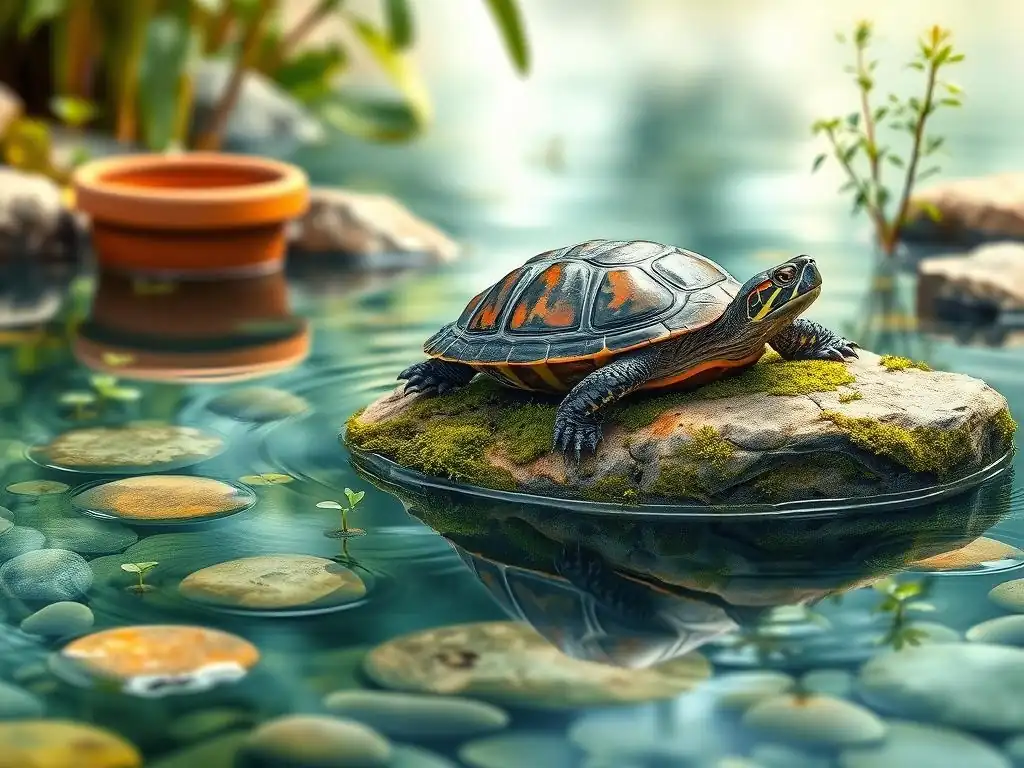
This section focuses on creating the ideal habitat for your aquatic turtle, crucial for their health and longevity. Proper housing is paramount for any successful aquatic turtle species care guide. Neglecting this aspect can lead to various health problems, impacting their quality of life.
Choosing the Right Tank Size for Your Aquatic Turtle Species
Selecting the appropriate tank size is the cornerstone of responsible aquatic turtle ownership. A cramped environment leads to stress, impacting their immune system and increasing susceptibility to diseases. The required tank size isn't solely determined by the turtle's current size; you must consider its adult size and projected growth.
For example, a Red-Eared Slider ( Trachemys scripta elegans), a popular pet turtle, can reach a carapace length of up to 12 inches. A juvenile may seem comfortable in a smaller tank initially, but as it grows, overcrowding becomes a serious issue. A mature Red-Eared Slider needs at least a 75-gallon tank, ideally larger. Smaller species, like painted turtles, may require less space, but even these benefit from ample room to swim and bask. Always research the adult size of your specific aquatic turtle species before purchasing a tank.
Here's a helpful table summarizing approximate tank size requirements based on adult size:
| Adult Carapace Length (inches) | Minimum Tank Size (gallons) | Notes |
|---|---|---|
| Under 4 | 10-20 | Suitable for very small species only. |
| 4-6 | 20-40 | Suitable for smaller species, needs upgrades. |
| 6-8 | 40-75 | Requires regular water changes. |
| Over 8 | 75+ | Larger species need significantly more space. |
Remember, these are minimum requirements. Larger tanks are always preferable, allowing for more natural behaviors and reducing stress. Overstocking your tank with multiple turtles of the same species also needs careful consideration, requiring a proportionally larger tank.
Essential Tank Accessories for Optimal Aquatic Turtle Health
Providing a stimulating and healthy environment requires several essential accessories. These accessories aren't mere luxuries; they are vital for your aquatic turtle's physical and mental well-being. A well-equipped tank promotes natural behaviors and contributes significantly to their overall health. A comprehensive aquatic turtle species care guide should always emphasize the importance of these elements.
- Basking area: Aquatic turtles require a basking area to thermoregulate and dry off. A sturdy basking platform, partially submerged and partially out of the water, is crucial. The basking lamp should provide UVB and heat.
- UVB lighting: UVB light is essential for proper calcium absorption, preventing metabolic bone disease (MBD). Choose a UVB bulb specifically designed for reptiles and replace it regularly according to the manufacturer's instructions. Think of it as their “sunshine vitamin.” ☀️
- Heat lamp: A heat lamp provides supplemental heat, maintaining a proper basking spot temperature. The basking area should be significantly warmer than the water temperature, typically between 85-95°F (29-35°C).
- Substrate: Choose a substrate appropriate for your aquatic turtle species. Avoid gravel that can be accidentally ingested. Smooth river rocks or a sand-like substrate are generally safer options.
- Water filter: A powerful, reliable filter is critical for maintaining water quality. The filter should be appropriately sized for your tank and cleaned regularly to prevent the build-up of harmful bacteria.
Ignoring these essentials could lead to serious health complications. For instance, insufficient UVB leads to MBD, a debilitating condition causing weakened bones and skeletal deformities.
Maintaining Water Quality: Filtration and Water Changes for Aquatic Turtle Species
Maintaining pristine water quality is paramount for the health of your aquatic turtle. Contaminated water quickly becomes a breeding ground for harmful bacteria and parasites, posing a significant threat to your pet's well-being. This aspect is often overlooked in less comprehensive aquatic turtle species care guide resources.
Regular water changes are essential, even with a powerful filter. The frequency depends on the tank size, the number of turtles, and the filter's efficiency. As a general guideline, aim for partial water changes (25-50%) at least once a week for smaller tanks and more frequently for larger ones or if you notice a decline in water clarity.
- Filtration: Invest in a high-quality filter appropriate for your tank's size and the number of turtles. Consider canister filters for larger tanks.
- Water testing: Regularly test your water parameters, including ammonia, nitrite, and nitrate levels. These should be kept as close to zero as possible. Test kits are readily available at pet stores.
- Dechlorination: Always use a water conditioner to remove chlorine and chloramine from tap water before adding it to the tank. These chemicals are toxic to aquatic turtles.
- Cleaning: Regularly clean the tank, removing any uneaten food and waste. This prevents the build-up of harmful bacteria and keeps the environment clean and healthy.
Failing to maintain proper water quality can lead to various health issues, including infections, shell rot, and even death. Regular water changes and a powerful filtration system are crucial investments in your turtle's health and well-being. This commitment is a cornerstone of responsible aquatic turtle ownership.
Aquatic Turtle Diet: Nutritional Requirements and Feeding Strategies
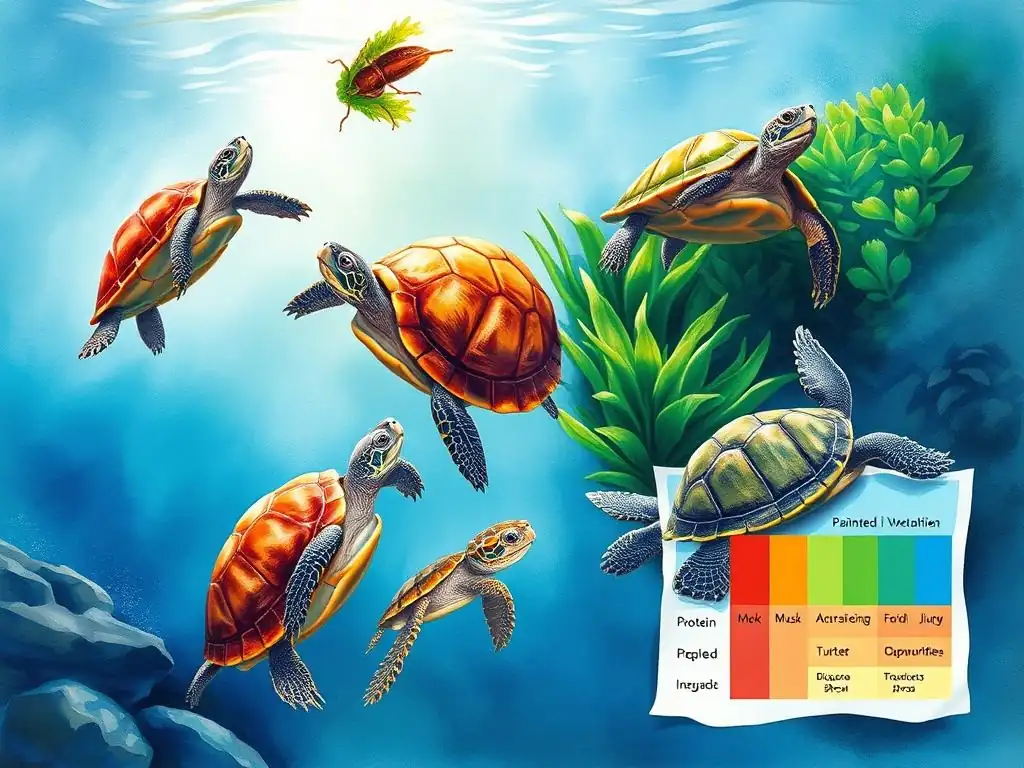
Understanding the dietary needs of aquatic turtles is crucial for their overall health and longevity. A poorly planned diet can lead to serious health problems, including shell deformities, metabolic bone disease (MBD), and weakened immune systems. This section provides a detailed overview of aquatic turtle nutrition, focusing on the variety of species and their unique requirements. This is a vital component of any comprehensive Aquatic turtle species care guide.
Understanding Dietary Needs Based on Species
Different aquatic turtle species have vastly different dietary requirements. Generalizing is dangerous and can be detrimental to your pet's health. For instance, a Red-eared Slider ( Trachemys scripta elegans) is primarily omnivorous, enjoying a balanced diet of commercial pellets, vegetables, and occasional insects. Conversely, a Musk Turtle ( Sternotherus odoratus) is predominantly carnivorous, requiring a diet high in protein from sources like earthworms, insects, and small fish. Their unique digestive systems necessitate these differences.
Consider this table highlighting dietary variations:
| Species | Primary Diet | Secondary Diet | Important Considerations |
|---|---|---|---|
| Red-eared Slider | Omnivorous | Fruits, vegetables | Avoid overfeeding; ensure calcium supplementation. |
| Musk Turtle | Carnivorous | Aquatic plants | Provide live or frozen food; avoid high-fat content. |
| Painted Turtle | Omnivorous | Snails, insects | Offer variety; monitor for signs of digestive issues. |
| Map Turtle | Carnivorous | Occasional vegetation | High protein diet; ensure access to clean water. |
| Yellow-bellied Slider | Omnivorous | Small fish | Calcium and vitamin D3 supplementation is critical. |
Failing to meet these specific needs can lead to nutritional deficiencies and subsequent health issues. Always research the specific dietary requirements of your turtle species before establishing a feeding regimen. A well-researched diet is paramount for a healthy and happy aquatic turtle. This detailed information is key to any effective Aquatic turtle species care guide.
Providing a Balanced Diet for Healthy Aquatic Turtles
Providing a balanced diet goes beyond simply offering food. It involves understanding the nutritional components crucial for your turtle's well-being. Calcium, vitamin D3, and fiber are essential for strong shells and overall health. Commercial turtle pellets often provide a base of these nutrients, but supplementation is frequently necessary.
A balanced diet should include:
- High-quality commercial pellets: Formulated to meet the specific needs of your turtle species. Choose pellets appropriate for their age and size.
- Live or frozen foods: Insects (crickets, mealworms), earthworms, and small fish provide essential protein and nutrients.
- Vegetables and fruits (for omnivorous species): Leafy greens (like kale and collard greens), carrots, and occasional fruits (in moderation) offer crucial vitamins and fiber. Avoid high-sugar fruits.
- Calcium and vitamin D3 supplements: Especially important for growing turtles and those kept indoors, where natural UVB exposure is limited. Dusting food with a calcium supplement is a common practice.
Remember, variety is key! A monotonous diet can lead to nutritional imbalances. Introduce new food items gradually to ensure your turtle accepts them. Observe your turtle's eating habits carefully and adjust the diet as needed. This detailed approach is a cornerstone of any comprehensive Aquatic turtle species care guide.
Avoiding Common Dietary Mistakes in Aquatic Turtle Care
Many common mistakes in aquatic turtle care stem from dietary errors. These mistakes can have severe consequences, impacting the turtle's health and potentially shortening its lifespan.
Some common pitfalls to avoid include:
- Overfeeding: This is a significant problem; it can lead to obesity, organ damage, and water quality issues. Feed your turtle only what it can consume in 15-20 minutes.
- Improper food choices: Offering inappropriate foods, such as bread, processed meats, or high-fat foods, can lead to digestive problems and nutritional deficiencies.
- Insufficient calcium and vitamin D3: This deficiency can cause metabolic bone disease (MBD), a debilitating condition characterized by soft, deformed shells and skeletal abnormalities.
- Lack of dietary diversity: A monotonous diet lacks essential nutrients and can lead to health problems.
By carefully planning your turtle's diet and avoiding these common mistakes, you can significantly improve its health, well-being, and lifespan. A dedicated and informed approach to nutrition is essential for responsible aquatic turtle ownership. This detailed information is an integral part of a successful Aquatic turtle species care guide. 🐢
Aquatic Turtle Health: Preventing and Treating Common Illnesses
Aquatic turtle health is paramount for their longevity and well-being. Understanding the common ailments affecting these fascinating reptiles, along with proactive preventative measures, is crucial for responsible ownership. This section delves into recognizing illness, common diseases, and the importance of preventative care, providing you with the knowledge to ensure your aquatic turtle thrives. This detailed guide is designed to help you become a more informed and capable aquatic turtle caregiver, enhancing your understanding of "Aquatic turtle species care guide" principles.
Recognizing Signs of Illness in Different Aquatic Turtle Species
Recognizing subtle changes in your aquatic turtle's behavior and appearance is key to early intervention. Different species may exhibit illness in slightly varied ways, adding another layer to responsible "Aquatic turtle species care guide" knowledge. For instance, a lethargic Red-Eared Slider might be exhibiting signs of a respiratory infection, while a similar lack of activity in a painted turtle could indicate a different underlying issue.
Early detection is critical, as many illnesses progress rapidly in aquatic turtles. Here's a table summarizing common signs across various species:
| Symptom | Red-Eared Slider | Painted Turtle | Map Turtle | Possible Causes |
|---|---|---|---|---|
| Lethargy | Common | Common | Common | Illness, poor water quality, temperature issues |
| Loss of Appetite | Common | Common | Common | Illness, stress, poor water quality |
| Shell abnormalities | Possible | Possible | Possible | Metabolic bone disease, trauma, infections |
| Eye swelling/cloudiness | Possible | Possible | Possible | Infections, trauma |
| Respiratory distress | Possible | Possible | Possible | Respiratory infections, pneumonia |
| Swollen limbs | Possible | Possible | Possible | Infections, trauma |
Remember, these are just examples, and a comprehensive veterinary examination is always necessary for accurate diagnosis and treatment. Don't hesitate to seek professional help if you suspect your turtle is unwell. The sooner you act, the better the chances of a successful outcome. This proactive approach is a vital part of any effective "Aquatic turtle species care guide."
Common Diseases Affecting Aquatic Turtles and Their Treatment
Several diseases commonly affect aquatic turtles. These range from bacterial and fungal infections to nutritional deficiencies and shell problems. Accurate diagnosis and timely treatment are crucial for successful recovery. This section provides a brief overview; however, professional veterinary care is essential for proper diagnosis and treatment planning.
- Shell Rot: A bacterial infection causing erosion of the shell. Treatment involves cleaning the affected area and applying topical antibiotics. Prevention includes maintaining high water quality and a balanced diet.
- Respiratory Infections: Often caused by bacteria or viruses, resulting in labored breathing and nasal discharge. Treatment includes antibiotics and supportive care, such as improved water quality and temperature regulation.
- Metabolic Bone Disease (MBD): A nutritional deficiency due to lack of calcium and/or Vitamin D3, leading to soft or deformed shells. Treatment involves dietary adjustments and supplementation, ensuring your "Aquatic turtle species care guide" incorporates proper nutrition.
- Bacterial Infections: Various bacteria can cause systemic infections, leading to lethargy, loss of appetite, and other symptoms. Treatment typically involves antibiotics administered by a veterinarian.
- Fungal Infections: These can affect the skin and shell, often appearing as white or yellow patches. Treatment involves antifungal medications.
The information above is for educational purposes only and should not replace professional veterinary advice. Always consult a veterinarian specializing in reptiles for any health concerns. A good "Aquatic turtle species care guide" will always emphasize the importance of professional veterinary care.
Importance of Preventative Care for Aquatic Turtles
Preventative care is the cornerstone of maintaining healthy aquatic turtles. By proactively addressing potential issues, you significantly reduce the risk of illness and ensure your turtle enjoys a long and fulfilling life. This involves several key aspects:
- Water Quality: Maintaining pristine water quality is critical. Regular water changes, filtration, and appropriate water temperature are essential. Poor water quality is a major contributor to many aquatic turtle illnesses.
- Nutrition: Providing a balanced and varied diet is crucial. This includes a mix of commercial turtle pellets, leafy greens, and occasional protein sources like insects or small fish. A "Aquatic turtle species care guide" should emphasize the importance of a species-appropriate diet.
- Proper Housing: The enclosure should be appropriately sized, with adequate basking areas, hiding places, and a clean substrate. Overcrowding and inadequate environmental conditions can stress turtles and compromise their immune systems.
- Regular Veterinary Checkups: Annual checkups with a veterinarian specializing in reptiles are highly recommended for early detection of any potential health problems. This proactive approach is crucial for a successful "Aquatic turtle species care guide."
- Quarantine: New turtles should always be quarantined to prevent the introduction of diseases into your existing collection. This preventative measure is often overlooked but is a crucial part of any responsible "Aquatic turtle species care guide."
By diligently following these preventative measures, you'll significantly enhance the health and well-being of your aquatic turtle, ensuring many years of enjoyment with your shelled companion. Remember, a well-informed and proactive approach is the key to successful aquatic turtle keeping. This commitment to preventative care is a vital component of any comprehensive "Aquatic turtle species care guide."
Breeding and Reproduction in Aquatic Turtles (Optional Section)
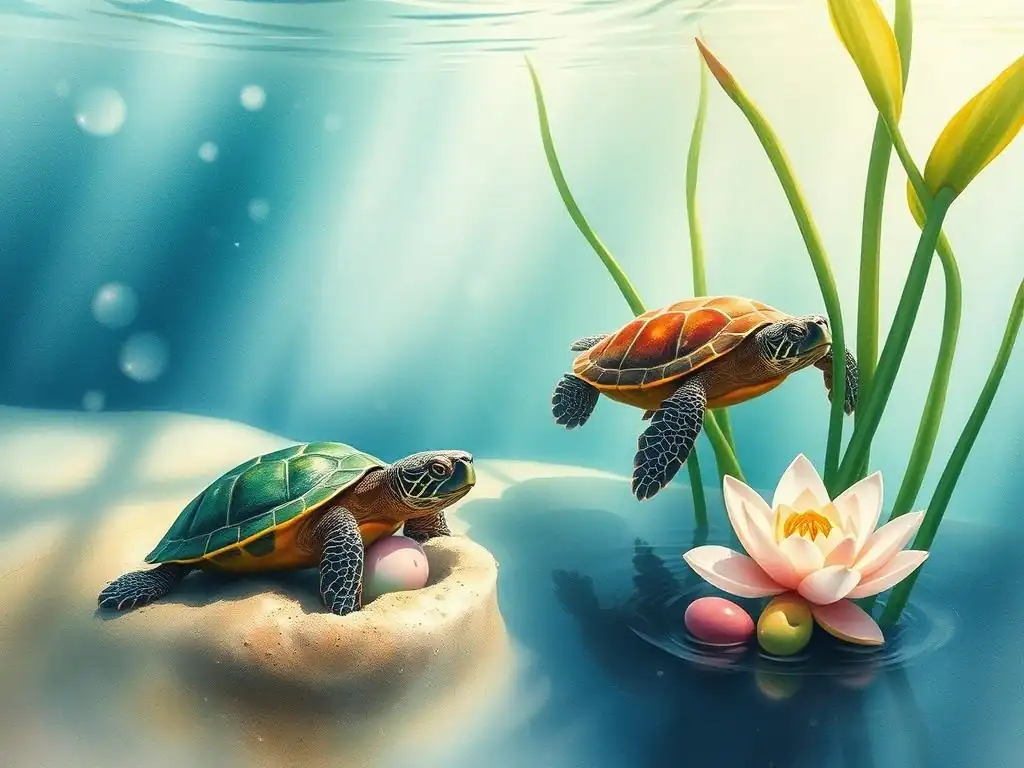
This section delves into the fascinating world of aquatic turtle reproduction, a complex process influenced heavily by species-specific factors and environmental conditions. Successfully breeding aquatic turtles requires a deep understanding of their individual needs, going beyond simple care instructions. It’s crucial to remember that breeding should only be undertaken by experienced keepers with the resources and commitment to raise healthy offspring responsibly. Irresponsible breeding contributes to overpopulation and the suffering of unwanted animals.
Species-Specific Breeding Considerations
Breeding success hinges significantly on choosing the right species and understanding their unique reproductive strategies. For example, the Red-eared Slider ( Trachemys scripta elegans), a common pet turtle, is relatively easy to breed in captivity under the right conditions. However, other species, such as the highly endangered Alligator Snapping Turtle ( Macrochelys temminckii), present far greater challenges, requiring specialized expertise and extensive resources. Their breeding behaviors and environmental needs differ drastically.
Consider these factors when contemplating breeding a specific aquatic turtle species:
- Sexual Dimorphism: Clearly identifying the sex of your turtles is paramount. Males and females often exhibit distinct physical characteristics, like longer claws or thicker tails in males, which vary by species. Accurate sex determination is crucial to avoid unsuccessful breeding attempts.
- Mating Behavior: Understanding the courtship rituals and mating behaviors of your chosen species is essential. Some species exhibit elaborate displays, while others are more subtle in their interactions. Observing these behaviors can provide valuable insights into their readiness to breed.
- Nest Site Selection: Female aquatic turtles require suitable nesting sites to lay their eggs. This might involve providing specific substrates, such as moist sand or soil, within or outside the tank, depending on the species' natural nesting habits. The depth and location of the nest are also crucial factors.
- Incubation: Once eggs are laid, proper incubation is critical for successful hatching. This involves maintaining precise temperature and humidity levels specific to the species. Incorrect incubation can lead to developmental abnormalities or embryonic mortality. Temperature-dependent sex determination (TSD) is common in many species, further emphasizing the need for accurate temperature control during incubation.
Creating a Suitable Breeding Environment for Aquatic Turtles
Establishing a suitable breeding environment is as crucial as understanding species-specific needs. This goes beyond simply providing food and water; it involves carefully mimicking the natural habitat of the turtles to stimulate breeding behavior.
Key aspects of a successful breeding environment include:
| Factor | Description | Example |
|---|---|---|
| Water Quality | Maintaining pristine water conditions, including appropriate temperature, pH, and filtration. | Regular water changes, use of high-quality filters, and water testing kits. |
| Basking Area | Providing a dry basking area with a suitable temperature gradient for thermoregulation. | A large rock or floating basking platform with a heat lamp. |
| Substrate | Choosing appropriate substrate for nesting, ensuring proper drainage and moisture levels. | Moist sand or soil for egg-laying. |
| Tank Size | Sufficient space to allow for natural behaviors, including courtship and nesting. | A large tank, potentially multiple tanks, depending on species and number of turtles. |
| Lighting | Providing appropriate UVB and UVA lighting to support vitamin D synthesis and overall health. | Specialized reptile UVB/UVA lamps. |
| Diet | Offering a varied and nutritious diet to ensure optimal health and reproductive readiness. | A balanced diet of commercially available turtle food supplemented with insects and vegetables. |
Creating an optimal breeding environment requires significant preparation and ongoing monitoring. It demands a commitment to meticulous husbandry and a deep understanding of the specific needs of the chosen aquatic turtle species. Remember, the welfare of the animals should always be the top priority. Unplanned breeding can lead to ethical concerns and welfare issues for both parents and offspring. Careful planning and responsible decision-making are crucial for successful and ethical breeding in aquatic turtles.
Resources for Further Learning about Aquatic Turtle Care
This section provides valuable resources to deepen your understanding of aquatic turtle care, supplementing the information presented in this guide. A comprehensive understanding of your specific aquatic turtle species is crucial for their health and longevity. Remember, responsible ownership involves ongoing learning and adaptation to your pet's individual needs. This commitment ensures they thrive under your care. Finding reliable and up-to-date information is key to successful aquatic turtle keeping.
Recommended Books and Websites for Aquatic Turtle Owners
Finding reliable information on aquatic turtle care can be challenging. Many sources offer conflicting advice, and outdated practices can be harmful to these fascinating creatures. Therefore, selecting reputable resources is paramount. Below, we highlight some excellent books and websites dedicated to providing accurate and current information on aquatic turtle species care. These resources offer a wealth of knowledge, covering topics ranging from species-specific requirements to disease prevention and treatment.
The selection of resources below has been carefully curated to ensure they align with the most current scientific understanding and best practices in aquatic turtle care. Always cross-reference information from multiple sources to ensure accuracy and consistency. Avoid relying on anecdotal evidence or outdated information, which can lead to poor husbandry practices and negatively impact your turtle's well-being.
We strongly recommend supplementing your learning with resources that focus on specific species, as the needs of different aquatic turtles can vary significantly. For example, the care requirements for a Red-Eared Slider are vastly different from those of a Map Turtle. Investing in species-specific guides will greatly enhance your ability to provide optimal care.
Remember, responsible aquatic turtle ownership is a continuous learning process. Staying updated on the latest research and best practices will ensure your turtle enjoys a long, healthy, and fulfilling life. Consider joining online forums and communities dedicated to aquatic turtle care to connect with experienced keepers and share knowledge. Active participation in these communities fosters a supportive learning environment and allows you to access a wide range of perspectives and expertise.
Here's a starting point for your research:
- Books: Look for books authored by herpetologists or experienced aquatic turtle breeders. Check reviews and publication dates to ensure the information is current and accurate. Many libraries also offer a vast collection of books on reptiles and amphibians.
- Websites: Be discerning in choosing websites. Look for sites maintained by reputable organizations, universities, or experienced professionals. Avoid sites offering unsubstantiated claims or promoting harmful practices. Reputable websites often cite their sources, providing evidence for the information presented. This transparency contributes to the trustworthiness of the information.
This section provides a framework to begin your research. Remember to always prioritize the well-being of your aquatic turtle by seeking out diverse, reliable, and up-to-date information. Your commitment to continuous learning directly translates to a healthier and happier life for your pet. The ongoing learning process is a vital aspect of responsible aquatic turtle ownership. 🎉
Frequently Asked Questions
What makes aquatic turtle care so challenging?
Aquatic turtles require specialized equipment like large tanks, filters, and UV lighting to mimic their natural habitat. Maintaining water quality is crucial, demanding regular cleaning and water changes. Their dietary needs also vary significantly by species.
How do I choose the right aquatic turtle species for a beginner?
Beginners should consider smaller, less demanding species like the Red-Eared Slider or the Yellow-bellied Slider. These are relatively hardy and readily available, but still require proper research and commitment. Avoid more sensitive or larger species until you have experience.
What are the essential elements of an aquatic turtle tank setup?
A suitable tank must be large enough for the turtle's adult size, include a basking area with a heat lamp, a water filter, and a UVB light. The water should be appropriately heated and regularly cleaned to prevent disease.
What kind of diet should I feed my aquatic turtle?
The diet depends heavily on the specific species. Generally, a balanced diet includes commercial turtle pellets, supplemented with insects, vegetables, and occasional lean protein sources. Avoid overfeeding, as this can lead to health problems.
How often should I clean my aquatic turtle's tank?
Regular maintenance is key. Partial water changes (25-50%) should be done weekly, and a complete tank cleaning should be performed monthly. Regularly clean the filter and remove uneaten food to prevent water quality issues.
Final Reflection: Charting a Course for Aquatic Turtle Conservation
Understanding the diverse needs of aquatic turtles is not merely an academic pursuit; it's a crucial step towards ensuring their survival. The alarming decline in wild populations underscores the urgent need for responsible ownership and habitat preservation. Ignoring the specific requirements of each species leads to preventable suffering and contributes to the ongoing crisis facing these fascinating creatures.
The journey of researching and writing this guide has profoundly impacted my understanding of the intricate web of life supporting aquatic turtles. Their vulnerability highlights our responsibility as stewards of the planet. The fate of individuals is inextricably linked to the fate of their ecosystems.
This quote perfectly encapsulates the interconnectedness we must recognize and act upon to protect these unique animals. The subtle differences in their dietary needs, habitat preferences, and susceptibility to disease underscore the importance of species-specific care, a fact often overlooked by well-meaning but uninformed keepers.
Now, it's your turn. Take the knowledge gained from this guide and apply it to your own interactions with aquatic turtles, whether as a keeper, an advocate, or simply a concerned citizen. Consider supporting conservation efforts, educating others about responsible pet ownership, and advocating for policies that protect their natural habitats. Let us collectively chart a course towards a future where these magnificent creatures thrive, not just survive.
Unlock Your Turtle's Potential: Dive Deeper into Aquatic Care!
Thank you for learning about the fascinating world of aquatic turtles! We hope this article has given you a better understanding of their diverse needs. Now it's time to put that knowledge into practice.
- Prioritize your turtle's specific needs: Consider your turtle's species when assessing its tank setup, diet, and enrichment. Is the environment you've created truly suitable for its unique requirements? For example, a map turtle needs a significantly different setup than a red-eared slider.
- Share your turtle care journey! Connect with other turtle enthusiasts on our PetCareWorld forum—we'd love to hear about your experiences and see photos of your shelled companions!
- Explore further! Our website offers many resources on turtle health, breeding, and behavior, categorized by species. You'll find detailed information to help you provide the best possible care.
Ready to create a thriving habitat for your aquatic friend? What's the first step you'll take to ensure your turtle's well-being?