
Foreign Objects Ingestion: What to Do if Your Cat Swallows Something


Welcome to PetCareWorld, your ultimate guide to a happier, healthier life for your beloved pets! We're passionate about providing the knowledge you need to be the best pet parent possible. But what happens when things go unexpectedly wrong? This is especially crucial when facing a serious situation like a cat swallowing a foreign object. Discover expert advice and crucial steps to take in our in-depth article, "Foreign Objects Ingestion: What to Do if Your Cat Swallows Something," and learn how to navigate this potentially dangerous situation. Let's dive into the world of responsible pet ownership together!
- Recognizing the Signs: My Cat Ate Something - What Now?
- Assessing the Severity: Is it a Cat Emergency?
- Immediate Actions: First Aid for Cats Who Ingested Foreign Objects
- Veterinary Treatment Options for Foreign Object Ingestion in Cats
- Preventing Future Ingestion: Keeping Your Cat Safe
- Post-Ingestion Care: Monitoring Your Cat's Recovery
- Common Foreign Objects Ingested by Cats and Their Risks
- Frequently Asked Questions (FAQ) about Foreign Body Ingestion in Cats
-
Frequently Asked Questions
- What should I do if I think my cat has swallowed a foreign object?
- My cat swallowed a small, non-toxic object. Should I still be concerned?
- What are the common signs that my cat has ingested a foreign object?
- My cat vomited after swallowing something. Does this mean the object is out?
- How can I prevent my cat from swallowing foreign objects?
- Final Reflection: The Silent Struggle of a Curious Cat
- Unlock Your Cat's Wellbeing: Next Steps After Ingesting Something Dangerous
Recognizing the Signs: My Cat Ate Something - What Now?
Cats, with their innate curiosity and playful nature, often get themselves into trouble. One common, and potentially serious, issue is the ingestion of foreign objects. This comprehensive guide will help you understand the signs and symptoms of a cat swallowing something, empowering you to take swift and appropriate action.
From identifying potential culprits to recognizing behavioral and physical changes, we'll equip you with the knowledge to navigate this pet emergency effectively. Understanding how to respond quickly can be crucial in ensuring the safety and well-being of your feline companion. This article focuses specifically on identifying the signs of foreign object ingestion in cats, providing crucial information for pet owners concerned about their cat swallowing something potentially harmful.
We'll cover a range of scenarios and symptoms to help you determine when professional veterinary attention is necessary. Remember, early intervention is key when dealing with a cat that has swallowed a foreign object.
Identifying Potential Ingested Objects in Cats
Cats are notorious for ingesting a wide variety of unusual items. The possibilities are virtually endless, ranging from seemingly harmless objects to those that pose significant health risks. Some common culprits include:
- Textiles: Threads, yarn, string, ribbons, and even pieces of clothing. These can cause intestinal blockages and potentially life-threatening complications.
- Small Toys: Pieces of broken toys, especially those containing small, easily detachable parts. Consider the size and composition of all toys accessible to your cat.
- Food Items: Bones (cooked or raw), corn cobs, and other inedible food items can cause obstruction or internal damage.
- Household Items: Buttons, rubber bands, paper clips, hair ties, and other small household items are easily swallowed and can cause serious problems.
- Plants: Certain plants are toxic to cats, and even non-toxic plants can cause gastrointestinal upset if ingested in large quantities.
- Packaging Materials: Plastic packaging, foil, and other wrappers can present a significant choking and blockage hazard.
It's crucial to regularly assess your home environment from your cat's perspective, identifying and removing potential hazards before they become ingested. A proactive approach to preventing ingestion is far better than dealing with the consequences of a swallowed foreign object. Remember to keep potentially dangerous items out of your cat's reach.
Behavioral Changes Indicating Foreign Body Ingestion
Beyond the obvious signs of a cat actively consuming something inappropriate, subtle behavioral changes can also indicate that your cat has swallowed a foreign object. These changes may be subtle at first, so paying close attention to your cat's routine is important. Look out for:
- Lethargy and inactivity: A significant decrease in your cat's usual playful energy levels.
- Changes in appetite: Loss of appetite, or conversely, excessive licking of the lips or mouth.
- Vomiting: Repeated vomiting, especially if it contains undigested food or unusual materials.
- Changes in litter box habits: Straining to urinate or defecate, or changes in bowel movements (constipation, diarrhea).
- Hiding or unusual withdrawal: A cat that usually enjoys interaction may become withdrawn and seek isolation.
- Excessive grooming: This can be a sign of discomfort or pain.
Any significant deviation from your cat's normal behavior warrants further investigation. Documenting these changes can be helpful when discussing your concerns with your veterinarian.
Physical Symptoms of Foreign Object Ingestion in Cats
In addition to behavioral changes, several physical symptoms might indicate that your cat has ingested a foreign object. These symptoms can range from mild to severe, depending on the nature and location of the object. Observe your cat carefully for:
- Abdominal pain: Your cat may exhibit signs of discomfort when touched around the abdomen. They might arch their back or cry out in pain.
- Swollen abdomen: A visibly distended abdomen can indicate an intestinal blockage.
- Drooling or excessive salivation: This can be a sign of irritation or pain in the mouth or throat.
- Difficulty breathing: If the object is lodged in the airway, this can be a life-threatening emergency requiring immediate veterinary attention.
- Dehydration: Repeated vomiting and diarrhea can lead to dehydration, a serious complication.
- Fever: A high temperature may indicate an infection resulting from the foreign object.
If you notice any of these physical symptoms, seek veterinary attention immediately. Prompt diagnosis and treatment are crucial to prevent serious complications. Remember, early intervention dramatically improves the chances of a positive outcome. 😻
Assessing the Severity: Is it a Cat Emergency?

Determining whether your cat's foreign object ingestion constitutes a true emergency requires careful assessment. While many cats will pass small, non-toxic objects without incident, some situations demand immediate veterinary intervention. The severity depends on several interconnected factors, primarily the size and nature of the ingested object, and your cat's subsequent response. Understanding these factors is crucial for making informed decisions and ensuring your feline friend's well-being.
Delaying treatment, even for seemingly minor ingestions, can have serious consequences. Therefore, a cautious approach is always advisable. Remember, your cat can't tell you how much pain they're in; you must be their advocate.
Determining the Size and Type of Ingested Object
The size and type of object swallowed significantly impact the potential for complications. Small, smooth, and easily digestible objects like small seeds or a fragment of cooked meat might pass through the digestive system relatively harmlessly. However, larger, sharp, or pointed objects (like needles, shards of glass, or small toys) pose a much greater risk. Similarly, the material of the object matters. Objects that are non-digestible, such as plastic, rubber, or metal, can cause blockages, internal injuries, or toxicity. Toxic substances, such as certain types of plants or cleaning products, present an entirely different level of urgency.
Consider these examples:
| Object Type | Severity | Potential Complications |
|---|---|---|
| Small, soft food bit | Generally low | Minimal risk, usually passes naturally. |
| Large, hard toy | High | Potential for intestinal blockage, perforation, or toxicity. |
| Sharp object (needle) | Very high | Internal damage, bleeding, infection. |
| Battery | Extremely high | Severe chemical burns, potential death. |
| String or yarn | High | Potential for intestinal strangulation. |
Remember to carefully consider the object's material composition. A small piece of plastic is far more dangerous than a similarly sized piece of soft food.
Evaluating Your Cat's Overall Health and Condition
Beyond the ingested object itself, your cat's overall health and behavior are critical indicators of the severity. Monitor your cat closely for any changes after the suspected ingestion. Observe their appetite, bowel movements, and energy levels. Vomiting, diarrhea, lethargy, abdominal pain (indicated by vocalization, restlessness, or hunched posture), or difficulty breathing are all serious warning signs requiring immediate veterinary attention.
Even subtle changes, such as a decrease in playful behavior or a change in their usual demeanor, should not be ignored. These could be early signs of a developing problem. Detailed observation is key; documenting the time of ingestion, the symptoms observed, and their severity will be invaluable information for your veterinarian.
When to Seek Immediate Veterinary Attention for Foreign Object Ingestion
Don't hesitate to seek immediate veterinary care if your cat exhibits any of the following:
- Vomiting: Persistent or forceful vomiting, especially if blood is present.
- Lethargy or Weakness: Significant decrease in energy levels or apparent weakness.
- Abdominal Pain: Restlessness, vocalization, hunched posture, or guarding of the abdomen.
- Constipation or Diarrhea: Changes in bowel habits, especially if severe or persistent.
- Difficulty Breathing: Labored breathing or rapid breathing.
- Ingestion of Toxic Substances: If you suspect your cat has ingested something poisonous, such as cleaning products, medications, or certain plants, seek immediate veterinary assistance.
- Ingestion of Sharp or Large Objects: If you know your cat has swallowed a large, sharp, or pointed object, immediate veterinary attention is crucial.
- Any unusual behavior: Any change in your cat's behavior that you find concerning.
Remember, prevention is always better than cure. Cat-proofing your home by removing potential hazards is the best way to prevent foreign body ingestion. Even seemingly innocuous items can pose a significant threat to your cat's health and wellbeing. 😻
Immediate Actions: First Aid for Cats Who Ingested Foreign Objects
This section details crucial first aid steps if you suspect your cat has swallowed a foreign object. Time is of the essence; swift action can significantly impact your cat's outcome. Remember, this information is for guidance only and doesn't replace professional veterinary care. Always seek veterinary attention for any suspected foreign body ingestion.
Keeping Your Cat Calm and Comfortable
A stressed cat will exacerbate the situation. Your primary goal is to create a calm and reassuring environment. Confine your cat to a quiet, safe space, away from other pets or potential hazards. Avoid forcing interaction; gentle reassurance is key. Speak to your cat in a soft, soothing voice. A comfortable, familiar bed or carrier can provide a sense of security.
Observe your cat closely for any signs of distress, such as excessive drooling, vomiting, or difficulty breathing. Note the time of ingestion if possible, as this information will be vital for your veterinarian. This will help them assess the severity and potential timeline for treatment. Remember, a calm owner usually leads to a calmer cat. Your demeanor directly influences your pet's response.
Preventing Further Ingestion or Damage
Once you suspect foreign body ingestion, immediately remove any accessible potentially harmful items from your cat's environment. This includes small toys, buttons, string, or anything else they might be tempted to swallow. Restrict your cat's access to areas containing potential hazards. Avoid giving your cat any food or water, as this could potentially complicate the situation by moving the object further down the digestive tract or causing further obstruction.
While withholding food and water might seem counterintuitive, it often aids in veterinary examination and treatment. This preventative measure is crucial in minimizing further complications and potential for more severe injury. The goal is to stabilize your cat and prepare for veterinary intervention. This is where quick thinking and decisive action can make a significant difference.
Contacting Your Veterinarian or Emergency Animal Hospital
Contacting your veterinarian or the nearest emergency animal hospital immediately is paramount. Provide them with as much detail as possible, including:
- The suspected object: Describe the size, shape, material, and any potential toxicity of the ingested object. Even seemingly innocuous items can cause serious problems. Be as specific as possible.
- The time of ingestion: This helps them determine the urgency of the situation and potential treatment strategies. Accuracy is important here.
- Your cat's symptoms: Describe any observed symptoms such as vomiting, diarrhea, lethargy, loss of appetite, abdominal pain, or difficulty breathing. Detailed descriptions are essential.
- Your cat's medical history: Inform your veterinarian of any pre-existing conditions your cat might have. This complete picture helps them make informed decisions about treatment.
Remember, prompt veterinary intervention is crucial for a positive outcome when a cat swallows a foreign object. Delaying treatment can lead to severe complications, including intestinal blockage, perforation, or even death. Don't hesitate; act quickly and decisively. The wellbeing of your feline companion depends on it. 🐾
Veterinary Treatment Options for Foreign Object Ingestion in Cats
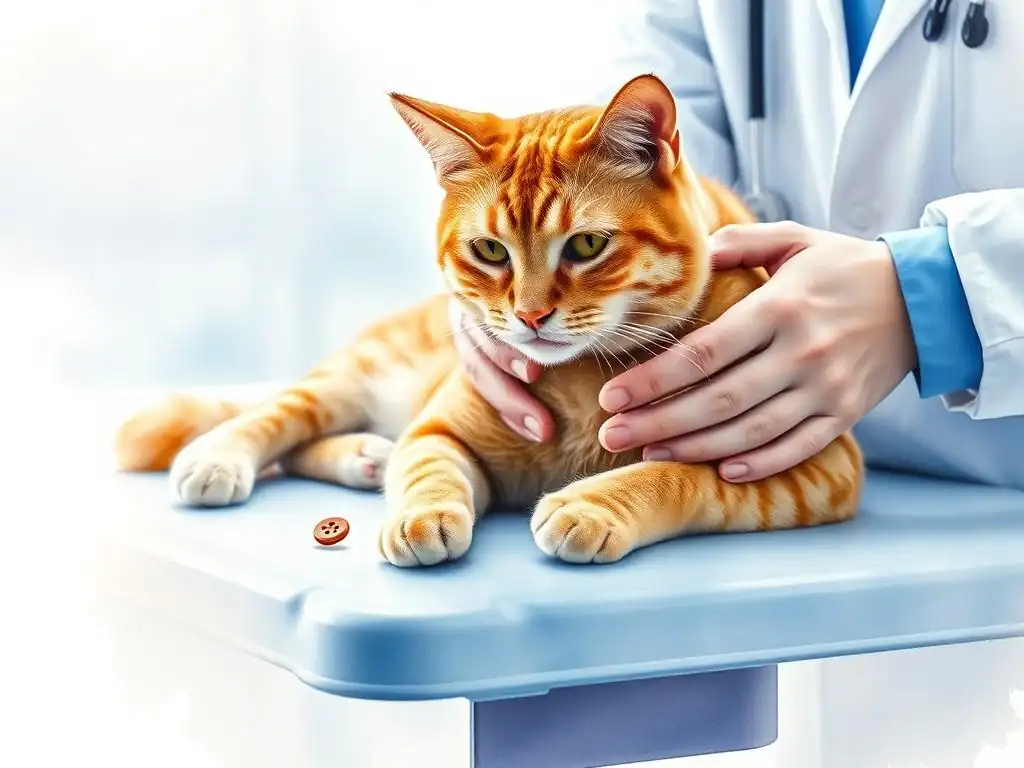
Ingestion of foreign objects by cats, a common occurrence sadly, often requires veterinary intervention. The severity of the situation and the type of object ingested dictate the necessary treatment. Prompt action is crucial to prevent serious complications, such as intestinal blockage, perforation, or peritonitis. This section details the various treatment options your veterinarian might consider if your cat has swallowed something. Remember, this information is for educational purposes only and should not replace professional veterinary advice. Always consult your veterinarian immediately if you suspect your cat has ingested a foreign object.
Diagnostic Procedures for Identifying Ingested Objects
Determining the exact location and nature of the ingested object is the first critical step. Your veterinarian will employ several diagnostic procedures to achieve this. These procedures help to assess the severity of the situation and guide treatment decisions. Failure to properly diagnose can lead to complications and ineffective treatment.
A thorough physical examination is the initial step. The vet will palpate your cat's abdomen to detect any abnormalities or masses. However, palpation alone is often insufficient to definitively identify the foreign object, especially if it's small or lodged deep within the gastrointestinal tract.
Radiography (X-rays) is a crucial diagnostic tool. Many foreign objects, especially those containing metal or dense material, are easily visible on X-rays. This allows the veterinarian to pinpoint the object's location and assess its size and shape. However, some objects, such as certain plastics or textiles, are radiolucent (not visible on X-rays) and require alternative imaging techniques.
Ultrasound may be necessary if X-rays are inconclusive. Ultrasound provides a detailed image of the soft tissues, enabling visualization of objects that are not readily apparent on X-rays. This is particularly useful for identifying objects made of materials that don't show up on X-rays. The ultrasound allows for a more precise assessment of the object's position and potential damage to surrounding tissues.
Other diagnostic tests, such as bloodwork, may be performed to evaluate your cat's overall health and assess any potential complications resulting from the ingestion. These tests help to determine if there is infection, dehydration, or other issues that need to be addressed. The results of these tests inform the choice of treatment and the prognosis.
Non-Surgical Treatment Options for Foreign Body Removal
In some cases, the foreign object can be removed without surgery. This is often possible if the object is relatively small, easily passable, and hasn't caused any significant obstruction or damage. However, the success of non-surgical treatment depends heavily on the specific circumstances and the object's characteristics. This approach is generally preferred due to its lower invasiveness and associated risks.
Dietary Management: Sometimes, a simple change in diet can help the object pass naturally. A bland, easily digestible diet can help to move the object through the digestive tract. The veterinarian might recommend a specific diet based on your cat's condition and the type of ingested object. This approach is usually only considered for small, non-toxic, and easily digestible objects.
Induced Vomiting: In certain situations, inducing vomiting might be an option. This is typically done using a medication administered by the veterinarian. However, this approach is not always suitable, and there are risks associated with inducing vomiting, especially if the object is sharp or has already moved beyond the stomach. The veterinarian will carefully assess the situation before considering this option. It is rarely used and is only appropriate within a very short window of time after ingestion.
Monitoring: Close monitoring is crucial regardless of the chosen treatment. Regular veterinary checkups are essential to track the object's progress and identify any potential complications early on. This includes regular palpation, potentially repeat radiography or ultrasound, and assessment of your cat's clinical signs. This attentive approach ensures timely intervention if necessary.
Surgical Intervention for Foreign Body Removal in Cats
Surgical intervention is often necessary when non-surgical methods are unsuccessful or inappropriate. This is typically the case when the object is large, sharp, lodged in a location that prevents natural passage, or has caused intestinal obstruction or perforation. Surgical removal is a more invasive procedure but is often vital to prevent serious complications and save your cat's life.
The surgical procedure involves making an incision in the abdomen to access the gastrointestinal tract. The veterinarian will carefully locate and remove the foreign object. The incision site will then be sutured closed. The specific surgical technique employed will depend on the object's location and the extent of any damage to the digestive tract.
Post-operative care is crucial for a successful outcome. This involves pain management, antibiotic therapy to prevent infection, and careful monitoring for complications. Your veterinarian will provide detailed instructions for post-operative care, including dietary restrictions and activity limitations. Regular check-ups will be necessary to ensure proper healing and identify any potential issues.
The recovery time varies depending on the complexity of the surgery and your cat's overall health. Careful monitoring and adherence to post-operative care instructions are essential for a positive outcome. The success rate of surgical intervention is generally high, but potential complications, such as infection or complications from anesthesia, must be considered.
Preventing Future Ingestion: Keeping Your Cat Safe

Preventing your cat from ingesting foreign objects requires a proactive approach to home safety and responsible pet ownership. A cat's natural curiosity, combined with their agile nature, means that they can easily access and swallow items that pose a significant health risk. Understanding your cat's behavior and taking preventative measures is crucial for their well-being. This section focuses on practical steps you can take to minimize the risk of future incidents. Remember, prevention is always better than cure when it comes to your feline friend's health.
Securing Hazardous Household Items from Your Cat
Cats are notorious for exploring their surroundings, often getting into trouble with items that seem insignificant to humans. Many common household items can be extremely dangerous if ingested. A systematic approach to securing your home is essential. This includes:
- Cleaning Supplies: Keep all cleaning products, including detergents, bleach, disinfectants, and drain cleaners, securely locked away in high cabinets or out-of-reach areas. The strong chemicals in these products can cause severe internal damage if ingested. Even small amounts can be lethal.
- Medications: Human and pet medications should be stored in childproof containers and placed in inaccessible locations. Even seemingly harmless over-the-counter drugs can be toxic to cats. Always keep prescription medications out of reach, ideally in a locked cabinet.
- Small Objects: Buttons, coins, beads, rubber bands, and other small items are a common cause of foreign body ingestion. Regularly check the floors and furniture for these hazards. Consider using child safety latches on drawers and cabinets to prevent access to these potentially dangerous items.
- Toxic Plants: Many common houseplants are toxic to cats. Research plants in your home and remove or relocate any that are poisonous. Lilies, for instance, are particularly dangerous and can cause severe kidney failure.
- Sharp Objects: Keep needles, pins, staples, and other sharp objects out of your cat's reach. Ingestion can lead to internal injuries and infections requiring immediate veterinary attention.
Providing Safe and Appropriate Toys for Your Cat
Providing safe and stimulating toys can redirect your cat's attention away from potentially hazardous objects. Interactive play sessions can help satisfy their natural hunting instincts and reduce their likelihood of exploring dangerous areas. When selecting toys, consider:
- Material: Opt for durable, non-toxic materials that won't easily break apart into smaller, ingestible pieces. Avoid toys with small parts that could be detached and swallowed.
- Size: Choose toys appropriately sized for your cat. Toys that are too small can be easily swallowed, while excessively large toys may present other hazards.
- Supervision: Always supervise your cat during playtime to ensure they are not attempting to ingest any parts of their toys.
- Variety: Offer a variety of toys to keep your cat engaged and prevent boredom, which can lead to destructive behavior. Rotate toys regularly to maintain their interest.
- Interactive Play: Engage your cat in interactive play sessions using wands, feather toys, or laser pointers. This can provide mental and physical stimulation, reducing the likelihood of them seeking out other objects to explore.
Supervising Your Cat's Play and Eating Habits
Careful observation of your cat's behavior is a crucial aspect of prevention. Regularly monitor your cat's play activities and eating habits. Pay attention to:
- Unusual Behavior: If your cat displays unusual behavior, such as excessive licking, vomiting, lethargy, or changes in appetite, consult your veterinarian immediately. These could be signs of a foreign body ingestion or another health problem.
- Eating Habits: Monitor your cat's eating habits closely. If you notice your cat is eating things they shouldn't, such as string, yarn, or plastic, you need to take steps to prevent this behavior.
- Environmental Factors: Regularly assess your home environment for potential hazards. Identify areas where your cat spends the most time and focus on securing these areas from potential dangers. This proactive approach can significantly reduce the risk of foreign object ingestion.
By implementing these preventative measures and remaining vigilant, you can significantly reduce the chances of your cat swallowing a foreign object and ensuring a safer, healthier life for your beloved pet. Remember, a proactive and attentive approach to cat care is the best way to prevent emergencies. 😻
Post-Ingestion Care: Monitoring Your Cat's Recovery
After your cat has received veterinary attention for a swallowed foreign object, the recovery phase is crucial. Careful monitoring and adherence to your veterinarian's instructions are paramount to ensuring a full and speedy recovery. The severity of the situation and the type of foreign object ingested will significantly impact the recovery period, which can range from a few days to several weeks. Even seemingly minor ingestions require vigilance. This section details the key aspects of post-ingestion care for your feline companion.
Monitoring for Signs of Complications
Even after successful removal of a foreign object, complications can arise. Diligent monitoring is essential to detect these issues early. Signs to watch for include:
- Persistent Vomiting or Diarrhea: While some mild gastrointestinal upset is expected, persistent or severe vomiting or diarrhea could indicate ongoing irritation or infection. Note the frequency, consistency, and color of the vomit and stool. Documenting this information is helpful for your veterinarian.
- Lethargy and Loss of Appetite: A significant decrease in activity level or refusal to eat can be a sign of pain, discomfort, or more serious complications. A cat that's usually playful and hungry suddenly becoming lethargic requires immediate veterinary attention.
- Abdominal Pain or Swelling: Gently palpate your cat's abdomen. Any signs of tenderness, rigidity, or swelling warrant immediate veterinary consultation. Avoid excessive pressure; focus on gentle assessment.
- Changes in Breathing or Behavior: Difficulty breathing, unusual vocalizations, or changes in behavior (e.g., increased aggression, hiding) could signify internal bleeding or other serious issues.
- Fever: A fever is a strong indicator of infection. Check your cat's temperature regularly using a rectal thermometer; consult your veterinarian for the normal range for cats. A slight elevation can be significant, so don't hesitate to contact them.
It is important to remember that some complications might not be immediately apparent. Regular monitoring and prompt veterinary attention are key to ensuring a successful outcome and preventing long-term health problems. Don't hesitate to contact your veterinarian if you have any concerns, no matter how small they seem. Early detection significantly improves the chances of a positive outcome. Early intervention is key to managing complications effectively.
Providing Proper Nutrition and Hydration
Maintaining proper nutrition and hydration is essential during your cat's recovery. The veterinarian may recommend a bland diet, such as boiled chicken and rice, for a few days to allow the digestive system to rest and heal. Avoid giving your cat rich or fatty foods, as these can worsen gastrointestinal upset. Always follow your veterinarian's specific dietary recommendations.
Dehydration can be a serious complication, especially if your cat has experienced vomiting or diarrhea. Encourage your cat to drink plenty of water. You may need to offer water more frequently, perhaps using a shallow dish or a fountain to entice them. If your cat is severely dehydrated, your veterinarian may recommend subcutaneous fluids.
Monitor your cat's food and water intake carefully. Record the amount consumed daily, noting any changes in appetite or thirst. This information will be valuable during follow-up veterinary visits. A gradual return to their normal diet should be implemented under veterinary guidance. Sudden changes can strain the digestive system.
Following Your Veterinarian's Instructions Carefully
The success of your cat's recovery hinges on meticulously following your veterinarian's instructions. This includes administering any prescribed medications, adhering to the recommended diet, and attending all scheduled follow-up appointments. These appointments are crucial for monitoring your cat's progress and addressing any concerns.
Don’t hesitate to ask your veterinarian any questions you may have. Understanding the treatment plan and potential complications is essential for providing optimal care. Keep detailed records of your cat's progress, including any observed symptoms, medication administration, and dietary changes. This information is invaluable for your veterinarian and will assist in ensuring the best possible outcome for your cat. Remember, proactive care and close communication with your veterinarian are key to a successful recovery from foreign object ingestion. Your diligent attention to detail is crucial in your cat's journey back to health.
Common Foreign Objects Ingested by Cats and Their Risks

Cats, with their inherent curiosity and playful nature, are prone to ingesting foreign objects. Understanding the common culprits and their potential risks is crucial for responsible pet ownership. This section details some of the most frequent objects cats swallow, categorizing them by risk level and outlining potential consequences. Recognizing these hazards empowers cat owners to proactively prevent ingestion and to act swiftly if an incident occurs. Remember, immediate veterinary attention is often necessary when a cat swallows a foreign object.
Toys and Small Objects: Potential Choking Hazards
Small toys, particularly those with detachable parts, pose significant dangers to cats. Think tiny plastic pieces from broken toys, small rubber balls, or even bits of string or yarn. These items can easily become lodged in the esophagus or trachea, leading to choking or respiratory distress. The severity depends on the size and shape of the object and where it becomes lodged. Smaller objects may pass through the digestive system relatively harmlessly, but larger items can cause a complete blockage, requiring immediate veterinary intervention.
Many toy-related ingestions are not immediately apparent. A cat might seem fine initially, but later exhibit symptoms like gagging, vomiting, labored breathing, or lethargy. These are warning signs that require immediate veterinary attention. Prevention is key: always supervise your cat during playtime, opt for durable, large toys that cannot be easily broken into small, swallowable parts, and regularly inspect toys for damage. Consider toys specifically designed for cats, made from robust, non-toxic materials.
Food Items: Potential for Blockages and Toxicity
While seemingly innocuous, certain food items can pose serious threats if ingested by cats. Bones (especially cooked bones which splinter easily), large pieces of raw meat, and hard candies can cause intestinal blockages. These blockages can lead to severe pain, vomiting, constipation, and potentially life-threatening complications. The size and shape of the ingested food item, as well as the cat's overall health, determine the severity of the blockage.
Beyond blockages, certain foods are toxic to cats. Chocolate, onions, garlic, grapes, and raisins are common culprits. Ingestion of these items can lead to a range of symptoms, from mild gastrointestinal upset to organ damage and even death. Even small amounts can be harmful.
Always keep these foods out of reach of your feline companion. A quick online search for "foods toxic to cats" can provide a comprehensive list of items to avoid. If you suspect your cat has ingested a toxic substance, contact your veterinarian or an animal poison control center immediately. Early intervention is vital in mitigating the effects of toxicity.
Household Items: Potential for Internal Damage
The home environment presents a surprisingly large number of potential hazards for curious cats. Small batteries, buttons, needles, and pieces of foil are just a few examples of everyday items that can cause significant internal damage if swallowed. Sharp objects can puncture or lacerate the digestive tract, while batteries can leak corrosive chemicals, causing severe burns and tissue damage. Even seemingly innocuous items like hair ties or rubber bands can wrap around internal organs, leading to strangulation or intestinal obstruction.
The consequences of ingesting household items can range from minor discomfort to life-threatening emergencies. Symptoms may include vomiting, diarrhea, lethargy, abdominal pain, and changes in appetite or bowel habits. Prevention is paramount here. Regularly check your home for potential hazards, storing dangerous items safely out of reach.
Secure loose threads or dangling objects, and be mindful of discarding sharp or small items properly. Maintaining a clean and safe environment is crucial for preventing accidental ingestion of potentially harmful household items. Remember, a proactive approach significantly reduces the risk of your cat swallowing a foreign object and facing a life-threatening emergency.
Frequently Asked Questions (FAQ) about Foreign Body Ingestion in Cats
This section addresses common concerns regarding cats who have ingested foreign objects. Understanding the signs, diagnosis, and prognosis is crucial for timely intervention and improved outcomes for your feline companion. Remember, this information is for educational purposes and should not replace professional veterinary advice. Always consult your veterinarian if you suspect your cat has swallowed something it shouldn't have.
What are the most common signs of foreign body ingestion?
Identifying that your cat has swallowed a foreign object can be challenging, as symptoms can vary greatly depending on the size, shape, and location of the object, as well as your cat's overall health. Some cats might show no immediate signs at all! However, several common indicators warrant immediate veterinary attention. These include:
- Vomiting: Repeated vomiting, especially if containing blood or undigested food, is a significant warning sign. The vomit might even contain pieces of the foreign object itself. 😿
- Loss of Appetite (Anorexia): A sudden and unexplained refusal to eat is a cause for concern. This can be due to discomfort or pain associated with the object's presence.
- Lethargy and Depression: A noticeable decrease in energy levels and a general lack of interest in their usual activities. A usually playful cat becoming subdued is a red flag.
- Constipation or Diarrhea: Changes in bowel habits, including difficulty defecating or experiencing diarrhea, can signal a problem.
- Excessive Drooling (Ptyalism): Increased salivation can indicate irritation or discomfort in the mouth or throat.
- Difficulty Swallowing (Dysphagia): Your cat may exhibit signs of struggling to swallow food or water.
- Abdominal Pain: Gentle palpation of the abdomen might reveal tenderness or pain. However, never force your cat to endure an examination if they are resisting.
- Respiratory Distress: In cases where the object is lodged in the airway, you may observe labored breathing, coughing, or wheezing. This is a life-threatening emergency requiring immediate veterinary care! 🚨
The severity of these signs can range from mild to severe, depending on the specific circumstances. Even seemingly minor symptoms should not be ignored. Early detection and veterinary intervention significantly improve the chances of a successful outcome.
How is a foreign body diagnosed in cats?
Diagnosing foreign body ingestion requires a thorough veterinary examination. Your veterinarian will likely begin by taking a detailed history of your cat's behavior and symptoms. They will then perform a physical examination, paying close attention to the abdomen and oral cavity.
Several diagnostic tools may be employed:
- Radiographs (X-rays): X-rays are invaluable for visualizing radiopaque objects (those that are visible on X-rays), such as metal or bone fragments. However, many common ingested objects, like plastic or certain types of fabric, are not visible on X-rays.
- Ultrasound: Ultrasound can detect soft tissue foreign bodies that are not visible on X-rays, providing a more comprehensive image of the abdominal cavity.
- Endoscopy: In some cases, an endoscope (a thin, flexible tube with a camera) may be used to visually examine the esophagus and stomach to locate and potentially remove the foreign object. This minimally invasive procedure is often preferred when the object is located in the upper gastrointestinal tract.
The choice of diagnostic method will depend on the suspected location and nature of the foreign body, as well as your cat's overall health. The veterinarian will discuss the most appropriate approach with you.
What is the prognosis for cats that ingest foreign objects?
The prognosis for cats that ingest foreign objects is highly variable and depends on several factors:
- Type of Foreign Body: The material, size, and shape of the object all play a role. Sharp objects pose a greater risk of perforation or obstruction than smooth, rounded objects.
- Location of Foreign Body: Objects lodged in the esophagus or upper gastrointestinal tract are generally easier to remove than those that have passed further down into the intestines.
- Time Since Ingestion: Early intervention is crucial. The longer the object remains in the digestive tract, the greater the risk of complications.
- Cat's Overall Health: Cats with underlying health conditions may have a more difficult time recovering.
In many cases, with prompt veterinary care, the prognosis is excellent. However, some cases can be life-threatening, particularly those involving objects that cause obstruction, perforation, or severe inflammation. The veterinarian will provide a more specific prognosis based on your cat's individual circumstances. Regular follow-up visits may be recommended to monitor for any potential complications. Remember, proactive care and immediate veterinary attention are key to a positive outcome for your cat.
Frequently Asked Questions
What should I do if I think my cat has swallowed a foreign object?
If you suspect your cat has swallowed something it shouldn't have, remain calm and contact your veterinarian immediately. Observe your cat for any signs of distress, such as vomiting, lethargy, or difficulty breathing.
My cat swallowed a small, non-toxic object. Should I still be concerned?
Even seemingly harmless objects can cause internal blockages or other problems. It's best to monitor your cat closely and contact your vet for advice, especially if you notice any changes in behavior or appetite.
What are the common signs that my cat has ingested a foreign object?
Signs can include vomiting, lethargy, loss of appetite, constipation, or straining to defecate. Changes in behavior like increased vocalization or hiding are also potential indicators.
My cat vomited after swallowing something. Does this mean the object is out?
While vomiting might seem positive, it doesn't guarantee the object has been expelled. X-rays are often needed to confirm the object's removal and rule out any complications. Contact your vet immediately.
How can I prevent my cat from swallowing foreign objects?
Secure hazardous items like small toys, buttons, and string. Supervise your cat closely, especially during playtime. Provide plenty of appropriate toys to keep them entertained and less likely to explore dangerous items.
Final Reflection: The Silent Struggle of a Curious Cat
The ingestion of foreign objects by cats remains a significant and often silent threat to their well-being, demanding immediate attention and informed action. A seemingly innocuous toy piece or a tempting morsel can quickly escalate into a life-threatening emergency, highlighting the crucial need for vigilant pet ownership and prompt veterinary care. This silent struggle affects countless cats annually, underscoring the importance of understanding the risks and knowing how to respond effectively.
The impact of foreign body ingestion extends beyond the immediate health crisis; it underscores the deep bond we share with our feline companions and the responsibility we bear for their safety. The worry, the frantic search for information, and the relief (or heartbreak) that follows are experiences shared by countless pet owners. The love for a pet is a pure love. It is the love that has no alley for pride or vanity.
This quote perfectly encapsulates the emotional weight of this issue, reminding us of the profound connection we have with our furry friends and the lengths we'll go to protect them.
You, as a responsible pet owner, now possess the knowledge to act decisively should your cat swallow a foreign object. Remember the signs, understand the risks, and don't hesitate to seek immediate veterinary attention. Take proactive steps: secure your home, supervise playtime, and educate yourself on potential hazards. By being informed and prepared, you can significantly reduce the risk and ensure the continued health and happiness of your beloved feline companion. Let's work together to protect our cats from the silent dangers lurking in their curious world.
Unlock Your Cat's Wellbeing: Next Steps After Ingesting Something Dangerous
Thank you for learning about what to do if your cat ingests a foreign object. We hope you found the information helpful! Now, let's put that knowledge into practice. Here's what you should do:
- Immediately contact your veterinarian or an emergency animal hospital. This is the most crucial step to ensure your cat's safety and well-being. Prompt action is vital.
- Share this article with other cat owners. Help spread awareness about the dangers of cats ingesting foreign objects and empower others to act quickly.
- Prepare a pet first-aid kit with essential supplies for future emergencies. This proactive approach will provide you with confidence and peace of mind.
Have you ever faced a similar situation with your cat? Share your experiences and advice in the comments below – your insights could help other pet owners!