
Humidity Control in Bioactive Reptile Terrariums: Key to Success

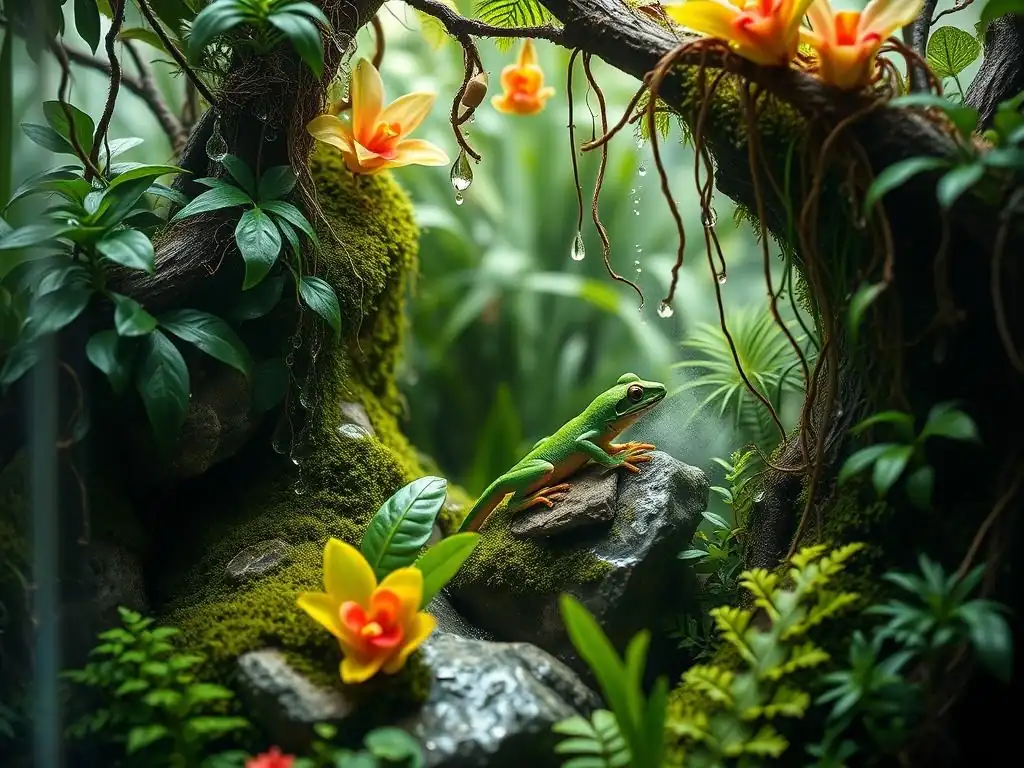
Welcome to PetCareWorld, your ultimate guide to a happier, healthier life for your beloved companions! Are you ready to unlock the secrets to thriving reptile ownership? Then delve into our expert advice on Bioactive terrarium humidity control, the key to creating a flourishing habitat for your scaly friend. Discover the essential techniques and insights that will transform your terrarium from a simple enclosure into a thriving ecosystem. Learn how precise humidity management can significantly impact your reptile's health and well-being – read on to discover more!
- Understanding Humidity Needs in Bioactive Terrariums
- Measuring and Monitoring Humidity in Your Bioactive Terrarium
- Achieving and Maintaining Ideal Humidity in Bioactive Terrariums
- Troubleshooting Common Humidity Problems in Bioactive Terrariums
- Advanced Techniques for Bioactive Terrarium Humidity Control
- Case Study: Successful Humidity Management in a Leopard Gecko Bioactive Terrarium
- Frequently Asked Questions
- Final Reflection: The Breath of Life: Maintaining Balance in Bioactive Terrariums
- Unlock Your Reptile's Potential: Master Humidity Control Now!
Understanding Humidity Needs in Bioactive Terrariums
Maintaining the correct humidity levels within a bioactive terrarium is paramount to the health and longevity of your reptile companion. A bioactive terrarium, unlike a traditional setup, mimics a natural ecosystem, relying on living components like plants and beneficial microorganisms to maintain a balanced environment. This complex interplay of living organisms makes precise humidity control even more critical.
Fluctuations in humidity can directly impact your reptile's respiratory system, skin health, shedding process, and overall well-being. This article will delve into the specifics of humidity control in bioactive reptile terrariums, providing you with the knowledge and tools to create a thriving and healthy habitat for your scaled friend. We'll explore how to identify the ideal humidity range for your specific reptile species, understand the crucial role humidity plays in their health, and learn how to recognize and correct improper humidity levels in your bioactive setup.
Mastering bioactive terrarium humidity control is key to successfully keeping reptiles in a thriving, naturalistic environment. Let's get started!
Reptile Species and Humidity Requirements: Matching Habitat to Needs
Different reptile species have vastly different humidity needs, reflecting their natural habitats. Failing to provide the correct humidity can lead to severe health problems. For example, a species originating from a tropical rainforest requires significantly higher humidity than a desert-dwelling reptile. Understanding your reptile's specific needs is the first crucial step in maintaining a healthy bioactive terrarium. This requires careful research specific to your reptile's species.
Consider the following table as a starting point, but always consult reputable sources for species-specific requirements:
| Reptile Species | Ideal Humidity Range (%) | Notes |
|---|---|---|
| Leopard Gecko | 30-40 | Can tolerate slightly lower humidity, but needs appropriate substrate. |
| Crested Gecko | 60-80 | Requires consistently high humidity. |
| Green Tree Frog | 70-90 | Needs very high humidity and excellent ventilation to prevent mold growth. |
| Bearded Dragon | 30-50 | Lower humidity is generally preferred, but can vary with age and activity. |
| [Specific species pending] | [Humidity range pending] | Always consult species-specific care sheets for accurate information. |
It's crucial to remember that these are general guidelines. The precise humidity requirements for your reptile can also vary depending on factors such as age, health, and the overall environmental conditions within the terrarium.
The Role of Humidity in Reptile Health and Well-being
Maintaining the correct humidity plays a vital role in numerous aspects of your reptile's health:
- Shedding: Appropriate humidity is essential for successful shedding. Insufficient humidity can lead to difficult shedding, resulting in stuck sheds that can cause infections and other health issues. Too high humidity can lead to retained sheds as well. Finding the right balance is crucial.
- Respiratory Health: Humidity levels directly affect the respiratory system. Too dry an environment can irritate the respiratory tract, while overly humid conditions can promote bacterial or fungal growth, leading to respiratory infections.
- Skin Health: Reptiles rely on their skin for hydration and temperature regulation. Improper humidity can lead to dry, cracked skin, making them susceptible to infections and dehydration.
- Overall Well-being: A comfortable humidity level contributes to your reptile's overall comfort and stress levels. A stressed reptile is more prone to illness and may exhibit undesirable behaviors. Maintaining optimal humidity is a key component of preventative care.
Identifying Signs of Improper Humidity Levels in Your Bioactive Setup
Recognizing the signs of improper humidity is crucial for taking corrective action. Here are some key indicators to watch out for:
- Difficulty Shedding: If your reptile is struggling to shed its skin, this is a strong indication of either too low or too high humidity. Stuck sheds are a major cause for concern.
- Respiratory Issues: Wheezing, gasping for air, or excessive mucus production can signal respiratory problems often linked to inappropriate humidity levels.
- Dry or Cracked Skin: Dry, flaky, or cracked skin is a clear sign of insufficient humidity. This can make your reptile vulnerable to infections.
- Lethargy and Weakness: A reptile that seems lethargic, weak, or less active than usual may be suffering from the effects of improper humidity.
- Mold or Mildew Growth: Excessive humidity can lead to the growth of mold or mildew within the terrarium, posing a serious health risk to your reptile. This is particularly important in bioactive setups with live plants.
By carefully monitoring these signs and adjusting humidity accordingly, you can ensure a healthy and thriving environment for your reptile. Remember to always consult with a veterinarian specializing in reptiles if you have any concerns about your pet's health.
Measuring and Monitoring Humidity in Your Bioactive Terrarium
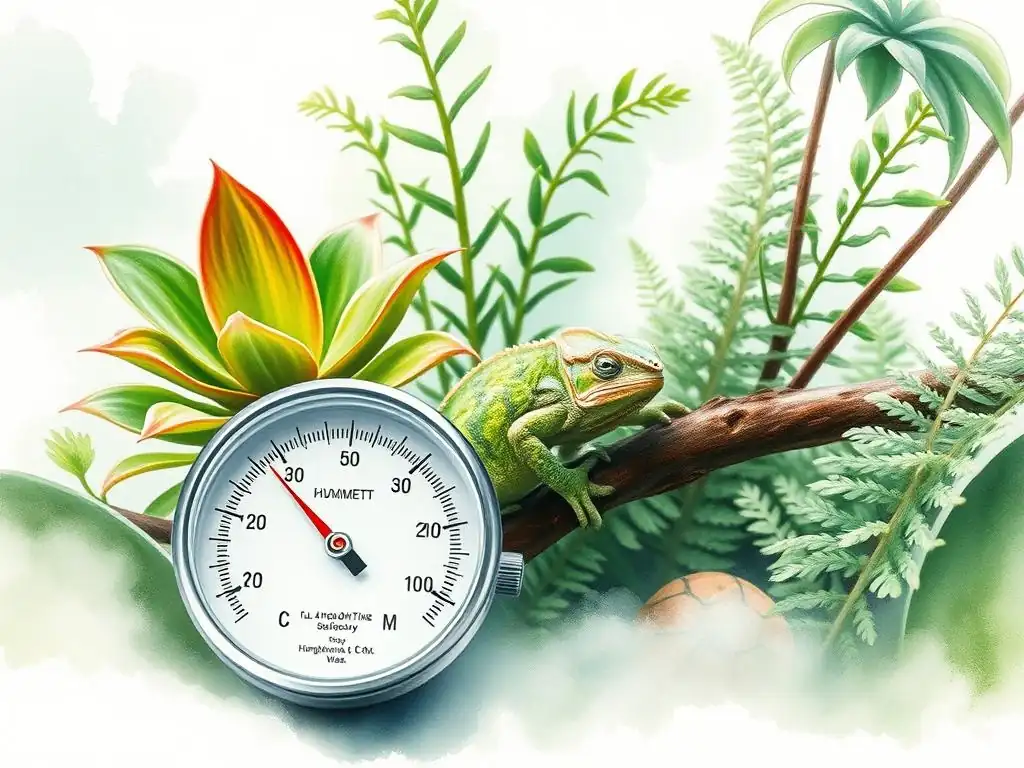
Maintaining the correct humidity levels is crucial for the health and well-being of your reptile in a bioactive terrarium. Accurate measurement and consistent monitoring are key to achieving and sustaining the ideal humidity range for your specific species. Neglecting this aspect can lead to serious health problems, including respiratory infections, dehydration, and shedding difficulties. This section details the essential tools and techniques for successful bioactive terrarium humidity control.
Essential Tools for Accurate Humidity Measurement
Accurate humidity measurement is the cornerstone of successful bioactive terrarium management. Relying on guesswork or inaccurate instruments can have detrimental effects on your reptile's health. Therefore, investing in high-quality tools is essential. The most crucial tool is a reliable hygrometer. There are two main types:
- Analog Hygrometers: These use a mechanical mechanism to measure humidity. They are generally less expensive but can be less accurate and prone to drift over time. Regular calibration is necessary.
- Digital Hygrometers: These use electronic sensors for greater precision. Many digital models offer additional features like temperature readings and data logging, providing a more comprehensive view of your terrarium's environment. Look for models with a large, easy-to-read display.
Beyond the hygrometer, consider these supplementary tools for optimized humidity control in your bioactive terrarium:
- Thermometer: Temperature and humidity are intrinsically linked. Monitoring both ensures a complete understanding of your terrarium's microclimate.
- Humidity Gauge: This tool provides a visual representation of humidity levels, often with color-coded indicators to quickly identify if levels are too high or low.
It's important to place your hygrometer and thermometer in the most representative location within the terrarium. Avoid placing them directly on the substrate or near heat sources, as this could skew the readings. Ideally, position the instruments at the approximate height where your reptile spends most of its time. Regular calibration using a salt solution method is recommended for the highest accuracy.
Interpreting Hygrometer Readings and Maintaining Optimal Levels
Once you have accurate humidity readings, understanding what they mean is crucial. Every reptile species has specific humidity requirements. Research your reptile's needs thoroughly before setting up your bioactive terrarium. For example, a leopard gecko requires much lower humidity than a green tree frog.
The ideal humidity range will typically be expressed as a percentage. Maintaining this percentage is vital. If the readings consistently fall outside the recommended range, you'll need to make adjustments. This might involve:
- Increasing humidity: You can increase humidity using methods such as misting, adding more substrate moisture, or employing a fogger. Regular misting is often sufficient for maintaining appropriate levels, especially in smaller terrariums. The frequency of misting will depend on factors like the size of the terrarium, ventilation, and substrate type.
- Decreasing humidity: To reduce humidity, improve ventilation by increasing airflow. This might involve adjusting vents or adding a fan. Ensure the substrate isn't overly saturated. Excessive substrate moisture is a common cause of high humidity.
Remember, sudden and drastic changes in humidity can stress your reptile. Make adjustments gradually to allow your reptile time to adapt.
Regular Monitoring and Adjustment: A Proactive Approach
Consistent monitoring is paramount. Take readings at least once daily, preferably twice, to catch any fluctuations early. Keep a detailed log of your readings, noting any adjustments made and the resulting changes in humidity. This data will help you understand the dynamics of your terrarium's microclimate and fine-tune your humidity control strategy over time.
Consider these additional proactive measures:
- Substrate choice: The type of substrate you use significantly impacts humidity levels. Some substrates retain moisture better than others. Choose a substrate appropriate for your reptile's needs and the desired humidity levels.
- Ventilation: Proper ventilation is crucial for maintaining optimal humidity and preventing mold and mildew growth. Insufficient ventilation can lead to excessively high humidity levels.
- Plant selection: The plants you choose for your bioactive terrarium can also affect humidity. Certain plants release moisture into the environment, contributing to overall humidity levels.
By implementing these strategies and maintaining a vigilant monitoring schedule, you significantly improve the chances of maintaining the ideal humidity levels for your reptile, promoting their health and longevity within their bioactive terrarium. Remember, consistent effort and attention to detail are key to successful bioactive terrarium humidity control.
Achieving and Maintaining Ideal Humidity in Bioactive Terrariums
Maintaining the correct humidity levels is paramount for the health and well-being of reptiles housed in bioactive terrariums. Incorrect humidity can lead to a range of problems, from respiratory infections and dehydration to shedding difficulties and even death. Successfully managing humidity within a bioactive setup requires a multifaceted approach, encompassing substrate selection, ventilation management, and the strategic use of misting systems.
This section will delve into the key components of achieving and maintaining the ideal humidity range specific to your reptile species. Remember that each species has unique humidity requirements; consult reputable sources for the specific needs of your reptile. Careful monitoring using a reliable hygrometer is crucial for successful bioactive terrarium humidity control.
Substrate Selection for Humidity Regulation
The substrate you choose plays a vital role in regulating humidity within your bioactive terrarium. Different substrates hold moisture to varying degrees. For instance, a coco coir substrate, a popular choice, retains moisture effectively and provides a suitable environment for beneficial bacteria and microfauna. Conversely, substrates like sand or reptile carpet are far less effective at retaining humidity, potentially leading to a dry environment unsuitable for many species. The moisture retention capabilities of your substrate directly impact your ability to maintain the desired humidity levels, and you might need to adjust your misting schedule accordingly.
Consider these factors when choosing your substrate:
- Moisture Retention: Coco coir, sphagnum moss, and peat moss are known for their high moisture retention capabilities.
- Drainage: Good drainage is essential to prevent waterlogging, which can lead to harmful bacterial growth and root rot in plants. A layer of drainage material, such as gravel or lava rock, should be placed at the bottom of the terrarium.
- Particle Size: The size of the substrate particles can affect moisture retention and drainage. Finer particles generally retain more moisture.
- Species Specific Needs: The optimal substrate will vary depending on the species of reptile housed in the terrarium. Research the specific humidity requirements of your reptile before selecting a substrate.
For example, a bioactive terrarium for a dart frog might utilize a deep layer of coco coir and sphagnum moss to maintain high humidity, whereas a terrarium for a desert-dwelling reptile might require a more arid substrate like a well-drained sand mix.
The Importance of Proper Ventilation in Bioactive Terrariums
While humidity is crucial, proper ventilation is equally important in maintaining a healthy bioactive terrarium environment. Insufficient ventilation can lead to stagnant air, promoting the growth of harmful bacteria and mold, and increasing the risk of respiratory problems for your reptile. Conversely, excessive ventilation can lead to rapid moisture loss, making it difficult to maintain the necessary humidity levels.
Finding the right balance is key. Proper ventilation should facilitate air circulation without causing excessive drying. This can be achieved through the use of appropriately sized vents, strategically placed in the terrarium's design. The number and size of these vents will depend on factors like the terrarium's size, the species of reptile, and the ambient humidity of the room.
Consider these aspects of ventilation:
- Top Vents: These allow for the escape of warm, humid air rising from the substrate.
- Side Vents: These promote air circulation within the terrarium.
- Mesh Screens: These offer a degree of ventilation while preventing escape.
- Adjustability: It is important to have some means of adjusting ventilation, such as adjustable vents or removable mesh panels, to fine-tune the airflow as needed.
Maintaining the correct balance between humidity and ventilation requires consistent monitoring and adjustments. Regularly checking your hygrometer readings and observing your reptile's behavior will help you determine if adjustments are needed.
Utilizing Misting Systems for Humidity Control
Misting systems are an effective tool for increasing and maintaining humidity in bioactive terrariums. These systems can range from simple hand-held spray bottles to automated misting systems that provide a controlled and consistent misting schedule. The choice of misting system will depend on factors such as the size of the terrarium, the desired humidity level, and the time commitment you are willing to dedicate to maintaining the terrarium.
Automated misting systems offer greater consistency and convenience. These systems typically use a timer to control the frequency and duration of misting. However, they require an initial investment and may require some maintenance. Manual misting with a spray bottle offers more control on a smaller scale and is a good option for smaller terrariums or those with less demanding humidity requirements. Remember that misting is just one part of the humidity control process; it's crucial to combine it with appropriate substrate and ventilation management.
Consider these points when using a misting system:
- Frequency: The frequency of misting will depend on the substrate's moisture retention capabilities, the ventilation rate, and the ambient humidity.
- Duration: Misting for too long can lead to waterlogging, while misting for too short a time may not be effective.
- Water Quality: Use filtered or distilled water to avoid mineral buildup and potential harm to your plants and reptile.
- System Maintenance: Regular cleaning and maintenance of your misting system are important to prevent clogs and ensure proper functionality.
The successful management of humidity in a bioactive terrarium is a dynamic process requiring ongoing observation and adjustment. By carefully selecting your substrate, implementing proper ventilation, and utilizing misting systems appropriately, you can create a thriving and healthy environment for your reptile. Remember to always prioritize the specific needs of your reptile species and monitor your terrarium regularly using a reliable hygrometer.
Employing Water Features to Increase Humidity
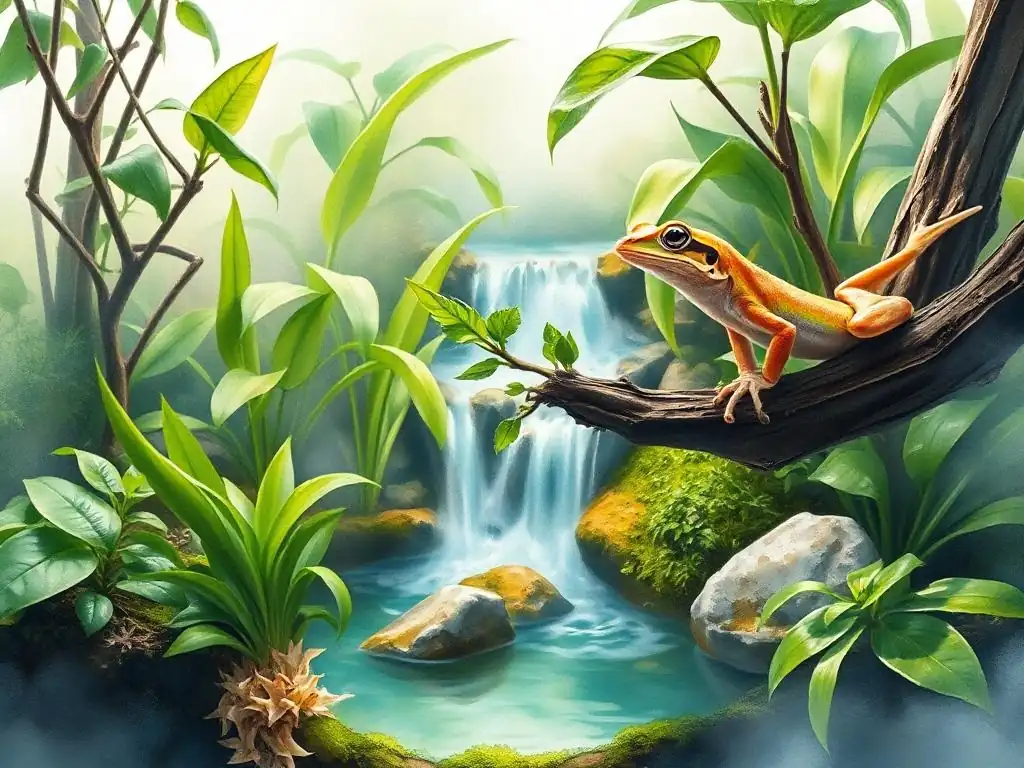
Water features are a cornerstone of successful bioactive terrarium humidity control. They not only boost humidity levels but also add a visually appealing and enriching element to your reptile's habitat. The size and type of water feature you choose will depend on the size of your terrarium and the humidity requirements of your reptile. Smaller terrariums might benefit from a shallow water dish, perhaps with a smooth, sloping edge to prevent your reptile from accidentally drowning.
Larger enclosures can accommodate more elaborate features, such as a small waterfall or a pond with a submerged pump. These more complex systems offer a greater capacity for evaporative water loss, leading to higher and more stable humidity levels. Remember to use purified or dechlorinated water to prevent the build-up of harmful chemicals. Regular cleaning is also crucial to prevent the growth of bacteria and algae, which can negatively impact your reptile's health and the overall ecosystem of the bioactive terrarium.
For example, a bioactive terrarium housing a dart frog might benefit from a small, constantly circulating waterfall, mimicking the humid environment of their natural habitat. Regular monitoring of water levels and the addition of fresh water is essential to keep the water feature functioning optimally and maintaining consistent humidity. Failing to do so could lead to fluctuations in humidity, negatively affecting the health and wellbeing of your reptile and the delicate balance of the bioactive ecosystem.
Choosing the Right Plants for Humidity Regulation
Plant selection plays a vital role in bioactive terrarium humidity control. Certain plants are much more effective at increasing and maintaining humidity than others. Species with large, broad leaves, such as certain bromeliads or pothos, exhibit higher rates of transpiration, releasing moisture into the air through their leaves. This natural process helps to increase humidity levels within the terrarium.
Furthermore, the dense foliage of these plants helps to trap moisture, creating a more humid microclimate. Consider the size of your terrarium when selecting plants; overcrowding can lead to problems with ventilation and potentially fungal growth. Conversely, too few plants may not significantly impact humidity levels. Researching the specific humidity requirements of the plants you choose is also important to ensure their survival within your terrarium's environment.
For instance, a Fittonia albivenis (nerve plant), known for its high transpiration rate, is an excellent choice for increasing humidity in a smaller terrarium. In contrast, a larger terrarium might benefit from a combination of various plants, including those with different transpiration rates and leaf structures, to create a more balanced and stable humid environment. Remember, the plants themselves also require proper care, including sufficient light and appropriate substrate, to thrive and contribute effectively to humidity regulation within the bioactive terrarium. Neglecting plant care can lead to plant death, reducing their humidity-regulating capabilities and potentially disrupting the overall ecosystem balance.
Troubleshooting Common Humidity Problems in Bioactive Terrariums
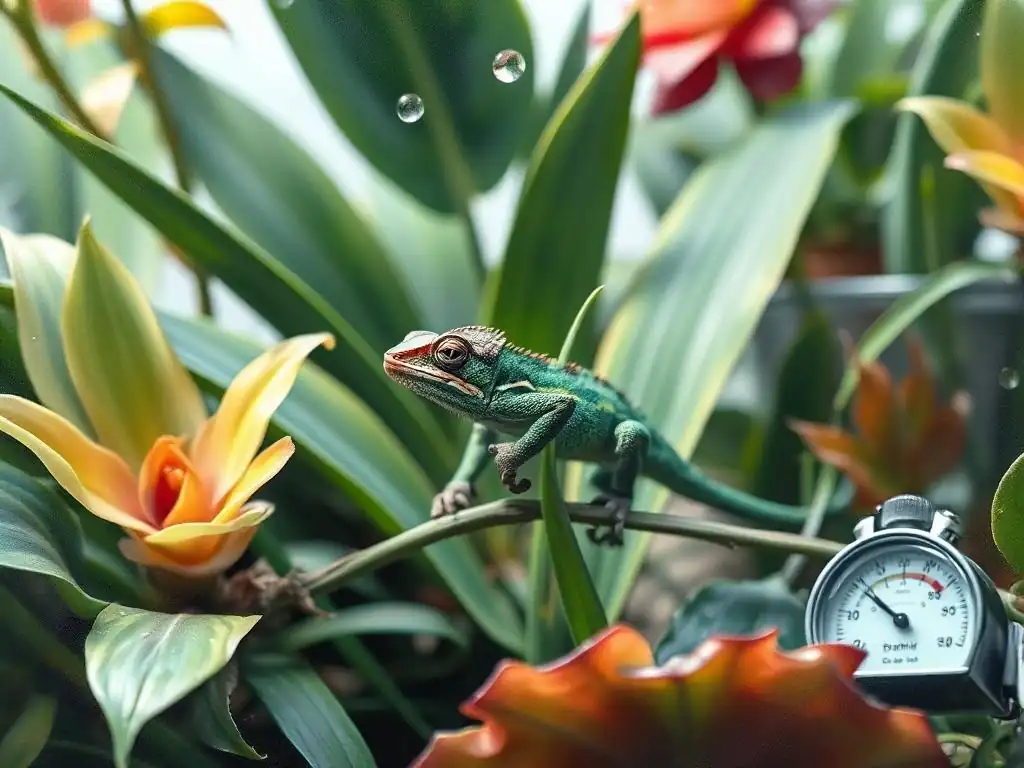
Maintaining the correct humidity levels in a bioactive terrarium is crucial for the health and well-being of your reptile. Fluctuations can lead to serious health problems, including respiratory infections, skin issues, and even death. Understanding how to troubleshoot common humidity problems is a vital skill for any bioactive terrarium keeper. This section focuses on practical solutions for both excessively high and low humidity scenarios, as well as preventative measures against mold and mildew. Effective bioactive terrarium humidity control requires vigilance and proactive management.
Dealing with Excessively High Humidity Levels
High humidity, while sometimes necessary for certain species, can quickly become detrimental. Excess moisture encourages the growth of harmful bacteria and fungi, leading to respiratory problems in your reptile and potentially compromising the delicate balance of your bioactive ecosystem. Several factors contribute to excessively high humidity:
- Overwatering: This is the most common culprit. Overzealous misting or excessive substrate watering can saturate the environment. Observe your substrate carefully; it should be damp, not soggy. Allow the top layer to dry slightly between waterings.
- Poor Ventilation: Inadequate ventilation prevents air circulation, trapping moisture and leading to a humid microclimate. Ensure your terrarium has sufficient ventilation holes or a fan system, especially in smaller enclosures.
- Incorrect Substrate: Some substrates retain more moisture than others. If you're experiencing consistently high humidity, consider switching to a more well-draining substrate, such as a mix of coco coir and orchid bark.
- Large Water Features: While a water feature is beneficial for a bioactive setup, an excessively large or poorly designed one can contribute to high humidity. Ensure the water feature is appropriately sized for your terrarium and that any overflow is properly managed.
To address high humidity, take the following steps:
- Reduce watering frequency: Allow the substrate to dry out more between waterings. Monitor the humidity levels closely using a reliable hygrometer.
- Improve ventilation: Increase airflow by adding more ventilation holes or using a small fan. Avoid direct airflow onto your reptile.
- Adjust substrate: If your current substrate is too moisture-retentive, consider switching to a more well-draining option.
- Reduce water feature size (if applicable): If you have a water feature, consider reducing its size or ensuring proper drainage.
- Increase air circulation: Strategically place plants to help absorb excess moisture. Certain plants, like Tillandsia (air plants), thrive in humid environments and can help regulate moisture levels.
Addressing Low Humidity Issues in Your Bioactive Setup
Conversely, low humidity can also be harmful to your reptile, leading to dehydration and skin problems. Several factors can contribute to low humidity levels:
- Insufficient Watering: The most obvious cause is inadequate watering of the substrate. Remember that the humidity level should be consistent, not just spiked by infrequent misting. Regular, gentle misting combined with substrate watering is usually necessary.
- Excessive Ventilation: Too much ventilation can lead to rapid evaporation, resulting in low humidity. Balance is key; you need sufficient ventilation to prevent mold, but not so much that it dries out the environment.
- High Temperatures: Higher temperatures generally lead to lower humidity. Ensure that your terrarium's temperature is appropriately regulated for your reptile's species.
- Dry Substrate: Using a very well-draining substrate can contribute to low humidity. The substrate should retain some moisture, but not become waterlogged.
To increase humidity, try the following:
- Increase watering frequency: Mist the terrarium regularly and ensure the substrate is consistently moist (not soaking wet).
- Reduce ventilation: If you have excessive ventilation, consider reducing the number of holes or the fan's power.
- Use a humidifier: A small humidifier can help maintain consistent humidity levels. Avoid placing it directly on the substrate; instead, place it near the terrarium.
- Choose a more moisture-retentive substrate: If your substrate is overly draining, consider adding more coco coir or peat moss to increase moisture retention.
- Monitor temperature: Ensure the temperature is appropriate for your reptile and doesn't contribute to excessive evaporation.
Preventing Mold and Mildew Growth in High-Humidity Environments
Mold and mildew thrive in damp environments, posing a significant health risk to your reptile. Preventing their growth is essential for maintaining a healthy bioactive terrarium. Here are some key strategies:
- Proper Ventilation: Good airflow is crucial for preventing mold and mildew. Ensure your terrarium has adequate ventilation to prevent moisture from accumulating.
- Substrate Choice: Choose a substrate that drains well and doesn't retain excessive moisture. Avoid using substrates prone to mold growth.
- Regular Cleaning: Regularly remove any decaying plant matter or uneaten food. This will prevent mold and mildew from developing.
- UVB Lighting: UVB lighting helps to inhibit mold and mildew growth. Ensure your terrarium has a proper UVB light source.
- Monitor Humidity: Keep a close eye on humidity levels. Maintaining appropriate humidity is crucial in preventing mold and mildew growth. A digital hygrometer is highly recommended.
Remember, proactive maintenance is key. Regular observation, careful watering, and appropriate ventilation are crucial for preventing mold and mildew and maintaining a healthy environment for your reptile. Addressing these aspects of bioactive terrarium humidity control proactively will lead to a thriving ecosystem and a happy, healthy reptile.
Advanced Techniques for Bioactive Terrarium Humidity Control
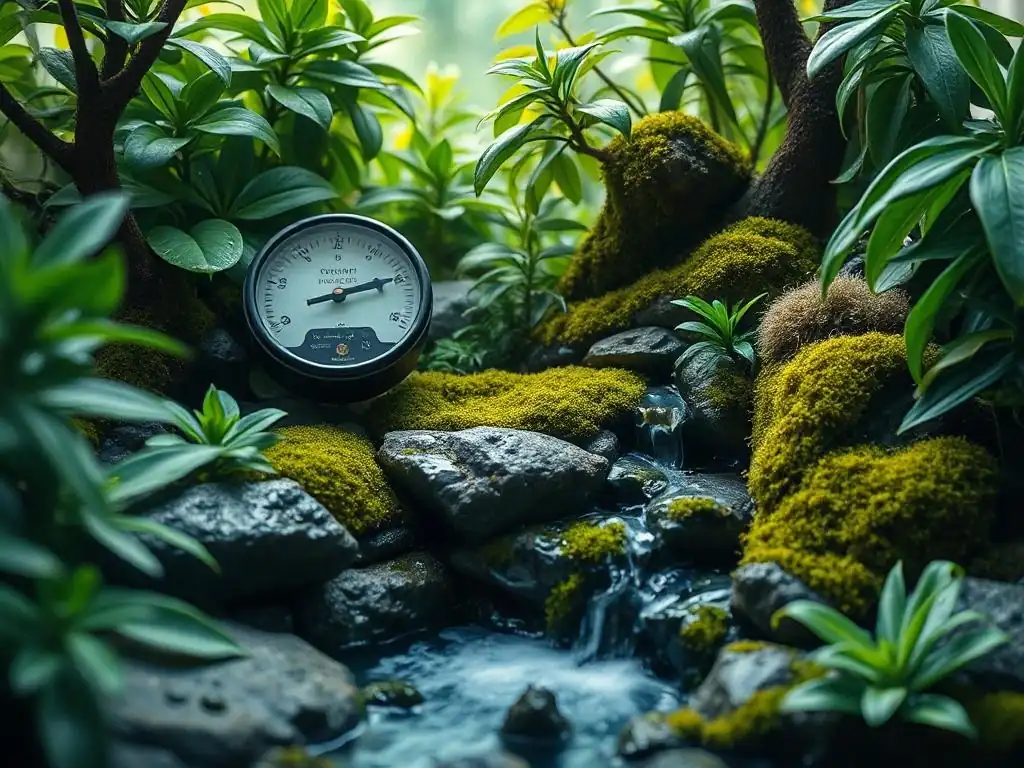
This section delves into sophisticated methods for maintaining optimal humidity levels within your bioactive reptile terrarium, going beyond the basics of misting and substrate selection. Precise humidity control is crucial for the health and well-being of your reptile and the thriving ecosystem within the terrarium. Improper humidity can lead to respiratory infections, shedding problems, and even death in reptiles. Achieving and maintaining the correct humidity requires diligence and sometimes, advanced techniques. This section focuses on those advanced methods, enabling you to create a truly flourishing bioactive environment.
Utilizing Automated Humidity Control Systems
Automated systems offer a significant advantage in maintaining consistent humidity levels, particularly for busy pet owners or those keeping reptiles with very specific humidity needs. These systems eliminate the need for constant manual monitoring and adjustments, reducing the risk of fluctuations. Several systems are available, ranging from simple humidifiers with hygrostat controls to more complex, programmable units.
The most basic automated systems involve a standard humidifier paired with a hygrostat. The hygrostat senses the humidity levels within the terrarium and activates the humidifier when the levels drop below a pre-set threshold. This provides a degree of automation, but it's still a relatively simple approach. More sophisticated systems can incorporate features like:
- Programmable settings: Allowing you to schedule humidity levels to fluctuate throughout the day, mimicking natural environmental changes. This is particularly beneficial for species that experience varying humidity in their natural habitats.
- Multiple sensors: Providing a more accurate reading of humidity across the terrarium, ensuring consistent conditions throughout the enclosure.
- Integration with other smart home devices: Some advanced systems allow for remote monitoring and control via smartphone apps, providing ultimate convenience.
Choosing the right automated system depends on your terrarium's size, the specific humidity requirements of your reptile, and your budget. Researching different models and reading reviews is crucial to making an informed decision. Remember to always select a system appropriate for the size of your terrarium to avoid over-humidification or under-humidification.
Creating Microclimates Within Your Bioactive Terrarium
Reptiles often prefer different humidity levels within their enclosures. Creating microclimates allows you to cater to these preferences, providing areas of higher and lower humidity within the same terrarium. This is especially relevant for larger terrariums or those housing multiple reptiles with different humidity needs.
One effective method involves utilizing different substrate types. For instance, a section of the terrarium can use a substrate that retains more moisture (like sphagnum moss), while another section utilizes a drier substrate (like coconut fiber). The placement of water features, such as waterfalls or shallow pools, can also influence humidity gradients. Strategic placement of plants, particularly those with high transpiration rates, can also contribute to localized humidity increases.
Consider the following points when creating microclimates:
- Substrate selection: Research substrates that retain moisture differently to create varying humidity zones.
- Water feature placement: Position water features to influence humidity gradients.
- Plant placement: Choose plants strategically to affect localized humidity.
- Temperature gradients: Remember that temperature and humidity are interconnected; temperature gradients will also influence local humidity levels.
Implementing a Monitoring and Adjustment Schedule for Long-Term Success
Maintaining optimal humidity in a bioactive terrarium is an ongoing process. Regular monitoring and adjustments are essential for long-term success. A consistent schedule ensures that you proactively address any fluctuations before they negatively impact your reptile or the terrarium's ecosystem.
A comprehensive monitoring and adjustment schedule should include:
| Day | Task | Frequency | Notes |
|---|---|---|---|
| Daily | Visual inspection of substrate moisture | Daily | Observe for dryness or excessive dampness. |
| Daily | Check humidity levels using a hygrometer | Daily | Record readings to track trends. |
| Weekly | Adjust misting schedule as needed | Weekly | Modify based on humidity readings and substrate moisture levels. |
| Bi-weekly | Top up water features as needed | Bi-weekly | Maintain adequate water levels in waterfalls and pools. |
| Monthly | Thoroughly inspect and clean terrarium | Monthly | Remove debris, dead plants, and excess moisture to prevent mold growth. |
| Quarterly | Replace or replenish substrate as necessary | Quarterly | Prevent substrate compaction and maintain its moisture-retaining ability. |
This schedule provides a framework; you may need to adjust it based on your specific terrarium setup, reptile species, and environmental conditions. Remember, meticulous monitoring and proactive adjustments are key to creating and maintaining a thriving bioactive terrarium environment with optimal humidity levels for your reptile's well-being. Consistent monitoring and careful adjustment of your bioactive terrarium’s humidity is crucial for the long-term health of your reptile and the overall success of your bioactive ecosystem.
Case Study: Successful Humidity Management in a Leopard Gecko Bioactive Terrarium
This case study details the successful implementation of humidity control strategies within a bioactive leopard gecko terrarium, highlighting the challenges encountered and the long-term maintenance required for optimal reptile health and thriving ecosystem. Understanding and maintaining appropriate humidity levels is crucial for the well-being of leopard geckos and the overall success of a bioactive terrarium. This example showcases practical application of bioactive terrarium humidity control techniques.
Initial Setup and Challenges Encountered
The terrarium, measuring 24" x 18" x 12", was initially set up with a substrate mix of topsoil, coco coir, and sand, intended to support a thriving bioactive ecosystem. A shallow water dish was provided, along with live plants (specifically Sansevieria trifasciata, known for its tolerance to low humidity) and a hiding cave. The initial humidity levels, monitored using a digital hygrometer, fluctuated wildly, ranging from 25% to 55% RH (relative humidity) throughout the day, falling significantly below the ideal range of 30-40% for leopard geckos. This instability presented several challenges:
- Shedding Difficulties: The low humidity hindered the leopard gecko's ability to shed its skin properly, leading to retained scutes and potential infections.
- Respiratory Issues: Fluctuating humidity increased the risk of respiratory problems, a common ailment in reptiles kept in inappropriate environmental conditions.
- Substrate Drying: The substrate dried out quickly, impacting the health of the beneficial microfauna crucial for a bioactive environment. The lack of consistent moisture hindered the decomposition process and the overall balance of the ecosystem.
This initial experience highlighted the critical need for a more robust and reliable humidity control system within the bioactive terrarium. The lack of consistent moisture control was a major impediment to establishing a healthy and stable environment.
Implementing Humidity Control Strategies
To address the humidity fluctuations, several strategies were implemented:
- Substrate Adjustment: The substrate mix was modified by increasing the proportion of coco coir, which retains moisture more effectively than topsoil and sand. This change alone significantly improved the substrate's ability to hold moisture, promoting a more stable humidity level.
- Regular Misting: A fine misting spray bottle was used to lightly mist the substrate and plants twice daily, ensuring even moisture distribution. This provided a short-term boost to humidity levels and kept the substrate consistently moist.
- Improved Ventilation: While crucial for preventing mold and mildew, excessive ventilation can lead to rapid moisture loss. The terrarium's ventilation was carefully adjusted, reducing airflow while still maintaining adequate gas exchange. This delicate balance is key to maintaining humidity while avoiding the build-up of potentially harmful gases.
- Water Feature Addition: A small, shallow water feature was added to the terrarium, increasing the surface area of evaporating water. This passive method provided a continuous source of moisture to the environment, contributing to more stable humidity levels. The water feature was cleaned regularly to prevent bacterial growth.
Results and Long-Term Maintenance
Following the implementation of these strategies, the humidity levels stabilized within the desired range of 30-40% RH. The leopard gecko exhibited improved shedding, increased activity, and a healthier overall appearance. The bioactive ecosystem also thrived, with visible signs of thriving microfauna and healthy plant growth.
Long-term maintenance involved:
- Regular Monitoring: The digital hygrometer remained in place to continuously monitor humidity levels, allowing for prompt adjustments as needed.
- Consistent Misting: The twice-daily misting schedule was maintained, although the frequency was adjusted according to the seasonal changes and observed substrate moisture levels.
- Substrate Top-ups: Periodic top-ups of the coco coir substrate were necessary to maintain the optimal moisture retention capacity.
- Water Feature Cleaning: The water feature was cleaned weekly to prevent bacterial growth and maintain water quality.
This case study demonstrates that with careful planning, monitoring, and adjustments, achieving and maintaining optimal humidity levels in a bioactive leopard gecko terrarium is achievable. Consistent monitoring and proactive adjustments are key to the long-term success of this type of setup, ensuring a healthy and thriving environment for your reptile and its bioactive ecosystem. The success of this bioactive terrarium humidity control exemplifies the importance of proactive management for the well-being of your pet.
Frequently Asked Questions
What is a bioactive terrarium?
A bioactive terrarium is a self-sustaining ecosystem mimicking a reptile's natural habitat. It includes live plants, beneficial bacteria, and other organisms to maintain a balanced environment, minimizing the need for frequent cleaning. This system helps naturally regulate humidity.
Why is humidity control crucial in bioactive terrariums?
Humidity levels directly impact a reptile's health and well-being. Incorrect humidity can lead to respiratory issues, shedding problems, and other health complications. Maintaining the correct humidity is essential for their survival.
How can I control humidity in my bioactive terrarium?
Several methods exist, including using a hygrometer to monitor humidity, employing substrate choices that retain moisture, and adding a misting system or humidifier. Proper ventilation is also vital.
What are the signs of incorrect humidity in a bioactive terrarium?
Signs include difficulty shedding, respiratory infections, lethargy, and changes in skin coloration. Your reptile may also exhibit unusual behavior. A hygrometer is crucial for early detection.
What are the best substrate options for humidity control in bioactive terrariums?
Coco coir, sphagnum moss, and a mix of both are popular choices for their moisture-retention properties. The specific substrate will depend on the species of reptile and their specific humidity needs. Avoid substrates that retain too little or too much moisture.
Final Reflection: The Breath of Life: Maintaining Balance in Bioactive Terrariums
The delicate dance of humidity within a bioactive terrarium is not merely a technical detail; it's the very breath of life sustaining a thriving miniature ecosystem. Failure to understand and master humidity control can lead to the collapse of this carefully constructed world, resulting in the suffering or death of its inhabitants. This is not simply about numbers on a hygrometer; it's about creating a harmonious environment where plants, invertebrates, and reptiles can flourish.
The impact of proper humidity control extends far beyond the confines of the terrarium itself. It represents a microcosm of the larger environmental challenges we face, highlighting the interconnectedness of all living things. We do not inherit the earth from our ancestors, we borrow it from our children.
This quote underscores the responsibility we have to understand and manage our impact, even on a small scale, like the carefully curated environment of a bioactive terrarium. Learning to maintain the perfect humidity is a lesson in mindful stewardship, a practice that can translate to broader environmental awareness and action.
Now, consider your own terrarium, or even your own life. What delicate balances are you striving to maintain? What seemingly small details hold the key to overall success and harmony? Take a moment to reflect on the interconnectedness of all things, and how even the smallest actions can have a profound impact. Embrace the challenge of mastering humidity control, not just for the health of your reptiles, but as a metaphor for a more mindful and sustainable approach to life itself. The thriving miniature world you create will be a testament to your dedication and understanding.
Unlock Your Reptile's Potential: Master Humidity Control Now!
Congratulations on taking the first steps towards creating a thriving bioactive terrarium for your reptile! You've already gained valuable knowledge, and now it's time to put it into practice. This will ensure your scaly friend lives a long and happy life.
- Precise humidity monitoring is essential: Invest in a reliable digital hygrometer and monitor your terrarium's humidity levels daily. This is crucial for maintaining the perfect environment.
- Refine your misting technique: Experiment to find the optimal misting frequency and duration for your specific reptile species. Different reptiles have different humidity needs.
- Share your experience: Join our PetCareWorld community forum to connect with other reptile keepers, share your successes, and learn from others' experiences. We're a supportive community ready to help!
Ready to see your reptile thrive in a perfectly balanced environment? What small change will you implement today to improve your terrarium's humidity?